
Picture standing in front of a home that makes you pause – not just because of its architecture, but because its exterior feels alive. The walls seem to breathe with texture, the color softens the sunlight, and you can almost imagine the stories it holds. That's the power of choosing the right exterior cladding. For homeowners and designers navigating this decision, two options often rise to the top: the timeless allure of wood-inspired materials and the practicality of modern synthetics. Today, we're putting White Wood MCM and Vinyl Siding head-to-head, exploring how they stack up in aesthetics and performance – because a home deserves to be both beautiful and built to last.
The exterior of a home is its first conversation with the world. It speaks to style, personality, and even the way we want to live. Let's dive into how these two materials shape that conversation.
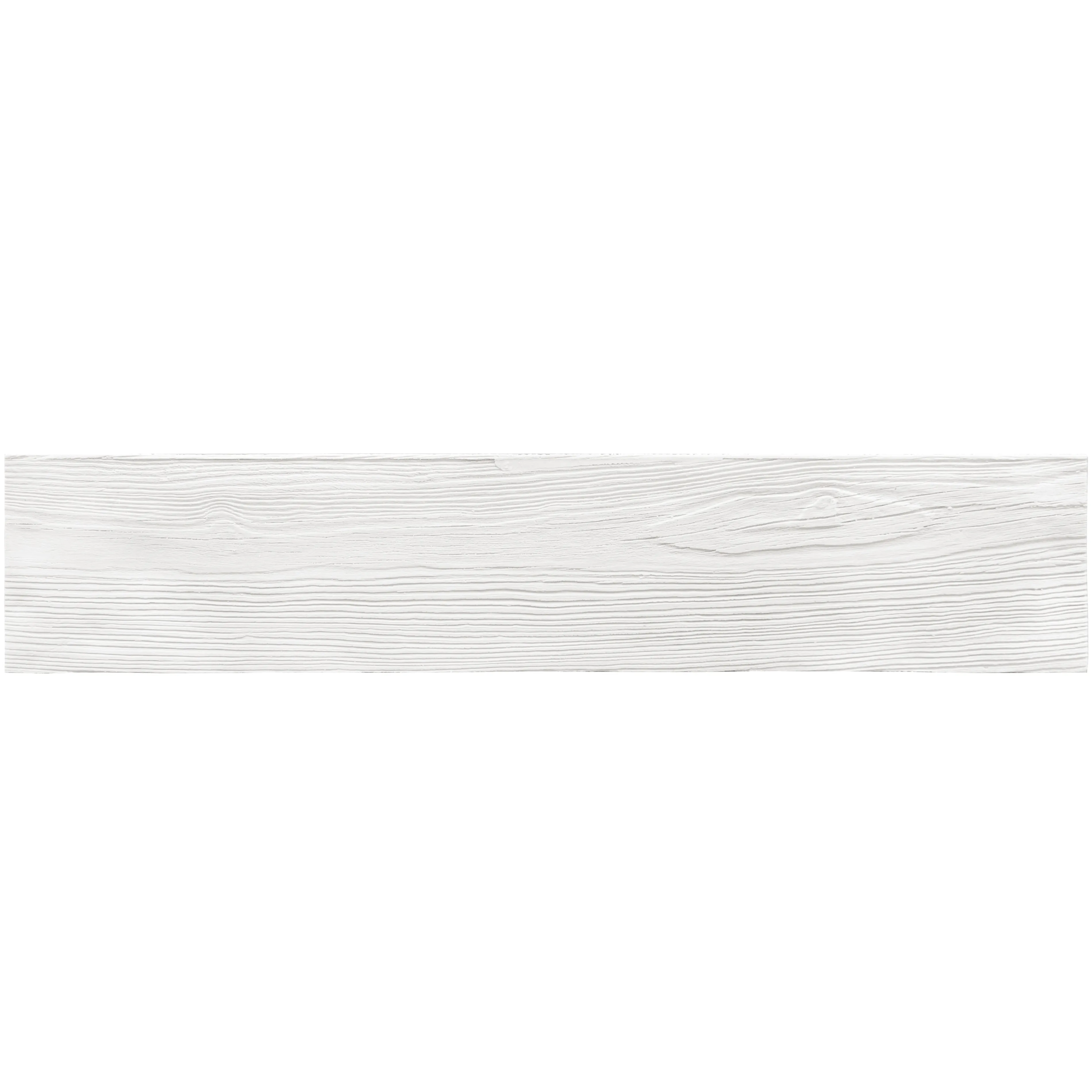
White Wood MCM isn't just a cladding material – it's a love letter to the beauty of wood, reimagined for the demands of modern life. Run your fingers across its surface, and you'll feel the wood grain board texture: deep, tactile grooves that mimic the natural flow of tree rings, knots, and growth patterns. It's not a flat, printed imitation, but a surface that invites touch, as if you're running your hand over a weathered oak beam in a centuries-old cottage. The white wood finish itself is a masterclass in versatility. It's crisp enough to brighten a shaded urban lot, soft enough to complement a garden's greenery, and warm enough to feel welcoming on a winter's day.
What truly sets it apart is its ability to age gracefully – without actually aging. Unlike real wood, which fades to gray or cracks in harsh weather, White Wood MCM locks in that "just-unboxed" vibrancy. Thanks to mcm flexible stone technology, the color runs through the material, not just on the surface, so even if it scratches (a rare occurrence), the tone remains consistent. Beyond classic white, you'll find hues that echo nature: driftwood grays, honeyed beiges, and weathered browns, each designed to blend with landscapes rather than clash with them. Whether you're aiming for a coastal retreat or a modern farmhouse, this material doesn't just cover your home – it elevates it.
Vinyl Siding has earned its place in home construction as the affordable, easy-to-find option. It comes in basic whites, neutrals, and even bold colors, making it a go-to for quick renovations. But step closer, and its limitations become clear. While some premium lines attempt wood grain, the texture often feels shallow – more like a sticker than a living surface. Run your hand over it, and you might notice a smooth, slightly rubbery finish that lacks the organic depth of MCM. Colors, too, can feel flat; whites may take on a plastic-like sheen, and darker shades often fade unevenly, leaving walls looking patchy after a few summers.
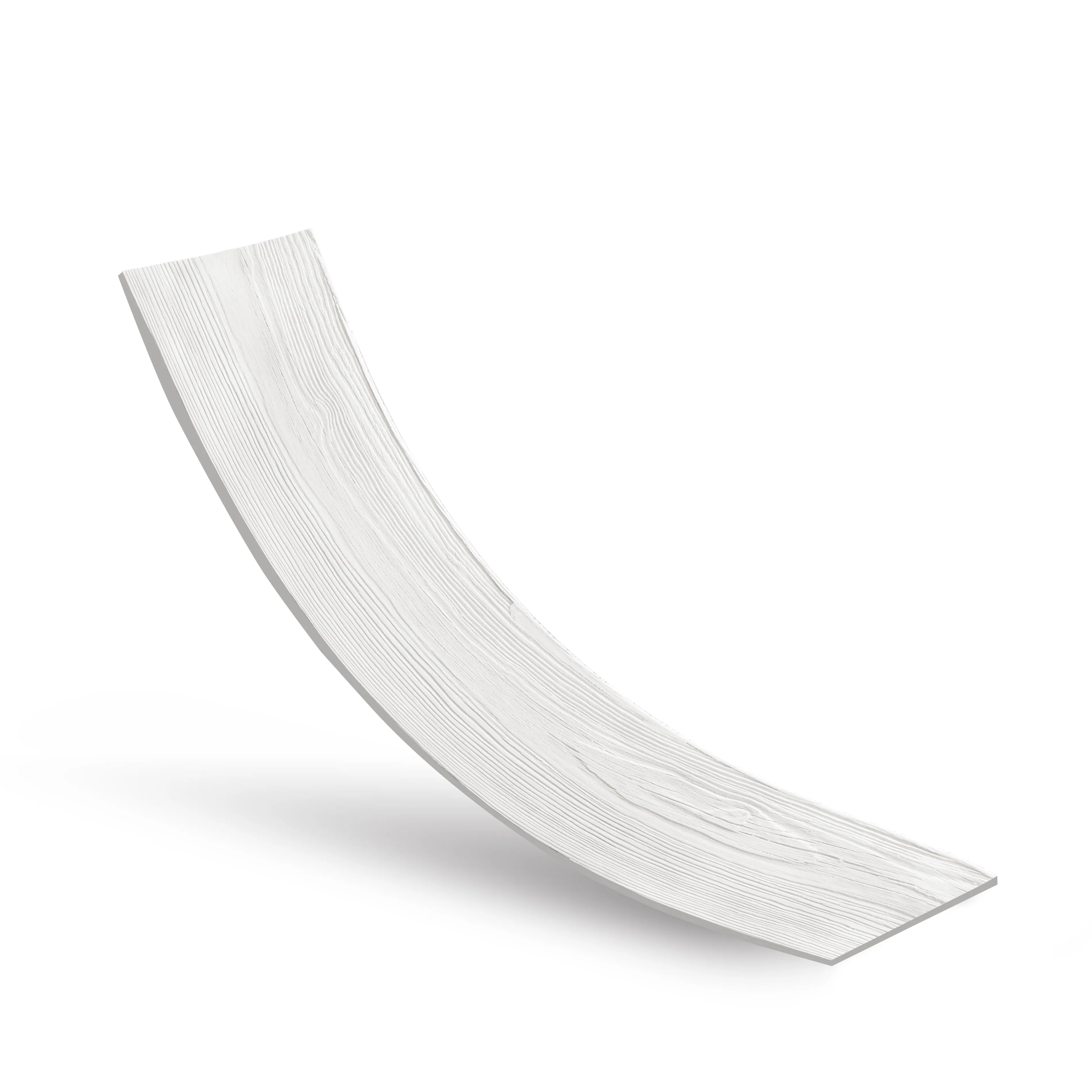
Design flexibility is another hurdle. Vinyl panels are typically uniform in size and shape, leaving little room for creativity. Want a curved accent wall or a mix of textures? Vinyl will likely leave you disappointed. White Wood MCM, by contrast, bends and adapts – its flexibility lets designers play with angles, curves, and custom cuts, turning a house into a home with personality.
Beauty fades if it can't stand up to reality. Let's break down how these materials hold up when the weather turns, the years pass, and life happens.
White Wood MCM is engineered for resilience. At its core is mcm flexible stone – a composite that marries the strength of stone with the adaptability of modern polymers. Rain? It repels moisture, so no rot or mold. Snow and ice? It won't crack or warp in freezing temperatures. Hail? Its tough surface resists dents. Even pests like termites and carpenter ants turn up their noses – no tasty wood fibers here. In coastal areas, it stands up to salt spray, and in deserts, it laughs off scorching sun. This isn't just cladding; it's a shield that keeps your home safe, year after year.
Vinyl Siding, while durable in mild climates, has a breaking point. In hot regions, panels can soften and warp under direct sunlight, especially if installed too tightly. In cold weather, they become brittle – a stray football or heavy branch can leave a jagged crack. High winds may loosen panels, and extreme temperature swings cause expansion and contraction that weakens seams over time. After a decade, you might notice fading, warping, or even mildew in humid corners – issues White Wood MCM simply doesn't face.
Let's talk about weekends. Do you want to spend them power-washing, painting, or repairing – or hiking, gardening, or relaxing with family? White Wood MCM leans hard into the latter. Its surface is naturally resistant to dirt and grime; a quick rinse with a garden hose once a season is usually enough to keep it sparkling. No sanding, staining, or repainting required. Even in areas with heavy pollen or pollution, it stays bright, so your home always looks its best with minimal effort.
Vinyl Siding, though marketed as "maintenance-free," often demands more than advertised. Scratches show easily, especially on dark colors, and once the surface fades, you're left with two choices: live with a dull, discolored exterior or replace panels (which can be pricey if the color is discontinued). Mildew loves vinyl's seams in humid climates, requiring regular scrubbing with bleach solutions. And while you won't stain it, many homeowners find themselves repainting vinyl every 5–7 years to restore its original look – a chore that adds up over time.
| Feature | White Wood MCM | Vinyl Siding |
|---|---|---|
| Texture & Feel | Deep wood grain board texture; tactile, organic, and warm to the touch. | Shallow, often plastic-like surface; limited depth and natural feel. |
| Durability | Resistant to moisture, pests, extreme temps, and impact (via mcm flexible stone ). | Prone to warping in heat, cracking in cold, and fading over time. |
| Maintenance | Low: hose rinse occasionally; no painting, staining, or sealing. | Moderate: may require power-washing, scratch repairs, or repainting. |
| Design Flexibility | Flexible for curves, custom cuts, and mixed textures. | Limited to uniform panels; minimal creative adaptability. |
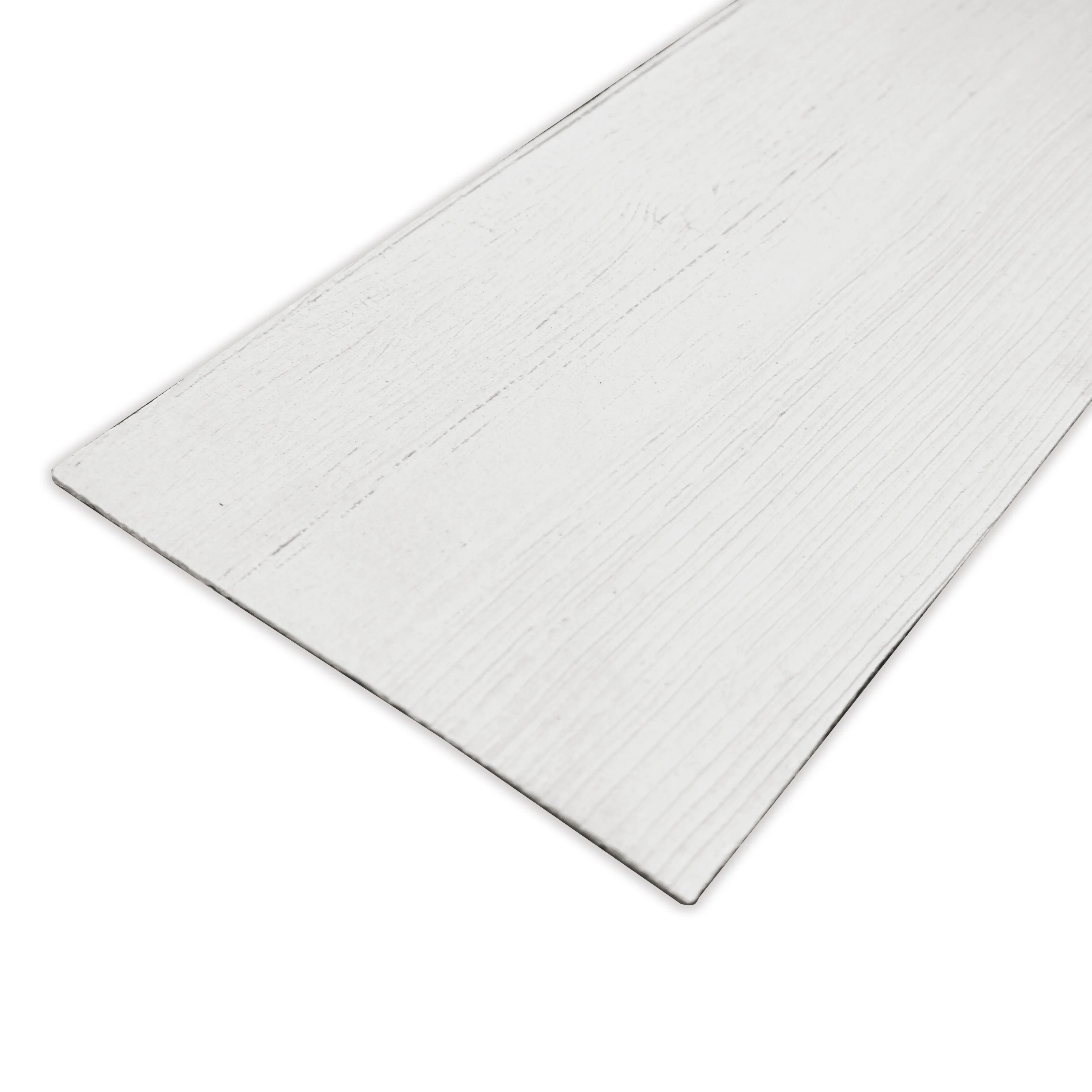
Installing exterior cladding shouldn't feel like a second job. White Wood MCM shines here, thanks to its lightweight design and flexibility. Contractors often note it cuts cleanly, fits snugly around corners, and even adapts to uneven walls – no need for extensive prep work. Its durability also means fewer headaches during transport; unlike vinyl, which can crack if dropped, MCM panels stand up to the bumps of the job site.
Vinyl Siding is lightweight too, but it's less forgiving. It requires precise spacing to account for expansion (too tight, and it warps; too loose, and it rattles). Mistakes during installation – like a misaligned nail – can lead to buckling panels down the line. And while it's faster to install than real wood, it often takes longer than MCM due to these precision demands.
Choosing between White Wood MCM and Vinyl Siding isn't just about picking a cladding material – it's about choosing how you want to experience your home. Vinyl Siding works for tight budgets and quick fixes, but it often trades long-term beauty and durability for upfront savings. White Wood MCM, on the other hand, is an investment in a home that feels warm and alive today, and stays that way for decades.
It's the difference between a house that fades into the neighborhood and one that stands out – not with flash, but with timeless charm. With its wood grain board texture, white wood warmth, and mcm flexible stone resilience, White Wood MCM doesn't just protect your home. It turns it into a story – one that feels like home, now and always.
Recommend Products












