
Picture this: You've just finished designing your dream home. The living room features a stunning accent wall made of rich, warm wood panels, and the outdoor deck is lined with sleek wooden planks that complement the backyard garden. It's perfect—until the first heavy rain hits. A few weeks later, you notice the deck boards are warping, the accent wall has developed unsightly water stains, and there's a faint musty smell creeping from the corners. Sound familiar? For homeowners, designers, and builders alike, the battle against moisture damage in natural wood is as old as the material itself. But what if there was a way to keep the timeless beauty of wood without the endless worry about water? Enter MCM panels—a modern solution that's redefining how we think about durability and design. In particular, MCM flexible stone and wood grain board are emerging as game-changers, offering the best of both worlds: the aesthetic appeal of wood and the moisture resistance of advanced composite materials. Let's dive into why MCM panels are quickly becoming the go-to choice for anyone tired of wood's moisture-related headaches.
Natural wood is beloved for its warmth, texture, and organic charm. It's been used in construction and design for centuries, and for good reason—it's versatile, renewable, and feels "alive" in a way no synthetic material can. But here's the catch: wood is a porous material, and porosity is a moisture magnet. Think of a sponge—even a high-quality one will absorb water, and over time, that absorption leads to trouble. For wood, the issues start small but escalate quickly.
First, there's warping and swelling. When wood absorbs moisture, its fibers expand; when it dries out, they contract. This constant cycle of expansion and contraction weakens the wood's structure, causing boards to bow, crack, or split. Imagine your kitchen cabinets, which are exposed to steam from cooking daily. Over time, the doors might start sticking, or the edges could peel away from the frame—all because of moisture. Then there's rot and decay. Moisture creates the perfect environment for fungi and bacteria to thrive, breaking down the wood's cellulose and turning it into a soft, crumbly mess. Even treated wood isn't immune; while pressure-treated lumber resists rot better than untreated wood, it still absorbs water and can degrade over time, especially in high-humidity areas like bathrooms or coastal homes.
Mold and mildew are another ugly side effect. Not only do they stain wood and create unpleasant odors, but they also pose health risks, triggering allergies and respiratory issues. And let's not forget pests—termites, carpenter ants, and wood-boring beetles are drawn to damp wood, turning a minor moisture problem into a full-blown infestation. By the time you notice these issues, the damage is often irreversible, requiring costly repairs or full replacements. For example, replacing a rotted deck can cost thousands of dollars, and fixing mold-damaged wall panels involves not just replacing the wood but also addressing the root cause of the moisture—a process that can drag on for weeks.
The worst part? These problems aren't limited to outdoor spaces. Indoor areas like basements, laundry rooms, and even living rooms with poor ventilation are just as vulnerable. A single leaky pipe or a humid summer can spell disaster for wooden floors, furniture, or wall cladding. Natural wood, for all its beauty, simply isn't built to stand up to the relentless assault of moisture in our daily environments.
Before we jump into why MCM panels outperform wood in moisture resistance, let's clarify what MCM panels are. MCM stands for "Modified Composite Material," and as the name suggests, these panels are engineered using a blend of natural minerals, polymers, and reinforcing fibers. Unlike natural wood, which is a single, organic material, MCM panels are designed in layers, each with a specific purpose: a durable outer layer for protection, a core for strength, and a backing layer for stability. This multi-layer construction is key to their superior performance—especially when it comes to fending off moisture.
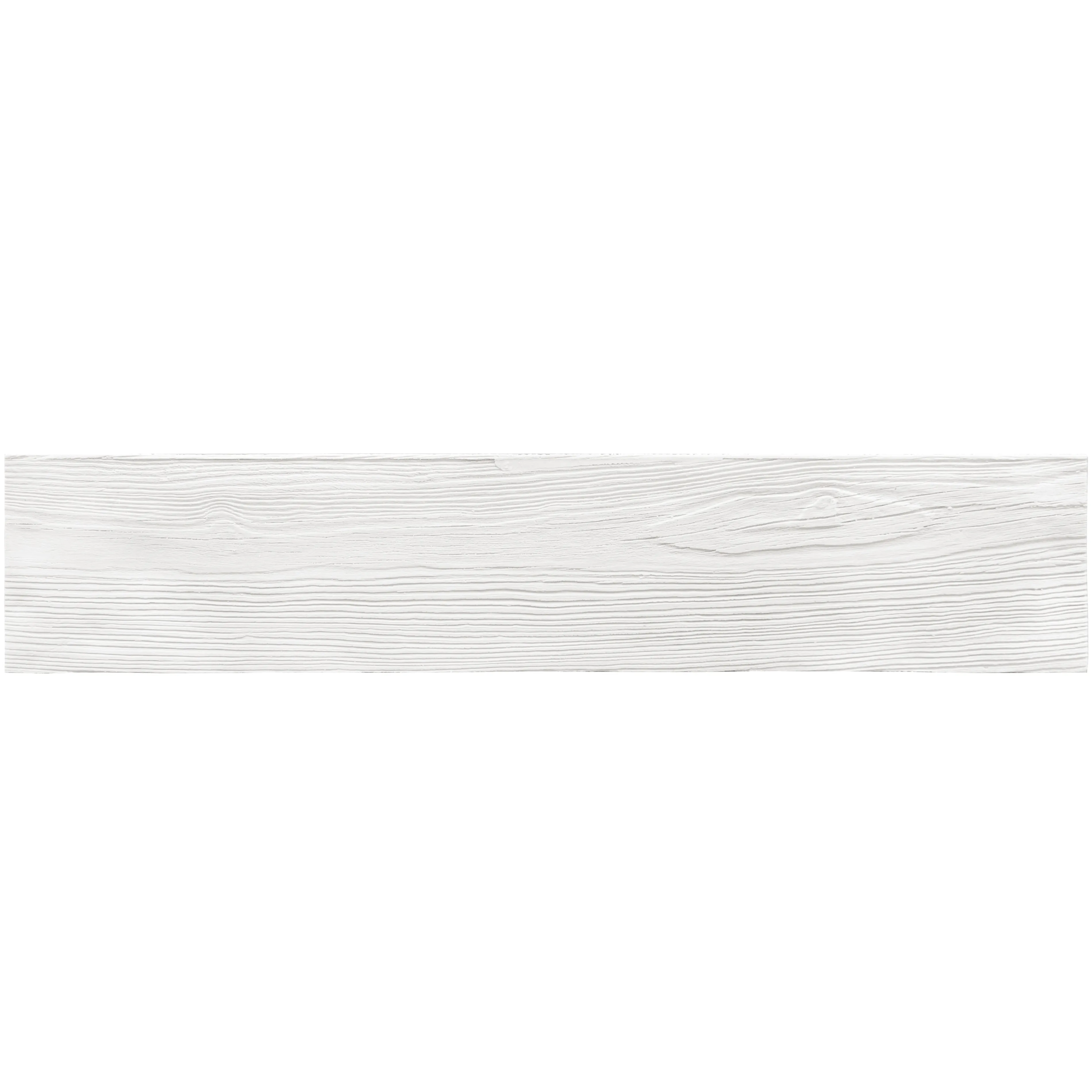
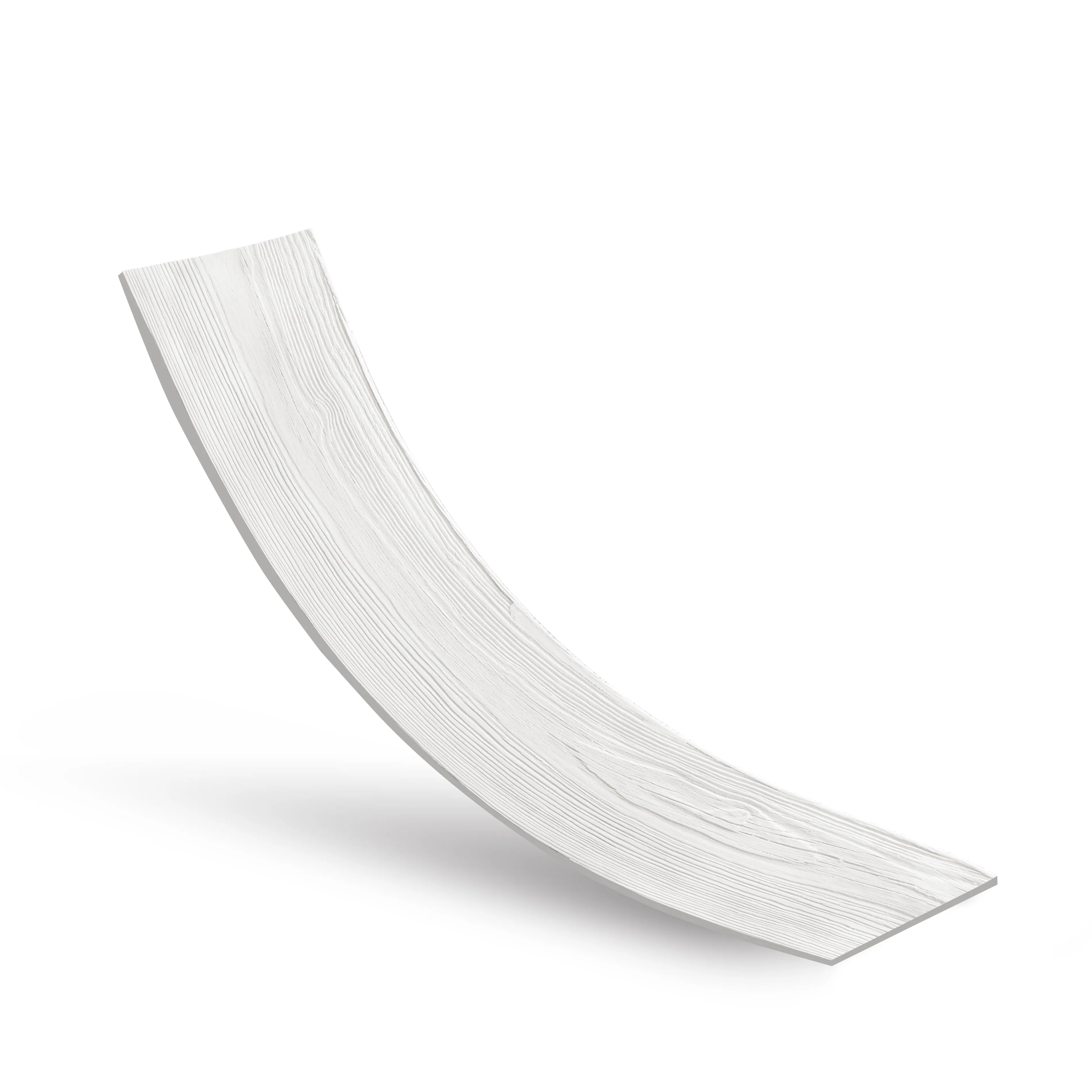
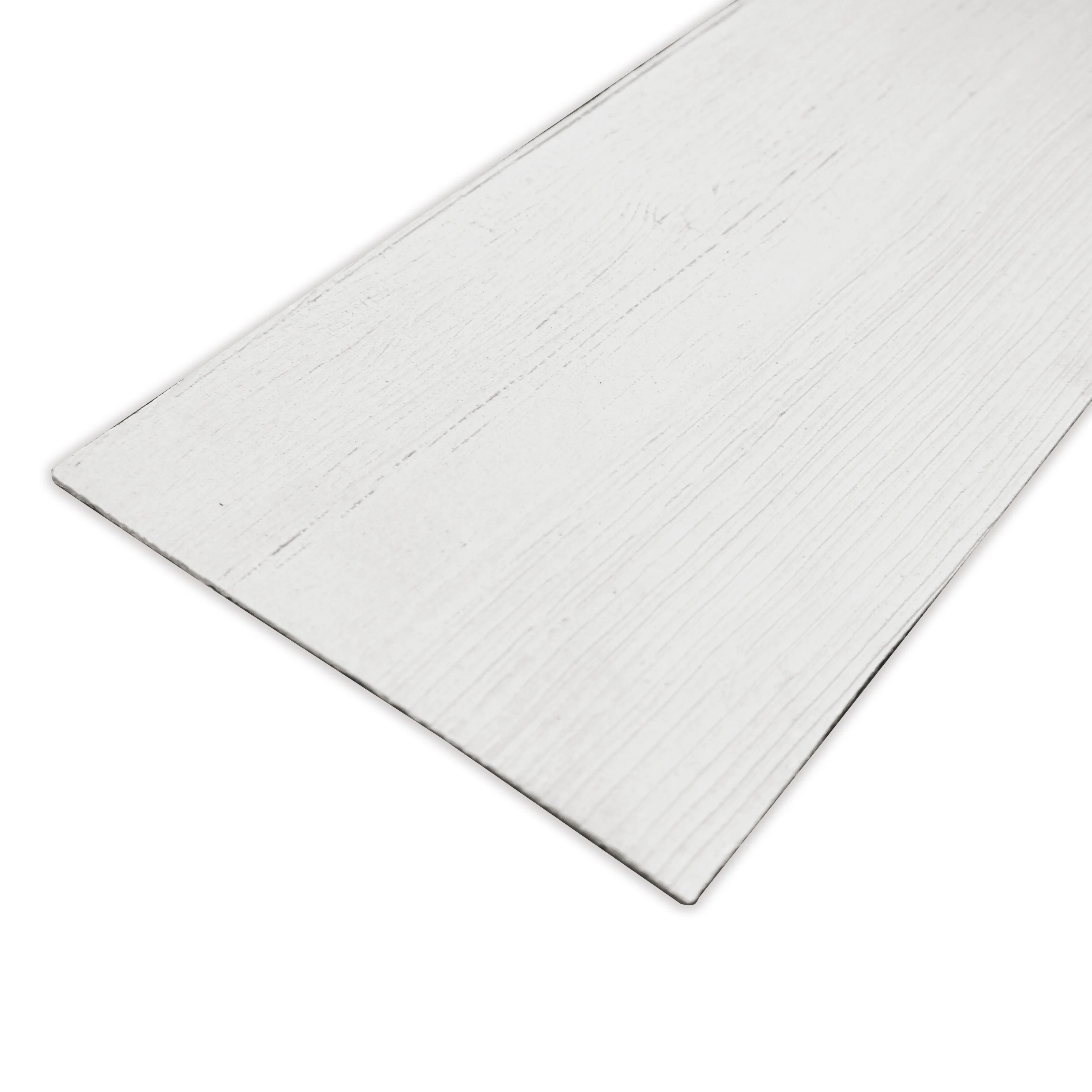
At the heart of many MCM panels is MCM flexible stone, a variant that combines the look of natural stone with the flexibility of a composite. Don't let the "stone" part fool you—these panels are surprisingly lightweight and easy to install, making them ideal for both interior and exterior use. Then there's wood grain board, a type of MCM panel that mimics the texture and color of real wood so closely, you'd swear it was the real thing. From the subtle knots of oak to the smooth lines of maple, wood grain board captures every nuance of natural wood, right down to the way light plays off its surface. But unlike real wood, it's engineered to resist moisture, scratches, and fading—making it a favorite among designers who refuse to compromise on aesthetics.
So, how do MCM panels achieve such impressive moisture resistance? It all comes down to their composition. The minerals in the composite (often limestone or marble dust) are non-porous, meaning they don't absorb water like wood does. The polymers act as a binding agent, creating a tight, uniform structure that repels moisture rather than soaking it in. Even the manufacturing process plays a role: MCM panels are compressed under high pressure and heat, eliminating gaps and pores where water could seep in. The result? A material that laughs in the face of rain, humidity, and spills.
Let's get technical for a minute—how exactly do MCM panels stack up against natural wood when it comes to moisture resistance? To put it simply:
Picture this: You've just finished designing your dream home. The living room features a stunning accent wall made of rich, warm wood panels, and the outdoor deck is lined with sleek wooden planks that complement the backyard garden. It's perfect—until the first heavy rain hits. A few weeks later, you notice the deck boards are warping, the accent wall has developed unsightly water stains, and there's a faint musty smell creeping from the corners. Sound familiar? For homeowners, designers, and builders alike, the battle against moisture damage in natural wood is as old as the material itself. But what if there was a way to keep the timeless beauty of wood without the endless worry about water? Enter MCM panels—a modern solution that's redefining how we think about durability and design. In particular, MCM flexible stone and wood grain board are emerging as game-changers, offering the best of both worlds: the aesthetic appeal of wood and the moisture resistance of advanced composite materials. Let's dive into why MCM panels are quickly becoming the go-to choice for anyone tired of wood's moisture-related headaches.
Natural wood is beloved for its warmth, texture, and organic charm. It's been used in construction and design for centuries, and for good reason—it's versatile, renewable, and feels "alive" in a way no synthetic material can. But here's the catch: wood is a porous material, and porosity is a moisture magnet. Think of a sponge—even a high-quality one will absorb water, and over time, that absorption leads to trouble. For wood, the issues start small but escalate quickly.
First, there's warping and swelling. When wood absorbs moisture, its fibers expand; when it dries out, they contract. This constant cycle of expansion and contraction weakens the wood's structure, causing boards to bow, crack, or split. Imagine your kitchen cabinets, which are exposed to steam from cooking daily. Over time, the doors might start sticking, or the edges could peel away from the frame—all because of moisture. Then there's rot and decay. Moisture creates the perfect environment for fungi and bacteria to thrive, breaking down the wood's cellulose and turning it into a soft, crumbly mess. Even treated wood isn't immune; while pressure-treated lumber resists rot better than untreated wood, it still absorbs water and can degrade over time, especially in high-humidity areas like bathrooms or coastal homes.
Mold and mildew are another ugly side effect. Not only do they stain wood and create unpleasant odors, but they also pose health risks, triggering allergies and respiratory issues. And let's not forget pests—termites, carpenter ants, and wood-boring beetles are drawn to damp wood, turning a minor moisture problem into a full-blown infestation. By the time you notice these issues, the damage is often irreversible, requiring costly repairs or full replacements. For example, replacing a rotted deck can cost thousands of dollars, and fixing mold-damaged wall panels involves not just replacing the wood but also addressing the root cause of the moisture—a process that can drag on for weeks.
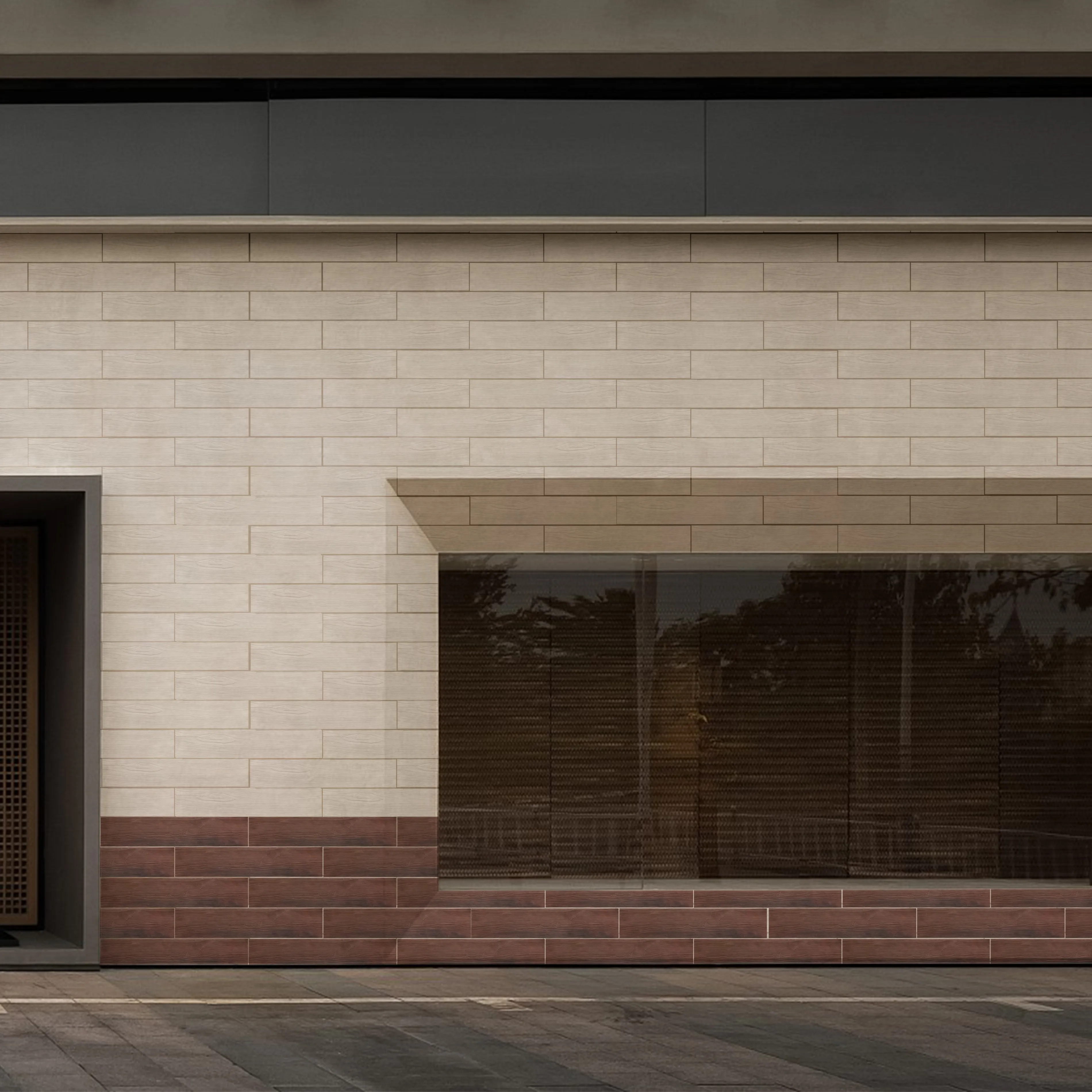
Before we jump into why MCM panels outperform wood in moisture resistance, let's clarify what MCM panels are. MCM stands for "Modified Composite Material," and as the name suggests, these panels are engineered using a blend of natural minerals, polymers, and reinforcing fibers. Unlike natural wood, which is a single, organic material, MCM panels are designed in layers, each with a specific purpose: a durable outer layer for protection, a core for strength, and a backing layer for stability. This multi-layer construction is key to their superior performance—especially when it comes to fending off moisture.
At the heart of many MCM panels is MCM flexible stone, a variant that combines the look of natural stone with the flexibility of a composite. Don't let the "stone" part fool you—these panels are surprisingly lightweight and easy to install, making them ideal for both interior and exterior use. Then there's wood grain board, a type of MCM panel that mimics the texture and color of real wood so closely, you'd swear it was the real thing. From the subtle knots of oak to the smooth lines of maple, wood grain board captures every nuance of natural wood, right down to the way light plays off its surface. But unlike real wood, it's engineered to resist moisture, scratches, and fading—making it a favorite among designers who refuse to compromise on aesthetics.
So, how do MCM panels achieve such impressive moisture resistance? It all comes down to their composition. The minerals in the composite (often limestone or marble dust) are non-porous, meaning they don't absorb water like wood does. The polymers act as a binding agent, creating a tight, uniform structure that repels moisture rather than soaking it in. Even the manufacturing process plays a role: MCM panels are compressed under high pressure and heat, eliminating gaps and pores where water could seep in. The result? A material that laughs in the face of rain, humidity, and spills.
Let's get technical for a minute—how exactly do MCM panels stack up against natural wood when it comes to moisture resistance? To put it simply: MCM panels are designed to repel water, while wood is designed to absorb it. Take MCM flexible stone, for example. Its surface is dense and non-porous, so when rain hits an outdoor wall clad in MCM flexible stone, the water beads up and runs off, rather than seeping into the material. Even if moisture does come into contact with the panel's edges (say, from a leaky gutter), the multi-layer construction prevents it from spreading or causing damage. In contrast, a wooden wall would absorb that water, leading to swelling, staining, or worse.
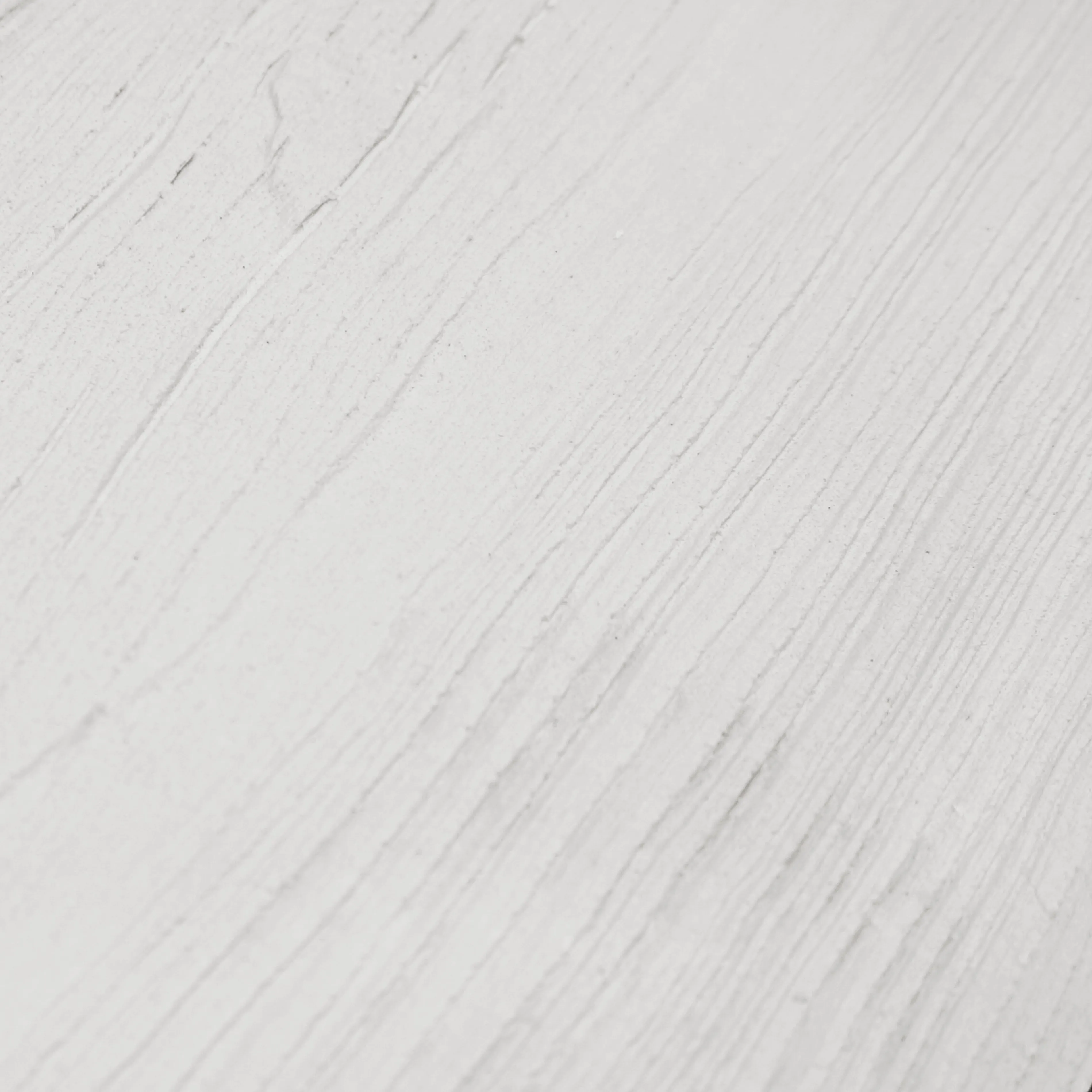
Wood grain board takes this a step further by addressing one of wood's biggest weaknesses: surface texture. Natural wood has tiny cracks and crevices in its grain, which act like little channels for water to penetrate. Wood grain board, on the other hand, replicates the look of wood grain but in a smooth, sealed surface. There are no cracks to trap moisture, no pores to absorb spills—just a consistent, durable finish that's easy to wipe clean. Think about a kitchen backsplash: if you spill tomato sauce on a wooden backsplash, you'll spend minutes scrubbing to avoid a stain; with wood grain board, a quick wipe with a damp cloth is all it takes. That's the power of moisture resistance in everyday life.
| Feature | MCM Panels (e.g., MCM Flexible Stone, Wood Grain Board) | Natural Wood |
|---|---|---|
| Moisture Absorption | ≤0.5% water absorption rate (resists swelling and warping) | Up to 20% water absorption rate (prone to swelling, cracking, and rot) |
| Mold/Mildew Resistance | Non-porous surface prevents mold growth; no organic material for fungi to feed on | Porous structure traps moisture, creating ideal conditions for mold and mildew |
| Durability in Humid Environments | Unaffected by high humidity (ideal for bathrooms, kitchens, coastal areas) | Prone to warping, discoloration, and structural weakening in humid climates |
| Maintenance Needs | Minimal: occasional cleaning with soap and water; no sealing or staining required | High: regular sealing, staining, and repairs to prevent moisture damage |
| Lifespan in Wet Conditions | 20+ years with minimal degradation | 5–10 years (even treated wood may require replacement due to rot or warping) |
The numbers speak for themselves. MCM panels don't just resist moisture—they redefine what's possible in wet or humid environments. Whether you're building a beach house in Florida, a bathroom in a high-rise apartment, or a restaurant kitchen with constant steam, MCM panels provide peace of mind that natural wood simply can't match.
While moisture resistance is the star of the show, MCM panels have plenty of other tricks up their sleeve. For starters, they're incredibly versatile. MCM flexible stone, for example, can be curved, cut, or shaped to fit any design vision—from sleek, modern facades to intricate, historic-inspired details. Wood grain board comes in a wide range of finishes, from light pine to dark walnut, so you can match any aesthetic without sacrificing durability. And if you're looking for something even more unique, options like fair-faced concrete MCM panels offer an industrial-chic vibe that's perfect for contemporary spaces. The point is: MCM panels don't box you into a single style—they adapt to your creativity.
Durability is another major plus. Unlike wood, which can scratch, dent, or fade with time, MCM panels are built to withstand the wear and tear of daily life. They're resistant to UV rays, so they won't fade in the sun; they're scratch-resistant, making them ideal for high-traffic areas like hallways or commercial lobbies; and they're fire-retardant, adding an extra layer of safety to any space. For busy families or business owners, this means less time worrying about damage and more time enjoying their space.
Installation is also a breeze. MCM panels are lightweight (often weighing 30–50% less than natural stone or wood), which makes them easier to transport and install. This not only saves time but also reduces labor costs—a win for both homeowners and contractors. And because they're pre-finished, there's no need for on-site staining or sealing, which means your project can be completed faster with less mess.
Case Study: A Coastal Restaurant's Deck Revival
A popular seafood restaurant in Charleston, South Carolina, was struggling with its outdoor deck. Located just blocks from the ocean, the deck was exposed to saltwater spray, heavy rains, and high humidity—natural wood didn't stand a chance. The restaurant was replacing deck boards every 2–3 years, costing thousands of dollars and disrupting business. Then they switched to wood grain MCM panels. Three years later, the deck looks as good as new: no warping, no rot, no mold. "We used to have to close the outdoor seating area for repairs all the time," says the restaurant owner. "Now, we just hose it down at the end of the night and forget about it. Best decision we ever made."
Case Study: A Bathroom Renovation in a Humid City
A homeowner in New Orleans wanted to update their master bathroom with a wood-look accent wall. But with the city's high humidity, natural wood was out of the question. Instead, they chose wood grain board MCM panels. "I was worried it would look fake, but when friends come over, they can't believe it's not real wood," the homeowner says. "And even with daily showers, there's zero moisture damage—no stains, no peeling, no mildew. It's like having a spa bathroom that actually stays beautiful."
These examples aren't anomalies—they're the norm for MCM panels. From residential homes to commercial buildings, MCM flexible stone and wood grain board are proving that you don't have to choose between beauty and durability. They're changing the conversation from "how do we fix wood's moisture problem?" to "how can we design spaces that thrive in any environment?"
We get it—any new material comes with questions, and MCM panels are no exception. The biggest concerns we hear are: "Are they more expensive than wood?" and "Do they really look like wood?" Let's tackle both head-on.
First, cost. It's true that MCM panels have a higher upfront cost than budget-friendly wood options like pine or plywood. However, when you factor in long-term maintenance and replacement costs, they're often more affordable. Think about it: natural wood requires sealing every 1–2 years (costing $1–$3 per square foot each time), repairs for warping or rot, and eventual replacement. MCM panels, on the other hand, have no ongoing maintenance costs and a lifespan that's 2–4 times longer than wood. Over 20 years, the total cost of MCM panels is typically 30–50% less than natural wood. It's an investment that pays off—literally.
As for aesthetics, modern MCM technology has closed the gap between "fake" and "real" wood. Wood grain board is designed using advanced printing techniques that capture the unique grain patterns, knots, and color variations of natural wood. Some manufacturers even use 3D scanning to replicate the texture of real wood planks, so when you run your hand over the surface, it feels just like the real thing. And with options ranging from reclaimed barn wood to sleek, contemporary oak, there's a wood grain board to suit every style. In fact, many designers prefer MCM panels because they offer more consistency—no two natural wood boards are the same, which can be a headache for large projects, but MCM panels provide uniform color and texture, ensuring a polished, professional look.
Natural wood has a special place in our hearts, but when it comes to moisture resistance, it's time to let go of the past. MCM panels—especially MCM flexible stone and wood grain board—offer a smarter, more durable alternative that doesn't compromise on beauty. Whether you're building a new home, renovating a bathroom, or designing a commercial space, MCM panels provide the moisture resistance you need, the durability you crave, and the design flexibility you deserve.
So, the next time you're staring at a warped deck, a moldy wall, or a water-stained cabinet, remember: you don't have to choose between wood's charm and a moisture-free life. With MCM panels, you can have both. It's time to stop fighting moisture and start designing spaces that thrive—no matter what the weather throws their way. Your future self (and your wallet) will thank you.
Recommend Products












