
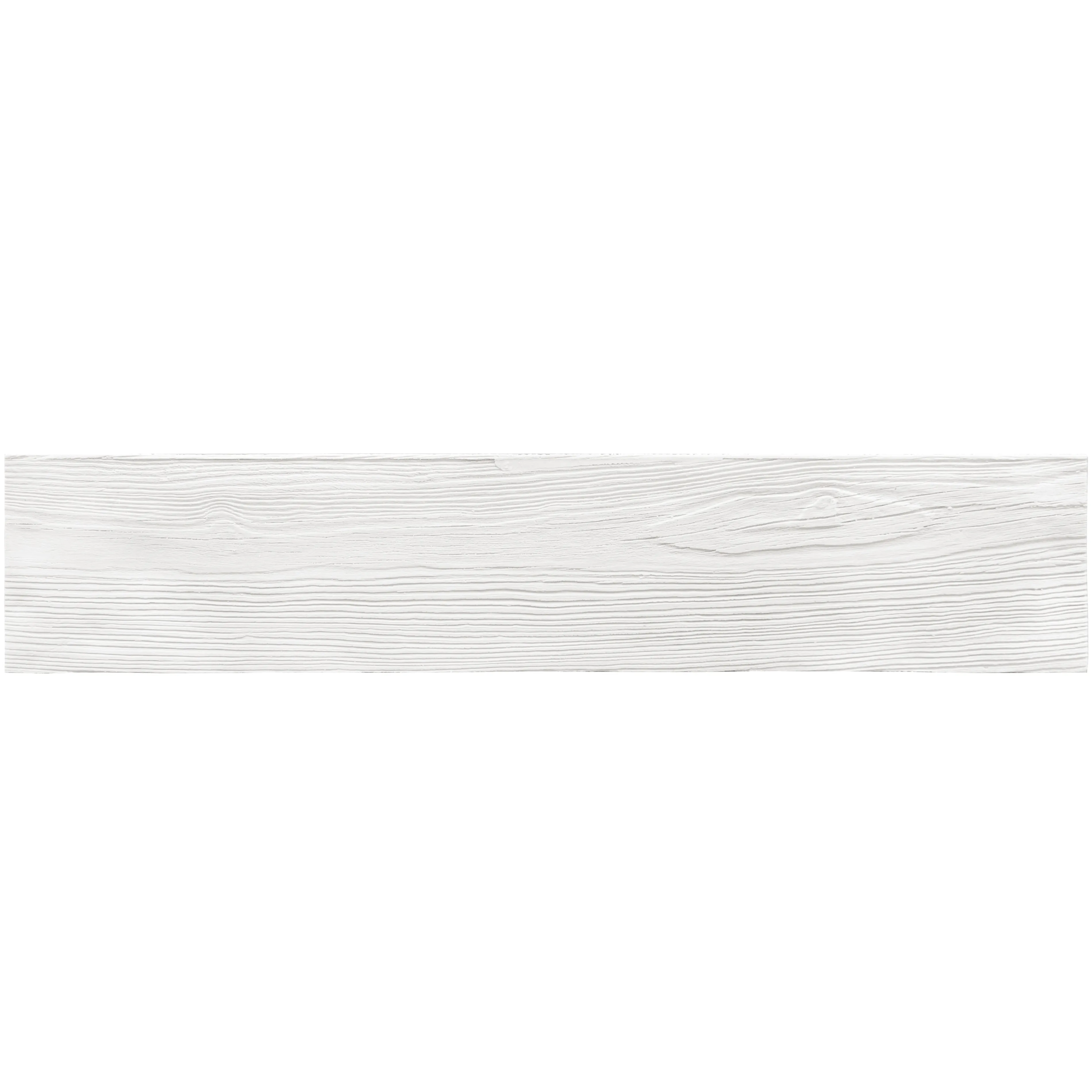
There's something almost magical about white wood. Walk into a room with white wood walls, a white wood bookshelf, or a white wood dining set, and suddenly the space feels brighter, airier, like a breath of fresh spring air trapped in timber. Designers love it for its versatility—it pairs with bold accents, soft pastels, and everything in between. Homeowners adore it for that "clean slate" feeling, like living in a space that's both timeless and new. But here's the thing no one talks about enough: behind that pristine white surface, white wood projects often hide a laundry list of headaches. Scratches that show up like neon signs. Warping from a single rainstorm. Endless hours spent repainting to keep that "white" from turning yellow. What if there was a way to keep the beauty, minus the battle?
Durability That Fades Fast – Let's start with the obvious: white wood is a magnet for marks. That perfect white dining table? It'll have a scratch within a week of your kid's birthday party, a water ring from your morning coffee, or a dent from where your dog decided to use it as a chew toy. Even "hardwood" white wood options like maple or ash aren't immune—they're tough, but not tough enough for the chaos of real life. And once that surface is marred, there's no hiding it. White doesn't blend; it shows .
Moisture: The Silent Enemy – White wood and moisture? They're frenemies at best. Install white wood in a bathroom, kitchen, or even a coastal home, and you're signing up for warping, swelling, and mold. I once worked with a client who fell in love with white wood cabinets for their beach house. By the end of the first summer, the doors wouldn't close properly, and there was a faint musty smell creeping from the corners. "I thought sealing it would help," they said, defeated. Spoiler: it rarely does. Wood breathes, and moisture finds its way in.
Maintenance: A Never-Ending To-Do List – That "effortless" white wood look? It's a lie. To keep it bright, you'll need to repaint every 1-2 years (more if you have kids or pets). Sealing? At least once a year. Polishing? Monthly, if you want to keep that shine. And let's not forget stains—red wine, tomato sauce, even a rogue crayon can turn into a full-day project of sanding and repainting. For busy homeowners, it's not just time-consuming; it's exhausting.
Sustainability: A Guilty Pleasure – Here's the elephant in the room: sourcing truly sustainable white wood is tricky. Many white wood species (like certain pines or birches) come from old-growth forests, and even FSC-certified options often require harsh chemical treatments to achieve that pure white color. It's a conflict no eco-conscious designer wants to face: choosing between a beautiful aesthetic and a clean conscience.
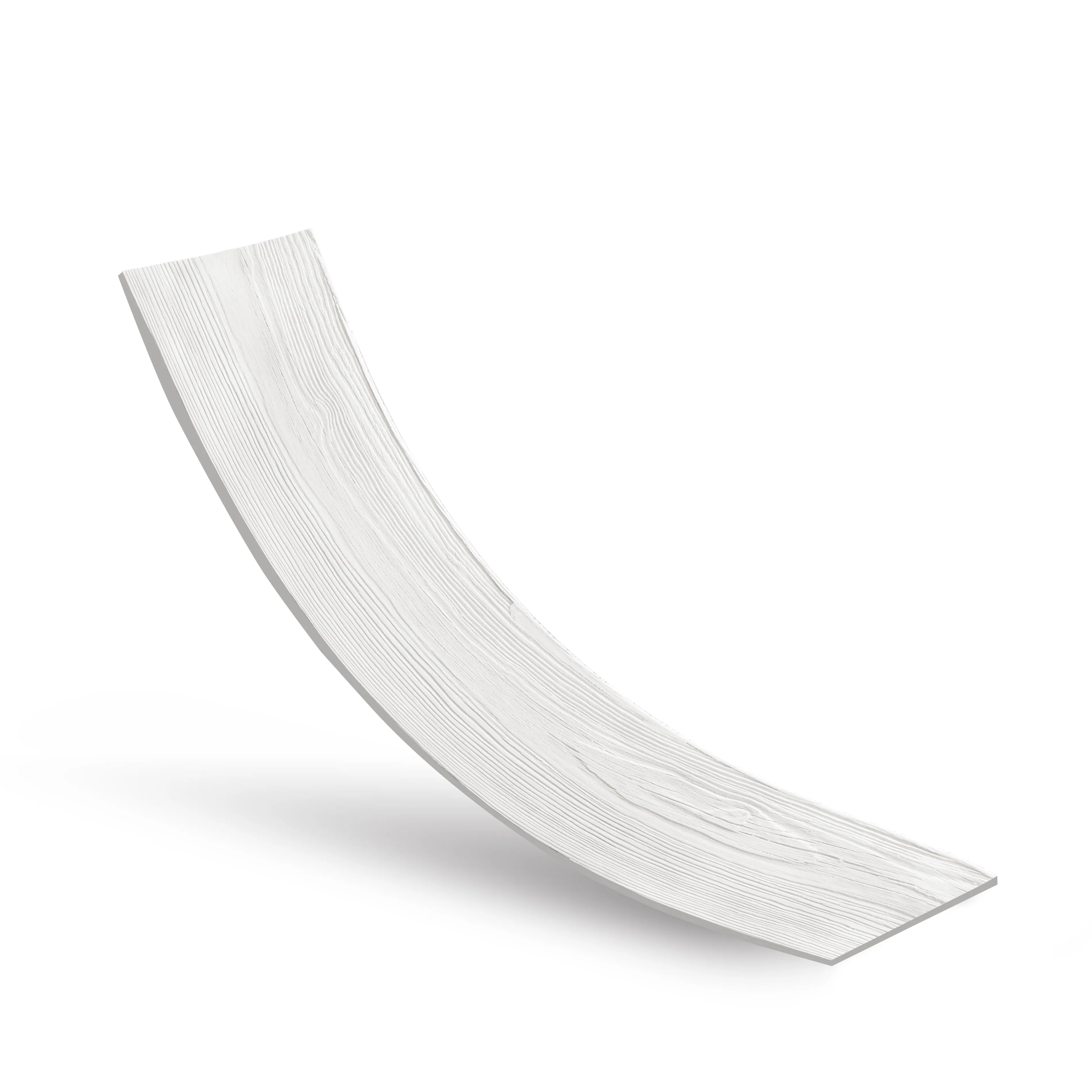
If you've ever wished for a material that could capture the essence of white wood—its warmth, its texture, its ability to make a space feel "lived-in yet lovely"—without the drama, let me introduce you to MCM panels. Short for Modified Composite Material, MCM panels are the result of blending innovation with design empathy. They're lightweight, durable, and crafted to mimic natural materials (like wood, stone, or even bamboo) while fixing their flaws. Think of them as the "wise older sibling" of traditional materials: they've learned from the mistakes and come back stronger, kinder, and more versatile.
What makes MCM panels special? They're engineered to handle the chaos of daily life. No more panicking over scratches. No more mold in humid rooms. And best of all, many are made from recycled or sustainably sourced materials, so you can have your dream design without the eco-guilt. But don't just take my word for it—let's dive into some standout MCM options that solve white wood's biggest problems, one panel at a time.
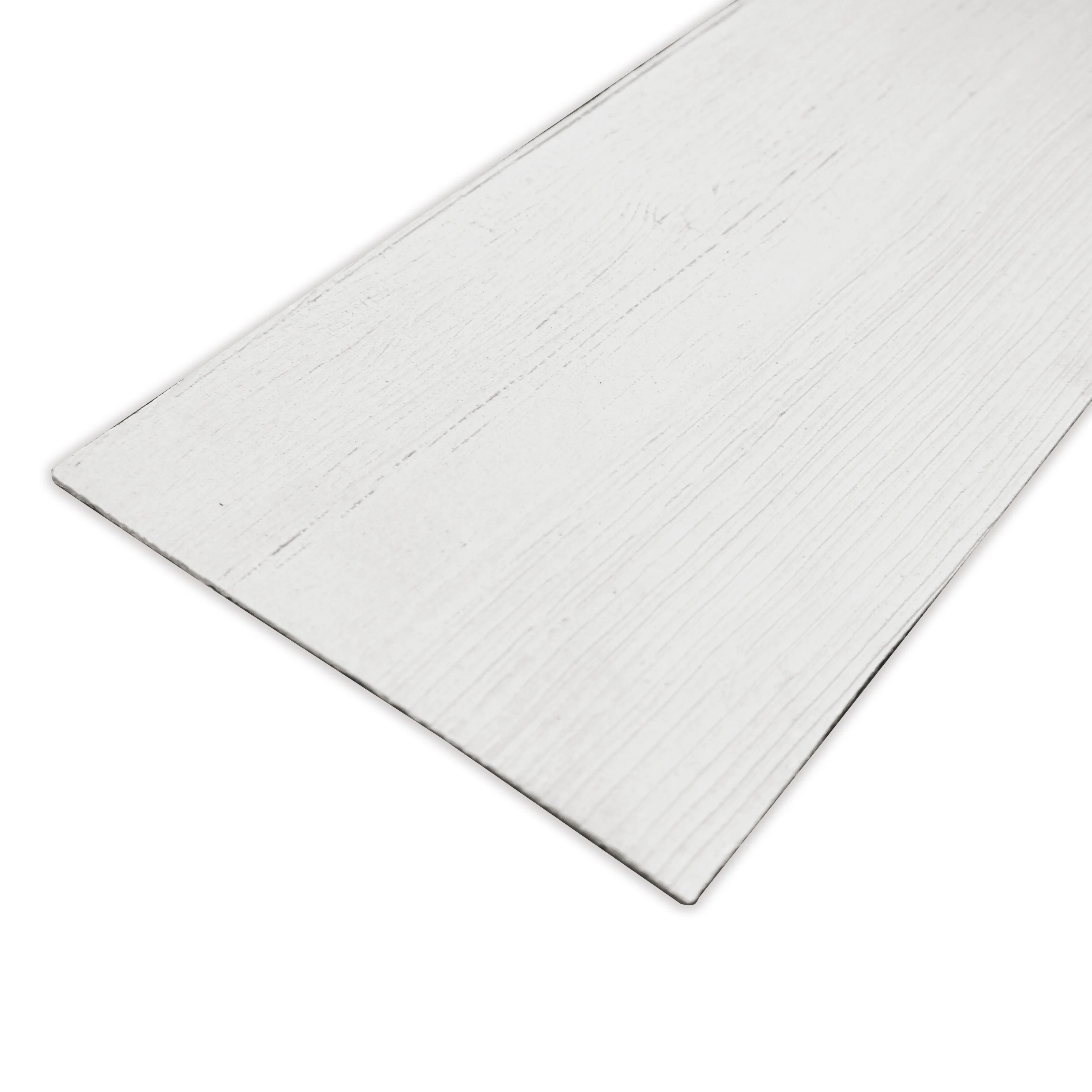
MCM Flexible Stone (Travertine Beige) – Let's start with a crowd-pleaser. MCM Flexible Stone in travertine (beige) isn't white, but hear me out: it offers the same light, airy vibe as white wood, with a warmth that white wood often lacks. Imagine a wall panel that looks like it was carved from sun-bleached stone, with soft, natural veining that adds depth without overwhelming. But unlike white wood, this stone-inspired panel bends (yes, bends!) to fit curved walls or custom shapes, and it's virtually scratch-proof. A client once used it in their kitchen backsplash—no more worrying about tomato sauce stains or steam warping the surface. "I wipe it with a cloth and it looks brand new," they told me. Plus, it's moisture-resistant, making it perfect for bathrooms or basements where white wood would crumble.
Bamboo Mat Board – For designers craving that natural, organic texture of white wood but with a sustainable twist, bamboo mat board is a game-changer. It mimics the look of woven bamboo mats, with a light, neutral tone that reads as "soft white" in bright spaces. But unlike real bamboo (which can splinter and fade), MCM bamboo mat board is made from compressed bamboo fibers and recycled polymers, making it tough enough for high-traffic areas like entryways or mudrooms. I recently helped a family with young kids use it for their playroom walls—after six months of toy trucks, crayons, and sticky fingers, the panels still look flawless. "We were worried about stains," the mom said, "but even marker comes off with a magic eraser!"
Wood Grain Board – If you love the look of white wood but hate the upkeep, meet your new best friend: MCM Wood Grain Board. This panel is engineered to mimic the exact texture of white wood—from the subtle grain lines to the soft sheen—without any of the vulnerabilities. It's scratch-resistant (tested with everything from pet claws to furniture legs), moisture-proof (no warping in bathrooms!), and UV-stable, so it won't yellow in sunlight. A restaurant owner I worked with swapped their white wood booths for this panel last year. "We used to repaint the booths every quarter," they said. "Now? We wipe them down nightly, and they still look like the day we installed them. It's saved us so much time—and money."
Fair-Faced Concrete – Okay, hear me out: fair-faced concrete isn't white wood, but it's a stunning alternative for designers who want that clean, minimalist look without the wood. This MCM panel has a smooth, matte finish that reads as "quietly elegant," with subtle variations in tone that add warmth (no cold, industrial vibes here). It's perfect for modern or Scandinavian spaces where white wood might feel too "country." And get this: it's fire-resistant, mold-resistant, and requires zero maintenance beyond an occasional dusting. A client used it for their home office walls, paired with black metal accents, and the result? A space that feels calm, focused, and unbreakable .
Still on the fence? Let's break it down. Here's how white wood stacks up against our MCM heroes in the categories that matter most:
| Category | White Wood | MCM Flexible Stone (Travertine Beige) | Bamboo Mat Board | Wood Grain Board |
|---|---|---|---|---|
| Durability | Prone to scratches, dents, and warping | Scratch-proof, bendable, and impact-resistant | Splinter-free, withstands heavy traffic | Mimics wood texture; scratch and dent-resistant |
| Moisture Resistance | Warping/mold in humid areas (kitchens, bathrooms) | 100% moisture-proof; ideal for wet spaces | Water-resistant; great for basements/entryways | Moisture-proof; no warping in high-humidity rooms |
| Maintenance | Repaint every 1-2 years; seal annually | Wipe clean with a damp cloth; no sealing needed | Spot clean with soap and water; no upkeep | Dust or wipe; no painting or polishing |
| Sustainability | Often sourced from non-FSC forests; chemical treatments | Recycled stone particles; low-VOC production | Made from sustainable bamboo fibers and recycled polymers | Recycled wood fibers; no deforestation |
| Aesthetic Vibe | Clean, bright, but can feel flat over time | Warm, natural stone texture; soft veining adds depth | Organic, woven texture; boho or tropical charm | Classic wood look; versatile for any style |
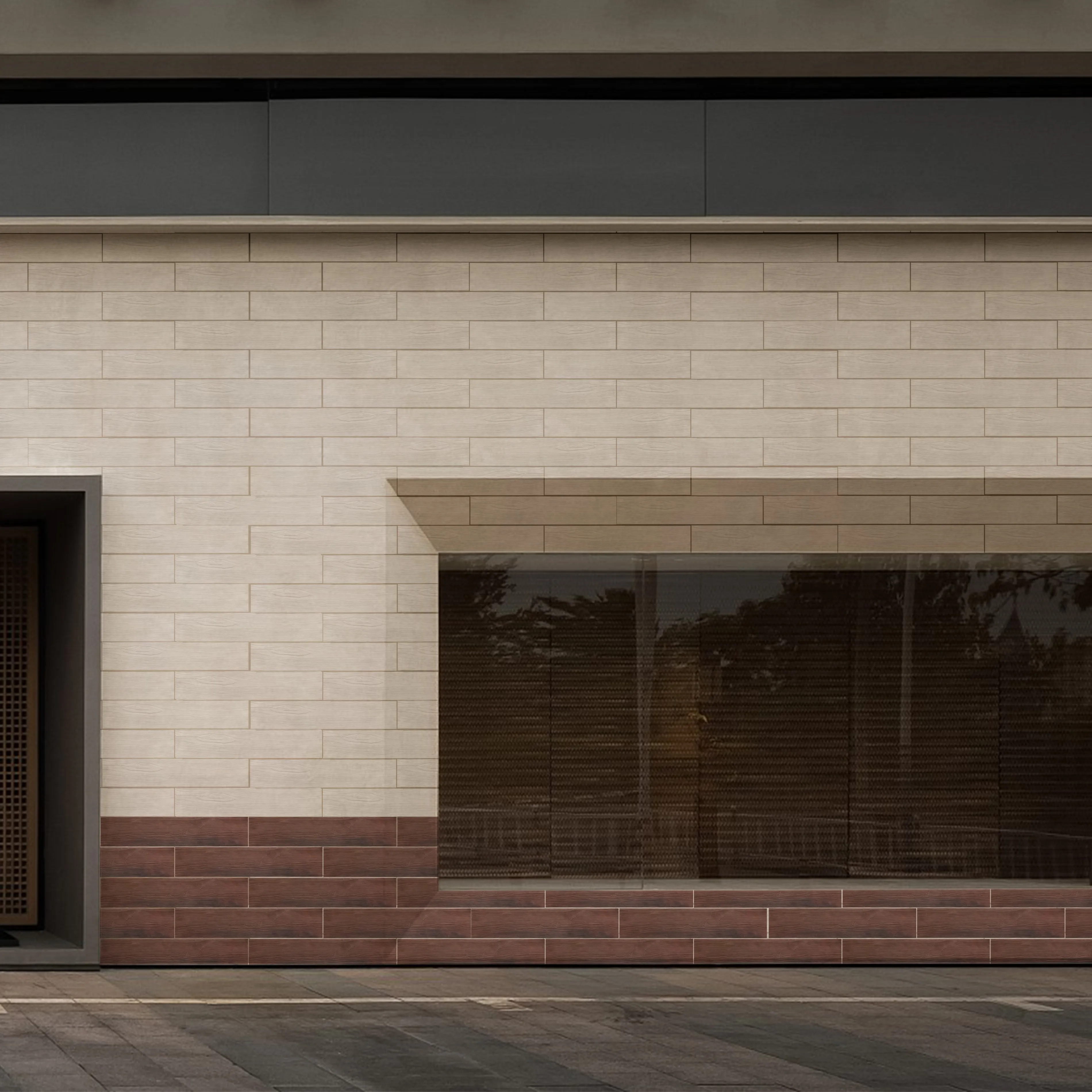
Let's talk about Sarah, a designer in Portland who specializes in coastal homes. Her client wanted white wood walls for their beachfront cottage—"light, bright, and beachy," they said. Sarah warned them about salt air and moisture, but the client was set. Six months later, the wood had warped so badly, the seams were gaping. "They felt betrayed by their dream design," Sarah told me. "So we ripped out the wood and replaced it with MCM Wood Grain Board. Now, two years later, the walls still look brand new. The client even jokes that the panels 'love the ocean more than we do.'"
Then there's Mark, a homeowner in Chicago with two young kids and a golden retriever. He'd always wanted a white wood accent wall in his living room, but he worried about the chaos of family life. "I didn't want to live in a museum," he said. We suggested Bamboo Mat Board instead. Now, the wall has a soft, natural texture that hides minor marks, and when the kids colored on it with markers? A quick wipe with a magic eraser made it disappear. "It's the best of both worlds," Mark said. "It feels cozy, but I don't panic every time someone touches it."
White wood is beautiful, but beauty shouldn't come with a price tag of stress, time, or guilt. MCM panels aren't here to replace white wood—they're here to offer a better alternative for the way we actually live. Whether you crave the warmth of travertine, the texture of bamboo, or the classic look of wood grain, there's an MCM panel that fits your vision and your lifestyle.
So the next time you're dreaming up a project, ask yourself: Do I want a material that looks good, or one that lives good? With MCM panels, you don't have to choose. You can have the design you love, and the peace of mind you deserve. Now that's a project worth celebrating.
Recommend Products












