
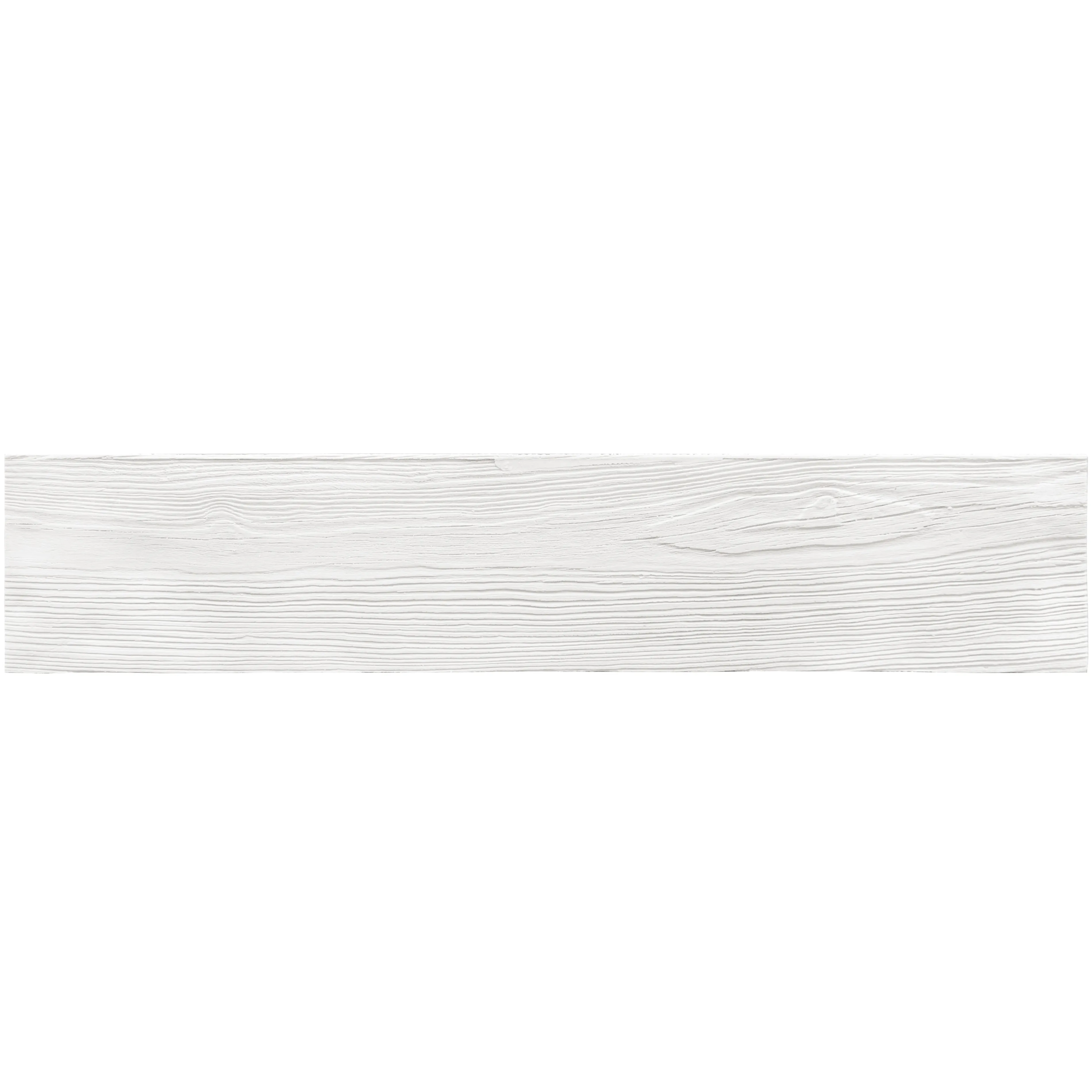
Choosing the right material for your next project—whether it's revamping kitchen cabinets, cladding a feature wall, or building custom furniture—can feel like navigating a maze of jargon and options. Two terms you've likely stumbled upon are "white wood veneer" and "solid panels." At first glance, they might seem interchangeable, but dig deeper, and you'll find distinct differences that impact everything from appearance to long-term durability. Let's break down what each is, how they stack up, and which one deserves a spot in your space.
Think of white wood veneer as nature's efficiency expert. It starts with a thin slice—often just 0.5 to 1.5 millimeters thick—of real white wood, carefully peeled or sliced from a log. This delicate layer is then bonded to a sturdy substrate, which could be plywood, medium-density fiberboard (MDF), or even innovative options like wood concrete board. The result? A surface that looks and feels like solid wood but uses a fraction of the raw material.
One of the joys of veneer is its versatility. Manufacturers can create wood grain board products by layering veneers to mimic specific wood patterns, ensuring consistency across large surfaces. If you've ever admired a sleek, uniform bookshelf or a cabinet door with a flawless white wood finish, chances are it's veneer at work. It's the material that lets designers achieve that high-end wood look without the high-end price tag.
Solid panels, on the other hand, are the traditionalists of the material world. These are thick, sturdy sheets made entirely from solid wood—no layers, no substrates, just pure, unadulterated timber. Cut from planks or blocks, they retain all the natural characteristics of the wood: knots, grain variations, and even the occasional imperfection that makes each piece unique.
Solid panels are the choice when you want something that feels "authentically wood." They're dense, heavy, and built to withstand years of use. Unlike veneer, which is a thin skin, solid wood can be sanded, stained, or refinished multiple times over its lifetime, making it a favorite for heirloom furniture or high-traffic areas.
To help you decide which is right for your project, let's dive into the details. Here's how white wood veneer and solid panels compare across five critical categories:
White wood veneer shines when consistency is key. Because it's a thin layer cut from a single log (or a series of carefully matched logs), you can achieve a uniform look across large surfaces—perfect for modern kitchens or office spaces where a cohesive aesthetic is non-negotiable. Wood grain board, a popular veneer product, takes this a step further by replicating specific wood patterns (like oak or maple) with stunning precision, ensuring every panel looks identical.
Solid panels, by contrast, celebrate imperfection. Each board will have its own unique grain swirls, color variations, and tiny knots, telling the story of the tree it came from. This natural variability is part of their charm—no two pieces are exactly alike. For rustic or organic designs, this "one-of-a-kind" look is irreplaceable. However, it can be a downside if you're aiming for a sleek, uniform finish.
When it comes to raw durability, solid panels have the edge. Made entirely of wood, they're thicker (typically 25mm or more) and more resistant to dents, scratches, and impact. drop a heavy pot on a solid wood countertop, and it might scuff; do the same on veneer, and you could chip through the thin surface layer, exposing the substrate underneath.
That said, veneer isn't fragile. High-quality veneer (like those bonded to wood concrete board, a sturdy composite substrate) can hold up well in low-to-medium traffic areas. The catch? Repairs are trickier. If veneer gets damaged, you can't just sand it down—you'd need to replace the entire panel or patch it, which is often more hassle than it's worth. Solid wood, on the other hand, can be sanded and refinished to hide scratches, extending its lifespan by decades.
Let's talk numbers: white wood veneer is almost always more affordable than solid panels. Why? Because it uses just a fraction of the wood. A single log can produce hundreds of square feet of veneer, whereas the same log might only yield a few square feet of solid boards. This efficiency translates to lower costs, making veneer a go-to for homeowners or businesses working with tight budgets.
Solid panels, by comparison, are an investment. The price tag reflects the amount of wood used, as well as the labor required to mill and dry the lumber properly (to prevent warping). For example, a solid white wood dining table might cost two to three times more than a veneered one of the same size. But for many, the longevity and timeless appeal make the splurge worthwhile.
In an era where sustainability matters, veneer has a clear advantage. By using thin layers of wood, it maximizes the use of each tree, reducing waste and minimizing deforestation. Wood grain board, which often uses fast-growing or recycled wood fibers, takes this eco-friendliness a step further. For environmentally conscious designers, veneer is a responsible choice that doesn't compromise on aesthetics.
Solid panels, while natural, are more resource-intensive. Producing a single solid board requires cutting down larger, older trees (which take decades to regrow), and the milling process generates more waste. That said, if sourced from certified sustainable forests (like FSC-certified wood), solid panels can still be an eco-friendly option—just one that demands more from the planet.
White wood veneer is relatively low-maintenance, but it does require gentle care. Avoid harsh chemicals or abrasive cleaners, as they can strip the finish or damage the thin wood layer. Dust regularly with a soft cloth, and wipe up spills immediately to prevent moisture from seeping into the substrate (which can cause warping or bubbling).
Solid panels need a bit more attention. Wood is porous, so it's prone to swelling with humidity and shrinking in dry conditions. To prevent warping, keep solid wood furniture away from direct sunlight, radiators, or air vents. You'll also need to refinish it every few years (depending on use) to keep the surface protected and looking fresh. The upside? Each refinish gives you the chance to change the stain color, updating the piece to match evolving tastes.
| Factor | White Wood Veneer | Solid Panels |
|---|---|---|
| Material Makeup | Thin layer of white wood bonded to substrate (e.g., plywood, wood concrete board) | 100% solid white wood |
| Appearance | Consistent grain and color; ideal for uniform surfaces | Natural variations (knots, grain swirls); unique, one-of-a-kind look |
| Durability | Good for low-to-medium traffic; vulnerable to deep scratches | Highly durable; resistant to impact; can be refinished repeatedly |
| Cost | Budget-friendly (50-70% less than solid panels) | Premium (higher upfront cost, but long-term value) |
| Sustainability | Uses less wood; reduces deforestation | More resource-intensive, but eco-friendly if sourced sustainably |
| Best For | Large surfaces (wall cladding, office furniture), budget projects | High-end furniture, flooring, countertops, heirloom pieces |
Still on the fence? Let's look at common scenarios where one material outshines the other:
Of course, wood isn't the only player in the panel game. If you're seeking something entirely different, materials like fair-faced concrete offer a sleek, industrial look that pairs beautifully with both veneer and solid wood. Fair-faced concrete panels are durable, low-maintenance, and add a modern edge to spaces—think accent walls in lofts or outdoor patios. They're a great option if you want to balance warmth (from wood) with cool, contemporary texture.
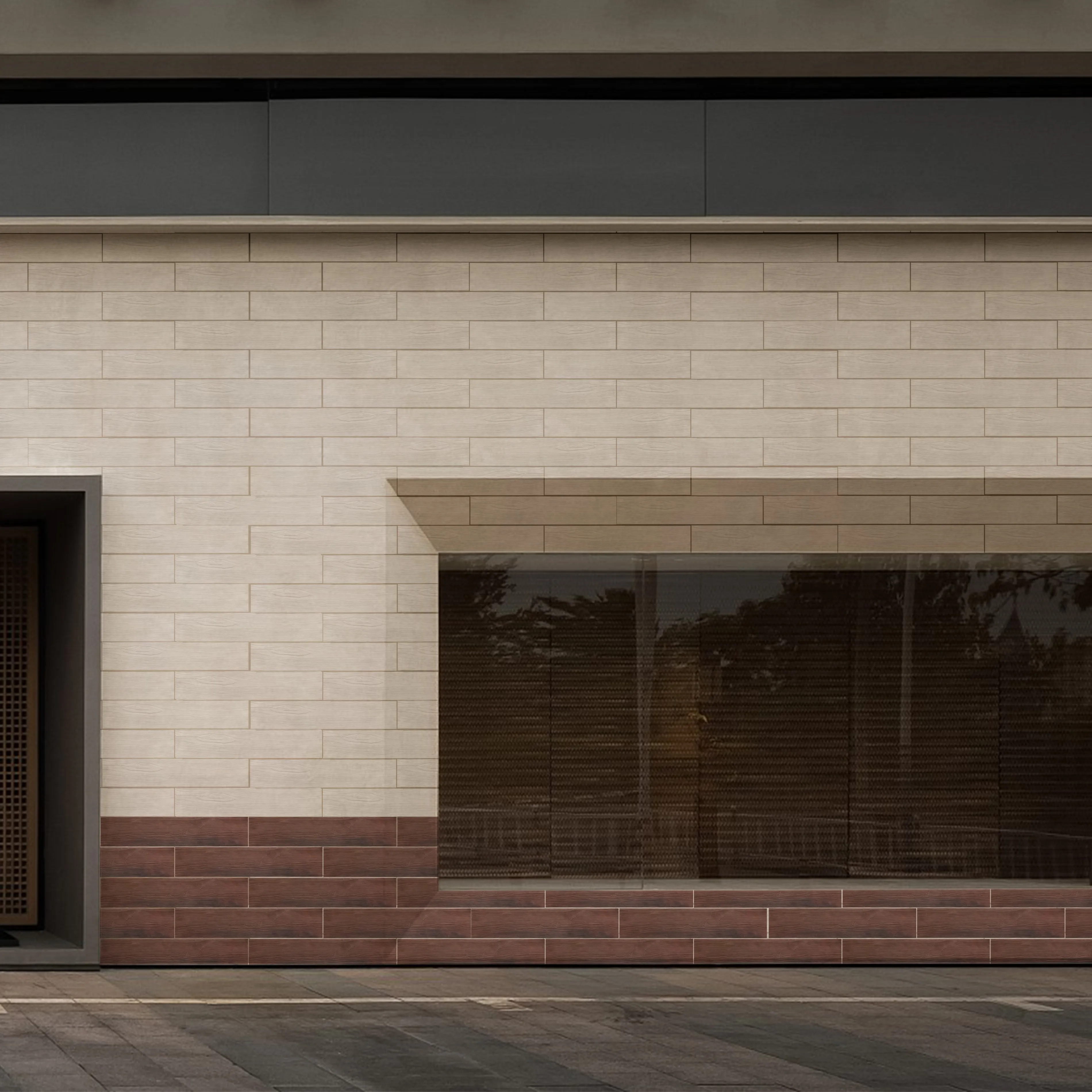
At the end of the day, there's no "better" material—only the one that fits your project, budget, and style. White wood veneer is a practical, affordable choice that brings the beauty of wood to more spaces, while solid panels are an investment in authenticity and longevity.
Whether you opt for the consistent charm of veneer (enhanced by products like wood grain board) or the natural character of solid wood, remember: the best material is the one that makes you excited to walk into the room. After all, great design is about more than just function—it's about creating spaces that feel uniquely yours.
Recommend Products












