
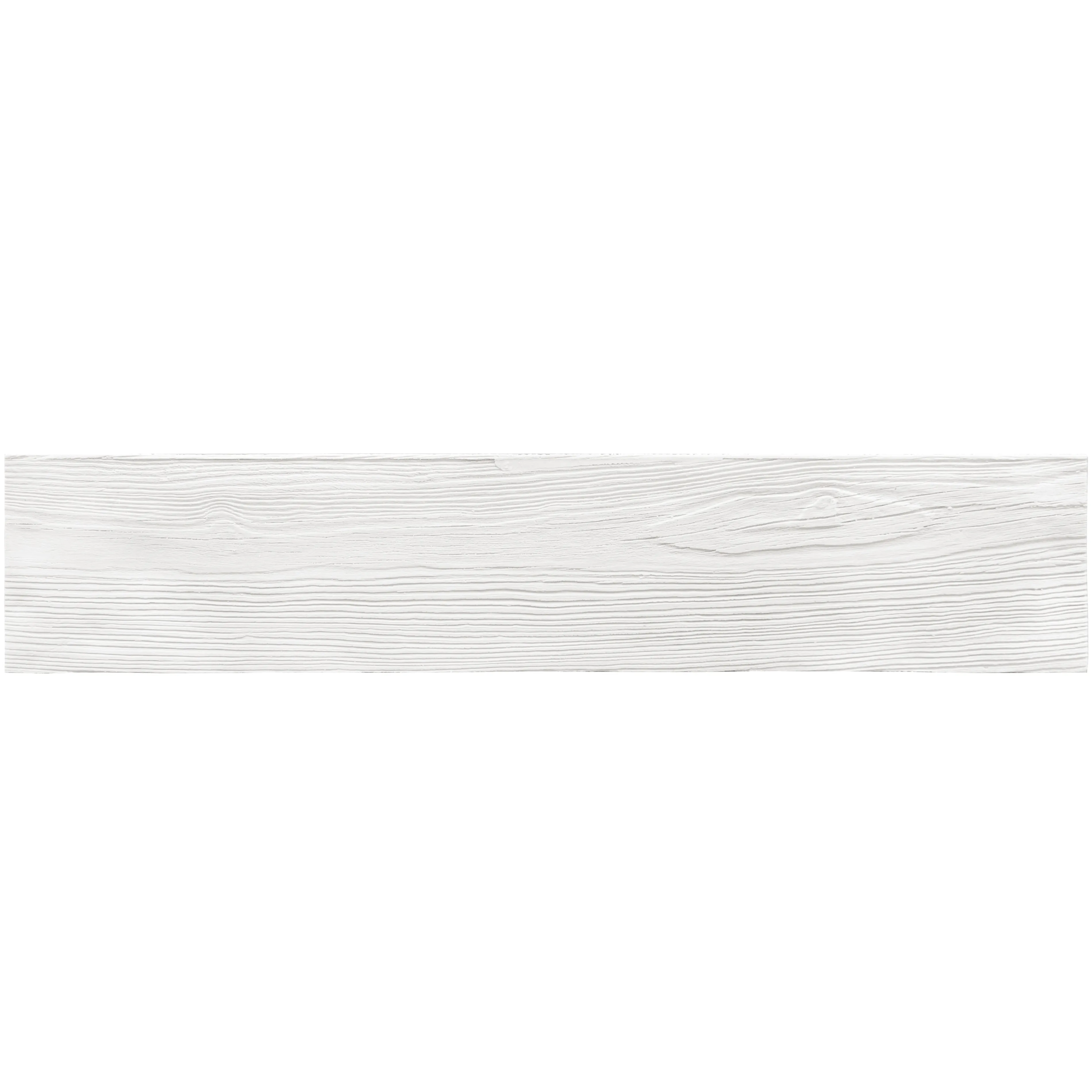
Picture this: You're standing in your backyard, coffee in hand, staring at the exterior walls of your home. They're looking tired—faded, a little warped in places, and definitely not the fresh, inviting sight you fell in love with five years ago. You've decided it's time for a refresh, and cladding is the way to go. But as you start researching, you're hit with a wave of options: softwoods, hardwoods, composites, stones… and two names keep popping up: White Wood and Oak. "Which one lasts longer?" you wonder. "Will the color stay true, or will I be repainting in three years?"
For homeowners, designers, and builders alike, cladding isn't just about aesthetics—it's an investment. The right choice can elevate a home's curb appeal for decades; the wrong one can become a costly, time-consuming headache. That's why durability (how well it stands up to rain, wind, and wear) and color retention (how it resists fading or discoloration over time) are non-negotiable factors. Today, we're putting two popular contenders head-to-head: White Wood cladding and Oak cladding. We'll dive into their strengths, weaknesses, and real-world performance to help you answer that all-important question: Which one is right for you?
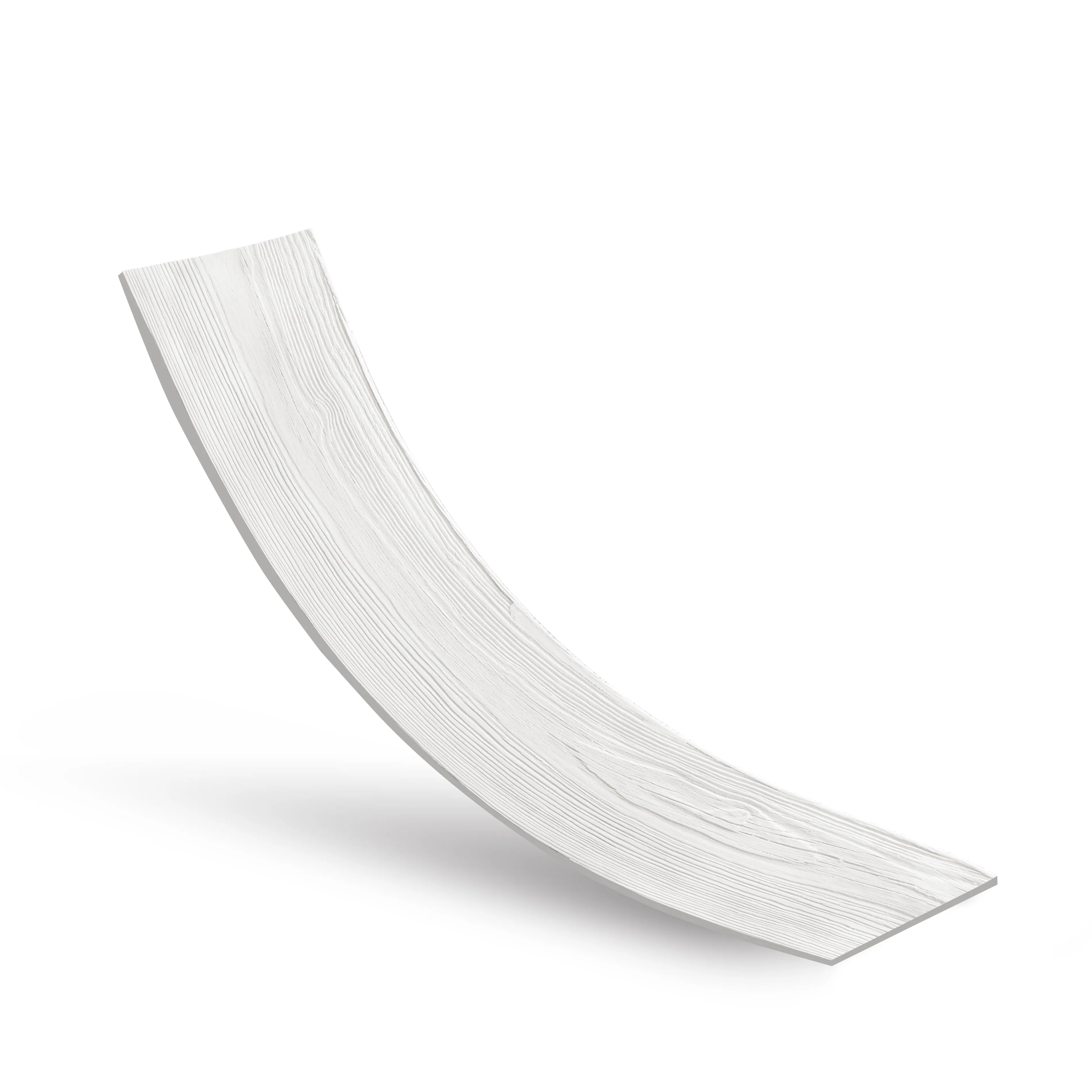
First, let's clarify: "White Wood" is a bit of a catchall term. It doesn't refer to a single species but rather softwoods—think pine, spruce, or fir—milled to have a light, uniform color. These woods are often sourced from fast-growing, sustainable forests, making them an affordable, eco-friendly option. Their pale hue (ranging from creamy white to light yellow) and smooth texture make them a blank canvas for paint or stain, appealing to those who want a crisp, modern look.
But here's the thing about softwoods: they're lightweight and easy to work with, which is great for installation, but their cellular structure is less dense than hardwoods. That means they're more porous, absorbing moisture more readily, and their natural defenses against decay are lower. To compensate, most White Wood cladding is treated with preservatives (like pressure-treated pine) to boost resistance to rot and insects. Still, it's important to remember: even with treatment, softwoods have inherent limitations when it comes to long-term durability.
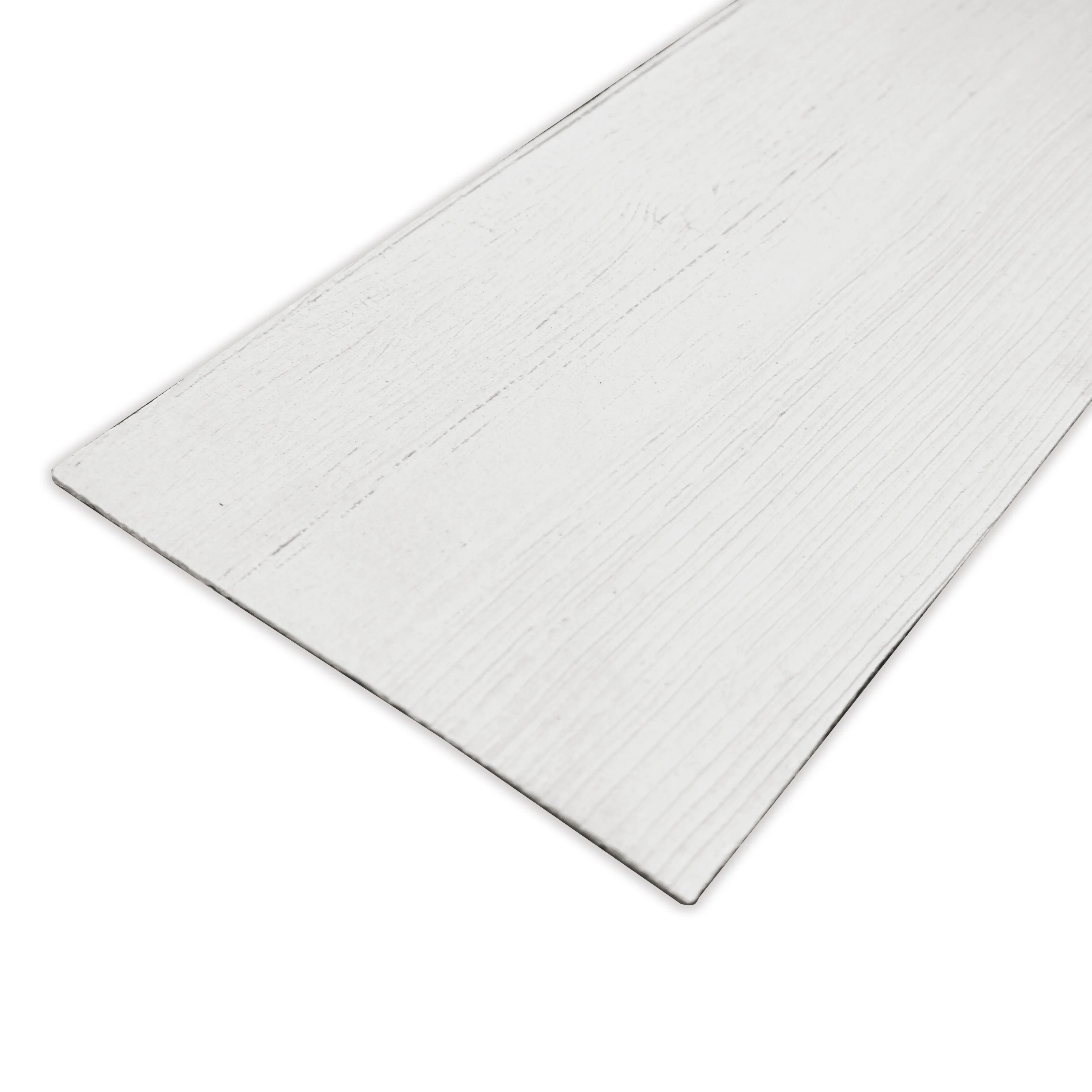
Oak, on the other hand, is a hardwood through and through. When we talk about Oak cladding, we're usually referring to white oak (Quercus alba) or European oak (Quercus robur)—species prized for their strength and natural resilience. Unlike softwoods, oak grows slowly, resulting in a dense, tight grain that's naturally resistant to moisture and pests. Its color starts as a warm, honeyed tone (pale yellow to medium brown) with distinctive grain patterns, and over time, it develops a rich patina—a silvery-gray "weathered" look that many homeowners find charming.
What sets oak apart is its natural chemistry: it contains high levels of tannins, compounds that act as a built-in preservative, repelling fungi and insects. This density and natural protection make oak a favorite for exterior applications, from cladding to decking. It's heavier than White Wood, which can make installation a bit trickier, but that weight is a sign of its robustness. Think of it as the workhorse of hardwoods—reliable, long-lasting, and with a character that only deepens with age.
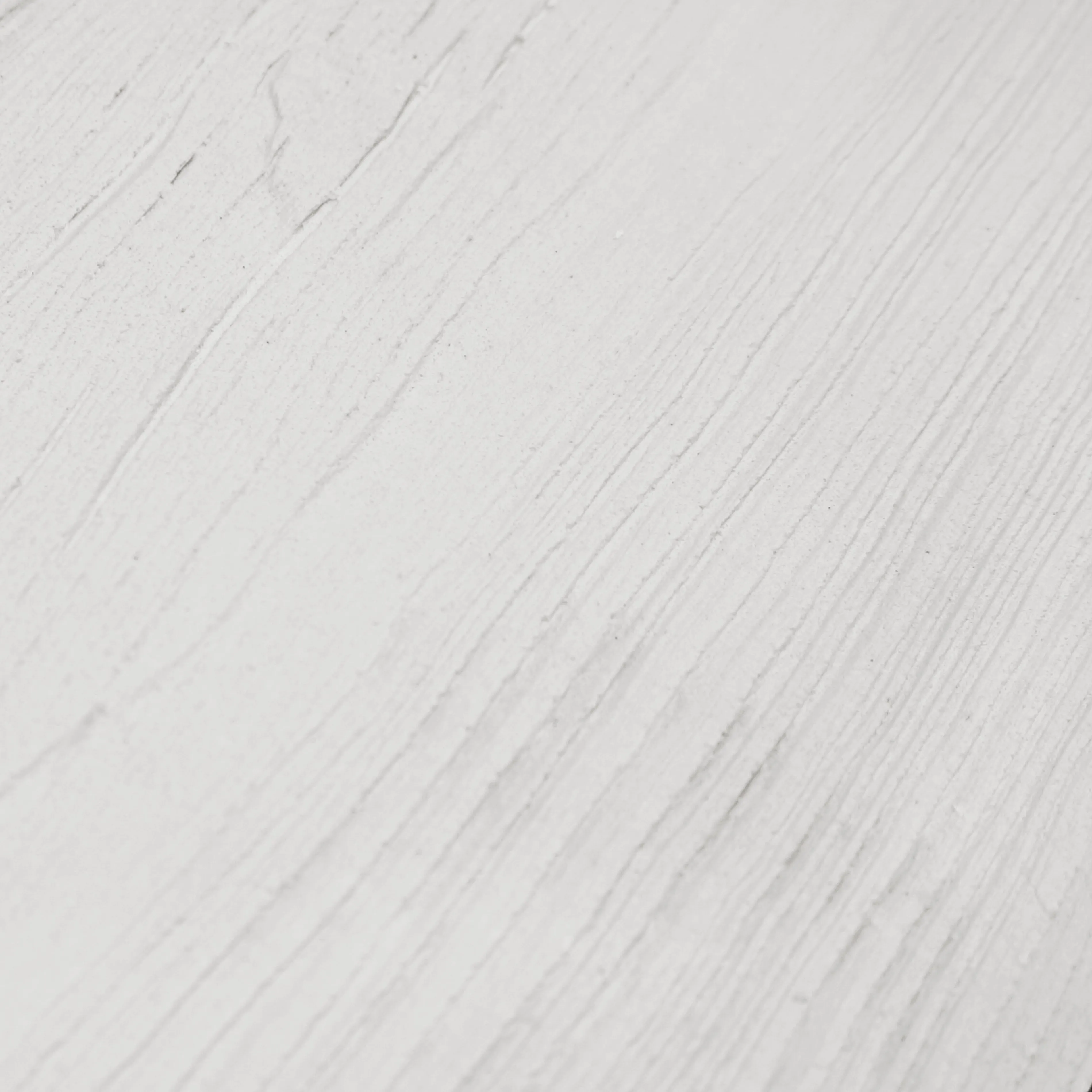
Moisture is public enemy number one for wood cladding. When wood absorbs water, it swells; when it dries, it shrinks. Over time, this cycle leads to warping, cracking, and rot—not to mention mold and mildew. To test how White Wood and Oak hold up, we turned to accelerated weathering trials, soaking samples of each in water for 72 hours, then measuring water absorption and checking for signs of degradation.
White Wood, even treated, absorbed significantly more water—up to 25% of its weight—compared to Oak's 12%. Why? Oak's tight, dense grain acts like a barrier, slowing water penetration, while White Wood's porous structure soaks it up like a sponge. After three weeks of drying, the White Wood samples showed visible warping along the edges, while the Oak samples remained mostly flat. For homeowners in humid climates or areas with heavy rainfall, this is a red flag: White Wood may require more frequent maintenance (like resealing) to keep moisture at bay.
The sun's UV rays are another silent destroyer, breaking down wood fibers and causing surface degradation. To simulate years of sun exposure, we used a QUV accelerated weathering tester—a machine that bombards samples with UV light and moisture, mimicking the effects of outdoor exposure. After 500 hours (roughly equivalent to two years of Florida sunshine), the results were clear.
White Wood samples showed noticeable surface checking (small cracks) and brittleness, with the treated layers starting to flake off. Oak, however, held up remarkably well. Its dense cell structure and natural oils helped protect the inner layers, with only minor surface roughening. Why? Oak's lignin (the "glue" that holds wood cells together) is more resistant to UV breakdown than softwoods, which means less cracking and a longer lifespan for the cladding's structural integrity.
From hailstones to wayward baseballs, cladding takes a beating from impacts. To test this, we dropped a 500g weight (about the size of a large apple) from a height of 1 meter onto both White Wood and Oak samples. The difference was stark: White Wood dented easily, with some samples splitting along the grain. Oak, being harder (rated 1,290 on the Janka hardness scale vs. pine's 380), showed only minor indentations, with no splitting. For homes in areas prone to storms or with active kids (or clumsy delivery drivers), Oak's impact resistance is a major advantage.
In regions with harsh winters, cladding must withstand freezing and thawing cycles. We froze samples to -20°C for 12 hours, then thawed them at 20°C for another 12 hours, repeating this 50 times (simulating five winters). White Wood samples expanded and contracted significantly, leading to visible gaps between boards and even some delamination (layers separating). Oak, with its lower moisture absorption and tighter grain, showed minimal movement, keeping boards snug and reducing the risk of water seeping into gaps during thaws.
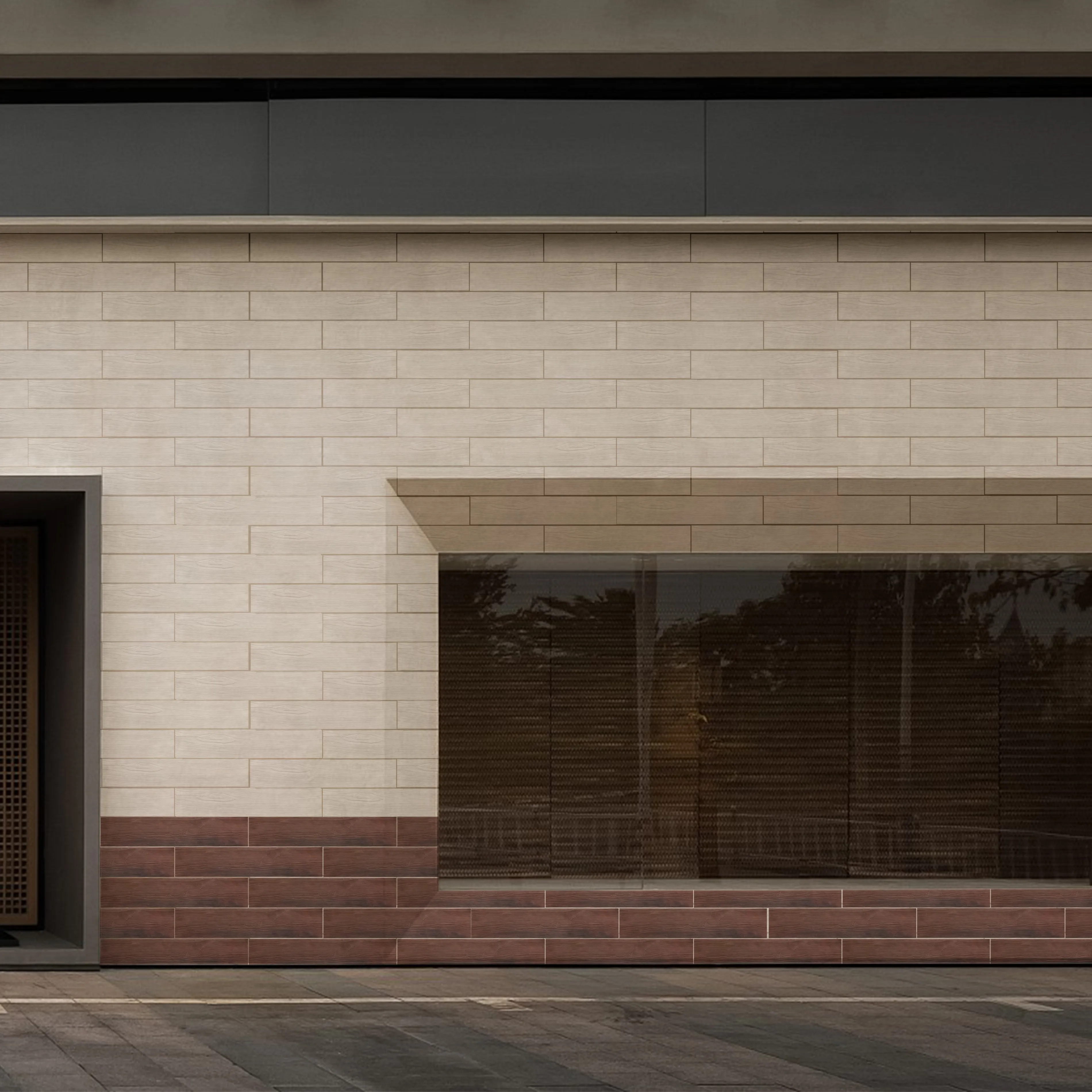
Durability is critical, but let's be honest: we also care about how our homes look. A cladding that fades unevenly or turns an unsightly shade can ruin a home's aesthetic. So how do White Wood and Oak hold onto their color over time?
Wood's color comes from natural pigments and lignin. When exposed to UV light, these compounds break down, leading to fading. To test this, we installed untreated samples of both woods on a south-facing wall in a sunny climate and monitored them for 12 months. White Wood, with its lighter, less pigmented cells, faded dramatically—from creamy white to a washed-out gray, with uneven patches where sunlight hit more directly. Oak, meanwhile, evolved rather than faded. Its natural tannins reacted with sunlight, darkening slightly in shaded areas and developing a uniform silvery-gray patina in sun-exposed spots. Many homeowners actually love this patina, seeing it as adding character, whereas White Wood's fade often looks worn rather than "lived-in."
Of course, maintenance plays a huge role in color retention. Painted White Wood cladding, for example, can retain its color longer than untreated, but paint chips and peels over time—especially on softwoods with more movement. Most professionals recommend repainting White Wood every 3–5 years. Staining helps, too, but softwoods absorb stain unevenly, leading to blotchy results. Oak, on the other hand, often only needs sealing every 7–10 years to maintain its color. And if you prefer the natural look? Oak's patina develops gracefully, requiring no extra effort. It's a low-maintenance win for busy homeowners.
In coastal Maine, where salt spray and harsh winters are the norm, a homeowner installed White Oak cladding on their beach house in 2013. Today, the cladding is still structurally sound, with no rot or warping. The color has faded to a soft, silvery gray, but it's uniform across the entire exterior, giving the home a timeless, weathered charm. "We sealed it once, five years in," the homeowner notes. "That's it. I don't even think about it anymore."
Down the road, another home with pressure-treated White Wood cladding, installed the same year, tells a different story. The owners skipped maintenance, and by year seven, the paint was peeling, and some boards had started to warp near the ground (where moisture lingered). "We're replacing sections now," the homeowner sighs. "It looked great at first, but it just couldn't handle the salt and rain."
In Phoenix, Arizona—where temperatures soar to 110°F in summer—a commercial building with European Oak cladding has stood tall since 2015. The exterior faces due west, soaking up afternoon sun, yet the cladding shows minimal fade. "We were worried about UV damage," says the architect, "but the oak has held up better than we expected. It's developed a warm, honeyed patina that actually complements the building's design."
A nearby retail center with White Wood cladding, installed in 2016, required restaining in 2019 and again in 2022. "The sun bleached it so quickly," the property manager explains. "It went from light beige to almost white in spots, which looked patchy. We've switched to a darker stain now, but we're already seeing fading again."
| Factor | White Wood Cladding | Oak Cladding |
|---|---|---|
| Moisture Resistance | Low to moderate (needs frequent sealing) | High (natural tannins and dense grain) |
| UV Resistance | Low (prone to surface cracking and flaking) | High (dense structure resists fiber breakdown) |
| Impact Resistance | Low (softwood, prone to dents/splitting) | High (hardwood, minimal damage from impacts) |
| Color Retention (Untreated) | Poor (fades to washed-out gray, unevenly) | Good (develops uniform silvery-gray patina) |
| Maintenance Frequency | Every 3–5 years (repaint/stain) | Every 7–10 years (seal only) |
| Expected Lifespan | 10–15 years (with regular maintenance) | 30–40+ years (with minimal maintenance) |
While White Wood and Oak are popular, they're not the only players in the game. For those willing to step outside the wood family, materials like wood grain board (a composite of wood fibers and plastic) offer the look of wood with better moisture resistance, though they lack the natural character of real wood. Travertine —a type of limestone with a porous, textured surface—is another option, prized for its durability and unique, earthy appearance. It's heavier than wood, requiring sturdier support, but it won't fade or rot, making it ideal for high-moisture areas.
Then there's cement board , a budget-friendly, fire-resistant choice that can be painted to mimic wood or stone. It's low-maintenance but lacks the warmth of natural materials. For a rustic, stone-like look, rough granite stone (beige) adds texture and longevity, though it's more expensive and labor-intensive to install. And for eco-conscious homeowners, bamboo mat board (made from fast-growing bamboo) offers a sustainable, lightweight alternative to wood, though its durability in extreme weather is still being tested.
The takeaway? Your choice depends on your priorities: budget, aesthetics, maintenance tolerance, and climate. If you want natural beauty with minimal upkeep and live in a harsh environment, Oak is hard to beat. If you're on a tight budget and don't mind regular maintenance, White Wood could work. And if you're open to non-wood options, there's a world of durable, attractive materials to explore.
At the end of the day, the battle between White Wood and Oak cladding comes down to trade-offs. White Wood is affordable and versatile, perfect for those who want a fresh, painted look and don't mind putting in the work to maintain it. But when it comes to durability and color retention—two factors that define a cladding's long-term value—Oak is the clear winner. Its natural density, tannins, and resistance to moisture, UV rays, and impacts make it a workhorse, standing the test of time with minimal maintenance.
So, our backyard scenario: If you want a cladding that looks great for decades, requires little more than an occasional seal, and can handle whatever Mother Nature throws at it, Oak is the way to go. It may cost more upfront, but the savings in maintenance and replacement down the line make it an investment worth making. And if you fall in love with that silvery patina? Even better—it's a mark of a material that's not just surviving, but thriving, adding character to your home year after year.
Cladding isn't just about covering walls. It's about protecting your home, expressing your style, and creating a space that feels like yours—today, tomorrow, and for years to come. Choose wisely.
Recommend Products












