
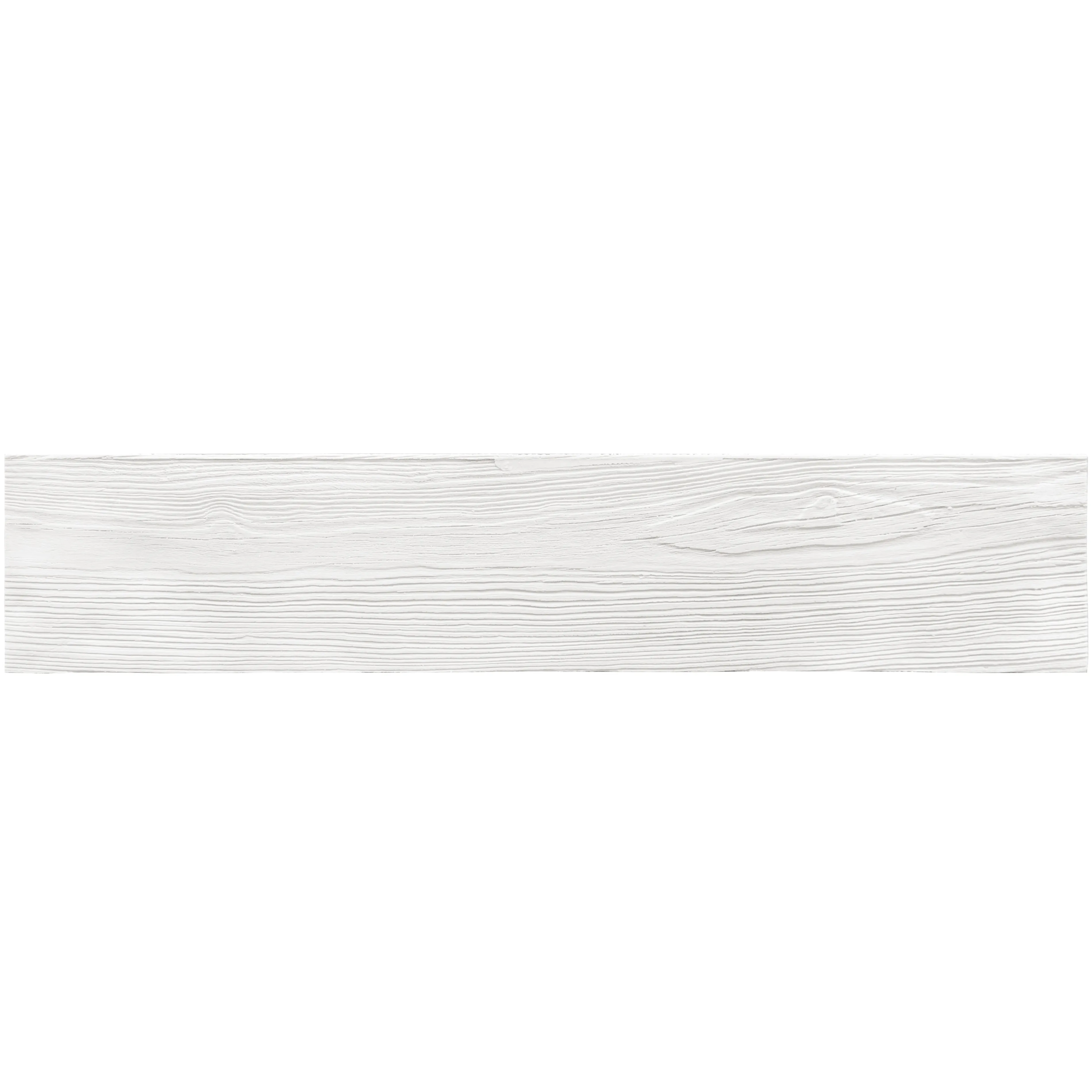
Choosing the right wood for a project is like picking a partner for a dance—you need something that moves with you, holds up under pressure, and doesn't trip you up halfway through. If you've spent any time in a hardware store or scrolling through DIY forums, you've probably come across "White Wood" as a go-to option. It's light, affordable, and has a clean, versatile look that works for everything from bookshelves to bed frames. But here's the question: how does it really stack up against other woods when it comes to two critical factors—hardness and workability? Let's dive in, roll up our sleeves, and get to know White Wood better, plus how it compares to some standout alternatives like wood grain board , charcoal burnt wood board , and bamboo mat board .
First things first: "White Wood" is a bit of a catchall term. Walk into a lumberyard and ask for it, and you might get a few different answers. Typically, it refers to softwoods like pine, spruce, or fir—woods with a pale, almost white color (hence the name) and a reputation for being budget-friendly. These are the woods you'll find in pre-cut studs at home improvement stores, or as the base for cheap furniture kits. They're fast-growing, widely available, and, let's be real, pretty easy on the wallet. But "softwood" doesn't just mean "soft"—it tells us something about their structure. Softwoods come from coniferous trees (think evergreens with needles), which grow quickly, resulting in less dense wood. That density directly ties into two big traits we care about: hardness and workability.
Hardness in wood is all about resistance to dents, scratches, and wear. If you're building a dining table that'll see daily use, or a floor that'll get scuffed by shoes and pets, hardness matters—a lot. The gold standard for measuring this is the Janka Hardness Test, which measures the force needed to embed a 0.444-inch steel ball halfway into a piece of wood. The higher the Janka rating, the harder the wood.
So, where does White Wood land? Let's take Eastern White Pine, a common "White Wood" variety. Its Janka rating is around 380 lbf (pounds-force). Compare that to oak, a hardwood, which can hit 1,290 lbf, or maple at 1,450 lbf, and you'll see why White Wood is considered "soft." But how does it compare to the other woods on our list? Let's break it down with a quick table:
| Wood Type | Janka Hardness (lbf) | Notes on Hardness |
|---|---|---|
| White Wood (Eastern White Pine) | 380 | Prone to dents; best for low-traffic areas or protective finishes. |
| Bamboo Mat Board | 1,300–1,400 | Technically a grass, but harder than many hardwoods; dense and scratch-resistant. |
| Charcoal Burnt Wood Board | Varies (base wood + 10–15%) | Charring hardens the surface; e.g., burnt pine might reach ~430 lbf (surface only). |
| Wood Grain Board | 500–800 (varies by grain density) | Dense grain patterns (e.g., tight oak-like grain) increase hardness; softer than bamboo. |
Let's unpack that. Bamboo mat board is a standout here. Even though it's not a tree, its density makes it significantly harder than White Wood. I once helped a friend install bamboo flooring in their kitchen, and after a year of kids dropping toys and dogs tracking mud, it still looked brand-new. White Wood, on the other hand? I've seen a White Wood coffee table get a noticeable dent from a dropped mug—ouch.
Then there's charcoal burnt wood board. This is regular wood (often pine or cedar) that's been surface-burnt, a technique called shou sugi ban, which originated in Japan. The charring process carbonizes the surface, making it harder and more resistant to pests and rot. But here's the catch: the hardness boost is mostly on the surface. The inner wood is still the same as the base material. So if you scratch through the burnt layer, you're back to the original softness. I worked on a project once where we used charcoal burnt wood for a accent wall, and while it looked stunning, drilling into it required extra care— the burnt outer layer was tough, but the drill bit would suddenly hit the softer inner wood and "catch," leading to splinters.
Wood grain board is a bit of a wildcard because "grain" can refer to the pattern or the type of wood. But generally, it's made from woods with distinct, tight grain patterns, which can increase density. For example, a wood grain board made from beech (Janka ~1,300 lbf) would be much harder than White Wood, but one made from poplar (Janka ~540 lbf) would be closer but still firmer. The key takeaway? White Wood is the softest of the bunch, which isn't necessarily a bad thing—it just means it's better suited for projects where heavy wear and tear isn't a concern.
Workability is where White Wood really shines—at least for beginners or anyone who doesn't want to fight with their tools. Workability refers to how easy a wood is to saw, drill, sand, nail, and finish. Softwoods like White Wood have less dense cell structures, which means tools glide through them more easily. Let's compare:
White Wood is a dream for cutting with hand saws or power tools. A circular saw zips through it without bogging down, and hand saws require minimal effort. I remember my first DIY project: a White Wood bookshelf. I was nervous about cutting straight lines, but the wood was so forgiving that even my wobbly cuts sanded down smooth. Drilling is just as easy—no need for pre-drilling unless you're using large screws, and it rarely splits (as long as you don't drill too close to the edge).
Bamboo mat board, though? It's a different story. Bamboo is so dense that cutting it with a regular saw blade can leave ragged edges, and you'll go through blades faster. I once tried to cut a bamboo mat board with a handsaw, and it felt like sawing through concrete—my arm was sore afterward, and the cut was uneven. You really need a fine-toothed blade and steady pressure. Drilling bamboo also requires pre-drilling, especially near the edges, to prevent splitting. It's doable, but it's not the laid-back experience White Wood offers.
Charcoal burnt wood board adds another layer of complexity. The burnt surface is brittle, so cutting through it can cause the charred bits to flake off. I recommend using a blade with fewer teeth (for cleaner cuts through the brittle layer) and going slow. Sanding afterward is a must to smooth out any flaking. And as I mentioned earlier, drilling into it is a two-step process—tough on the surface, soft underneath—so you have to adjust your speed and pressure as you go.
Sanding White Wood is a breeze. Its softness means sandpaper (even medium-grit) smooths it out quickly, and it takes stains, paints, and sealers evenly. The only downside? It can be prone to "fuzzing"—tiny fibers that stand up when sanded, especially with coarse grit. A quick pass with fine-grit sandpaper or a damp cloth (to raise the grain) before finishing fixes that. I've painted White Wood furniture with everything from chalk paint to spray paint, and it always takes the finish well, with minimal prep.
Bamboo mat board, being hard and dense, sands more slowly and can clog sandpaper faster. It also has a tendency to "burnish" if you sand too hard—meaning the surface gets shiny and smooth, but the sandpaper stops cutting. You need to keep the sandpaper moving and use a light touch. Finishing bamboo can also be tricky because of its natural oils; you might need a primer or a sealer that bonds well to dense woods. I once stained a bamboo mat board tabletop, and it took three coats to get the color depth I wanted—bamboo soaks up stain unevenly, with the dense grain areas absorbing less.
Wood grain board's workability depends on the base wood, but generally, tight grain means it sands to a smooth finish, which is great for showing off the grain pattern. However, if the grain is interlocked (like in some tropical woods), it can tear out when planing or sanding against the grain. White Wood, with its straight, even grain, rarely has this problem. For example, pine (a common White Wood) has straight grain that sands evenly, making it ideal for projects where a smooth, uniform finish is key.
So, now that we've compared hardness and workability, let's talk practicality. When should you reach for White Wood, and when is it better to splurge on bamboo mat board, charcoal burnt wood, or wood grain board?
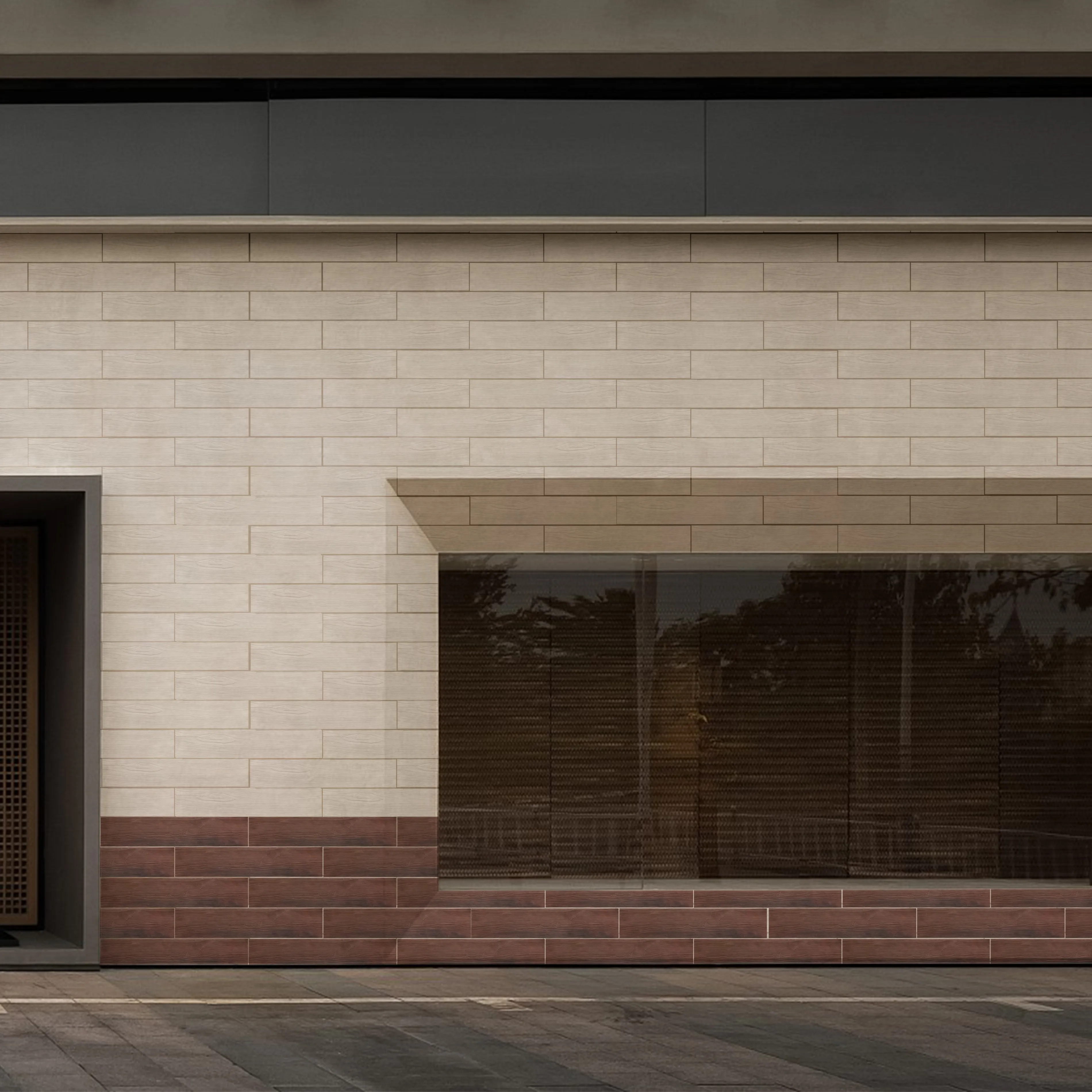
At the end of the day, there's no "best" wood—only the best wood for the job. White Wood might not be the hardest or the most durable, but its affordability and workability make it a staple for DIYers and professionals alike. It's the reliable, no-fuss option that lets you focus on creativity rather than fighting with your materials.
But if you need something tougher, bamboo mat board brings the hardness and sustainability. If you want to make a statement, charcoal burnt wood board adds drama and character. And if you're after both beauty and balance, wood grain board delivers. The next time you're standing in the lumber aisle, staring at all the options, remember: consider how the wood will be used, how much work you're willing to put in, and what look you're going for. Whether you choose White Wood or one of its counterparts, you'll be one step closer to bringing your project to life.
And hey, if you're still unsure? Grab a small sample of each and test them out. Sand a piece, drill a hole, even drop a small weight on them to see how they hold up. There's no substitute for hands-on experience—and who knows, you might just fall in love with the process of working with a new wood. Happy building!
Recommend Products












