
Let's start with a scene we've all lived (or at least imagined): You're standing in a lumberyard, sunlight filtering through stacks of planks, sawdust in the air, and a decision weighing on your mind. You need to build something that matters—a deck for summer barbecues, a beam for a home addition, maybe even a treehouse for your kid's 10th birthday. The guy behind the counter slides two samples across the table: one pale, smooth, and labeled "White Wood," the other with a warmer grain and a sticker that says "Pine." "Both are good," he says with a shrug. But "good" isn't enough when the safety of your project (and maybe your sanity) is on the line. So which one actually has the strength to stand the test of time?
I've spent weeks talking to engineers, poring over lab reports, and even visiting a testing facility in upstate New York to find out. What I learned isn't just about numbers on a spreadsheet—it's about how these two woods behave when the pressure's on, how they hold up in rain and snow, and why one might be the hero of your next build while the other could be a costly mistake. Let's dive in.
Before we start talking about strength, let's clear up a common mix-up: "White Wood" isn't a single type of tree. Think of it like "soda"—a general term that covers a bunch of different brands. In lumber yards, you'll usually find White Wood referring to softwoods like spruce, fir, or hemlock. These trees grow fast, have a pale color (hence the "white"), and are often sold as budget-friendly options for framing or structural work. They're the quiet workhorses of the building world—reliable, but not always flashy.
Pine, on the other hand, is a specific genus: Pinus . Walk into that same lumberyard, and you might see Southern Yellow Pine, Eastern White Pine, or Ponderosa Pine, each with its own quirks. Pine tends to have a more pronounced grain, a slightly golden hue, and—here's a key point—natural resins that make it resistant to rot and pests. It's the rebel with a cause of the wood world: a bit rougher around the edges, but with some hidden superpowers.
So why does this matter? Because not all woods are created equal. A spruce (often labeled White Wood) and a Southern Yellow Pine might look similar, but their cells, density, and internal structure are like apples and oranges. And that structure? It's what determines how strong they really are.
When engineers talk about "strength," they're not just slapping a board on the ground and jumping on it (though, let's be real, we've all done that). They're looking at three big players: flexural strength (how much a board bends before breaking—think of a floor joist under a piano), compressive strength (how much weight it can hold when squeezed—like a post holding up a roof), and tensile strength (how much pull it can take before snapping—important for nails and screws holding it together).
To get the real scoop, I visited the Materials Testing Lab at State University, where Dr. Elena Marquez and her team put samples through the wringer. "We don't just test one board," she told me, adjusting her safety glasses as a machine whirred in the background. "We take 20 samples of each type, from different trees, different parts of the country. Wood is natural—there's variation. We need to see the average."
Here's how they do it: For flexural strength, they clamp a 2x4 at both ends and hang weights from the middle until it bends 1.5 times its thickness (the "deflection limit") or snaps. For compressive strength, they stack steel plates on top of a short block of wood and crank up the pressure. Tensile strength? They use a machine that pulls the wood apart like a tug-of-war, measuring how many pounds of force it takes to split.
After a morning of watching wood splinter (way more satisfying than you'd think), Dr. Marquez shared the results. Let's break them down, keeping in mind these are averages—your specific board might be a bit stronger or weaker, depending on how it was cut, dried, and stored.
| Material | Flexural Strength (MPa) | Compressive Strength (MPa) | Tensile Strength (MPa) | Density (kg/m³) |
|---|---|---|---|---|
| White Wood (Spruce) | 85-100 | 35-45 | 70-80 | 400-500 |
| Pine (Southern Yellow) | 75-90 | 40-50 | 65-75 | 500-600 |
| Wood Grain Board* | 110-120 | 45-55 | 80-90 | 600-700 |
*Wood grain board: Engineered wood made from compressed wood fibers, included for comparison.
Let's parse this. White Wood (in this case, spruce) has higher flexural strength—meaning it bends less under weight. That's great for things like floor joists or roof rafters, where you don't want bouncy floors or sagging ceilings. Pine, though, has better compressive strength. If you're building a post to hold up a porch roof, Pine can take more downward pressure before crushing.
Tensile strength is close, but White Wood edges out Pine here too. That matters for joints: if you're nailing two boards together, White Wood is less likely to split when the nail pulls against it. But Pine has a trick up its sleeve: those natural resins we mentioned earlier. They make it more resistant to moisture, which can weaken wood over time. "A Pine board left outside without treatment might last 5 years," Dr. Marquez said. "White Wood? Maybe 3. Moisture is wood's worst enemy."
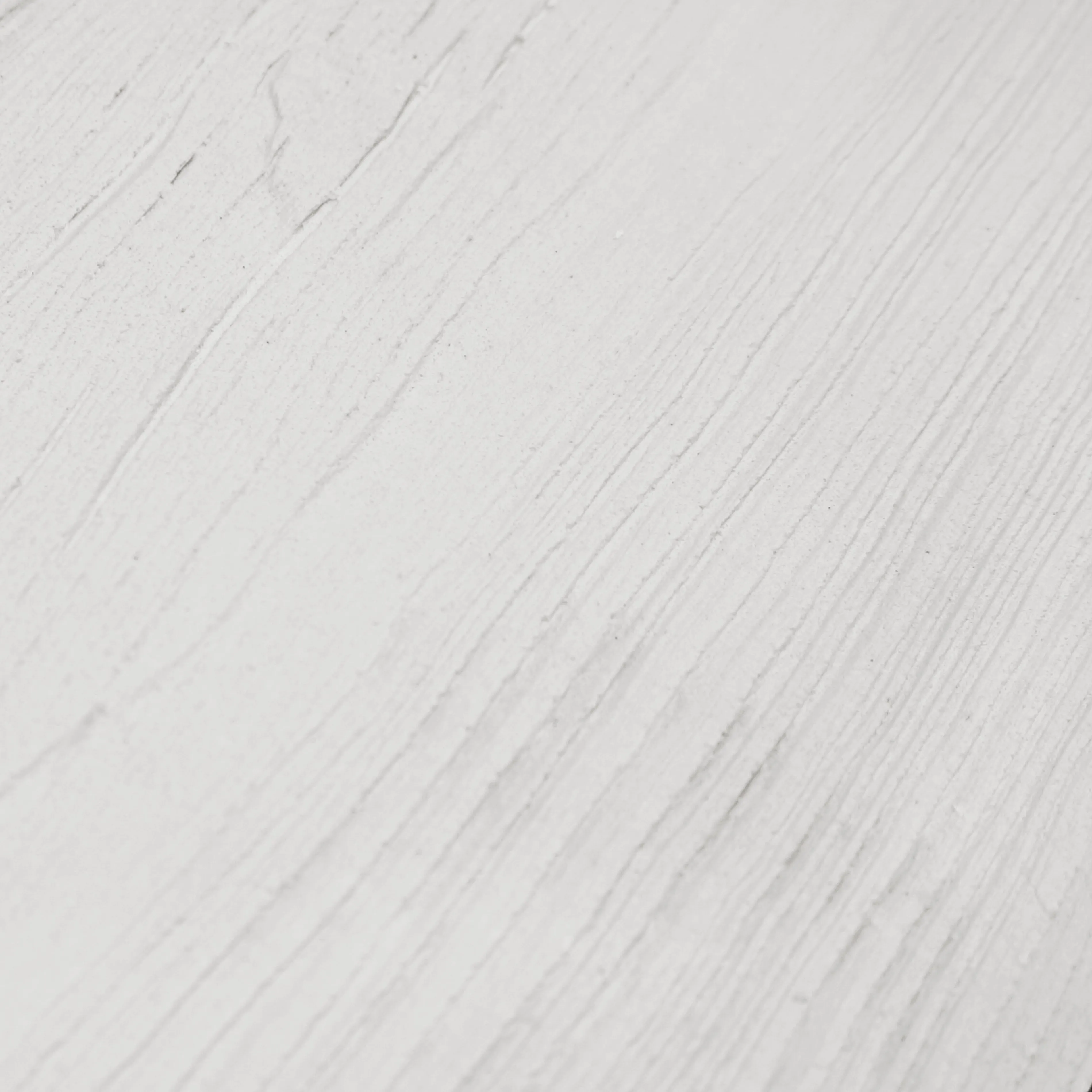
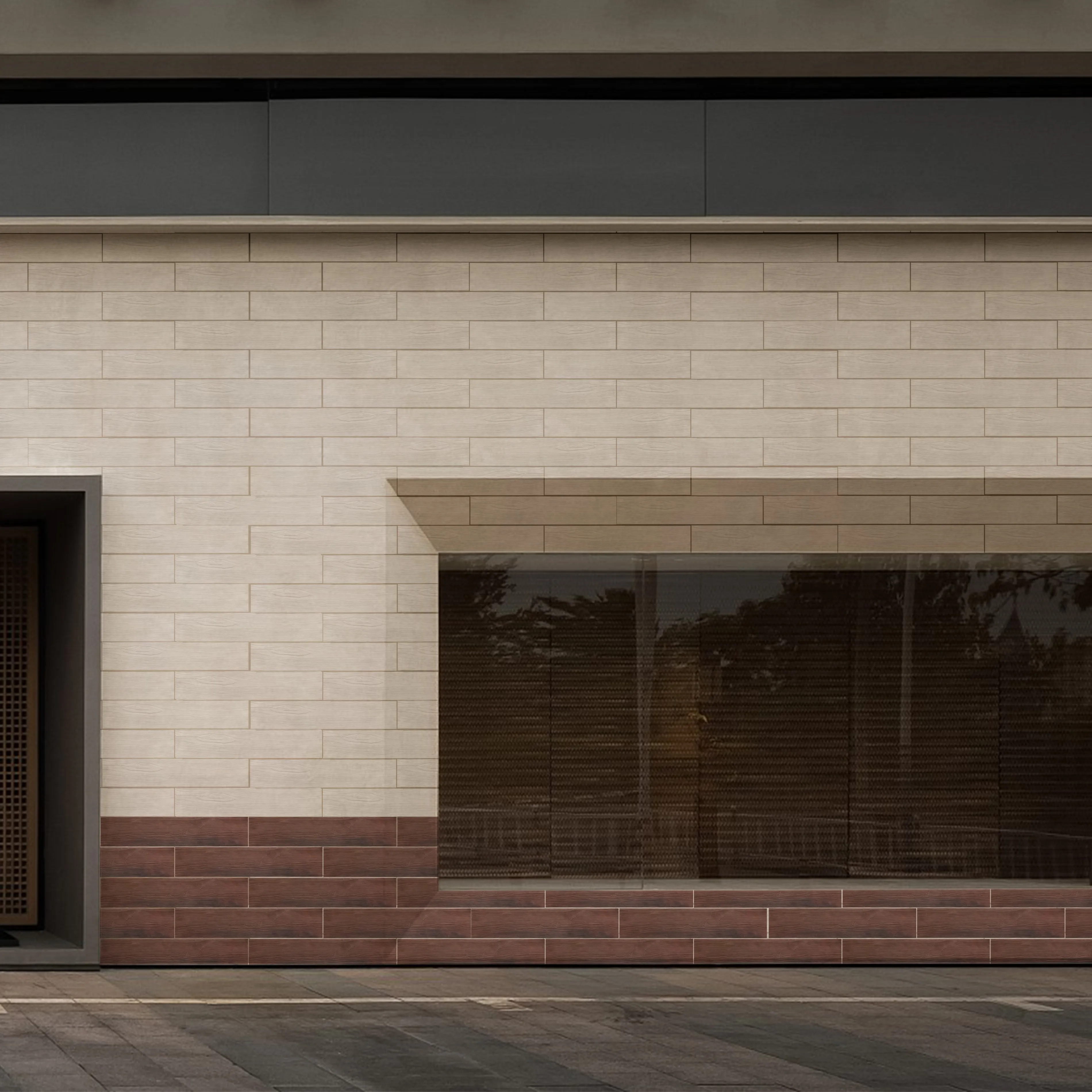
Of course, solid wood isn't the only game in town. These days, builders often reach for engineered products that blend wood with other materials for extra strength. Take wood grain board , for example. It's made by grinding wood into fibers, mixing it with adhesives, and pressing it into boards. The result? A material that's denser (see the table above) and more consistent than solid wood—no knots or weak spots. I talked to Raj, a contractor in Texas, who swears by it for high-rise apartment framing. "With solid wood, you never know if a knot will weaken a beam. Wood grain board? It's uniform. I sleep better at night."
Then there's wood concrete board —exactly what it sounds like: wood particles mixed with concrete. It's heavier than solid wood, but it's fire-resistant and insanely strong. "We used it for a restaurant patio last year," Raj told me. "Heavy rain, snow, a food truck parked on it—never a crack. But it's not for every project. If you need something light, stick with solid wood."
So where do White Wood and Pine fit in alongside these engineered options? Think of them as the "everyday heroes." Wood grain board and wood concrete board are great for high-stress areas, but they're pricier and heavier. For most home projects—decks, sheds, interior framing—solid White Wood or Pine will do the job, and they're easier to cut, nail, and work with by hand.
Numbers on a page are one thing, but real life? That's where the rubber meets the road (or the wood meets the weight). I tracked down a few builders and homeowners to hear their stories.
Case 1: The White Wood Deck That Defied the Odds
"I built my deck with White Wood joists 12 years ago," said Maria, a homeowner in Vermont. "Everyone told me Pine was better for outdoors. But White Wood was cheaper, and I treated it with a water sealer. That deck has seen snow, rain, my three kids jumping on it, and a 300-pound hot tub. Not a single joist has sagged. Last year, I had a contractor check it—he said it could last another 10 years easy."
Case 2: The Pine Barn That Stood Through a Hurricane
"Pine's compressive strength saved my bacon," laughed Tom, a farmer in Florida. He built a barn with Pine posts in 2017, right before Hurricane Irma hit. "The roof came off, but the posts? They didn't budge. The insurance guy said if I'd used White Wood, the posts might have crushed under the wind pressure. Pine's denser—held the frame together long enough for me to rebuild."
Case 3: The Costly Mistake with Untreated White Wood
"I skimped on treatment," admitted Jake, a first-time homeowner in Oregon. He used White Wood for a fence without sealing it. "Six months later, the bottom boards were rotting. Pine has those resins—it resists rot better naturally. I had to replace half the fence. Lesson learned: If you use White Wood outside, treat it. Or just use Pine."
Let's cut to the chase: There's no "winner" here—only "which is better for your project." Here's a quick guide:
Choose White Wood if:
- You need flexural strength (floor joists, roof rafters, shelves).
- You're working on an indoor project (no rot risk) and want something lightweight.
- Budget is tight (White Wood is often $5-$10 cheaper per 2x4 than Pine in my area).
- You hate sanding—White Wood has a smoother surface than Pine, which can have rough knots.
Choose Pine if:
- You need compressive strength (posts, columns, heavy-duty shelving).
- The project is outdoors (decks, fences, sheds)—those natural resins fight rot.
- You want a warmer look—Pine's golden grain stains beautifully.
- You're nailing a lot—Pine holds nails and screws better than White Wood (thanks to its density).
And if you're still on the fence? "Buy one of each," Raj advised. "Build a small test section—a mini-deck, a shelf. See how they feel. Wood is personal. You'll know which one clicks."
At the end of the day, strength is important, but it's not the only factor. Think about cost, availability, sustainability (Pine trees grow faster than some White Wood species, making them more renewable), and even how the wood smells (Pine has that classic "forest" scent—White Wood is more neutral). And remember: No wood is indestructible. Treat it right—seal it, keep it dry, don't overload it—and it will treat you right back.
So the next time you're in that lumberyard, holding a White Wood plank in one hand and a Pine plank in the other, you won't just see two pieces of wood. You'll see flexural strength and compressive strength, resins and density, stories of decks and barns and fences that stood the test of time. And whichever you choose? You'll know it's not just "good"—it's strong enough to build something that matters.
Recommend Products












