
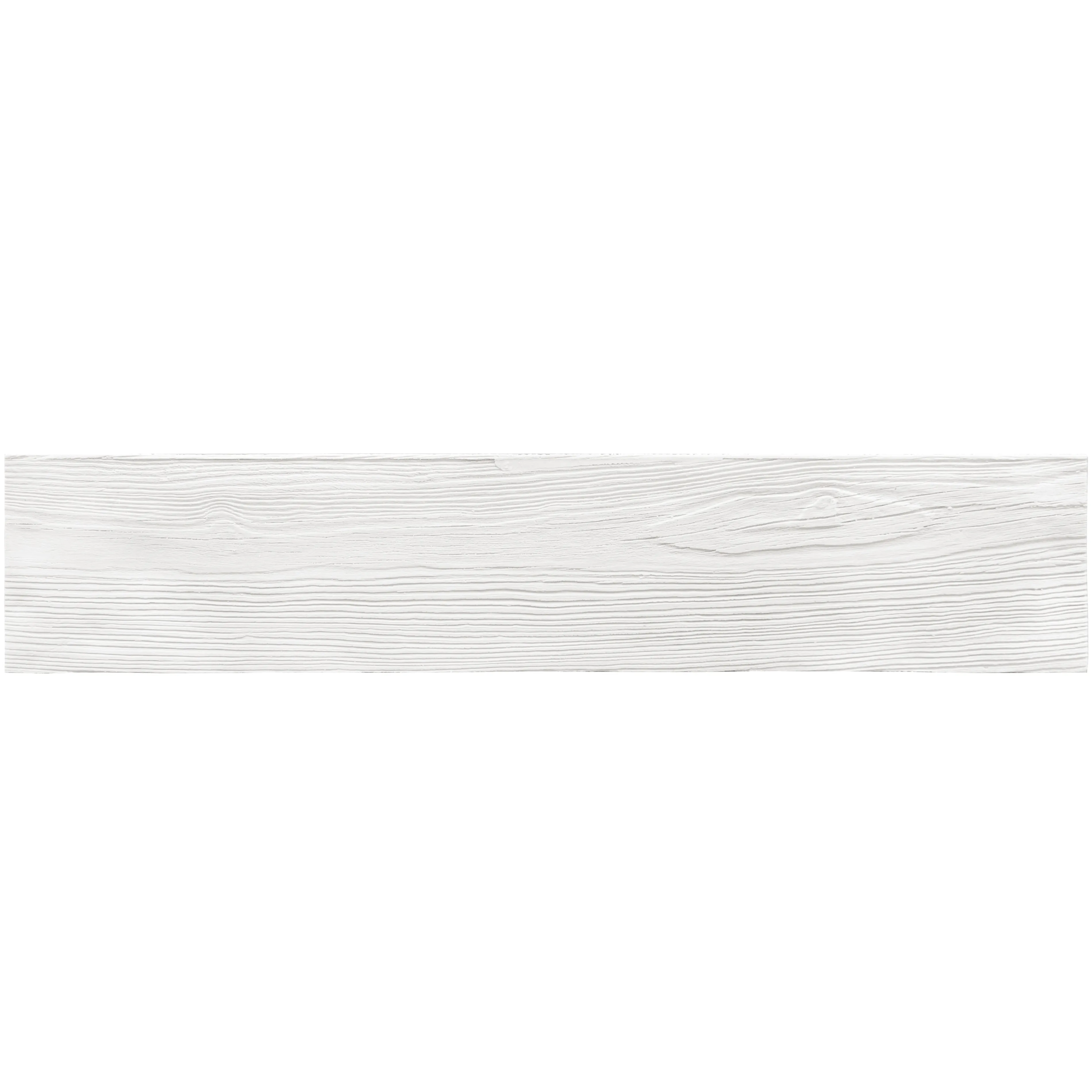
Choosing the right wood for outdoor spaces—whether it's a deck, siding, or a garden bench—feels a bit like picking a companion for a lifelong journey. It's not just about looks; it's about resilience. Imagine a coastal home where salt-laden winds whip against the exterior daily, or a mountain cabin that endures freezing rain in winter and scorching sun in summer. In these places, wood doesn't just "age"—it fights for survival. Two names often surface in these conversations: White Wood and Teak. One is celebrated for its accessibility and warm aesthetic, the other for its legendary durability. But how do they really stack up when the weather turns harsh? Let's dig in.
Before we compare White Wood and Teak, let's talk about the invisible battles wood faces outdoors. Harsh weather isn't just rain or sun—it's a tag team of moisture, UV radiation, temperature swings, and pests. Moisture seeps into pores, causing warping or rot. UV rays break down cell structures, turning wood gray and brittle. Extreme heat dries it out; freezing cold expands trapped water, cracking fibers. And termites? They see untreated wood as an all-you-can-eat buffet.
A wood's longevity in these conditions depends on three superpowers: natural density (tighter grains block moisture), intrinsic oils or resins (repel water and pests), and resistance to decay (how well it fights fungi and bacteria). Some woods are born with these traits; others need a little help (we're looking at you, pressure treatments and sealants). Now, let's meet our contenders.
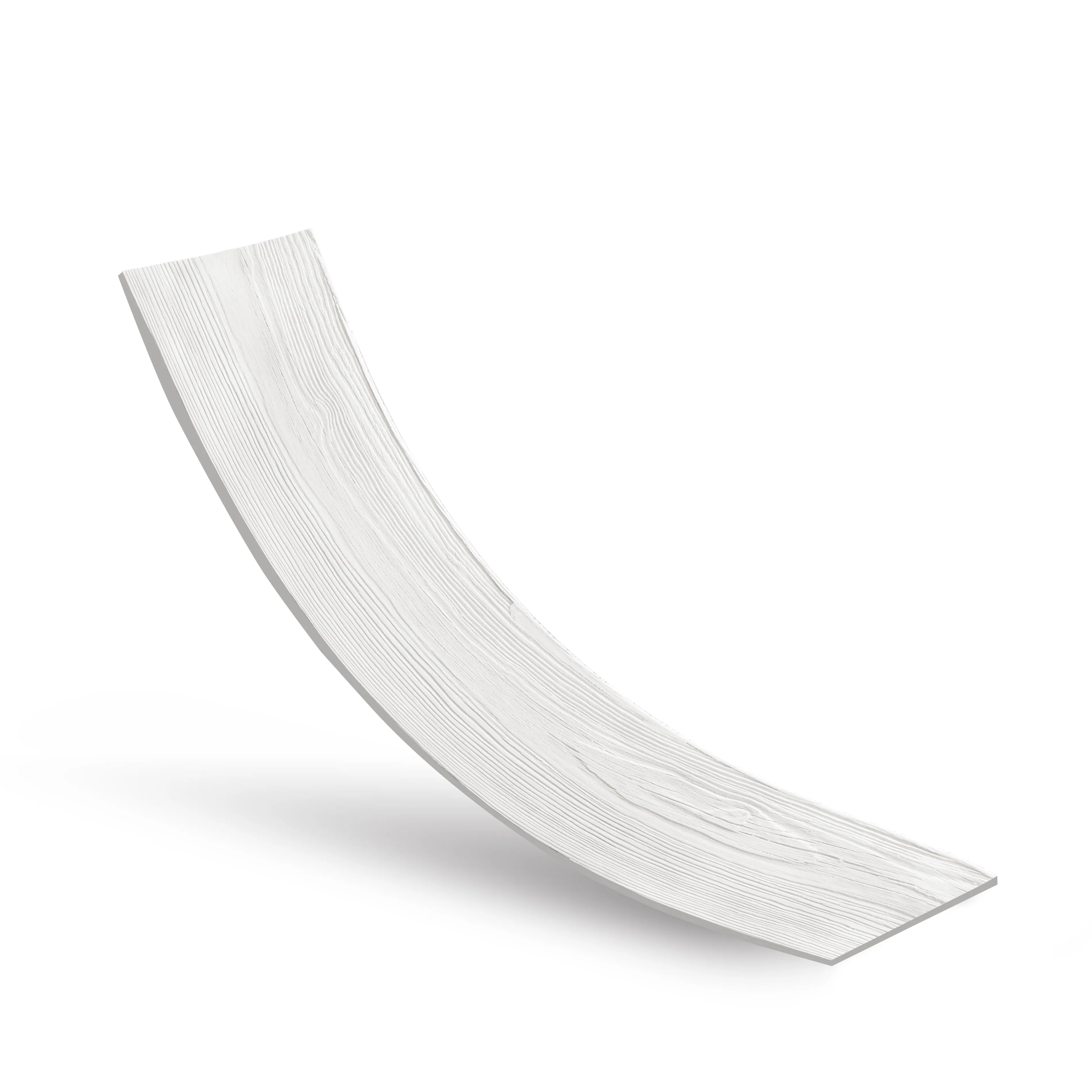
First up: White Wood. You've probably seen it in home improvement stores, marketed as a budget-friendly option for decks, fences, or outdoor furniture. But what is White Wood, exactly? It's a bit of a catchall term—sometimes referring to softwoods like pine, spruce, or fir, other times to lighter-hued hardwoods or even engineered products. For our purposes, let's focus on the most common type: untreated or lightly treated softwood White Wood, prized for its pale color and subtle texture.
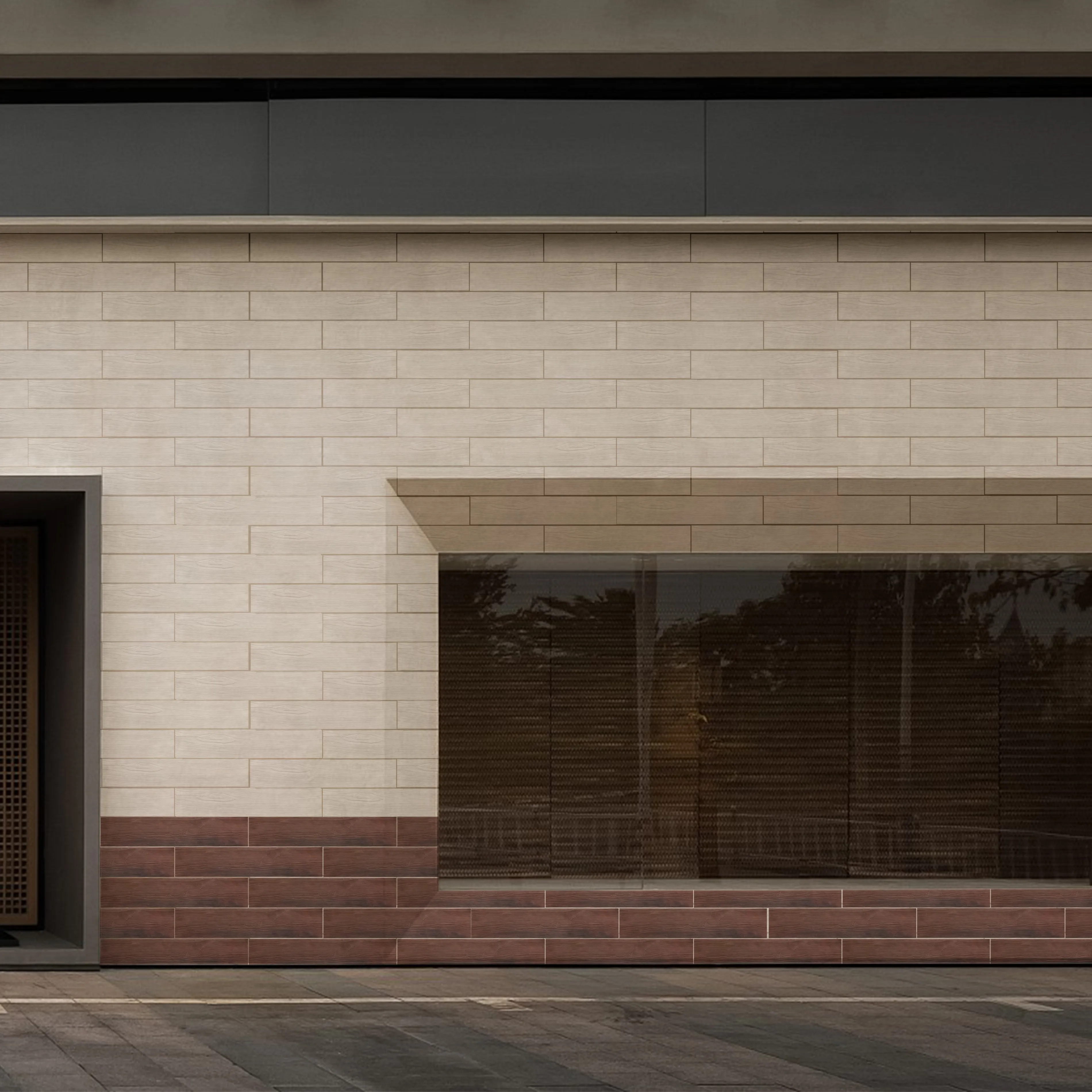
White Wood has a gentle, inviting vibe. Its light tone—ranging from creamy white to pale yellow—brightens up exteriors, making small spaces feel larger. Many love its wood grain board pattern: soft, flowing lines that add warmth without overwhelming. It's easy to stain or paint, so you can match it to your home's color scheme. Think of it as the "blank canvas" of outdoor woods.
Here's the thing: White Wood isn't naturally built for battle. Softwoods have looser grains, which means moisture can sneak in easily. Without treatment, it's prone to rot, especially in damp climates. UV rays also take a toll—left unsealed, it'll start to gray within a year, and over time, the surface may splinter or crack. Pests? Termites and carpenter ants find its soft fibers delicious. So why do people still use it?
Because with a little TLC, it can hold its own. Many White Wood products today come pressure-treated with chemicals like ACQ (alkaline copper quaternary) to fend off rot and pests. Some homeowners also opt for treatments like charcoal burnt wood board techniques (think shou sugi ban), where the surface is charred to create a protective, moisture-resistant layer. These steps boost longevity, but they add cost and maintenance—more on that later.
Now, Teak. Mention it to a seasoned builder, and you'll likely get a nod of respect. This tropical hardwood hails from Southeast Asia (think Myanmar, Thailand, Indonesia) and has been used for centuries in shipbuilding, outdoor furniture, and even royal palaces. Why? Because Teak is nature's answer to a tank.
Teak's secret weapons start with its density. Its tight, interlocking grain leaves little room for moisture to penetrate. Then there are the natural oils: a waxy substance called "tectoquinone" that repels water, fungi, and insects. These oils are so potent that old Teak ship decks were known to resist rot even after decades at sea. UV radiation? Teak's golden-brown hue fades to a silvery gray over time, but this "patina" is actually a protective layer—it shields the wood beneath from further damage.
Teak isn't cheap. Its slow growth (it takes 25+ years to mature) and high demand make it one of the pricier outdoor woods. But here's the kicker: it often requires less maintenance. Unlike White Wood, which needs annual sealing or staining, Teak can go years without treatment. A quick wash with soapy water now and then is usually enough to keep it looking sharp. For homeowners who want "set it and forget it" durability, that upfront cost starts to feel like an investment.
Let's put them side by side. The table below breaks down how each wood performs in key weather-related categories, based on real-world testing and industry data.
| Factor | White Wood (Untreated/Lightly Treated) | Teak |
|---|---|---|
| Natural Decay Resistance | Low to moderate. Prone to rot in damp conditions without treatment. | Exceptional. Natural oils and density resist rot for 20+ years outdoors. |
| Moisture Resistance | Poor. Absorbs water easily; swells and warps if unsealed. | Excellent. Tight grain and oils repel water; minimal swelling. |
| UV Protection | Low. Grays quickly; surface may splinter without UV sealant. | High. Develops a protective silvery patina; minimal structural damage. |
| Pest Resistance | Low. Termites and carpenter ants target soft fibers. | High. Natural oils repel most insects; termites rarely bother it. |
| Maintenance Needs | High. Annual sealing/staining; re-treatment every 2–3 years. | Low. Wash occasionally; no sealing required (unless you want to preserve the golden color). |
| Expected Lifespan (Outdoor, Uncovered) | 5–10 years (untreated); 10–15 years (treated). | 25–50 years (untreated); 50+ years (with minimal care). |
| Cost (Per Square Foot) | $2–$5 (untreated); $4–$8 (treated). | $10–$20+. |
Numbers tell part of the story, but let's ground this in real life. Here are three harsh weather scenarios—and how White Wood and Teak hold up.
Imagine a beach house in Florida, where summer brings 90% humidity, daily rain showers, and salt spray from the ocean. White Wood here? Without aggressive treatment (think marine-grade sealant and annual pressure washing), it would start rotting within 3–4 years. The salt accelerates corrosion, and humidity creates a breeding ground for mold. Even treated White Wood might need replacement after a decade.
Teak? It thrives. The salt spray doesn't faze its natural oils, and the dense grain laughs at humidity. I visited a 30-year-old Teak deck in Cape Cod a few years back—the owner admitted he'd never sealed it. It had turned a silvery gray, but the boards were still solid, no rot or warping. "I hose it down once a month," he said. "That's it."
A cabin in the Rockies faces brutal winters: feet of snow, temperatures dropping to -20°F, and spring thaws that soak everything. Then summer hits with intense UV rays at high altitude. White Wood here is a mixed bag. Pressure-treated White Wood can last 10–12 years, but you'll need to stain it yearly to block UV damage. Without that, the wood will dry out, crack, and splinter—especially where snow piles up and moisture lingers.
Teak? It handles freeze-thaw cycles like a pro. Its low moisture absorption means less cracking when water expands in the cold. And that silvery patina? It's a lifesaver in high UV. A friend in Colorado has a Teak bench on her porch; after 15 years, it's still sturdy, though the color has faded. "I was worried about the snow," she told me, "but it's never warped. Even the screws haven't rusted—Teak's oils must protect them too!"
In Arizona, where summer temps hit 120°F and rainfall is scarce, wood faces a different enemy: drying out . White Wood here can become brittle quickly, with cracks forming as the wood shrinks and expands with daily temperature swings. Even treated White Wood may start splintering after 5–7 years, especially if not sealed to lock in minimal moisture.
Teak's density is its ally here. It doesn't shrink or expand as much as softwoods, so cracking is rare. The sun fades its color, but that's a cosmetic change—structurally, it stays strong. A Teak patio set in Phoenix I saw had been outside for 18 years; the owner mentioned it still looked "good enough to host barbecues," with only minor surface checks (tiny cracks) that didn't affect stability.
White Wood isn't a "bad" choice—it's a contextual choice. If you're on a tight budget, or if your outdoor space is covered (like a screened porch) and sheltered from direct weather, White Wood works. It's also great for projects you might want to replace in 5–10 years (think a temporary fence or a kids' play set). Just factor in maintenance costs: a $500 White Wood deck might cost $200 every 2 years to seal, adding up over time.
Teak shines when longevity is non-negotiable. If you're building a permanent structure (a deck, siding, or a heritage-quality outdoor kitchen), or if your home faces relentless weather (coastal, mountain, or desert), Teak's upfront cost pays off. It's also ideal if you hate maintenance—no more weekends spent sanding and staining. Think of it as buying quality boots: pricier now, but they last so long you forget you ever paid for them.
At the end of the day, Teak is the clear winner for longevity in harsh weather. Its natural density, oils, and resistance to decay, pests, and UV radiation make it a wood that outlives generations. White Wood, while accessible and charming, requires constant care to keep up—and even then, it can't match Teak's lifespan.
But here's the thing: the "right" wood isn't just about durability. It's about your priorities. If you love White Wood's look and don't mind the upkeep, go for it. If you want a set-it-and-forget-it solution that ages like fine wine, Teak is worth every penny. Whichever you choose, remember: even the toughest wood needs a little love. A quick rinse, a yearly inspection, and addressing small issues early (like a loose board or a cracked seal) will help either wood go the distance.
After all, outdoor wood isn't just a material—it's part of your home's story. And stories, like Teak, are meant to last.
Recommend Products












