
Exploring the material that's redefining high-rise aesthetics and functionality
Walk down any major city street, and your gaze will inevitably drift upward—toward the glass and steel giants that pierce the sky. But behind those soaring silhouettes lies a quiet battle architects wage daily: how to balance bold design with the unforgiving demands of skyscraper construction. Weight, durability, sustainability, and that intangible "soul" of a building—these are the variables that keep designers up at night. Lately, one material has emerged as a game-changer in this quest: MS Cement Board . Let's dive into why it's becoming the go-to choice for architects aiming to turn steel skeletons into stories.
Skyscrapers aren't just buildings—they're landmarks, statements, even time capsules. An architect might dream of a facade that shimmers like stardust at dusk or mimics the texture of ancient stone, but reality often intrudes. Heavy materials like traditional marble or solid concrete add strain to a building's structure, limiting height and increasing costs. Brittle options crack under thermal expansion, leaving facades looking worn within a decade. And in an era where sustainability isn't just a buzzword but a mandate, materials that guzzle resources or generate excessive waste are off the table.
Enter MS Cement Board. Part of the broader MCM (Modified Composite Material) family , it's a hybrid that marries the best of concrete's sturdiness with the flexibility of modern composites. Think of it as concrete reimagined—not the cold, industrial slab you'd find in a parking garage, but a material with the warmth of travertine (beige) and the adaptability of a chameleon. It's lightweight enough to clad a 100-story tower without compromising structural integrity, yet rich enough in texture to make a building feel grounded, human, even intimate.
| Material | Weight (kg/m²) | Durability (Years) | Design Flexibility | Sustainability |
|---|---|---|---|---|
| MS Cement Board | 12–18 | 50+ | High (custom textures, colors, shapes) | Recyclable, low carbon footprint |
| Fair-Faced Concrete | 24–30 | 40–50 | Limited (uniform finish) | High embodied carbon |
| Travertine (Beige) | 28–35 | 30–40 (prone to staining) | Medium (natural veining, fixed colors) | Quarrying impacts ecosystems |
| MCM Flexible Stone | 8–12 | 40–50 | Very High (bendable, thin) | Eco-friendly, low waste |
*Data based on industry standards and manufacturer specifications.
The table tells a clear story: MS Cement Board hits the sweet spot. It's lighter than fair-faced concrete and travertine, meaning architects can push taller, more ambitious designs without overburdening the structure. Its 50+ year lifespan outperforms natural stone, which often requires costly repairs after 30 years. And when it comes to design flexibility? It's not just about choosing a color—it's about crafting textures that mimic epoch stone 's weathered grandeur or the smoothness of polished marble, all while staying within budget and sustainability goals.
Let's talk about real photos—though we can't display them here, we can paint the picture. Imagine a skyscraper in downtown Chicago, its facade clad in MS Cement Board finished to look like travertine (starry blue) . As the sun rises, the material catches the light, the "starry" flecks glittering like a night sky reflected on water. By afternoon, the blue deepens, creating a cool contrast to the warm tones of neighboring buildings. At night, LED strips behind the panels turn the entire structure into a glowing beacon—something impossible with heavy, opaque natural stone.
Or consider a residential tower in Singapore, where the architect wanted to evoke the texture of rammed earth board (khaki) —a material with deep roots in sustainable building—without the weight. MS Cement Board was molded to replicate the layered, organic look of rammed earth, then tinted in soft khaki and cream hues. The result? A building that feels rooted in the earth, even as it rises 40 stories, with balconies that seem to flow from the facade like terraced gardens.
What about interior spaces? MS Cement Board isn't just for exteriors. In a boutique hotel lobby in Barcelona, designers used it to create a feature wall that mimics the rough-hewn texture of rough granite stone (medium grey) , but with a lighter touch. The panels were cut into irregular shapes, then arranged in a mosaic pattern, giving the space a rustic, mountain lodge vibe without the need for heavy stone quarried from distant mountains.
In 2025, "green building" isn't optional—it's the baseline. Architects don't just want materials that look good; they want ones that align with LEED, BREEAM, and WELL certifications. MS Cement Board delivers here, too. Made from a blend of recycled cement, natural fibers, and mineral aggregates, it reduces reliance on virgin resources. Its lightweight nature also cuts down on transportation emissions—trucks can carry more panels per trip, lowering the carbon footprint from factory to job site.
Then there's longevity. A facade that lasts 50 years means less frequent replacement, reducing waste. And when it does reach the end of its life, MS Cement Board is recyclable, with components that can be repurposed into new building materials. Compare that to traditional marble, which often ends up in landfills after cracking or staining, or fair-faced concrete, which requires energy-intensive production and is hard to recycle.
At the end of the day, architects are storytellers. They don't just design buildings—they design experiences, memories, and connections. MS Cement Board gives them the tools to tell richer stories. It lets them blend the industrial with the organic, the modern with the timeless. It lets a skyscraper feel both imposing and inviting, both cutting-edge and grounded.
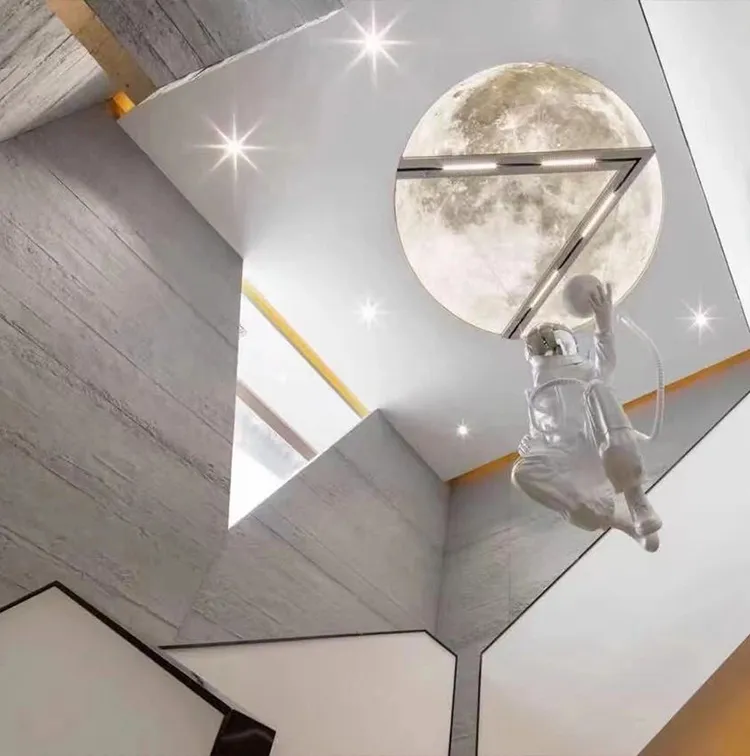
Take the lunar peak silvery finish, for example. It shimmers like moonlight on water, turning a corporate tower into a beacon of innovation. Or the wood grain board texture, which brings the warmth of nature into urban jungles, reminding us of our connection to the outdoors. These aren't just finishes—they're emotions, translated into material form.
And let's not forget the practical side. MS Cement Board is easy to install, cutting down on construction time and labor costs. It's resistant to fire, moisture, and pests—no more worrying about mold in humid climates or termites in tropical ones. For architects juggling tight deadlines and tighter budgets, these perks are as important as the aesthetics.
Recommend Products












