
Walk into any cutting-edge building today, and you'll notice something more than just bold lines or towering heights—you'll feel the materials. They're not just background players; they're storytellers. Modern architects aren't just designing structures anymore; they're curating experiences, and the right material can turn a simple wall into a conversation starter, a cold lobby into a welcoming embrace, or a sterile facade into a work of art. In this era of sustainability, functionality, and aesthetic boldness, the hunt for the perfect building material has never been more intense. And if you ask around design studios from New York to Dubai, one name keeps popping up: marble stream stone . But why? What makes this material stand out in a sea of options like fair-faced concrete , MCM flexible stone , or even wood grain board ?
Let's backtrack a bit. A decade ago, the go-to materials for "modern" projects were often industrial—think exposed steel, matte concrete, or generic glass. They were sleek, sure, but they lacked warmth. Then came a shift. Clients started craving spaces that felt both innovative and grounded, edgy and timeless. Architects began blending the raw with the refined, the new with the natural. That's where materials like marble stream stone stepped in. It's not just a stone; it's a bridge between the organic beauty of nature and the precision of modern engineering. But to truly get why it's become a favorite, we need to dig deeper—into its texture, its versatility, its ability to adapt to the wildest design dreams, and yes, even its eco-credentials.
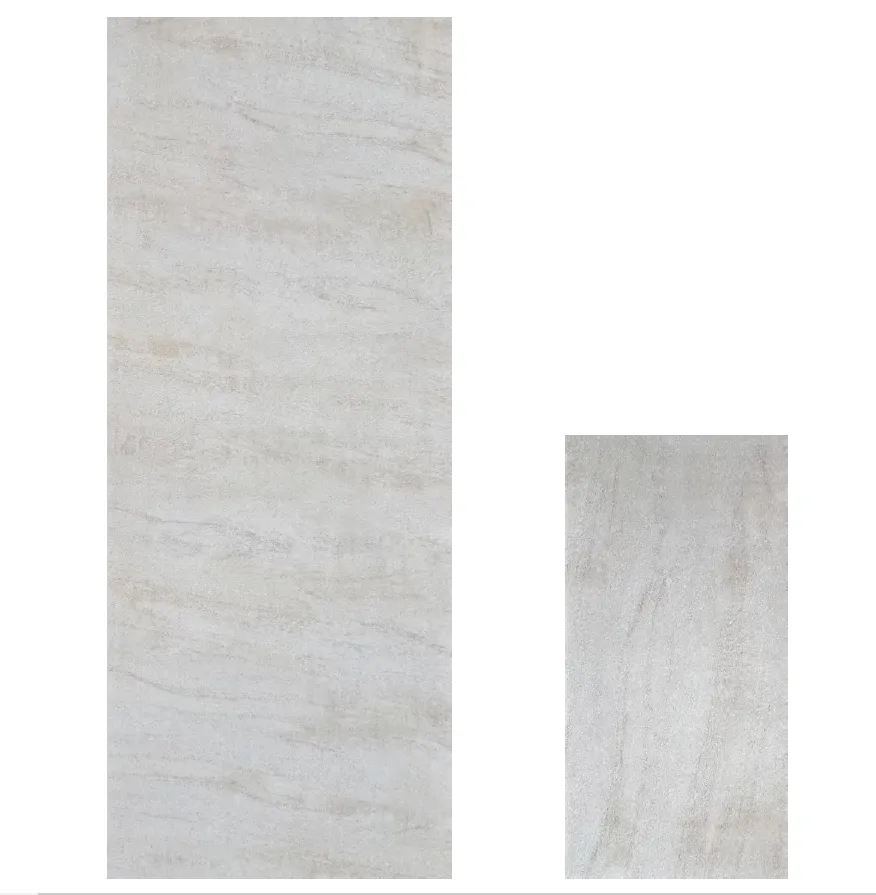
First things first: What even is marble stream stone? Picture this: a slab of stone that looks like someone froze a mountain stream mid-flow. Swirls of gray, white, and sometimes soft beige weave through the surface, mimicking the way water carves paths through rock over centuries. It's marble, but not the polished, uniform kind you might find in a classic mansion. This is marble with character—with movement . The "stream" in its name isn't just marketing; it's a promise. Each slab has unique veining, like a fingerprint, so no two installations are ever the same. That alone is catnip for architects tired of cookie-cutter materials.
But it's not just about looks. Let's talk feel. Run your hand over a polished marble stream stone panel, and you'll notice it's cool to the touch but not icy—there's a subtle warmth in the way light plays off its surface. In a world where so much of our lives are digital, that tactile quality matters. Architects often talk about "sensory design," and marble stream stone delivers on that front. It reflects light gently, softening harsh spaces, and absorbs sound just enough to keep a room from feeling echoey. Compare that to fair-faced concrete, which can feel unforgivingly hard, or even wood grain board, which, while warm, lacks that same sense of permanence.
Then there's the technical stuff. Modern projects demand materials that can keep up with bold designs—curved walls, cantilevered structures, massive open spaces. Marble stream stone is surprisingly lightweight for its durability, making it easier to install in unconventional ways. It's also resistant to scratches, stains, and weathering, which is a big deal for exteriors exposed to rain, sun, or salt air. And unlike some natural stones that require constant sealing, it's low-maintenance—music to the ears of both architects and building managers.
One of the biggest frustrations architects face is finding a material that can adapt to different styles. A hotel lobby might call for luxury, a tech startup office for minimalism, and a residential home for coziness. Marble stream stone does all three—and more. Want to go industrial? Pair it with black metal accents and exposed beams, and suddenly that flowing veining takes on an edgy, urban vibe. Going for bohemian? Mix it with warm woods and terracotta, and the stone softens into something earthy and inviting. For a high-end retail space? Polish it to a high sheen, and it rivals the elegance of traditional marble without the price tag.
Take the recent renovation of a boutique hotel in Barcelona. The architect, Maria Lopez, wanted the lobby to feel both grand and intimate. She used large marble stream stone slabs on the walls, backlit to highlight the veining, and paired them with plush velvet sofas and brass fixtures. "The stone became the star," she told me. "It didn't compete with the furniture; it complemented it. Guests walk in and immediately start talking about the walls—that's the kind of engagement you can't get with plain concrete."
These days, no client signs off on a project without asking about sustainability. Architects are under pressure to choose materials that reduce carbon footprints, minimize waste, and last for decades. Marble stream stone delivers here, too. Unlike some synthetic materials that rely on harmful chemicals, it's quarried responsibly from select sites with strict environmental standards. And because it's so durable, buildings clad in marble stream stone require less frequent replacement, cutting down on long-term waste.
Compare that to flexible stone cladding panels , which, while innovative, often have a shorter lifespan and can't match the natural sustainability of stone. Or even green building materials like recycled plastic composites, which, let's be honest, still lack the tactile quality of natural stone. "Sustainability shouldn't mean sacrificing beauty," says James Chen, a sustainable design consultant in Singapore. "Marble stream stone proves you can have both. It's a material that respects the planet and the human need for connection to nature."
Architects don't just design for looks—they design for real-world problems. Will the material hold up in a humid climate? Can it be installed on a curved surface? Is it fire-resistant? Marble stream stone ticks all these boxes. Its density makes it naturally fire-retardant, a must for commercial buildings. Its flexibility (yes, even stone can be flexible!) means it can be cut into thin slabs for use on curved walls or ceilings, opening up design possibilities that were once impossible with traditional stone.
Take the case of a museum extension in Tokyo. The design called for a sweeping, curved facade to mimic the flow of art. The architect initially considered glass, but it was too reflective and didn't offer the texture they wanted. Then they tested marble stream stone. "We were nervous at first—curved stone? But the fabricators were able to slice it thin enough to bend without cracking," explains lead architect Hiroshi Tanaka. "The result? A facade that changes with the light, with depth you can't get from any man-made material. And because it's stone, we know it'll still look good in 50 years."
To really understand why marble stream stone is winning, let's put it head-to-head with two other popular materials: fair-faced concrete and MCM flexible stone. Here's how they compare in the areas architects care about most:
| Criteria | Marble Stream Stone | Fair-Faced Concrete | MCM Flexible Stone |
|---|---|---|---|
| Aesthetic Versatility | High—adapts to luxury, industrial, bohemian, etc. | Low—limited to raw, minimalist looks. | Medium—offers patterns but lacks natural depth. |
| Durability | Excellent—resists scratches, weather, and fire. | Good—strong but prone to staining and cracking over time. | Moderate—can fade or peel in harsh climates. |
| Sustainability | High—naturally sourced, long lifespan, low maintenance. | Medium—recyclable but energy-intensive to produce. | Low—often contains synthetic binders, shorter lifespan. |
| Installation Flexibility | High—can be cut thin for curves, large slabs for seamless walls. | Low—requires precise formwork, hard to curve. | High—flexible panels, easy to install on complex surfaces. |
| Long-Term Value | High—appreciates in aesthetic value, low upkeep costs. | Medium—ages well but may need repairs. | Low—may need replacement in 10–15 years. |
The table tells the story: marble stream stone isn't just better in one area—it's consistently strong across the board. It combines the best of natural beauty with the practicality modern projects demand. And for architects, that balance is everything.
It's one thing to talk about a material's benefits; it's another to see it in action. Let's dive into a few standout projects that prove marble stream stone isn't just a trend—it's a game-changer.
When designing the headquarters for a tech company known for its innovative apps, architect Lee Wei wanted the building to reflect the brand's ethos: "fluid, dynamic, and user-centric." The result? A 20-story tower with a facade that looks like it's in motion. Lee used marble stream stone panels in varying shades of gray and white, arranged to mimic data streams flowing across a screen. "We tested over 20 materials, but nothing captured that sense of movement like the stone," he said. "From the street, the building changes color depending on the time of day—morning light brings out the whites, sunset warms the grays. It's alive."
For a private home overlooking the Willamette River, architect Sarah Johnson wanted to blur the line between indoors and out. The homeowners, avid nature lovers, requested materials that felt connected to the landscape. Sarah used marble stream stone on the exterior walls and indoor fireplace, pairing it with floor-to-ceiling windows. "The stone's veining echoes the river's current," she explained. "When you're inside, sitting by the fire, you look out at the water and then back at the wall, and it's like the river is flowing right into the house. It's magical."
In the heart of Milan's fashion district, a luxury shoe brand wanted its flagship store to feel more like an art gallery than a shop. Architect Marco Rossi used marble stream stone for the floors and walls, polished to a mirror finish. "The idea was to make the shoes the only color in the space," he said. "The stone acts as a neutral canvas, but it's not boring—those veins add texture and depth. Customers walk in and gasp; they don't just see shoes, they see an experience." Sales have reportedly increased by 30% since the renovation, a testament to the material's ability to create emotional connections.
So, what's next? As architecture continues to evolve, materials will only become more important. We're moving toward buildings that are smarter, more sustainable, and more human-centered. Marble stream stone fits perfectly into this future. Its natural beauty addresses our craving for connection to nature in an increasingly digital world. Its durability aligns with the push for longevity and reduced waste. And its versatility means it can adapt to whatever design trends come next—whether that's biophilic architecture, modular construction, or something we haven't even imagined yet.
Architects are also starting to pair it with other innovative materials to push boundaries further. Imagine a building clad in marble stream stone and foamed aluminium alloy board (vintage gold) —the warm metal complementing the stone's cool tones, creating a facade that's both modern and timeless. Or combining it with 3D art concrete board for a textured, sculptural effect. The possibilities are endless.
At the end of the day, architecture is about people. It's about creating spaces that make us feel something. Marble stream stone does that. It's not just a material; it's a partner in design—a silent collaborator that helps architects turn their visions into reality. And as long as architects keep dreaming up bold, beautiful buildings, you can bet marble stream stone will be right there with them, flowing into the future.
Marble stream stone isn't perfect—no material is. But in a world where architects are juggling aesthetics, functionality, sustainability, and client demands, it comes pretty close. It's a material that understands the modern project: ambitious, thoughtful, and unafraid to stand out. So the next time you walk into a building that takes your breath away, take a closer look at the walls. Chances are, you'll be looking at marble stream stone—quietly, beautifully, changing the way we think about architecture, one vein at a time.
Recommend Products












