
Walk down any major city street today, and you'll notice a shift in the skyline. Gone are the days of monolithic, uninspired concrete boxes; modern commercial buildings are making statements—bold, warm, and undeniably human. At the heart of this transformation? The facade. More than just a "skin" for a structure, the facade is a building's first impression, a reflection of its purpose, and a bridge between the built environment and the people who interact with it. For architects, choosing the right facade material is a balancing act: it needs to be durable enough to withstand the elements, flexible enough to bring creative visions to life, sustainable enough to align with green building goals, and aesthetically striking enough to stand out in a crowded urban landscape. In recent years, one material has emerged as a clear favorite for this challenge: MCM Wood Line. Let's unpack why this innovative cladding solution has become a go-to for architects designing the next generation of commercial spaces.
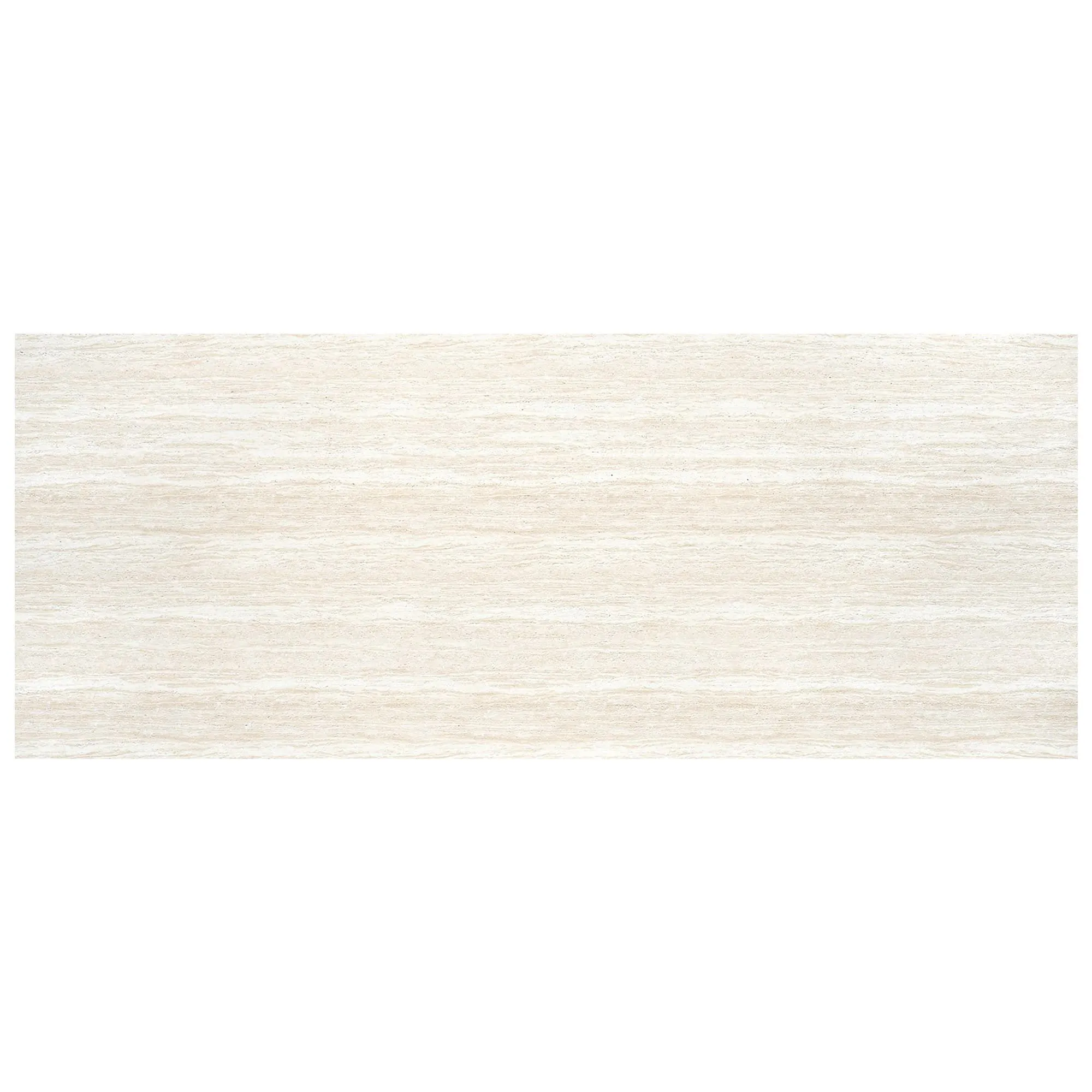
Before we dive into why architects love it, let's get clear on what MCM Wood Line actually is. MCM stands for Modified Composite Material—a category of engineered panels that blend natural minerals, polymers, and sometimes recycled materials to create a product that's stronger, lighter, and more versatile than traditional building materials. Think of it as the "Swiss Army knife" of cladding: it borrows the best traits from stone, wood, and plastic, then leaves their weaknesses behind. MCM Wood Line, specifically, is designed to mimic the look and feel of real wood—think rich grains, warm tones, and that organic, inviting texture—without the hassle of maintaining actual timber.
Here's how it's made: manufacturers start with a base of mineral aggregates (like limestone or fly ash) and bind them with high-performance polymers under intense heat and pressure. To achieve that wood-like appearance, they add natural pigments or wood fibers that replicate the intricate patterns of oak, maple, walnut, or even reclaimed barnwood. The result? A panel that's roughly 1/5 the weight of solid wood, 3 times as strong as traditional cladding, and resistant to just about everything Mother Nature (and city life) can throw at it. It's not just "fake wood"—it's wood reimagined for the demands of modern architecture.
Architects don't choose materials lightly. Every decision is weighed against a laundry list of priorities: Does it fit the design vision? Can it handle the local climate? Is it sustainable? Will it stay within budget—now and in the long run? MCM Wood Line doesn't just meet these criteria; it often exceeds them. Let's break down the top reasons it's become a staple in modern commercial facade design.
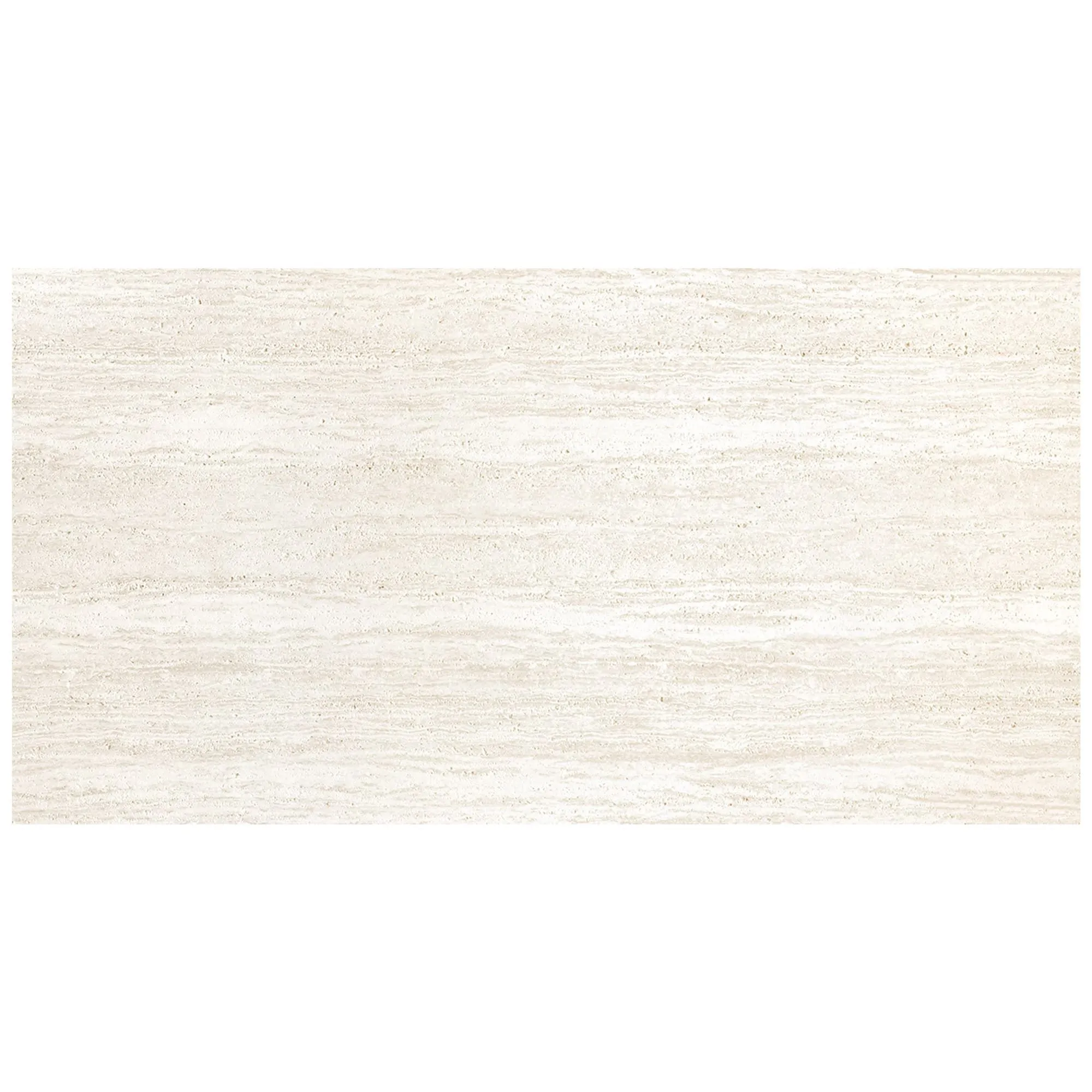
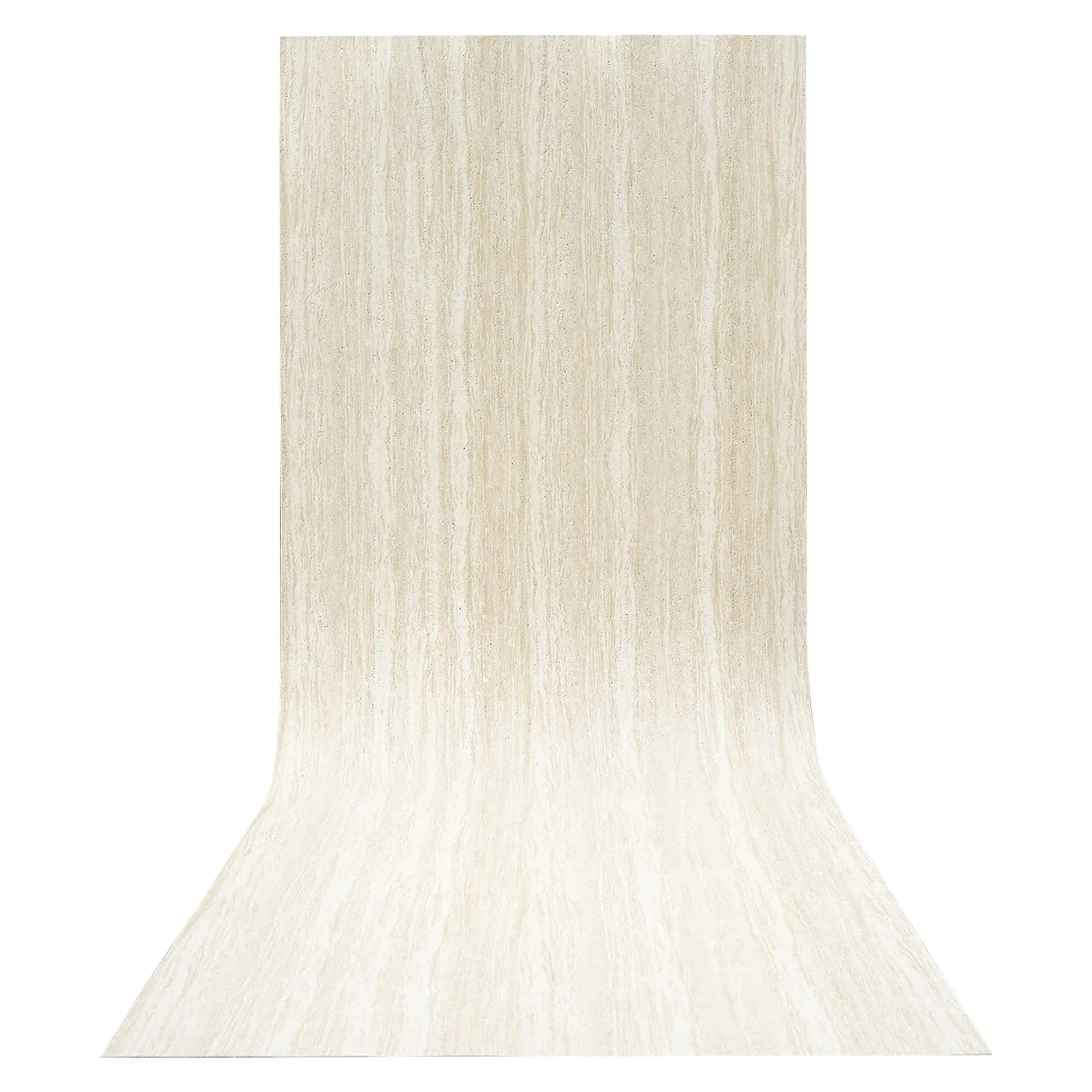
Modern architecture often gets a bad rap for feeling sterile—all glass and steel, sharp angles and cool tones. But today's clients want buildings that feel approachable, even welcoming. That's where MCM Wood Line shines. Its wood grain patterns—whether a smooth, contemporary ash or a rugged, distressed pine—add warmth and humanity to even the most minimalist designs. Imagine a tech startup's headquarters with a facade that looks like it's wrapped in reclaimed wood, but without the risk of warping or fading. Or a boutique hotel that uses MCM Wood Line in a rich walnut finish to evoke the coziness of a mountain lodge, even in the heart of downtown. The versatility here is key: architects can choose from dozens of wood grain board options, from light, airy beiges to deep, dramatic browns, and even custom colors to match a brand's identity. Unlike real wood, which fades unevenly under UV light, MCM Wood Line's pigments are locked into the composite, so that warm honey tone or rich espresso shade stays vibrant for decades. It's the best of both worlds: the organic beauty of wood, with the color consistency of a high-quality paint job.
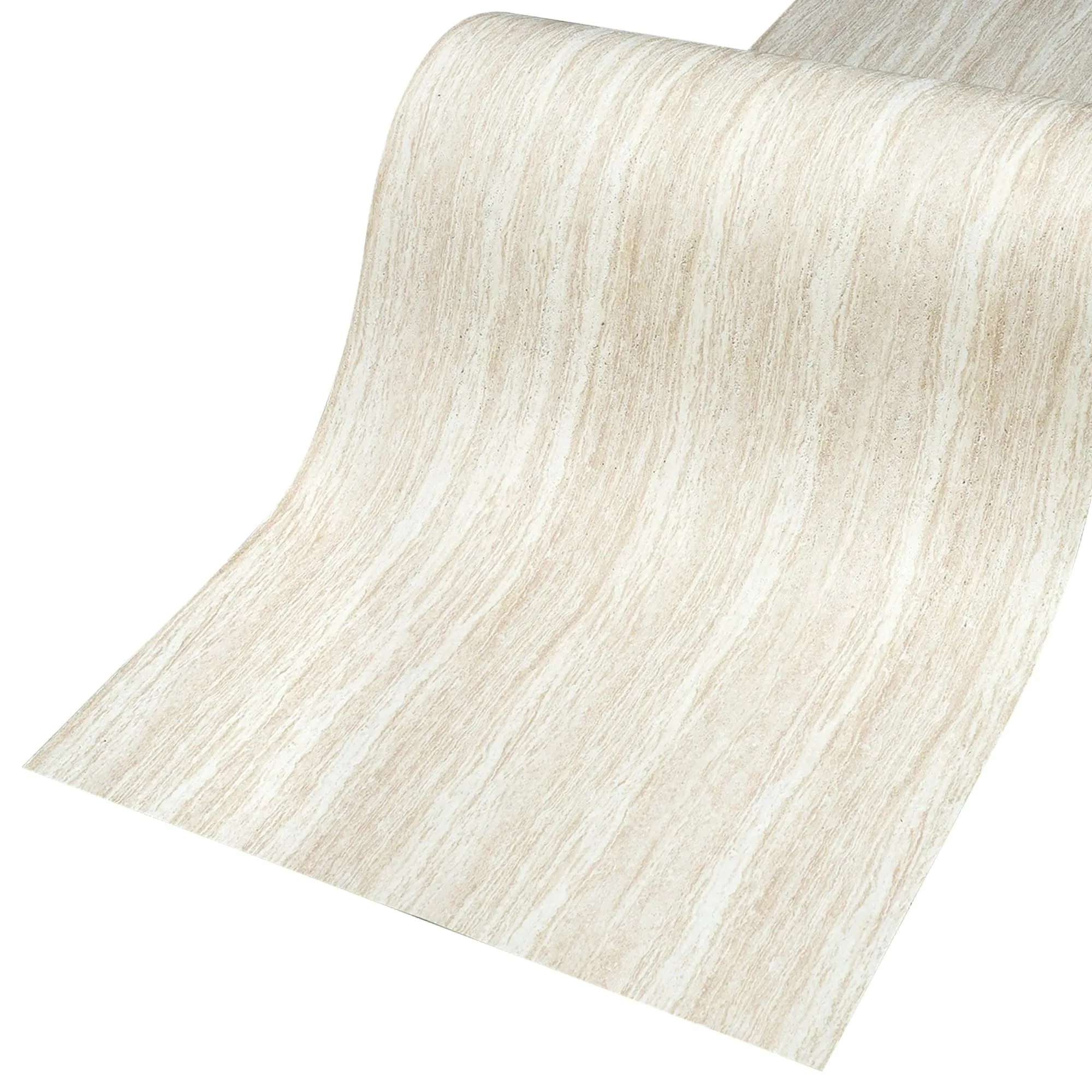
And it's not just about color. The texture matters, too. Run your hand over an MCM Wood Line panel, and you'll feel the subtle ridges and grooves of real wood grain—no flat, plastic-y finish here. This tactile quality makes buildings feel more alive, more connected to nature, even in urban settings. For architects aiming to create "biophilic" designs (spaces that strengthen our bond with the natural world), this texture is a powerful tool. It's why you'll see MCM Wood Line popping up in everything from co-working spaces (where warmth encourages collaboration) to retail stores (where inviting facades draw in customers) to healthcare facilities (where natural elements reduce stress).
Let's be real: commercial buildings aren't just design experiments—they're investments. Clients want facades that look good on day one and on day 10,000. Traditional wood cladding? It looks great… until the first rainstorm. Then comes rot, mold, and the endless cycle of sanding, staining, and sealing. MCM Wood Line? It laughs in the face of that. Thanks to its composite makeup, it's impervious to water (no swelling or warping), resistant to mold and mildew (no more black spots creeping up the walls), and completely unappetizing to termites and other wood-boring pests (sorry, bugs—this "wood" isn't on the menu). Even fire isn't a concern: most MCM Wood Line panels are fire-rated (often Class A), meaning they won't ignite easily and will slow the spread of flames if a fire does break out. That's a huge win for both safety and insurance costs.
But what about the elements? Let's say you're designing a building in Miami, where the sun blazes year-round and hurricanes bring salt spray. Or in Minneapolis, where winters hit -20°F and road salt eats away at everything. MCM Wood Line holds up. Testing shows it can withstand extreme temperature swings (from -40°F to 180°F), UV radiation (no fading, even after 50,000 hours of sunlight exposure), and salt corrosion (making it a favorite for coastal projects). One manufacturer even offers a 50-year warranty on some of their MCM Wood Line products—try getting that with real cedar siding. For architects, this durability isn't just about peace of mind; it's about designing for the long haul. No one wants to be the architect who specified a facade that needs a full replacement after 15 years.
If there's one thing architects hate, it's being told "that's not possible." MCM Wood Line? It's the material that says, "How wild do you want to go?" Let's start with weight: these panels are light —typically 8-12 kg per square meter, compared to 15-20 kg for solid wood and 50+ kg for natural stone. That lightness is a game-changer. It means you can install MCM Wood Line on buildings with weaker structural support (like retrofits of older structures) without reinforcing the frame. It also makes installation a breeze: no need for cranes or heavy machinery—two workers can carry a 4x8 panel with ease. This cuts down on labor costs and installation time (we're talking days instead of weeks for a typical facade), which clients love.
But the real magic is in the design flexibility. MCM Wood Line panels can be cut, drilled, routed, or curved on-site, giving architects the freedom to play with shapes that would be impossible with traditional materials. Want a facade with sweeping, 90-degree curves? No problem—heat the panels slightly, and they'll bend without cracking. Dreaming of a parametric design with thousands of unique, angled pieces? MCM Wood Line can be CNC-cut to precise measurements, ensuring every panel fits like a puzzle piece. Even custom details—like integrated planters, signage cutouts, or decorative screens—are easy to pull off. Compare that to real wood, which splits if you bend it too much, or stone, which shatters if you cut it incorrectly. With MCM Wood Line, the only limit is your imagination (and maybe the client's budget).
And let's not forget color and finish customization. Beyond the standard wood tones, manufacturers can match almost any Pantone color, create gradient effects, or even add metallic accents for a futuristic twist. One recent project in Tokyo used MCM Wood Line panels dyed a soft sage green to blend with the surrounding park, while a hotel in Dubai opted for a gold-tinged wood grain to evoke luxury. For architects working on brand-driven projects—like a flagship store or corporate headquarters—this level of customization ensures the facade aligns perfectly with the client's identity. It's not just a building; it's a billboard for who they are.
These days, "sustainability" isn't just a buzzword—it's a requirement. Clients, cities, and even tenants are demanding buildings that minimize environmental impact, and architects are on the front lines of delivering that. MCM Wood Line checks a lot of green boxes, starting with its raw materials. Many manufacturers use recycled content in their panels—think post-consumer plastic, reclaimed stone dust, or even agricultural waste. Some brands also source their mineral aggregates from local quarries, reducing transportation emissions. And since it mimics wood without requiring timber, it helps curb deforestation. The numbers tell the story: producing one square meter of MCM Wood Line uses roughly 70% less energy than manufacturing solid wood cladding and generates 50% fewer carbon emissions. For architects chasing LEED, BREEAM, or WELL certifications, those stats are gold.
But sustainability isn't just about production—it's about the entire lifecycle. MCM Wood Line's long lifespan (50+ years) means less frequent replacement, which reduces waste. When it does finally reach the end of its life, most panels are recyclable, unlike vinyl cladding (which often ends up in landfills) or treated wood (which can leach chemicals). Even maintenance plays a role: since MCM Wood Line doesn't need painting, staining, or sealing, it eliminates the use of volatile organic compounds (VOCs) that off-gas into the air and harm indoor air quality. For healthcare facilities, schools, or offices where occupant health is a priority, this is a huge advantage. It's sustainability that doesn't require sacrificing aesthetics or performance—a rare win-win.
Let's talk money. At first glance, MCM Wood Line might seem pricier than traditional wood cladding. A typical MCM Wood Line panel costs around $30-50 per square meter, compared to $20-40 for pressure-treated pine. But here's the thing: that initial cost is just the tip of the iceberg. Traditional wood requires annual maintenance (sanding, staining, sealing) that can cost $5-10 per square meter per year. Over 20 years, that adds up to $100-200 per square meter in upkeep—way more than the upfront difference in panel cost. MCM Wood Line? It needs almost no maintenance. A quick power wash once a year to remove dirt, and it's good to go. No sanding, no staining, no replacing rotted boards. For clients, that long-term savings is impossible to ignore.
Then there's installation. As we mentioned earlier, MCM Wood Line is lightweight and easy to install, which cuts down on labor hours. A crew can install 200-300 square meters of MCM Wood Line in a day, compared to 50-100 square meters for stone or traditional wood. Faster installation means lower labor costs and fewer delays, which keeps projects on schedule (and clients happy). And because the panels are so durable, there's less risk of damage during installation—no more replacing cracked stone slabs or warped wood boards because of a dropped panel. When you add it all up, MCM Wood Line often ends up being the most cost-effective option over the building's lifetime. Architects love this because it lets them deliver both beauty and value—a combination that makes clients return for future projects.
We've sung MCM Wood Line's praises, but let's put it head-to-head with two common alternatives: traditional wood cladding and fair-faced concrete. This table breaks down how they compare in key areas architects care about:
| Factor | MCM Wood Line | Traditional Wood Cladding | Fair-Faced Concrete |
|---|---|---|---|
| Weight (kg/m²) | 8-12 | 15-20 | 50-60 |
| Estimated Lifespan | 50+ years | 15-20 years (with heavy maintenance) | 50+ years |
| Annual Maintenance Cost | $0.50-$1 (power washing) | $5-$10 (staining, sealing, repairs) | $2-$3 (crack repairs, sealing) |
| Installation Time (100m²) | 1-2 days | 3-5 days | 5-7 days |
| Sustainability Score (1-10) | 8-9 (recycled materials, low VOC, recyclable) | 5-6 (renewable but high maintenance, deforestation) | 6-7 (durable but high carbon footprint in production) |
| Design Flexibility | High (curvable, custom cuts, colors) | Low (rigid, prone to splitting) | Medium (can be formed but heavy, limited textures) |
| Cost per m² (Installed) | $40-$60 | $30-$50 (initial); $130-$250 (over 20 years with maintenance) | $70-$100 |
The takeaway? MCM Wood Line outperforms traditional wood in almost every category—lifespan, maintenance, flexibility—and offers similar durability to concrete at a lower cost and with more design options. It's no wonder architects are making the switch.
Let's look at a project that put MCM Wood Line to the test: the Verde Office Complex, a 10-story building in Portland, Oregon, designed by local firm Studio Archer. The client wanted a facade that felt "biophilic" (connected to nature) but could withstand Portland's rainy, damp climate. Traditional wood was out of the question (too much rot risk), and concrete felt too cold. Enter MCM Wood Line.
Studio Archer opted for a custom "reclaimed oak" finish—warm browns with subtle gray undertones—to blend with the surrounding forested area. They paired the wood-look panels with large windows and vertical greenery to create a "living wall" effect. The panels were curved at the building's corners to soften the structure's edges, and CNC-cut to include small perforations that let light filter through, creating dappled shadows on the sidewalk below. Installation took just 10 days (compared to the projected 3 weeks for stone), and the client reported zero maintenance issues in the first 5 years. Today, the Verde Complex is a local landmark, and Studio Archer credits MCM Wood Line with making their vision possible. "We wanted a material that felt organic but wouldn't fail in our climate," says lead architect Mia Chen. "MCM Wood Line delivered—plus, it let us play with curves and textures we couldn't have done with anything else."
MCM Wood Line isn't the only star in the MCM universe. There's MCM flexible stone (think thin, bendable panels that mimic marble or slate), bamboo mat board (a textured, linear option that adds depth), and even metallic finishes for ultra-modern designs. But what sets Wood Line apart is its ability to add warmth. While MCM flexible stone is stunning for sleek, minimalist projects, it lacks the organic, human touch that wood brings. Bamboo mat board has texture, but it's more linear and less versatile in tone. For architects designing spaces where people work, shop, or gather, that warmth matters. It's why MCM Wood Line is often the top choice for mixed-use developments, hospitality projects, and corporate offices—spaces where the goal is to feel inviting , not just impressive.
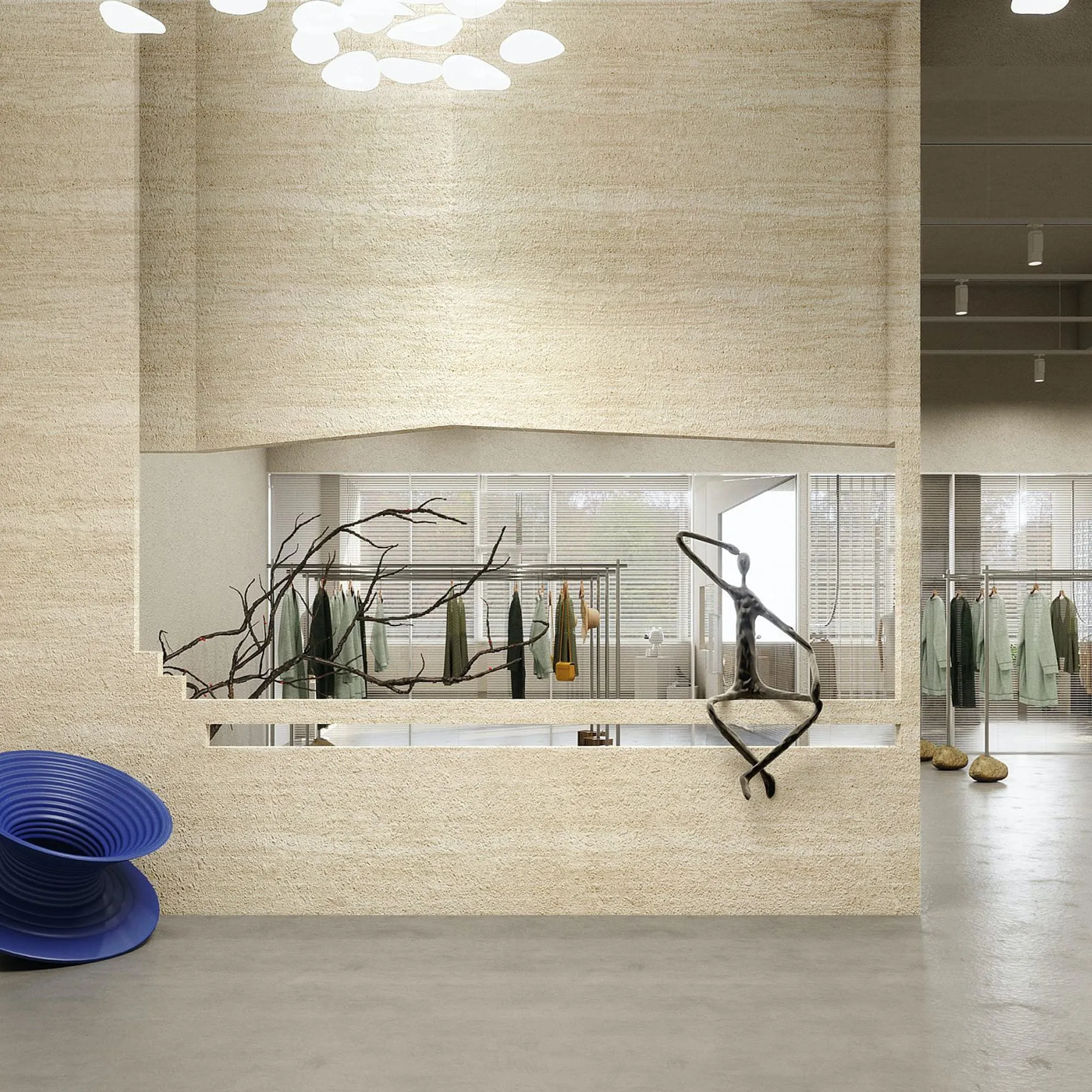
At the end of the day, architects don't choose materials—they choose solutions. MCM Wood Line solves a problem as old as architecture itself: how to create buildings that are beautiful, durable, sustainable, and adaptable. It's not just a trend; it's a reflection of where the industry is heading: toward materials that work with nature, not against it; that prioritize long-term performance over short-term aesthetics; and that give designers the freedom to dream big. As cities grow more crowded and clients demand more from their buildings, MCM Wood Line will only become more essential. It's the material that lets architects say, "Yes, we can do that"—and then deliver something even better than the client imagined. So the next time you walk past a stunning modern facade that makes you think, "Wow, that wood looks amazing," take a closer look. Chances are, it's MCM Wood Line—quietly revolutionizing how we build, one warm, durable panel at a time.
Recommend Products












