
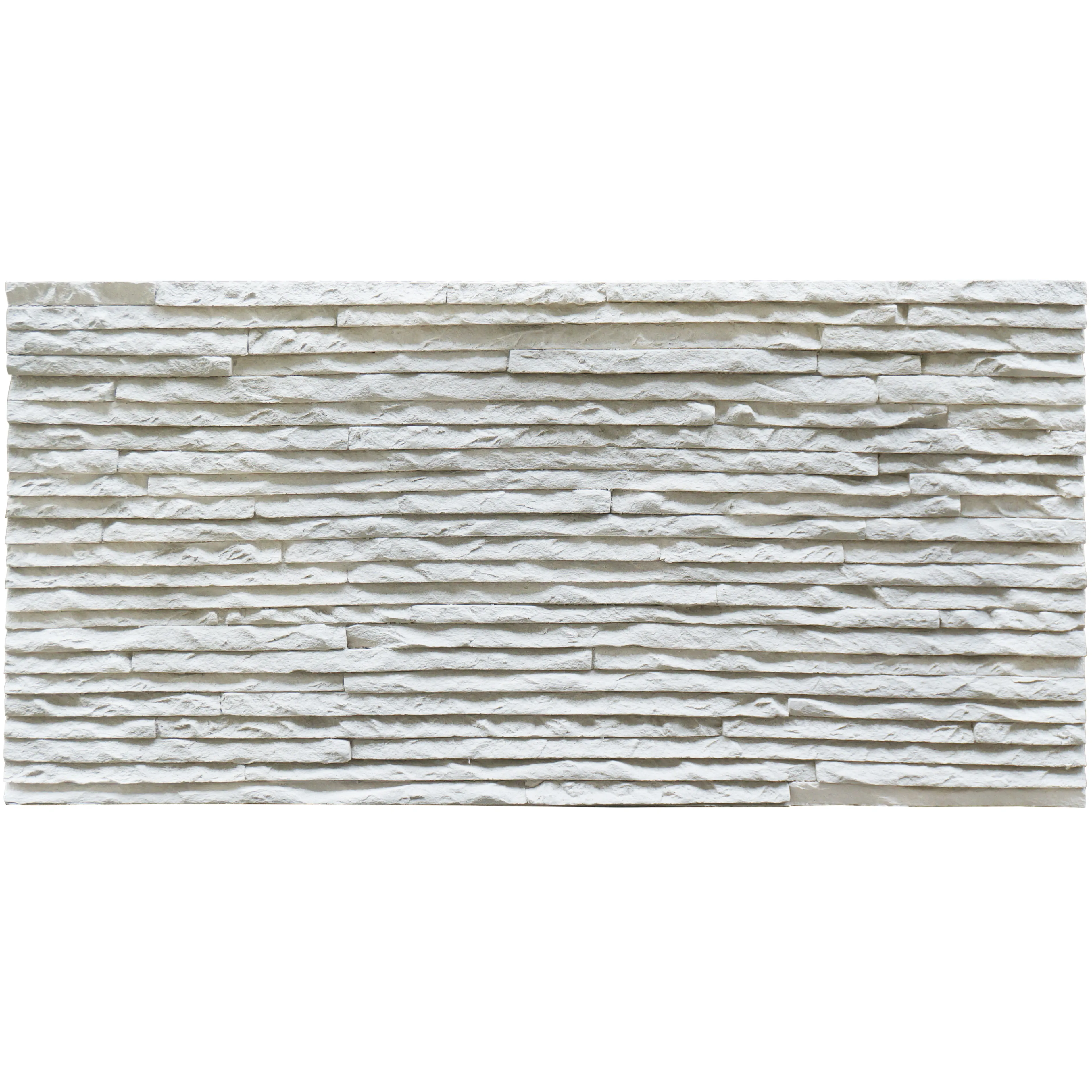
In the world of sustainable architecture, where every material choice carries the weight of environmental impact and long-term legacy, one material has quietly risen to become a favorite among forward-thinking architects: Muretto Stone (Beige). It's not just a surface—it's a statement. A commitment to design that respects the planet without compromising on beauty or functionality. But what exactly makes this stone stand out in a market flooded with options like lime stone(beige), fair-faced concrete, and even trendy alternatives like foamed aluminium alloy boards? Let's dive into the reasons why architects are reaching for Muretto Stone (Beige) when they want to build spaces that last, look good, and leave a light footprint.
Muretto Stone (Beige) isn't born in a lab with synthetic additives or resource-heavy processes. Its story starts in quarries where natural mineral deposits are extracted with minimal disruption to local ecosystems. Unlike some materials that require aggressive mining or chemical treatments, Muretto Stone (Beige) is formed from sedimentary layers that have naturally compacted over millennia—think of it as Earth's own way of creating a durable, versatile building block. This connection to natural formation means lower energy use during extraction, a stark contrast to materials like foamed aluminium alloy boards, which rely on intensive manufacturing.
Sustainability isn't just about how a material is made—it's about how long it lasts. Muretto Stone (Beige) shines here. Architects often compare it to epoch stone, a material renowned for withstanding centuries of weathering, and for good reason. Its dense composition resists cracks, fading, and erosion, even in harsh climates. Imagine a school built with Muretto Stone (Beige) in a coastal area: salt spray, heavy rains, and intense sun might wear down lesser materials, but this stone? It'll still look fresh decades later. That longevity translates to less waste—no need for frequent replacements, no piles of discarded cladding in landfills. For architects, that's sustainability in action.
Even the most naturally sourced material can lose its eco-credentials if production is energy-guzzling. Not Muretto Stone (Beige). The manufacturing process prioritizes low-carbon methods: solar-powered facilities, water recycling systems, and minimal heat usage. Unlike polished concrete, which often requires high-temperature curing, Muretto Stone (Beige) is shaped using pressure and natural binding agents, cutting down on greenhouse gas emissions. Some producers even offset remaining emissions by funding reforestation projects. For architects aiming for LEED or BREEAM certifications, these details matter. They're not just choosing a stone—they're choosing a supply chain that aligns with their sustainability goals.
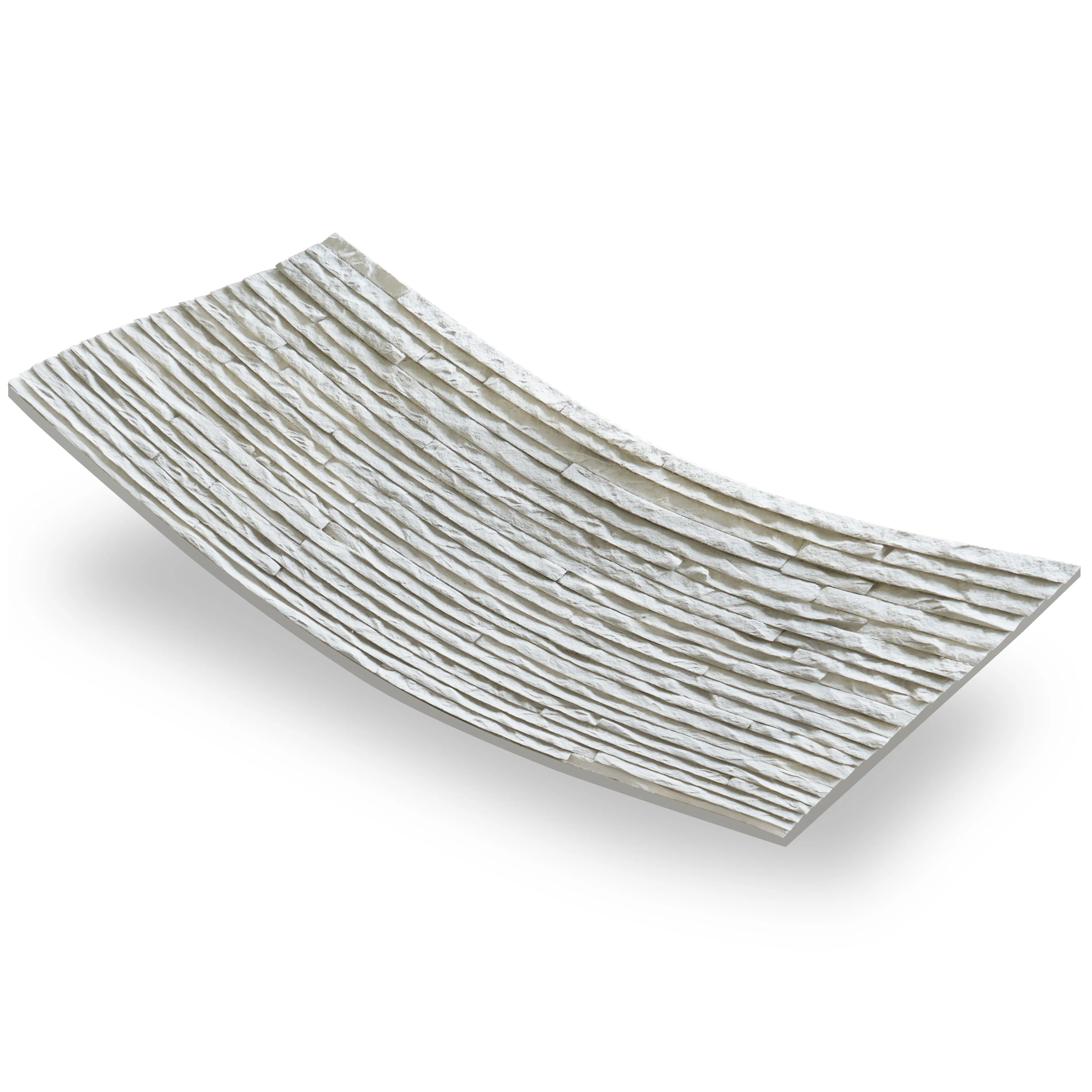
Let's talk about the "feel" factor. Sustainable design shouldn't mean cold, sterile spaces. Muretto Stone (Beige) brings warmth in spades. Its soft, earthy hue—reminiscent of sunlit sand or aged parchment—creates interiors and exteriors that feel inviting, not industrial. Unlike the starkness of fair-faced concrete or the metallic sheen of vintage silver foamed aluminium alloy boards, Muretto Stone (Beige) has a lived-in quality. It plays with light beautifully: in the morning, it glows with a golden tint; at dusk, it softens into a warm amber. Architects love this versatility—whether designing a cozy residential villa or a bustling community center, the stone adapts, making spaces feel human-centered.
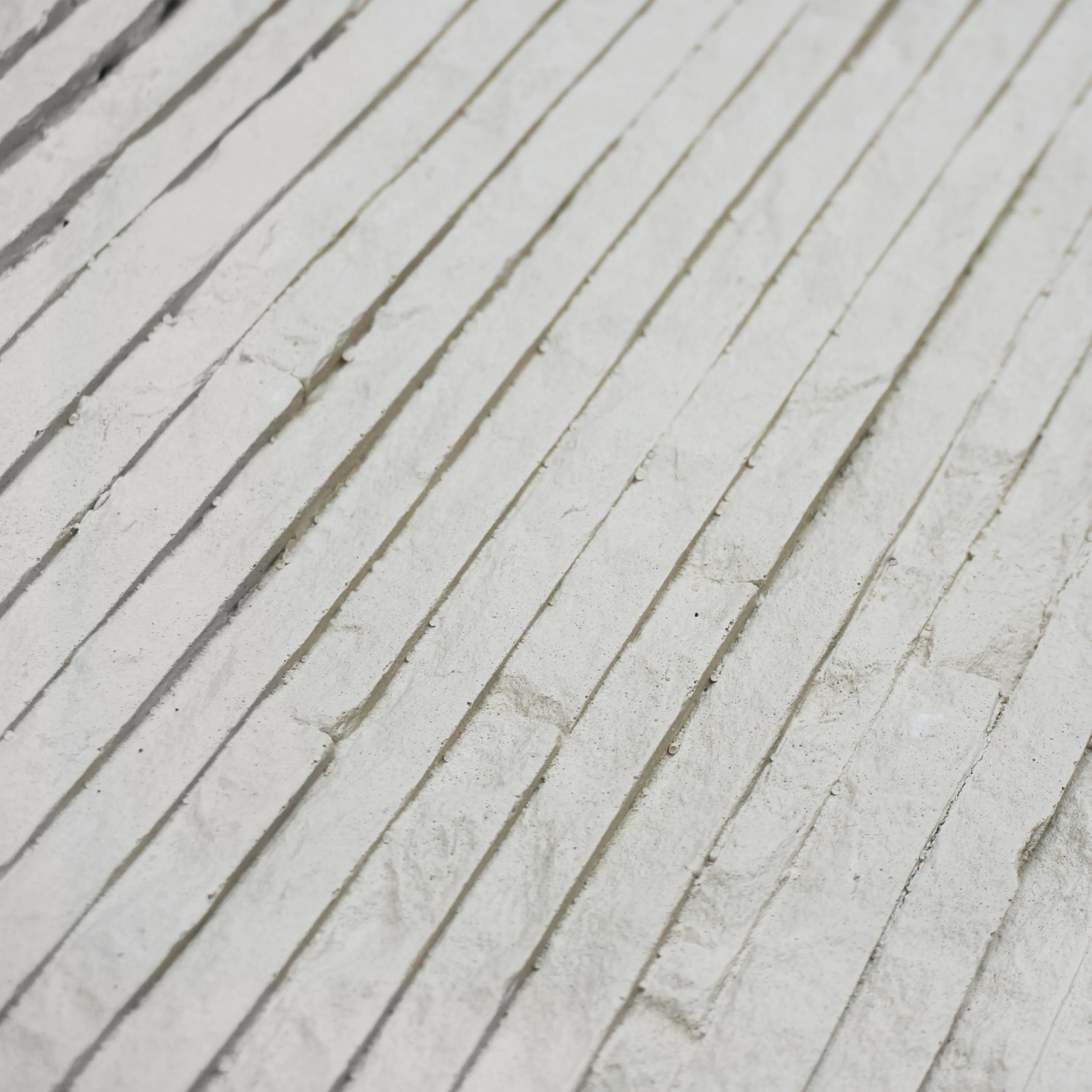
Run your hand over Muretto Stone (Beige), and you'll notice its subtle texture—tiny indentations, faint veining, and natural variations that no machine can replicate. This isn't a flaw; it's character. Each slab is unique, like a fingerprint. Architects use this to add depth to facades: imagine a commercial building where Muretto Stone (Beige) is paired with historical pathfinders stone, a material known for its rugged, time-worn look. Together, they create a narrative—past meets present, tradition meets sustainability. It's a texture that invites touch, that makes people pause and appreciate the craftsmanship. In a world of smooth, uniform surfaces, that tactile quality is priceless.
Great design is about harmony, and Muretto Stone (Beige) plays well with others. Architects often mix it with lime stone(beige) for a layered, monochromatic look, or contrast it with wood grain board to add warmth. For a more modern twist, pairing it with bamboo mat board creates a balance of organic and structured elements. Even bold choices work: imagine a facade where Muretto Stone (Beige) is interrupted by panels of lunar peak silvery, a sleek, metallic material. The beige grounds the design, while the silver adds a futuristic edge—proof that sustainability and innovation can coexist. This flexibility means Muretto Stone (Beige) isn't just a material; it's a collaborator.
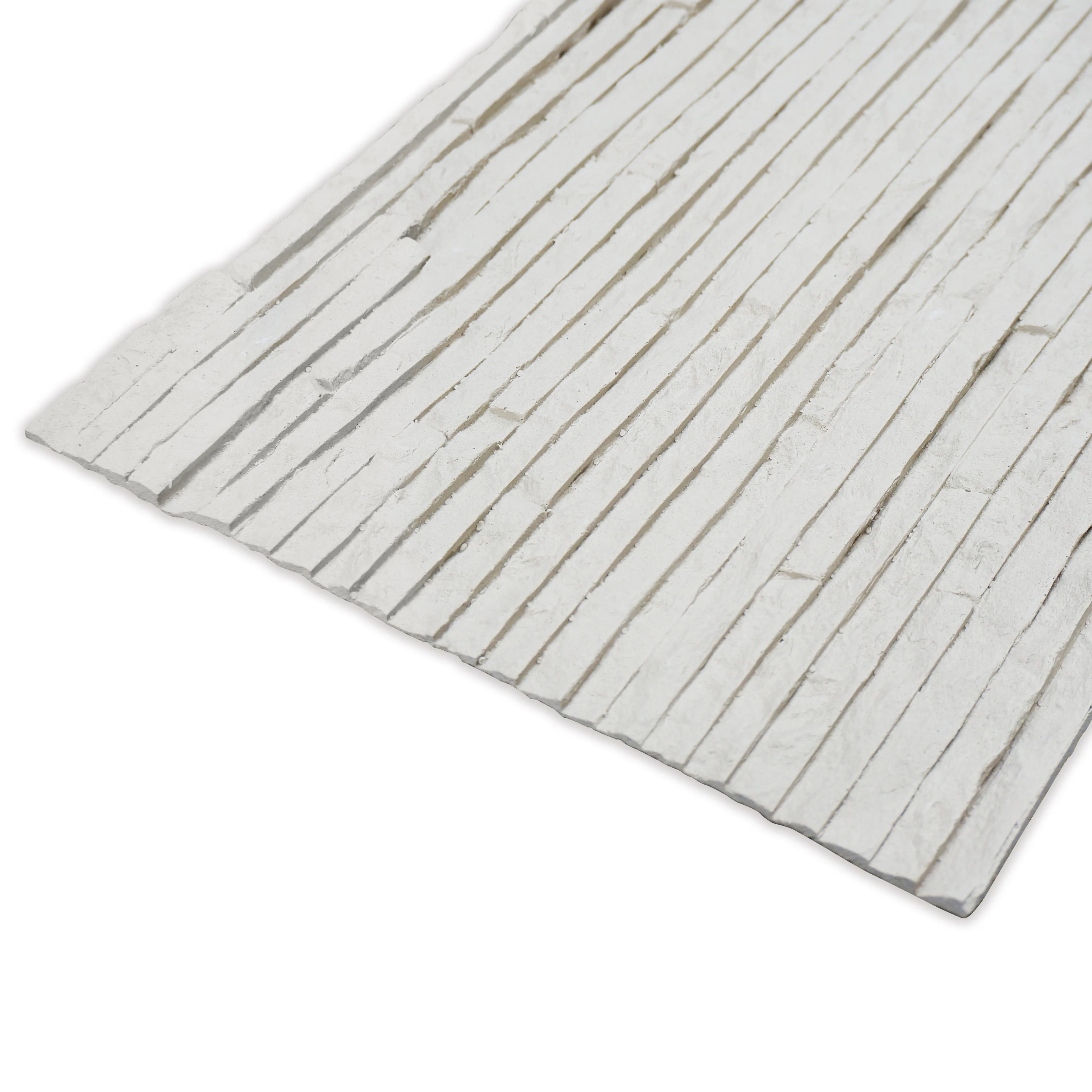
One of the biggest surprises about Muretto Stone (Beige) is its weight—or lack thereof. Despite its durability, it's surprisingly lightweight compared to traditional stone slabs. This is a game-changer for architects. Lighter materials mean less stress on a building's structure, which can reduce construction costs and allow for more creative designs, like cantilevered overhangs or tall, thin facades. Builders appreciate it too: easier to transport, simpler to install, and fewer workers needed on-site. Compare that to boulder slab, which is heavy and requires specialized equipment. With Muretto Stone (Beige), projects move faster, and deadlines are easier to meet—without sacrificing strength.
Architects don't just design for today—they design for the people who'll use and maintain the space tomorrow. Muretto Stone (Beige) is a dream for facility managers. It resists stains, so a coffee spill in a lobby or rainwater runoff on a facade won't leave permanent marks. A quick rinse with water is usually enough to keep it looking fresh. Unlike wood line boards, which need regular sealing, or marble stream stone, which is prone to etching, Muretto Stone (Beige) asks for little in return. This low-maintenance quality reduces the need for harsh cleaning chemicals, another win for sustainability. It's a material that stays beautiful with minimal effort—and that's a selling point for clients who want their buildings to age gracefully.
Let's address the elephant in the room: upfront cost. Muretto Stone (Beige) might not be the cheapest option on the shelf, but architects know better than to judge by price alone. Think of it as an investment. Its long lifespan means fewer replacements. Its low maintenance cuts down on upkeep costs. Its energy-efficient production can even qualify projects for green building incentives. Compare that to materials like polished concrete, which may be cheaper initially but can crack over time, requiring costly repairs. Over 50 years, Muretto Stone (Beige) often ends up being the more economical choice. Architects aren't just saving their clients money—they're saving resources, too.
| Material | Sustainability | Durability | Aesthetic Versatility | Installation Ease |
|---|---|---|---|---|
| Muretto Stone (Beige) | High (natural extraction, low-carbon production) | Excellent (resists weathering, 50+ year lifespan) | High (works with traditional and modern designs) | Easy (lightweight, minimal structural support needed) |
| Lime Stone (Beige) | Medium (natural but requires more processing) | Good (prone to staining without sealing) | Medium (limited texture variations) | Moderate (heavier than Muretto) |
| Fair-Faced Concrete | Low (high carbon footprint, energy-heavy production) | Good (prone to cracking in freeze-thaw climates) | Low (stark, industrial look) | Moderate (requires formwork) |
| Foamed Aluminium Alloy Board (Vintage Silver) | Low (resource-intensive mining, high energy use) | Good (corrosion-resistant but dents easily) | Medium (modern look, limited color options) | Easy (lightweight but requires specialized fasteners) |
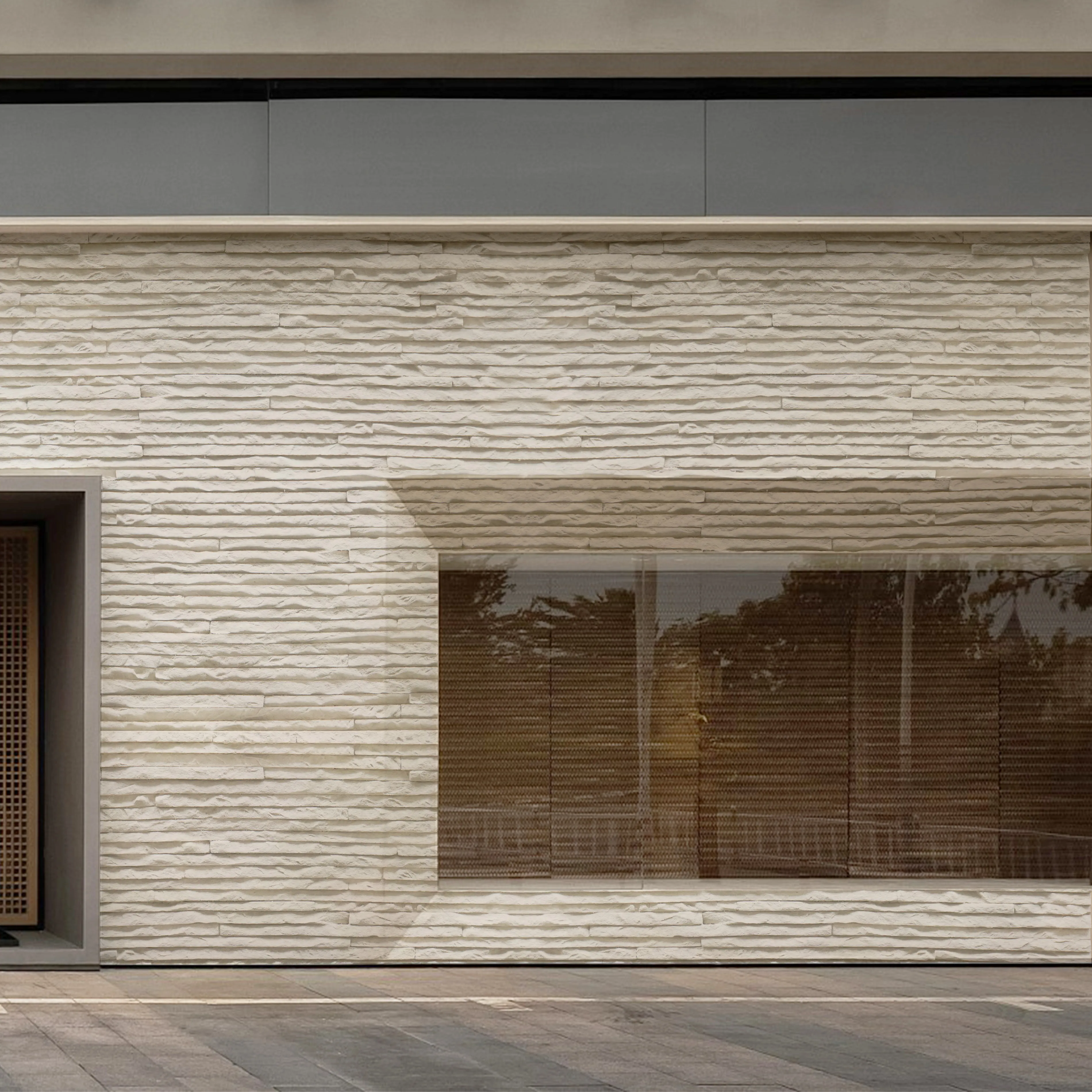
In the heart of a small town, a riverfront community center was recently built with sustainability as its core mission. The architect, Maria Gonzalez, faced a challenge: how to create a space that honored the town's history while embracing eco-friendly design. Her solution? Muretto Stone (Beige), paired with historical pathfinders stone and lime stone(beige).
"The goal was to make the center feel like it had always been there, like it grew out of the land," Maria explains. "Muretto Stone (Beige) was perfect because it's both timeless and sustainable. We used it for the main facade, and the natural variations in the stone make it look like it's been weathered by the river winds for decades."
The center's interior features Muretto Stone (Beige) accent walls in the auditorium, paired with wood grain board ceilings. "The stone absorbs sound beautifully, so we didn't need as much acoustic treatment," Maria notes. "And the warmth of the beige makes the space feel intimate, even with 200 people inside." Outside, the stone is complemented by gobi panel, a textured material that mimics desert landscapes, creating a visual link to the town's agricultural roots.
A year after opening, the center has become a community hub. "People comment on how 'alive' the building feels," Maria says. "It's not just a box—it's a place with character. And knowing that we built it with materials that won't end up in a landfill in 20 years? That's the real win."
Muretto Stone (Beige) isn't just a trend—it's a glimpse into the future of architecture. As the industry shifts toward designs that prioritize people and the planet, materials that balance sustainability, aesthetics, and practicality will lead the way. Architects aren't just choosing Muretto Stone (Beige) for its looks or its eco-credentials; they're choosing it because it helps them tell a story—a story of buildings that respect the earth, welcome people, and stand the test of time.
So the next time you walk past a building with a warm, inviting facade, take a closer look. Chances are, you're looking at Muretto Stone (Beige)—a material that proves sustainability and beauty don't have to be opposites. It's a reminder that the best architecture doesn't just shape spaces; it shapes a better world.
Recommend Products












