
Picture this: You're standing at the base of a sleek, modern high-rise in the heart of a bustling city. Glass glints in the sun, steel beams cut sharp lines against the sky—but something feels off. It's beautiful, sure, but it's… cold. Sterile. Like a giant smartphone, all function and no soul. Now imagine that same building wrapped in a facade that looks like it was carved from ancient stone, with textures that shift from warm amber to soft gray as the light fades, and a surface that feels alive, like it's breathing. That's the magic of Oasis Stone Foge. And if you've noticed more and more high-rises swapping glass for this earthy, dynamic material lately, you're not alone. Architects are obsessed—and today, I'm breaking down why.
Here's the thing about high-rise commercial buildings: They don't just house offices or shops—they're landmarks. They shape skylines, define neighborhoods, and send a message about the businesses inside. And in a world where so many towers default to "shiny glass rectangle," architects are hungry for materials that tell a story. Enter Oasis Stone Foge.
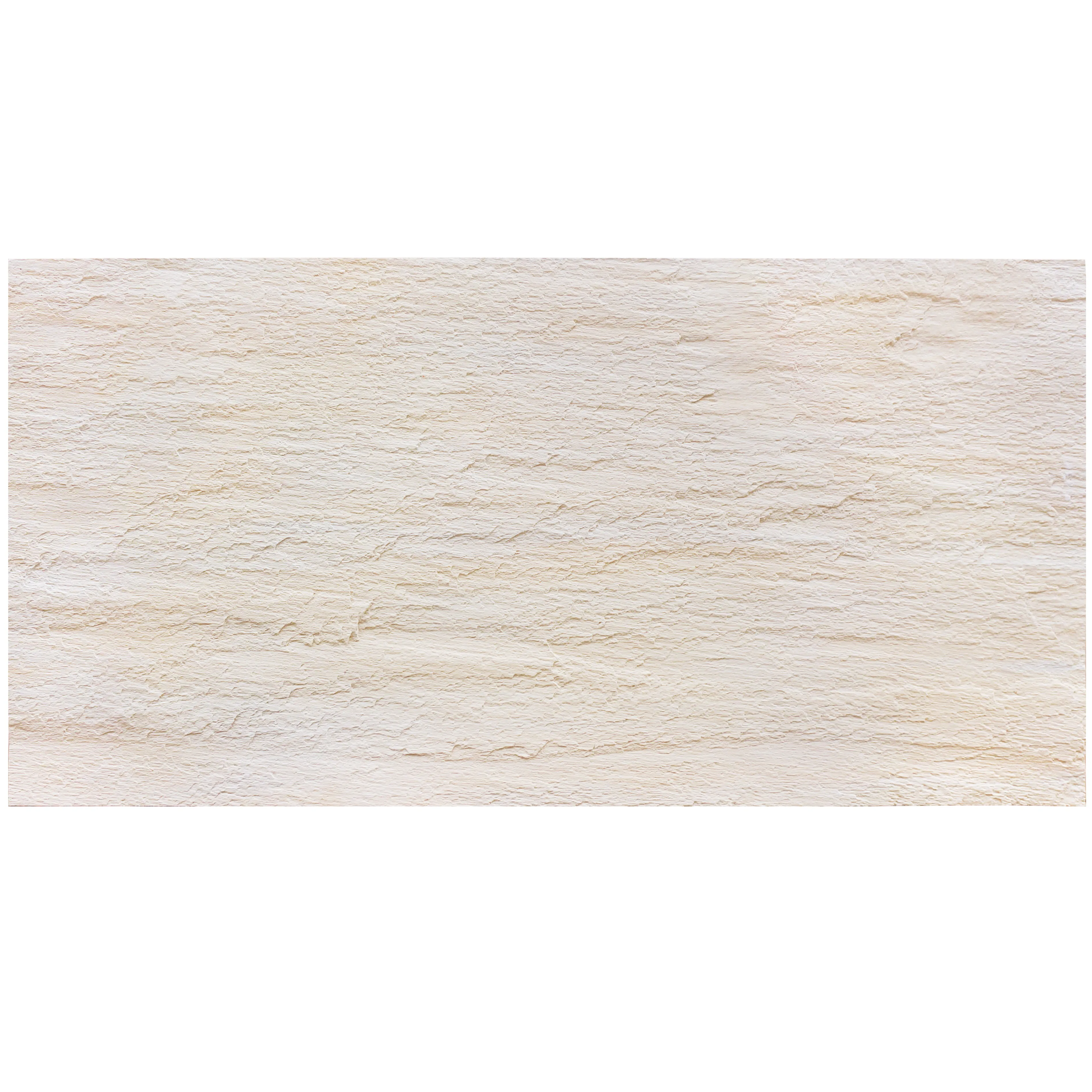
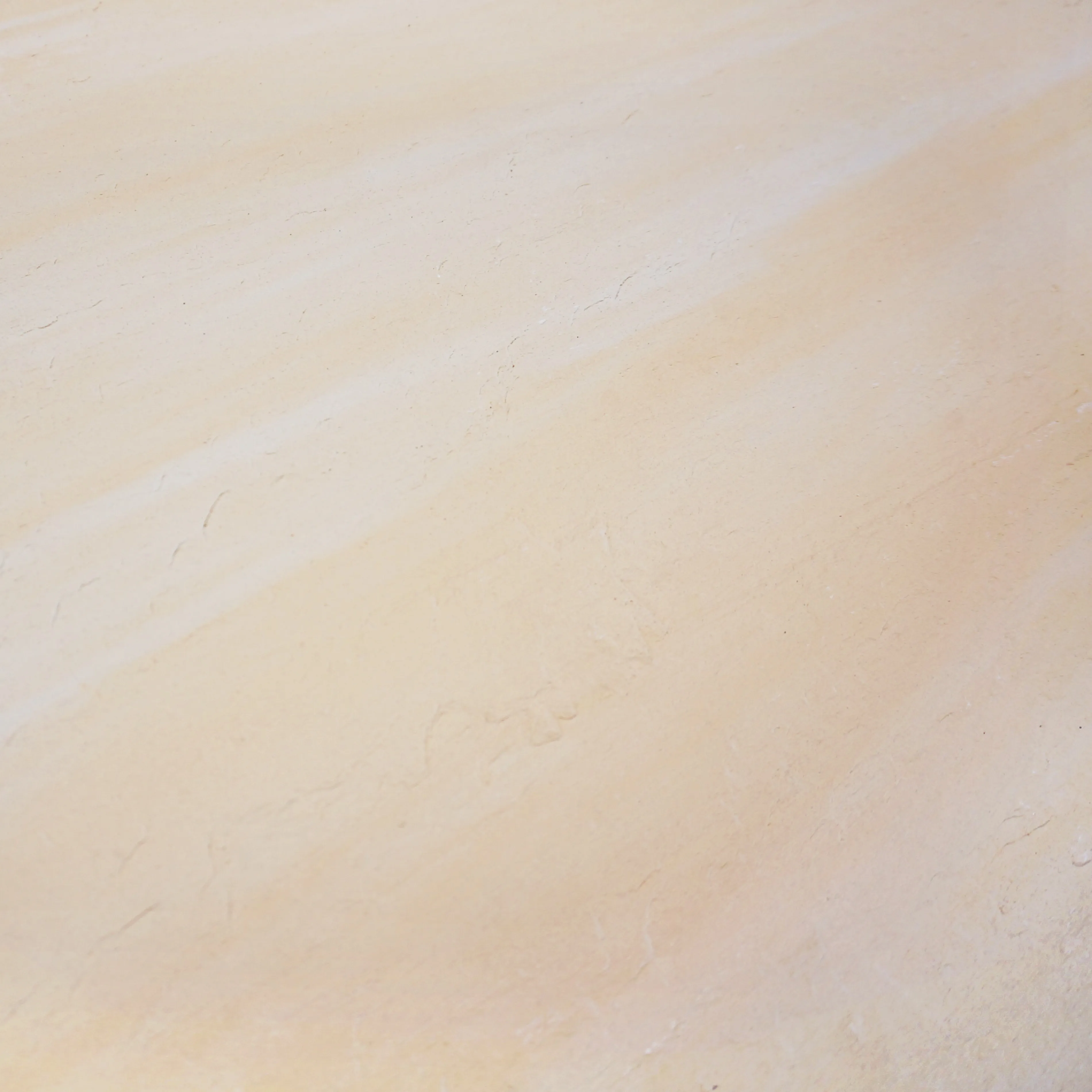
Unlike the flat, reflective surfaces of glass or the industrial sheen of metal, Oasis Stone Foge feels organic. Its texture is a study in contrasts: smooth in some spots, gently pitted in others, with veins that look like they were painted by nature itself. Think of it like bringing a piece of the desert or a mountain cliff face into the city—without the weight or impracticality of real stone. One architect I spoke to described it as "wearing the earth's history on the building's sleeve," and I get it. There's a warmth here that's hard to replicate.
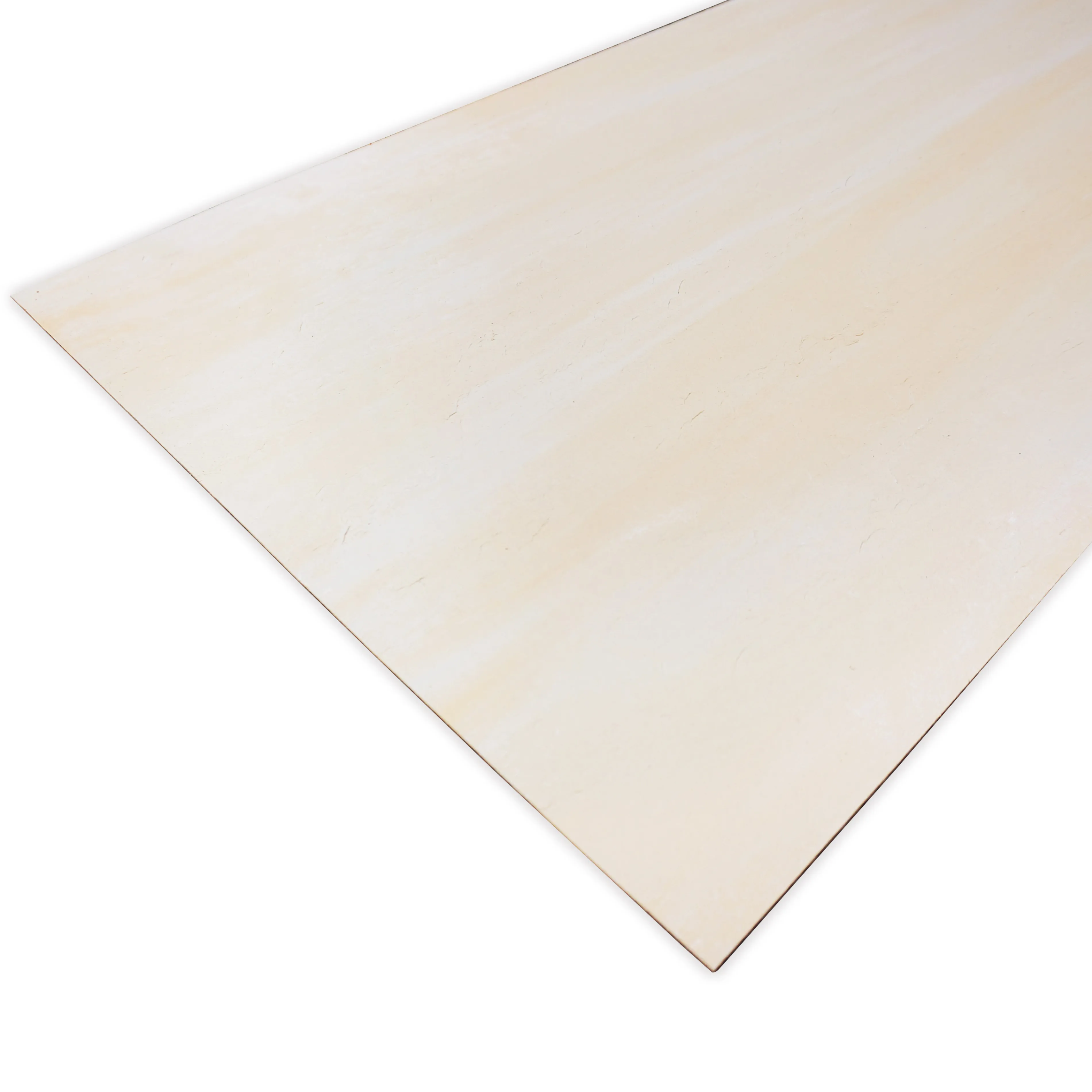
And the color options? They're not just "beige" or "gray." We're talking subtle gradients that shift with the light—hints of "cloud-dragon" swirls (a nod to its natural mineral patterns) or soft "rusty red" undertones that glow at sunset. Compare that to the one-note look of fair-faced concrete, which, while minimalist, can feel like a blank canvas that never quite comes alive. Oasis Stone Foge doesn't just blend in; it interacts with its environment. On overcast days, it takes on a moody, almost mystical quality. On sunny afternoons, it shimmers with golden flecks. It's a material that changes with the sky—and that's exactly what makes it unforgettable.
Let's get real: Architects don't just care about how something looks—they care about how it holds up. High-rises are battered by wind, rain, extreme temperatures, and even the occasional hailstorm. A facade that looks great on day one but cracks, fades, or peels after a year? That's a disaster. So why do engineers breathe easier when they see Oasis Stone Foge on the plans? It all comes down to what's under the hood: MCM flexible stone.
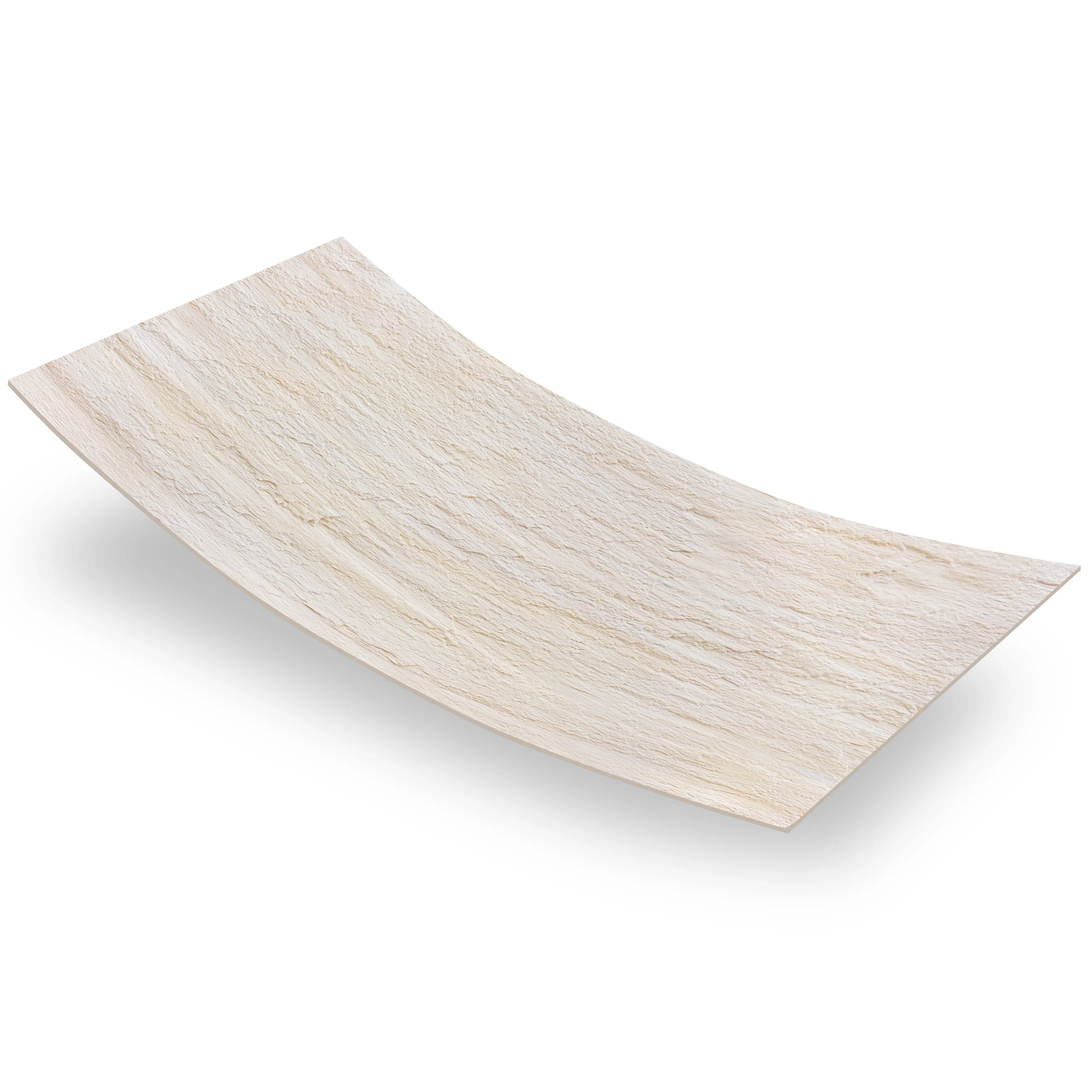
MCM (Modified Composite Material) flexible stone is the secret sauce here. Unlike traditional natural stone, which is heavy and brittle, MCM flexible stone is lightweight—we're talking a fraction of the weight of granite or marble. That means less stress on the building's structure, which is a huge win for high-rises where every pound counts. But don't let the "flexible" part fool you. This stuff is tough. It's resistant to impact (goodbye, stray baseballs or hailstones), UV rays (so no fading after a few years in the sun), and even chemical damage from pollution or harsh cleaning agents.
Here's a stat that might surprise you: Tests show Oasis Stone Foge can withstand wind speeds of up to 150 mph—more than enough for hurricane-prone cities like Miami or Dubai. And unlike materials like foamed aluminium alloy board, which can dent or scratch easily, Oasis Stone Foge holds its shape. One project manager in Chicago told me they had a minor fire on the 12th floor a few years back, and the Oasis Stone Foge panels nearby? They barely charred. Compare that to wood-based claddings, which can go up in flames in minutes, and it's easy to see why safety-conscious architects are leaning in.
These days, no architect worth their salt is ignoring sustainability. Clients want LEED certifications, cities are cracking down on carbon footprints, and the public is demanding buildings that don't cost the Earth. Oasis Stone Foge checks this box in a big way—and it starts with how it's made.
Traditional stone cladding involves quarrying massive blocks of rock, transporting them across the globe, and cutting them into slabs—all of which guzzles energy and creates tons of waste. MCM flexible stone, on the other hand, is made with a mix of recycled minerals and polymers, which reduces its environmental impact by up to 40% compared to natural stone. And because it's lightweight, transporting it uses less fuel, too. One manufacturer I visited even mentioned they're powered by solar panels—so the material itself is born from green energy.
But it's not just about manufacturing. Oasis Stone Foge also helps buildings perform better over time. Its natural insulation properties mean it can reduce heating and cooling costs by up to 15%—a huge plus for high-rises with massive energy bills. And since it doesn't fade or degrade quickly, buildings clad in it won't need frequent replacements, cutting down on waste. Compare that to foamed aluminium alloy boards, which, while durable, are often made with non-recyclable materials and have a higher carbon footprint to produce. When sustainability is non-negotiable, Oasis Stone Foge isn't just a good choice—it's the obvious one.
Let's talk about the less glamorous but equally important side of architecture: practicality. No matter how beautiful or durable a material is, if it's a nightmare to install or maintain, architects will pass. Oasis Stone Foge? It's a practical dream.
First, installation. Because it's lightweight and flexible, it's a breeze to handle. Unlike natural stone slabs, which require cranes and teams of workers to maneuver, Oasis Stone Foge panels can be carried by two people and cut on-site with basic tools. That means faster installation times—we're talking 30% quicker than traditional stone cladding—and lower labor costs. One contractor joked that it "turns a week-long job into a three-day weekend," and while that might be an exaggeration, the point stands: time is money, and this material saves both.
Then there's maintenance. Let's be honest: No one wants to spend thousands of dollars every few years sealing or repairing a building's facade. Oasis Stone Foge? It's low-maintenance by design. A quick power wash once a year is usually enough to keep it looking fresh. No expensive sealants, no specialized cleaners—just soap, water, and a hose. Compare that to real marble or granite, which needs professional sealing every 2-3 years to prevent staining. For busy property managers, that's a game-changer.
Oh, and did I mention flexibility? Not just in terms of weight, but in shape. Oasis Stone Foge can bend and curve, making it perfect for modern high-rises with unconventional designs—think rounded corners, undulating facades, or even 3D-printed architectural details (hello, MCM 3D printing series!). Traditional stone can't do that without cracking or costing a fortune. It's a material that adapts to the building, not the other way around.
Still not convinced? Let's put Oasis Stone Foge head-to-head with some other popular high-rise cladding options. I've broken it down in a table to make it easy to see why it's the top pick:
| Material | Aesthetic Appeal | Durability (1-10) | Sustainability | Cost (per sqm) |
|---|---|---|---|---|
| Oasis Stone Foge | Warm, natural texture with dynamic color shifts; interacts with light | 9/10 (resists wind, UV, impact) | High (recycled materials, low carbon footprint, energy-efficient) | $80–$120 |
| Fair-Faced Concrete | Minimalist, industrial; limited color options | 8/10 (strong but prone to staining) | Medium (high cement usage, moderate energy cost) | $60–$90 |
| Lunar Peak Series | Metallic, futuristic; silvery/golden hues | 7/10 (prone to scratching, fades in direct sun) | Medium (some recycled content, higher production emissions) | $90–$130 |
| Foamed Aluminium Alloy Board | Sleek, modern; reflective surfaces | 8/10 (durable but dents easily) | Low (non-recyclable, high energy to produce) | $110–$150 |
As you can see, Oasis Stone Foge isn't just better in one area—it's a top performer across the board. It's more aesthetically versatile than fair-faced concrete, more durable than the Lunar Peak series, more sustainable than foamed aluminium, and often more affordable than high-end alternatives. It's the rare material that doesn't force architects to compromise.
Let's move from theory to practice. I talked to two architects who recently used Oasis Stone Foge on high-rise projects, and their stories say it all.
Case Study 1: Azure Tower, Dubai
When designing Azure Tower, a 42-story mixed-use building in downtown Dubai, architect Maria Gonzalez wanted to balance luxury with sustainability. "Dubai's skyline is full of glass and metal—we wanted something that felt grounded, like it belonged to the desert landscape," she told me. They considered Lunar Peak silvery panels and foamed aluminium alloy board (vintage gold) but ultimately chose Oasis Stone Foge in "cloud-dragon" and "rusty red" tones.
The result? "It's become a landmark," Maria. "Tenants love the natural light that filters through the texture, and we've seen a 12% drop in energy costs thanks to its insulation. Plus, installation took just 10 weeks instead of the projected 14—we finished under budget and ahead of schedule." Azure Tower went on to win the "Best Sustainable Facade" award at the 2024 Middle East Architecture Awards, and Maria says she's already specifying Oasis Stone Foge for her next project.
Case Study 2: Horizon Plaza, Chicago
In Chicago, where winters are brutal and wind speeds can hit 60 mph, durability is non-negotiable. Architect James Chen chose Oasis Stone Foge for Horizon Plaza, a 35-story office building, after testing it against fair-faced concrete and traditional granite.
"We needed something that could handle lake-effect snow, freezing rain, and high winds without cracking or fading," James explained. "Oasis Stone Foge checked all those boxes, and the aesthetic was a bonus. The building looks like it's been there for decades, but it's brand new." Three years later, he reports zero maintenance issues and "constant compliments" from visitors. "Even in the dead of winter, when everything else looks gray and lifeless, the stone has this subtle warmth that makes the building feel inviting."
At the end of the day, architects don't just choose materials—they choose visions. Oasis Stone Foge isn't just a cladding option; it's a way to build buildings that are beautiful, strong, sustainable, and practical. It's for architects who want to create spaces that feel connected to nature, even in the heart of the city. It's for clients who want to invest in a material that will stand the test of time—both in terms of durability and design.
So the next time you're walking through a city and spot a high-rise that seems to glow with a natural, earthy warmth, take a closer look. Chances are, it's wrapped in Oasis Stone Foge. And now you know why: because when architects want the best of everything—beauty, strength, sustainability, and sense—this is the material they turn to.
It's not just a trend. It's the future of high-rise design. And honestly? I can't wait to see where it goes next.
Recommend Products












