
Walk down any city street today, and you'll notice a quiet revolution in architecture: facades are no longer just "skins" for buildings. They're stories. They whisper about the people who use the space, the environment they inhabit, and the values of the community. For architects, choosing the right material for this story isn't just a technical decision—it's an emotional one. It's about finding something that feels alive, that ages gracefully, and that turns a structure into a place with heart. And lately, one material has been stealing the spotlight in these conversations: Oasis Stone Regular . But why? What makes this stone stand out in a market flooded with options like fair-faced concrete , lunar peak silvery , or even the vibrant travertine (starry green) ? Let's dive in.
Twenty years ago, a facade's job was simple: keep the weather out and the heat in. Architects reached for materials that were durable, cheap, and easy to install—think plain concrete or generic brick. But today? The game has changed. People don't just want buildings that work; they want buildings that mean something. A school facade should feel nurturing, a community center should radiate warmth, and a commercial space should spark curiosity. This shift has architects hunting for materials that do more than perform—they need materials with personality.
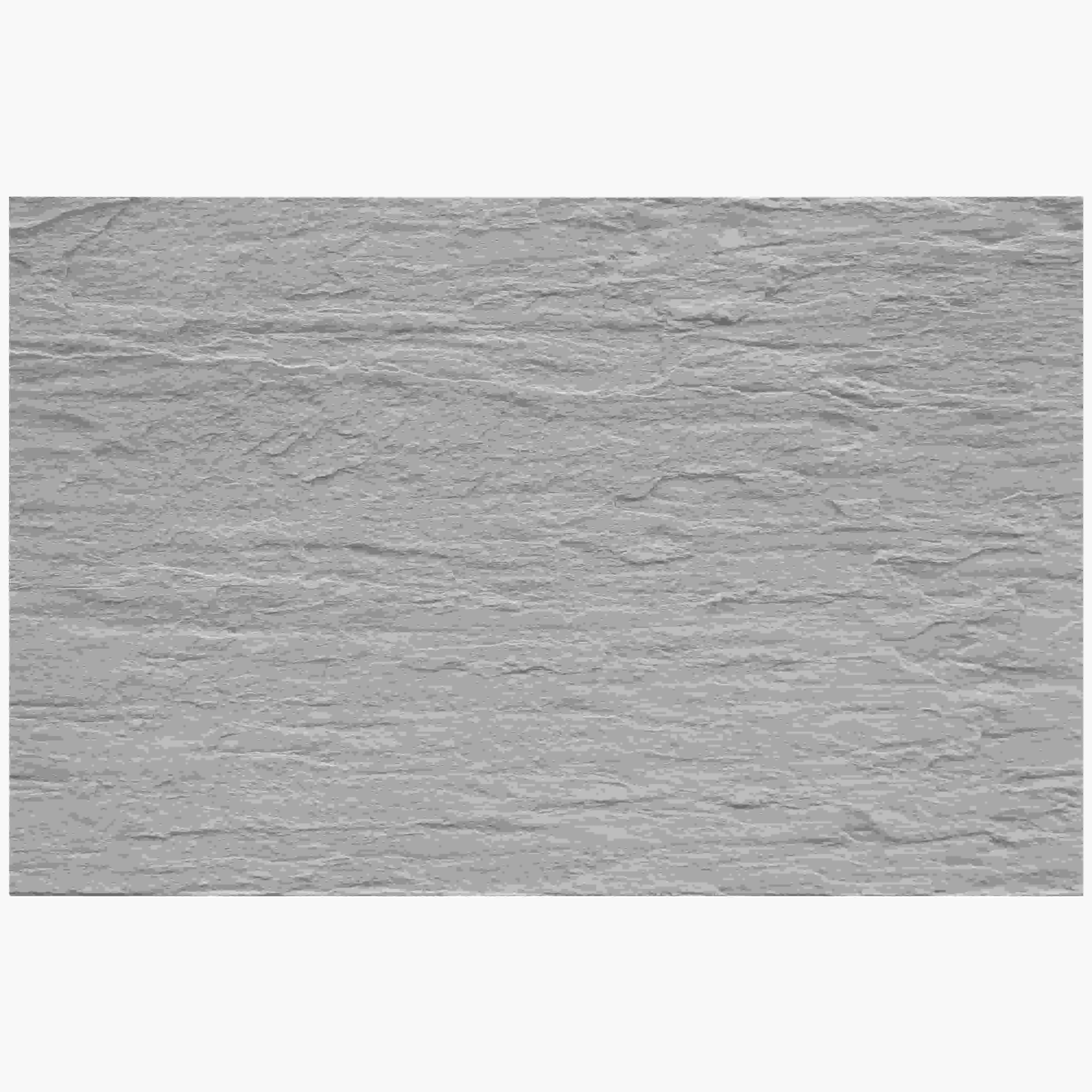
Enter Oasis Stone Regular . It's not just a stone; it's a storyteller. Run your hand over its surface, and you'll feel the subtle, organic texture—like sand polished by wind over decades, not a machine. Its color, a soft, earthy beige with hints of warm gold, isn't flat or artificial. It shifts with the light: honeyed at dawn, muted at dusk, and always inviting. For architects, this isn't just "good design"—it's a way to make buildings feel human. As one architect put it, "Oasis Stone doesn't shout. It breathes . And in a world of loud, flashy facades, breathing matters."

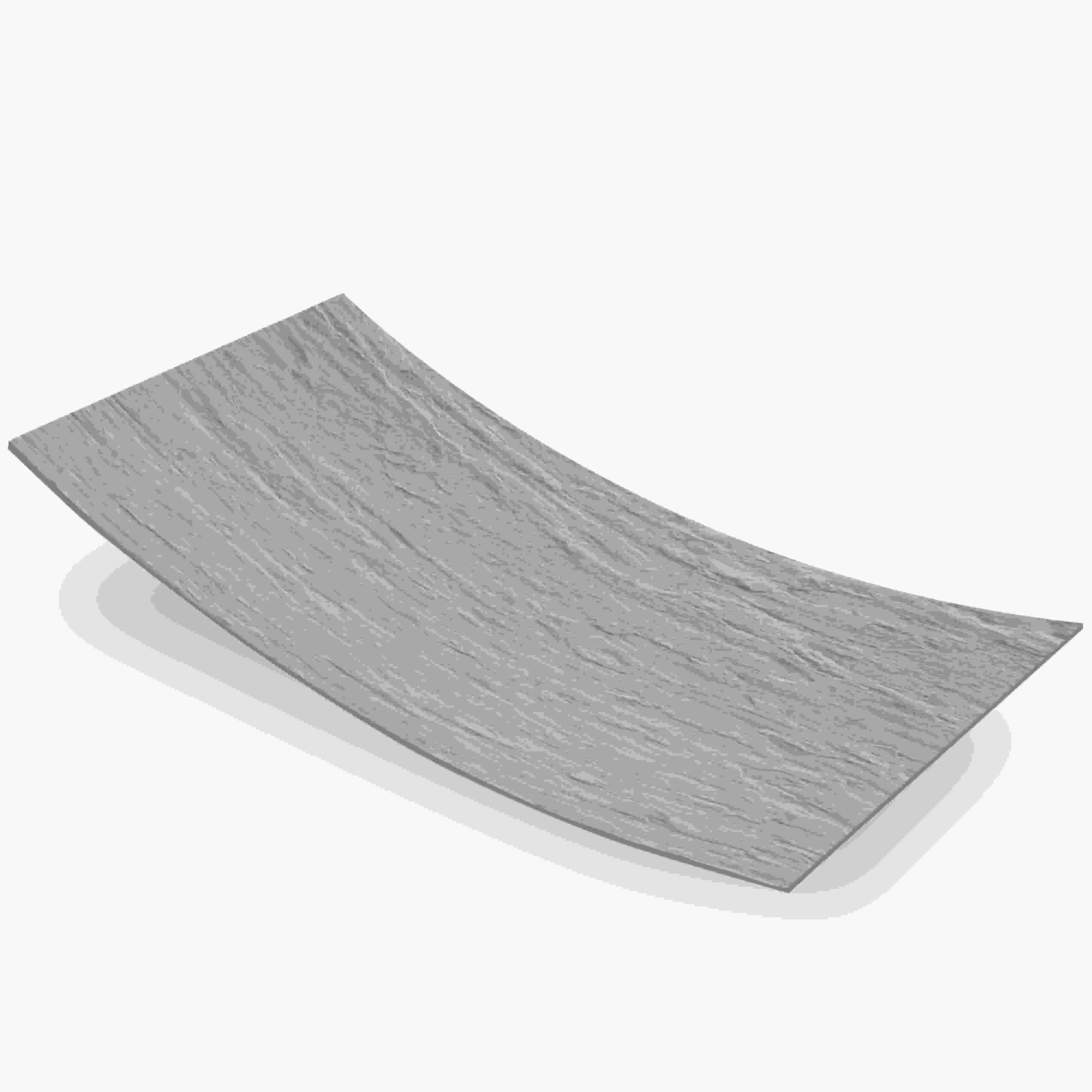
Let's get specific. What exactly makes Oasis Stone Regular a favorite? It starts with versatility. Unlike rigid materials that lock architects into one design, Oasis Stone is part of the MCM flexible stone family—a technology that marries the beauty of natural stone with the flexibility of modern engineering. That means it can curve around corners, wrap over uneven surfaces, or even be cut into custom shapes without cracking. For an architect designing a building with unique angles (say, a museum with sweeping curves), this flexibility is a dream come true. No more compromising on vision to fit a stiff material.
Then there's the texture. Unlike fair-faced concrete , which can feel cold and industrial, or lunar peak silvery , which leans futuristic, Oasis Stone's texture is rooted in nature. It has the depth of real stone—tiny pits, subtle veins, and a matte finish that doesn't glare. This isn't just aesthetic; it's practical. In busy urban areas, where light pollution and harsh sun can make glossy surfaces uncomfortable, Oasis Stone's matte texture keeps spaces soft and calm. Imagine a cafe with an Oasis Stone facade: even on the brightest day, the light reflecting off the stone is gentle, making the outdoor seating area feel like a shaded oasis (pun intended).
And let's talk color consistency. Natural stone is beautiful, but it's unpredictable. One slab might be light, the next dark, leaving architects stressed about matching panels. Oasis Stone Regular solves this with a controlled manufacturing process that mimics nature's randomness—without the chaos. Each panel has the same warm beige base, but with subtle variations in veining and tone, so the facade feels cohesive yet alive. It's the best of both worlds: the reliability of a man-made material and the soul of a natural one.
Curious how Oasis Stone Regular compares to other popular materials? Let's break it down:
As the table shows, each material has its place. But for projects that prioritize connection —buildings where people gather, learn, or live—Oasis Stone Regular shines. It doesn't compete with the space; it enhances it. Take the Riverview Community Center in Portland, Oregon. The architect chose Oasis Stone for the entire facade, pairing it with large windows and wooden accents. Today, locals call it "the building that feels like a hug." Kids run their hands over the stone as they enter, seniors sit on benches nearby soaking up the warm tones, and everyone agrees: it doesn't feel like a "community center"—it feels like their community center.

Let's be real: architects can't fall in love with a material that falls apart. Beauty is important, but durability? Non-negotiable. Oasis Stone Regular, part of the MCM flexible stone line, checks this box too. MCM (Modified Composite Material) technology layers natural stone particles with a lightweight, flexible backing, making it resistant to cracks, water, and even extreme temperatures. Unlike natural travertine, which can chip or stain, Oasis Stone holds up to rain, snow, and foot traffic—no special sealants required.
"I used Oasis Stone on a coastal project in Miami," one architect shared. "We were worried about saltwater corrosion and humidity, but five years later, the facade looks brand new. No fading, no peeling—just that same warm glow. It's not just pretty; it's tough. And in architecture, that's the holy grail."
At the end of the day, the reason architects rave about Oasis Stone Regular isn't just its texture or durability. It's the way it makes them feel. Designing a building is stressful—deadlines, budgets, client demands. Choosing a material that sparks joy, that they can visualize transforming a blank lot into something meaningful, makes the hard days worth it.
Imagine sitting in a client meeting, sliding an Oasis Stone sample across the table. The client runs their finger over it, smiles, and says, "This feels like home." That's the moment architects live for. It's not just a sale; it's a shared vision. Oasis Stone Regular makes those moments possible because it doesn't just look good—it feels right.
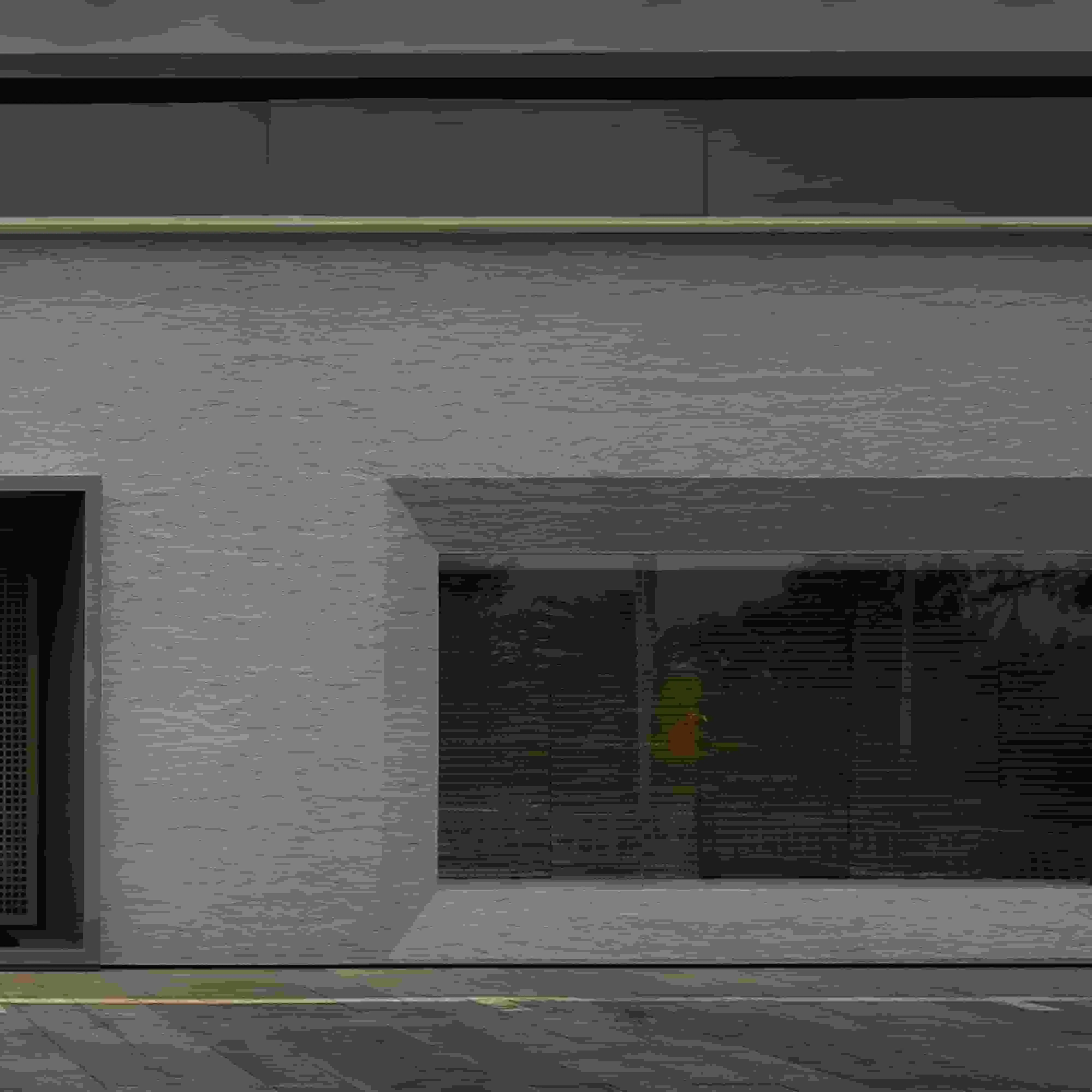
Modern architecture isn't just about buildings anymore—it's about creating spaces that connect us. And in that mission, materials like Oasis Stone Regular are leading the way. They're proof that function and feeling can coexist, that a facade can be both durable and delightful, and that the right material can turn a house into a home, a structure into a story.
So the next time you pass a building with a warm, inviting facade, take a closer look. Chances are, it's not just stone—it's Oasis Stone Regular. And behind it? An architect who believed that buildings should do more than stand tall. They should touch people.
Recommend Products












