
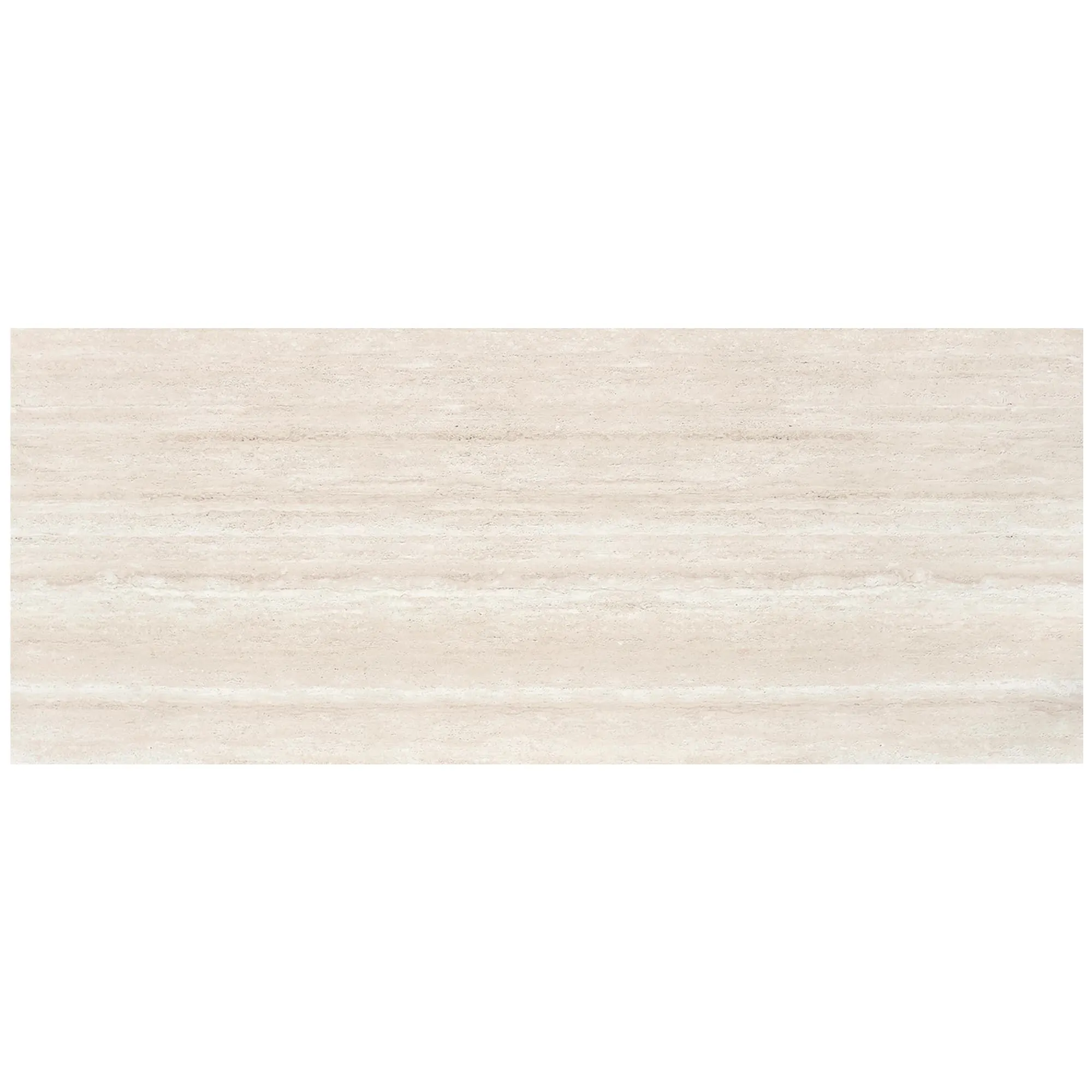
Step into any contemporary commercial space—a bustling tech campus in Silicon Valley, a sleek retail arcade in Tokyo, or a soaring office tower in London—and you'll notice something transformative happening with the walls. Gone are the days of sterile, uniform cladding; today's commercial interiors and exteriors tell stories, evoke emotions, and adapt to the dynamic needs of businesses and their audiences. For architects tasked with bringing these visions to life, the search for the perfect material often leads to one standout solution: Rona Yellow MCM. But what makes this particular modified composite material (MCM) a darling of the architectural world, and how does it outshine even popular alternatives like travertine (starry green) or the versatile MCM big slab board series?
Modern commercial architecture isn't just about building structures—it's about crafting experiences. Clients today demand spaces that balance aesthetics with functionality, boldness with longevity, and innovation with sustainability. "We're no longer designing for static use," says Elena Torres, principal architect at Studio Vertex, which specializes in urban commercial projects. "A retail space might host pop-up events; an office needs to adapt to hot-desking and collaboration zones; a hotel lobby should feel luxurious yet welcoming. The materials we choose must keep up with these fluid needs."
This fluidity has made material selection a high-stakes decision. Architects need options that are visually striking but not fleetingly trendy, durable enough to withstand heavy use but lightweight enough to reduce structural load, and eco-conscious without sacrificing performance. Enter MCM—a category of cladding that has revolutionized the industry with its composite core and customizable finishes. Within this category, Rona Yellow MCM has emerged as a frontrunner, captivating architects with its unique blend of warmth, versatility, and resilience.
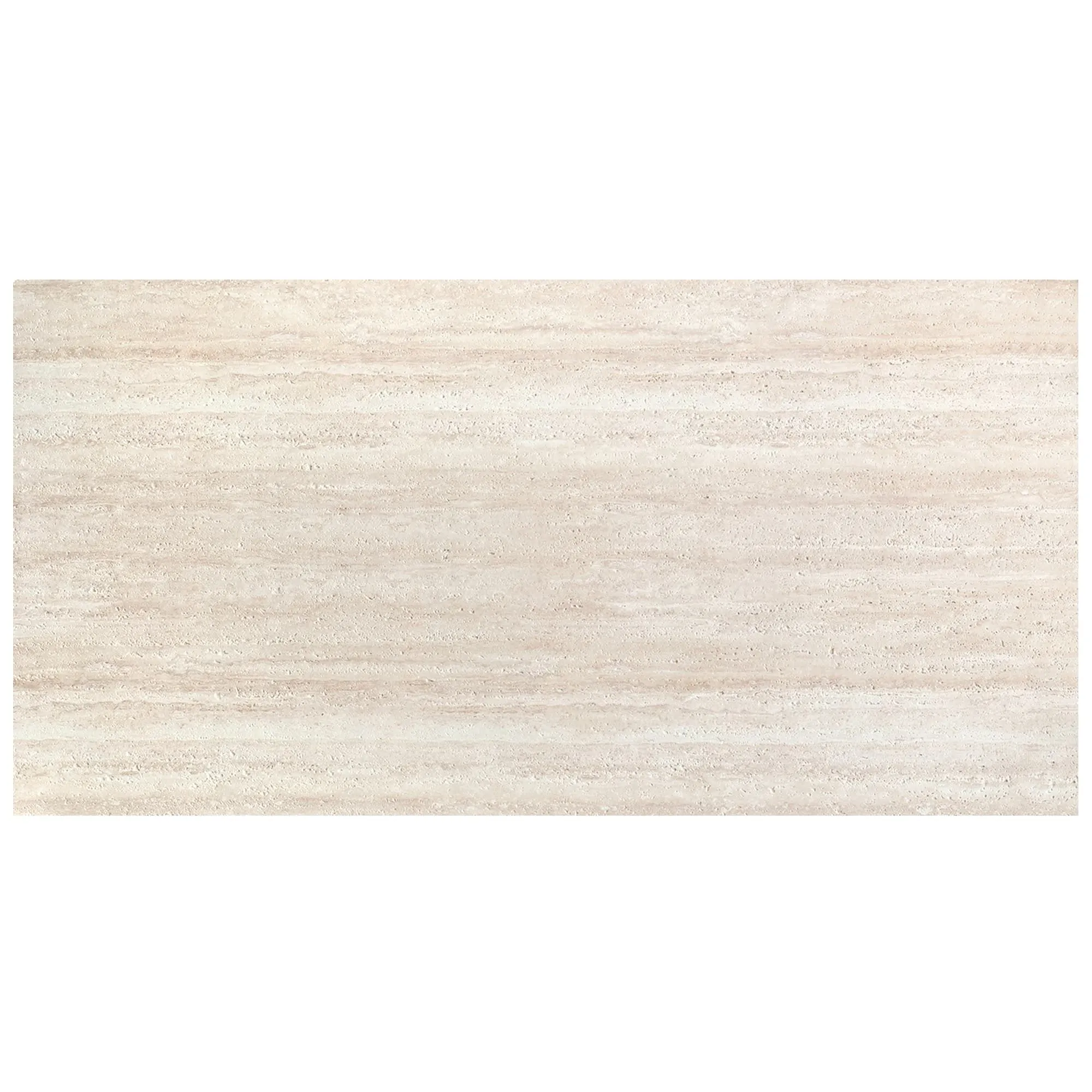
At its core, MCM is a marvel of modern material science: a thin, lightweight panel composed of a mineral-filled polymer core reinforced with fiberglass, coated in a protective resin layer. This construction gives MCM panels their signature strength-to-weight ratio—typically weighing 6–8 kg/m², compared to 20+ kg/m² for natural stone—while offering flexibility that allows for curved installations, custom cuts, and intricate designs. Rona Yellow MCM takes this innovation a step further with its distinct colorway: a warm, sunlit yellow with subtle earthy undertones, reminiscent of golden wheat fields or sun-baked terracotta. It's a hue that feels both contemporary and timeless, avoiding the harshness of neon or the coldness of industrial grays.
"Color is a silent storyteller," notes Dr. Raj Patel, a color psychologist who consults with architecture firms. "Warm yellows like Rona Yellow trigger feelings of optimism and creativity—qualities businesses crave in their spaces. In offices, it can boost productivity; in retail, it encourages customers to engage. It's a color that works across industries without feeling generic."
But Rona Yellow MCM isn't just about looks. Its surface texture—a gentle matte finish with microscopic granularity—adds depth, catching light to create soft shadows that evolve throughout the day. Unlike glossy materials that show fingerprints or flat paints that look lifeless, Rona Yellow MCM maintains its allure in every lighting condition, from harsh midday sun to warm evening spotlights.
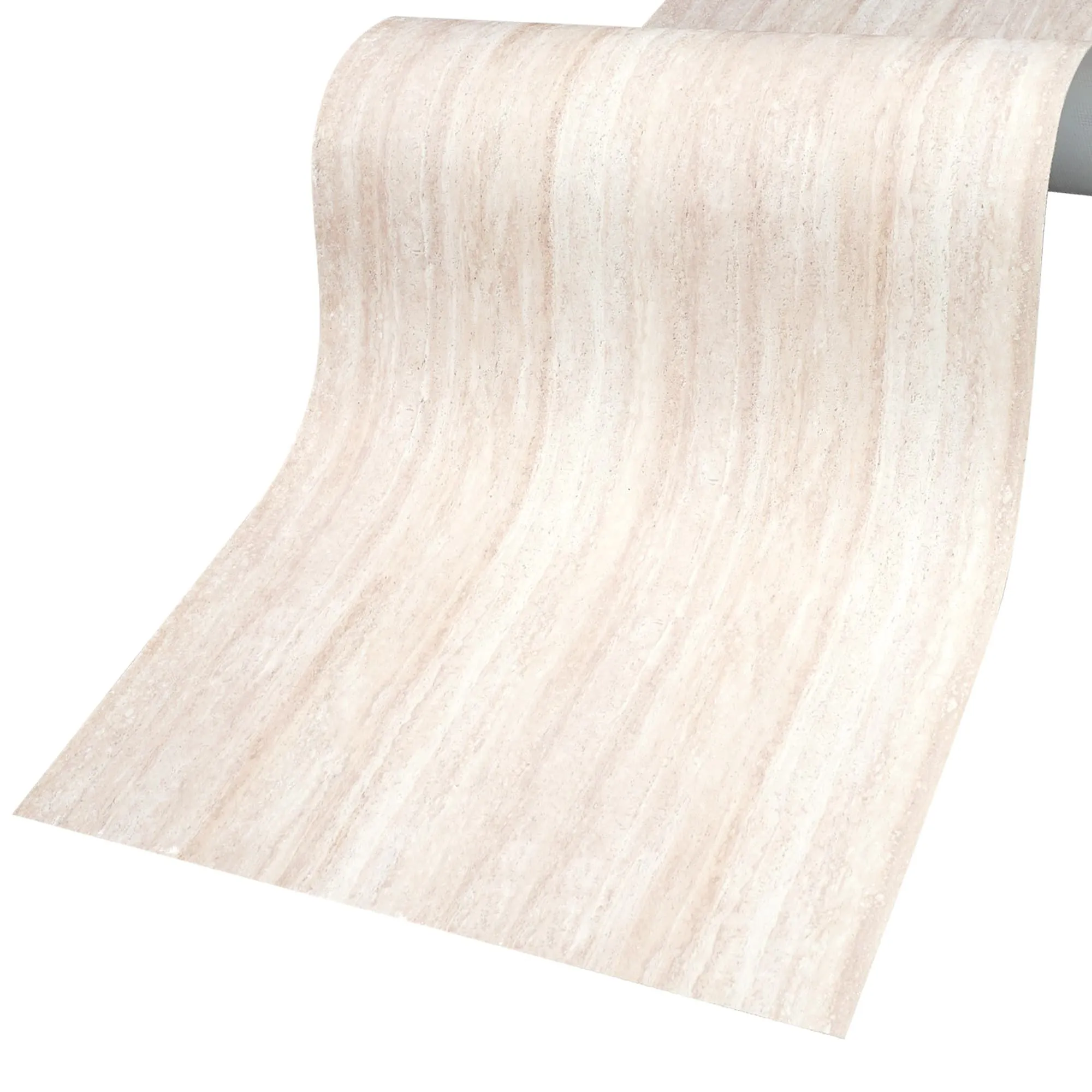
Architects love Rona Yellow MCM for its chameleon-like ability to complement diverse design languages. Pair it with crisp white concrete for a minimalist look, or contrast it with dark wood accents for industrial warmth; use it as full-wall cladding in a boutique hotel lobby, or as geometric accent panels on a tech startup's facade—the possibilities are nearly endless. "We recently used Rona Yellow MCM for a co-working space in Berlin," says Torres. "The client wanted a 'creative hub' vibe, so we mixed curved MCM walls with exposed brick and greenery. The yellow softened the industrial edges, making the space feel energetic but not overwhelming. It's a material that plays well with others."
Compare this to travertine (starry green), a stunning natural stone with a galaxy-like pattern of green and gold flecks. While undeniably beautiful, travertine is heavy, porous, and prone to staining—limiting its use in high-moisture areas or custom designs. Rona Yellow MCM, by contrast, offers the visual interest of natural materials without the drawbacks, making it a practical choice for ambitious projects.
Commercial spaces face relentless wear: foot traffic, moisture, UV rays, temperature swings, and even accidental impacts. Rona Yellow MCM is engineered to stand up to these challenges. Its non-porous surface repels water, preventing mold growth and efflorescence—a common issue with natural stones like limestone (beige). Its UV-resistant coating ensures the vibrant yellow hue won't fade, even in sun-drenched locales like Dubai or Miami. "We installed Rona Yellow MCM on a restaurant patio in Arizona five years ago," recalls Mike Chen, a construction manager with BuildWise Contractors. "It's exposed to 110°F summers and monsoon rains, and it still looks brand new. No cracks, no fading, no stains—even with ketchup spills and pool splashes."
Its impact resistance is another standout feature. Unlike brittle materials such as ceramic tiles or even some MCM variants, Rona Yellow MCM can withstand minor bumps and scrapes without chipping—a critical advantage in high-traffic areas like shopping malls or airport lounges.
Time is money in construction, and Rona Yellow MCM's lightweight design slashes installation timelines. A team of two workers can install up to 50 m² of MCM in a day, compared to 20–30 m² for natural stone, which requires heavy lifting equipment and precise cutting. "On a recent project—a 10,000 m² office complex—we saved nearly three weeks on the cladding phase by using Rona Yellow MCM," says Chen. "That's a huge win for clients who need to open their doors on schedule."
But the real game-changer is its flexibility. MCM panels can be bent to radii as tight as 30 cm, allowing for sweeping curves, cylindrical columns, and custom geometric shapes that would be cost-prohibitive or impossible with rigid materials. "We designed a conference center with a facade that undulates like a wave," Torres explains. "With traditional cladding, that would have required expensive custom molds. Rona Yellow MCM panels were simply curved on-site, cutting costs and turning our vision into reality."
In an era of climate consciousness, sustainability is non-negotiable. Rona Yellow MCM shines here, too. Its lightweight composition reduces transportation emissions—fewer trucks are needed to haul the same amount of material compared to stone or concrete. Many manufacturers incorporate recycled plastics into the polymer core, and the panels themselves are 100% recyclable at the end of their 30+ year lifespan. "Sustainability isn't just about LEED points," says Torres. "It's about long-term responsibility. A material that lasts decades and can be recycled is a win for both clients and the planet."
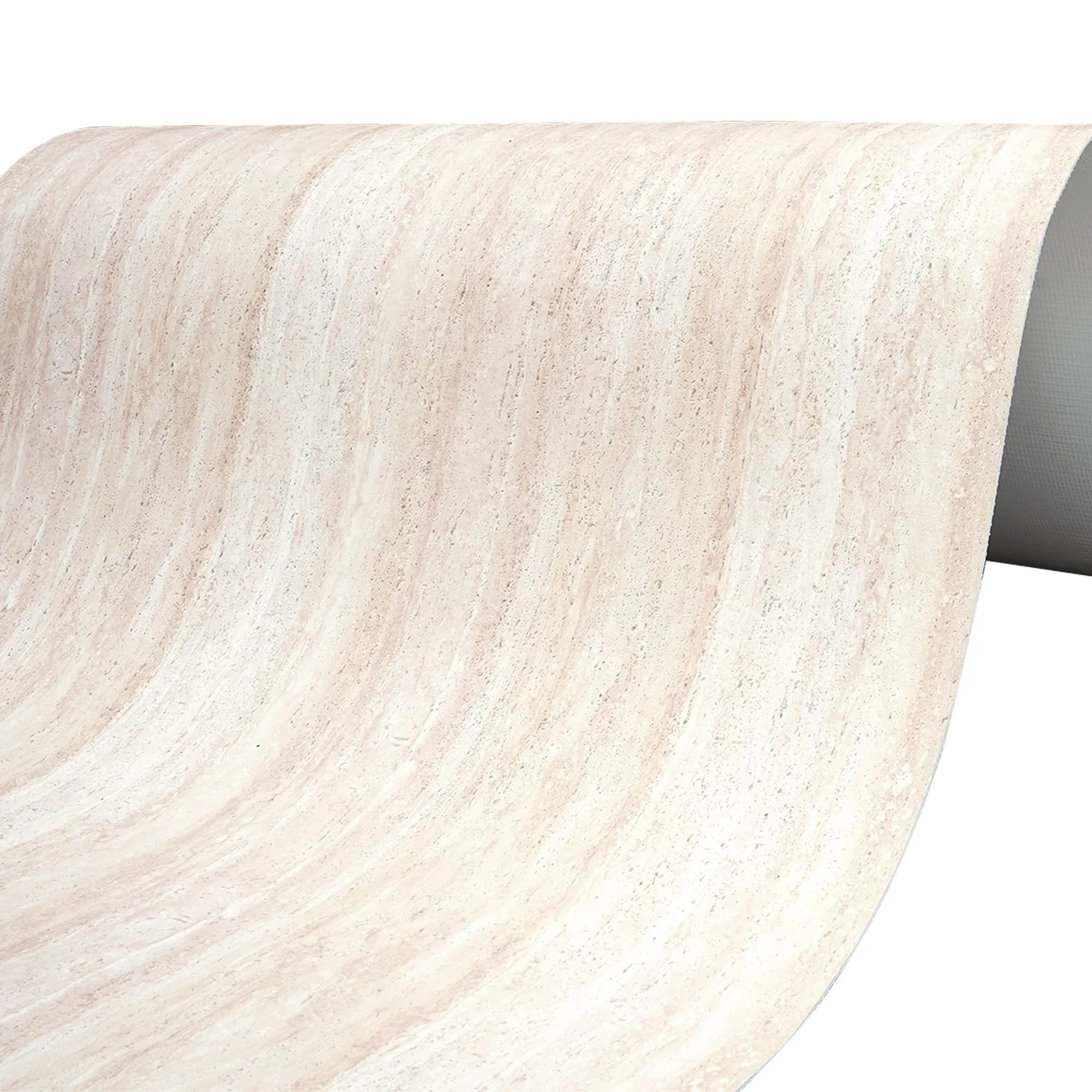
To truly appreciate Rona Yellow MCM's superiority, let's compare it to two popular options: the MCM big slab board series (a larger-format MCM variant) and fair-faced concrete (a staple of industrial design).
| Feature | Rona Yellow MCM | MCM Big Slab Board Series | Fair-Faced Concrete |
|---|---|---|---|
| Weight (kg/m²) | 6–8 | 8–10 | 22–25 |
| Custom Shape Capability | High (curves, angles, cutouts) | Medium (limited by slab size) | Low (requires pre-casting) |
| Color Retention (years) | 25+ | 20–25 | 10–15 (may develop patina) |
| Maintenance Required | Minimal (occasional washing) | Moderate (sealing every 5 years) | High (sealing, crack repairs) |
| Sustainability Score | High (recyclable, low transport emissions) | Medium-High (similar to MCM, but heavier) | Medium (high embodied carbon) |
While the MCM big slab board series offers the advantage of fewer seams for large surfaces, its added weight and reduced flexibility make it less ideal for intricate designs. Fair-faced concrete, beloved for its raw, industrial aesthetic, falls short in sustainability and maintenance, often requiring frequent sealing and repairs. Rona Yellow MCM, however, strikes the perfect balance—offering the best of MCM's benefits with none of the compromises.
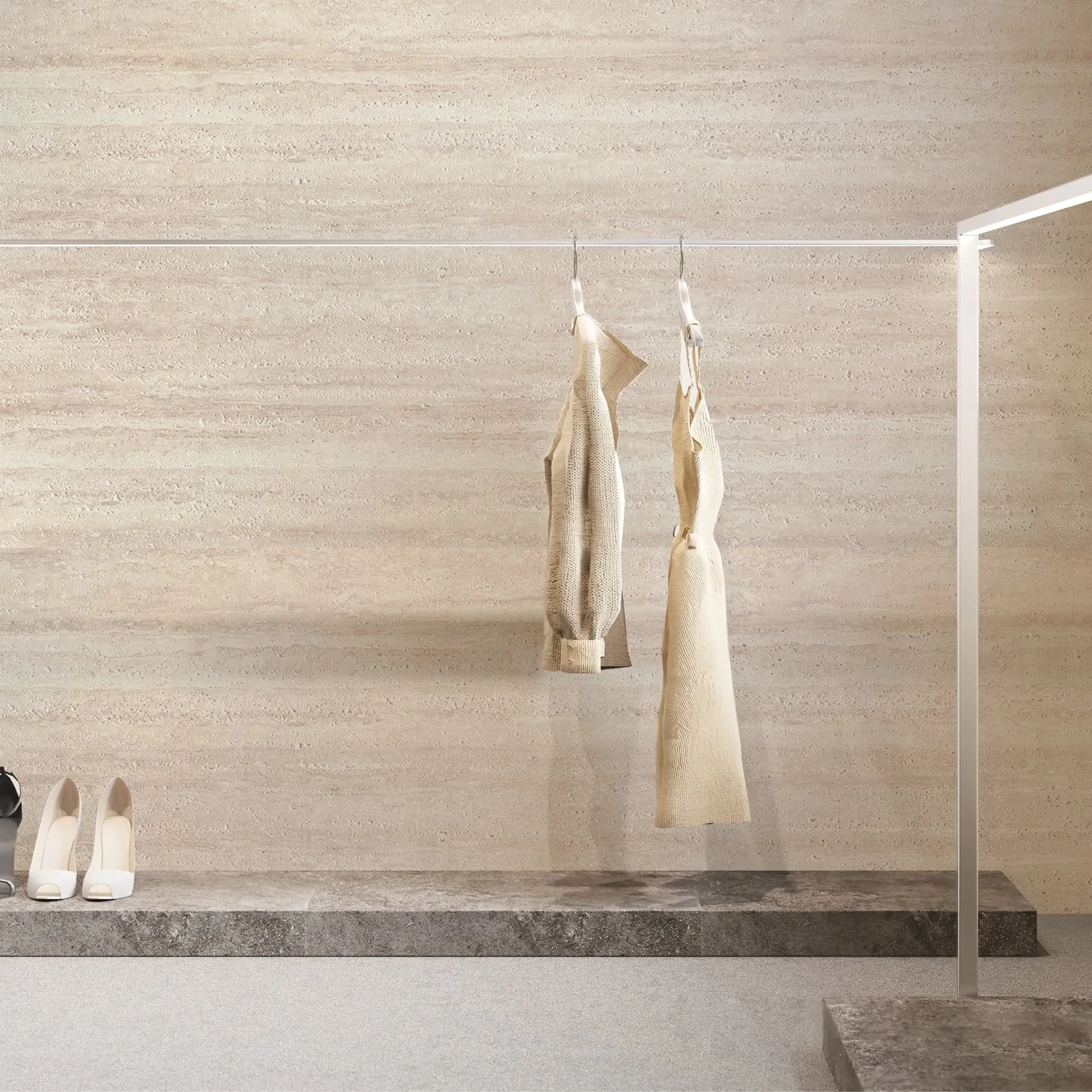
Across the globe, Rona Yellow MCM is transforming commercial spaces. Here are three standout examples:
Nexus Innovation Hub, Singapore : A 12-story tech campus designed to foster collaboration. Rona Yellow MCM was used for the facade's "innovation bands"—horizontal accent panels that wrap around the building. "The yellow symbolizes creativity, and the curved MCM panels represent fluid thinking," says lead architect Jason Wong. "We needed a material that could handle Singapore's humidity and heavy rains. Rona Yellow MCM has performed flawlessly—no mold, no fading, and the panels still click into place perfectly after three years."
Prism Retail Center, Sydney : A luxury shopping destination with a facade inspired by Australia's golden outback. Rona Yellow MCM clads the upper levels, paired with glass and copper accents. "In Sydney's harsh UV environment, color stability is critical," notes project manager Sarah Kim. "We tested 12 materials, and Rona Yellow MCM had the best fade resistance. Two years post-opening, the facade still glows like it did on day one. Shoppers often comment on how 'warm and inviting' the building feels—exactly what we wanted."
Heritage Lofts, Paris : A historic renovation converting a 19th-century textile factory into luxury apartments and ground-floor boutiques. Rona Yellow MCM was used to clad the modern glass extension, contrasting with the original brickwork. "We needed a material that respected the building's heritage while signaling the new chapter," says architect Marie Dubois. "The warm yellow MCM bridges old and new beautifully. Plus, its lightweight design meant we didn't need to reinforce the original structure—a huge cost-saver."
Design trends come and go, but Rona Yellow MCM's appeal is rooted in timeless principles. Its warm, earthy hue taps into a universal human affinity for nature-inspired colors, making spaces feel grounded yet uplifting. Its durability ensures it will outlast fleeting fads, while its flexibility allows it to adapt to future design evolutions. "We don't choose materials based on trends," says Torres. "We choose them based on how they'll serve the client in 10, 20, 30 years. Rona Yellow MCM is a long-term investment in beauty and performance."
Moreover, Rona Yellow MCM's compatibility with other materials—from wood and metal to glass and stone—makes it a versatile tool in an architect's toolkit. Whether designing a minimalist cafe or a sprawling convention center, it can be tailored to fit the project's unique identity without dictating it.
In the complex world of commercial architecture, where every decision impacts aesthetics, functionality, and bottom lines, Rona Yellow MCM has earned its reputation as a game-changer. It's more than a cladding material; it's a collaborator—empowering architects to push boundaries, meet sustainability goals, and create spaces that resonate with people long after the ribbon is cut.
So the next time you find yourself drawn to a commercial space—whether it's the warm glow of a lobby wall or the dynamic curves of a facade—take a closer look. Chances are, you're admiring Rona Yellow MCM. And behind that choice is an architect who didn't just build a space—they crafted an experience, one panel at a time.
Recommend Products












