
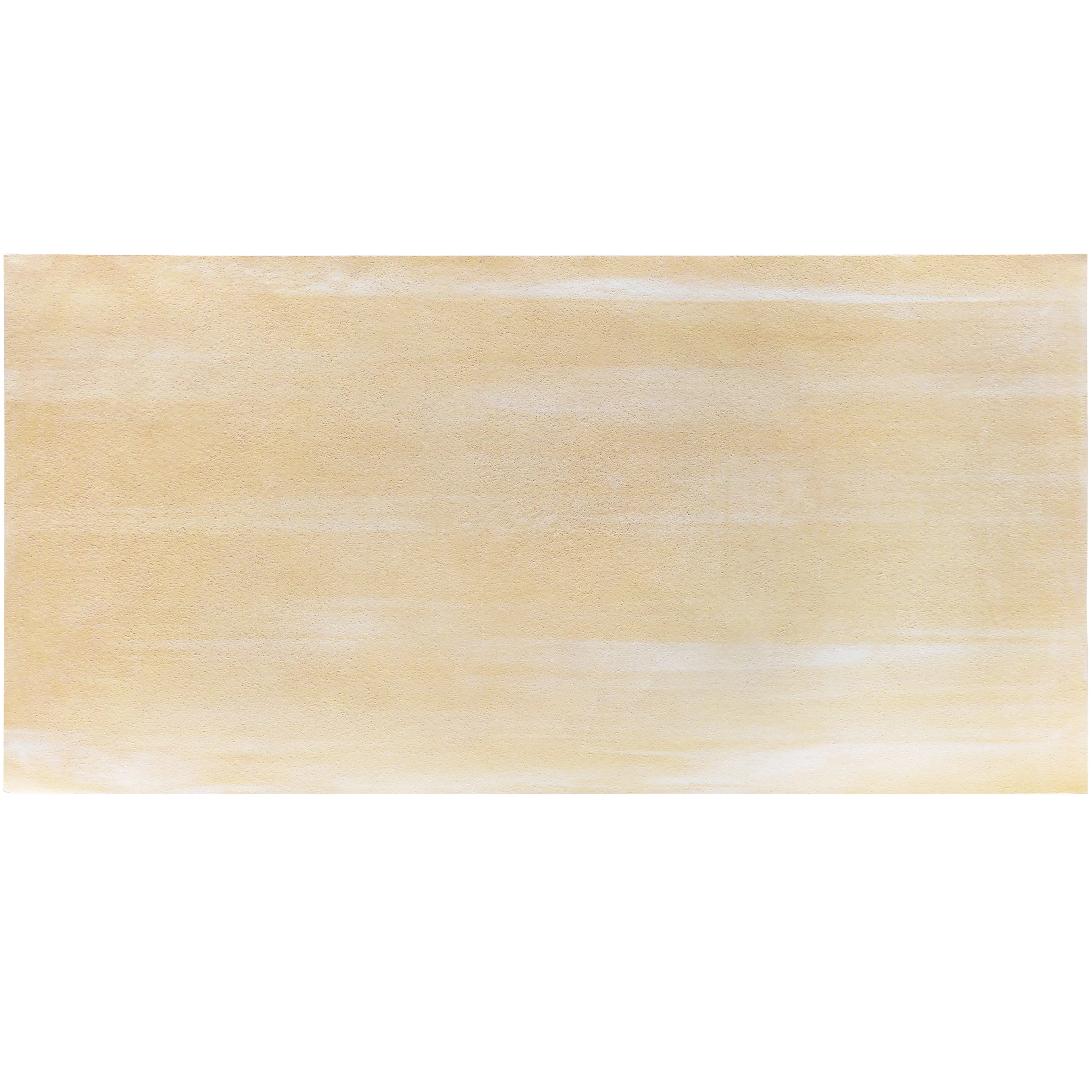
Walk into any iconic building—whether it's a sleek modern museum, a cozy boutique hotel, or a historic renovation—and you'll notice something immediately: the materials tell a story. They set the mood, shape the light, and even influence how we move through space. For architects, choosing the right materials isn't just about aesthetics; it's about solving a puzzle where beauty, durability, sustainability, and practicality must all fit together. In recent years, one material has emerged as a favorite among forward-thinking architects: COLORIA MCM's Sandstone Cloude. But what makes it stand out? Let's dive into the reasons why this innovative material has become a go-to choice, and how COLORIA MCM's design flexibility is redefining what's possible in architecture.
Ask any architect about their biggest challenge, and they'll likely sigh and say the same thing: balancing vision with reality. You might dream of a facade wrapped in rough-hewn natural stone, but natural stone is heavy—so heavy that it can require reinforced structural support, driving up costs. Or maybe you want a material that ages gracefully, developing a patina over time, but traditional options fade under harsh sunlight or crack in freeze-thaw cycles. Then there's sustainability: quarrying natural stone depletes finite resources, and transporting heavy materials leaves a big carbon footprint. Add in tight deadlines and budget constraints, and suddenly that "perfect" material starts to feel out of reach.
This is where modified composite materials (MCM) like COLORIA's Sandstone Cloude come in. MCM panels are engineered to mimic the look and texture of natural materials—stone, wood, concrete—while addressing their biggest drawbacks. And among COLORIA MCM's extensive lineup, Sandstone Cloude has become a standout. But why? Let's break it down.
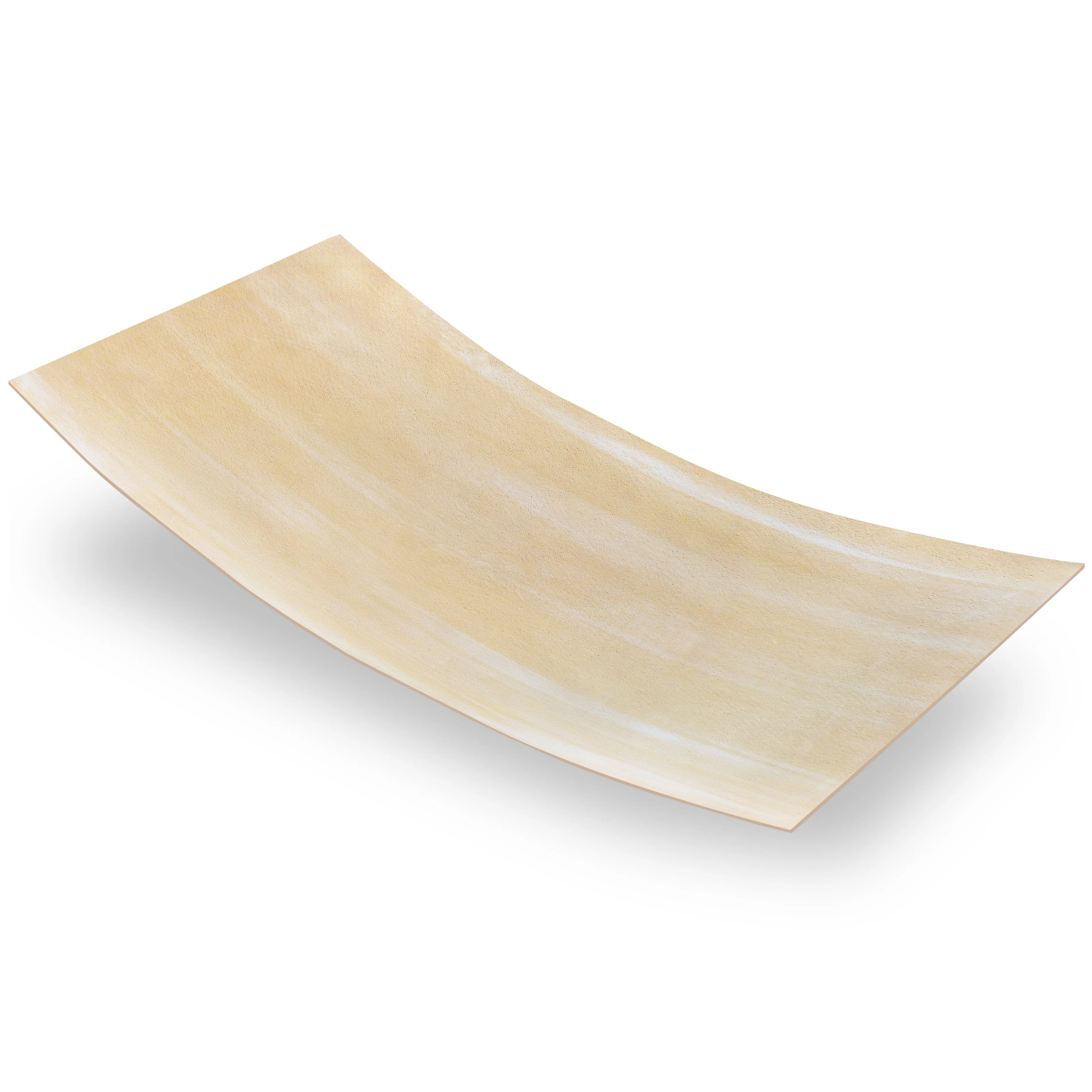
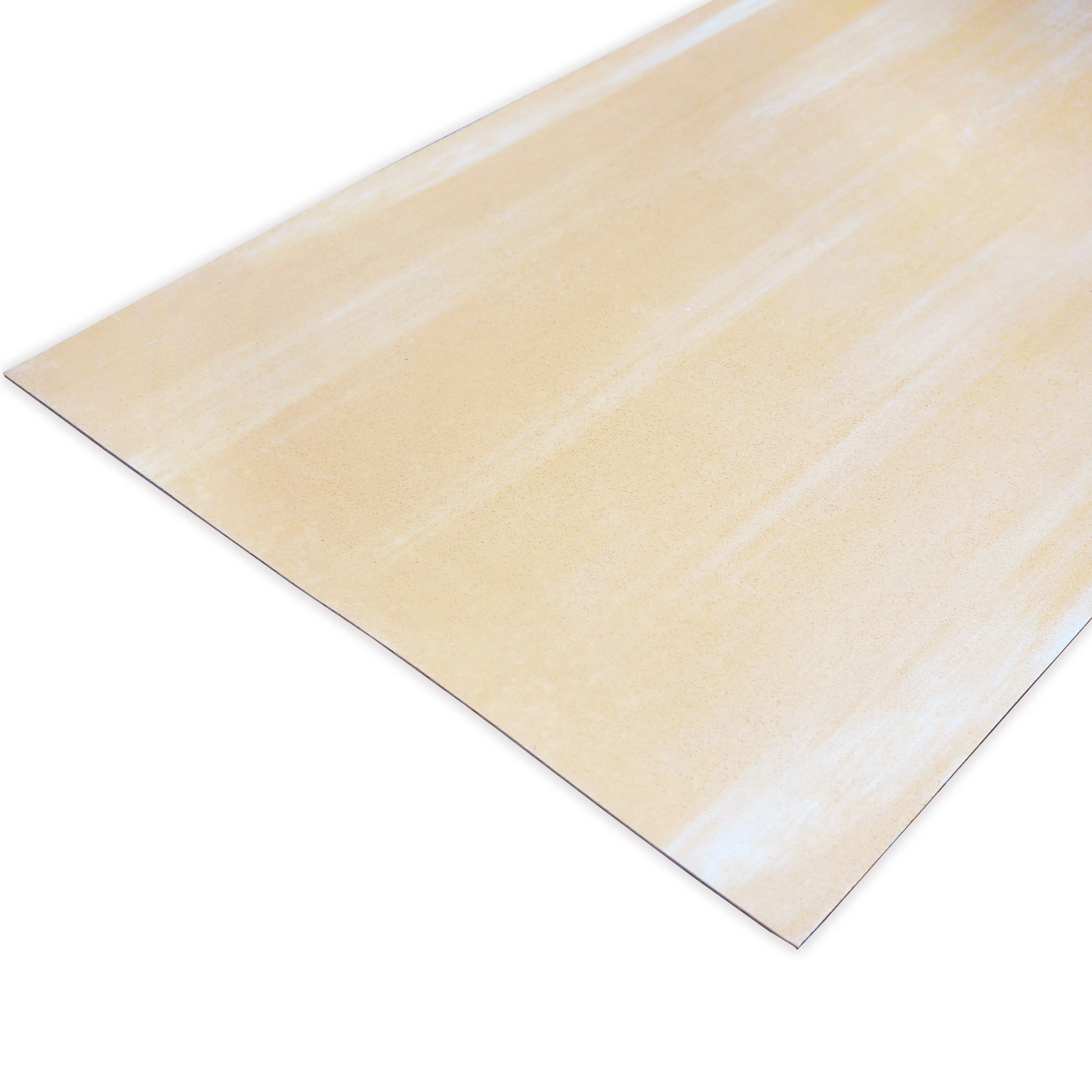
First, let's clarify: Sandstone Cloude isn't your average building material. It's part of COLORIA MCM's mcm flexible stone series—a line of lightweight, durable panels designed to capture the organic beauty of natural stone without the hassle. The "Cloude" in its name hints at its most striking feature: a texture that feels soft, almost ethereal, like sandstone that's been smoothed by wind over centuries, with subtle variations in tone that mimic the way sunlight filters through clouds. Run your hand over it, and you'll feel the warmth of natural stone, but with a uniformity and consistency that's impossible to achieve with quarried materials.
One of the biggest headaches architects face with natural stone is weight. A standard slab of natural sandstone can weigh 25–30 kg per square meter, requiring thick, reinforced walls or specialized mounting systems—especially for high-rise buildings. Sandstone Cloude, by contrast, weighs just 8–12 kg/m². That's a 60% reduction in weight, which translates to fewer structural constraints, faster installation, and lower labor costs. Imagine specifying a stone-like facade for a 20-story building: with Sandstone Cloude, you skip the need for extra steel supports, cut installation time by days (or even weeks), and still get that rich, textured look.
But don't mistake lightweight for flimsy. COLORIA MCM panels are made from a composite of natural minerals and high-performance polymers, baked at high temperatures to create a material that's resistant to UV rays, rain, frost, and even salt spray. In accelerated aging tests, Sandstone Cloude showed no signs of fading or cracking after 10,000 hours of exposure to harsh conditions—good news for buildings in coastal areas or extreme climates. For architects, that means peace of mind: the material will look as good in 20 years as it did on day one.
Here's where Sandstone Cloude really shines: it bends to the architect's vision, not the other way around. Traditional stone is rigid—you cut it to size, and that's it. Sandstone Cloude, though, is flexible enough to be curved, folded, or cut into custom shapes. Want a facade with sweeping, organic curves that mimic a desert landscape? No problem. Need panels in irregular sizes to create a mosaic effect? Sandstone Cloude can be fabricated to fit. Even better, it's available in the mcm big slab board series —large-format panels (up to 1200x2400mm) that minimize visible seams, creating a seamless, monolithic look that architects love for modern exteriors.
Take, for example, a recent project in Barcelona: a boutique hotel with a facade designed to evoke the city's coastal cliffs. The architect wanted a material that could wrap around the building's curved corners and vary in texture to mimic the way cliffs erode. Sandstone Cloude delivered: panels were cut into asymmetrical shapes, with some areas polished to a soft sheen and others left with a rougher, more weathered finish. The result? A building that looks like it's been carved by nature, but was actually installed in just two weeks.
| Material | Weight (kg/m²) | Installation Ease | Customization | Weather Resistance |
|---|---|---|---|---|
| Sandstone Cloude (MCM) | 8–12 | Easy (lightweight, modular) | High (curved, custom shapes, sizes) | Excellent (UV, frost, salt-resistant) |
| Natural Sandstone | 25–30 | Difficult (heavy, requires reinforcement) | Low (limited to natural slabs) | Moderate (prone to fading, cracking) |
| Fair-Faced Concrete | 20–24 | Moderate (requires formwork) | Moderate (textures limited by formwork) | Good (but can stain, crack over time) |
Sandstone Cloude isn't a one-note material, either. It comes in a range of tones—from soft, warm beiges that evoke desert landscapes to deeper, earthy grays that feel grounded and modern. This versatility means it plays well with other materials, too. Pair it with wood grain board for a rustic-modern interior, or contrast it with sleek foamed aluminium alloy board (vintage silver) for an industrial-chic facade. Architects thrive on mixing textures, and Sandstone Cloude is a team player, enhancing the beauty of whatever it's paired with.
Sandstone Cloude is just one star in COLORIA MCM's constellation of innovative materials. What truly sets the brand apart is its commitment to giving architects a full toolkit of options—so no matter the project, there's a material that fits. Take the mcm 3d printing series , for example: these panels are 3D-printed to create hyper-custom textures, from geometric patterns to organic, wave-like surfaces (think wave panel for a coastal-inspired design). Or the lunar peak line, which mimics the pockmarked, otherworldly texture of moon rock in silvery, golden, and black hues—perfect for futuristic or minimalist projects.
For architects drawn to the warmth of natural materials, there's bamboo mat board , which captures the woven texture of bamboo without the sustainability concerns of harvesting real bamboo. Or travertine (starry blue) , a take on classic travertine with subtle, star-like flecks that catch the light—ideal for adding depth to a neutral palette. And for those who love the raw, industrial look, fair-faced concrete panels offer the same rough-hewn charm as poured concrete but with the lightweight, flexible benefits of MCM.
The key here is consistency: all COLORIA MCM materials share the same core benefits—lightweight, durable, customizable—so architects can mix and match series without worrying about compatibility or performance gaps. Want to use Sandstone Cloude for a building's base, lunar peak silvery for the upper floors, and wood grain board for the interiors? Go for it. The result is a cohesive, multi-textured space that feels intentional and unique.
These days, sustainability isn't just a buzzword—it's a non-negotiable for architects and clients alike. Building codes are tightening, and more projects are aiming for LEED or BREEAM certifications. Sandstone Cloude and other COLORIA MCM materials check this box, too. Unlike natural stone, which requires quarrying (a process that disrupts ecosystems and uses massive amounts of water), MCM panels are made with recycled minerals and polymers, reducing waste. Their lightweight nature also cuts down on transportation emissions—trucks can carry more panels per trip, lowering the carbon footprint of delivery.
Plus, COLORIA MCM panels are 100% recyclable at the end of their lifespan. Instead of ending up in a landfill, old panels can be ground down and repurposed into new materials. For architects designing with the future in mind, this circularity is a huge win. It's not just about creating beautiful buildings today—it's about ensuring those buildings don't cost the planet tomorrow.
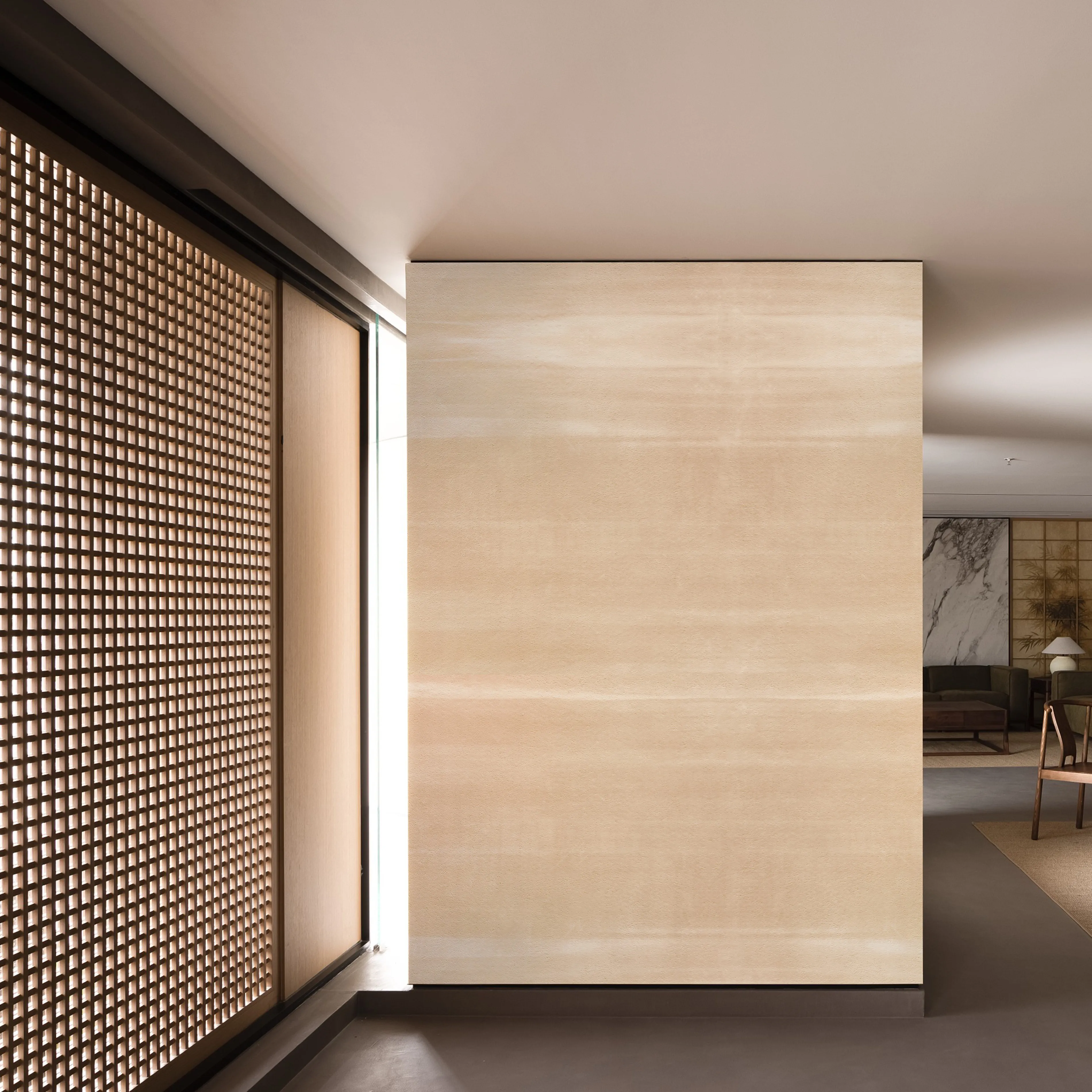
To understand why Sandstone Cloude has become a favorite, just ask the architects who've used it. Maria Santos, principal at a Madrid-based firm, recently specified Sandstone Cloude for a residential complex in the city's historic district. "We needed a material that would honor the neighborhood's traditional stone buildings but could also be installed on the curved balconies of our modern design," she says. "Natural stone was too heavy and rigid, but Sandstone Cloude curved perfectly. The result? A building that feels both timeless and contemporary—and the clients keep commenting on how 'warm' the facade feels compared to the concrete buildings nearby."
In Dubai, architect Raj Patel used Sandstone Cloude for a hotel lobby, pairing it with foamed aluminium alloy board (vintage gold) for a luxurious, desert-inspired aesthetic. "The lobby has floor-to-ceiling windows, so we needed a material that wouldn't fade in the harsh sun," he explains. "Sandstone Cloude held up beautifully—after two years, it still looks brand new. And because it's lightweight, we could install large-format panels without worrying about the ceiling structure. The clients love how it makes the space feel grand but not overwhelming."
At the end of the day, architects choose materials that let them do what they do best: design. Sandstone Cloude and COLORIA MCM's broader lineup remove the "buts" from the equation—"I love this look, but it's too heavy," "This texture is perfect, but it won't last," "I want to customize, but it's too expensive." With MCM, those barriers disappear. What's left is pure creativity: the freedom to design buildings that are beautiful, functional, sustainable, and uniquely suited to the people who use them.
So why do architects prefer Sandstone Cloude? Because it's more than a material—it's a partner in design. It's the bridge between vision and reality, between aesthetics and practicality. And in a world where buildings shape how we live, work, and connect, that's a partnership worth celebrating.
— The COLORIA MCM Design Team
Recommend Products












