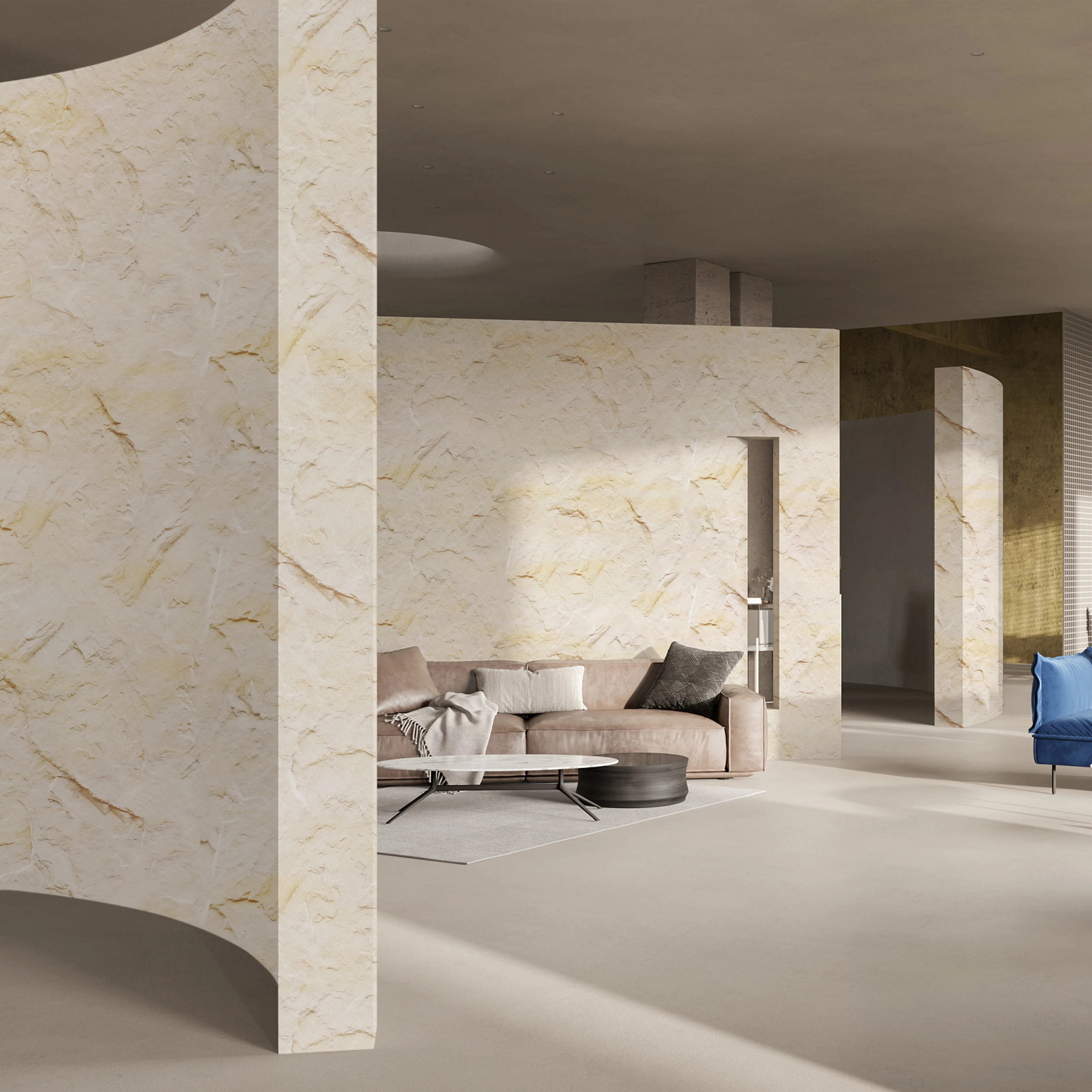
A pretty facade is nothing if it can't stand up to the elements—especially on a high-rise, where wind speeds are stronger, and exposure to rain, snow, and pollution is more intense.
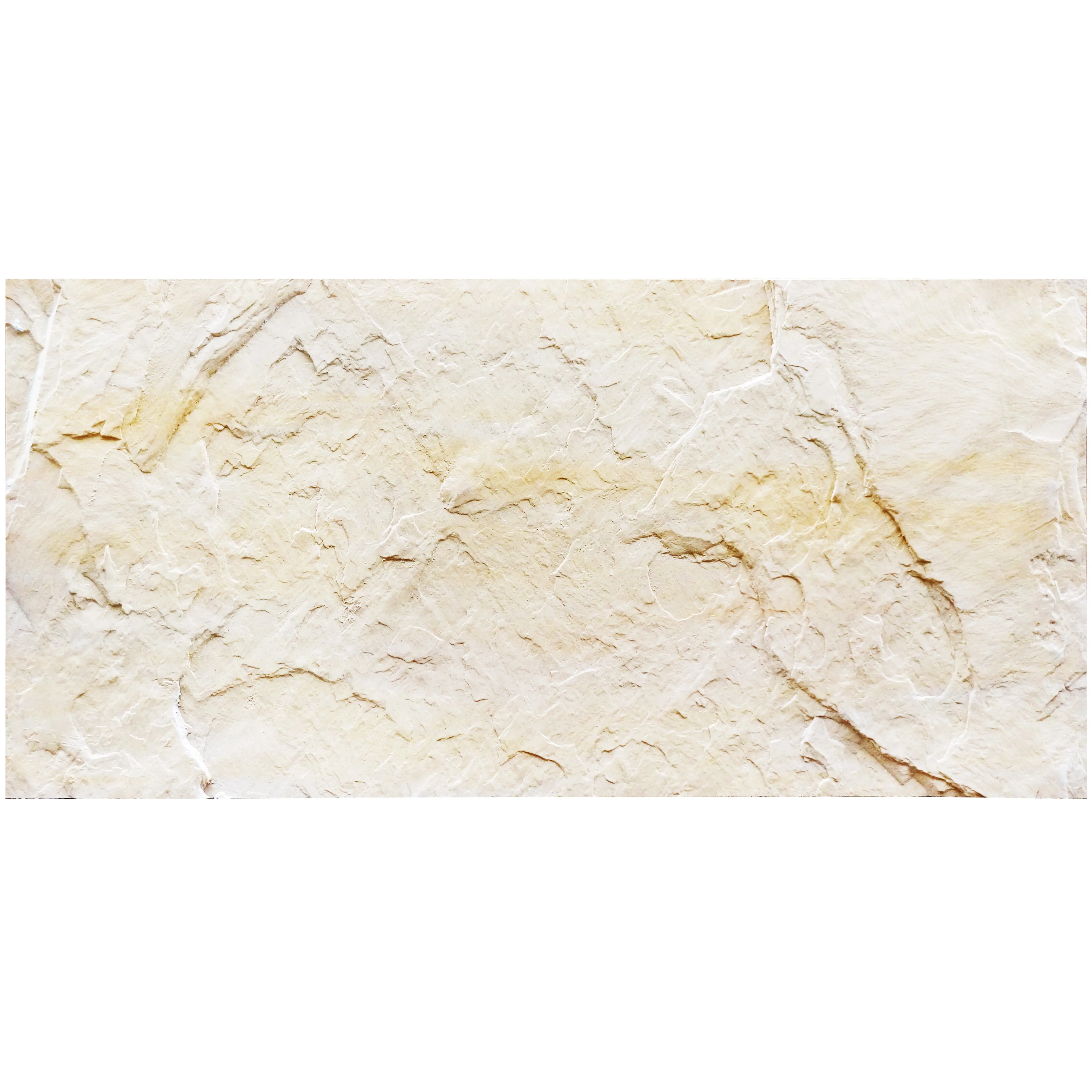
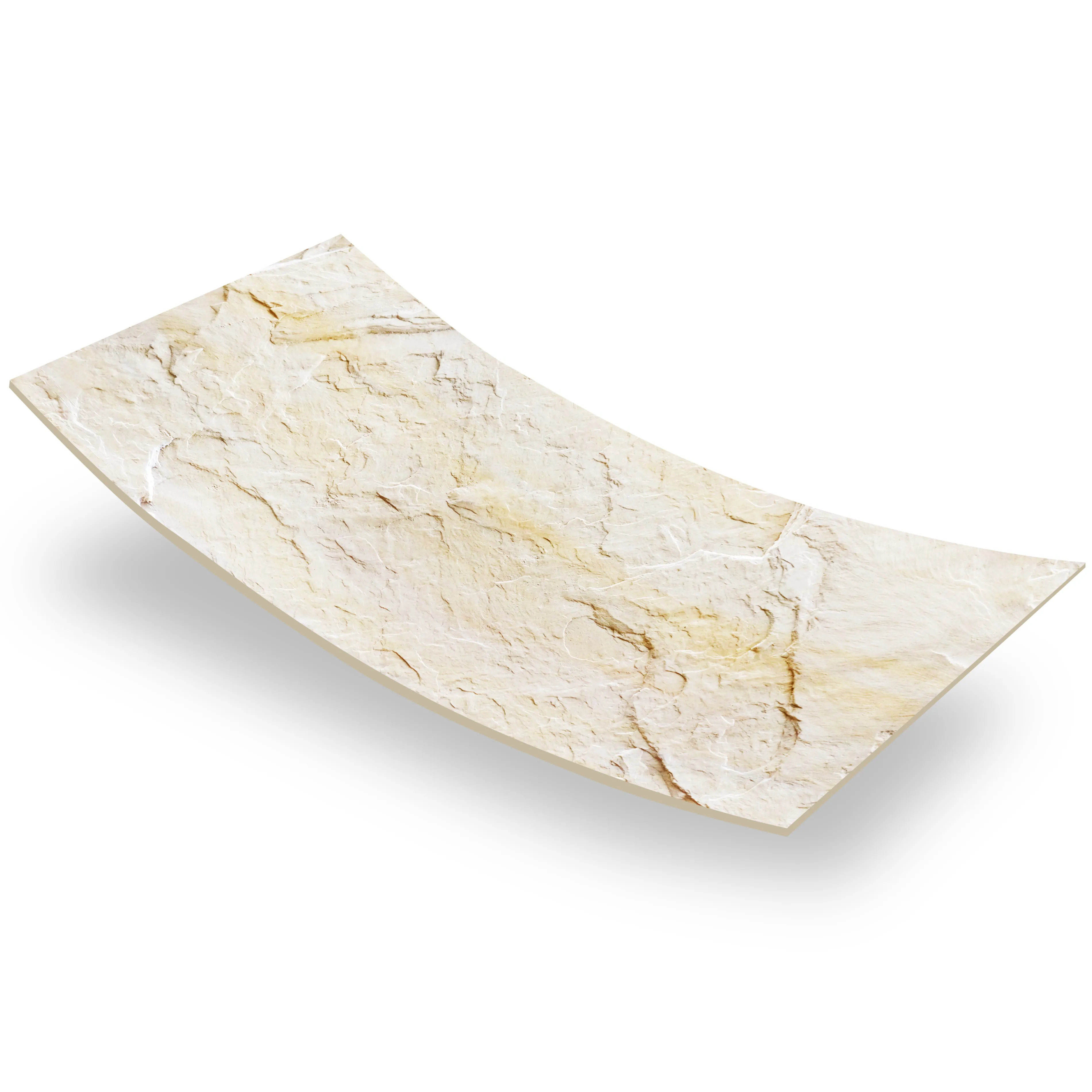
Slate Sunnye checks all the boxes here, starting with its weight. Traditional natural stones like marble or granite are beautiful but dense; using them for high-rise facades often requires reinforced structural support, driving up costs and complicating construction.
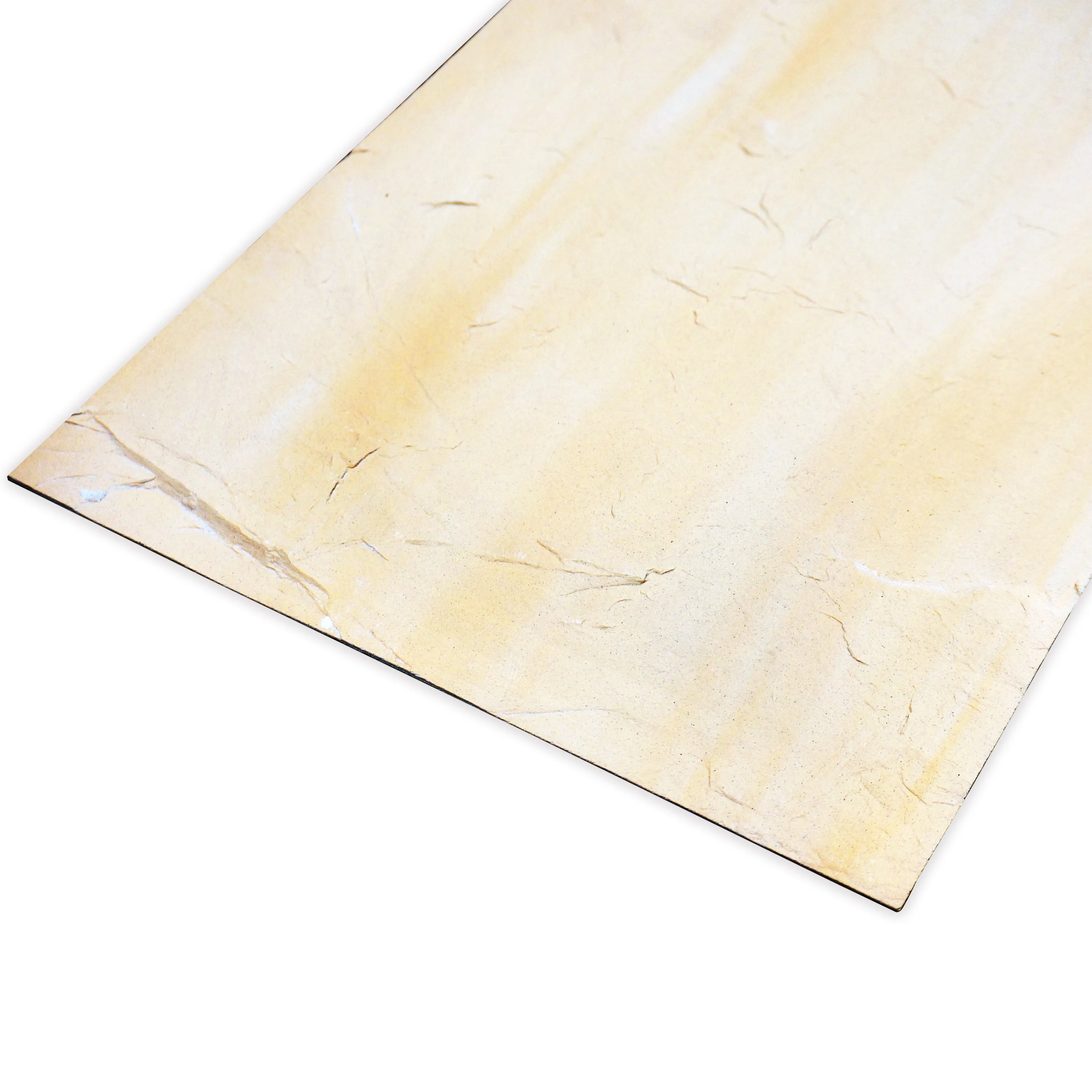
Slate Sunnye, however, is surprisingly lightweight, thanks to its unique composition (a blend of natural slate and modern binders that reduce density without sacrificing strength). This makes installation faster and more cost-effective, a huge plus for tight construction timelines.
Durability is another standout feature. Unlike softer stones that scratch or etch easily,
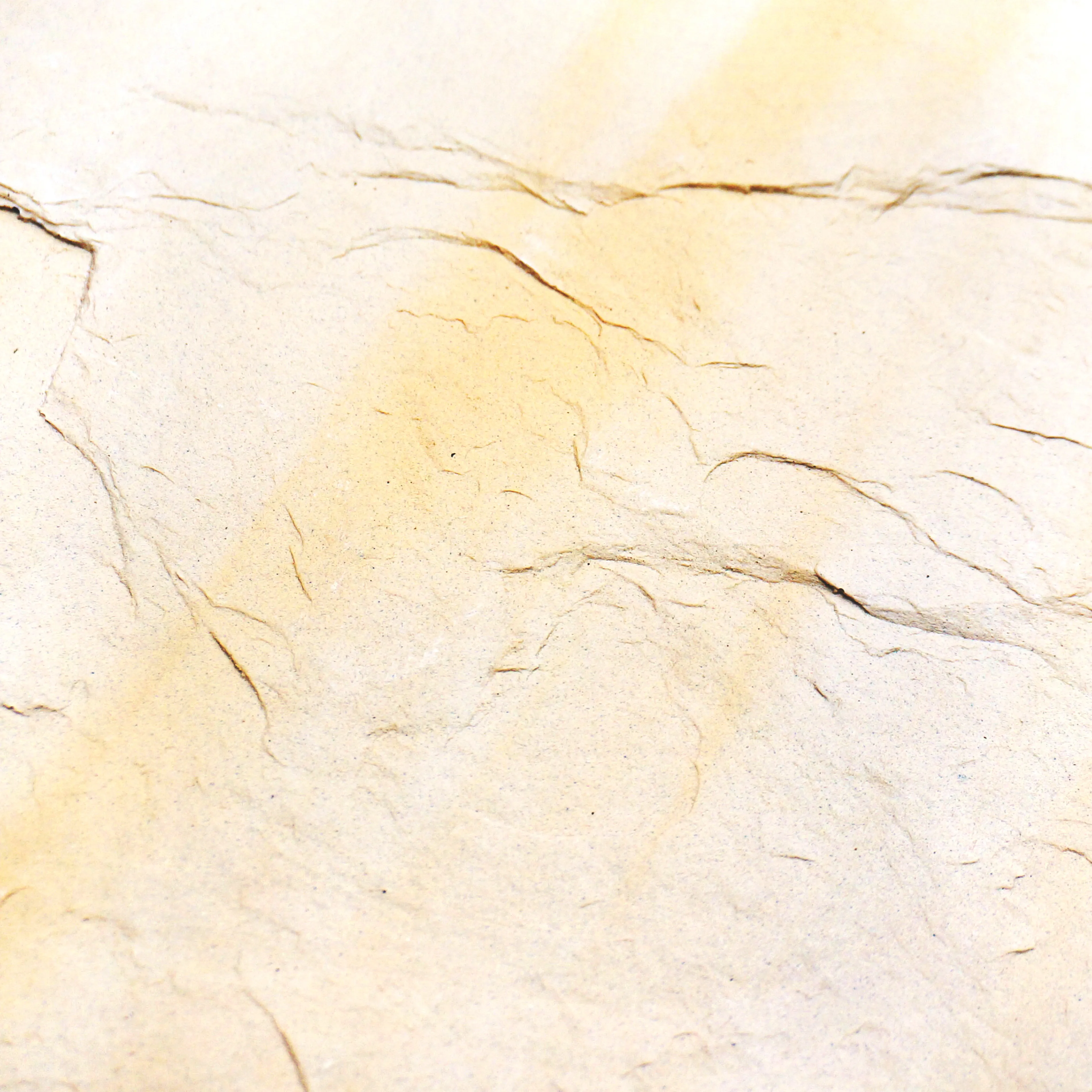
Slate Sunnye is resistant to abrasion and chemical damage—important in cities where air pollution and acid rain can take a toll. It's also non-porous, meaning it won't absorb water (a common issue with materials like
travertine (starry blue)
, which, while stunning, requires regular sealing to prevent staining). In coastal cities, where saltwater corrosion is a concern,
Slate Sunnye holds its own, maintaining its color and texture even after years of exposure.
Let's not forget thermal performance. High-rise facades play a big role in a building's energy efficiency, and
Slate Sunnye has natural insulating properties. Its density helps regulate temperature, keeping interiors cooler in summer and warmer in winter. This reduces reliance on heating and cooling systems, a win for both the environment and building owners' utility bills. When compared to materials like foamed aluminium alloy (which conducts heat easily),
Slate Sunnye is a clear winner for sustainable, energy-efficient design.