

Exploring the material that's redefining luxury in modern architecture
Walk into any luxury space—a boutique hotel lobby, a high-end residential tower, or a landmark cultural center—and you'll notice something immediately: the materials don't just exist ; they speak . They whisper stories of craftsmanship, shout bold design choices, and wrap visitors in an atmosphere that feels both intentional and unforgettable. For architects, choosing the right material is like selecting the perfect words for a poem: it's about balance, emotion, and impact. And in recent years, one material has risen to the top of their lists, earning a reputation as the "poet's choice" for luxury projects: Starry Red Travertine MCM .
But what makes this material so special? Why are architects swapping traditional marble, granite, or even natural travertine for this innovative cladding solution? Let's dive in—because the answer isn't just about aesthetics (though it's stunning). It's about a perfect storm of beauty, functionality, and forward-thinking design that aligns with how we build (and live) today.
First, let's demystify the name. "Starry Red Travertine" refers to the material's appearance: a warm, earthy red base (think terracotta kissed by sunset) dotted with tiny, iridescent flecks that catch the light like distant stars. It's not just a color—it's a mood . Then there's "MCM," which stands for Modified Composite Material —a game-changing technology that's revolutionizing how we use stone-like surfaces in architecture.
At its core, MCM is a lightweight, flexible cladding solution made by bonding natural stone particles (in this case, travertine) with a polymer substrate. The result? A material that looks and feels like natural stone but behaves like a modern marvel. Think of it as nature's beauty, reimagined with engineering smarts. And when it comes to Starry Red Travertine MCM, that "reimagining" is nothing short of artistry.
Unlike natural travertine, which can be uneven, porous, or heavy, Starry Red Travertine MCM is consistent in color and texture, lightweight enough to install on high-rises without structural strain, and durable enough to withstand harsh weather—all while retaining that organic, "lived-in" charm that makes natural stone so beloved. It's the kind of material that makes architects nod and say, "Finally, something that checks all the boxes."
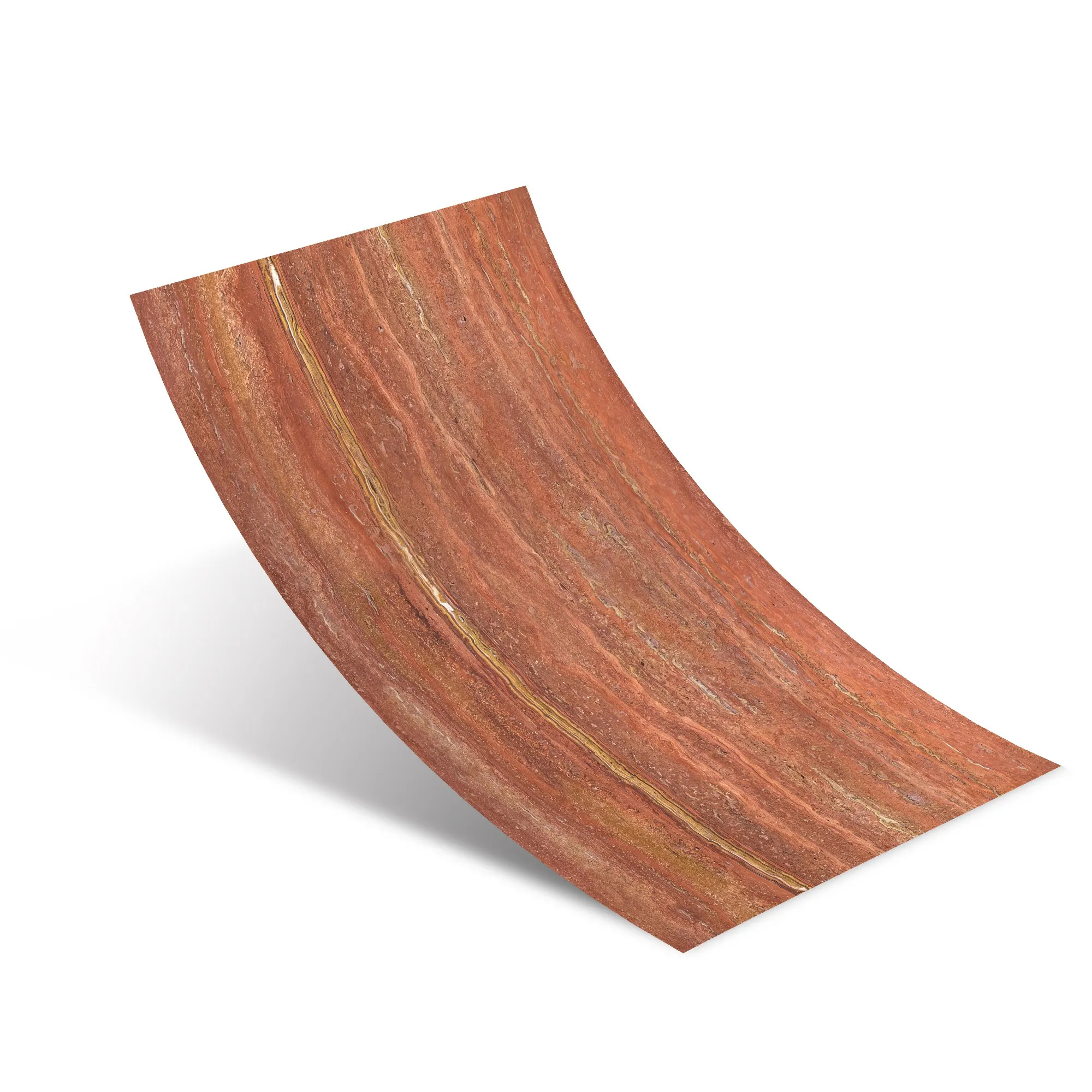
Luxury design isn't about one material dominating—it's about harmony. And Starry Red Travertine MCM is the ultimate team player. Its warm red tones complement cooler materials like Lunar Peak Black (a sleek, matte black stone-inspired MCM) for a striking contrast, or softens the industrial edge of fair-faced concrete for a more organic, inviting vibe. Architects love that it can be used indoors or out: imagine a hotel facade wrapped in Starry Red panels, then stepping inside to find the same materialing into the lobby, paired with brass accents and warm wood.
But here's the kicker: it also knows how to stand alone. In a minimalist bathroom, a single wall clad in Starry Red Travertine MCM becomes a focal point, turning a functional space into a spa-like retreat. In a restaurant, it adds depth to a feature wall, making diners feel like they're dining in a cozy, sunlit cave (the good kind). It's versatile without being generic—a rare combo in the world of building materials.
Let's get practical. Architects don't just care about how a material looks—they care about how it performs . And Starry Red Travertine MCM delivers, starting with its weight. Traditional natural stone can weigh 20-30 pounds per square foot; MCM? A mere 3-5 pounds. That's a game-changer for high-rise projects, where every pound adds up. No more over-engineering the structure to support heavy cladding—just sleek, efficient installation.
Durability? Check. MCM is resistant to scratches, stains, and UV rays, so that starry red color won't fade even after years in direct sunlight. It's also water-resistant, making it ideal for outdoor use in rainy or humid climates. And because it's flexible, it can be bent or curved to fit unique architectural shapes—think rounded walls or organic, flowing facades that would be impossible with rigid natural stone.
Modern luxury isn't just about opulence—it's about responsibility. Clients today ask, "Is this material eco-friendly?" And architects need answers. Starry Red Travertine MCM delivers here, too. Because it uses natural stone particles (often recycled from quarry waste) and a minimal amount of polymer, it has a lower carbon footprint than mining and transporting full slabs of natural stone. Plus, its lightweight nature reduces fuel consumption during shipping and installation. It's luxury with a conscience—and architects are here for it.
Trends come and go, but good design endures. Starry Red Travertine MCM strikes that balance. Its earthy red base is rooted in natural tones that have been used in architecture for centuries (think ancient Roman villas or Moroccan riads), while the starry flecks add a contemporary, almost futuristic touch. It's not chasing fads—it's creating a new classic. Architects know that specifying this material means their projects will look as stunning in 2030 as they do today.
| Material | Weight (per sq ft) | Durability | Aesthetic Range | Sustainability |
|---|---|---|---|---|
| Starry Red Travertine MCM | 3-5 lbs | High (resistant to scratches, UV, moisture) | Warm red with iridescent flecks; consistent texture | Eco-friendly (recycled stone particles, low shipping emissions) |
| Natural Travertine | 20-30 lbs | Medium (porous, may stain without sealing) | Varied (unique veining, but inconsistent color) | High quarrying impact; heavy shipping |
| Boulder Slab (Vintage Black) | 8-10 lbs | High (dense, scratch-resistant) | Sleek black with subtle texture; modern edge | Moderate (recycled content, but heavier than MCM) |
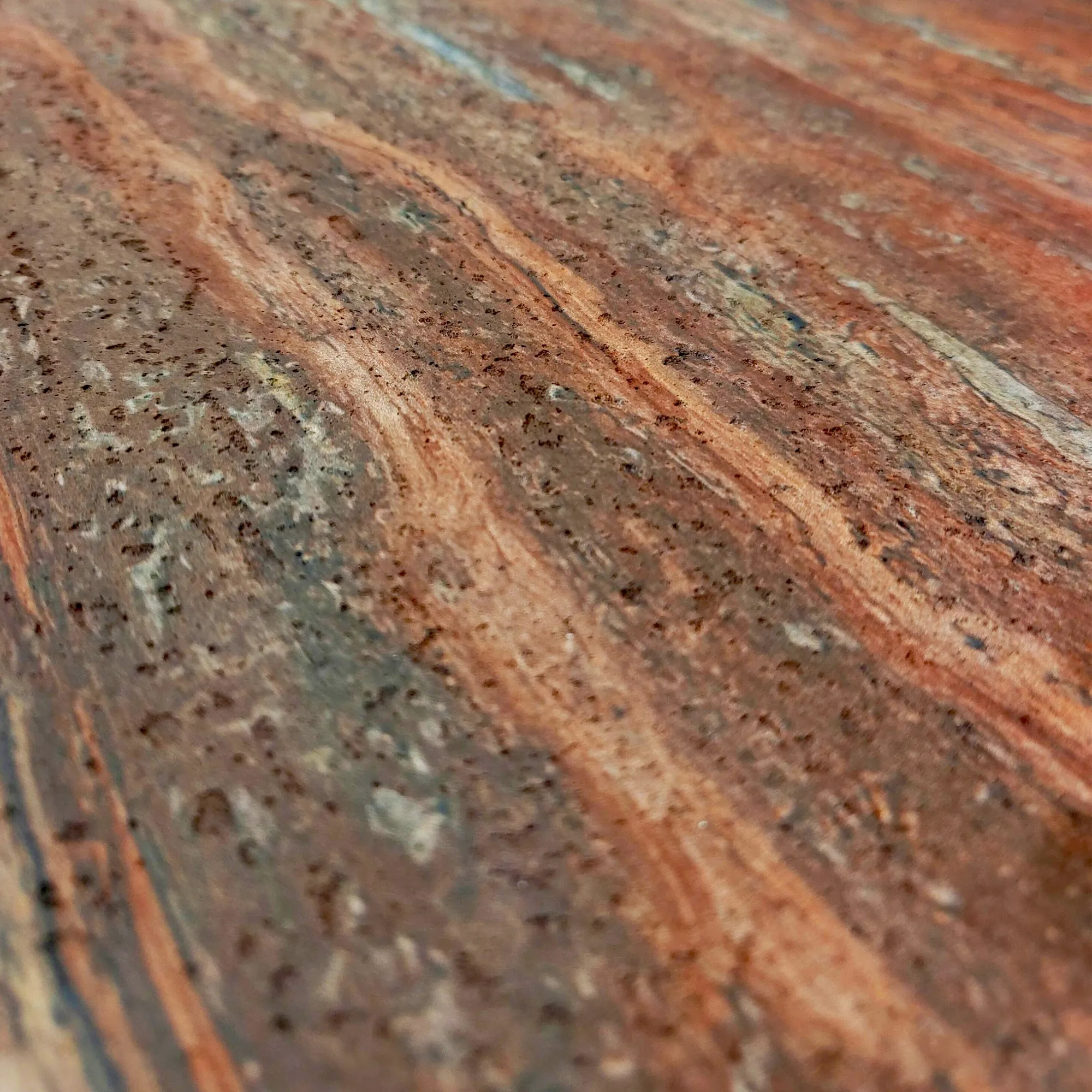
When the architects at Zaha Hadid Architects were designing The Celestial Hotel, they wanted a facade that would glow like a desert sunset. Enter Starry Red Travertine MCM. The hotel's exterior is wrapped in panels of the material, which shift from deep red at dawn to a golden-pink hue at dusk, thanks to those starry flecks. To add depth, they paired it with Boulder Slab (Vintage Black) for the hotel's geometric accents, creating a dynamic interplay of warm and cool tones. Guests often comment that the facade "feels alive"—and that's exactly the emotional connection the architects wanted to evoke.
For this ultra-luxury private home, architect Peter Marino wanted to blend Mediterranean warmth with modern minimalism. The solution? Starry Red Travertine MCM on the exterior walls, paired with fair-faced concrete and large glass windows. Indoors, the material continues into the living room, where a feature wall clad in custom-cut Starry Red panels serves as the backdrop for a curated art collection. "It's bold but not overwhelming," Marino noted in an interview. "It grounds the space while adding that 'wow' factor clients crave."
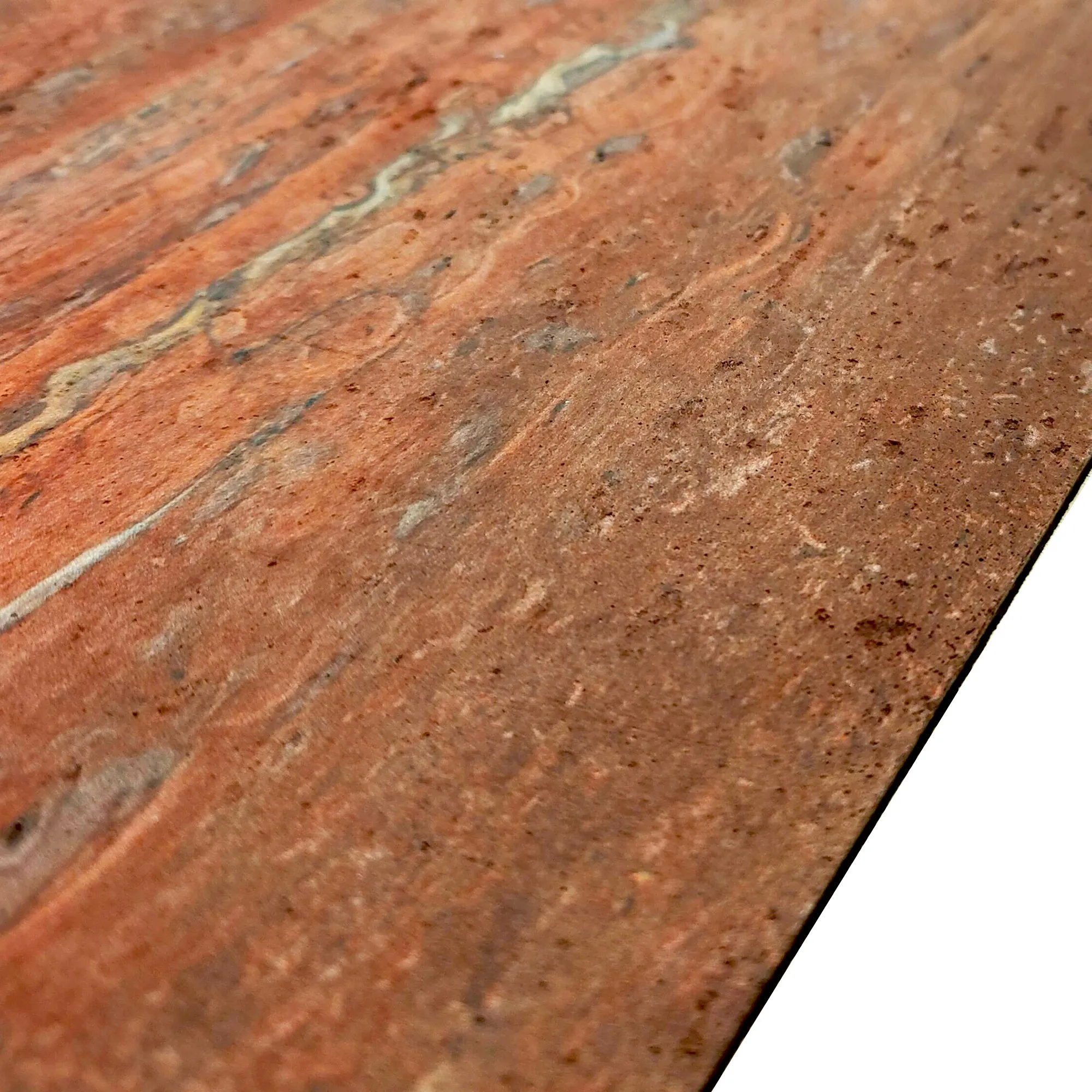
At the end of the day, architects don't just choose materials—they choose stories. Starry Red Travertine MCM tells a story of innovation, of honoring tradition while embracing the future, of creating spaces that feel both luxurious and human. It's not just about cladding a building; it's about crafting an experience. And in a world where luxury is increasingly defined by authenticity and intention, that's a story worth telling.
So the next time you walk past a stunning luxury building and find yourself drawn to its warm, glowing facade, take a closer look. Chances are, you're looking at Starry Red Travertine MCM—proving that sometimes, the best materials aren't just built to last. They're built to inspire.
Recommend Products











