
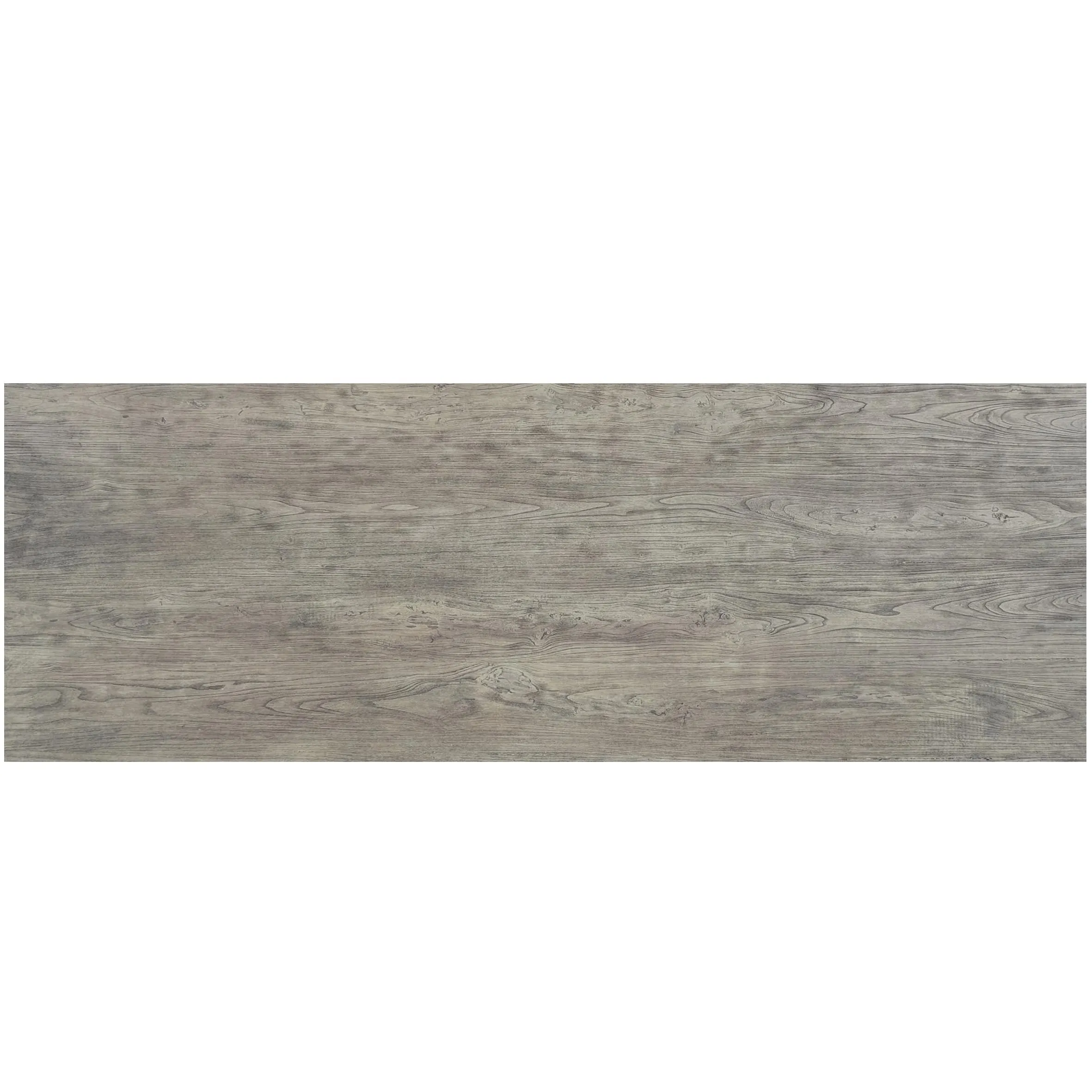
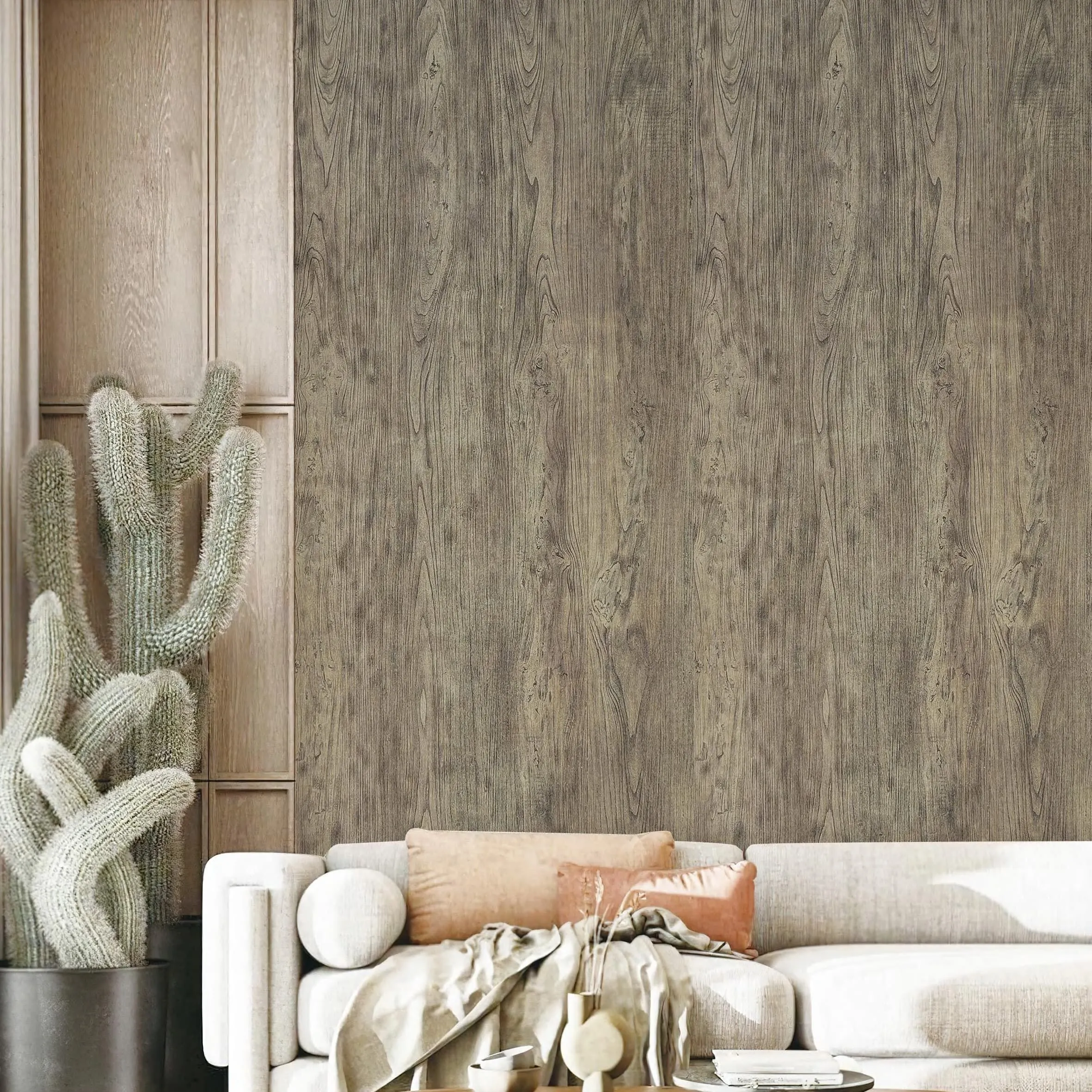
In a world where architecture is as much about responsibility as it is about beauty, the materials we choose tell a story of care—for the planet, for people, and for the spaces we inhabit. Among the rising stars of sustainable building materials, one stands out for its ability to blend warmth, durability, and eco-consciousness: Wood Grain Board. Let's dive into why architects are increasingly turning to this versatile material to craft spaces that feel both timeless and forward-thinking.
Wood has always held a special place in architecture. There's something inherently human about its texture—the way light dances across its grains, the warmth it brings to a room, the quiet reminder of the natural world outside our walls. For centuries, architects have used wood to create everything from cozy cabins to grand cathedrals, drawn to its organic beauty and structural strength. But as our understanding of environmental impact deepens, traditional solid wood has faced scrutiny: deforestation, high maintenance costs, and vulnerability to pests and moisture have made it a less ideal choice for modern, sustainable projects.
Enter Wood Grain Board. More than just a mimicry of wood, it's a reimagining—a material that captures the essence of wood's charm while addressing its limitations. Made from recycled wood fibers, bamboo, or other renewable resources, often bonded with low-VOC adhesives, Wood Grain Board offers the best of both worlds: the aesthetic allure of wood, without the ecological cost. It's no wonder architects are falling for it.
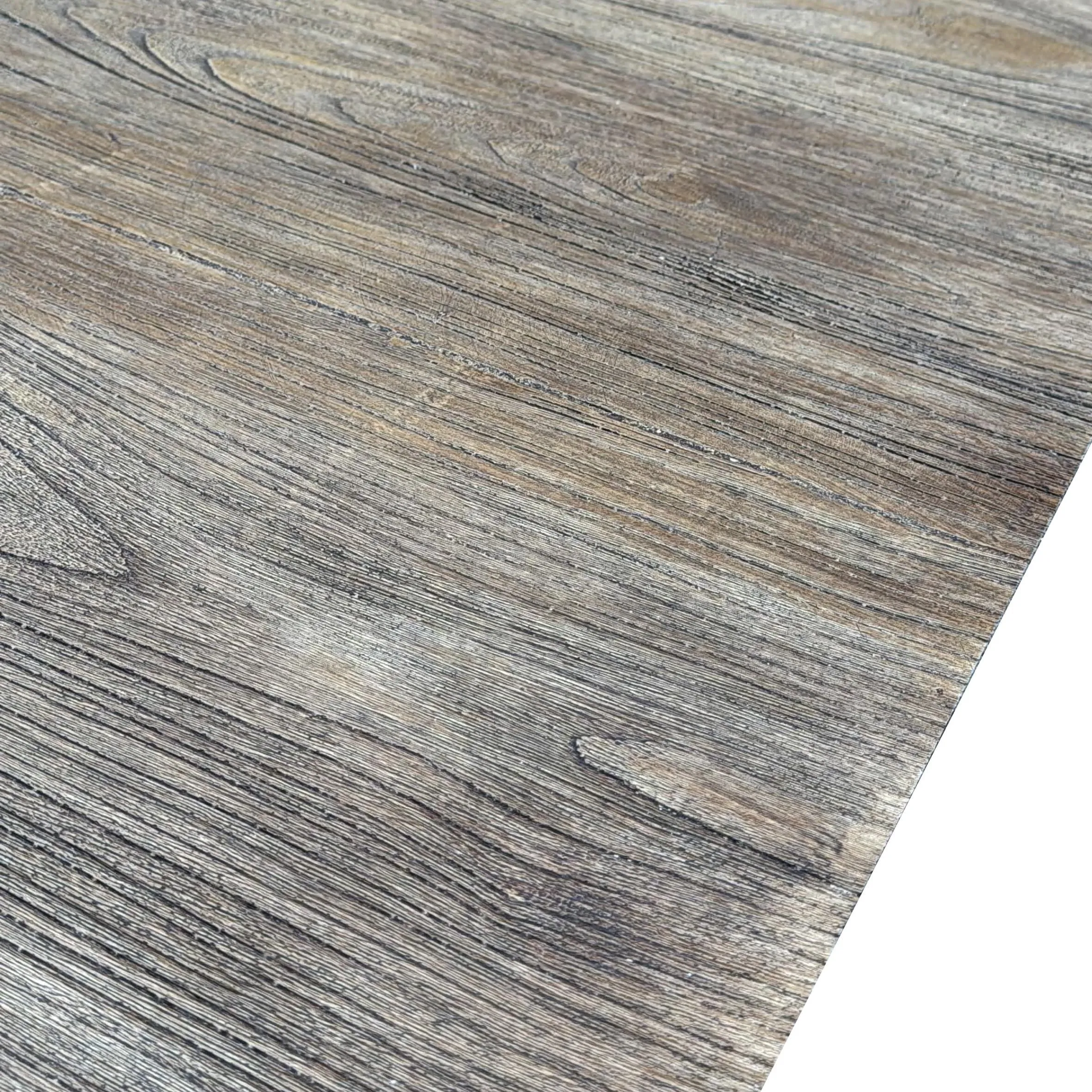
Sustainability isn't just a buzzword for today's architects—it's a core value. When selecting materials, they ask: Where does it come from? How is it made? What happens to it at the end of its life? Wood Grain Board checks all these boxes with ease.
Take production, for example. Many Wood Grain Board variants are crafted from post-consumer wood waste—think sawdust, offcuts from furniture manufacturing, or even recycled paper fibers. This not only reduces the demand for virgin timber but also diverts waste from landfills. Some manufacturers go a step further, using bamboo as a base material; bamboo is one of the fastest-growing plants on Earth, requiring no pesticides and minimal water to thrive. Compare that to traditional hardwoods, which can take decades to mature and often involve destructive logging practices.
Then there's durability. Unlike solid wood, which can warp, crack, or rot when exposed to humidity or temperature fluctuations, Wood Grain Board is engineered to withstand the elements. Its layered construction resists moisture, making it suitable for both indoor and outdoor use—from kitchen backsplashes to exterior cladding. This longevity means less frequent replacement, reducing the overall carbon footprint of a building over time. And when it does reach the end of its life, many Wood Grain Boards are fully recyclable or biodegradable, closing the loop on sustainability.
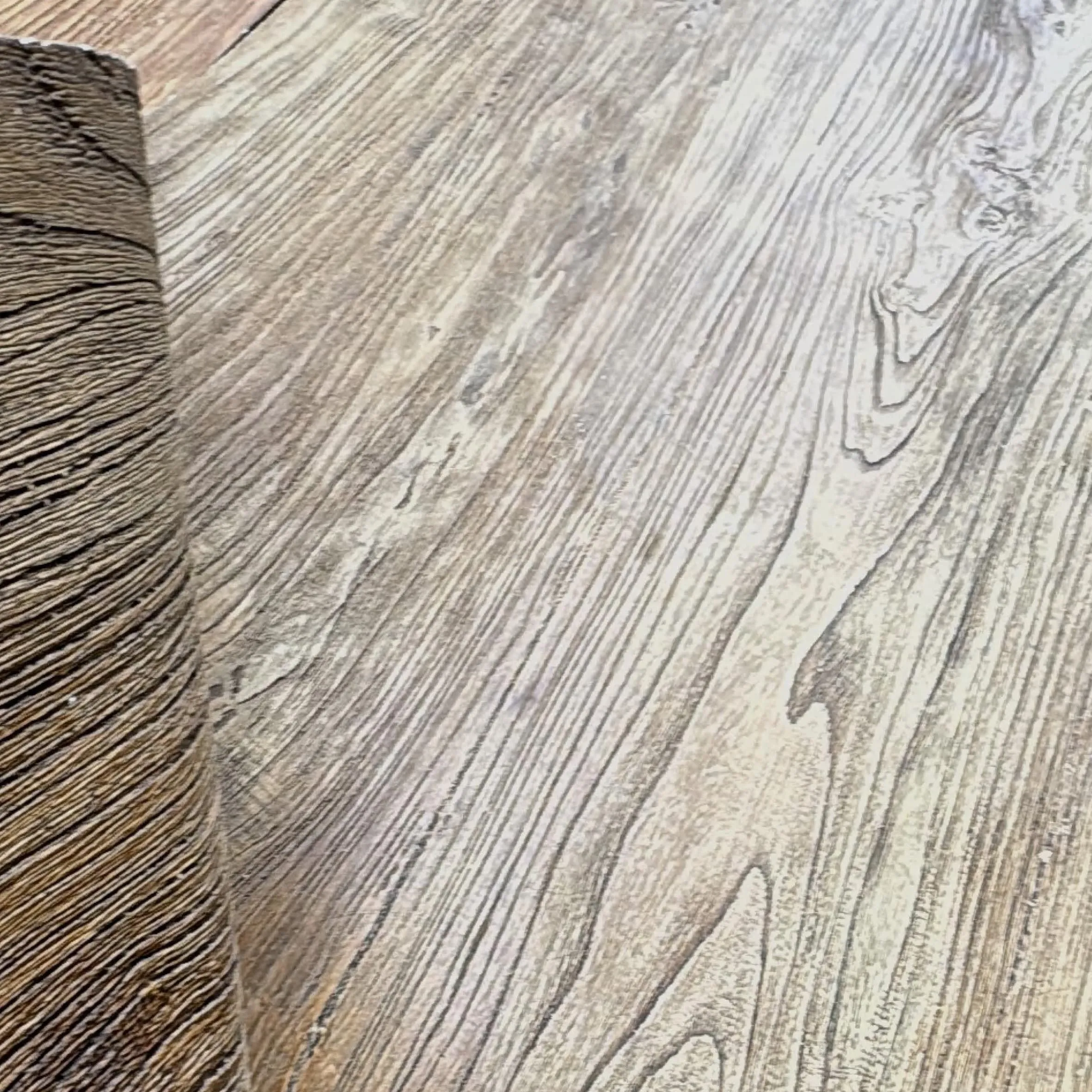
Architects don't just choose materials for their eco-credentials—they choose them for how they shape a space's mood and character. Wood Grain Board excels here, offering a level of versatility that's hard to match. Unlike solid wood, which is limited by the natural grain patterns of a tree, Wood Grain Board can be customized to mimic virtually any wood species, from oak and maple to teak and walnut. Want the rich, dark grains of mahogany for a formal dining room? Or the light, airy texture of pine for a coastal retreat? Wood Grain Board delivers—consistently, without the variability of natural wood.
But it's not just about replication. Modern Wood Grain Board often adds its own unique twists, blending wood-like textures with contemporary finishes. Imagine a commercial lobby where Wood Grain Board is paired with foamed aluminium alloy board (vintage silver) —the warm wood tones softening the cool metallic sheen, creating a space that feels both industrial and inviting. Or a home exterior where Wood Grain Board is used alongside fair-faced concrete ; the raw, minimalist concrete provides a striking backdrop for the wood's organic patterns, resulting in a design that's bold yet balanced.
Perhaps most importantly, Wood Grain Board brings a sense of authenticity. Unlike some synthetic materials that feel plasticky or artificial, high-quality Wood Grain Board has depth—it's tactile, with grooves and ridges that invite touch. Run your hand over it, and you'll swear it's real wood. That sensory connection is key for architects aiming to create spaces that feel "lived-in" and human, rather than cold and sterile.
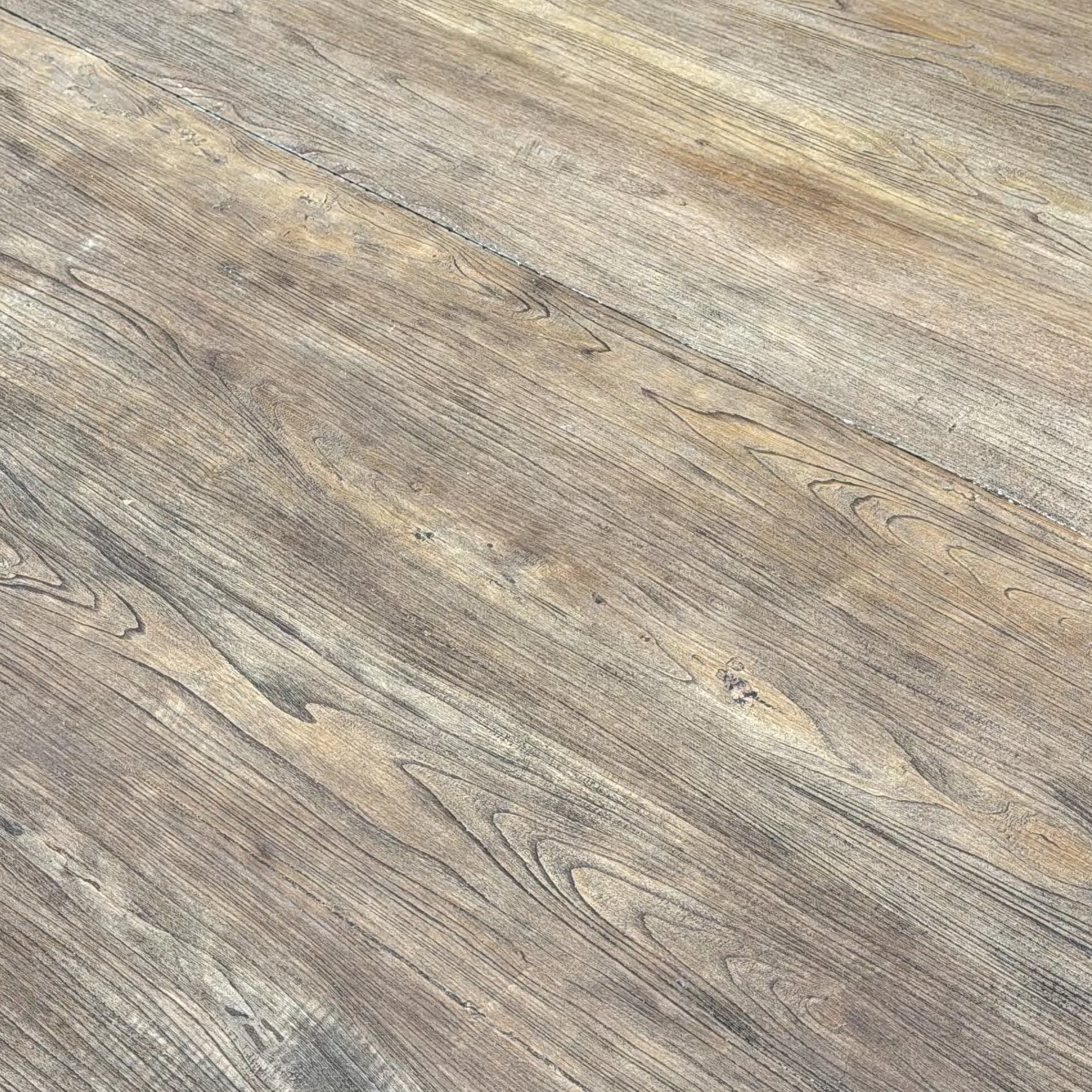
Great architecture is rarely about a single material—it's about harmony. Architects don't design in isolation; they curate palettes of textures, colors, and properties to create cohesive, functional spaces. Wood Grain Board shines as a team player, complementing other sustainable materials to elevate both form and function. Let's take a closer look at how it pairs with some of today's most innovative eco-friendly options:
| Material | Sustainability Highlights | Aesthetic Synergy with Wood Grain Board | Common Applications |
|---|---|---|---|
| Fair-Faced Concrete | Low carbon footprint, durable, made from locally sourced aggregates | Raw, industrial texture balances Wood Grain Board's warmth; creates a modern, "earthy industrial" vibe | Exterior facades, interior accent walls, countertops |
| Rammed Earth Board (Middle) | Made from compressed soil, minimal processing, excellent thermal mass | Earthy, terracotta hues complement wood's natural tones; evokes a sense of grounding and connection to the land | Residential walls, community centers, eco-resorts |
| Foamed Aluminium Alloy Board (Vintage Silver) | Recyclable, lightweight, energy-efficient (reflects heat) | Metallic sheen adds contrast to wood's softness; ideal for modern, high-end commercial spaces | Feature walls, ceiling panels, signage |
| Travertine (Starry Green) | Natural stone, biodegradable, unique veining patterns | Organic, fossil-like textures harmonize with wood's grains; creates a "timeless luxury" feel | Flooring, backsplashes, outdoor patios |
Take, for example, a recent community library project in Portland, Oregon. The architects paired Wood Grain Board with rammed earth board (matcha green) and large windows to create a space that feels both rooted in nature and open to the community. The Wood Grain Board lines the reading nooks, inviting visitors to curl up with a book, while the matcha green rammed earth walls add a pop of color that echoes the surrounding forest. Sunlight filters through the windows, casting dappled shadows on the wood grain and earthy textures—a symphony of natural elements that makes the library feel less like a building and more like an extension of the outdoors.
Another standout example is a boutique hotel in Bali, where Wood Grain Board was combined with bali stone and woven rattan. The Wood Grain Board clads the hotel's exterior, blending seamlessly with the tropical landscape, while the bali stone—quarried locally—adds a rustic, island-inspired touch to the lobby. Together, these materials create a space that feels authentically Balinese, warm, and deeply connected to its environment.
Architects don't just advocate for materials they love—they choose ones that work for everyone involved. Wood Grain Board checks the boxes for builders, contractors, and clients alike, making it a practical choice beyond its aesthetic and eco benefits.
For starters, it's easy to install. Unlike solid wood, which often requires specialized tools and skilled carpenters to cut and fit, Wood Grain Board is lightweight and designed for straightforward installation. Many variants come in large, uniform sheets or planks that can be cut with standard power tools, reducing labor time and costs. This is a huge win for contractors working on tight deadlines or large-scale projects.
Maintenance is another area where Wood Grain Board shines. Traditional wood needs regular staining, sealing, or painting to protect it from moisture, UV rays, and pests. Wood Grain Board? Most options are pre-finished with durable coatings that resist scratches, stains, and fading. A quick wipe with a damp cloth is usually all it takes to keep it looking fresh. For busy homeowners or commercial property managers, this translates to lower long-term costs and less hassle—a selling point that architects can confidently highlight to clients.
Thermal performance is an unexpected bonus. Wood Grain Board has natural insulating properties, helping to regulate indoor temperatures and reduce energy use. When used in walls or ceilings, it acts as a barrier against heat loss in winter and heat gain in summer, lowering heating and cooling bills. This energy efficiency not only benefits the environment but also improves a building's LEED or BREEAM certification chances—something clients increasingly prioritize.
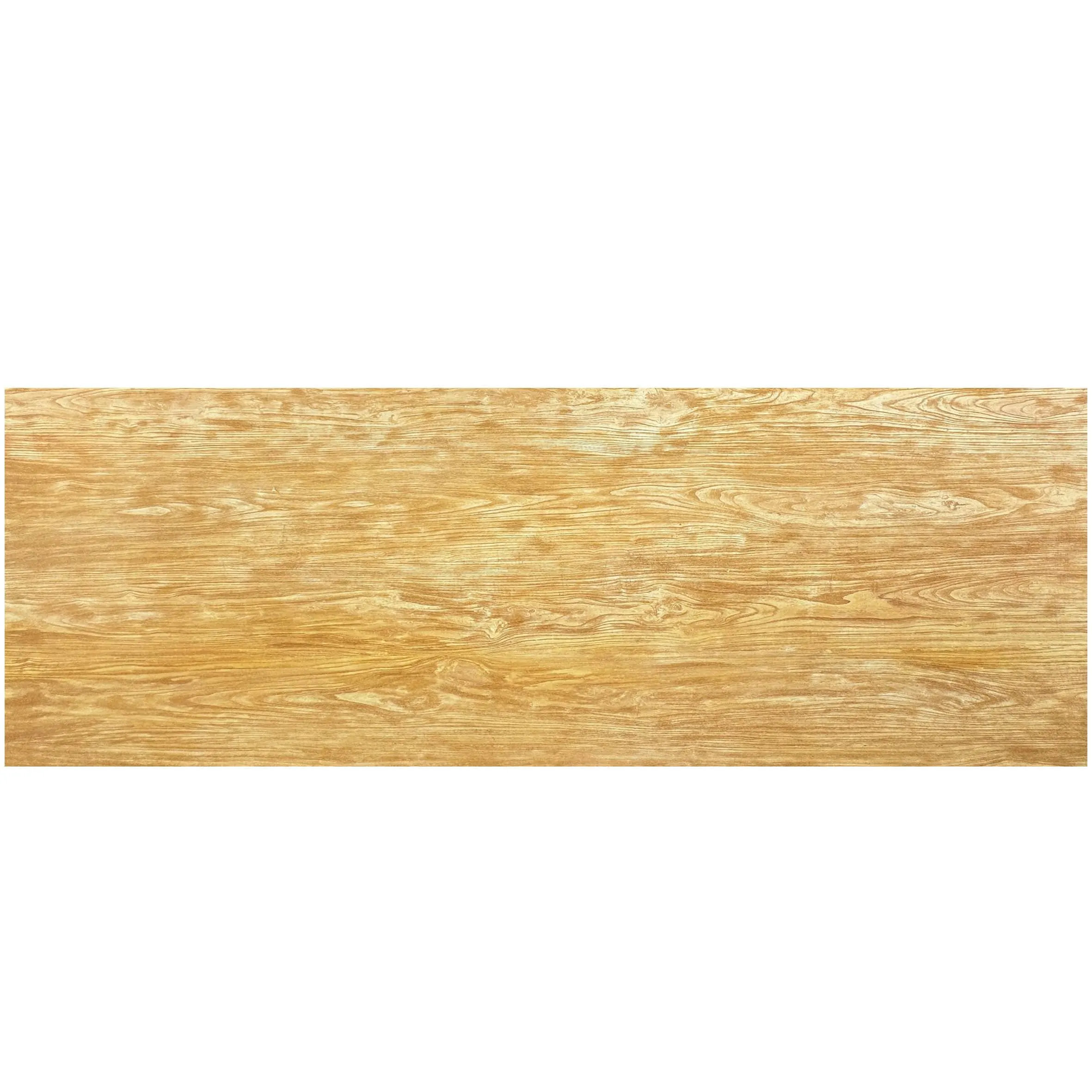
The demand for sustainable building materials is only growing, and Wood Grain Board is evolving right along with it. Manufacturers are constantly innovating to make it even more eco-friendly, from using plant-based adhesives to incorporating recycled plastic bottles into the mix (yes, you read that right—some Wood Grain Boards now contain up to 30% recycled plastic, giving new life to waste that would otherwise end up in oceans or landfills).
Technology is also pushing the boundaries of what Wood Grain Board can do. 3D printing, for example, is being used to create hyper-realistic grain patterns, mimicking the unique knots and swirls of rare wood species without a single tree being cut down. Imagine a luxury hotel lobby featuring Wood Grain Board printed to look like ancient oak—rich, detailed, and completely sustainable.
Architects are also experimenting with bold colorways and finishes. While natural wood tones remain popular, some designers are embracing Wood Grain Board in unexpected hues: deep blues, soft grays, even muted greens. These colors add a contemporary twist to the material, making it suitable for everything from minimalist apartments to quirky retail spaces. When paired with materials like lunar peak silvery or epoch stone , these colored Wood Grain Boards create striking, modern palettes that feel fresh and innovative.
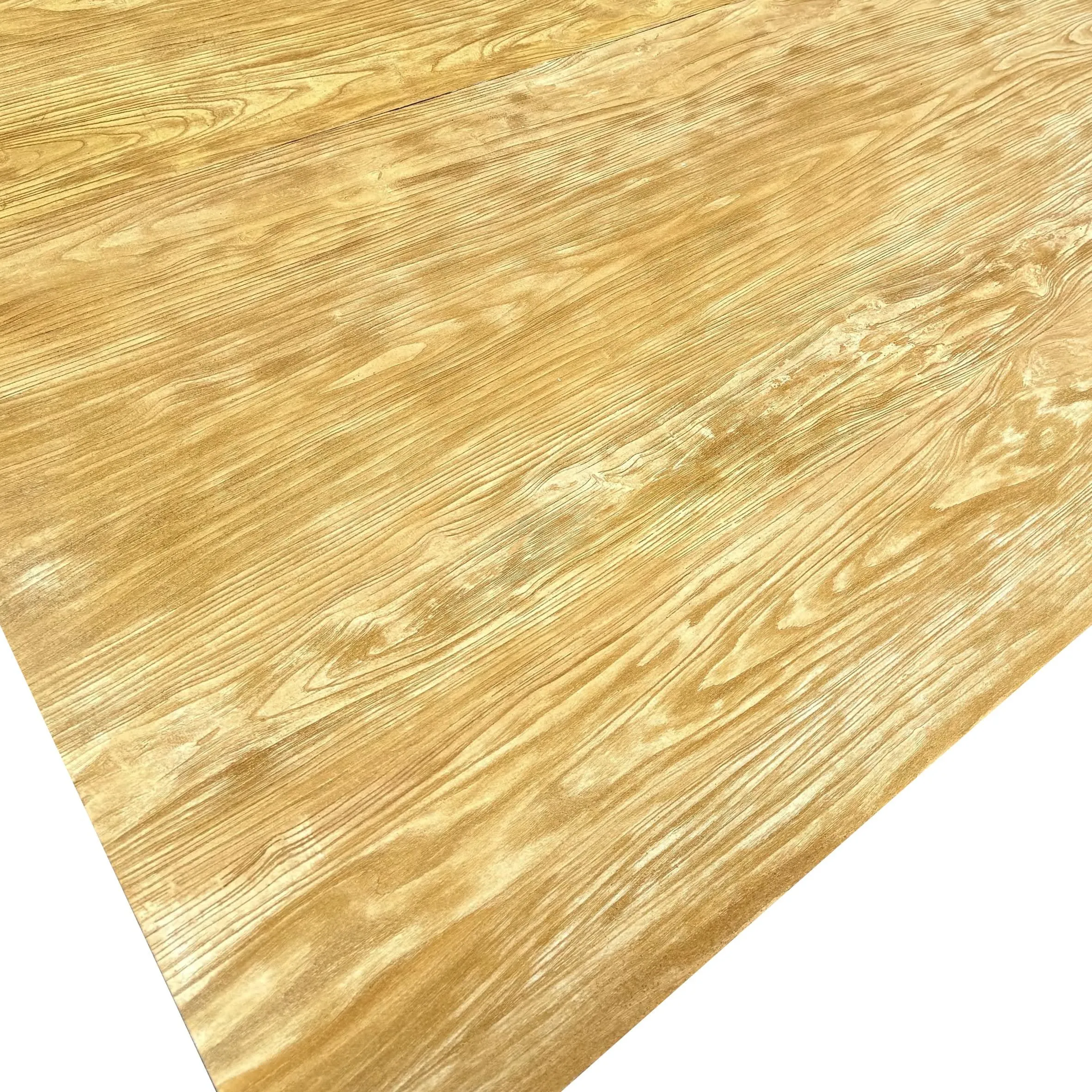
At the end of the day, architecture is about people. It's about creating spaces that nurture us, inspire us, and make us feel connected—to each other, to our surroundings, and to the planet. Wood Grain Board does all of that and more. It's a material that honors our love for wood's natural beauty while respecting the Earth's limits. It's warm, it's durable, it's versatile, and it's kind to the planet.
For architects, choosing Wood Grain Board isn't just a design decision—it's a statement. It says, "We care about the future, and we believe beauty shouldn't come at the cost of sustainability." It says, "We want spaces that feel human, not perfect." And in a world that often feels disconnected from nature, that's a message worth building into every wall, floor, and ceiling.
So the next time you walk into a space that feels both cozy and conscious, take a closer look at the walls. Chances are, you're looking at Wood Grain Board—proof that sustainability and beauty can go hand in hand, one grain at a time.
Recommend Products












