
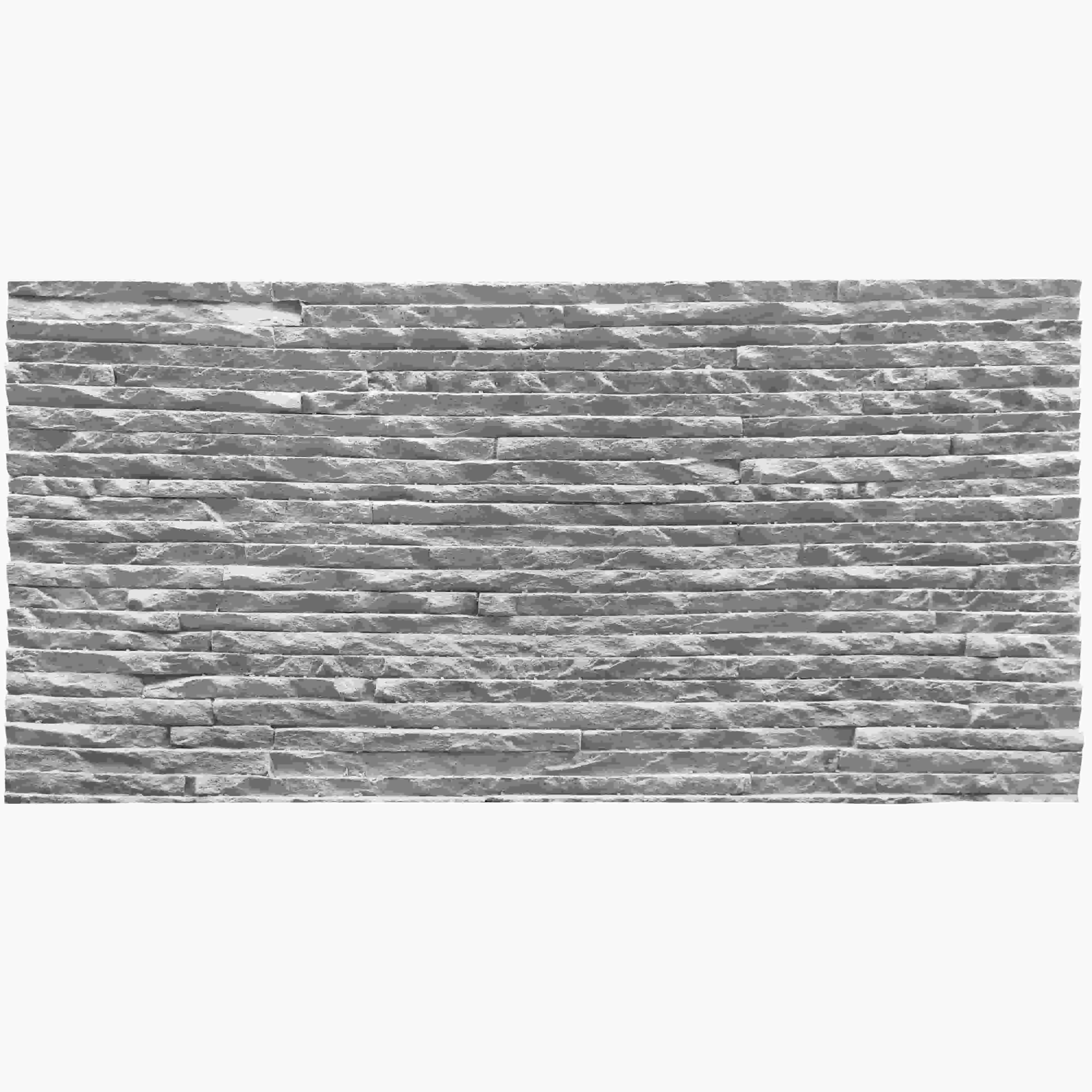
Let's talk high-rise buildings—those towering giants that dot city skylines, blending function, ambition, and art. But here's the thing: designing their exteriors isn't just about making them look pretty. Builders and architects are juggling a million priorities: Can it withstand 50 years of rain, wind, and sun? Will it fade when the summer heat cranks up? Does it fit the building's vibe, whether that's sleek modernism or warm minimalism? And let's not forget the practical stuff—cost, installation speed, and even how much it weighs (because nobody wants a heavy exterior stressing the building's structure). Among all the options out there, one material has been quietly stealing the spotlight for high-rise projects: Muretto stone (light grey) . Today, we're diving into why this unassuming material has become a go-to for builders who want it all—durability, beauty, and common sense.
High-rise exteriors take a beating. Imagine a 50-story building in a coastal city: salty air, relentless rain, and winds that could knock over a bike. Traditional stone might crack under that pressure, or require constant sealing to stay intact. But Muretto stone (light grey) is different. Made from a blend of natural minerals and reinforced polymers, it's engineered to be both flexible and hard-wearing. We're talking scratch-resistant, fade-proof, and impervious to moisture—no more worrying about mold or water seeping in and damaging the structure.
I spoke to Mark, a construction manager who worked on a 32-story residential tower in Chicago, and he put it this way: "We used Muretto light grey on the facade, and after two winters—with snow, ice, and that bitter lake wind—it still looks like we installed it yesterday. No chips, no discoloration. For a building that's supposed to last 100 years, that's peace of mind."
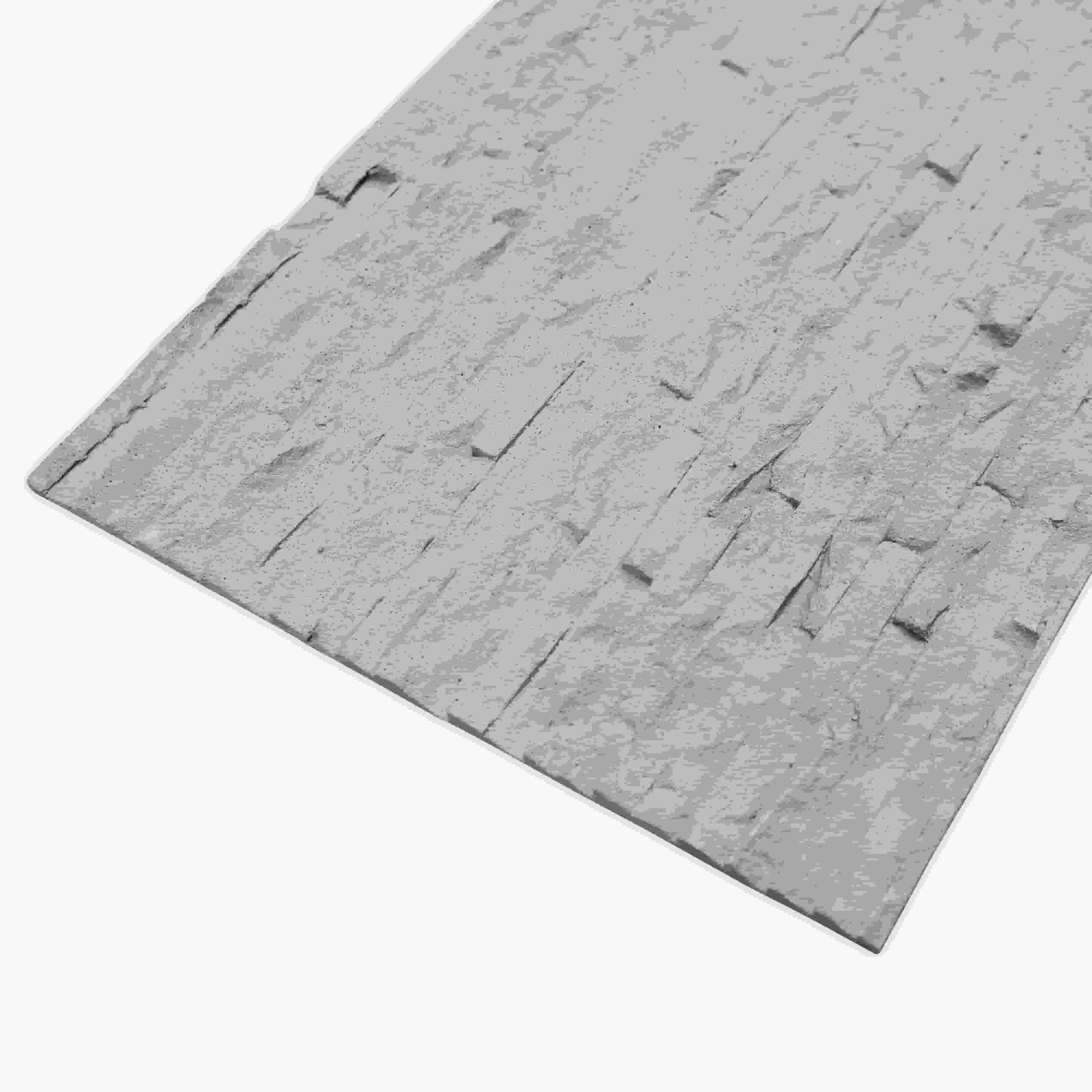
Let's be real—looks matter. A high-rise isn't just a building; it's a statement. Muretto stone (light grey) might sound neutral, but that's exactly why it works. Its soft, muted tone acts like a blank canvas, letting architects pair it with bold accents (think black metal frames or wooden balconies) or keep things monochromatic for a sleek, timeless look. Unlike some materials that scream "look at me," this light grey adds texture without overpowering the design. Run your hand over it, and you'll notice subtle variations in the surface—tiny grains and matte finish that catch the light just right, giving the building depth without feeling busy.
What's cool is how it adapts. In a modern office tower, it reads as sharp and professional. In a residential building, it softens the facade, making it feel welcoming. Compare that to something like fair-faced concrete —which is undeniably industrial and cool but can feel cold if overused. Muretto light grey, on the other hand, balances edge with warmth. It's the kind of material that makes you think, "That building looks expensive, but in a understated way."
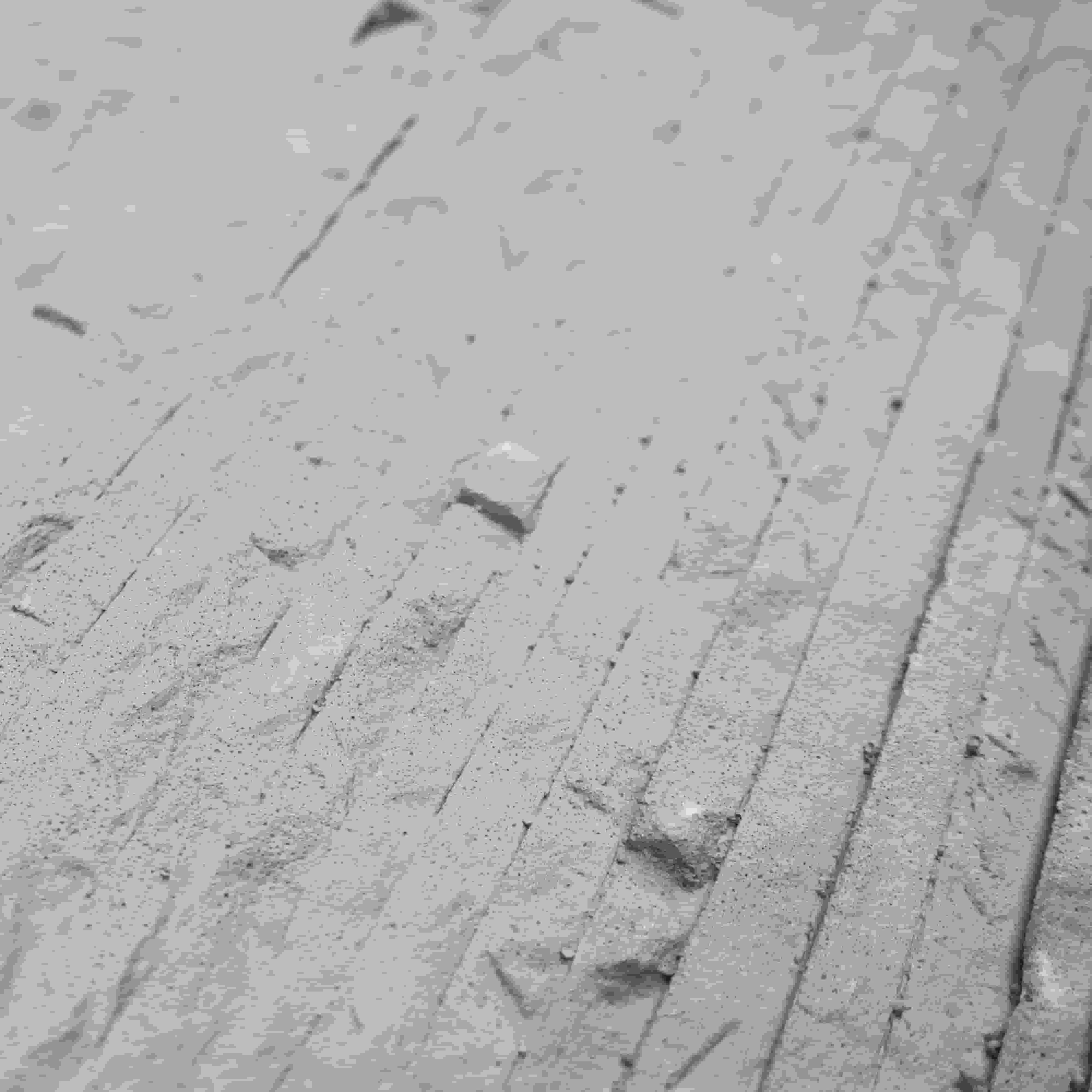
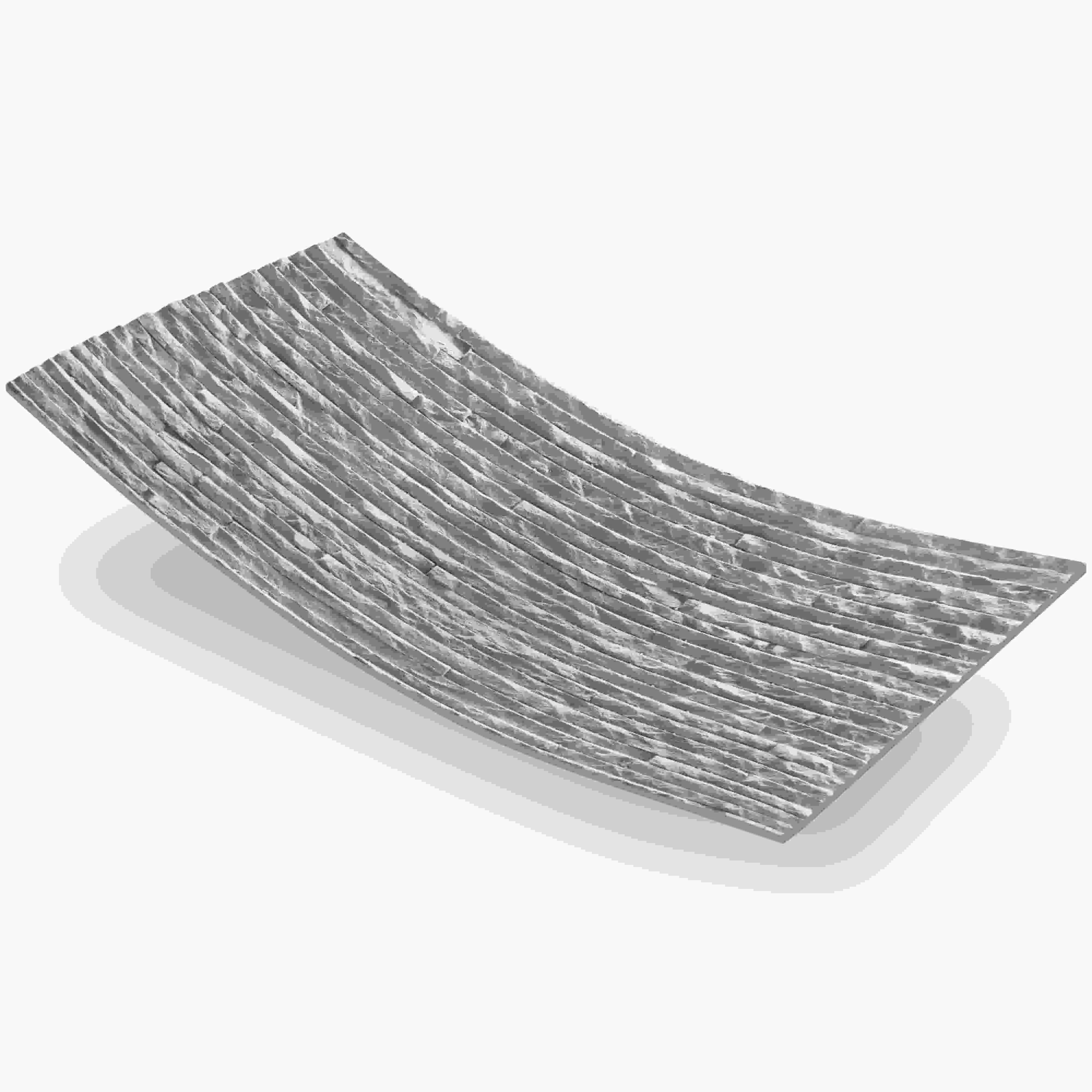
Here's a dirty little secret about construction: time is everything. The longer a project takes, the more it costs, and the more headaches for everyone involved. Traditional stone cladding? Heavy. That means cranes, extra labor, and slower installation. But Muretto stone (light grey) is part of the flexible stone cladding panels family—think thin, lightweight sheets that are easy to transport and mount. A team can cover more square footage in a day compared to hauling and cutting thick slabs of marble or granite.
"We cut installation time by 30% on our last project using Muretto," says Lisa, an architect I know. "Because it's lightweight, we didn't need special lifting equipment. The panels are also pre-cut to size, so there's less waste on-site. For a high-rise with 20,000 square feet of exterior, that adds up fast." And because it's flexible, it can even conform to curved surfaces—no more awkward gaps or forced straight lines.
These days, "sustainable" gets thrown around a lot, but builders are getting savvier—they want materials that walk the walk, not just talk the talk. Muretto stone (light grey) checks that box. It's made with recycled minerals and low-VOC (volatile organic compound) binders, so it doesn't off-gas harmful chemicals into the air. Plus, its durability means less replacement over time—no need to tear off and redo the exterior every 20 years, which cuts down on construction waste.
Compare that to foamed aluminium alloy board (vintage silver) —another popular lightweight option. While aluminium is recyclable, its production is energy-intensive, and it can dent easily in high winds. Muretto, on the other hand, uses natural materials and requires less energy to manufacture. For developers aiming for LEED certification or just trying to reduce their carbon footprint, that's a big win.
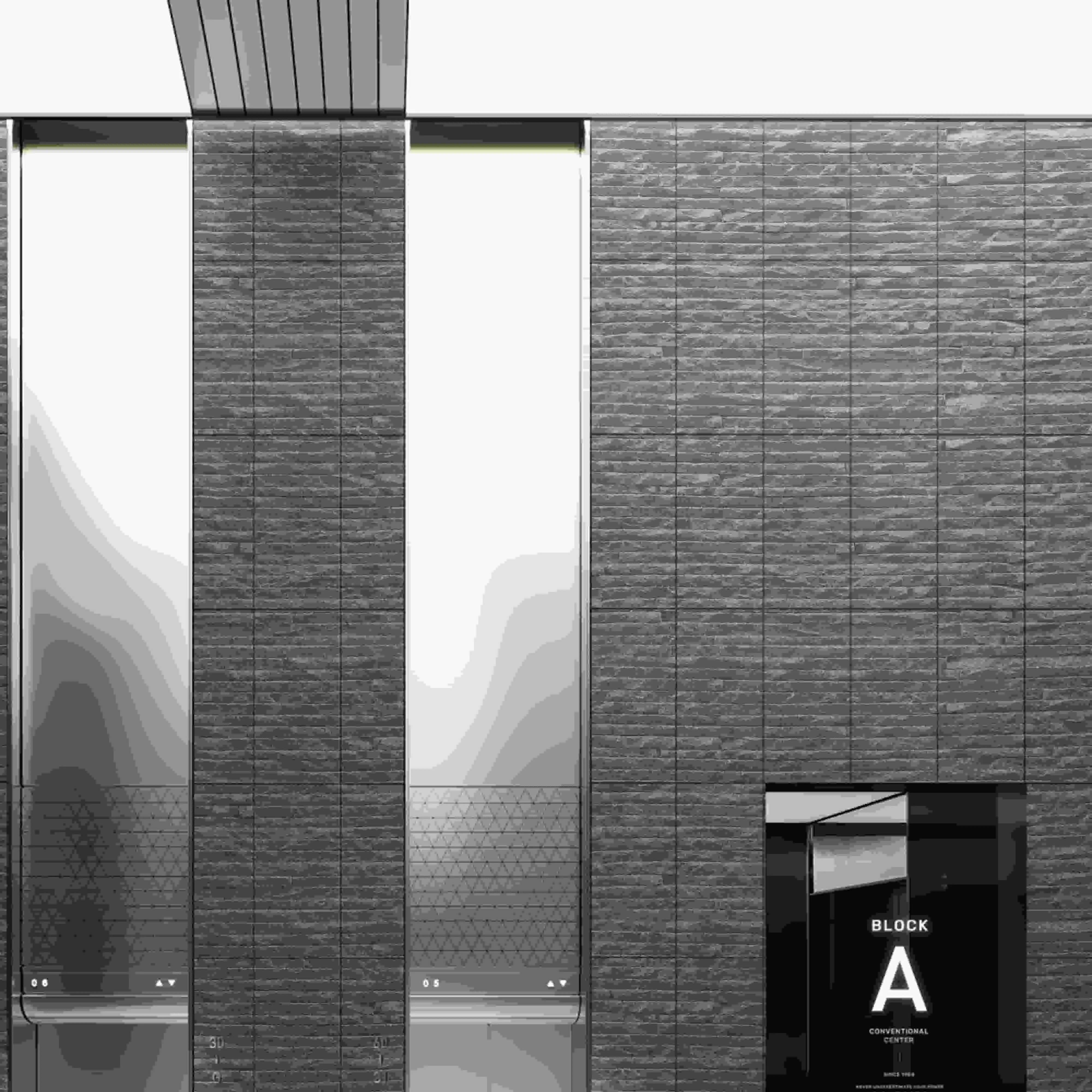
Still not convinced? Let's put Muretto stone (light grey) head-to-head with two other common high-rise exterior materials: fair-faced concrete and foamed aluminium alloy board (vintage silver). Here's how they measure up:
| Material | Weight (per sqm) | Durability (50-year lifespan?) | Installation Time (per 100 sqm) | Aesthetic Flexibility | Sustainability |
|---|---|---|---|---|---|
| Muretto Stone (Light Grey) | 12-15 kg | Yes—resists fading, moisture, and impact | 1-2 days | High—works with modern, minimalist, or warm designs | High—recycled materials, low-VOC, low maintenance waste |
| Fair-Faced Concrete | 25-30 kg | Yes, but prone to staining and requires sealing | 3-4 days (needs curing time) | Low—limited to industrial, raw aesthetics | Medium—recyclable, but high carbon footprint in production |
| Foamed Aluminium Alloy Board (Vintage Silver) | 8-10 kg | No—prone to dents, scratches, and color fading | 1 day (fast, but delicate handling) | Medium—sleek, but limited texture | Medium—recyclable, but energy-heavy production |
At the end of the day, builders don't just choose materials—they choose peace of mind. Muretto stone (light grey) doesn't force you to pick between durability and beauty, or sustainability and speed. It's a material that works as hard as the people building with it. Whether you're designing a luxury hotel, a residential tower, or a corporate headquarters, it fits. It's not flashy, but it's reliable—and in construction, reliability is everything.
So the next time you're walking past a high-rise with a subtly textured, light grey exterior that looks both modern and timeless, take a closer look. Chances are, it's Muretto stone. And now you know why the builders behind it sleep a little easier at night.
Recommend Products












