
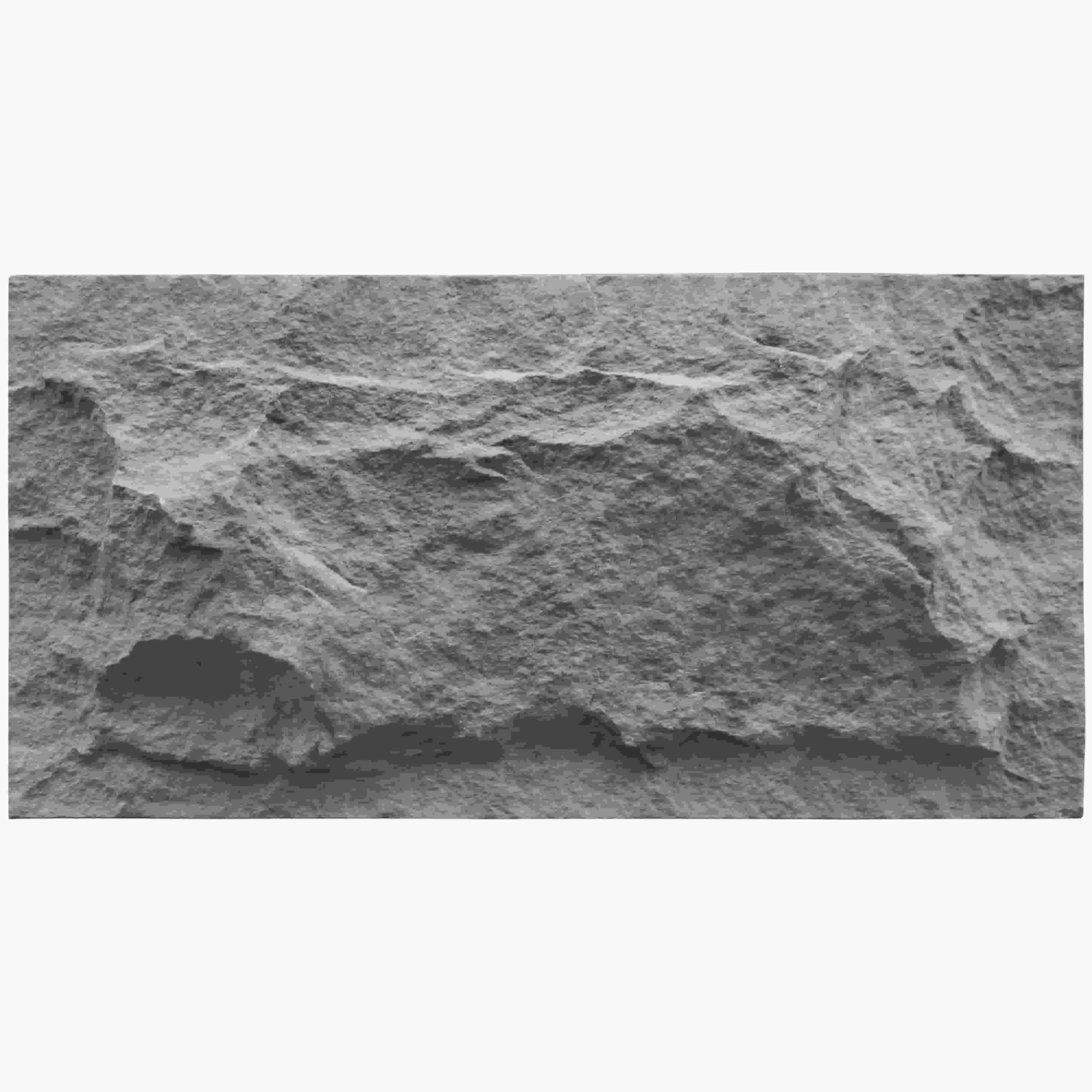
Let's face it: when you walk down a city street, the first thing that catches your eye about a commercial building isn't just its height or shape—it's the facade. That outer layer does more than just hold the building together; it's a silent salesman, a brand ambassador, and a statement about what's inside. Whether it's a sleek office tower, a bustling retail center, or a boutique hotel, the facade sets the tone. But here's the thing: choosing the right material for that facade is a balancing act. You need something that looks stunning, lasts decades, won't break the bank, and maybe even does right by the planet. Sound like a tall order? Enter Crossare Mushroom Stone043—a material that's been turning heads in architectural circles, and for good reason. Let's dive into why this innovative cladding solution might just be the answer you've been searching for.
Before we get into the "why," let's clear up the "what." Crossare Mushroom Stone043 isn't your run-of-the-mill building material. It's part of the broader family of MCM (Modified Composite Material) products, which have been revolutionizing the construction industry over the past decade. If you're familiar with terms like MCM flexible stone or MCM big slab board series, you're already in the ballpark—these are all cutting-edge cladding solutions that blend natural minerals with advanced polymers to create something stronger, lighter, and more versatile than traditional options.
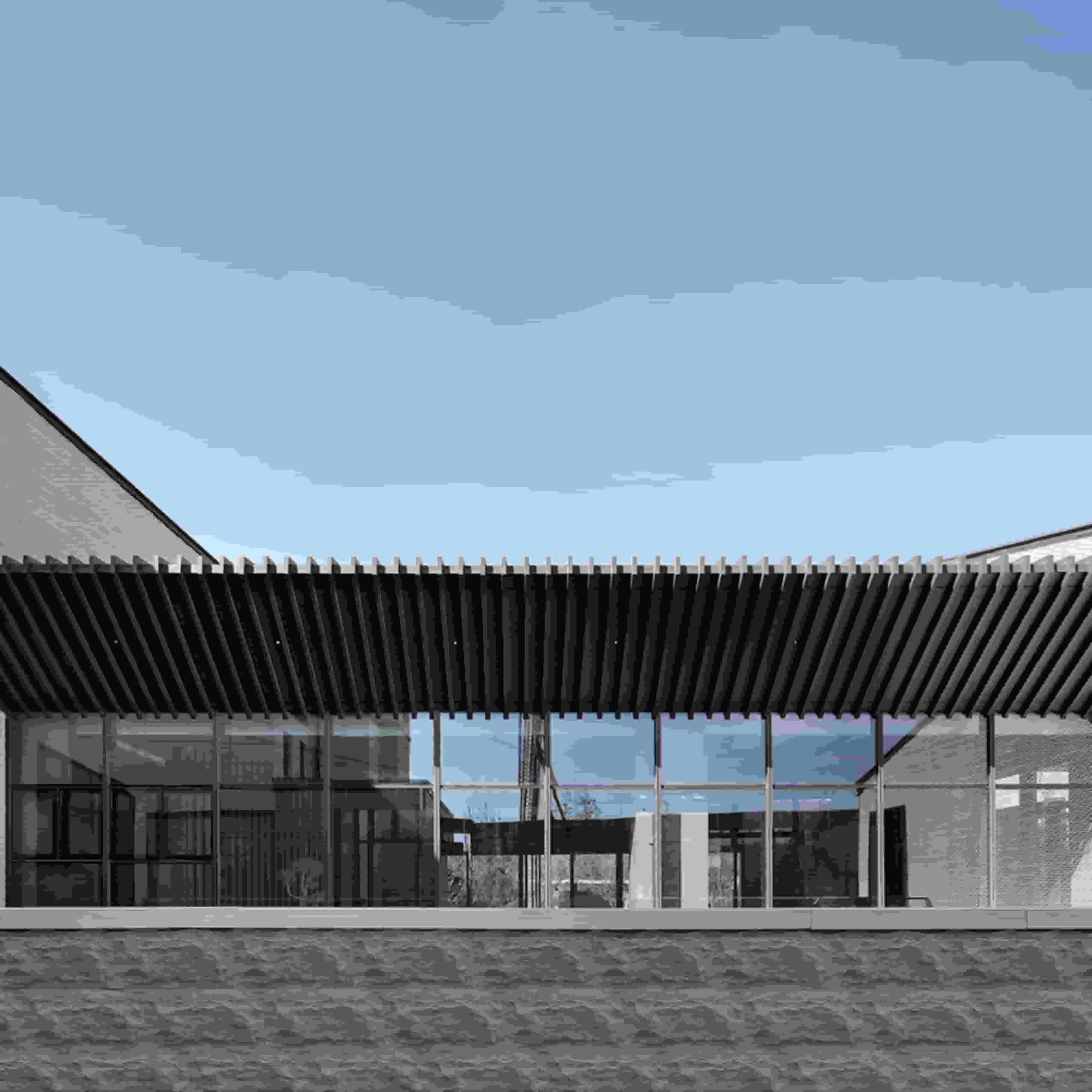
So, what makes Crossare Mushroom Stone043 stand out in that family? Let's start with the name: "mushroom stone." Picture the gnarled, organic texture of a mushroom cap—uneven, tactile, with subtle ridges and valleys that catch the light in unexpected ways. That's the surface you get here: not a flat, uniform panel, but a material that feels alive, like it was plucked from a forest floor and polished (but not too much) for modern use. It's a far cry from the sterile smoothness of fair-faced concrete or the predictable patterns of standard brick. This is texture with character.
But it's not just about looks. Under that unique surface is the same innovative MCM core that makes products like MCM flexible stone so game-changing. We're talking about a material that's lightweight (seriously, up to 70% lighter than natural stone), flexible enough to bend around curves, and tough enough to handle whatever Mother Nature throws at it. It's the kind of material that makes architects and developers think, "Wait, we can actually do that?" when sketching out bold designs.
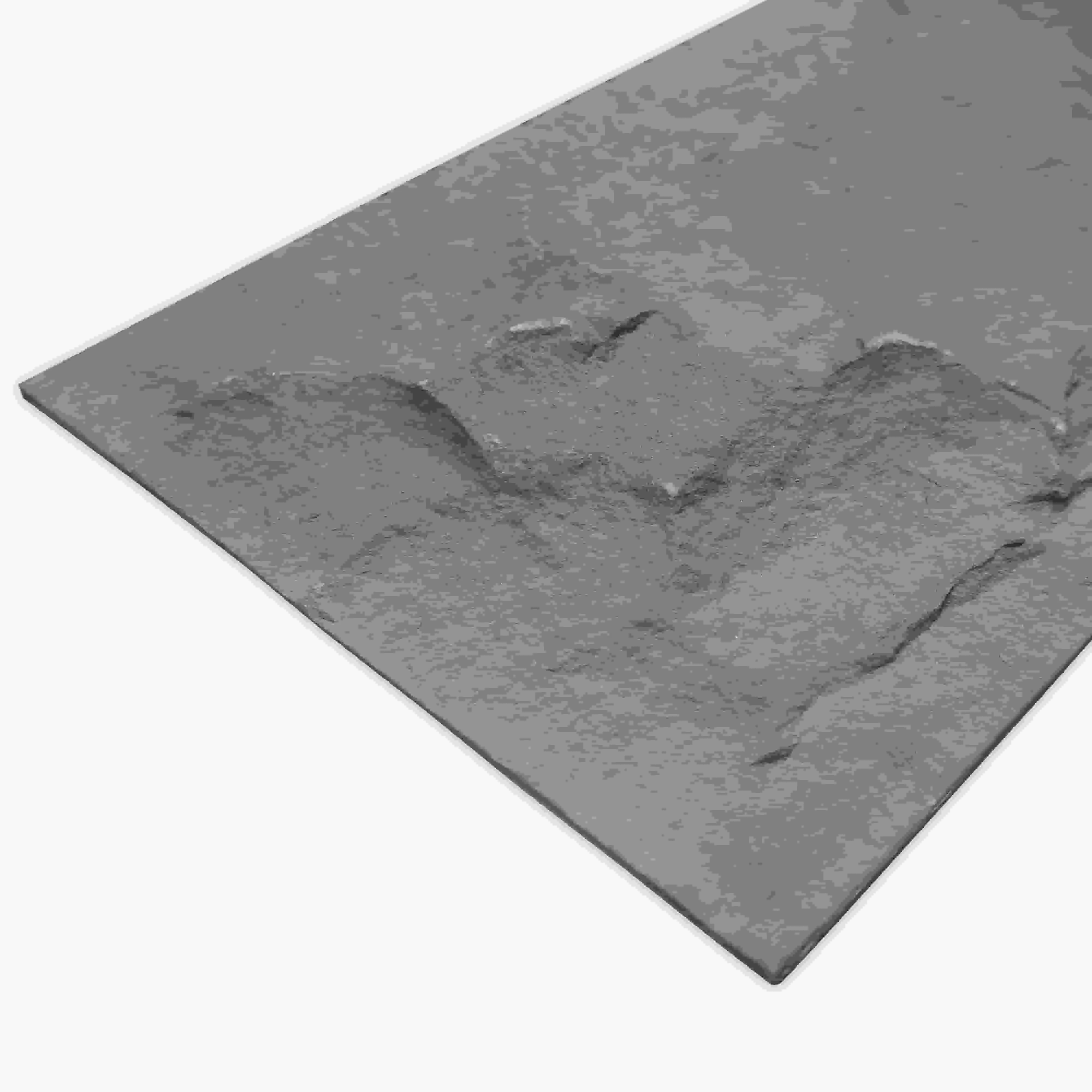
Let's get practical. A commercial facade isn't a temporary decoration—it's an investment. You don't want to be repainting, repairing, or replacing it every five years. Crossare Mushroom Stone043 was engineered with longevity in mind, and the proof is in the details.
First, weather resistance. Whether your building faces the salty spray of a coastal city, the blistering heat of a desert, or the freezing winters of the north, this material holds its own. Unlike natural travertine (which, don't get me wrong, is beautiful—take travertine (starry green), with its swirled patterns—but porous and prone to staining), Crossare Mushroom Stone043 is non-porous. That means no water seepage, no mold growth, and no ugly water spots after a rainstorm. UV rays? They're no match either. The pigments used in the manufacturing process are fade-resistant, so that rich, earthy tone you chose won't turn into a washed-out version of itself after a few summers.
Then there's impact resistance. Let's say a storm sends a branch flying into your facade, or a maintenance worker accidentally drops a tool. With brittle materials like natural granite, that could mean a chip or crack that's impossible to hide. Crossare Mushroom Stone043, thanks to its composite structure, has some give. It's not indestructible, but it's far more forgiving. Think of it like a car with a crumple zone—it absorbs impact rather than shattering.
And let's talk about color retention. I visited a retail complex in Denver a few years back that had installed Crossare Mushroom Stone043 five years prior. You'd never guess it wasn't brand new. The texture was still sharp, the color as deep as the day it went up, and there wasn't a single patch or repair in sight. Compare that to fair-faced concrete, which often requires sealing every couple of years to prevent discoloration, or painted metal panels that start peeling at the edges after a harsh winter. This stuff is in it for the long haul.
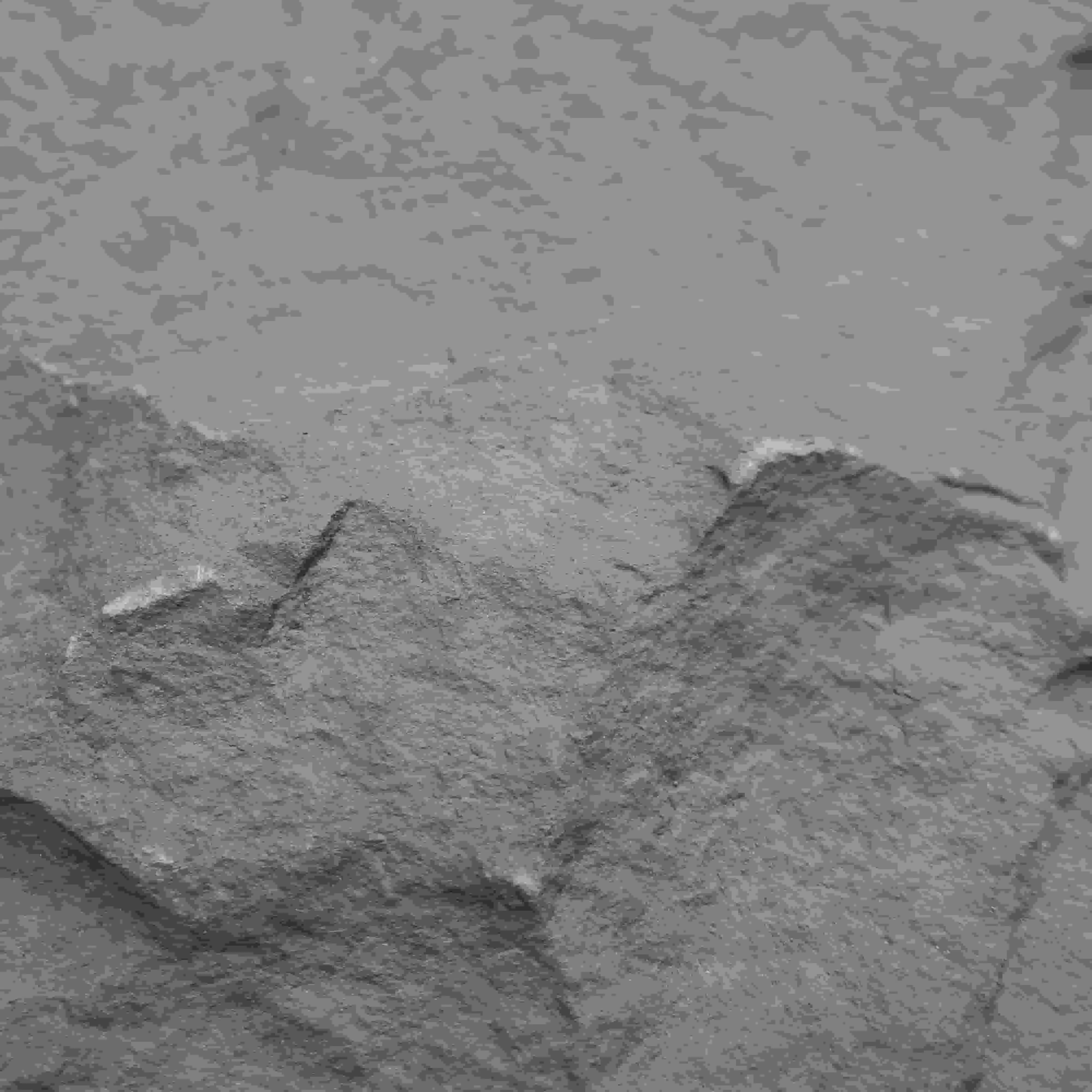
Okay, so it's tough. But let's be honest—if it looked boring, none of that would matter. The best part about Crossare Mushroom Stone043? It's as versatile as it is durable, making it a playground for creative architects.
Let's start with that texture again. The mushroom stone pattern isn't just a one-trick pony. Depending on the angle of the light, it shifts—warm and inviting in the morning sun, moody and dramatic at dusk. It adds depth to a facade, breaking up the monotony of flat surfaces. Imagine a hotel lobby with a Crossare Mushroom Stone043 accent wall; guests would want to reach out and touch it, to feel the ridges under their fingertips. That's the kind of sensory experience that makes a building memorable.
Then there's color. While the "mushroom" name might evoke earthy browns, the options are surprisingly wide. Want something that blends into a natural landscape? Go with soft beiges or mossy greens. Trying to make a bold statement for a tech startup? There are deeper grays and even subtle metallic undertones that add a modern edge. And because it's part of the MCM big slab board series, you can get panels up to 4 feet by 8 feet—meaning fewer seams, cleaner lines, and a more cohesive look for larger facades. No more choppy, brick-like patterns unless you want them; the choice is yours.
But the real magic is in how it plays with other materials. Pair it with floor-to-ceiling glass for a contrast of organic and modern. Mix it with metal accents for an industrial-chic vibe. Even combine it with other MCM products, like MCM flexible stone in a smooth finish, to create a facade that's dynamic and layered. It's not a material that demands all the attention—it's happy to complement, enhance, and elevate the other elements of your design.
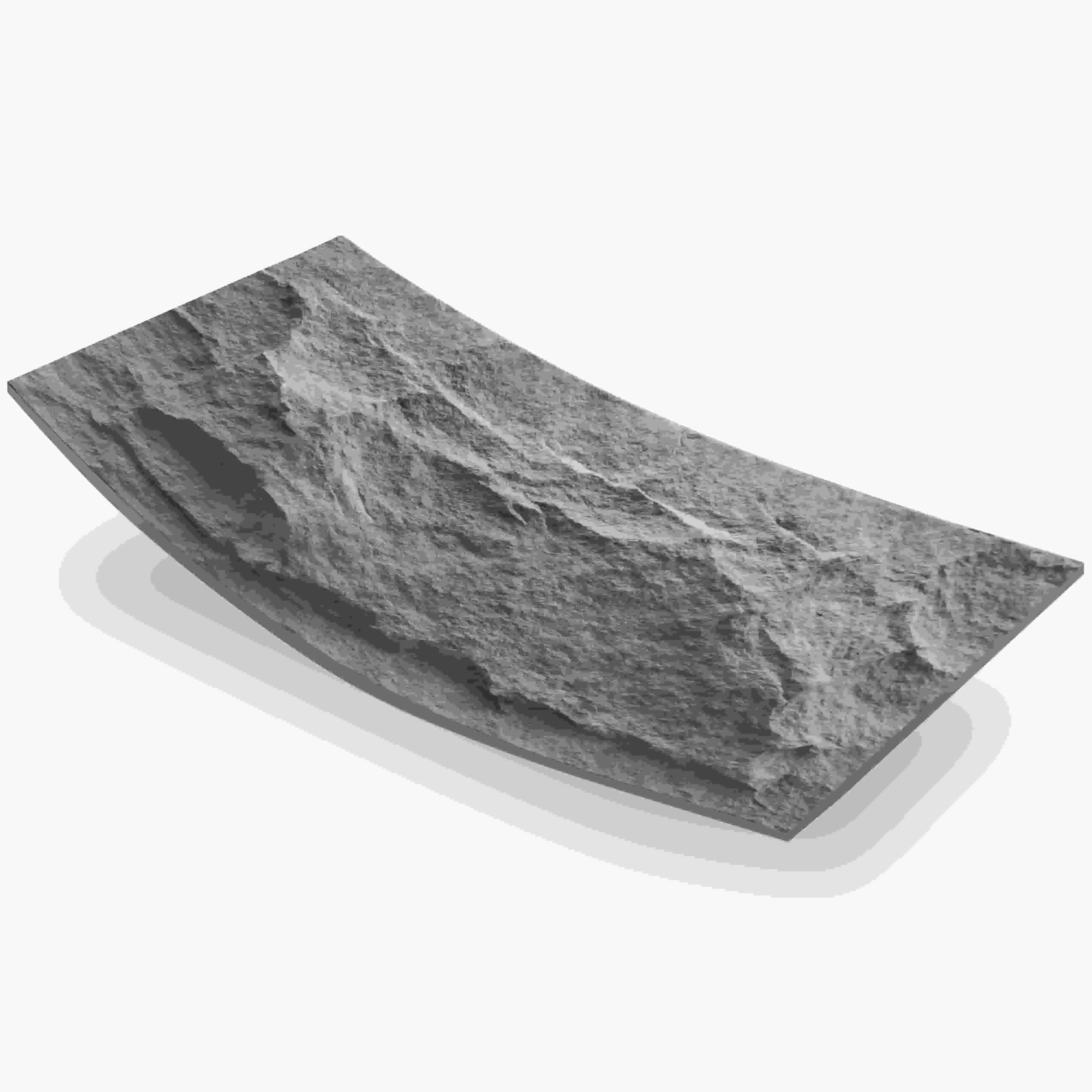
These days, "green building" isn't just a buzzword—it's a responsibility. Developers and architects are under more pressure than ever to reduce their projects' carbon footprints, and the facade is a big part of that equation. Crossare Mushroom Stone043 checks this box, too, and here's how:
First, the manufacturing process. Unlike traditional stone, which requires heavy mining and cutting (not to mention the energy used to transport massive slabs), MCM materials like Crossare Mushroom Stone043 are made with a blend of recycled natural minerals (think crushed stone, sand) and plant-based polymers. This reduces the need for virgin resources and cuts down on waste. Plus, the production facilities are designed to minimize energy use and emissions—no more giant kilns belching smoke here.
Then there's the weight factor. Remember how we mentioned it's up to 70% lighter than natural stone? That lightweight nature has a ripple effect on sustainability. Heavier materials require more fuel to transport, more structural support (meaning more concrete and steel in the building's frame), and more labor to install. Crossare Mushroom Stone043 slashes all of that. A study by the MCM Association found that using lightweight cladding can reduce a building's overall carbon footprint by up to 15% compared to traditional stone facades. That's a big number for a material that's still relatively new to the scene.
And let's not forget longevity. The longer a facade lasts, the fewer times you'll need to replace it—and the less waste ends up in landfills. Crossare Mushroom Stone043's resistance to fading, cracking, and staining means it could easily outlive the first generation of tenants in your building, keeping that environmental impact low for decades.
Anyone who's worked in construction knows that time is money. Delays in installation can throw off entire project timelines, and labor costs can eat into budgets faster than you can say "change order." That's another area where Crossare Mushroom Stone043 shines: it's designed to be installer-friendly.
Let's start with the obvious: it's lightweight. A standard 4x8 panel weighs in at around 15 pounds—compare that to a slab of natural travertine (starry green), which could weigh 50 pounds or more. That means two workers can carry and install panels without heavy machinery, reducing the need for cranes or forklifts on-site. It also makes it easier to work on higher floors, where maneuvering heavy materials is a logistical nightmare.
The installation process itself is straightforward, too. The panels come with a simple interlocking system or adhesive backing, depending on the application. Unlike fair-faced concrete, which requires formwork, curing time, and careful finishing, Crossare Mushroom Stone043 can be applied directly to a prepared substrate. For a typical commercial facade, a crew could cover 500 square feet in a day—meaning a project that might take weeks with traditional stone could be wrapped up in days with MCM.
And let's not overlook retrofits. Many older buildings weren't designed to support the weight of heavy stone facades. Crossare Mushroom Stone043's lightweight nature makes it a viable option for updating historic structures or adding a fresh look to aging commercial properties without reinforcing the entire structure. That's a game-changer for developers looking to breathe new life into existing real estate.
Still on the fence? Let's put Crossare Mushroom Stone043 head-to-head with two popular facade materials: fair-faced concrete and travertine (starry green). We'll break it down by key factors that matter most to developers and architects.
| Factor | Crossare Mushroom Stone043 | Fair-Faced Concrete | Travertine (Starry Green) |
|---|---|---|---|
| Weight (per sq ft) | ~1.5 lbs | ~15 lbs | ~5 lbs |
| Durability (Resistance to Weather/Impact) | High (UV-resistant, non-porous, impact-resistant) | Medium (prone to cracking, stains if not sealed) | Medium-Low (porous, prone to etching from acids) |
| Design Flexibility | High (textured, customizable colors, large slabs, curved applications) | Low (limited texture, mostly uniform gray) | Medium (natural patterns, but limited color options) |
| Installation Time (1000 sq ft) | 2-3 days | 1-2 weeks (including curing) | 1 week (heavy, requires careful handling) |
| Sustainability | High (recycled materials, low carbon footprint, long lifespan) | Medium (high embodied energy in production, durable but heavy) | Low (quarrying impacts, heavy transportation, short lifespan without sealing) |
| Maintenance Needs | Low (occasional washing, no sealing) | Medium (periodic sealing to prevent staining) | High (regular sealing, prone to scratches/stains) |
As you can see, Crossare Mushroom Stone043 holds its own—and then some—across the board. It's lighter than both, more durable than travertine, more flexible than concrete, and easier to install than either. For developers looking to maximize both aesthetics and practicality, that's a winning combination.
Numbers and specs are great, but nothing beats seeing a material in action. Let's take a look at a few real-world projects where Crossare Mushroom Stone043 has made a difference:
The Urban Hive, Chicago: A mixed-use development in the heart of the city, The Urban Hive needed a facade that would stand out among the glass towers but still feel approachable. The architects chose Crossare Mushroom Stone043 in a warm taupe shade, pairing it with floor-to-ceiling windows and black metal accents. The result? A building that feels both modern and grounded, with the mushroom texture adding depth that catches the eye from blocks away. Five years after completion, the facade still looks brand-new, even with Chicago's harsh winters.
Sage & Co. Tech Campus, Austin: For a tech company aiming to blend innovation with a connection to nature, Crossare Mushroom Stone043 was the perfect fit. The campus uses large slabs of the material in a soft gray-green hue, mimicking the look of weathered stone without the weight. The lightweight panels made it possible to cantilever parts of the facade, creating dramatic overhangs that provide shade and reduce energy costs. Employees often comment on how the texture makes the building feel "alive," like it's growing out of the Texas landscape.
Harbor View Hotel, Miami: Coastal properties face unique challenges—saltwater, humidity, and relentless sun. The Harbor View Hotel needed a facade that could handle all three while maintaining a luxurious look. They opted for Crossare Mushroom Stone043 in a sandy beige, with custom color-matching to complement the ocean views. Three hurricane seasons later, there's not a crack or fade in sight, and guests love the tactile, beachy vibe the texture brings to the lobby and exterior spaces.
Let's talk money. At first glance, Crossare Mushroom Stone043 might seem pricier than basic materials like vinyl siding or even fair-faced concrete. But here's the thing: you have to look at the big picture. Initial cost is just one piece of the puzzle; long-term savings on maintenance, installation, and energy can make it a smarter investment.
Let's break it down. On average, Crossare Mushroom Stone043 costs around $25-$35 per square foot, including materials and installation. Compare that to natural travertine (starry green), which can run $40-$60 per square foot once you factor in the heavier panels, specialized labor, and sealing. Fair-faced concrete might start lower, around $20-$30 per square foot, but you'll pay more in maintenance over time—resurfacing, sealing, and repairs that add up fast.
Then there's the value it adds to the property. A building with a striking, durable facade is more attractive to tenants, customers, and investors. Higher occupancy rates, premium rent prices, and better resale value can all offset that initial cost. Think of it as marketing: your facade is the first thing people see, and in competitive markets, that curb appeal can be the difference between a fully leased building and one that sits empty.
At the end of the day, choosing a commercial facade material is about balancing priorities: beauty, durability, sustainability, cost, and practicality. Crossare Mushroom Stone043 doesn't just check one or two of those boxes—it checks all of them. It's a material born from innovation, designed to solve the real-world problems architects and developers face every day.
Whether you're building a new retail space, updating an office tower, or restoring a historic property, it offers something rare: the warmth and texture of natural stone, the strength and flexibility of modern composites, and the sustainability that today's market demands. It's not just a building material—it's a way to tell a story with your facade, to create a space that feels memorable, durable, and uniquely yours.
So the next time you're standing in front of a blank canvas (or a tired old facade), ask yourself: What kind of first impression do I want to make? Crossare Mushroom Stone043 just might be the answer.
Recommend Products












