The Curved Surface Challenge: A Designer's Dilemma
Let's start with a scenario we've all heard (or lived through): A client walks into your office, eyes lighting up, and says, "I want the lobby to feel like a wave—soft, flowing, no sharp edges." You nod, sketching curved lines on your tablet, but inside, a tiny voice whispers, "How do we make that happen without turning it into a logistical nightmare?" Curved surfaces are the darlings of modern design—they add warmth, movement, and a touch of the organic to spaces that might otherwise feel cold or rigid. But anyone who's tried to clad a curved wall, ceiling, or furniture piece knows the struggle: most building materials are stubbornly straight. Solid wood panels crack when bent, stone slabs are too heavy to maneuver, and metal sheets lack the texture that makes a space feel alive. It's enough to make even the most creative designer sigh and reach for the tape measure, wondering if "close enough" is the best they can do.
That's where flexible materials step in—but not all flexibles are created equal. Over the years, I've worked with everything from thin vinyl wraps (too flimsy) to
foamed aluminium alloy board (vintage silver)
(stunning, but pricey and industrial for residential projects). None quite hit the sweet spot of flexibility, durability, and aesthetic charm—until I stumbled onto flexible
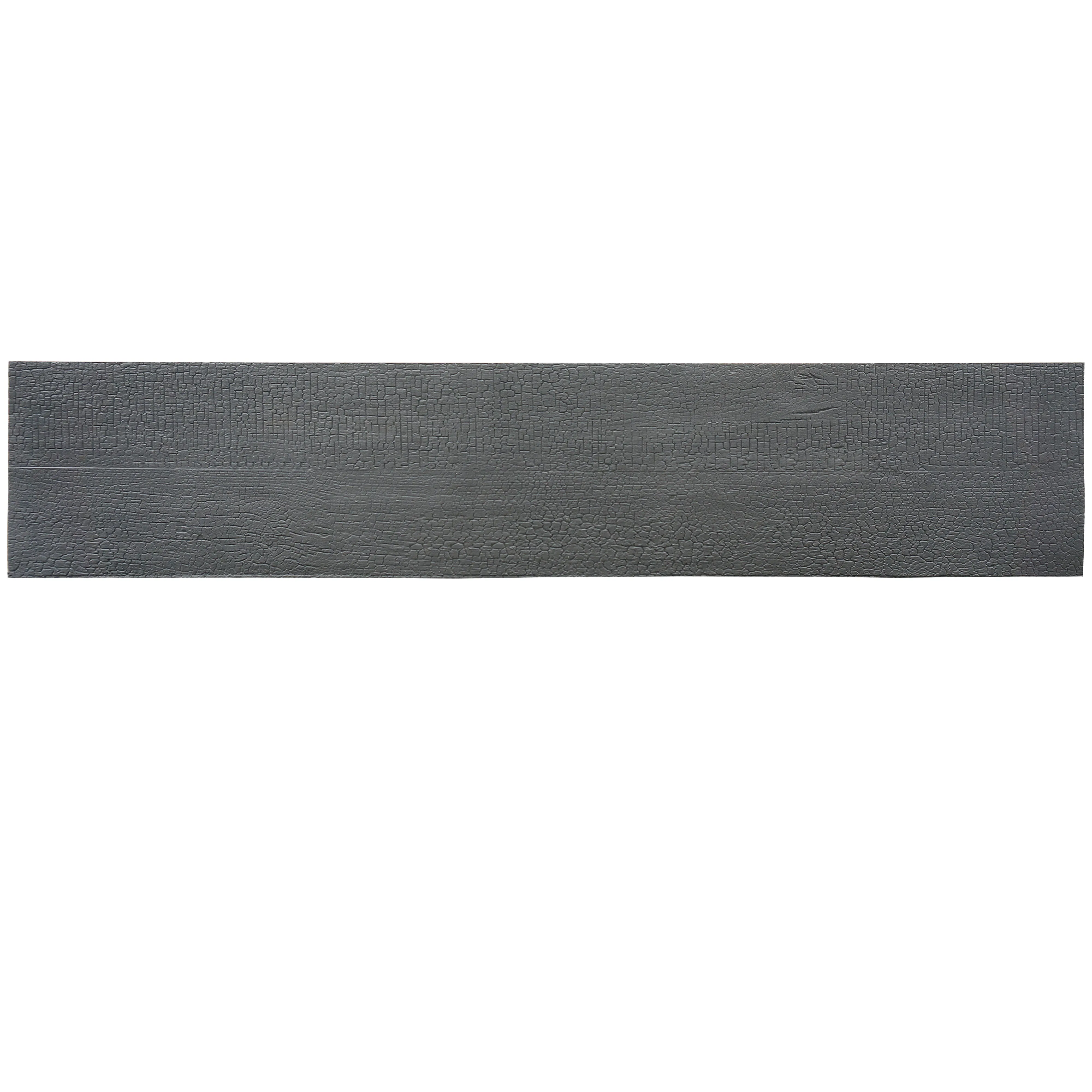
charcoal burnt wood board. It's not just a material; it's a solution to that age-old curved surface conundrum. Let's dive into why this unassuming product is becoming a go-to for designers and builders alike.
First things first: Let's demystify the name. "
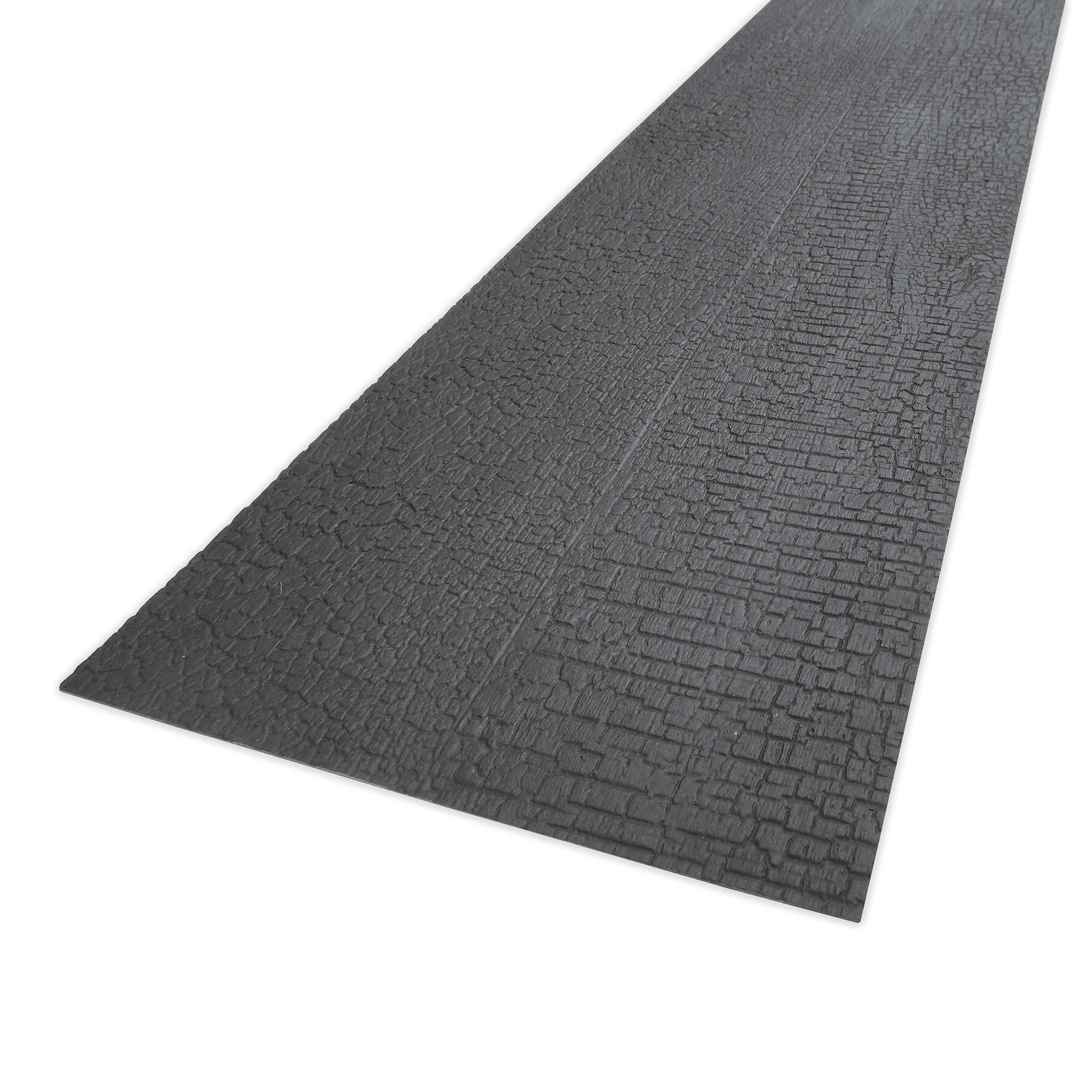
Charcoal burnt wood board" sounds like something you'd find in a rustic cabin, but this isn't your grandma's firewood. Think of it as traditional wood craftsmanship meets modern engineering. The base is real wood—usually sustainably sourced pine or cedar—treated with a controlled charring process (similar to the Japanese
shou sugi ban
technique, which has been used for centuries to preserve wood). But instead of leaving it as a rigid plank, manufacturers bond the charred wood layer to a flexible, lightweight backing—often a modified composite material that's thin but surprisingly strong. The result? A panel that bends without breaking, weighs a fraction of solid wood, and retains that rich, smoky texture that makes burnt wood so visually striking.
You might be thinking, "Wait, isn't that similar to
MCM flexible stone
?" Great question. MCM (Modified Composite Material) flexible stone is another fantastic flexible option, but it's designed to mimic stone textures—think marble, granite, or slate.
Charcoal burnt wood board, on the other hand, leans into the warmth of wood. It's for projects where you want the organic feel of timber but need the adaptability of a composite. And unlike
wood grain board
(which often looks flat or printed), the charring process gives each panel unique depth—swirls of black, amber, and ash that catch the light and feel almost three-dimensional. It's wood, but better.
5 Reasons It's a Game-Changer for Curved Surfaces
1. Flexibility That Actually Delivers
Let's cut to the chase: The number one reason to choose this board for curves is right there in the name—
flexible
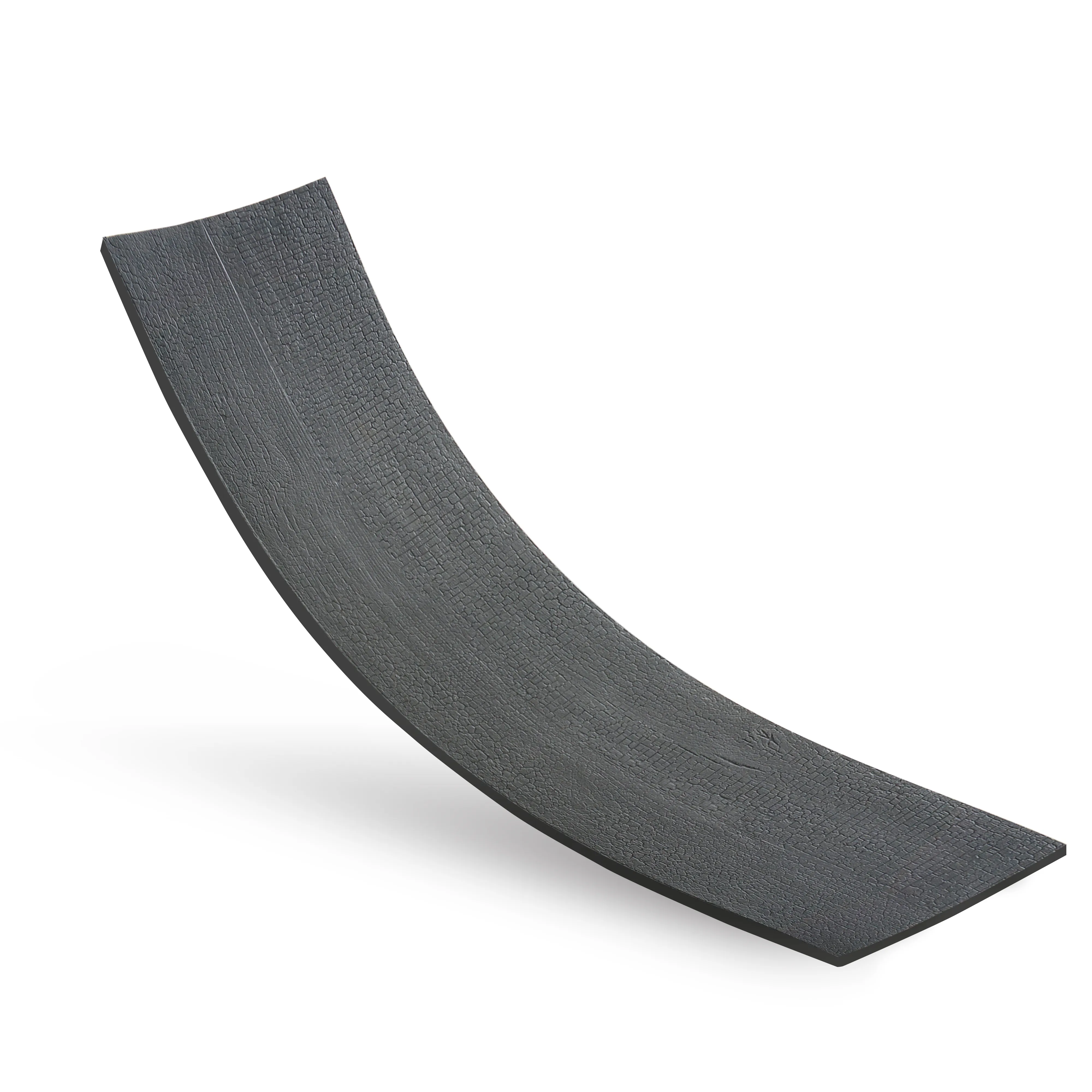
. I've tested panels that claim to "bend" but crack at a 20-degree angle. Not this stuff. Most flexible charcoal burnt wood boards can handle a bend radius as tight as 30cm (that's just over a foot) without so much as a hairline fracture. How? The charred wood layer is thin—usually 2-3mm—so it has room to flex, while the composite backing acts like a supportive friend, keeping it stable without restricting movement. On a recent project, we wrapped a circular bar with a 1.2m diameter, and the panels curved so smoothly, the client thought we'd custom-milled solid wood (spoiler: we didn't—this was faster, cheaper, and stress-free).
2. Durability That Outlasts the Hype
"Flexible" sometimes gets a bad rap—people assume it means "flimsy." But this board is tough. The charring process isn't just for looks; it's a natural preservative. Burnt wood is inherently resistant to moisture, pests, and rot (hello, no more worrying about mold in humid bathrooms!). Add the composite backing, which is often treated to be fire-retardant and scratch-resistant, and you've got a material that can handle high-traffic areas like hotel lobbies or restaurant walls. I once visited a café that installed it on their curved outdoor patio three years ago—it's weathered rain, sun, and the occasional spilled latte, and it still looks as rich and textured as the day it went up. Compare that to
rough granite stone (medium grey)
, which, while durable, would have required heavy machinery to install and would've cracked if we'd tried to curve it.
3. Aesthetic Appeal That Tells a Story
Let's talk about the elephant in the room: It's stunning. Charred wood has a primal, almost mystical quality—think campfires, ancient temples, the quiet beauty of a forest after a controlled burn. The texture ranges from subtle, ash-like gradients to bold, deep charred lines that look like they were painted by nature itself. And because each panel is hand-charred (yes, really—many manufacturers still do this manually), no two pieces are identical. That means your curved surface won't feel mass-produced; it'll feel like a one-of-a-kind art piece. I worked with an interior designer who used it on a curved accent wall in a boutique hotel suite, pairing it with warm lighting. Guests kept asking if it was a custom sculpture. Spoiler again: It was just the board, doing what it does best—turning a simple curve into a conversation starter.
4. Lightweight = Easier Installation (and Happier Contractors)
Here's a practical win: It's light. Traditional wood panels or stone slabs can weigh 15-20kg per square meter; flexible
charcoal burnt wood board clocks in at around 5-7kg. That might not sound like a big deal until you're hoisting panels onto a curved ceiling 10m up. On one project, our crew installed 40 square meters of curved wall in a single day—no cranes, no strained backs, just a few ladders and some adhesive. Compare that to
foamed aluminium alloy board (vintage silver)
, which, while lightweight, requires specialized tools to cut and bend (and let's not forget the price tag—aluminium ain't cheap). This board is DIY-friendly enough for a skilled homeowner but professional-grade enough for commercial jobs. Win-win.
5. Sustainability That Checks the Boxes
In 2025, "green" isn't a trend—it's a requirement. Clients ask about sustainability before they ask about cost, and for good reason. Flexible
charcoal burnt wood board delivers here, too. Most manufacturers use FSC-certified wood (so you're not contributing to deforestation), and the charring process uses minimal energy compared to, say, manufacturing ceramic tiles. The composite backing often includes recycled materials, and because the panels are lightweight, transporting them reduces carbon emissions. It's not just eco-friendly; it's a selling point. One developer I worked with even used it in their marketing materials: "Curved design, straight conscience."
How It Stacks Up: A Quick Comparison
Still not convinced? Let's put it head-to-head with other popular materials for curved surfaces. Here's a breakdown based on real-world use cases:
|
Material
|
Flexibility (1-5)
|
Weight (kg/sq m)
|
Cost (Low-Medium-High)
|
Aesthetic
|
Best For
|
|
Flexible Charcoal Burnt Wood Board
|
5
|
5-7
|
Medium
|
Warm, textured, organic wood look
|
Residential accent walls, commercial lobbies, curved furniture
|
|
MCM Flexible Stone
|
4
|
6-8
|
Medium-High
|
Modern, sleek stone texture
|
High-end retail, minimalist interiors
|
|
Foamed Aluminium Alloy (Vintage Silver)
|
3
|
4-6
|
High
|
Industrial, metallic, contemporary
|
Art installations, commercial exteriors
|
|
Wood Grain Board
|
2
|
8-10
|
Low-Medium
|
Flat, printed wood pattern (less depth)
|
Budget-friendly straight surfaces
|
|
Rough Granite Stone (Medium Grey)
|
1
|
20-25
|
High
|
Durable, natural stone texture
|
Static, straight walls (no curves!)
|
As you can see, flexible
charcoal burnt wood board leads the pack in flexibility and balances cost, weight, and aesthetics better than most. It's not that the other materials are bad—they just aren't designed with curves in mind.
MCM flexible stone
is great if you want a stone look, but it lacks the warmth of wood.
Rough granite stone (medium grey)
is a workhorse, but trying to bend it is like trying to fold a brick. This board? It's the Goldilocks of curved cladding: just right.
Real-World Wins: Where It Shines
Let's get specific. Where does this board actually make a difference? Here are a few projects that stand out:
Residential: The Curved Headboard That Became a Focal Point
A client in Portland wanted their master bedroom to feel like a "cozy cave"—think soft lighting, plush textiles, and a curved headboard wall. We used 120cm-wide panels of
charcoal burnt wood board, curving them from floor to ceiling (a radius of 1.8m). The result? A wall that looks like it's wrapped in smoked driftwood, with shadows that shift as the sun sets. The client said, "I never want to leave bed." (Mission accomplished.)
Commercial: The Restaurant with a "River" Ceiling
A sushi restaurant in Chicago wanted to evoke the flow of a river through their dining room. We installed curved panels on the ceiling, running the length of the space, with LED strips hidden behind to mimic water. The flexibility of the board let us create gentle waves (some sections bent more than others), and the charred texture added depth—like sunlight filtering through water onto river rocks. Diners now take photos of the ceiling before they even look at the menu.
Retail: The Boutique with a Curved Fitting Room
Fitting rooms are often afterthoughts—small, square, and unflattering. A clothing boutique owner in Austin wanted hers to feel luxurious, so we wrapped the curved walls in
charcoal burnt wood board. The warm tones make skin look healthier (hello, better try-on experiences!), and the flexibility meant we could tuck storage niches into the curves without breaking the flow. Sales associates report customers spending more time in the fitting rooms—and buying more clothes. Coincidence? I think not.
Installation Tips: Making Curves Look Effortless
So you're sold—now what? Installing flexible
charcoal burnt wood board is straightforward, but a few tips will make the process even smoother:
Acclimate the panels first:
Like all wood products, they absorb moisture. Let them sit in the space for 48 hours before installing to prevent warping later.
Use the right adhesive:
Go for a high-strength, flexible construction adhesive (we swear by polyurethane-based ones). Avoid rigid glues—they'll fight against the board's bend.
Cut with a fine-tooth saw:
A jigsaw or circular saw with a blade for wood/composites works best. The charred layer can be dusty, so wear a mask!
Start from the middle:
When wrapping a curve, begin at the center point and work outward. This keeps the panel aligned and prevents wrinkles.
Seal the edges:
For outdoor use, seal the cut edges with a clear, flexible sealant to lock out moisture. Indoors? It's optional, but adds extra longevity.
The Verdict: Curves Deserve Better Than "Close Enough"
Curved surfaces shouldn't be a hassle. They should be fun—an opportunity to create something unexpected and beautiful. Flexible
charcoal burnt wood board isn't just a material; it's a tool that lets designers stop compromising and start creating. It's flexible without being fragile, durable without being heavy, and beautiful without being unsustainable. And in a world where clients crave uniqueness, it's a way to deliver "wow" moments without blowing the budget.
So the next time a client says, "I want curves," don't sigh. Smile. Because now, you've got a solution that turns "impossible" into "I'll have that done by Friday." And isn't that why we got into design in the first place? To make the visionary, visible.