
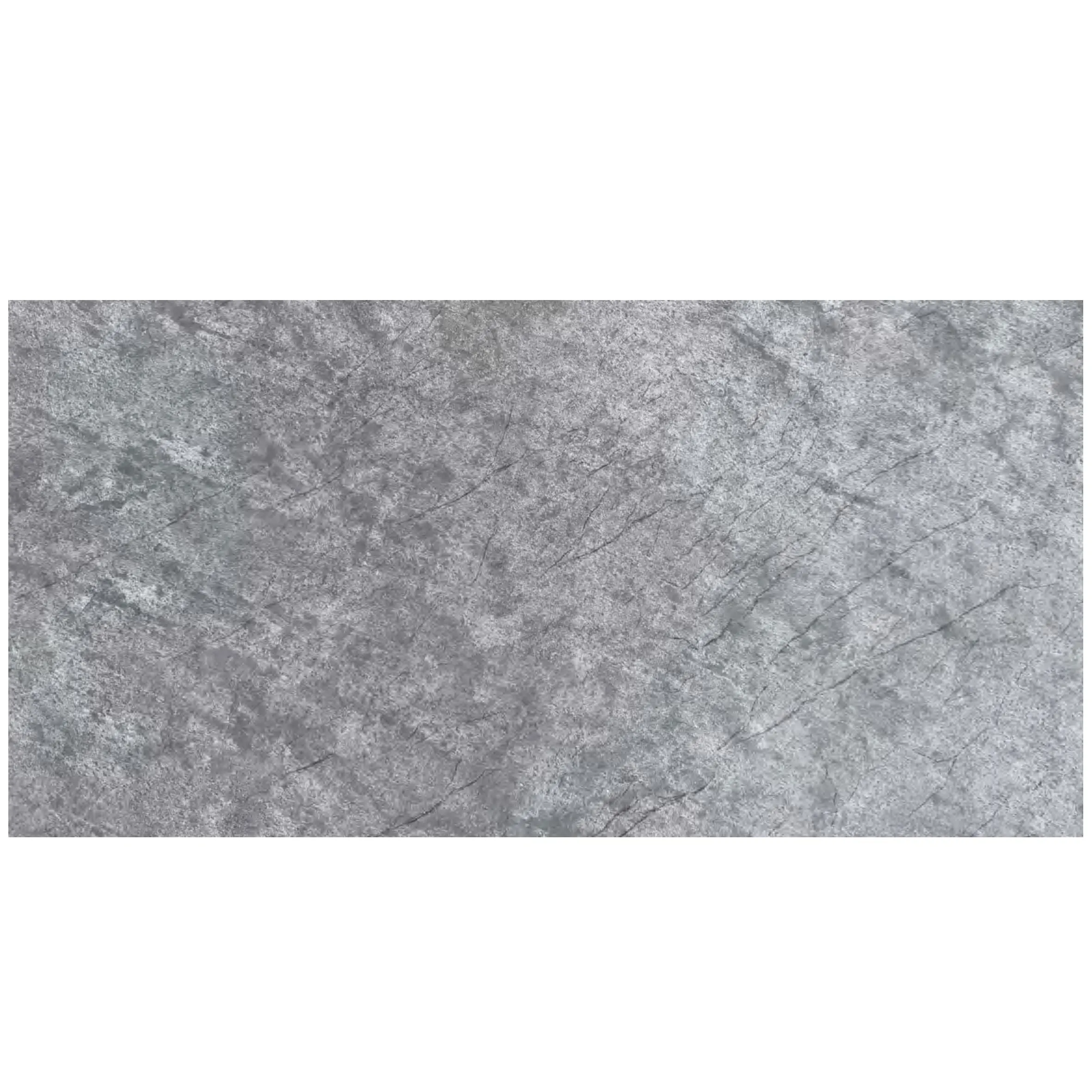
Walk down any street in a bustling city today, and you'll notice a quiet revolution happening on building facades. Architects and developers are no longer settling for generic, one-size-fits-all cladding. They're seeking materials that do more than just cover walls—materials that tell a story, stand the test of time, and align with the values of sustainability and innovation. Enter Glacial Slate: a natural stone that's quickly becoming the darling of modern architecture. But what makes it so special? Why are more and more projects swapping traditional options for this rugged yet refined material? Let's pull back the curtain and explore why Glacial Slate might just be the exterior cladding solution you've been searching for.
Before we dive into its benefits, let's get to know Glacial Slate a little better. Unlike man-made composites or even some natural stones, Glacial Slate has a backstory written in ice and time. Formed over millions of years by the slow compression of sediment under glacial activity, this stone carries the marks of its origins: subtle layers, unique mineral deposits, and a texture that feels both ancient and contemporary. Quarried from select regions where glacial movements once shaped the landscape, each slab of Glacial Slate is one-of-a-kind—no two pieces are identical, giving buildings a distinct, organic character that's impossible to replicate with synthetic materials.
But don't let its natural origins fool you into thinking it's "just another stone." Modern extraction and processing techniques have refined Glacial Slate into a versatile material that balances raw natural beauty with the practical demands of 21st-century construction. It's available in various thicknesses, finishes (from rough-hewn to subtly polished), and sizes, making it adaptable to everything from high-rise towers to boutique homes.
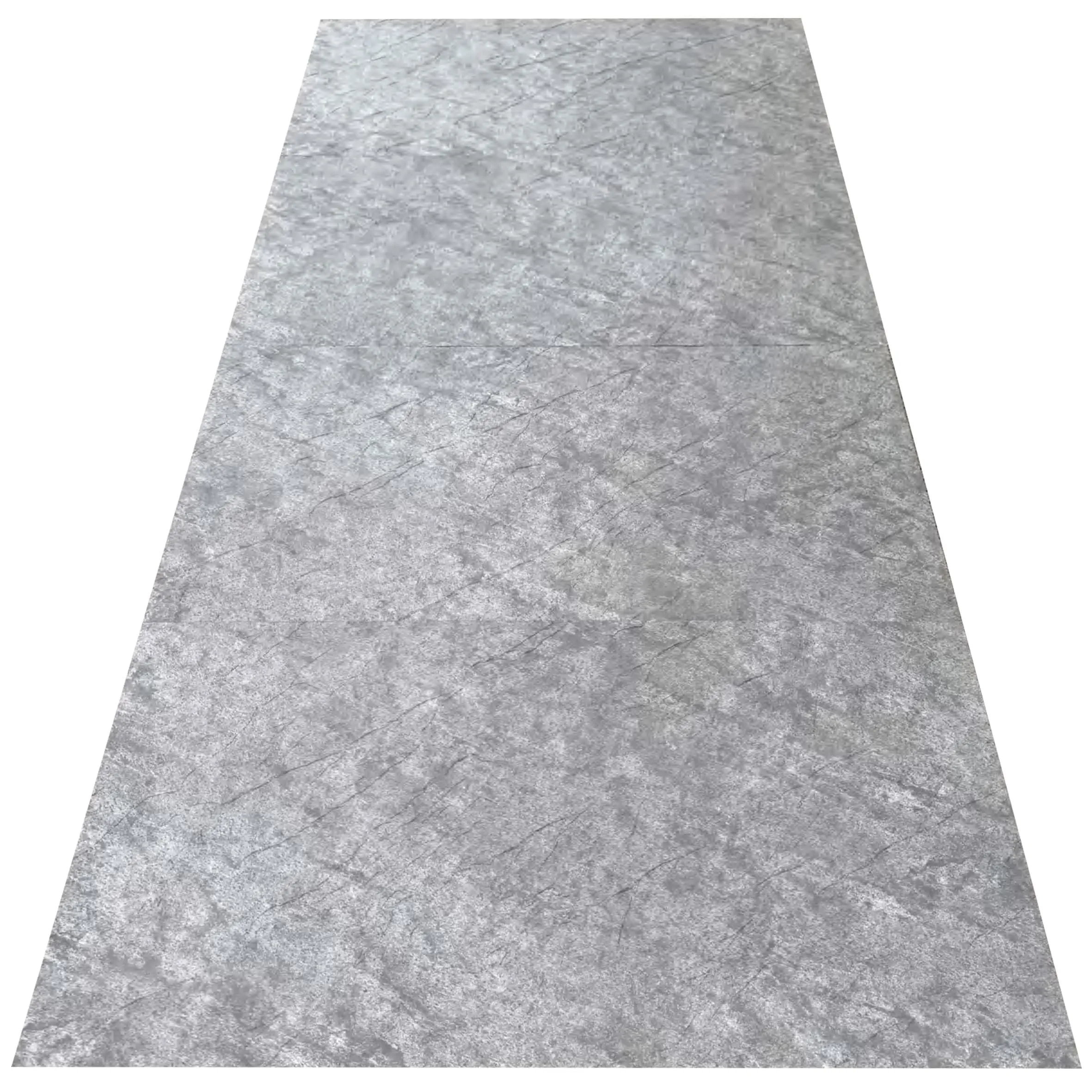
Let's start with the basics: a building's exterior cladding needs to protect what's inside, come rain, snow, wind, or shine. Glacial Slate doesn't just meet this requirement—it exceeds it. Thanks to its dense, layered structure, formed under extreme pressure, it's highly resistant to weathering. Think about it: this stone was shaped by glaciers, so a little frost, heavy rain, or intense sunlight is hardly a challenge. It won't crack under freeze-thaw cycles, fade from UV exposure, or erode from salt spray in coastal areas. In fact, buildings clad in natural slate (a close cousin) have been standing for centuries—some dating back to medieval Europe. Glacial Slate, with its modern processing, is built to last just as long, if not longer.
Compare that to materials like vinyl siding, which might need replacement every 15–20 years, or even fiber cement, which can crack if not installed perfectly. Glacial Slate is a set-it-and-forget-it solution. Once installed, it requires minimal maintenance—no repainting, no sealing every few years, just an occasional wash to keep its luster. For developers and building owners, that translates to long-term savings on upkeep and replacement costs. It's not just an investment in aesthetics; it's an investment in peace of mind.
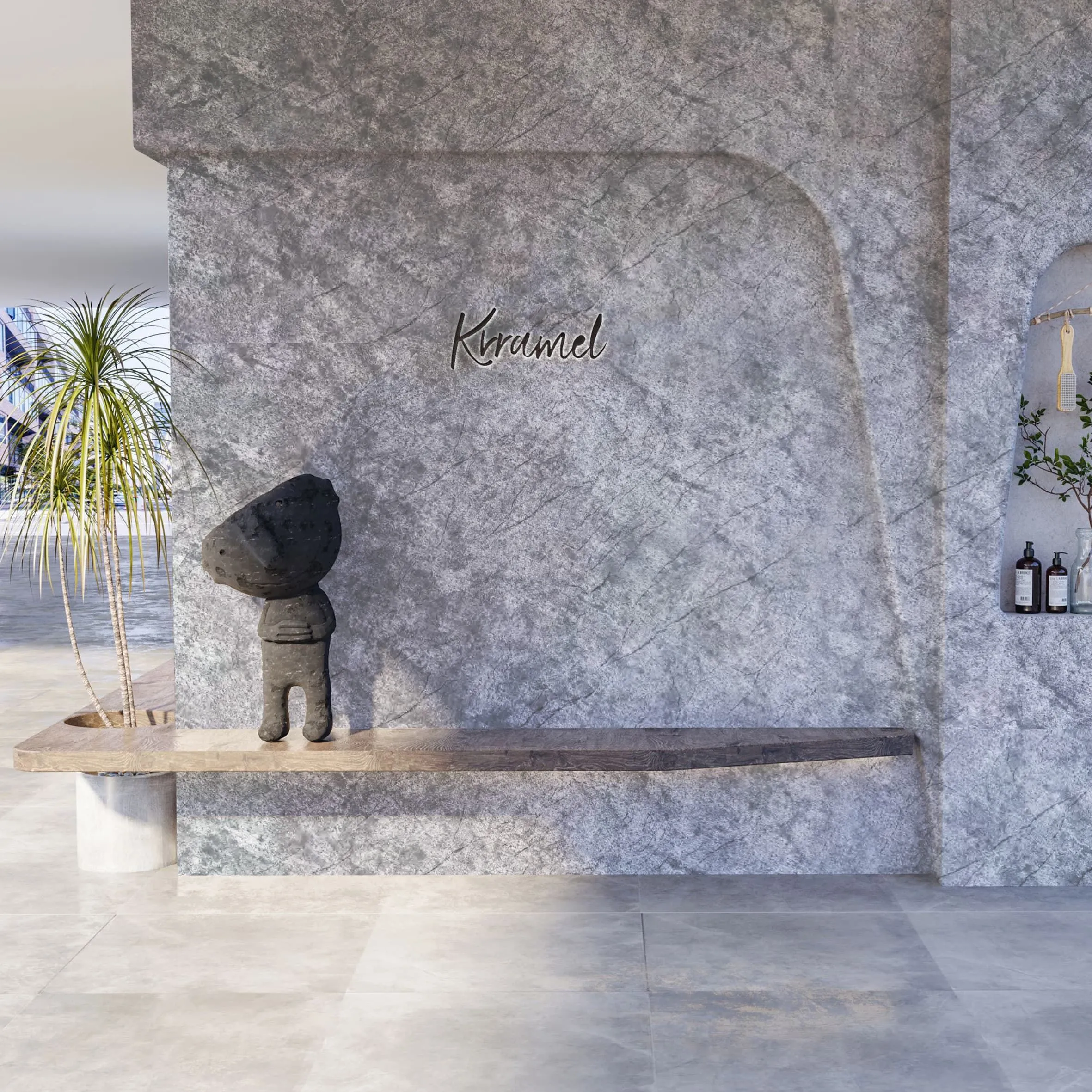
In architecture, first impressions matter. A building's facade is its public face, and Glacial Slate knows how to make an entrance. What sets it apart aesthetically is its unique blend of ruggedness and elegance. Its color palette ranges from deep, moody grays to soft, silvery blues and even hints of green, depending on the mineral content of the quarry. The texture, too, is a story in itself—some slabs have smooth, flowing layers that mimic frozen rivers, while others feature subtle ridges and grooves, like the marks left by ancient glaciers.
But here's the best part: Glacial Slate ages gracefully. Unlike synthetic materials that look worn and dated after a few years, this stone develops a richer, more characterful patina over time. The colors deepen, the textures become more pronounced, and the facade takes on a lived-in warmth that can't be faked. Imagine a building that looks better in its 20th year than it did on day one—that's the magic of Glacial Slate. It turns a static structure into a dynamic, evolving part of the landscape.
This versatility in appearance also makes it a chameleon in design. Want a minimalist, Scandinavian-inspired home? Opt for smooth, light-gray Glacial Slate with clean lines. Going for an industrial vibe? Choose rough-hewn, dark-gray slabs that complement exposed steel beams. It pairs beautifully with other materials, too—glass, wood, and even modern options like fair-faced concrete. Speaking of which…
In an era where "green building materials" isn't just a buzzword but a requirement for many projects, Glacial Slate checks all the boxes. Let's break it down: it's a natural material, quarried from the earth, with no synthetic additives or harmful chemicals. Unlike plastic-based cladding or even some composite stones, it doesn't release volatile organic compounds (VOCs) into the air. Its extraction process, when done responsibly, has a relatively low environmental impact compared to manufacturing synthetic materials, which often require high energy inputs and produce significant carbon emissions.
What's more, Glacial Slate is 100% recyclable. At the end of a building's life (which, with Glacial Slate, could be a century or more), the stone can be repurposed as aggregate, landscaping material, or even reused in new construction. Contrast that with vinyl siding, which often ends up in landfills, or fiber cement, which can be difficult to recycle. For architects and developers aiming for LEED certification or other green building standards, Glacial Slate is a valuable ally. It's not just sustainable—it's a statement that your project cares about the planet's future.
One of the biggest myths about natural stone cladding is that it's only for "grand" projects—cathedrals, museums, luxury hotels. Glacial Slate shatters that myth. Thanks to modern quarrying and cutting techniques, it's surprisingly versatile. Need a lightweight option for a low-rise apartment building? Thin-cut Glacial Slate panels (as thin as 10mm) are easy to install and reduce structural load. Want a bold, monolithic look for a corporate headquarters? Thick, large-format slabs make a powerful statement. It can be used for entire facades, accent walls, or even details like entryways and column cladding.
Its adaptability extends to architectural styles, too. Love the clean lines of minimalist design? Glacial Slate's uniform yet organic texture adds warmth without clutter. Into the industrial-chic trend? Pair it with metal accents and large windows for an edgy, urban look. Even traditional or rustic designs benefit—its natural, earthy feel complements wood and stone elements seamlessly. Whether you're designing a beachfront villa in Bali or a tech campus in Silicon Valley, Glacial Slate fits.
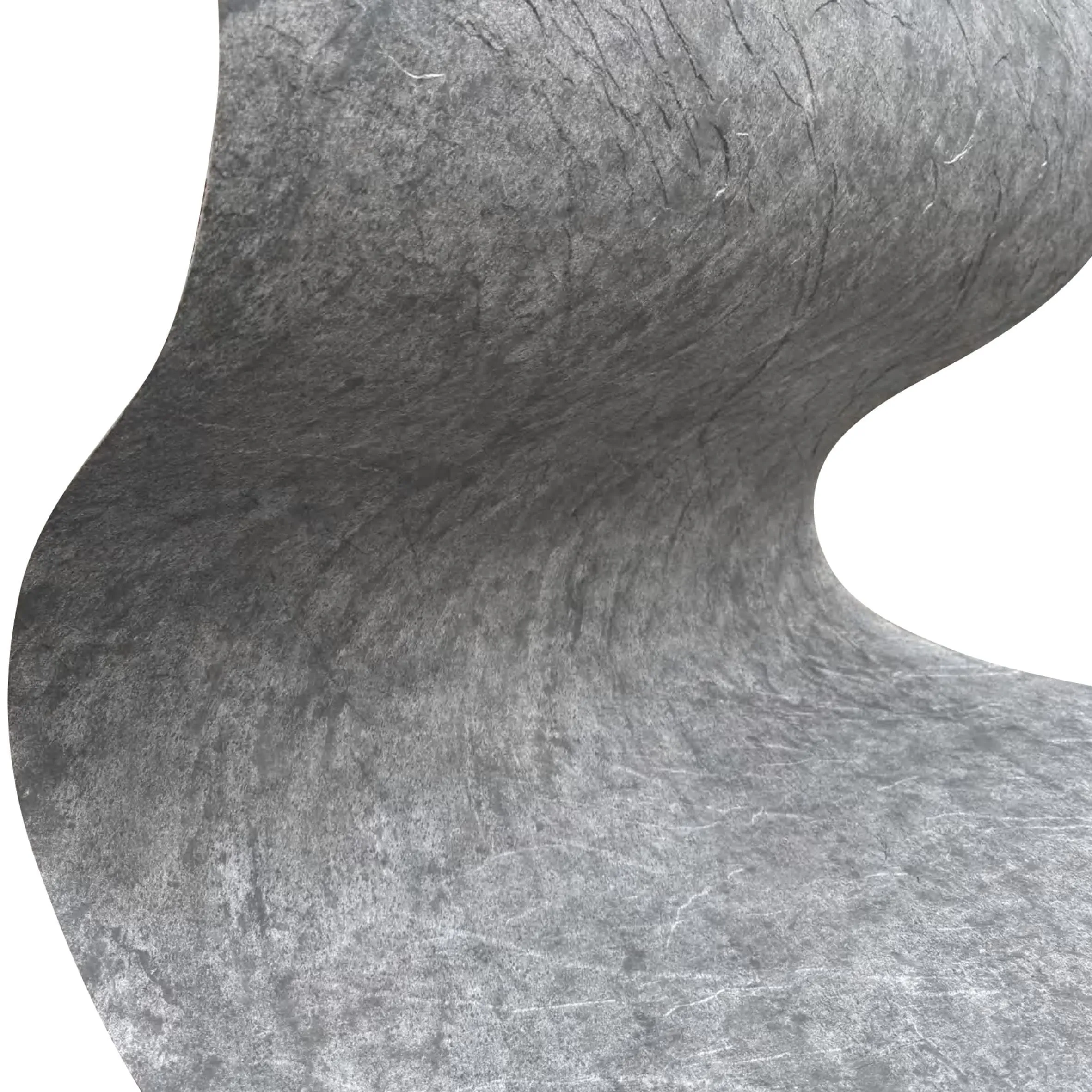
To really understand why Glacial Slate is a top choice, let's compare it to two other popular cladding options: fair-faced concrete and MCM flexible stone. Both have their merits, but Glacial Slate offers a unique combination of benefits that's hard to beat.
| Feature | Glacial Slate | Fair-Faced Concrete | MCM Flexible Stone |
|---|---|---|---|
| Durability | Exceptional (50+ years, minimal maintenance) | Good (30–40 years, prone to cracking if not sealed) | Moderate (20–30 years, may fade in harsh sunlight) |
| Aesthetics | Organic, unique textures; ages gracefully with patina | Raw, industrial look; can appear cold without warmth | Imitates natural stone; less depth than real stone |
| Sustainability | High (natural, recyclable, low embodied energy) | Moderate (cement production is carbon-intensive) | Moderate (synthetic components, some recycling challenges) |
| Installation | Requires skilled labor (heavy, but modern thin-cut options ease handling) | Needs precise formwork; prone to surface defects if not expertly poured | Lightweight, easy to install; adhesive-based |
| Cost (Lifetime Value) | Higher upfront cost, but lowest long-term cost (minimal maintenance) | Moderate upfront cost; higher long-term cost (sealing, repairs) | Lower upfront cost; higher long-term cost (replacement, fading) |
As the table shows, Glacial Slate may have a higher initial price tag, but its durability, minimal maintenance, and timeless appeal make it the most cost-effective choice over the building's lifetime. Fair-faced concrete offers an industrial aesthetic but lacks the warmth and longevity of natural stone. MCM flexible stone is lightweight and affordable but can't match the depth and sustainability of Glacial Slate. For projects where quality, aesthetics, and long-term value are priorities, the choice is clear.
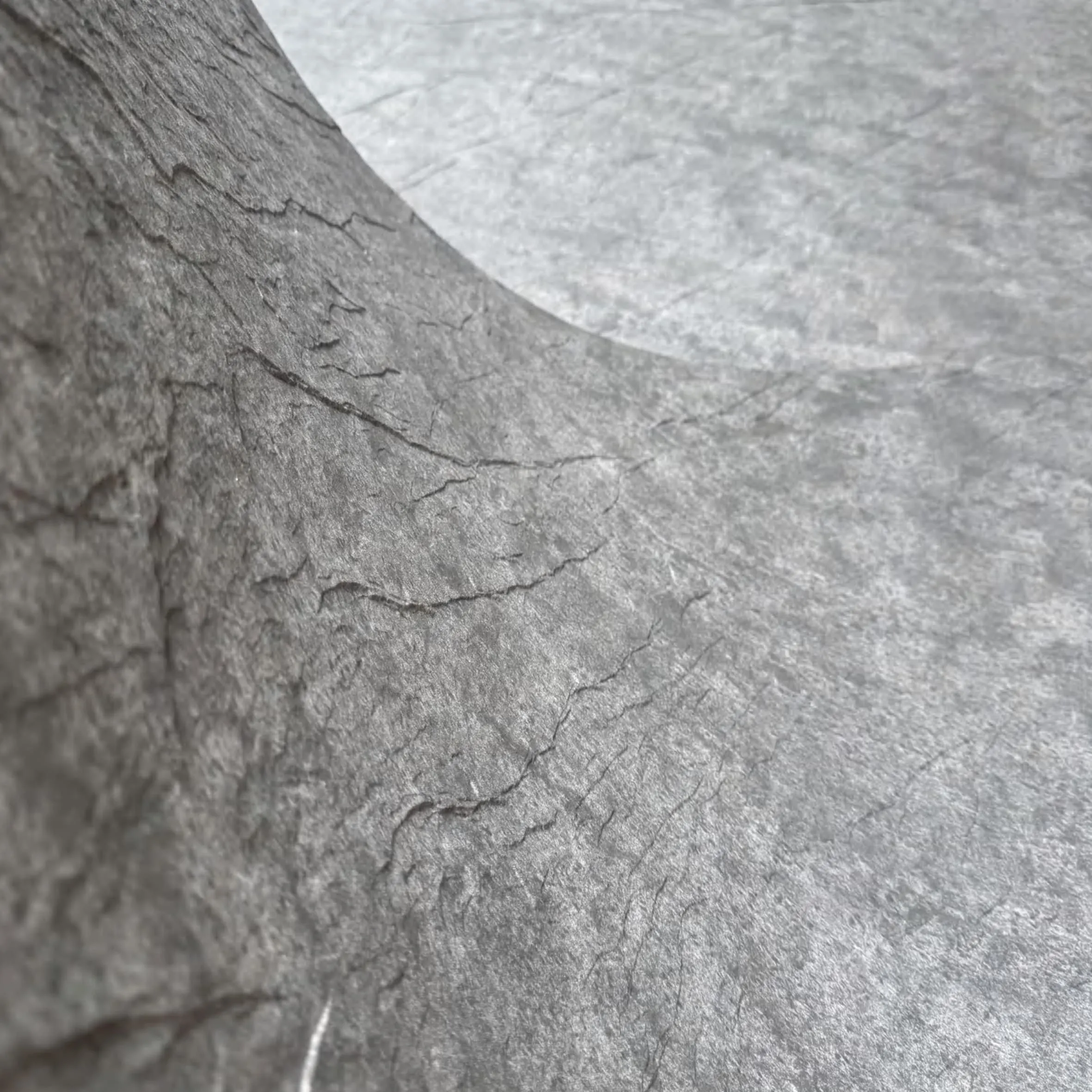
Still not convinced? Let's look at how Glacial Slate is being used in real modern buildings. From residential to commercial, here are a few standout applications:
One notable example is the recently completed "Eco-Tower" in Seattle, a 20-story mixed-use building clad in thin-cut Glacial Slate. The architects wanted a material that aligned with the tower's green building goals (it's LEED Platinum certified) while making a bold design statement. The result? A facade that changes with the light—silvery in the morning, deep gray in the afternoon—with minimal environmental impact. Tenants rave about the building's "warm, natural feel," and the developer reports higher occupancy rates compared to neighboring all-glass towers.
At the end of the day, choosing exterior cladding is about more than picking a material. It's about choosing what your building will stand for—quality, sustainability, beauty, and resilience. Glacial Slate isn't just a trend; it's a timeless choice that bridges the gap between nature and modernity. It's durable enough to protect a building for decades, beautiful enough to make it memorable, and sustainable enough to align with our planet's needs.
So, whether you're an architect designing your next masterpiece, a developer aiming to create a lasting asset, or a homeowner wanting to invest in your property's future, consider Glacial Slate. It's not just cladding—it's a statement. A statement that says you value craftsmanship, nature, and the future. And in a world where buildings are often forgotten as quickly as they're built, that's a legacy worth leaving.
The next time you walk past a building with a facade that makes you stop and stare, take a closer look. Chances are, it might just be Glacial Slate—quietly redefining what exterior cladding can be, one stone at a time.
Recommend Products












