
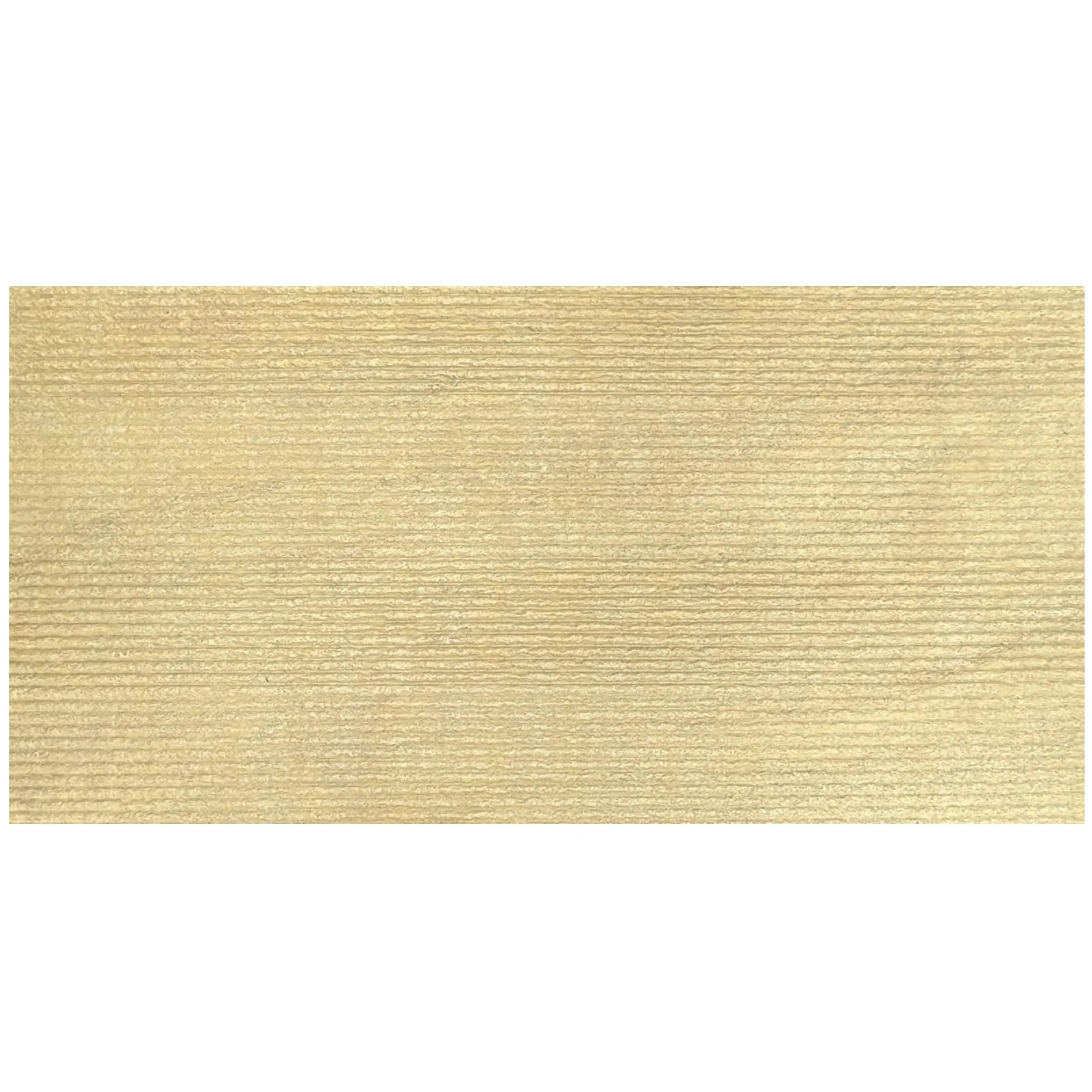
Picture this: You're approaching the entrance of a luxury hotel, the kind that lingers in your memory long after your stay. The air feels different here—calmer, more intentional. As your eyes drift upward, the facade commands attention, not with flashy modernity, but with a quiet confidence. It's a texture that seems to shift with the light: warm golds and soft beiges woven through with flecks of gravel, like a piece of the earth itself was sculpted to welcome you. This isn't just stone; it's a storyteller. And chances are, that storyteller is Gravel Omani Stone. In the world of high-end hospitality, where first impressions are everything, the facade isn't just a wall—it's the hotel's first hello. So why do architects and designers keep returning to Gravel Omani Stone when crafting these pivotal first hellos? Let's step closer, run a hand along its surface (metaphorically, of course), and uncover the magic.
High-end hotels don't just sell rooms—they sell experiences. And few materials set the stage for luxury quite like Gravel Omani Stone. What makes it so special? Start with its color palette: a rich, earthy blend of warm neutrals, from soft sand to deep amber, with tiny gravel inclusions that catch the light like scattered stardust. It's not uniform or sterile; it's alive. Walk past it at dawn, and it glows with a honeyed warmth. At dusk, the gravel flecks sparkle, turning the facade into a canvas for the setting sun. Compare that to the cool, industrial vibe of fair-faced concrete or the bold, almost artificial sheen of foamed aluminium alloy board (vintage gold), and you'll see why Gravel Omani Stone feels more… human. It doesn't demand attention; it invites it.
Then there's the texture. Run your fingers over it (if you could) and you'd feel a gentle roughness, a tactile quality that grounds you. It's the opposite of the sleek, cold surfaces of some modern materials—think marble veil white, which, while elegant, can feel distant. Gravel Omani Stone feels lived-in, like it's been part of the landscape for centuries. That's a powerful feeling for a hotel guest: it says, "This place is rooted in something real." In an era where so much of life feels fleeting, that sense of permanence is a luxury in itself.
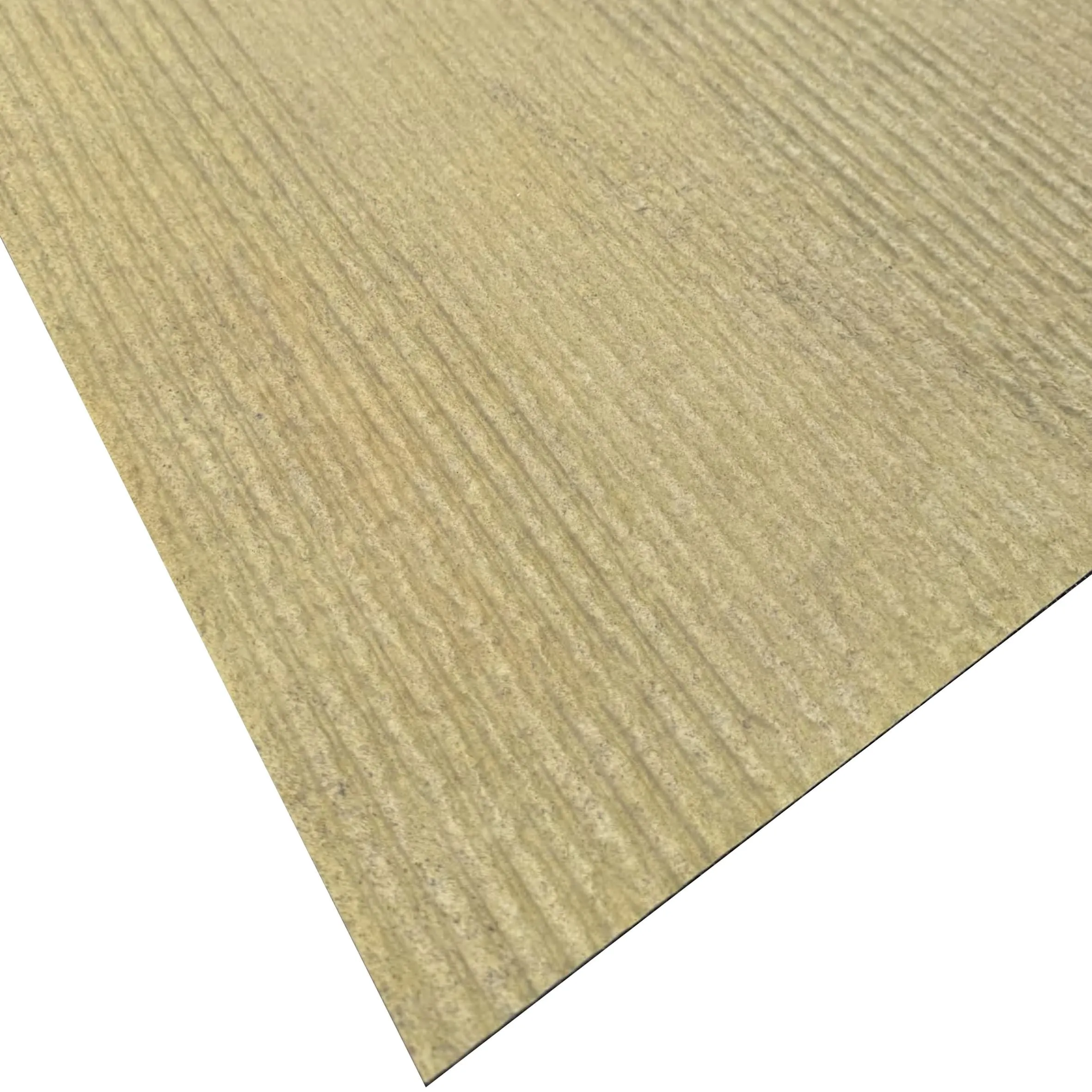
A luxury hotel isn't built for a season—it's built for generations. And Gravel Omani Stone? It's a survivor. Quarried from the rugged landscapes of Oman, where it's been shaped by wind, sand, and time for millennia, this stone is naturally resistant to the elements. Rain, snow, harsh sunlight, salt air—none of these faze it. Unlike materials like travertine (starry green), which can etch or stain if not sealed meticulously, Gravel Omani Stone's dense composition and gravel inclusions make it inherently low-maintenance. It doesn't fade, crack, or lose its luster after a few years of exposure. In fact, it ages like fine wine: the longer it's in place, the more character it gains, developing a subtle patina that tells the story of the seasons it's weathered.
For hotel owners, that durability translates to peace of mind. No costly repairs every few years, no repainting or resurfacing. It's a one-time investment that keeps giving—both aesthetically and financially. Imagine a hotel in a coastal city, where saltwater could corrode lesser materials, or a mountain retreat, where freezing temperatures might crack fragile stones. Gravel Omani Stone laughs in the face of these challenges. It's not just beautiful; it's built to last.
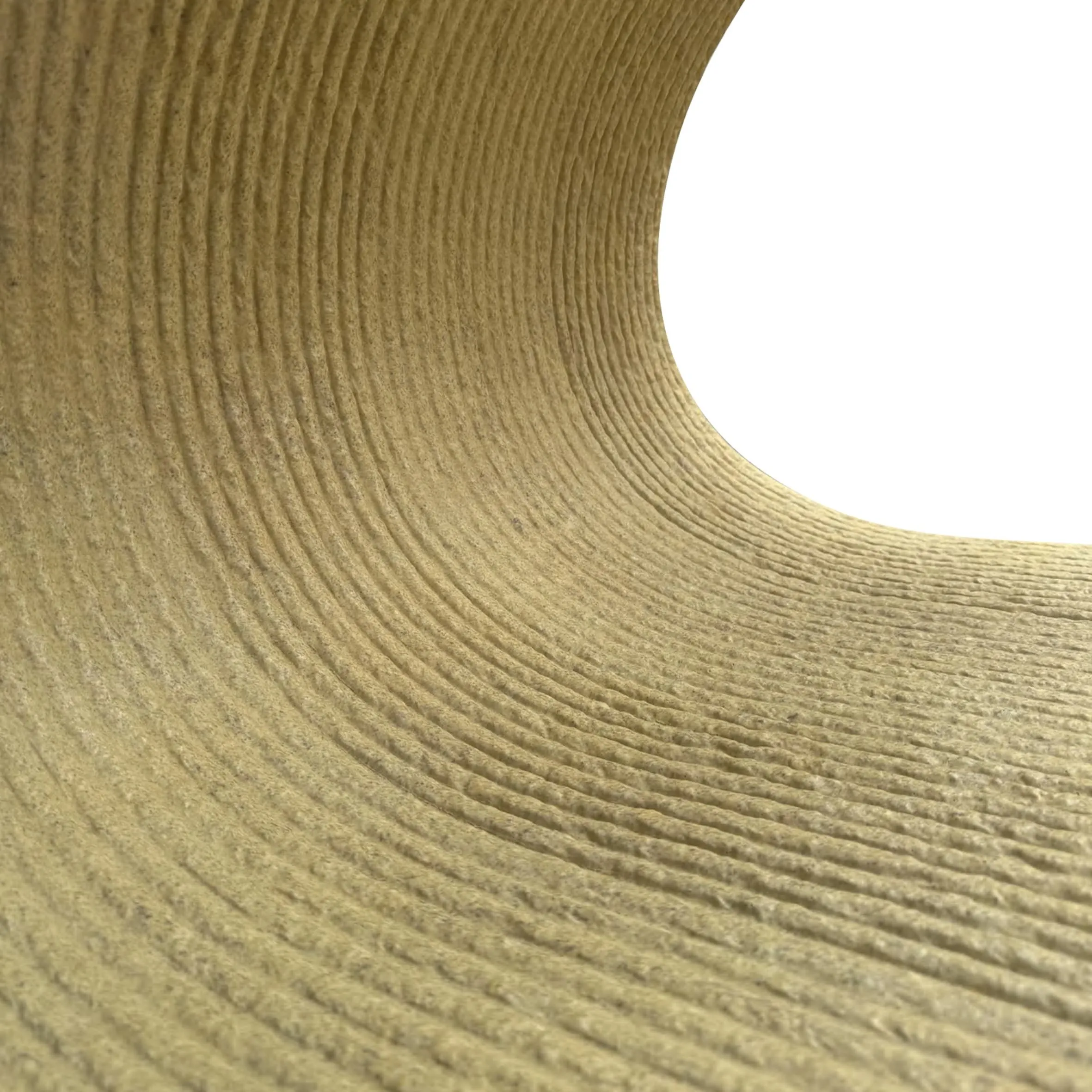
Today's luxury traveler isn't just looking for comfort—they're looking for conscience. They want to know the places they stay align with their values, especially when it comes to sustainability. Gravel Omani Stone checks that box with ease. Unlike synthetic materials like 3D-printed concrete or foamed aluminium alloy board (vintage silver), which require energy-intensive manufacturing processes, Gravel Omani Stone is a product of nature, quarried with minimal environmental impact. It's locally sourced (from Oman), reducing the carbon footprint of transportation. And because it's so durable, it doesn't end up in landfills after a decade—this stone will outlive the hotel itself, perhaps even becoming a heritage piece for future generations.
But sustainability here isn't just about "being green"—it's about connection. When guests see a facade made of natural stone, they feel a subtle bond with the earth. It's a reminder that luxury doesn't have to come at the planet's expense. In a world of fast fashion and disposable design, Gravel Omani Stone is a quiet rebellion: a choice to build something that honors both the guest and the ground it stands on.
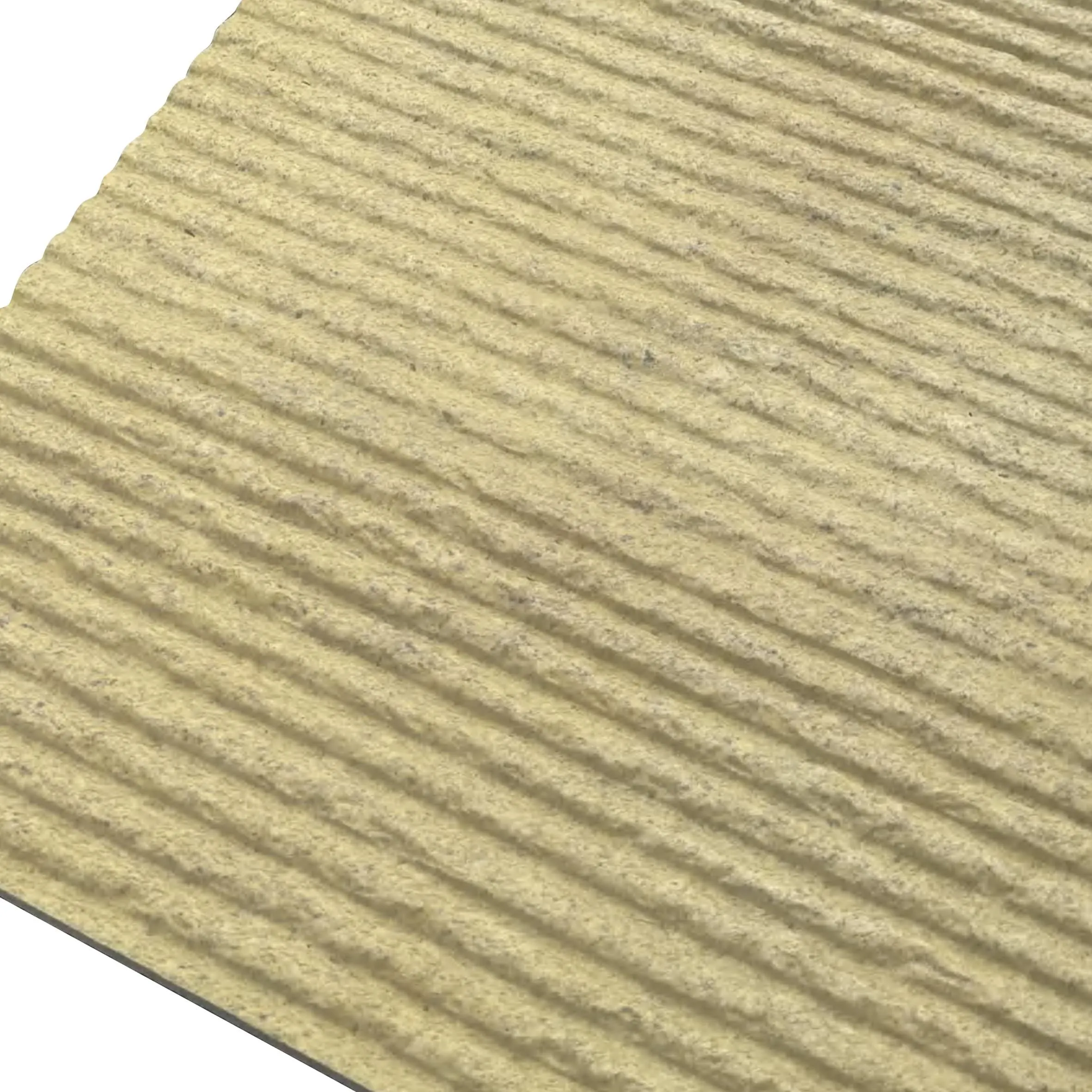
One of the biggest myths about natural stone is that it's "old-fashioned" or "one-note." Gravel Omani Stone shatters that myth. It's a chameleon, adapting to any design vision, whether the hotel leans into classic elegance, modern minimalism, or something in between. Pair it with sleek glass windows for a contemporary twist, and suddenly it feels fresh and forward-thinking. Frame it with warm wood accents, and it evokes a rustic, desert-inspired charm. Even when mixed with bolder materials—like the metallic sheen of lunar peak silvery or the industrial edge of fair-faced concrete—Gravel Omani Stone holds its own, grounding the design with its earthy warmth.
Designers love it for this flexibility. A boutique hotel in the heart of a bustling city might opt for a polished finish, letting the stone's natural color and gravel inclusions shine under urban lights. A resort in the countryside could choose a more textured, rough-hewn look, blending seamlessly with the surrounding landscape. It's not just a material—it's a collaborator, working with the architect's vision to create something unique.
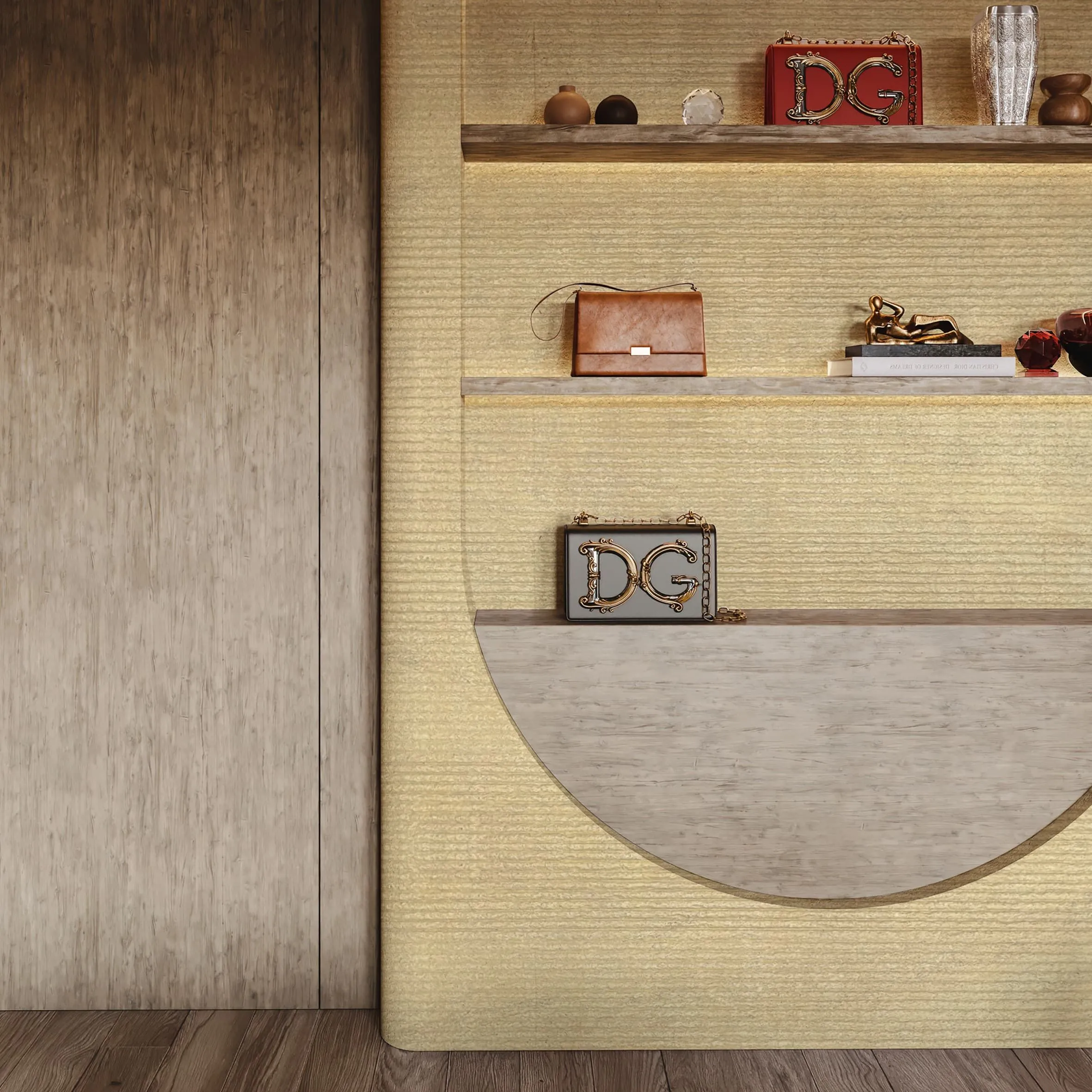
Curious how Gravel Omani Stone compares to other popular facade materials in the high-end hospitality world? Let's break it down:
| Material | Aesthetic Appeal | Durability | Sustainability | Best For |
|---|---|---|---|---|
| Gravel Omani Stone | Warm, earthy, with natural gravel inclusions; ages gracefully with a unique patina. | Exceptional—resistant to weather, salt, and wear; lasts 50+ years with minimal maintenance. | High—naturally sourced, low manufacturing impact, locally quarried. | Luxury hotels aiming for timeless elegance with a connection to nature. |
| Travertine (Starry Green) | Vibrant green with fossil-like "starry" patterns; bold and eye-catching. | Moderate—prone to etching and staining; requires regular sealing. | Medium—natural stone, but often imported, higher transport emissions. | Modern hotels wanting a bold, artistic statement (less ideal for high-traffic exteriors). |
| Lunar Peak Silvery | Metallic, futuristic sheen; sleek and contemporary. | Good—resistant to corrosion, but may fade over time in harsh sunlight. | Low—synthetic alloy, energy-intensive production. | Ultra-modern hotels prioritizing a high-tech, industrial vibe. |
| Fair-Faced Concrete | Raw, minimalist, industrial; cool and neutral. | High—durable but can crack over time; prone to staining if not sealed. | Medium—requires cement production (high CO2), but recyclable. | Modern, minimalist hotels going for a "less is more" aesthetic. |
At the end of the day, hotels are about people. And Gravel Omani Stone has a way of making people feel something. Think about it: When you walk up to a hotel with a facade of cold, synthetic materials, you might admire the design, but do you connect with it? Probably not. But Gravel Omani Stone? It invites you in. It feels familiar, like a memory of a childhood hike or a walk along a sunlit beach. It's warm, tactile, and full of character—qualities that make guests feel welcome before they even open the door.
Hoteliers know this intuitively. A well-chosen facade sets the tone for the entire stay. If the outside feels thoughtful and intentional, guests expect the inside to be, too. Gravel Omani Stone doesn't just look luxurious—it feels luxurious. It says, "We care about the details. We care about you." And in a world where guests have endless choices, that emotional connection is priceless.
When you choose Gravel Omani Stone for a hotel facade, you're not just choosing a material—you're choosing a legacy. This stone has been around for millions of years, and it will outlive the trends, the fads, and even the hotel itself. It will watch as guests come and go, as seasons change, as cities grow around it. And in doing so, it becomes part of the hotel's story—a silent witness to the memories made within its walls.
In the end, high-end hospitality is about creating moments that matter. And Gravel Omani Stone? It's the perfect partner in that mission. It doesn't just build facades—it builds experiences. Experiences that make guests pause, breathe, and think, "This place gets it." So the next time you find yourself standing in front of a luxury hotel, take a moment to appreciate the stone. If it feels like a hug from the earth, warm and full of stories, chances are, you're looking at Gravel Omani Stone. And that, dear reader, is why it's the gold standard for high-end hotel facades.
Recommend Products












