
Let's start with a story we've all lived, in one way or another. You're standing outside a building—maybe a cozy café on a tree-lined street, or a friend's newly renovated home—and something about it just clicks. The exterior feels warm, intentional, like it belongs there. Then you notice: the walls. They're not just "there"—they glow, in a soft, golden hue that catches the afternoon light. You find yourself thinking, "Why can't my building look like that?" If you've ever had that thought, you're already on the right track. Exterior wall cladding isn't just about covering a structure; it's about crafting a first impression, a mood, and a legacy. And in a market flooded with options—from chipping paint to heavy stone that weighs down budgets and buildings—finding that "perfect fit" can feel like searching for a needle in a haystack. Enter Rona Yellow MCM: a material that doesn't just check boxes, but redefines what exterior cladding can be.
Let's talk about the struggles. Maybe you're a homeowner who fell in love with a bold stone veneer, only to watch it fade to a dull gray after two harsh winters. Or an architect tasked with designing a community center that needs to feel welcoming and withstand coastal winds—no small feat. Exterior cladding has to juggle so much: durability against rain, snow, and UV rays; aesthetics that align with the building's purpose (think: a boutique hotel needing elegance vs. a warehouse needing industrial edge); sustainability, because no one wants to choose between beauty and the planet; and let's not forget cost—both upfront and the hidden fees of constant repairs. It's no wonder so many of us end up settling for "good enough" instead of "great."
But what if "great" was actually within reach? What if there was a material that felt like it was designed for these struggles—not in a lab, but in the real world, where buildings don't exist in perfect conditions? That's where Rona Yellow MCM comes in. Part of the innovative MCM (Modified Composite Material) family, it's not just another cladding option. It's a solution crafted to turn those "what-ifs" into "I'm so glad I chose this."
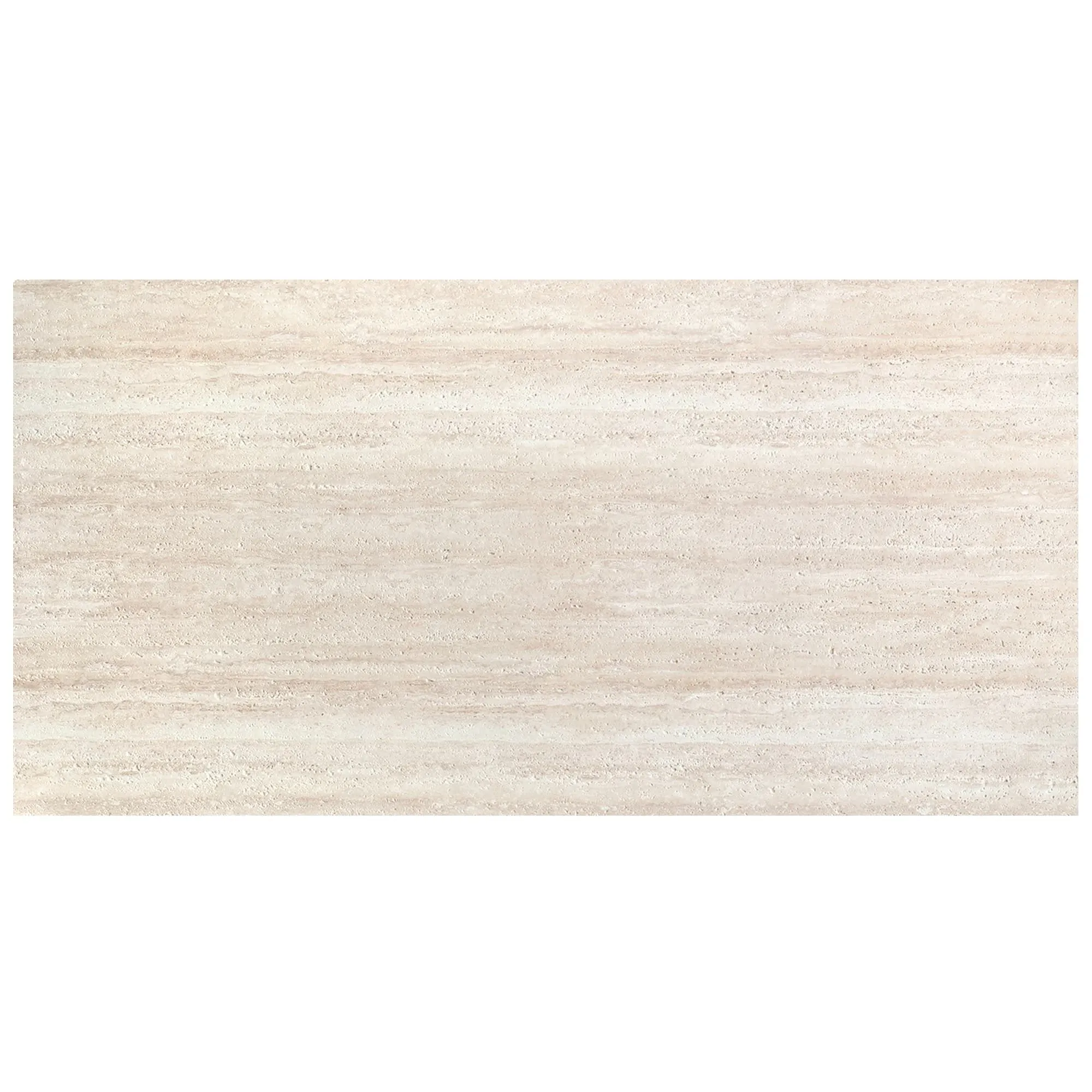
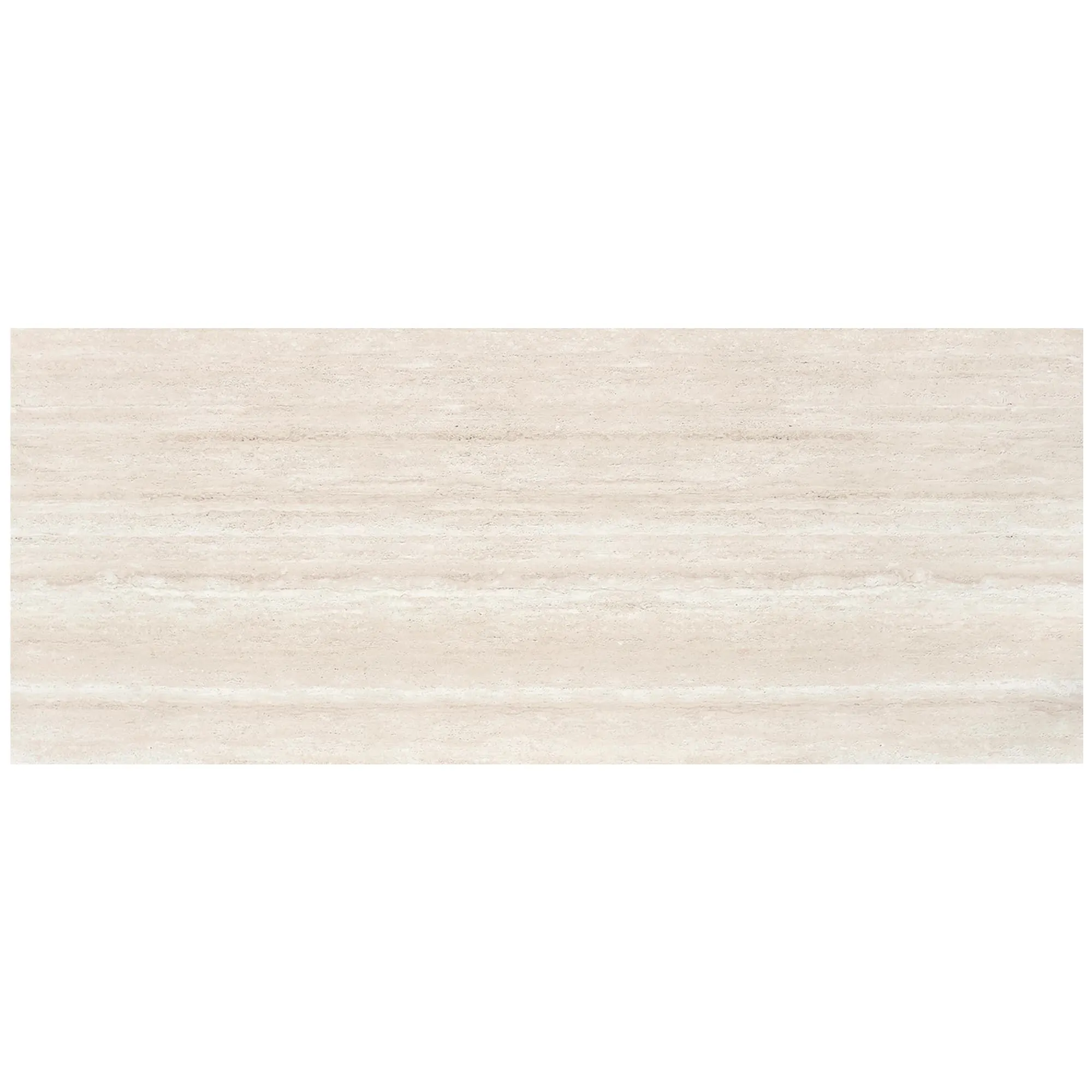
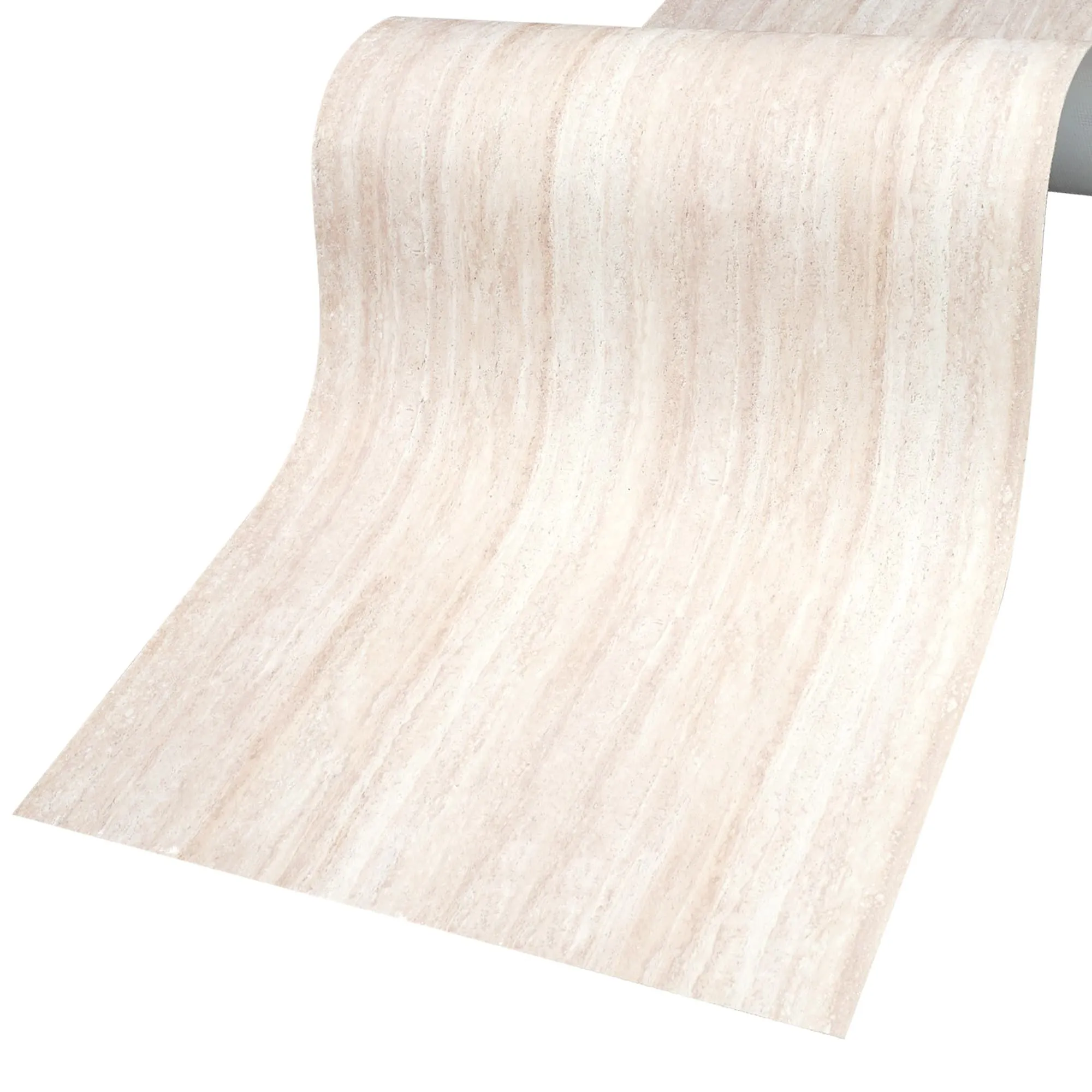
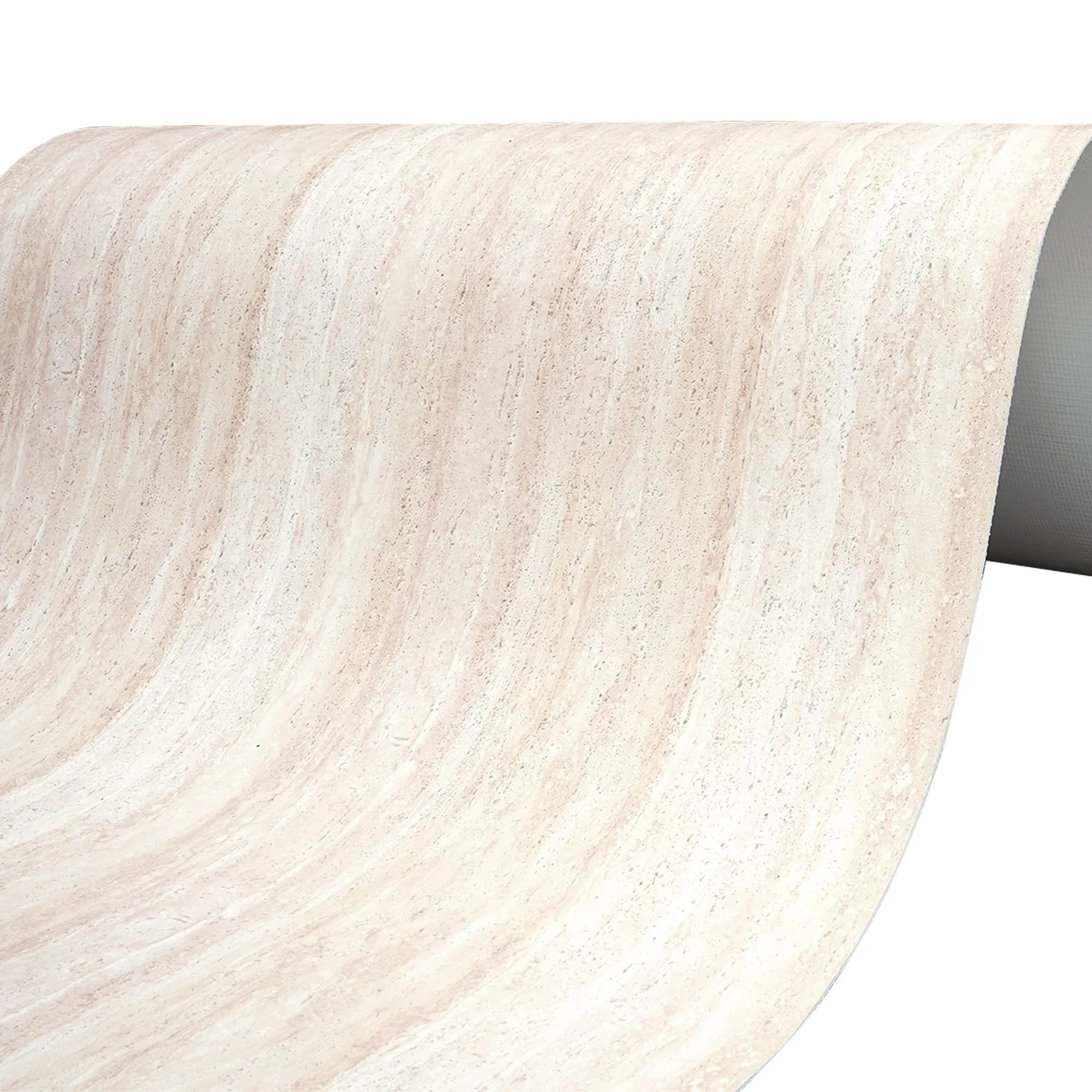
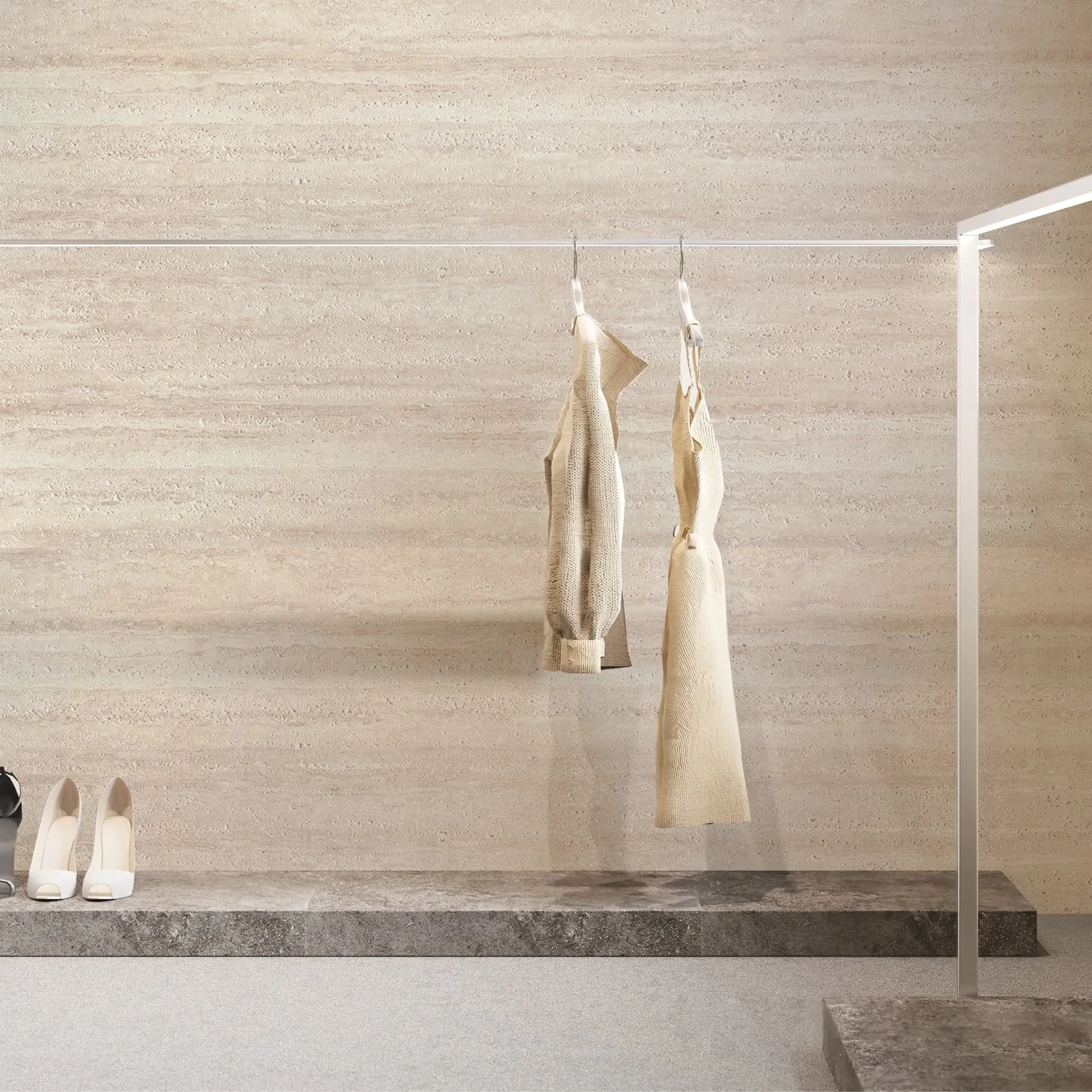
Before we dive into the benefits, let's demystify the term. MCM stands for Modified Composite Material—a blend of natural minerals (think: marble dust, quartz) and high-performance polymers, engineered to be lightweight, flexible, and incredibly strong. Unlike traditional stone, which is quarried in heavy slabs, or vinyl, which is purely synthetic, MCM marries the best of both worlds: the authentic look and feel of natural materials with the durability and adaptability of modern technology. And Rona Yellow? It's the star of the show—a warm, sunlit hue that sits somewhere between honey and amber, with subtle veining that mimics the depth of aged travertine. It's not just a color; it's a mood. Imagine walking up to a building clad in Rona Yellow MCM on a crisp autumn morning—the way the light hits it, turning it from soft gold to a richer, cozier tone. It's the kind of color that makes people slow down and say, "Wow, that's beautiful."
Let's get practical first. What good is a pretty cladding if it cracks after the first frost? Rona Yellow MCM was built to last—and we mean last . Traditional stone, for all its beauty, is porous. Water seeps in, freezes, expands, and boom—cracks. Vinyl fades under UV rays, turning from bright to blah in a few years. Rona Yellow MCM? Its polymer blend creates a non-porous surface, so water beads off instead of soaking in. It's resistant to UV damage, too—no fading, even in sun-drenched climates like Arizona or Dubai. And here's a fun test: we've heard stories of installers accidentally dropping tools on Rona Yellow panels during installation. You know what happened? The tool got a scratch; the panel didn't. That's the kind of toughness that turns "we'll need to replace this in 5 years" into "this will still look great when my kids graduate college."
Beauty is subjective, but Rona Yellow MCM has a way of winning people over. Its color isn't flat or artificial—it has depth. The natural mineral particles in the composite catch light differently throughout the day, so the hue shifts subtly: warm gold at noon, soft amber at sunset, a cozy honey tone on overcast days. It's versatile, too. Pair it with dark wood accents for a rustic-chic vibe (hello, mountain cabins and countryside B&Bs), or with sleek glass panels for a modern, upscale look (perfect for boutique hotels or tech offices). Unlike fair-faced concrete, which can feel cold and industrial, Rona Yellow adds warmth without being overwhelming. And because it's MCM, it can be molded into textures—think subtle waves or linear patterns—that mimic hand-chiseled stone, giving your building that "custom" feel without the custom price tag.
These days, we don't just want our buildings to look good—we want them to do good, too. Rona Yellow MCM checks that box, big time. Traditional stone quarrying is resource-heavy, disrupting ecosystems and releasing carbon emissions. Vinyl? It's plastic, and we all know how that story ends. MCM production, though, uses recycled minerals and low-VOC polymers, cutting down on waste and harmful emissions. Plus, Rona Yellow MCM is lightweight—about 70% lighter than natural stone. That means less fuel is needed to transport it, and your building's foundation doesn't need extra reinforcement to support heavy slabs. It's also 100% recyclable at the end of its life, so you're not leaving a pile of waste for future generations. Sustainability shouldn't be a "nice-to-have"—and with Rona Yellow, it isn't.
Let's talk about the "hidden cost" of cladding: installation. Traditional stone requires a team of experts, heavy machinery, and weeks of work—all of which adds up. Rona Yellow MCM? It's a installer's dream. Because it's lightweight and flexible, panels can be carried by two people (no cranes needed) and cut on-site with basic tools. That means a typical home exterior that might take a week to clad with natural stone can be done in 2-3 days with Rona Yellow MCM. Less labor time = lower labor costs. And because the panels are interlocking, there's less room for error—no gaps, no uneven edges, just a smooth, seamless finish. One contractor we spoke to put it best: "Installing Rona Yellow MCM is like putting together a really well-designed puzzle. It just fits ."
Let's break it down: upfront cost vs. long-term savings. Rona Yellow MCM isn't the cheapest option on the market—we'll be honest. But neither is replacing faded vinyl every 5 years, or repairing cracked stone after a storm. With Rona Yellow, you pay a bit more upfront, but you save big on maintenance. No need for annual power washing to remove mold (thanks to that non-porous surface). No repainting or resealing every few years. And because it's so durable, insurance companies sometimes offer lower premiums for buildings clad in MCM—another hidden perk. Over 20 years, Rona Yellow MCM often ends up costing less than cheaper, less durable materials. It's an investment, not an expense.
Still on the fence? Let's put Rona Yellow MCM head-to-head with three popular alternatives: fair-faced concrete, travertine (starry green), and Lunar Peak Golden (another MCM variant). We'll focus on the factors that matter most: durability, aesthetics, installation time, maintenance, and sustainability.
| Material | Durability (Weather/UV Resistance) | Aesthetic Appeal | Installation Time (2,000 sq ft) | Annual Maintenance Cost | Sustainability |
|---|---|---|---|---|---|
| Rona Yellow MCM | Excellent (resists water, UV, impact) | Warm, golden hue with natural veining; versatile texture options | 2-3 days | $50-$100 (occasional cleaning) | High (recycled materials, low carbon footprint) |
| Fair-Faced Concrete | Good (but prone to cracking in freeze-thaw climates) | Industrial, minimalist; limited color options (gray/white) | 5-7 days (heavy, requires specialized labor) | $200-$300 (sealing every 2-3 years) | Medium (high embodied carbon from production) |
| Travertine (Starry Green) | Moderate (porous; stains easily; fades in UV light) | Vibrant green with "starry" flecks; natural but bold | 4-6 days (heavy slabs; requires precise cutting) | $300-$500 (sealing annually; stain removal) | Low (quarrying disrupts ecosystems) |
| Lunar Peak Golden (MCM) | Excellent (same MCM durability as Rona Yellow) | Bright, metallic gold; more modern/flashy | 2-3 days (same lightweight MCM installation) | $50-$100 (same low maintenance as Rona Yellow) | High (same sustainable MCM production) |
See the pattern? Rona Yellow MCM isn't just "good"—it's consistently strong across the board. It outperforms fair-faced concrete in durability and warmth, travertine in longevity and low maintenance, and while Lunar Peak Golden matches its practical perks, Rona Yellow's softer, more inviting hue makes it a better fit for spaces where "cozy" or "approachable" is the goal.
Numbers and tables are great, but let's talk about real people. Take Maria, a café owner in Portland, Oregon. She wanted her café, "Sunny Side Up," to feel like a hug—warm, welcoming, and full of light. She initially considered wood siding, but worried about rot in Oregon's rainy climate. Then she discovered Rona Yellow MCM. "It was love at first sight," she told us. "The color matches our brand—sunshine in a cup—and two years later, it still looks brand new. We get compliments all the time: 'Your café is the brightest spot on the block!'"
Or consider the team behind "Harbor View Apartments" in Seattle. They needed cladding that could withstand salty sea air, heavy rain, and the occasional windstorm. They chose Rona Yellow MCM for the building's facade. "We were nervous about choosing a light color in such a wet climate—we thought it would get dirty fast," said project manager James. "But it's self-cleaning, almost! Rain washes off the dust, and the color hasn't faded a bit. Tenants love it; they say it makes the building feel 'cheerful' even on gray days."
Rona Yellow MCM isn't just a material—it's part of a bigger shift. MCM flexible stone is changing how we think about building exteriors. Traditional cladding is often rigid: stone slabs can't bend, vinyl panels crack if you try to curve them. MCM, though, is flexible. That means it can be applied to curved walls, arches, or even custom shapes—think a circular entranceway or a (wave-like) facade. For architects, this is a dream come true: suddenly, design isn't limited by what the cladding can handle. Rona Yellow MCM bends without breaking, opening up a world of creative possibilities.
And let's not forget weight. A standard 4x8 foot panel of Rona Yellow MCM weighs just 12 pounds—compared to 80-100 pounds for a natural stone slab of the same size. That lightness reduces stress on a building's foundation, making it safer and cheaper to construct, especially for retrofits or older buildings that can't support heavy materials. It also cuts down on transportation emissions—trucks can carry more panels per trip, lowering the carbon footprint of getting the material from factory to site.
At the end of the day, exterior cladding is about more than function. It's about telling a story. What does your building say? Is it cold and uninviting? Or warm and full of character? Rona Yellow MCM doesn't just protect your building—it elevates it. It says, "I care about beauty, but I also care about practicality. I want something that lasts, that makes people smile, and that doesn't cost the Earth."
So if you're tired of choosing between "pretty but fragile," "durable but dull," or "sustainable but expensive," it might be time to give Rona Yellow MCM a closer look. It's not just a cladding material. It's the solution you've been searching for—the one that turns "good enough" into "perfect."
Your building deserves to make a statement. With Rona Yellow MCM, it will—for decades to come.
Recommend Products












