
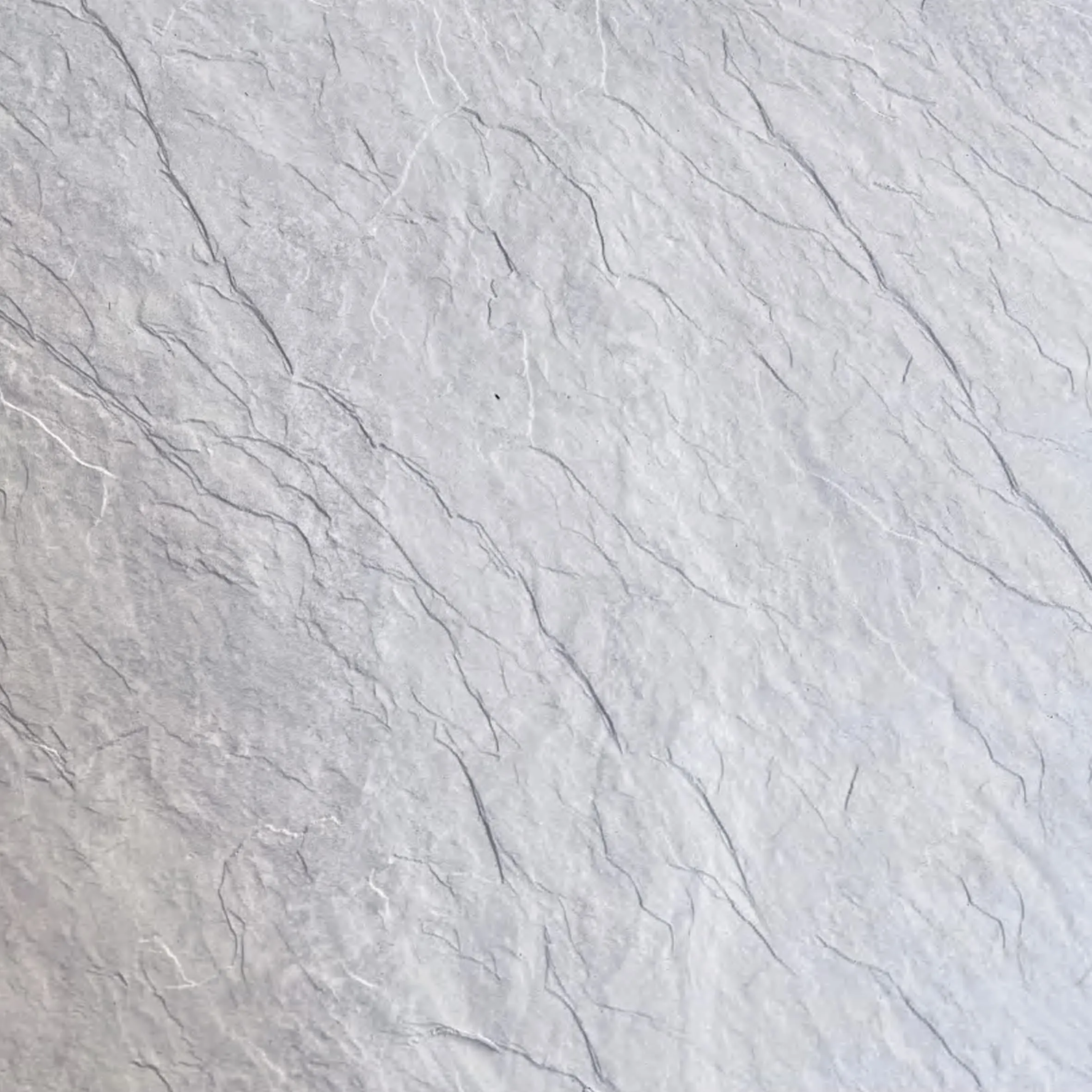
Walk down any busy street in a modern city, and you'll probably notice something: buildings aren't just structures anymore. They're stories. They're first impressions. They're the silent narrators of a neighborhood's vibe, whether it's the sleek energy of downtown or the warm charm of a revitalized district. And if there's one element that shapes that story more than any other, it's the facade—the "face" of the building that greets passersby, frames skylines, and lingers in memory long after someone's moved on. But what makes a facade truly unforgettable? More often than not, it's the material. The right material doesn't just cover a building; it elevates it, turning concrete and steel into something that feels intentional, alive, and deeply connected to the space around it. That's where Slate Veil White MCM comes in—a material that's quietly redefining what commercial facades can be, and why it might just be the best choice for your next project.
Let's start with the basics: why does a facade's material choice even matter? Think about the last time you visited a new place. Maybe it was a trendy restaurant, a cutting-edge office, or a cultural center. Chances are, the first thing that caught your eye wasn't the floor plan or the furniture—it was the building itself. Did it feel welcoming? Bold? Timeless? That feeling isn't accidental. Architects and developers spend countless hours debating materials because they know: a facade does more than protect what's inside. It communicates identity. It sets the tone for the entire structure. And in commercial spaces—where foot traffic, brand perception, and long-term value are on the line—getting that communication right is everything.
But here's the catch: not all materials are created equal. Some look stunning on day one but fade under the sun or crack in the rain. Others are durable but feel cold, clinical, or outdated. Then there are those that check the aesthetic and durability boxes but come with a hefty price tag or environmental footprint that's hard to justify. For years, architects have been stuck choosing between "good," "fast," and "cheap"—rarely finding a material that nails all three, plus the intangible "wow" factor that makes a building stand out. That's the gap Slate Veil White MCM was designed to fill.
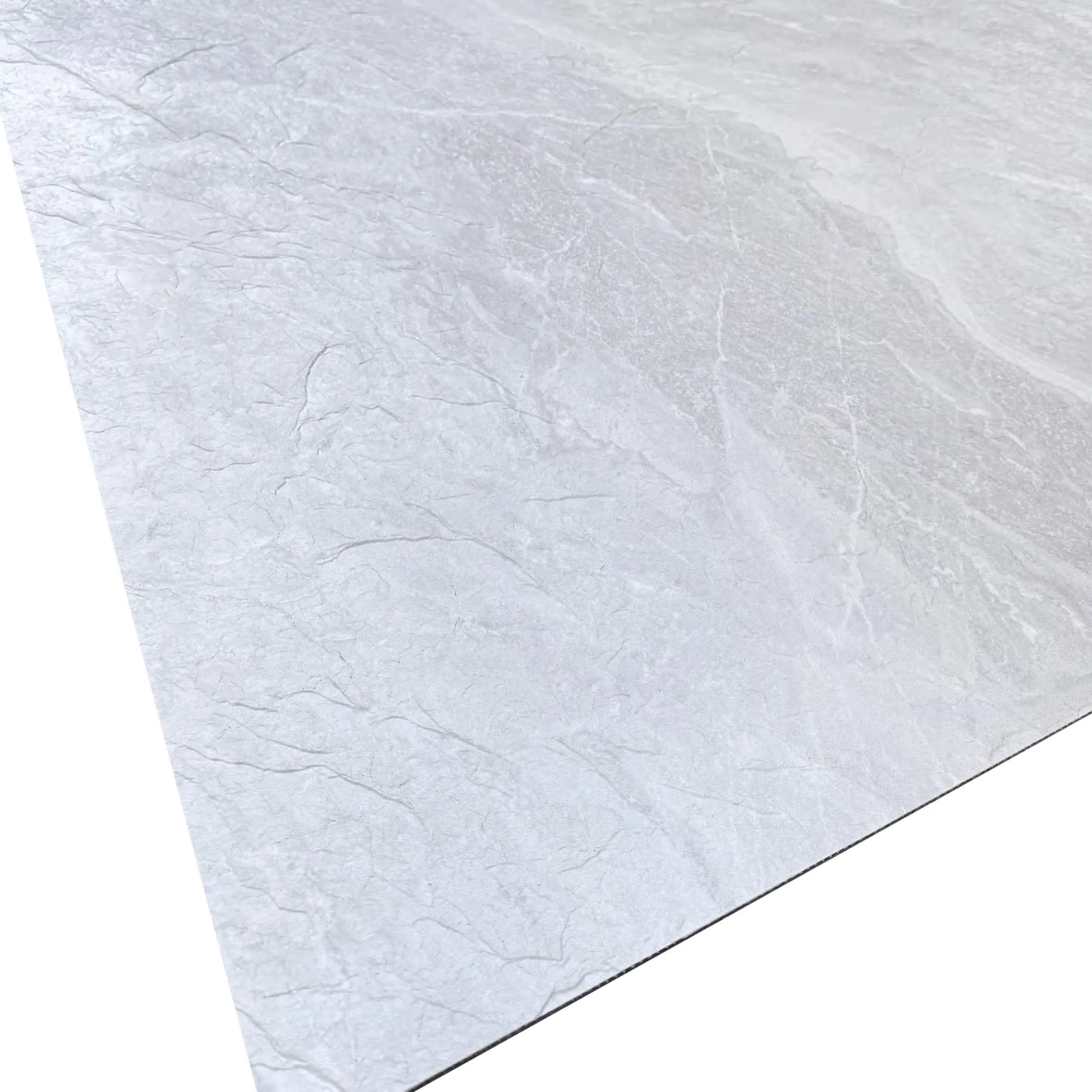
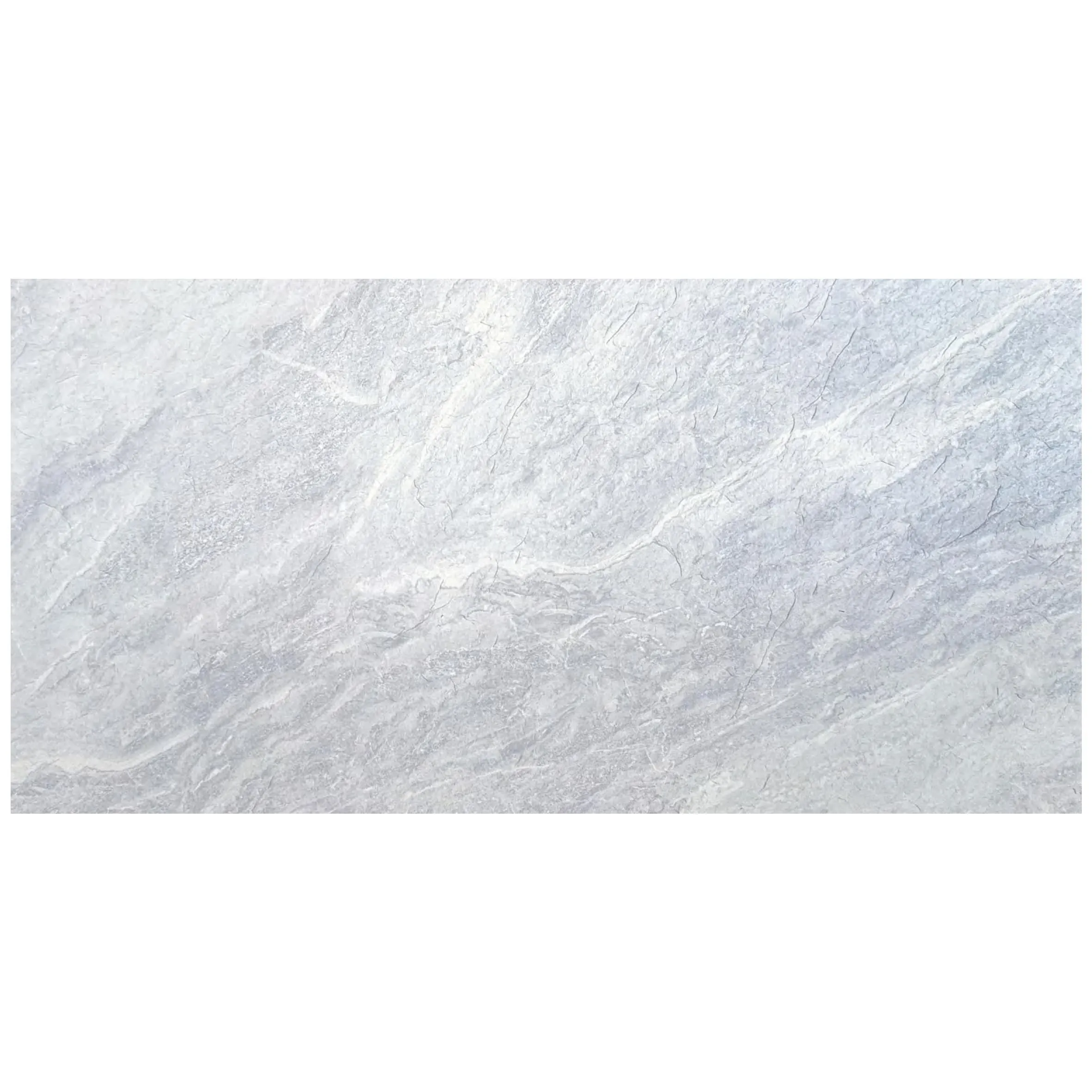
First things first: what even is MCM? Short for Metal Composite Material, MCM has been around for a while, but the latest innovations—like the Slate Veil White variant—have transformed it from a functional option to a design powerhouse. At its core, MCM is a sandwich of two thin metal sheets (usually aluminum) bonded to a rigid plastic core. But Slate Veil White takes that basic structure and elevates it with a finish that mimics the soft, layered beauty of natural slate—think the subtle veining of stone, the matte texture that catches light in unexpected ways, and a crisp, clean white that feels both modern and timeless. It's not just a "material"—it's a texture, a color, and a mood wrapped into one.
What makes Slate Veil White so special? Let's break it down, starting with the obvious: that color. White might seem like a simple choice, but in the world of facades, it's surprisingly versatile. Slate Veil White isn't a stark, clinical white—it's warm, with soft undertones that shift with the light. At sunrise, it glows with a gentle creaminess; at noon, it's bright and crisp, reflecting sunlight to keep the building cool; at dusk, it takes on a soft grayish hue, blending seamlessly with the evening sky. It's a color that doesn't fight with its surroundings—it enhances them. Whether your project is in a sun-drenched coastal city or a bustling urban center with towering skyscrapers, Slate Veil White holds its own, never feeling out of place.
Then there's the texture. Unlike flat, glossy panels that can feel cheap or industrial, Slate Veil White has depth. Run your hand over it (go ahead, imagine it—wait, no, don't imagine it; just trust me) and you'll feel the subtle ridges and valleys, the faint echoes of natural stone that make it feel organic, not manufactured. It's the kind of texture that invites touch, that makes people pause and think, "Is that real stone?" (Spoiler: it's not—but it looks and feels so close, most people won't notice the difference.) That texture isn't just for show, either. It hides minor scratches and smudges, meaning your facade will look fresh for years, even in high-traffic areas.
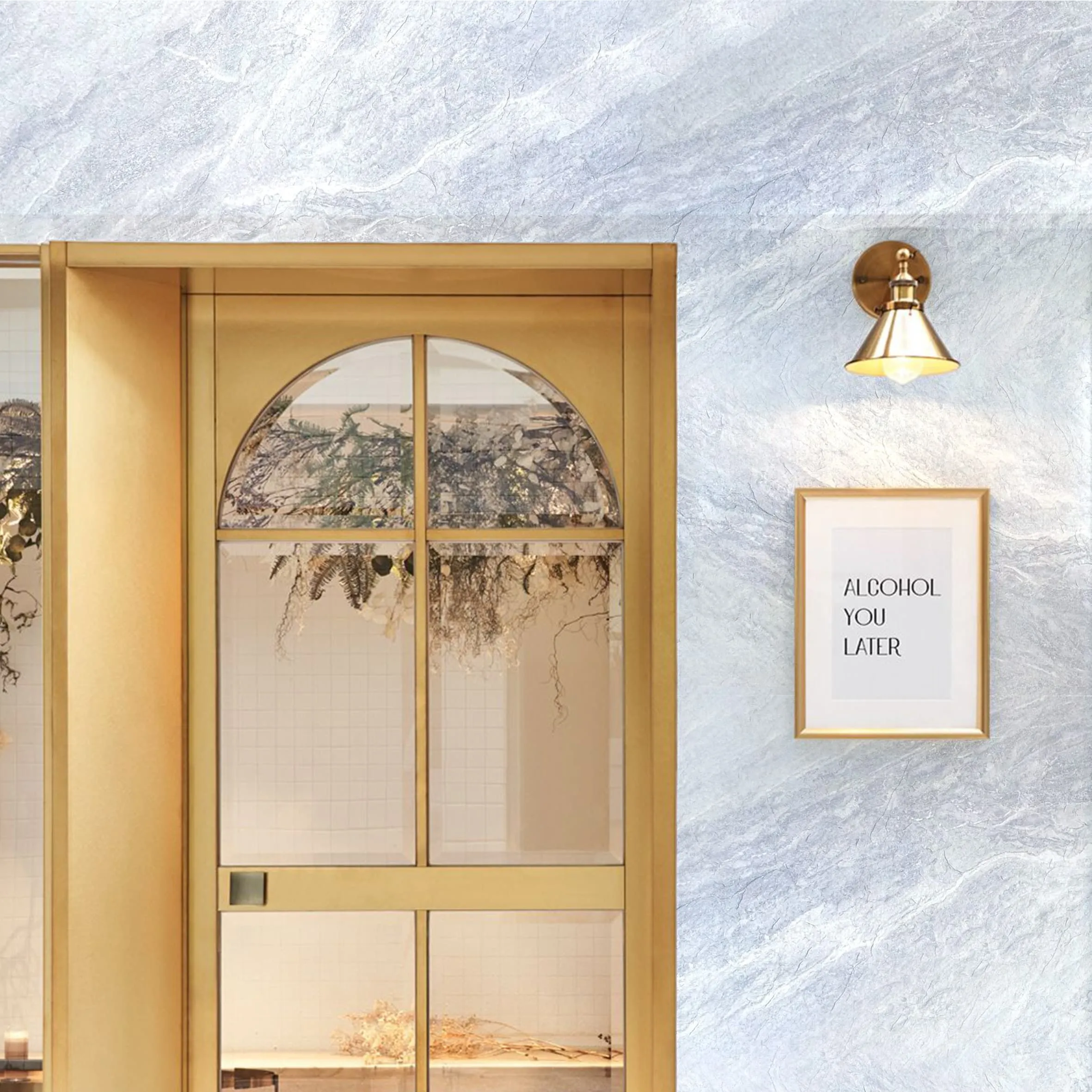
A pretty facade is great, but if it starts peeling, fading, or warping after a few years, what's the point? That's where Slate Veil White MCM truly shines: it's built to last. Let's talk numbers, because durability isn't just a buzzword—it's about real-world conditions. MCM panels are inherently resistant to corrosion, thanks to their aluminum outer layers, which means they hold up in coastal areas where saltwater air can eat away at other materials. They're also fire-resistant, meeting strict safety codes for commercial buildings. And unlike natural stone, which can crack under freeze-thaw cycles, Slate Veil White's composite core flexes slightly, making it ideal for regions with extreme temperature swings—from the hot, dry deserts of the Southwest to the cold, snowy winters of the Northeast.
But don't just take my word for it. Consider this: a recent study by the Construction Materials Research Institute tested Slate Veil White MCM against 10 years of simulated weathering—intense UV radiation, heavy rain, high humidity, and even acid rain. The result? Minimal color change (less than 5% fade, compared to 20-30% for painted wood or concrete), no cracking, and zero delamination of the metal layers. For commercial developers, that translates to lower maintenance costs over time. No repainting every few years, no expensive repairs after storms, no need to replace panels because they've faded or warped. It's a set-it-and-forget-it material—allowing you to focus on what matters: the people inside the building, not constant upkeep.
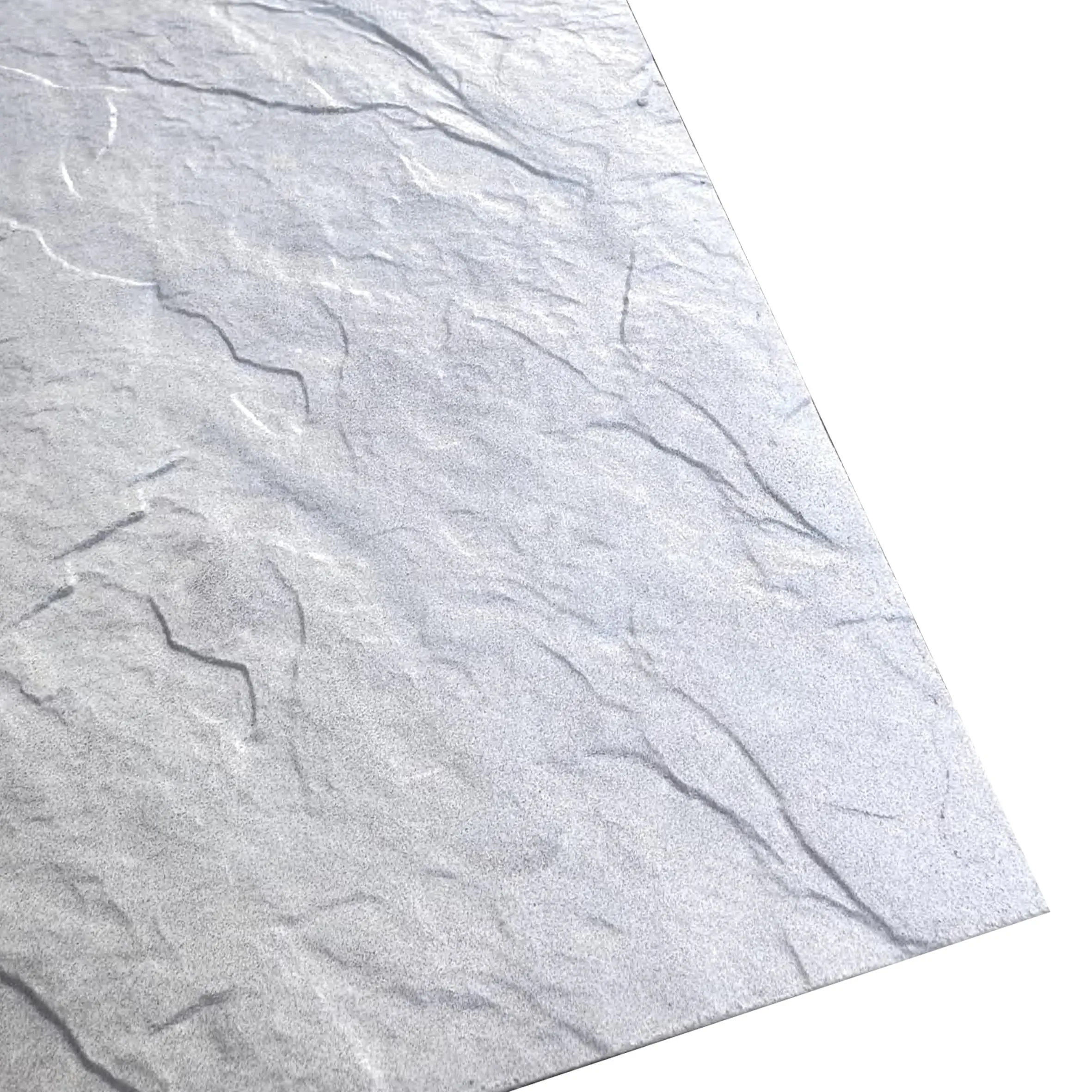
Here's where Slate Veil White MCM really gets exciting: it plays well with others. Commercial facades rarely rely on a single material—they're a mix of textures, colors, and finishes that create depth and interest. Slate Veil White is the ultimate team player, pairing beautifully with everything from warm wood grain board to industrial fair-faced concrete, or even bold accents like travertine (beige) for a touch of earthiness. Let's break down a few design ideas to spark your creativity:
Slate Veil White + Wood Grain Board: Imagine a boutique hotel where the lower floors are clad in warm, honey-toned wood grain board—inviting, rustic, and approachable—while the upper floors rise in a sweep of Slate Veil White. The contrast is striking: the wood adds warmth, the white adds lightness, and together they create a facade that feels both grounded and modern. It's the kind of combination that makes people want to stop, take a photo, and step inside.
Slate Veil White + Fair-Faced Concrete: For a more industrial-chic vibe, pair Slate Veil White with fair-faced concrete. The raw, textured concrete adds grit and edge, while the white panels soften it, preventing the facade from feeling too harsh. This combo works beautifully for tech offices, art galleries, or co-working spaces where "edgy yet refined" is the goal. Bonus: both materials are low-maintenance, so the facade will look just as good in 10 years as it does on opening day.
Slate Veil White + Travertine (Beige): If you're going for a timeless, elegant look—think luxury retail or a high-end apartment building—blending Slate Veil White with travertine (beige) is a match made in design heaven. The beige travertine adds warmth and natural texture, while the white panels keep things light and airy. It's a classic combination that never goes out of style, perfect for buildings that aim to feel both grand and welcoming.
The best part? MCM panels are incredibly flexible (literally). They can be curved, folded, or cut into custom shapes, allowing architects to get creative with angles, patterns, and dimensions. Want a facade with sweeping curves that mimic the nearby hills? Slate Veil White can do that. Dream of a geometric pattern that plays with light and shadow throughout the day? No problem. Unlike rigid materials like natural stone or brick, MCM bends to your vision, not the other way around.
In 2025, sustainability isn't just a trend—it's a requirement. Clients, communities, and even governments are demanding buildings that minimize environmental impact, from construction to demolition. Slate Veil White MCM checks that box, too. Let's start with energy efficiency: that bright white finish isn't just for looks—it's reflective, meaning it bounces sunlight off the building instead of absorbing it. The result? Lower cooling costs in the summer, as the interior stays naturally cooler. Over time, that adds up to significant energy savings, not to mention a smaller carbon footprint.
Then there's the material itself. MCM panels are lightweight—about 30% lighter than traditional stone or concrete cladding. That means less structural support is needed, reducing the amount of steel and concrete used in the building's frame. Lighter materials also mean easier transportation, which cuts down on fuel use and emissions during construction. And when the time comes to replace or renovate (decades down the line), MCM is fully recyclable—most of the aluminum and plastic core can be repurposed, keeping waste out of landfills.
Compare that to materials like natural stone, which requires heavy mining, or painted wood, which often contains harmful VOCs. Slate Veil White MCM is a choice that lets you build something beautiful without sacrificing your commitment to the planet. It's sustainability that doesn't feel like a compromise—and in today's world, that's priceless.
Still on the fence? Let's put Slate Veil White MCM head-to-head with some of the most popular facade materials out there. The table below breaks down how it compares to fair-faced concrete, travertine (beige), and wood grain board across key categories—because when you're investing in a commercial facade, you deserve to see the whole picture.
| Category | Slate Veil White MCM | Fair-Faced Concrete | Travertine (Beige) | Wood Grain Board |
|---|---|---|---|---|
| Aesthetic Appeal | Soft, layered white with natural slate texture; shifts with light for dynamic look | Raw, industrial texture; neutral gray but can feel cold or harsh | Warm, earthy beige with natural pits and veining; classic but less modern | Inviting wood texture; warm tones but limited color options |
| Durability (1-10) | 9/10 – Resistant to corrosion, UV fade, and extreme temperatures | 8/10 – Strong but prone to cracking in freeze-thaw cycles; stains easily | 7/10 – Durable but porous; requires sealing to prevent water damage | 6/10 – Susceptible to rot, pests, and fading; needs regular maintenance |
| Installation Complexity | Easy – Lightweight panels cut to size; quick to install with minimal labor | Moderate – Heavy, requires specialized equipment and skilled labor | Moderate – Heavy, fragile; needs careful handling to avoid chipping | Easy – Lightweight but needs weatherproofing before installation |
| Sustainability Score | High – Recyclable, energy-efficient (reflective), low embodied carbon | Medium – High embodied carbon; durable but not easily recyclable | Low – Requires mining; heavy transportation footprint; limited recyclability | Medium – FSC-certified options available but still requires tree harvesting |
| Long-Term Cost | Low – Minimal maintenance; lasts 40+ years with no repainting/replacement | Medium – High upfront cost; occasional repairs for cracks/stains | High – Expensive upfront; requires sealing every 3-5 years; prone to damage | High – Low upfront cost but high maintenance (repainting, repairs every 2-3 years) |
As you can see, Slate Veil White MCM isn't just a strong contender—it's a standout. It offers the best of aesthetics, durability, and sustainability, with long-term costs that make it a smart investment for any commercial project.
Numbers and specs are great, but nothing brings a material to life like real-world examples. Let's take a look at a few projects that have used Slate Veil White MCM—and how it changed the game for their designers, developers, and communities.
The Riverfront Innovation Hub, Chicago: Located along the Chicago River, this 12-story office building was designed to be a beacon for tech startups. The architects wanted something that felt modern but not sterile, bold but not overwhelming. They chose Slate Veil White MCM for the upper 8 floors, pairing it with dark gray metal accents and floor-to-ceiling windows. The result? A building that shimmers in the sunlight, reflects the river below, and stands out from the brick-and-glass monotony of the surrounding area. "We wanted a material that would make people stop and say, 'What is that?'" says lead architect Maria Gonzalez. "Slate Veil White did exactly that. It's clean, it's modern, and it changes with the light—so the building never feels static. Tenants love it, and we've already had inquiries from other developers asking about the material."
The Coastal Breeze Hotel, Miami: In a city known for bright colors and bold designs, the Coastal Breeze Hotel wanted to stand out by doing the opposite: embracing calm, serenity, and connection to the ocean. The facade uses Slate Veil White MCM panels curved to mimic the shape of waves, with hints of blue glass and wood grain board accents. "Miami can be overwhelming with color, so we wanted something that felt like a breath of fresh air," explains developer James Patel. "Slate Veil White was perfect—it's bright without being harsh, and the texture feels like the ocean's surface on a calm day. Guests often mention how the building 'feels peaceful' before they even step inside. And practically speaking, it's held up beautifully against the salt air and rain—no fading, no corrosion. We made the right call."
At the end of the day, choosing a facade material is about more than checking boxes. It's about creating something that matters—something that tells a story, enhances a community, and stands the test of time. Slate Veil White MCM does all of that and more. It's beautiful, durable, flexible, and sustainable. It works with other materials to create unique, memorable designs. It saves money over time, both in maintenance and energy costs. And most importantly, it makes buildings feel human —not just structures, but spaces that invite, inspire, and leave a lasting impression.
So the next time you're planning a commercial project—whether it's an office building, a hotel, a retail space, or something else—ask yourself: what story do you want your building to tell? If the answer is "one of innovation, warmth, and timeless beauty," then Slate Veil White MCM might just be the material you've been looking for. After all, great buildings aren't built with materials—they're built with vision. And Slate Veil White is the perfect canvas to bring that vision to life.
Recommend Products












