
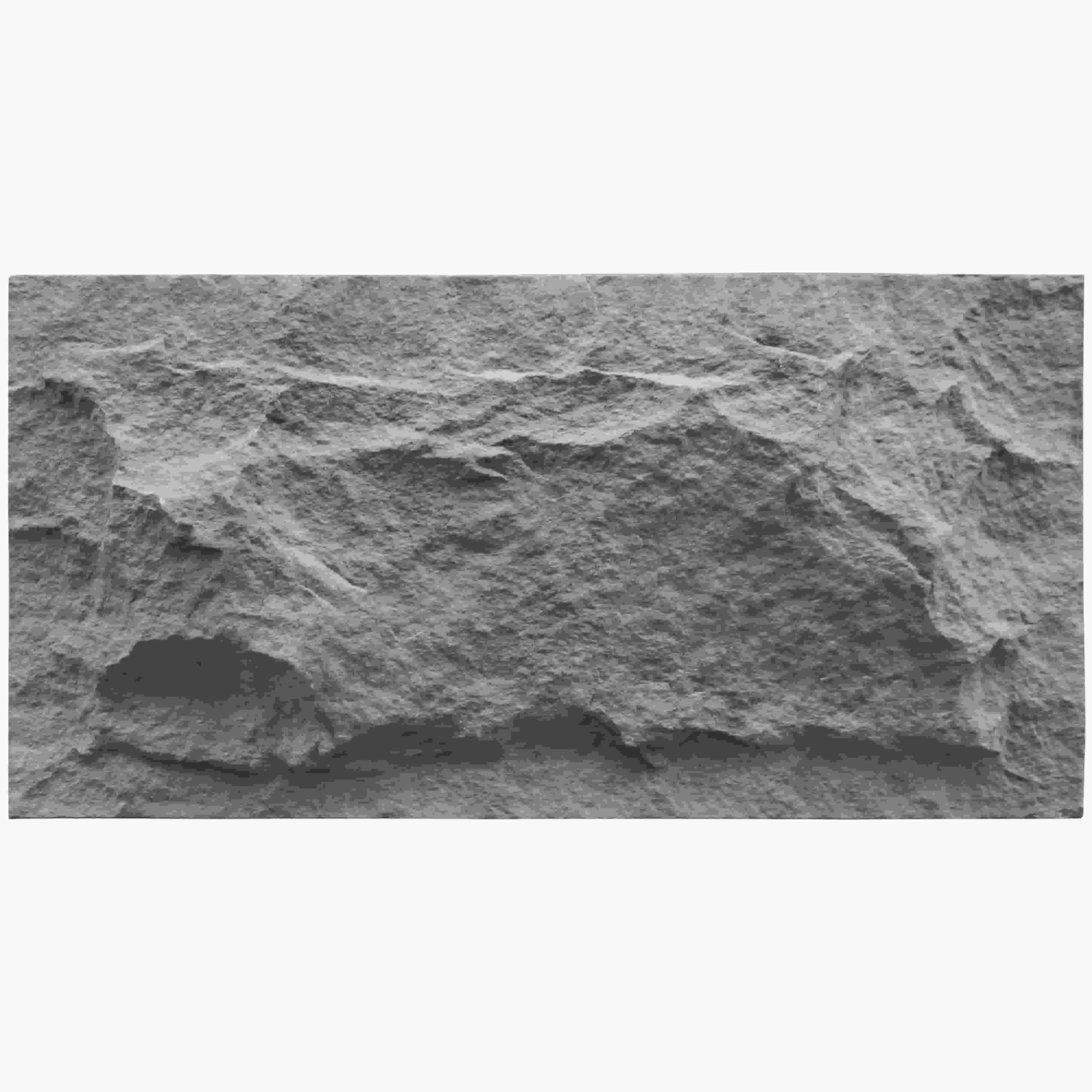
Picture this: an architect staring at a blank blueprint, torn between the client's dream of a rustic, organic facade and the practical need for materials that can withstand harsh weather, fit into tight budgets, and align with green building standards. For decades, this has been the silent battle waged in design offices worldwide—choosing between "what looks right" and "what works right." Then, along comes a material that doesn't force that choice. Enter COLORIA GROUP's Crossare Mushroom Stone043, a product born from the marriage of MCM flexible stone technology and the bold vision of the mcm big slab board series. It's not just a building material; it's a bridge between art and engineering, and today, we're diving into why it's reshaping how we think about architectural surfaces.
Let's start with the stories architects rarely tell. A friend of mine, an architect with over 15 years of experience, once described a project that still keeps her up at night: a coastal community center where the client demanded a facade that "felt like ancient stone, weathered by time." She sourced traditional travertine, spent weeks coordinating with stonemasons, and watched as the first winter storms cracked the panels—saltwater seeping into tiny fissures, expansion and contraction warping the once-perfect lines. The budget ballooned; the timeline stretched. "I felt like I'd failed," she told me. "Not because the design was bad, but because the material couldn't keep up with the vision."
This is the reality of working with conventional materials. Fair-faced concrete, for all its industrial chic, often feels cold and monolithic—great for a museum, less so for a community space meant to feel welcoming. Lunar peak silvery, with its metallic sheen, catches the light beautifully but lacks the tactile warmth of natural stone. And traditional stone? Heavy, expensive, and unforgiving of imperfect installations or environmental stress. The industry needed something that could mimic the soul of natural materials without their flaws. That's where COLORIA GROUP stepped in, and Crossare Mushroom Stone043 became their answer.
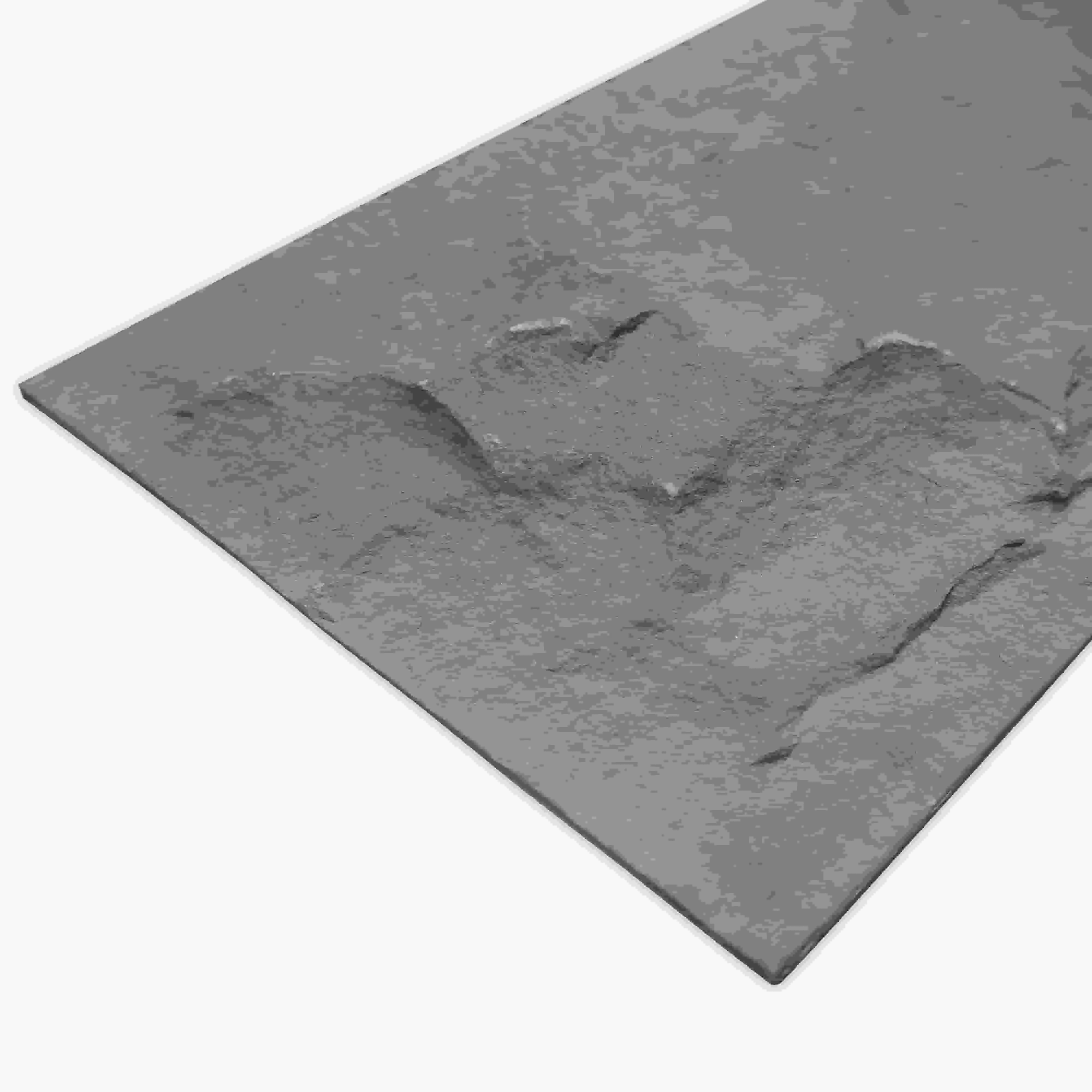
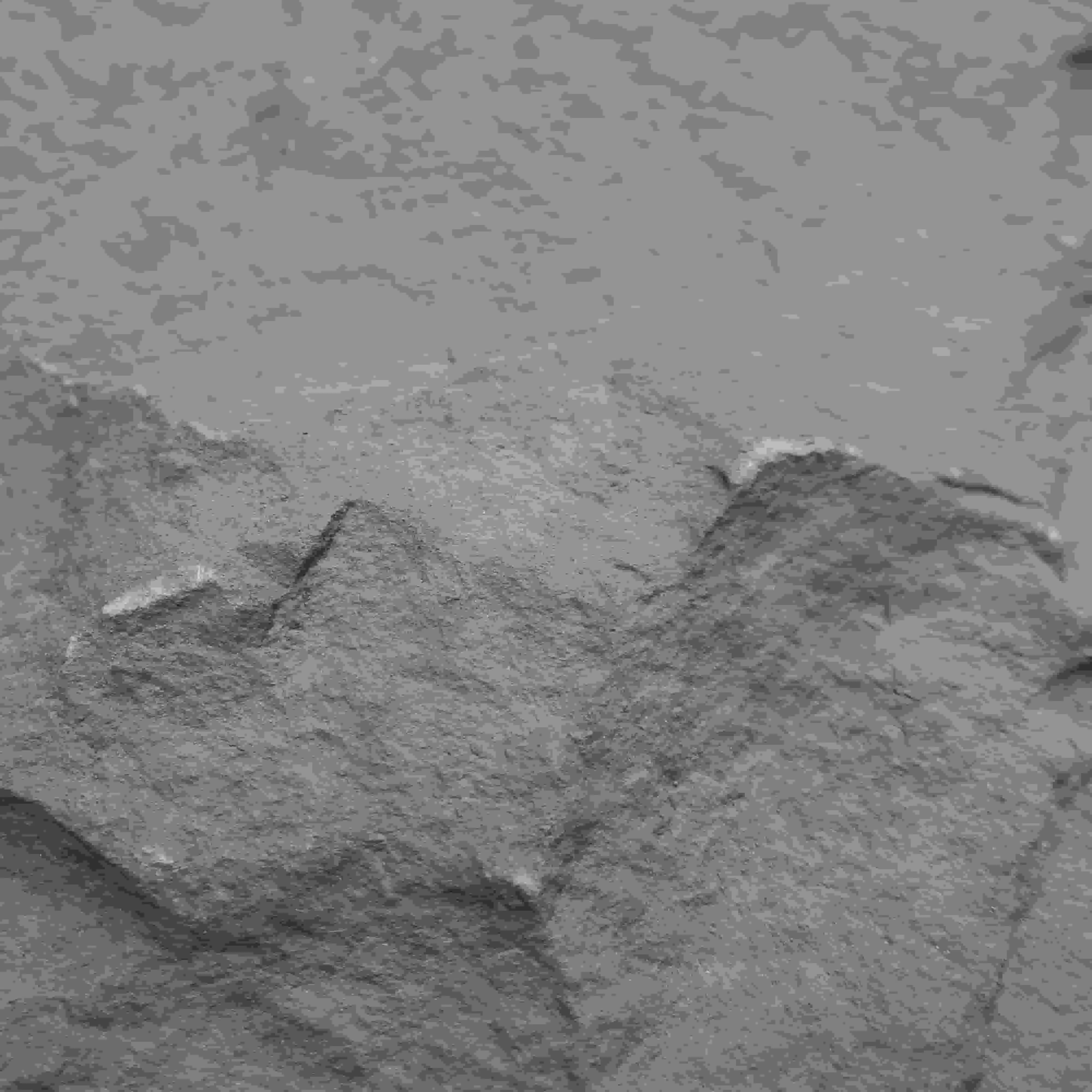
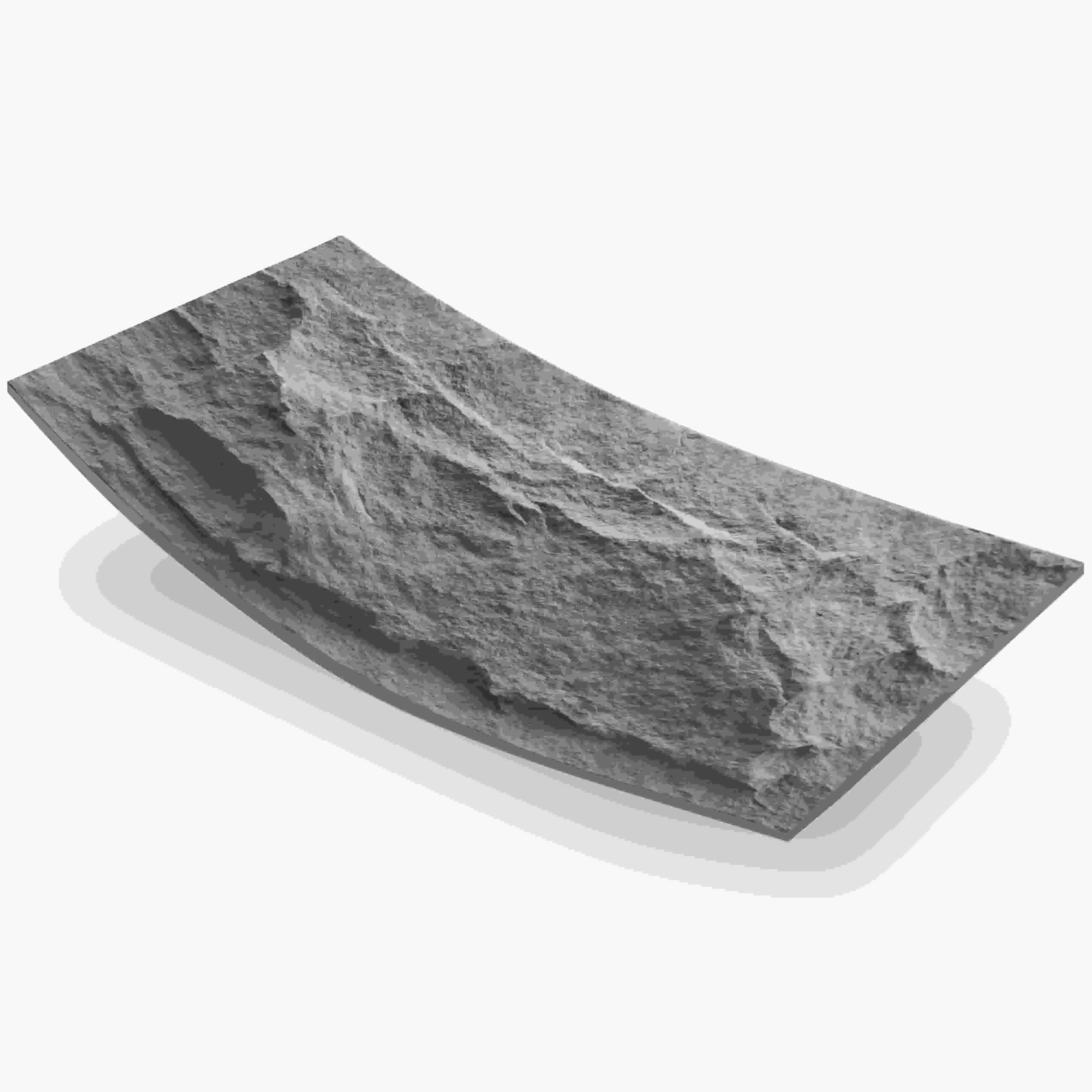
Let's break it down—simply. Crossare Mushroom Stone043 is part of COLORIA's mcm big slab board series, which means it's crafted using Modified Composite Material (MCM), a technology that layers natural mineral aggregates with high-performance polymers. The result? A material that weighs up to 80% less than traditional stone but retains the look and texture of hand-chiseled rock. The "Mushroom" name comes from its surface pattern: irregular, bubbled edges that mimic the way mushrooms cluster and spread—organic, asymmetrical, and full of character. Run your hand over it, and you'll feel the slight indentations, the rough-hewn texture that tricks the eye into thinking it was quarried from a mountainside. But pick it up, and you'll be shocked by how light it is—light enough that a single installer can carry a 4x8-foot slab without straining.
But here's where it gets interesting: unlike rigid materials like fair-faced concrete, MCM flexible stone technology gives Crossare Mushroom Stone043 a slight bend. Not enough to warp, but enough to conform to curved surfaces, withstand seismic activity, or adapt to the natural expansion of buildings. Imagine wrapping a facade around a circular tower with stone-like panels that move with the structure, not against it. That's the flexibility we're talking about.
And let's talk size. As part of the mcm big slab board series, Crossare Mushroom Stone043 comes in slabs up to 1200x2400mm—massive, compared to the 600x600mm limits of many traditional stones. Fewer seams mean a cleaner, more cohesive look. For a designer aiming for a seamless, monolithic facade, that's a game-changer. No more awkward grout lines breaking up the pattern; just a continuous sweep of texture that reads as one, unified statement.
Words tell part of the story, but numbers (and real-world comparison) tell the rest. Let's put Crossare Mushroom Stone043 head-to-head with three common alternatives: fair-faced concrete, lunar peak silvery, and traditional travertine. Because at the end of the day, the proof is in how it performs when the rubber meets the road (or the slab meets the facade).
| Material | Aesthetics | Durability | Installation Ease | Sustainability | Cost (vs. Traditional Stone) |
|---|---|---|---|---|---|
| Crossare Mushroom Stone043 | Organic, mushroom-patterned texture; warm, earthy tones; mimics hand-chiseled stone. | Resistant to UV rays, saltwater, and temperature fluctuations; 50+ year lifespan. | Lightweight (8-10kg/m²); can be cut on-site with standard tools; flexible for curves. | Recyclable materials; low carbon footprint (30% less energy to produce than concrete). | 60-70% of traditional stone; lower labor costs due to easy installation. |
| Fair-Faced Concrete | Industrial, uniform; lacks natural variation; can feel cold. | Strong but prone to cracking in freeze-thaw cycles; stains easily. | Heavy (240kg/m³); requires formwork; difficult to repair. | High carbon emissions; limited recyclability. | 50% of traditional stone, but higher labor costs. |
| Lunar Peak Silvery | Metallic, modern sheen; sleek but lacks warmth. | Resistant to corrosion but scratches easily; fades in direct sunlight. | Moderate weight; rigid, no curve flexibility. | Aluminum-based; recyclable but energy-intensive to produce. | 80% of traditional stone. |
| Traditional Travertine | Timeless, natural beauty; unique veining. | Porous (stains easily); heavy (2700kg/m³); prone to cracking. | Requires specialized labor; heavy machinery for installation. | Quarrying damages ecosystems; high transportation emissions. | 100% (benchmark). |
The table says it all: Crossare Mushroom Stone043 doesn't just match traditional materials in aesthetics—it outperforms them in durability, installation, and sustainability, all while costing less. But numbers don't capture the feeling of it. Let's talk about a project where it truly shined.
In 2023, a small coastal town in Oregon commissioned a public library with a bold request: "We want it to look like it's been here for 100 years, but we need it to last 100 more." The architect, fresh off the failed travertine project I mentioned earlier, was hesitant. Then she discovered Crossare Mushroom Stone043. "I was skeptical at first," she admitted. "How could something that light feel like real stone?" She ordered samples, ran her fingers over the surface, and left them outside for a month—rain, snow, direct sun. When she brought them back, they looked unchanged. "That's when I knew," she said.
The result? A library with a facade that looks like it was carved from ancient rock, its Crossare Mushroom panels catching the Pacific light in a way that makes the building glow at sunset. Kids run their hands over the walls on the way in, commenting on how "cool" it feels. The head librarian told me, "It's not just a building anymore. It's a landmark. People take photos in front of it. And we haven't had a single issue with weathering—no cracks, no fading, nothing."
What made this possible? The mcm big slab board series meant fewer seams, so the facade reads as one continuous stone face. The MCM flexible stone technology let the panels adapt to the town's occasional seismic tremors without damage. And because it's lightweight, the building's foundation didn't require costly reinforcement—saving the town over $50,000 in construction fees. "We got the beauty of stone," the architect said, "without the headaches."
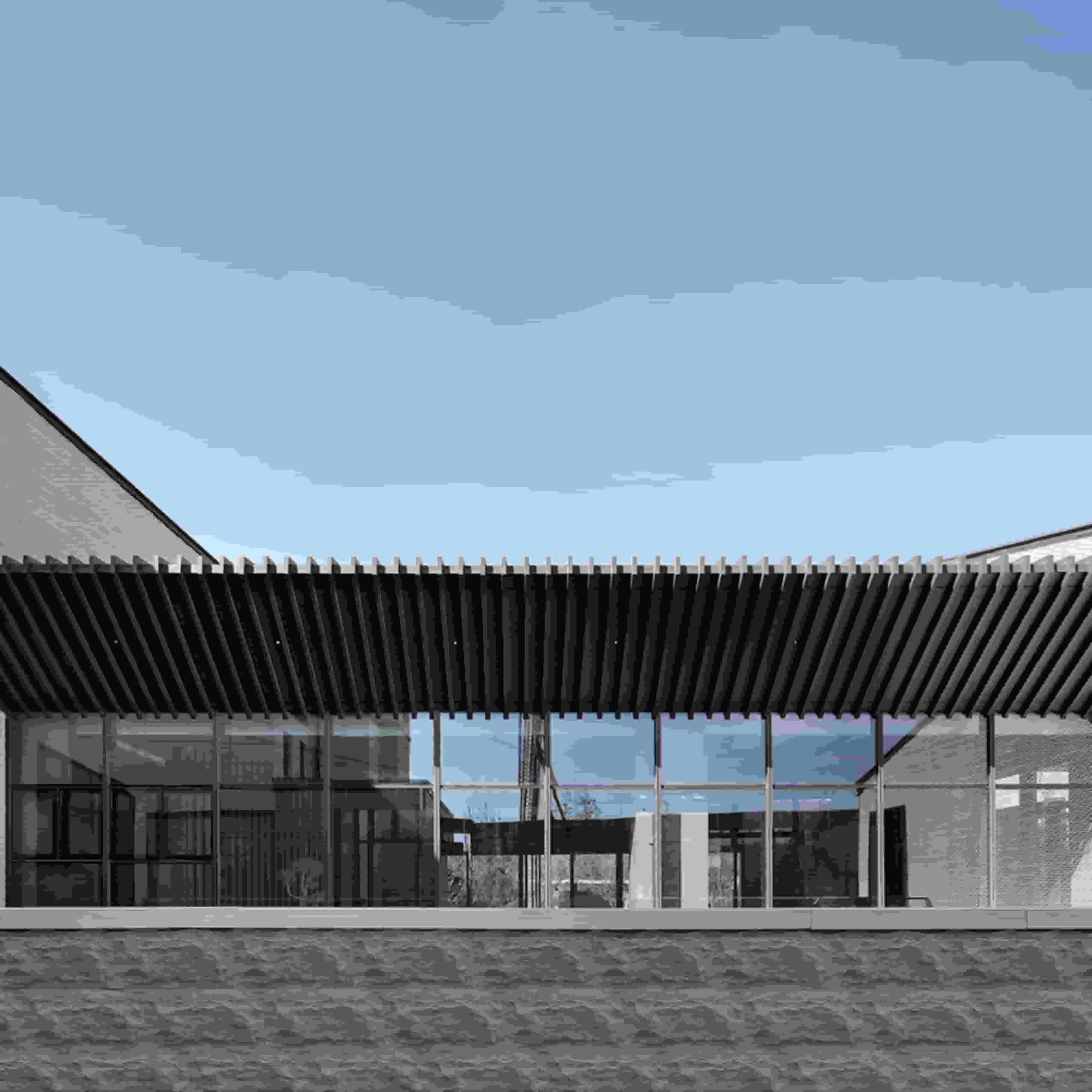
Here's a truth we often overlook: buildings aren't just structures—they're emotional spaces. The materials we choose shape how people feel inside them. A hospital with cold, sterile walls can make patients anxious; a school with warm, tactile surfaces can make kids feel safe. Crossare Mushroom Stone043, with its organic texture and earthy tones, doesn't just look alive—it feels alive. It's the difference between standing in front of a wall and standing in front of a story.
"I had a client once who cried when she saw the finished facade," a designer told me. "She said it felt like the building was breathing . That's not something you get with fair-faced concrete."
This emotional resonance is intentional. COLORIA GROUP's design team didn't just create a material—they crafted an experience. The "Mushroom" pattern isn't random; it's inspired by the way fungi grow in clusters, symbolizing community and growth. The color palette (warm beiges, soft grays, earthy browns) is calibrated to evoke calm and connection. Even the name "Crossare"—derived from the Italian word for "to intersect"—speaks to the product's mission: intersecting nature and technology, art and function.
Crossare Mushroom Stone043 isn't just a product of good technology—it's a product of a brand that understands architects' needs. COLORIA GROUP has been in the MCM game for over a decade, refining their craft with each new series. They don't just sell materials; they partner with designers, offering custom color matching, technical support, and even on-site installation guidance. "They treated me like a collaborator, not a customer," the Oregon architect said. "When I had questions about how the panels would hold up in saltwater, they sent engineers to test the material in our specific conditions. That level of care? It's rare."
This commitment to partnership extends to sustainability, too. COLORIA's factories run on 100% renewable energy, and their MCM flexible stone is made with 30% recycled materials. They even offer a take-back program for old panels, ensuring nothing ends up in landfills. "We're not just building for today," a COLORIA rep told me. "We're building for the architects of tomorrow."
Trends come and go. Polished concrete had its moment; metallic finishes had theirs. But Crossare Mushroom Stone043 isn't a trend—it's a paradigm shift. It proves that we don't have to sacrifice beauty for durability, or sustainability for cost. It shows that materials can be both high-performance and high-heart.
For architects and designers tired of choosing between "what looks right" and "what works right," it's a lifeline. For clients who want their buildings to tell a story, it's a voice. And for the industry? It's a wake-up call: the future of architecture isn't in cold, lifeless materials. It's in materials that connect us—to nature, to each other, and to the spaces we call home.
So the next time you walk past a building and find yourself pausing, drawn to its facade, take a closer look. Maybe, just maybe, it's Crossare Mushroom Stone043—quietly revolutionizing the way we build, one panel at a time. And to the architects out there: the next time you stare at that blank blueprint, remember—you don't have to choose. With COLORIA GROUP, you can have it all.
Recommend Products












