
Let's start with a scenario many developers know all too well: You're standing on an empty lot, spread out before you, envisioning the mixed-use project that will soon rise here. There's the residential tower with luxury apartments, the ground-floor retail spaces that need to attract high-end brands, the lobby that should feel both grand and welcoming, and the shared amenities—rooftop gardens, co-working spaces, maybe a café—where people will linger. The pressure is immense: this project needs to be functional, durable, visually stunning, and sustainable. And if you're being honest, you're also thinking about the bottom line: materials that won't break the budget but will add long-term value. It's a balancing act that keeps even the most experienced developers up at night. But what if there was a material that checked all these boxes? Enter Marble Stream Stone—a game-changer in the world of architectural design, and a favorite among developers for mixed-use projects.
In this article, we'll dive into why Marble Stream Stone has become the go-to choice for developers tackling the complexity of mixed-use spaces. We'll explore its aesthetic versatility, durability, sustainability, and how it pairs seamlessly with complementary materials like those from the MCM Big Slab Board Series and Flexible Stone. By the end, you'll understand why this engineered stone isn't just a trend, but a smart investment in the future of your project.
Mixed-use projects are a design puzzle. One minute, you're designing a sleek, modern lobby that needs to impress residents and visitors; the next, you're planning a cozy retail space that should feel inviting to shoppers. Then there's the exterior—something that needs to stand out in the skyline but also blend with the neighborhood. Marble Stream Stone solves this puzzle with a chameleon-like ability to adapt to any aesthetic.
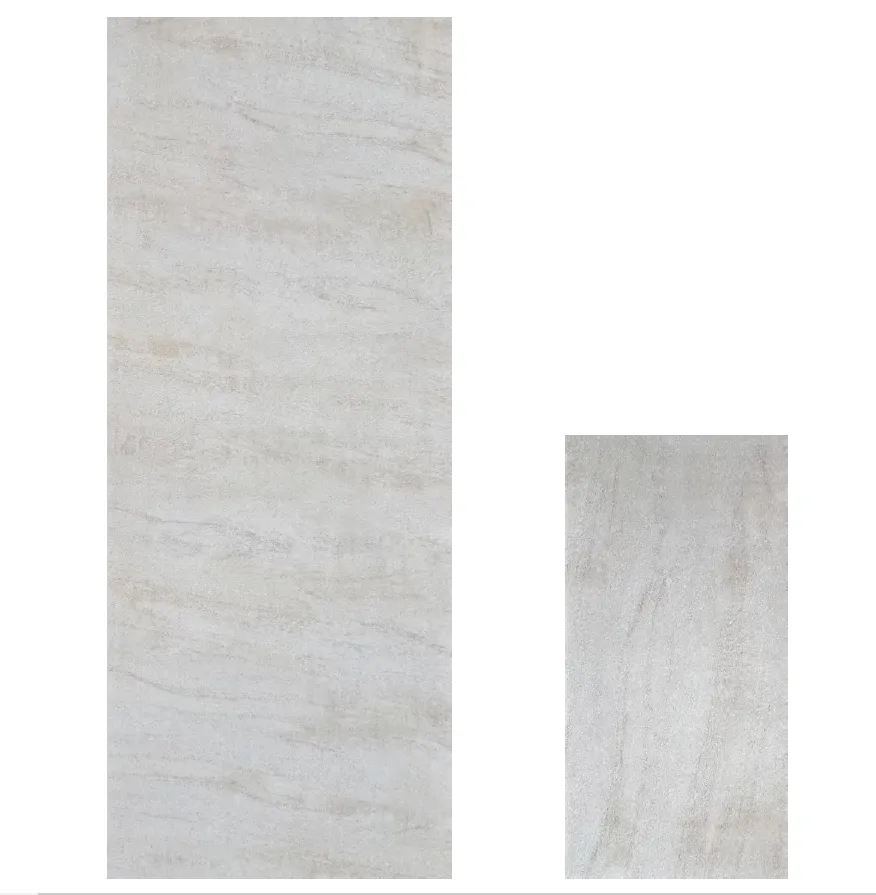
At first glance, what strikes most designers is its natural, flowing pattern. True to its name, Marble Stream Stone features soft, undulating veins that mimic the movement of a gentle stream—light greys blending into whites, with occasional hints of taupe or charcoal that add depth. These organic patterns mean no two slabs are identical, giving projects a one-of-a-kind feel that can't be replicated with synthetic materials. But what really sets it apart is its color versatility. Unlike traditional marbles that often lean toward stark whites or bold blacks, Marble Stream Stone offers a spectrum of neutral tones that act as a blank canvas for designers. Want a minimalist, Scandi-inspired retail space? Opt for lighter slabs with subtle veining. Going for an industrial-chic aesthetic in the co-working area? Darker variations with more pronounced streaks pair perfectly with exposed brick and metal accents.
Take, for example, the lobby of a mixed-use development in downtown Chicago. The developer wanted a space that felt both luxurious and approachable—something that would make residents proud to call the building home and visitors eager to explore the retail below. By cladding the lobby walls in Marble Stream Stone, they achieved just that. The stone's soft, flowing veins created a sense of movement, while its neutral palette allowed the lighting and furniture to take center stage. Tenants often mention how the lobby "feels like a retreat," even in the heart of the city. That's the power of Marble Stream Stone: it doesn't just fill a space—it transforms it.
One of the biggest challenges in mixed-use design is maintaining a cohesive look across different areas. A material that works for the exterior might feel out of place indoors, or vice versa. Marble Stream Stone eliminates this problem by transitioning seamlessly from outside to in. Imagine a building where the exterior façade features large slabs of Marble Stream Stone, its natural texture catching the sunlight and creating visual interest from the street. Step inside, and the same stone lines the elevator banks and lobby floors, creating a sense of continuity that makes the entire project feel intentional. This consistency isn't just aesthetically pleasing—it also helps build brand identity for the development, making it memorable in a crowded market.
Aesthetic appeal is important, but for developers, durability is non-negotiable. Mixed-use projects are high-traffic zones: think strollers, shopping carts, delivery trucks, and daily foot traffic from residents, shoppers, and employees. The materials used here need to stand up to spills, scratches, and the general wear and tear of busy urban life. Marble Stream Stone doesn't just meet these demands—it exceeds them.
Unlike natural marble, which is porous and prone to staining, Marble Stream Stone is engineered to be dense and non-porous. This means it resists water, oil, and common spills—critical for areas like restaurant patios, coffee shop floors, and lobby waiting areas. Its surface is also scratch-resistant, so even with heavy foot traffic, it maintains its smooth, polished look for years. One developer in Miami reported that after five years, the Marble Stream Stone floors in their retail corridor still looked brand new, with no visible signs of wear—something they couldn't say for the natural stone used in their previous project.
Temperature resistance is another key factor, especially for projects in extreme climates. Whether it's the scorching heat of Dubai or the freezing winters of New York, Marble Stream Stone holds up. Its composition prevents cracking from thermal expansion and contraction, making it ideal for both indoor and outdoor use. And unlike materials like wood, which can warp or rot in humid conditions, Marble Stream Stone remains stable, reducing the need for costly repairs or replacements down the line.
Developers know that maintenance costs can eat into profits over time. Marble Stream Stone minimizes this burden with its low-maintenance nature. Unlike natural stone, which requires regular sealing and specialized cleaning products, Marble Stream Stone can be maintained with simple soap and water. Its non-porous surface also means mold and mildew have nowhere to grow, a huge plus for areas like pool decks or underground parking garages. For busy property managers, this translates to lower operational costs and happier tenants—two wins that make Marble Stream Stone a smart financial investment.
Today's developers aren't just building structures—they're building legacies. And that means prioritizing sustainability. With green building certifications like LEED and BREEAM becoming increasingly important to investors and tenants, materials that align with eco-friendly goals are more valuable than ever. Marble Stream Stone checks this box, too.
The production process of Marble Stream Stone is designed to minimize environmental impact. Unlike traditional stone mining, which can disrupt ecosystems and generate large amounts of waste, Marble Stream Stone is often made using recycled materials and sustainable manufacturing practices. Many producers also prioritize reducing energy consumption and carbon emissions during production, making the stone a low-carbon alternative to materials like concrete or natural marble. For developers aiming for LEED certification, this can contribute to points in categories like "Materials and Resources" and "Energy and Atmosphere."
But sustainability isn't just about production—it's also about longevity. A material that needs to be replaced every 10 years is far less eco-friendly than one that lasts 50. Marble Stream Stone's durability means fewer replacements, reducing the demand for new materials and the associated environmental costs. Additionally, at the end of its life cycle, it can often be recycled or repurposed, further minimizing its carbon footprint. For developers looking to market their projects as "green" or "sustainable," Marble Stream Stone provides a tangible, visible way to back up those claims.
While Marble Stream Stone is a star on its own, it truly shines when paired with complementary materials from the MCM lineup. Developers often look for ways to add texture, contrast, and visual interest to their projects, and materials like the MCM Big Slab Board Series and Flexible Stone do just that.
The MCM Big Slab Board Series, for instance, offers large-format panels that are perfect for creating seamless, modern exteriors. Imagine a mixed-use project where the lower retail levels are clad in Marble Stream Stone, while the upper residential floors feature MCM Big Slab Board Series in a complementary tone like Lunar Peak Silvery. The contrast between the organic veining of the stone and the sleek, uniform look of the slabs creates a dynamic façade that's both modern and timeless. The big slabs also reduce installation time and labor costs, a bonus for developers working on tight schedules.
Flexible Stone is another standout partner for Marble Stream Stone, especially when it comes to curved or irregular surfaces. Traditional stone is rigid and difficult to shape, but Flexible Stone can be bent and molded to fit arches, columns, or custom architectural features. Picture a lobby with a curved reception desk wrapped in Flexible Stone, its texture echoing the natural patterns of the Marble Stream Stone walls nearby. The combination adds depth and dimension to the space, making it feel more dynamic and inviting. For developers looking to push the boundaries of design, Flexible Stone opens up a world of possibilities that traditional materials can't match.
To see how these materials work together, let's look at the Riverfront District, a mixed-use project in Denver that combined Marble Stream Stone, MCM Big Slab Board Series, and Flexible Stone. The development features a 12-story residential tower with ground-floor retail and a public plaza. The exterior uses MCM Big Slab Board Series in Lunar Peak Silvery for the tower's upper levels, giving it a sleek, modern look that stands out against the city skyline. The retail podium, however, is clad in Marble Stream Stone, its warm, natural tones inviting pedestrians to explore the shops below. In the public plaza, curved benches wrapped in Flexible Stone provide seating, their texture complementing the stone pavers (also Marble Stream Stone) that line the walkways. The result? A project that feels cohesive, modern, and human-centered—all while staying on budget and on schedule. Tenants and visitors alike rave about the "welcoming, integrated feel" of the space, proving that the right material combinations can transform a development from ordinary to extraordinary.
At the end of the day, developers are always weighing costs versus benefits. So how does Marble Stream Stone stack up against traditional materials like natural marble, granite, or fair-faced concrete? Let's break it down.
| Material | Initial Cost | Durability | Maintenance Costs | Aesthetic Flexibility | Sustainability |
|---|---|---|---|---|---|
| Marble Stream Stone | Moderate (mid-range) | High (resistant to wear, moisture, temperature changes) | Low (simple cleaning, no sealing required) | High (adapts to modern, industrial, classic designs) | High (sustainable production, long lifespan, recyclable) |
| Natural Marble | High | Low (porous, prone to staining and scratching) | High (regular sealing, specialized cleaning) | High (luxurious, but limited color range) | Low (resource-intensive mining, short lifespan) |
| Granite | High | High (durable, scratch-resistant) | Moderate (occasional sealing required) | Moderate (limited patterns, mostly uniform) | Low (energy-intensive extraction and processing) |
| Fair-Faced Concrete | Low | Moderate (prone to cracking, staining) | Moderate (requires sealing, susceptible to spalling) | Low (industrial look, limited design options) | Moderate (high carbon footprint, but recyclable) |
As the table shows, Marble Stream Stone offers a sweet spot between cost, durability, and aesthetics. While natural marble and granite may have a similar high-end look, their maintenance costs and lower durability make them riskier investments for mixed-use projects. Fair-faced concrete is cheaper upfront, but its limited design flexibility and higher long-term maintenance costs often make it a less attractive option. Marble Stream Stone, on the other hand, delivers the beauty of natural stone with the practicality of an engineered material—all at a moderate price point that fits most development budgets.
Talk is cheap, but results speak volumes. Across the globe, developers are choosing Marble Stream Stone and seeing tangible benefits in terms of tenant satisfaction, marketability, and long-term value.
Take the case of a developer in Singapore who used Marble Stream Stone in their latest mixed-use project, a 20-story tower with retail, office, and residential spaces. Before construction, they conducted market research and found that potential tenants prioritized "aesthetic appeal" and "low maintenance" when choosing a space. By featuring Marble Stream Stone prominently in marketing materials—highlighting its natural beauty and durability—they were able to lease 90% of the retail and office spaces before the project even opened. Residents, too, were drawn to the stone's luxury feel, with the residential units renting at a 15% premium compared to similar buildings in the area. The developer reported that the stone "became a selling point, not just a material choice."
Another example comes from a renovation project in London, where a historic mixed-use building was updated with modern materials while preserving its heritage charm. The developer chose Marble Stream Stone for the lobby and common areas, pairing it with original brickwork and wooden beams. The result was a space that felt both timeless and contemporary, appealing to a mix of young professionals and long-term residents. Maintenance costs have been 30% lower than the previous materials used, and tenant retention rates have increased by 20%. As the project manager put it: "Marble Stream Stone didn't just update the building—it revitalized it."
For developers, mixed-use projects are about balancing competing priorities: beauty and function, cost and quality, today's needs and tomorrow's sustainability goals. Marble Stream Stone emerges as a solution that doesn't just balance these priorities—it elevates them. Its aesthetic versatility allows for creative, cohesive design; its durability ensures it stands up to the chaos of urban life; its sustainability aligns with modern green building standards; and its compatibility with materials like the MCM Big Slab Board Series and Flexible Stone opens up endless design possibilities.
But perhaps most importantly, Marble Stream Stone delivers value—both in the short term, through faster leasing and higher rental rates, and in the long term, through lower maintenance costs and lasting beauty. In a market where differentiation is key, it's not just a material choice; it's a strategic investment in the success of your project.
So the next time you're standing on that empty lot, in hand, wondering how to bring your mixed-use vision to life, consider Marble Stream Stone. It might just be the missing piece that turns your project from "another development" into a landmark—one that residents, shoppers, and the community will cherish for years to come.
Recommend Products












