
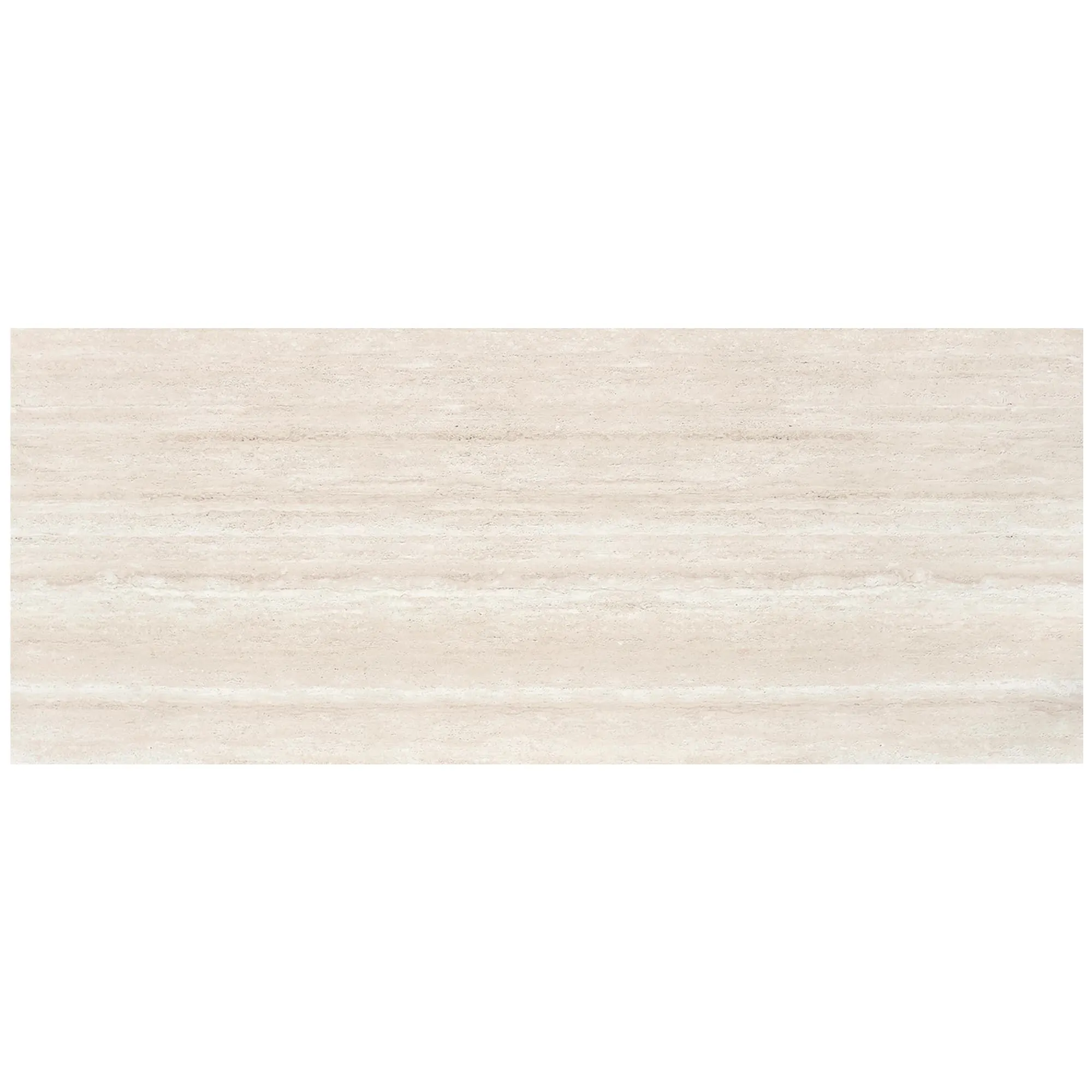
In the world of luxury hospitality, every detail matters. From the thread count of the linens to the angle of the lighting, developers and designers obsess over creating spaces that don't just accommodate guests—they immerse them. But if there's one element that quietly steals the show, it's the surfaces. Walls, lobbies, and exterior facades aren't just backdrops; they're storytellers. And in recent years, one material has emerged as a favorite among developers aiming to blend opulence with practicality: Rona Yellow MCM. Let's dive into why this golden-hued gem has become a staple in high-end hotel projects worldwide.
Before we zoom in on Rona Yellow, let's talk about the category it belongs to: MCM flexible stone. Short for Modified Composite Material, MCM is a game-changer in the construction world. Imagine a material that captures the raw beauty of natural stone—its texture, depth, and organic charm—but sheds the drawbacks: weight, brittleness, and installation headaches. That's MCM flexible stone in a nutshell. Made by bonding natural stone particles with a lightweight, flexible backing, it's thin (usually 3-5mm), bendable, and surprisingly durable. For developers, this means fewer structural limitations—curved walls, intricate facades, even ceiling accents are suddenly feasible without the cost of custom-cut marble or granite.
But MCM isn't just about practicality. It's about choice. With hundreds of finishes—from the industrial edge of fair-faced concrete to the cosmic allure of travertine (starry blue)—it caters to every design vision. Yet among this vast palette, Rona Yellow stands out. It's not just a color; it's a mood.
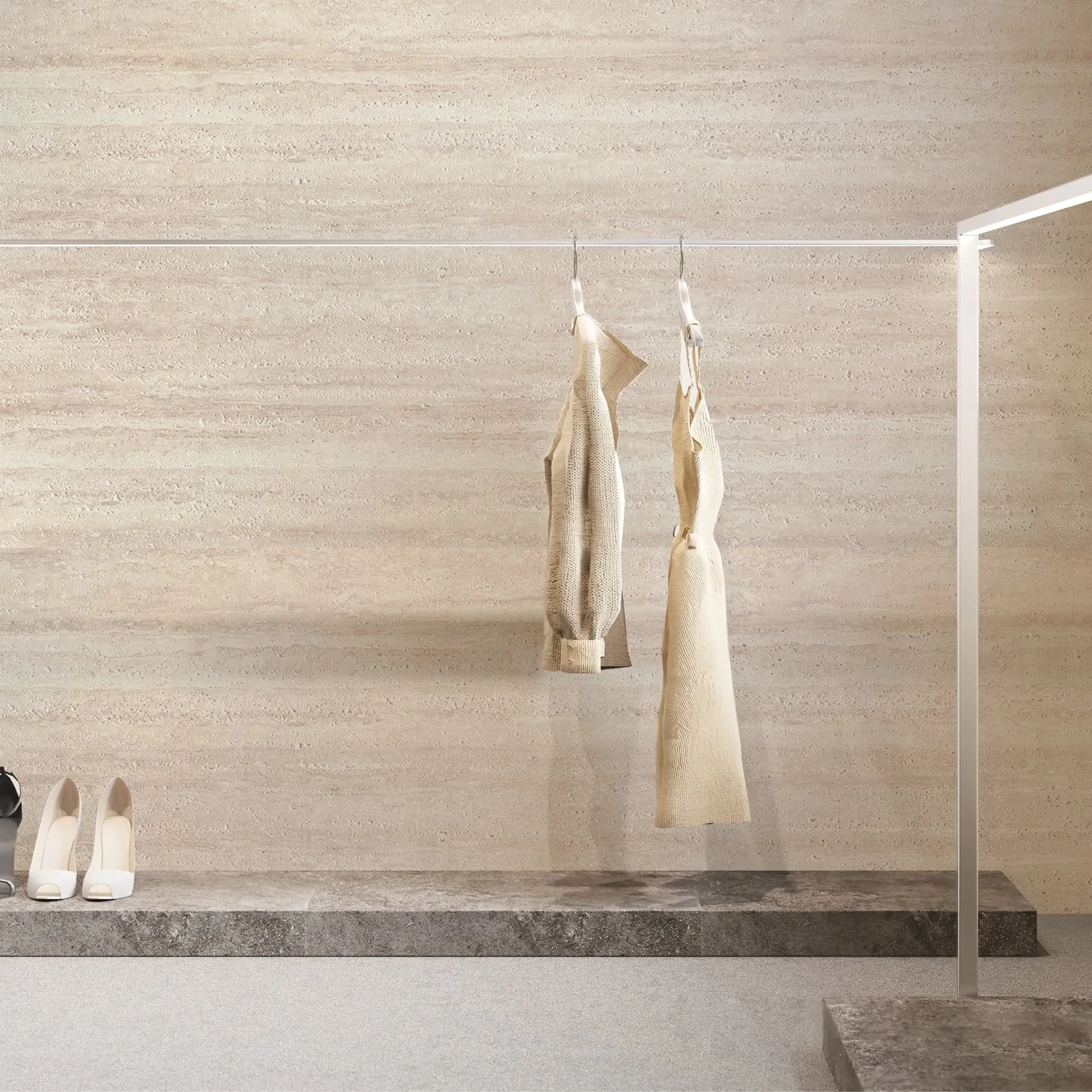
Rona Yellow isn't your average yellow. It's a warm, sunlit hue—think the soft glow of dawn over a Tuscan vineyard or the golden hour in a Moroccan riad. What sets it apart is its depth: tiny flecks of cream and amber run through the surface, mimicking the veining of aged travertine but with a uniformity that's hard to find in natural stone. It's bold enough to make a statement in a grand lobby yet subtle enough to complement wood grain board or bamboo mat board in a boutique hotel suite.
Developers love it for three big reasons: versatility, durability, and sustainability. Let's break them down.
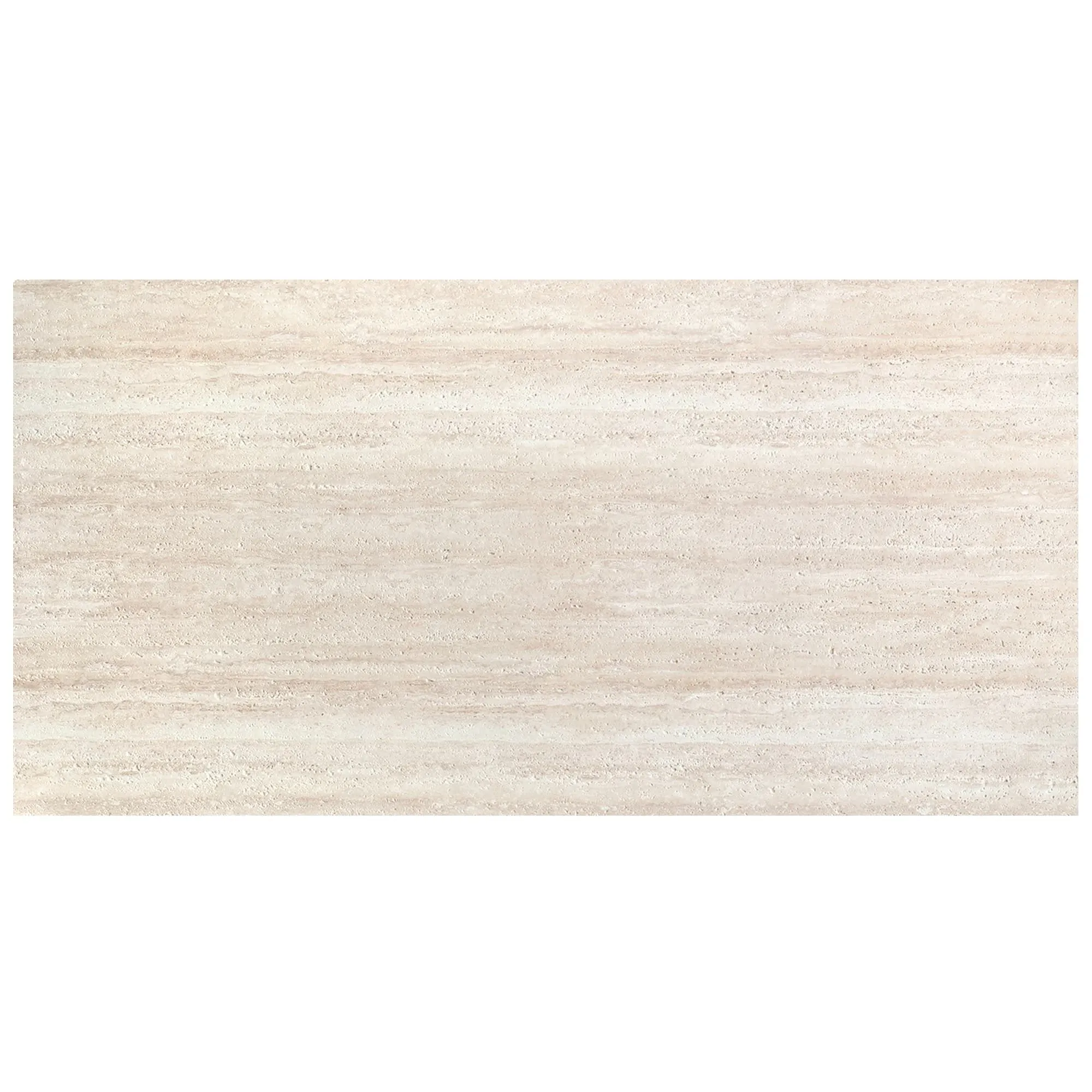
Luxury hotels rarely stick to one aesthetic. A single property might blend modern minimalism in the lobby, tropical warmth in the pool area, and classic elegance in the dining rooms. Rona Yellow plays well with all of them. Pair it with woven (khaki) panels for a beachy, Bali-inspired vibe, or contrast it with the sleekness of foamed aluminium alloy board (vintage silver) for a contemporary look. In historic renovations, it even complements century stone or epoch stone, bridging old and new without clashing.
Take the Azure Sands Hotel in Dubai, for example. Its exterior uses Rona Yellow MCM panels curved around the building's organic, wave-like structure—a feat that would have been nearly impossible with traditional stone. Inside, the material wraps around the reception desk, where its golden tone reflects the sunlight streaming through floor-to-ceiling windows, creating a welcoming glow that guests often mention in reviews.
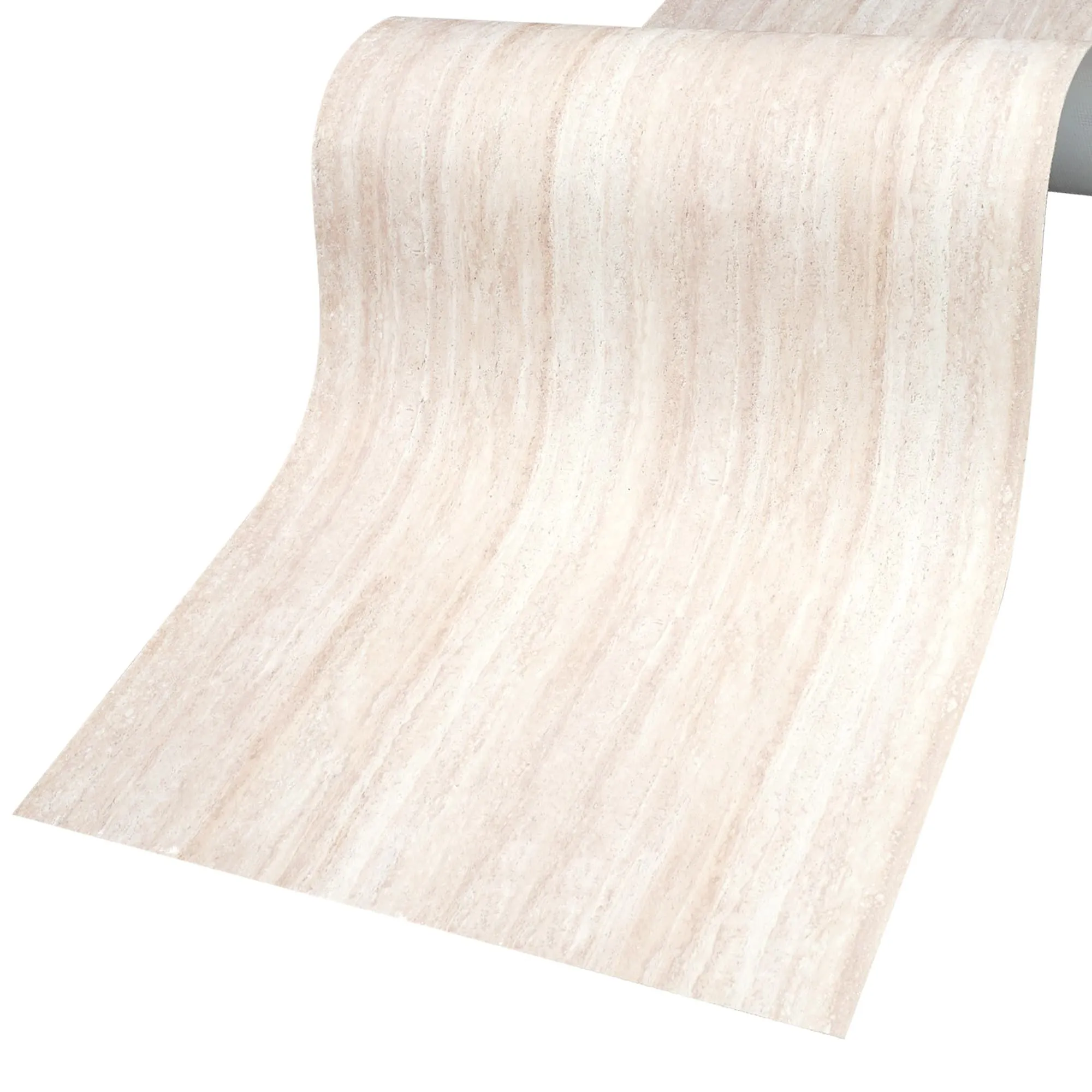
Luxury hotels see heavy foot traffic, spills, and constant exposure to the elements—from humid beach air to desert dust. Rona Yellow MCM holds up where natural stone might falter. Unlike travertine (beige), which is porous and prone to staining, MCM is non-porous and resistant to moisture. It doesn't scratch easily, even with luggage wheels or furniture, and UV rays won't fade its color over time. For developers, this translates to lower maintenance costs and a facade that looks fresh for decades, not just years.
Consider the Mountain View Resort in the Swiss Alps. Here, Rona Yellow clads the exterior chalets, enduring harsh winters with snow, ice, and freezing temperatures. After five years, the panels still look as vibrant as the day they were installed—no chipping, no discoloration. "We chose Rona Yellow because we needed something that could handle the alpine climate without losing its warmth," says the resort's developer, Maria Gonzalez. "Natural stone would have cracked under the freeze-thaw cycles. MCM? It's been bulletproof."
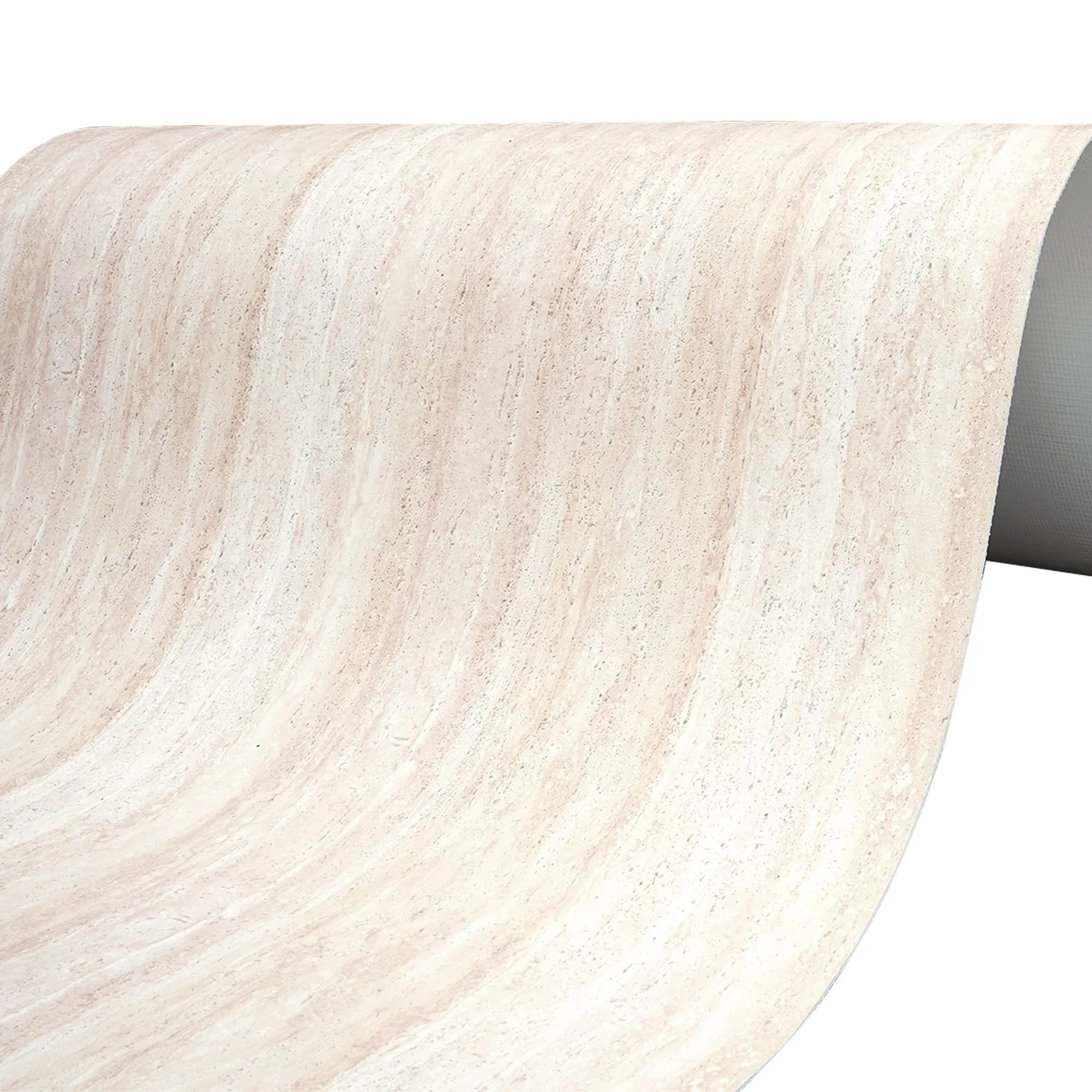
Today's luxury travelers care about more than just comfort—they care about the planet. Developers are under pressure to meet LEED, BREEAM, or WELL certifications, and Rona Yellow MCM delivers here, too. Unlike quarried stone, which requires heavy machinery and leaves ecological scars, MCM uses recycled stone particles and low-VOC resins. Its lightweight nature also cuts down on transportation emissions; a single truck can carry 10 times more MCM panels than natural stone slabs, reducing carbon footprints.
The EcoLuxe Hotel in Costa Rica, a LEED Platinum-certified property, used Rona Yellow MCM for 80% of its interior walls. "Sustainability was non-negotiable for us," explains project manager Juanita Mendez. "Rona Yellow let us achieve the luxury look we wanted without compromising our values. Plus, the material is 100% recyclable at the end of its life—something our guests, many of whom are eco-conscious, really appreciate."
Still not convinced? Let's compare Rona Yellow MCM to two popular alternatives in luxury hotel design:
The Bali Breeze, a boutique hotel nestled in Ubud's rice terraces, wanted to blend local Balinese charm with luxury. Their design called for a material that could withstand Bali's humid climate, complement the property's bamboo and teak elements, and evoke the warmth of the island's sunsets. Rona Yellow MCM checked all boxes.
"We paired Rona Yellow with bamboo mat board on the lobby walls and woven (beige) panels in the suites," says lead designer Lila Wong. "The MCM panels were easy to install even in the tight spaces between the bamboo beams, and they've held up beautifully against the humidity—no mold, no warping. Guests often comment on how the lobby feels 'like a golden hug.'"
For the hotel's developer, the decision came down to cost and timeline. "Natural stone would have delayed construction by three months and doubled the material budget," says Wong. "Rona Yellow let us finish on schedule and under budget, without sacrificing the luxury look we wanted."
At the end of the day, developers are problem-solvers. They need materials that balance beauty, budget, and practicality. Rona Yellow MCM does all three. It's a material that tells a story—of warmth, of sustainability, of thoughtful design—without requiring constant upkeep or breaking the bank. In a world where luxury is defined by both experience and responsibility, Rona Yellow isn't just a choice; it's a statement.
So the next time you step into a luxury hotel and find yourself drawn to the walls, take a closer look. Chances are, you're looking at Rona Yellow MCM—quietly elevating the space, one golden panel at a time.
Recommend Products












