
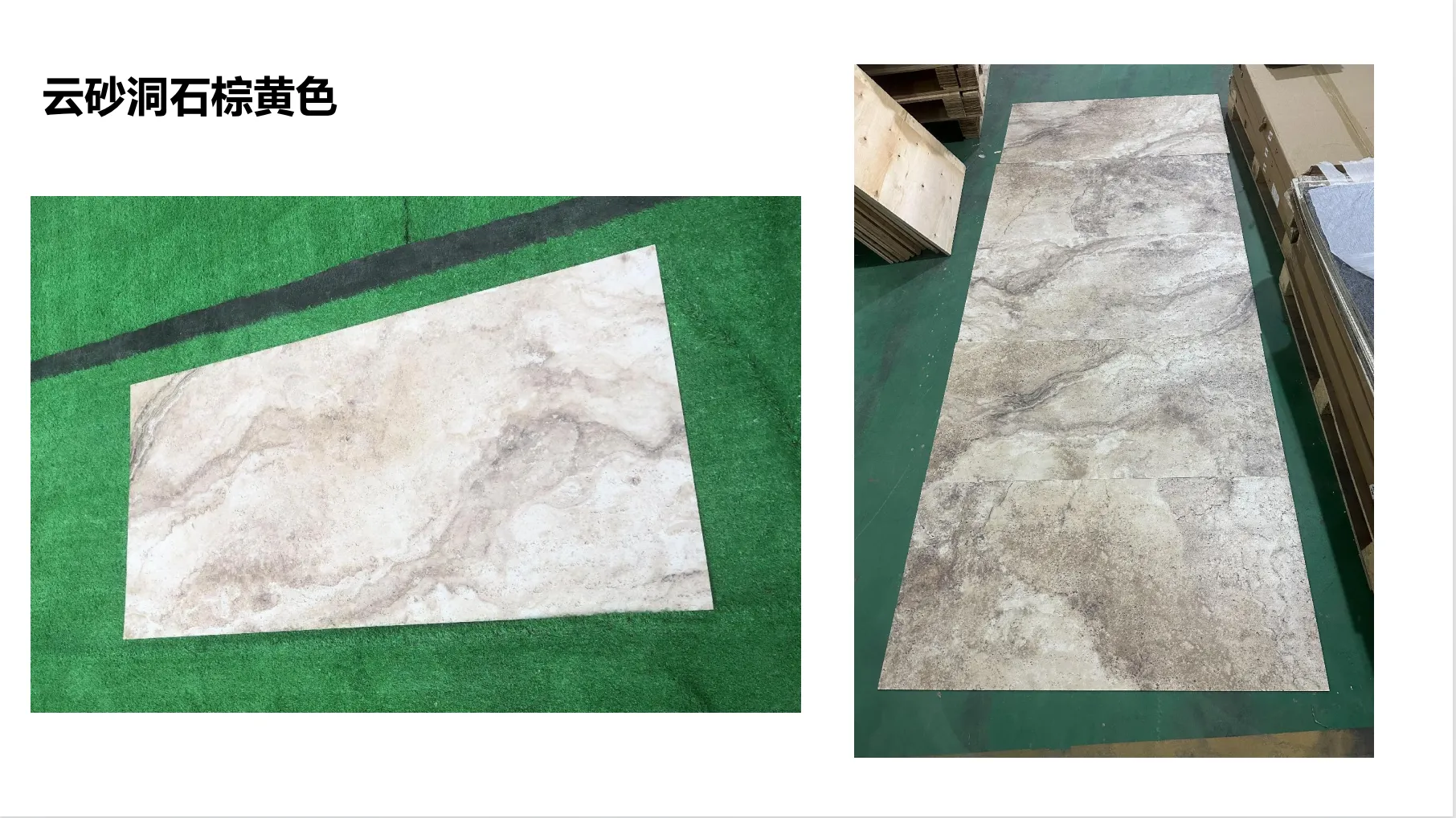
Walk into any high-traffic commercial space—a bustling airport terminal, a busy shopping mall, or a lively hotel lobby—and you'll quickly realize that the materials chosen to clothe its floors and walls do more than just fill space. They set the tone, endure the chaos of daily life, and quietly shape how we experience the world around us. In these environments, where foot traffic can number in the thousands daily, where spills are inevitable, and where first impressions matter as much as long-term resilience, choosing the right material isn't just a design decision—it's a promise to stand the test of time. That's where Dolomitic Travertine (Claybank) steps in. A star in the MCM Flexible Stone lineup, this natural stone variant has been turning heads in architectural circles, and for good reason. Let's dive into why it's become the go-to choice for spaces that refuse to compromise on beauty or durability.
High-traffic commercial spaces are unforgiving. Think about the constant stream of footsteps—shoes of all types, from stilettos to sneakers—rolling luggage, heavy furniture being moved, and even the occasional dropped object. Materials here can't just "look good"; they need to be good, with a toughness that laughs off daily wear and tear. Dolomitic Travertine (Claybank) delivers this in spades, thanks to its unique composition.
Unlike standard travertine, which is primarily calcium carbonate, dolomitic travertine gets its strength from a higher dolomite content—a mineral that adds density and hardness. This makes it significantly more resistant to scratches, chips, and abrasions than many other natural stones. I've spoken with facility managers who've installed it in busy transit hubs, and the consensus is clear: after years of heavy use, the surface still retains its original texture and color, with minimal signs of wear. One manager at a major airport even joked, "We've had coffee spills, soda splashes, and kids dragging suitcases—this stone just doesn't quit."
But durability isn't just about resisting damage; it's also about standing up to the elements. Whether it's the humidity of a hotel lobby or the temperature fluctuations of an open-air mall, Dolomitic Travertine (Claybank) holds steady. Its low porosity, when properly sealed, means it resists water absorption, preventing mold growth and staining—common headaches in spaces where moisture is a constant companion. Compare that to materials like Wood Grain Board , which, while charming, can warp or fade in high-moisture areas, or even Fair-Faced Concrete , which, despite its industrial appeal, is prone to cracking under prolonged stress. Dolomitic Travertine (Claybank) doesn't just survive the chaos—it thrives in it.
Let's be honest: durability alone isn't enough. Commercial spaces are also storytellers, and their design should reflect the brand's personality—whether that's a cozy café aiming for rustic warmth or a sleek tech store going for futuristic minimalism. Dolomitic Travertine (Claybank) shines here, too, with an aesthetic flexibility that adapts to almost any vision.
Its namesake "claybank" hue is a warm, earthy tone—think soft terracotta meets sandy beige—that brings a sense of groundedness to a space. The natural veining, which ranges from subtle cream streaks to deeper taupe lines, adds depth without overwhelming, making it a neutral backdrop that complements bold accents or lets other design elements take center stage. I recently visited a boutique hotel in the city that used it for both flooring and accent walls; paired with warm lighting and wooden furniture, it felt like a retreat from the urban bustle. But in another project—a modern co-working space—it was paired with black metal fixtures and minimalist art, and suddenly it read as sleek and contemporary. That's the magic of this stone: it doesn't box you into a single style.
Compare this to more specialized materials. Take Travertine (Starry Green) , for example—a striking, bold option with vibrant green tones and metallic flecks. While stunning in the right context (say, a luxury spa or a themed restaurant), its eye-catching color can limit its versatility in spaces that need to stay timeless. Dolomitic Travertine (Claybank), on the other hand, is a chameleon. It works with warm woods, cool metals, bold patterns, and muted palettes alike, making it a favorite for designers who want flexibility without sacrificing character.
In commercial spaces, downtime is the enemy. Closed sections for repairs, expensive cleaning crews, or constant touch-ups eat into budgets and disrupt the customer experience. That's why low-maintenance materials are worth their weight in gold—and Dolomitic Travertine (Claybank) is a budget-friendly dream in this regard.
Unlike natural marble, which requires frequent sealing and can etch easily with acidic spills, or Polish Concrete , which often needs re-waxing to maintain its shine, Dolomitic Travertine (Claybank) asks for very little. A basic sealing every 2–3 years (depending on foot traffic) is usually enough to keep it protected, and day-to-day cleaning is as simple as sweeping or vacuuming to remove dirt, followed by a damp mop with mild soap. Stains? They're rarely an issue if addressed promptly, thanks to that low porosity we mentioned earlier. One café owner I know switched to it after struggling with stained Linear Travertine (Claybank) floors; she now laughs, "I used to panic when someone spilled red wine. Now? I just wipe it up, and you'd never know it was there."
This ease of care isn't just convenient—it's cost-effective. Over time, the savings on cleaning products, professional services, and repairs add up, making Dolomitic Travertine (Claybank) a smart long-term investment. It's the kind of material that lets facility teams focus on what matters—creating a great experience for visitors—instead of constantly fixing what's broken.
These days, "green" isn't just a trend—it's a responsibility. More and more brands are prioritizing sustainable materials to reduce their environmental footprint, and Dolomitic Travertine (Claybank) aligns perfectly with this mission. As a natural stone, it's sourced from quarries that adhere to strict environmental standards, ensuring minimal disruption to local ecosystems. But what truly sets it apart is its longevity. Unlike synthetic materials that need replacement every 5–10 years, this travertine can last decades, reducing the need for frequent resource extraction and waste.
Plus, as part of the MCM Flexible Stone range, it benefits from the brand's commitment to eco-friendly production. MCM's manufacturing process minimizes water and energy use, and the stone itself is free from harmful chemicals or synthetic additives. Compare that to Foamed Aluminium Alloy Board (Vintage Silver) , which, while lightweight, is a metal product with a higher carbon footprint in production. Or even some engineered woods, which often contain formaldehyde-based adhesives. For brands looking to tell a story of sustainability, Dolomitic Travertine (Claybank) isn't just a material—it's a statement.
Still on the fence? Let's put Dolomitic Travertine (Claybank) head-to-head with some popular alternatives to see how it measures up:
| Material | Durability | Maintenance | Aesthetic Flexibility | Sustainability |
|---|---|---|---|---|
| Dolomitic Travertine (Claybank) | High (scratch/chip resistant, low porosity) | Low (seal every 2–3 years, simple cleaning) | Excellent (works with rustic, modern, industrial styles) | High (natural stone, long lifespan, eco-friendly sourcing) |
| Fair-Faced Concrete | Medium (prone to cracking over time) | Medium (needs re-sealing/waxing annually) | Limited (industrial look only) | Medium (high carbon footprint in production) |
| Wood Grain Board | Low (prone to warping, scratching, moisture damage) | High (regular refinishing, sensitive to spills) | Good (warm, rustic charm) | Medium (depends on sourcing; may use synthetic adhesives) |
| Polish Concrete | Medium (can stain, susceptible to etching) | High (frequent waxing, special cleaners needed) | Limited (modern, monochromatic) | Medium (energy-intensive production) |
As the table shows, Dolomitic Travertine (Claybank) outperforms in key areas, making it a well-rounded choice for high-traffic spaces.
Numbers and specs are great, but nothing beats real-world examples. Let's take a look at a few spaces that have embraced Dolomitic Travertine (Claybank) and never looked back:
The Metro Mall Renovation: A mid-sized shopping mall in the suburbs was struggling with its outdated tile floors, which were chipping and staining despite constant repairs. They opted to replace the main walkways with Dolomitic Travertine (Claybank) three years ago. Today, the floors still look brand-new, and customer feedback has been overwhelmingly positive. "It feels more upscale now," one regular shopper told me. "Like walking into a high-end boutique instead of a regular mall."
GreenWave Office Campus: This tech company wanted a workspace that reflected its eco-conscious values. They used Dolomitic Travertine (Claybank) in their open-concept lobby and breakout areas, pairing it with living plant walls and reclaimed wood furniture. The result? A space that feels both modern and grounded, with employees noting that the natural stone "adds a sense of calm" to their busy days.
Harbor View Hotel: Located near the coast, this hotel needed flooring that could handle salt air, humidity, and heavy foot traffic from beachgoers. They chose Dolomitic Travertine (Claybank) for their pool deck and lobby, and after two hurricane seasons, the stone shows no signs of weathering. The general manager raves, "We were worried about salt damage, but this stuff has held up better than anything we've used before. Our guests love the natural look, too—it feels like bringing the beach indoors, in the best way."
At the end of the day, Dolomitic Travertine (Claybank) isn't just a flooring or wall material. It's a partner in creating spaces that are durable, beautiful, and sustainable. It understands the demands of high-traffic commercial environments and rises to meet them, all while adding a touch of natural elegance that synthetic materials can never replicate. Whether you're designing a cozy café, a sprawling airport, or a luxury hotel, it's the kind of choice that checks every box—practicality, aesthetics, and planet-friendly responsibility.
So, if you're ready to invest in a material that doesn't just keep up with the chaos of daily life but elevates it, look no further. Dolomitic Travertine (Claybank) isn't just ideal for high-traffic commercial spaces—it's transformative. And in a world where first impressions last, that's the greatest advantage of all.
Recommend Products












