

Walk through the streets of Dubai, Riyadh, or Beirut, and you'll notice something extraordinary: Middle Eastern architecture is in the middle of a beautiful identity crisis. Not the kind that causes stress, but the kind that sparks innovation. On one hand, there's the weight of tradition—intricate tile work, domed roofs, and the warm, earthy tones that have defined the region for centuries. On the other, there's the bold push toward modernity: sleek skyscrapers, minimalist interiors, and a hunger for materials that can keep up with the fast-paced evolution of cities like Doha and Abu Dhabi. In this dance between old and new, one material has emerged as a quiet star: Fine Line Stone (White). It's not just a building material; it's a bridge. A way to honor where we've been while confidently stepping into where we're going.
In the Middle East, stone isn't just about structure—it's about storytelling. Think of the white marble of the Sheikh Zayed Grand Mosque, glowing softly under the Abu Dhabi sun, or the pale limestone of ancient palaces in Damascus, weathered but still regal. White and light-colored stones have long been symbols of purity, prosperity, and divine connection in the region's cultural and religious narratives. Fine Line Stone (White) taps into this legacy, but with a modern twist.
Unlike the heavy, ornate stones of the past, Fine Line Stone (White) carries a delicate, almost ethereal quality. Its subtle linear texture—soft, parallel grooves that mimic the natural erosion of desert rock—evokes the quiet grandeur of Wadi Rum canyons or the smooth curves of sand dunes at dawn. It's a texture that feels both intentional and organic, like a fingerprint left by time itself. For architects and designers, this means more than just aesthetics; it means creating spaces that feel rooted . When you walk into a lobby clad in Fine Line Stone (White), you don't just see a wall—you feel a connection to the land, to the stories of Bedouin traders and ancient caravans who once traversed these deserts. It's a material that speaks the language of the region, even as it fits into glass-and-steel skyscrapers.
Compare that to something like historical pathfinders stone, another popular choice for heritage projects. While historical pathfinders stone leans into rugged, weathered surfaces that shout "antiquity," Fine Line Stone (White) whispers it. It's the difference between a grandparent telling tales of their youth with a booming laugh versus sharing a quiet anecdote over tea. Both are powerful, but Fine Line Stone (White) offers a versatility that historical pathfinders stone can't match—especially in spaces where tradition needs to coexist with Wi-Fi and smart lighting.
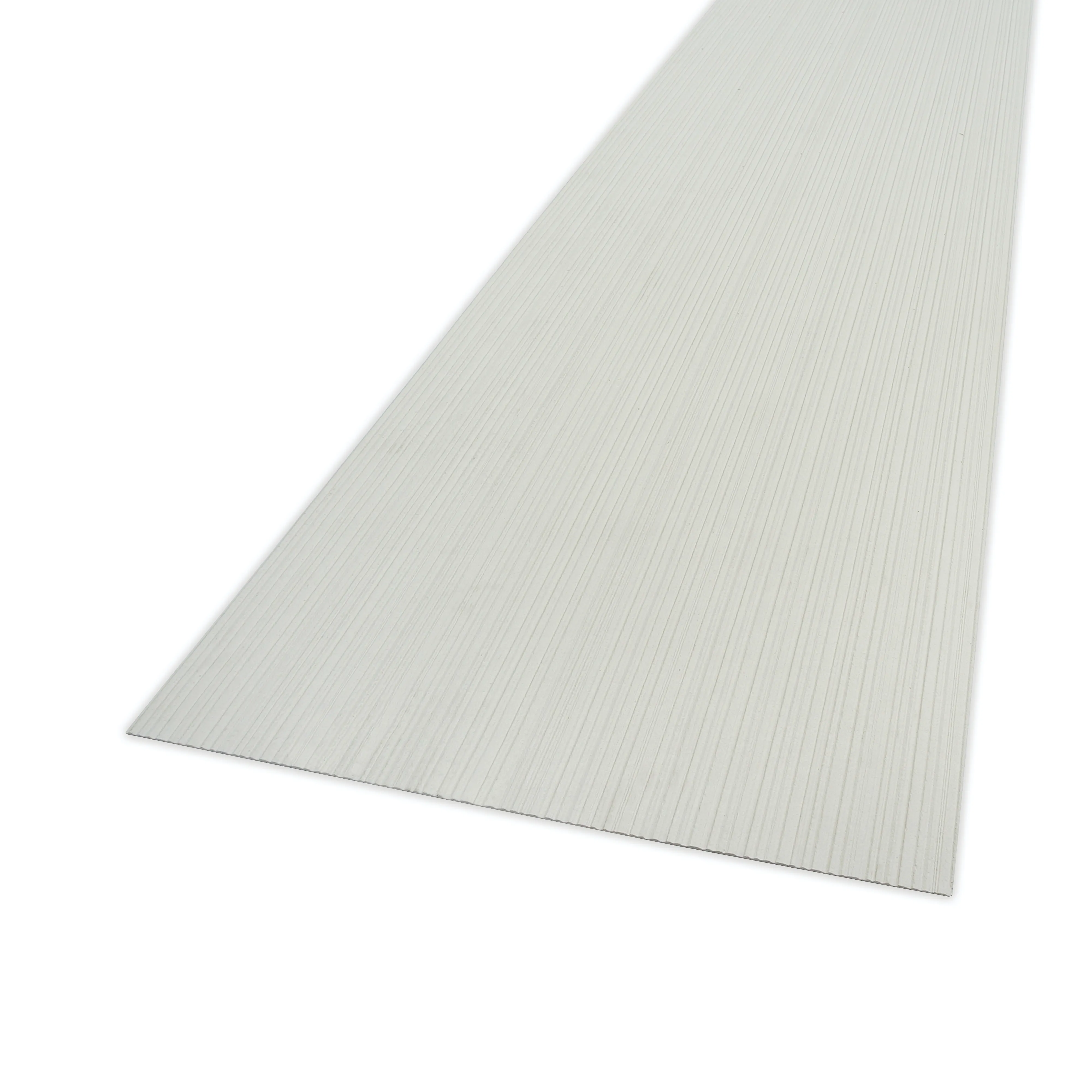
Let's get real: Middle Eastern construction isn't for the faint of heart. Summers here mean temperatures that can top 50°C (122°F), relentless sun, and occasional sandstorms that can grind down even the toughest materials. Winter brings humidity in coastal areas like Dubai and Doha, and sudden temperature drops in inland cities like Riyadh. A material that looks beautiful in a catalog but cracks under the desert sun is worse than useless—it's a liability. Fine Line Stone (White) isn't just pretty; it's a workhorse.
First, there's its thermal performance. Light colors reflect sunlight, and Fine Line Stone (White) does this exceptionally well. Unlike darker stones like granite nero margiua or slate portoro, which absorb heat and turn building exteriors into radiators, Fine Line Stone (White) keeps interiors cooler, reducing the need for air conditioning. In a region where energy costs can skyrocket in summer, that's not just a convenience—it's a selling point for developers and a relief for homeowners.
Then there's durability. Made from a modified composite material (part of the broader MCM flexible stone family), Fine Line Stone (White) is resistant to chipping, fading, and moisture. Unlike natural travertine (beige), which is porous and prone to staining from desert dust or rainwater, Fine Line Stone (White) has a sealed surface that repels liquids and resists scratches. I spoke with Ahmed, a site engineer in Jeddah, who put it bluntly: "We used travertine (beige) on a project three years ago, and within months, the walls looked like they'd been through a sandstorm—even with regular cleaning. With Fine Line Stone (White), we did a hotel facade last year, and it still looks brand-new. The maintenance crew loves it; they just hose it down every few weeks, and it's good as gold."
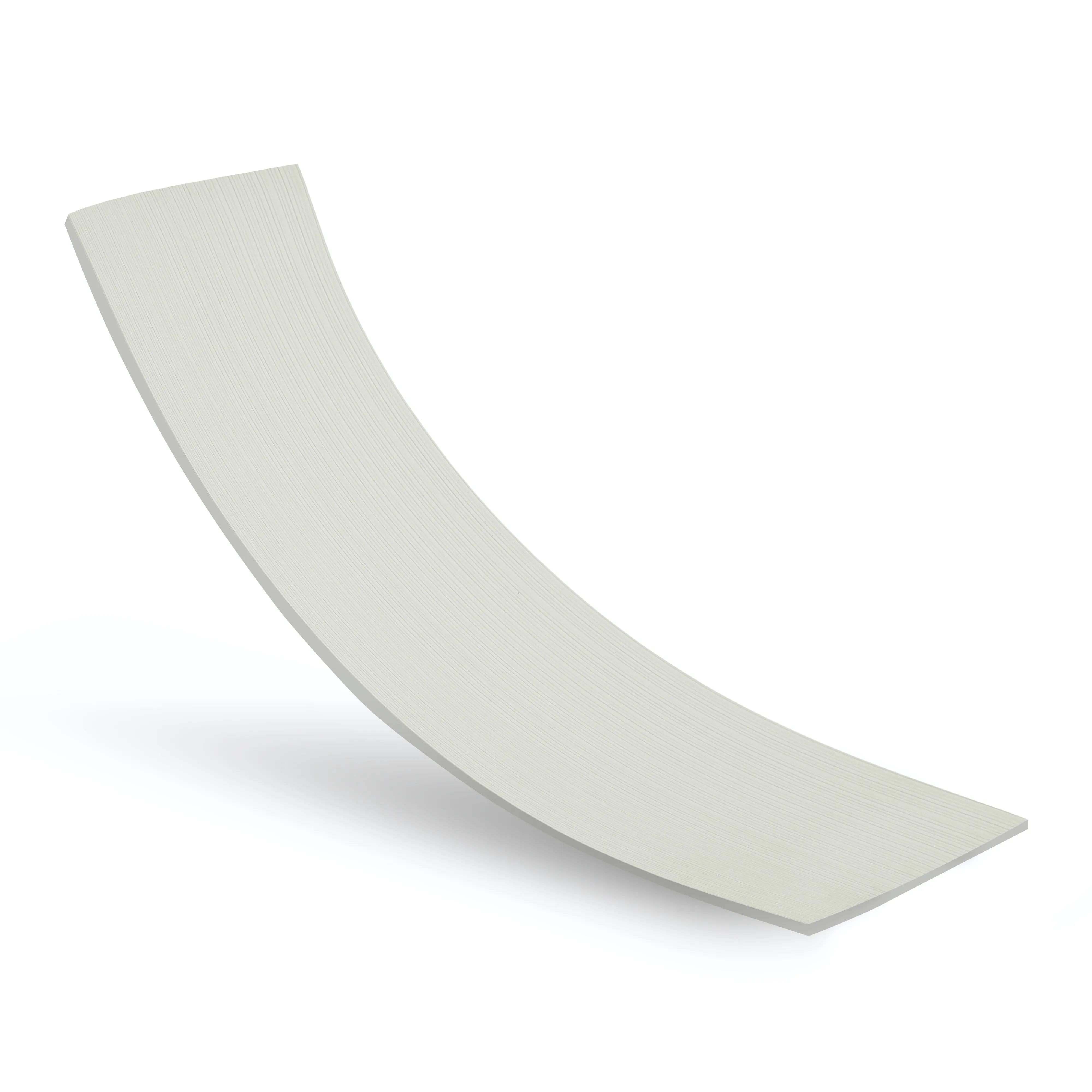
And let's not forget weight. Traditional stone slabs can be heavy, requiring reinforced structures and driving up construction costs. Fine Line Stone (White), being part of the MCM flexible stone series, is lightweight and flexible, making it easier to install on high-rise exteriors or curved surfaces. This flexibility was a game-changer for the Al Maktoum International Airport expansion, where architects wanted a seamless, flowing facade that mimicked the movement of desert winds. With traditional stone, that would have meant complicated, expensive cuts. With Fine Line Stone (White), the installers could bend and shape the material to fit the design—saving time, money, and headaches.
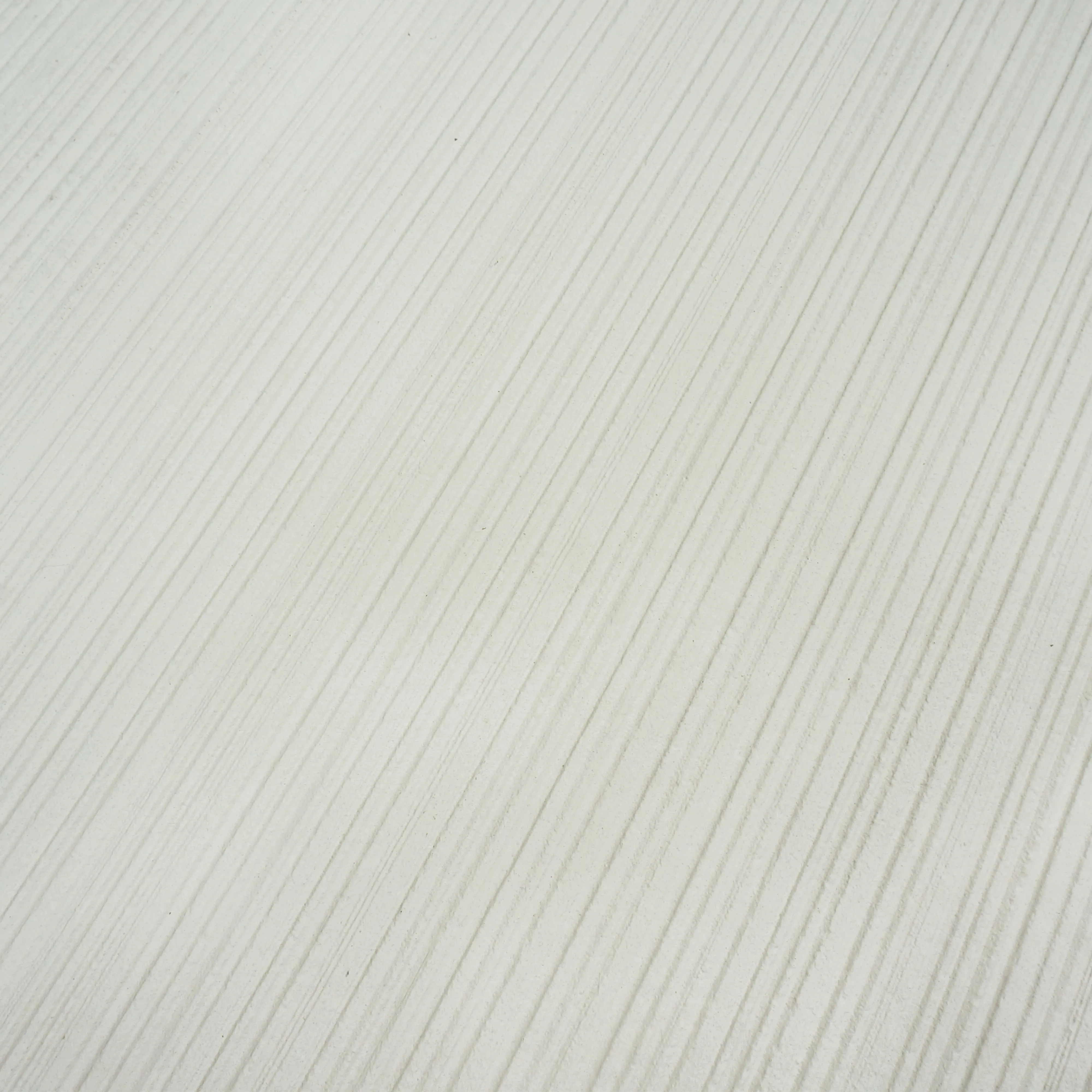
One of the biggest myths about white stone is that it's "one-note"—only good for minimalist, all-white spaces. But Fine Line Stone (White) defies that. Its linear texture adds depth and dimension, meaning it plays well with other materials and colors, making it a favorite for designers who hate being boxed in.
Take, for example, a modern home in Dubai's Palm Jumeirah. The designer paired Fine Line Stone (White) walls with warm wood grain board accents and black metal fixtures. The result? A space that feels both contemporary and cozy, like a Scandinavian cabin that's been given a Middle Eastern upgrade. In a commercial setting, like a Beirut café, Fine Line Stone (White) was used on the bar front, paired with brass hardware and woven (khaki) seating. The contrast between the stone's cool linearity and the fabric's soft texture created a space that's Instagram-worthy but still feels welcoming—perfect for lingering over a cup of Arabic coffee.
It also shines in heritage renovations. The old souk in Muscat, Oman, was recently restored, and architects chose Fine Line Stone (White) for the interior walls of a new boutique hotel within the souk. The stone's light color brightened up the historically dark, narrow spaces, while its texture echoed the weathered stone of the surrounding market stalls. "We didn't want to erase the past," said the project's lead architect, Fatima Al-Mansoori. "We wanted to honor it while making the space functional for today's travelers. Fine Line Stone (White) let us do that. It's respectful without being stuffy."
Compare that to fair-faced concrete, another material praised for its versatility. While fair-faced concrete has a raw, industrial charm, it can feel cold and sterile in residential or hospitality settings. Fine Line Stone (White), with its subtle texture and warm undertones, adds a softness that fair-faced concrete lacks. It's the difference between sitting on a concrete bench versus a stone one—both are solid, but the stone feels more inviting.
To really understand why Fine Line Stone (White) is gaining traction, let's put it head-to-head with two other Middle Eastern favorites: travertine (beige) and fair-faced concrete. Here's how they measure up in key areas:
| Feature | Fine Line Stone (White) | Travertine (Beige) | Fair-Faced Concrete |
|---|---|---|---|
| Durability | High (resistant to chipping, fading, moisture) | Medium (porous, prone to staining and weathering) | High (strong, but can crack in extreme temperature shifts) |
| Maintenance | Low (hose down, occasional mild cleaning) | High (sealing required every 1-2 years, prone to dust buildup) | Medium (can stain if not sealed, needs regular power washing) |
| Thermal Performance | Excellent (reflects sunlight, keeps interiors cool) | Good (light color, but porous nature can trap heat) | Poor (absorbs heat, increases cooling costs) |
| Aesthetic Flexibility | High (pairs with wood, metal, fabric; works in modern/traditional settings) | Medium (best in traditional or rustic spaces) | Low (industrial look, limited pairing options) |
| Installation Ease | High (lightweight, flexible, easy to cut/shape) | Medium (heavy, requires skilled labor for cutting) | Low (needs precise formwork, prone to errors) |
As the table shows, Fine Line Stone (White) isn't just better in one area—it's consistently strong across the board. Travertine (beige) has that classic, timeless look, but its high maintenance and durability issues make it a risky choice for busy, high-traffic spaces. Fair-faced concrete is tough, but its industrial vibe limits its use. Fine Line Stone (White) hits that sweet spot: durable enough for a shopping mall, beautiful enough for a boutique hotel, and practical enough for a family home.
Numbers and tables are great, but nothing beats hearing from people who've actually used the material. Let's dive into a few projects where Fine Line Stone (White) made all the difference.
When the Desert Bloom Hotel opened in 2024, it quickly became a hotspot for both tourists and locals. Designed to evoke the beauty of desert flowers opening at dawn, the hotel's exterior features sweeping curves and a color palette of whites, creams, and soft golds. The facade? Fine Line Stone (White), chosen for its ability to catch and reflect the early morning light. "We wanted the building to glow, like a flower petal catching the sun," said lead architect Layla Hassan. "Traditional white marble would have been too harsh, too shiny. Fine Line Stone (White) has this warm, diffused glow—almost like it's emitting light from within. And in the afternoon, when the sun is blazing, it stays cool to the touch. Guests often comment on how comfortable it feels to walk around the outdoor terraces, even in summer."
Heritage preservation was key for the Al-Rashid Cultural Center, which sits adjacent to a 200-year-old mosque. The center's mission is to celebrate Kuwaiti culture, so the design needed to honor the past while embracing modernity. The solution? A mix of historical pathfinders stone for the lower levels (to match the mosque's weathered walls) and Fine Line Stone (White) for the upper floors and interior atrium. "The contrast is stunning," said project manager Khalid Al-Mohammed. "The historical pathfinders stone grounds the building, while the Fine Line Stone (White) lifts it up, symbolizing the future of Kuwaiti culture. Inside, the atrium's Fine Line Stone (White) walls bounce light around, making the space feel open and airy—perfect for art exhibitions and cultural events. We've had visitors tell us they feel 'at peace' there, like the stone itself is fostering connection."
For homeowner Amina and her family, their Dubai villa needed to be both a family home and a place to host large gatherings during Eid and Ramadan. "We wanted something that was beautiful but also kid-friendly," Amina laughed. "No fancy materials that the kids would scratch or stain. Fine Line Stone (White) checked all the boxes. We used it in the living room, around the pool, and even in the kitchen backsplash. The kids run around, spill juice, and it just wipes clean. And when we have guests over, everyone compliments how elegant the house feels. It's like having a luxury space that doesn't feel 'fragile.'"
So, what does the future hold? As Middle Eastern cities continue to grow and evolve, the demand for materials that can keep up will only increase. Fine Line Stone (White) isn't just a trend—it's a response to a very specific need: the desire to build spaces that are meaningful . Spaces that honor tradition without being trapped by it, that are durable enough for the desert climate, and that look beautiful doing it.
Compare it to other emerging materials, like foamed aluminium alloy board (vintage silver) or epoch stone. While these have their merits—foamed aluminium alloy board offers a sleek, metallic look; epoch stone leans into bold, industrial textures—they lack the cultural and emotional resonance that Fine Line Stone (White) brings. In a region where identity is so deeply tied to the land and its history, materials that feel disconnected from that heritage will always struggle to gain widespread acceptance.
Fine Line Stone (White) also aligns with the growing global focus on sustainability. Its lightweight nature reduces transportation and installation emissions, and its durability means less frequent replacement—both key factors for eco-conscious developers. In a world where "green building" is no longer a buzzword but a requirement, Fine Line Stone (White) checks that box too.
At the end of the day, Middle Eastern construction is about more than just putting up buildings. It's about creating legacies. It's about building spaces where future generations will gather, work, pray, and dream. Fine Line Stone (White) isn't just part of that legacy—it's helping to write it. It's a material that understands the region's past, embraces its present, and is ready for whatever the future brings. And in a part of the world that's always reaching for the stars, that's more than enough reason to choose it.
Recommend Products












