
Saudi Arabia is in the midst of an architectural renaissance. From the futuristic skylines of Riyadh to the cultural hubs rising in Jeddah, and the ambitious mega-projects like NEOM and Qiddiya, the kingdom is redefining what modern construction can be. Yet, amid this wave of innovation, there's a deep respect for heritage—think of the intricate geometric patterns of traditional Najdi architecture or the warm, earthy tones of mud-brick structures that have stood for centuries. The challenge? Finding materials that can bridge this gap: tough enough to withstand the harsh desert climate, flexible enough to adapt to bold design visions, and authentic enough to honor cultural roots. Enter Fine Line Stone (White) MCM—a material that's quietly revolutionizing how we build in Saudi Arabia.
Before diving into why Fine Line Stone (White) stands out, let's talk about the star behind it: MCM, or Modified Composite Material. You might have heard the term thrown around in construction circles, but what makes it so special? Unlike traditional building materials—think heavy natural stone slabs or brittle concrete—MCM is a lightweight, engineered composite. It's made by blending natural minerals (like stone powder and fibers) with high-performance polymers, creating a material that's thin, flexible, and surprisingly tough. Imagine a material that looks and feels like natural stone but weighs up to 80% less, bends without cracking, and resists the kind of wear and tear that would chip or fade traditional surfaces. That's MCM in a nutshell.
In Saudi Arabia, where transporting heavy materials across vast deserts can drive up costs, and where buildings face daily battles with 50°C heat, sandstorms, and UV radiation, MCM's benefits aren't just nice-to-haves—they're necessities. And among the diverse range of MCM products, one variant has been turning heads: Fine Line Stone (White). Let's break down why it's become a go-to for architects and builders across the kingdom.
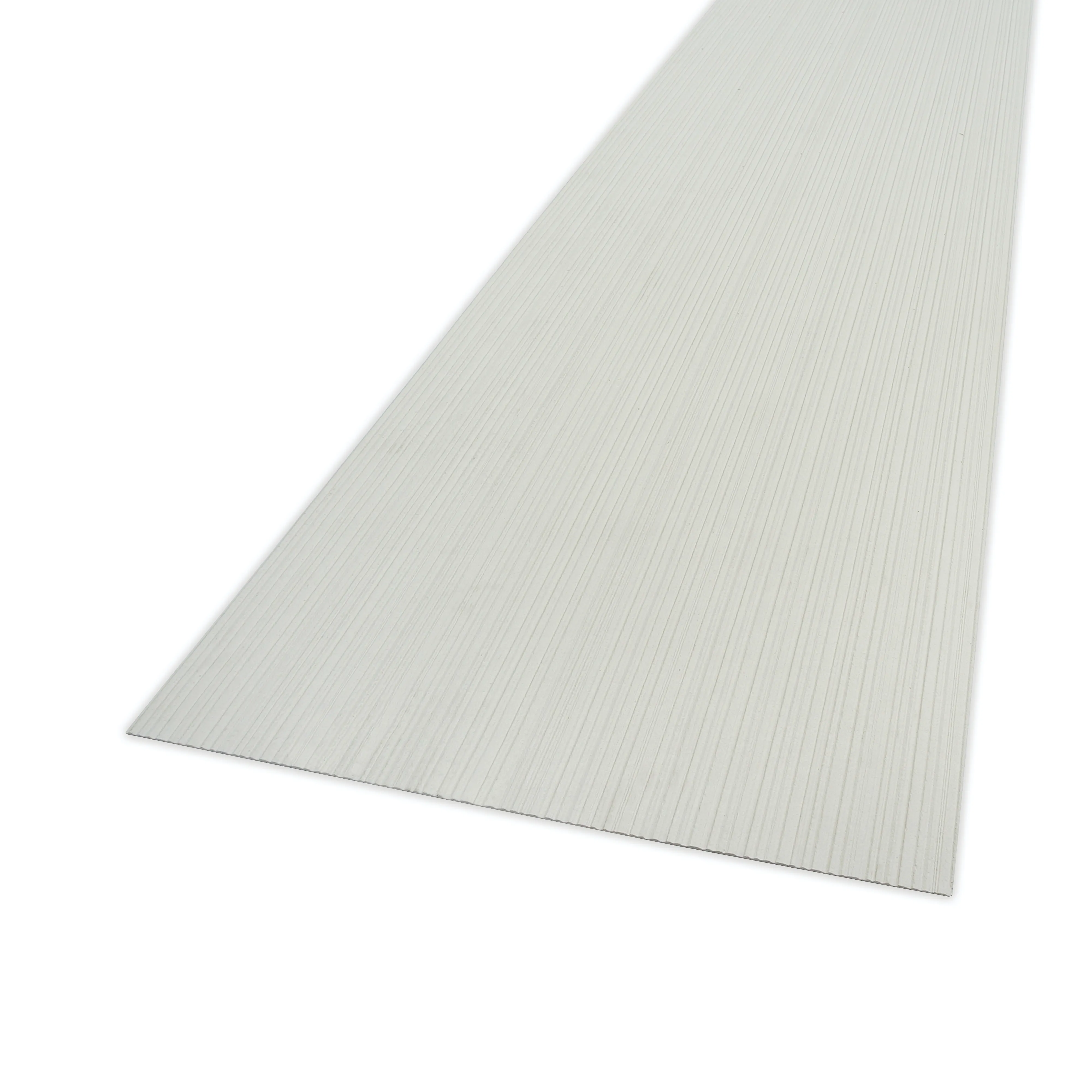
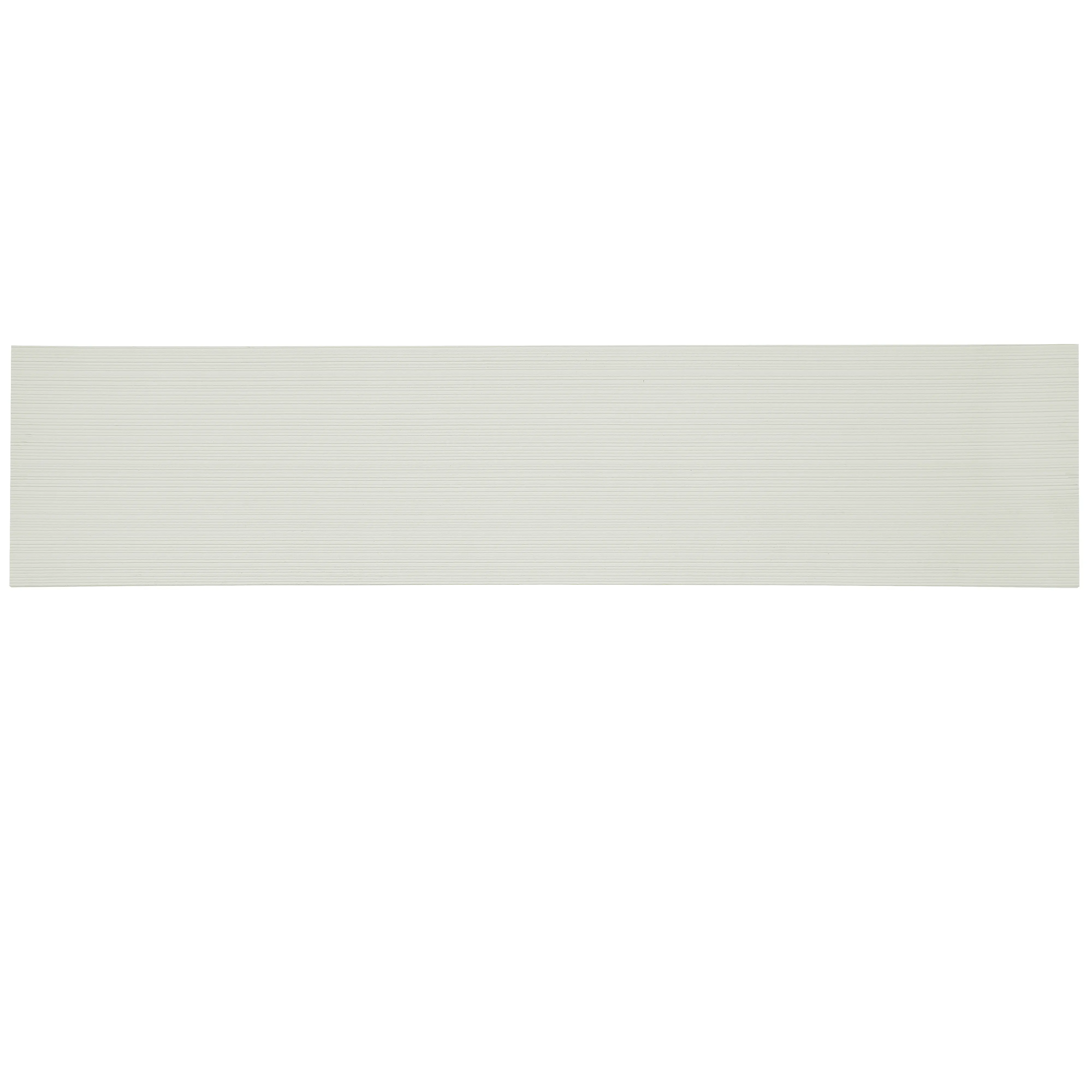
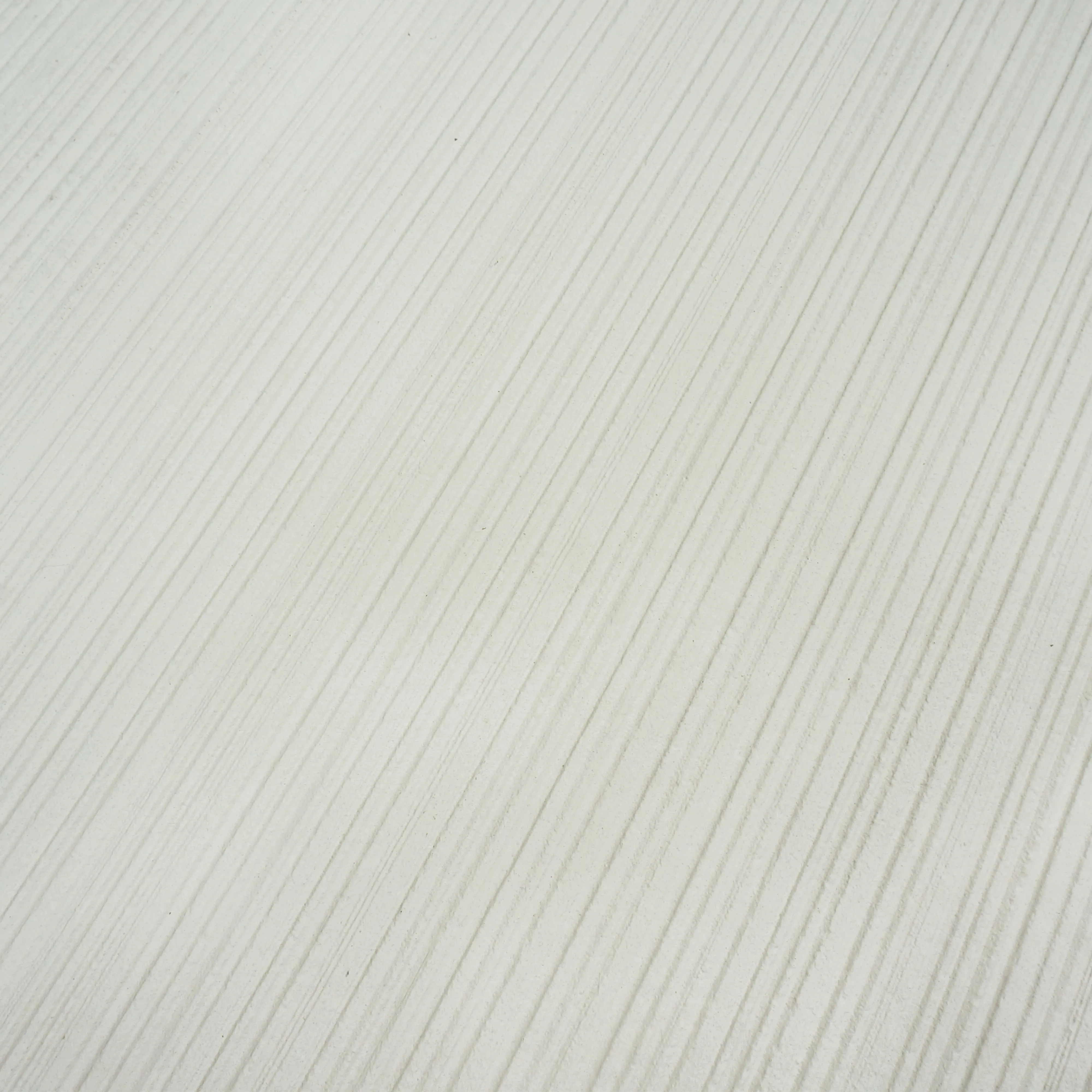
At first glance, Fine Line Stone (White) looks like it was chiseled from a block of premium marble or travertine. Its surface features delicate, natural-looking veins that mimic the subtlety of travertine (beige) but with a crisp, clean white base that feels both modern and timeless. Run your hand over it, and you'll notice the texture—smooth yet with enough depth to catch the light, avoiding the flat, artificial look of some synthetic materials. But what really sets it apart is what's beneath that elegant surface: a host of properties tailor-made for Saudi Arabia's unique challenges.
Traditional stone slabs can weigh upwards of 50kg per square meter—great for durability, but a nightmare for structural load and installation. Fine Line Stone (White), by contrast, clocks in at just 4-6kg per square meter. That lightness translates to easier transportation (no need for heavy-duty trucks or cranes for every panel), faster installation (teams can handle more panels in a day), and reduced strain on building foundations. In a country where many projects are large-scale—think skyscrapers in Riyadh or sprawling resorts in the Red Sea—this can cut construction timelines by weeks, if not months.
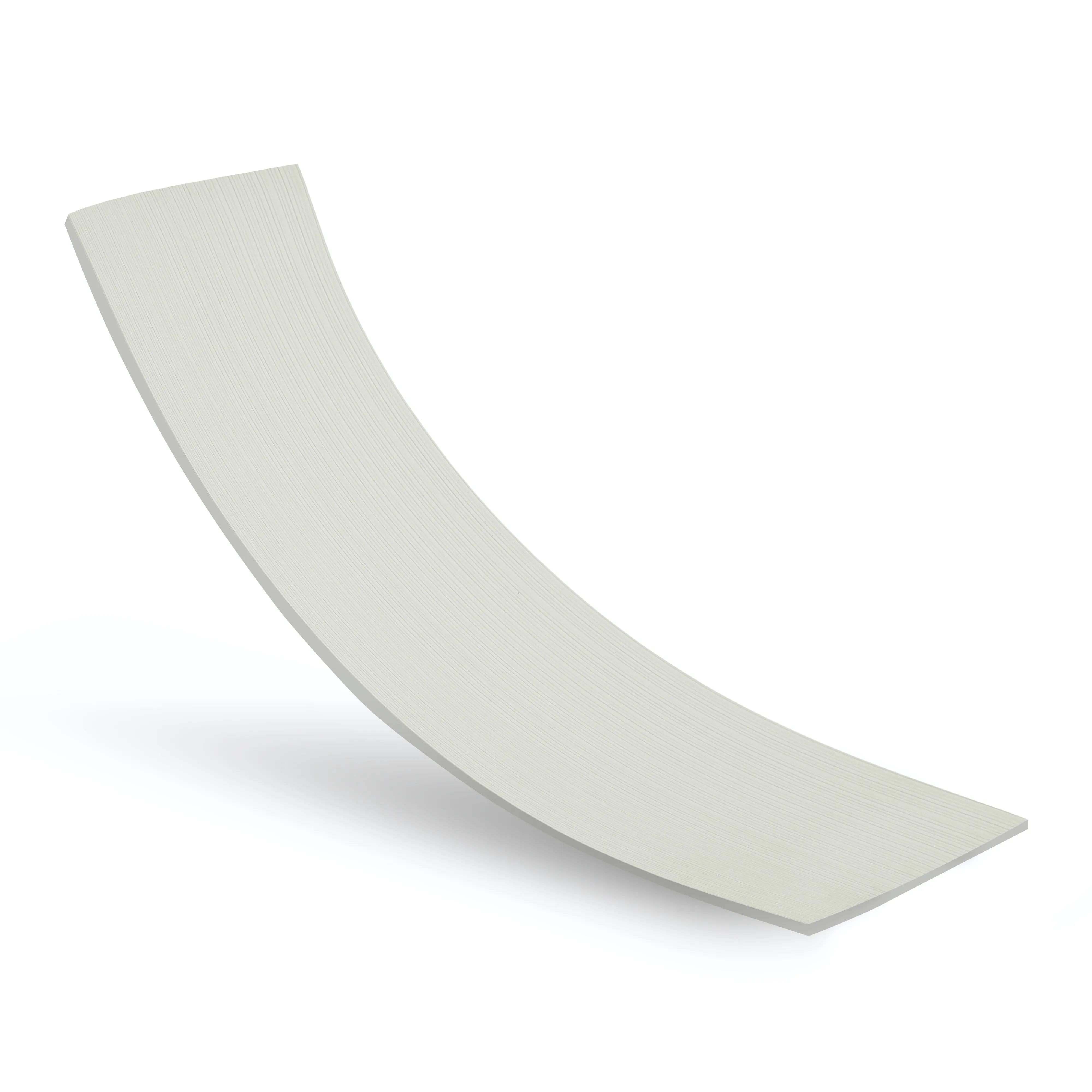
Then there's flexibility. Unlike rigid stone or even fair-faced concrete , which can crack under stress, Fine Line Stone (White) bends slightly without breaking. This is a game-changer in regions prone to minor seismic activity or temperature-induced expansion (which is common in Saudi, where day-night temperature swings can exceed 20°C). It also means it can be applied to curved surfaces—think the sweeping facades of cultural centers or the rounded edges of modernist homes—without compromising on aesthetics.
Let's talk about the elephant in the room: Saudi Arabia's climate. Summer temperatures regularly soar above 45°C, and sandstorms can blast buildings with grit for hours on end. Add in intense UV radiation that fades colors and weakens materials, and you've got a tough testing ground for any construction product. Fine Line Stone (White) isn't just surviving here—it's thriving.
Its polymer core acts as a barrier against moisture (critical in coastal areas like Jeddah, where humidity can creep in), while its mineral top layer resists scratching from sand particles. Unlike natural stone, which can absorb heat and make interiors feel like ovens, its light color and low thermal conductivity reflect sunlight, helping keep buildings cooler and reducing reliance on air conditioning. And when it comes to UV resistance? Lab tests show it retains its bright white finish even after years of exposure—no yellowing, no fading. For a material that's often used on exteriors, that's a huge win.
Saudi architecture isn't one-note. In Riyadh, you'll find sleek glass towers rubbing shoulders with restored mud-brick forts; in AlUla, contemporary art spaces blend with ancient rock formations. Fine Line Stone (White) fits seamlessly into this diversity. Its neutral white base acts as a blank canvas, complementing bold colors (like the warm golds of Lunar Peak Silvery accents) or standing alone for a minimalist, Scandi-inspired look. For traditional projects, it can be paired with wood or earthy tones to echo the kingdom's heritage; for modern builds, it adds a touch of sophistication that feels fresh and forward-thinking.
Take, for example, a recent residential project in Jeddah: the architect wanted to honor the client's Najdi roots with geometric patterns but also incorporate modern elements. By using Fine Line Stone (White) as the main facade material and inlaying it with darker, textured tiles, they achieved a look that felt both familiar and new. The white panels reflected the harsh sun, keeping the home cool, while the patterns paid homage to traditional design—proof that this material isn't just functional; it's a storytelling tool.
| Feature | Fine Line Stone (White) MCM | Traditional Natural Stone | Fair-Faced Concrete |
|---|---|---|---|
| Weight (kg/m²) | 4-6 | 30-50 | 20-25 |
| Flexibility | Can bend up to 30mm radius without cracking | Rigid; prone to cracking under stress | Low flexibility; may develop hairline cracks |
| Heat Resistance | Withstands up to 120°C; reflects UV rays | Absorbs heat; may fade or discolor over time | Prone to thermal expansion; can develop cracks |
| Maintenance | Wipe clean with water; no sealing required | Needs periodic sealing; prone to staining | May require patching; stains easily |
| Sustainability | Made from recycled minerals; low carbon footprint | High quarrying impact; heavy transportation emissions | High cement production emissions; energy-intensive |
In an era where green building practices are no longer optional (Saudi's Vision 2030 emphasizes sustainability), Fine Line Stone (White) checks another crucial box: eco-friendliness. Unlike natural stone, which requires mining and quarrying (disrupting ecosystems), MCM uses recycled stone waste and low-VOC polymers in its production. Its lightweight nature also reduces fuel consumption during transportation—every truck can carry 10x more panels than traditional stone, cutting carbon emissions significantly.
Then there's the long-term cost savings. While MCM panels may have a slightly higher upfront cost than basic concrete, their durability means fewer replacements. No need for expensive sealants or regular repairs—just an occasional wipe-down with water. For commercial projects like hotels or office buildings, where maintenance downtime can hurt revenue, this is a huge advantage. And for homeowners? It's peace of mind knowing their facade will look as good in 10 years as it did on day one.
Fine Line Stone (White) isn't limited to one type of project—it's versatile enough to star in everything from residential villas to public landmarks. Here are a few ways it's being used across the kingdom:
Saudi Arabia's construction boom isn't just about building bigger—it's about building smarter. It's about materials that honor the past while embracing the future, that stand up to the desert's wrath without sacrificing beauty, and that make sustainable, innovative design accessible to all. Fine Line Stone (White) MCM checks every one of these boxes. It's lightweight yet tough, elegant yet practical, modern yet timeless.
As the kingdom continues to grow—with projects that aim to be the best in the world—materials like Fine Line Stone (White) will play a starring role. They're not just building materials; they're partners in progress. So the next time you walk past a stunning new building in Riyadh or marvel at a sleek facade in Jeddah, take a closer look. Chances are, you're looking at the future of construction—and it's white, flexible, and ready to shape Saudi Arabia's skyline for decades to come.
Recommend Products












