
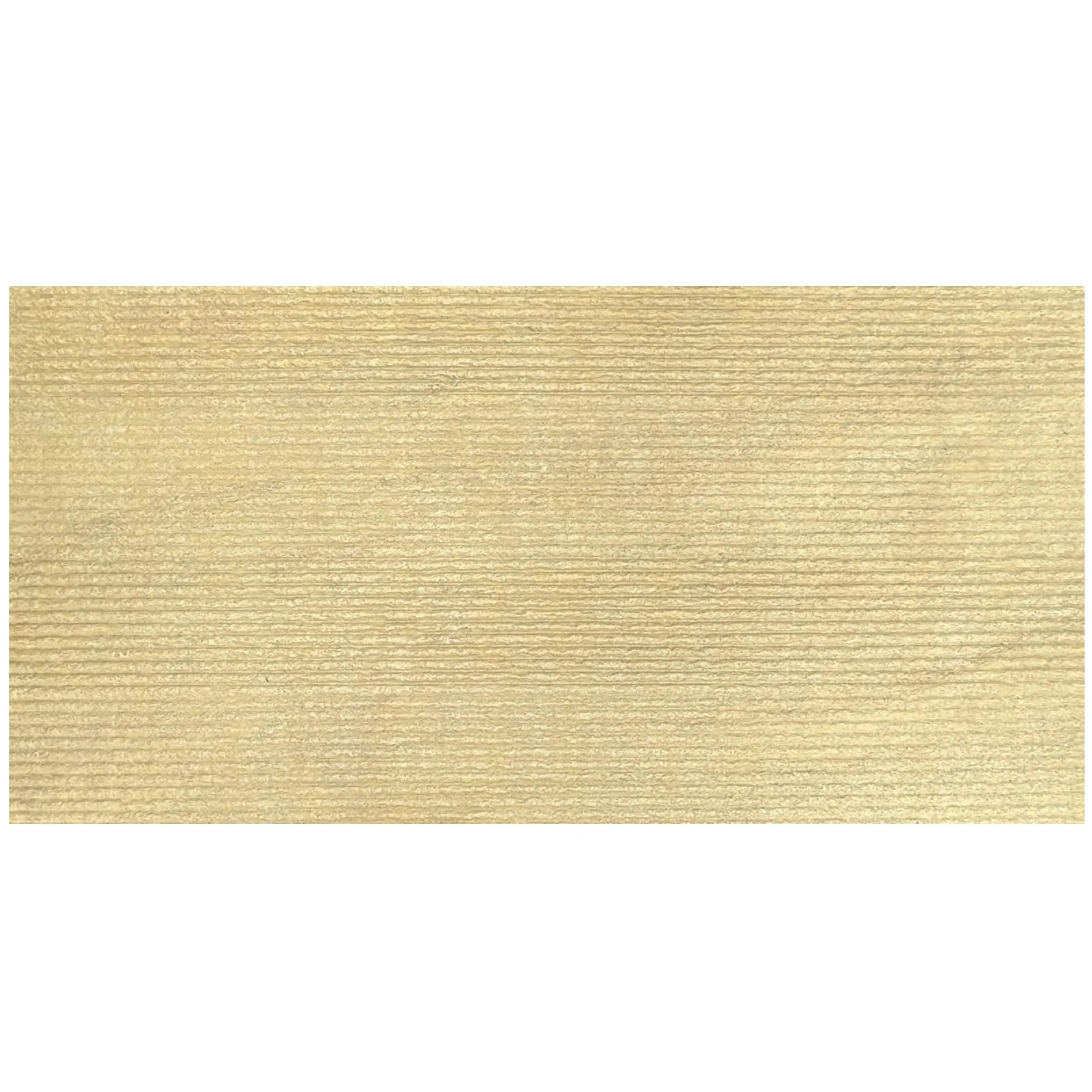
Heritage buildings are more than just structures—they are living narratives, (carrying) the whispers of the past, the craftsmanship of generations, and the identity of communities. When we set out to restore these treasures, every choice matters, especially the materials we use. They must not only repair what time has worn but also honor the original vision, ensuring the building continues to tell its story for decades to come. Among the many materials available, one stands out for its ability to bridge history and durability: Gravel Omani Stone. In this article, we'll explore why this natural stone has become a go-to choice for architects, preservationists, and communities dedicated to safeguarding our architectural heritage.
Heritage restoration is about more than fixing cracks or replacing weathered bricks—it's about respecting the past. Imagine a 17th-century fort in Oman, its walls pockmarked by time, its original stonework fading under the sun and sand. To restore it, you need a material that doesn't just fill gaps but feels like it belongs, as if it was quarried from the same earth that nourished the fort's first builders. This is where Gravel Omani Stone shines. Its roots in the region run deep, mirroring the "historical pathfinders stone" that ancient craftsmen relied on to construct everything from palaces to village homes.
Unlike modern synthetic materials that scream "new," Gravel Omani Stone carries the patina of age from the moment it's quarried. Its surface, dotted with tiny pebbles and natural variations in color—warm beiges, soft grays, and hints of terracotta—echoes the weathered charm of heritage structures. When used in restoration, it doesn't jar the eye or create a "patchwork" effect; instead, it blends seamlessly, as if the building has simply shed a layer of time to reveal its original beauty. This historical compatibility is irreplaceable. A heritage site restored with mismatched materials loses its soul, but with Gravel Omani Stone, the story remains intact.
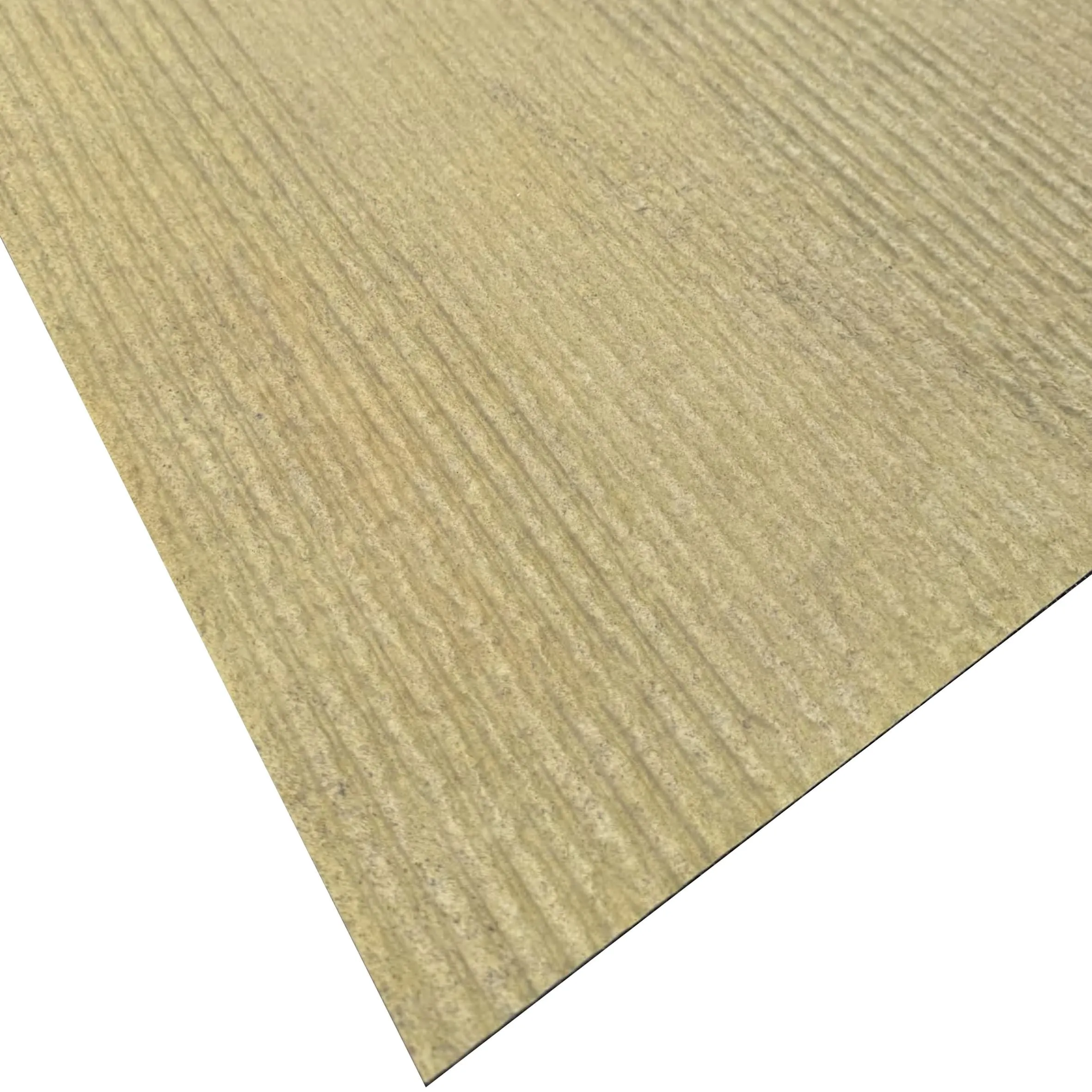
Heritage buildings are as diverse as the cultures that created them. A medieval mosque might feature intricate carvings, while a colonial-era mansion could boast grand archways and sprawling courtyards. Gravel Omani Stone adapts to these varied aesthetics with remarkable ease, making it a favorite among designers who refuse to compromise on beauty.
One of its greatest strengths is its natural texture. Unlike smooth, uniform stones that can feel cold and impersonal, Gravel Omani Stone has a tactile quality that invites touch. Run your hand over a wall clad in it, and you'll feel the irregularities—the tiny indentations where pebbles once lay, the subtle ridges formed by centuries of geological pressure. This texture adds depth to restoration projects, enhancing details like cornices, pillars, and facades without overwhelming them. For example, when restoring a traditional Omani souk (market), using Gravel Omani Stone for the archways and shopfronts brings back the bustling, earthy atmosphere that made the space a community hub. The stone's warm tones complement wooden beams and hand-painted tiles, creating a cohesive look that feels both authentic and inviting.
Its color palette is another asset. From soft, sun-bleached beiges that mimic desert sands to deeper grays that evoke mountainous landscapes, Gravel Omani Stone can be matched to almost any heritage color scheme. This versatility was put to use in the restoration of a 19th-century palace in Yemen, where the original walls had faded to a pale cream. By selecting Gravel Omani Stone in a similar hue, the restoration team ensured the palace retained its regal yet understated elegance, avoiding the harsh contrast that would have come with brighter, modern stones.
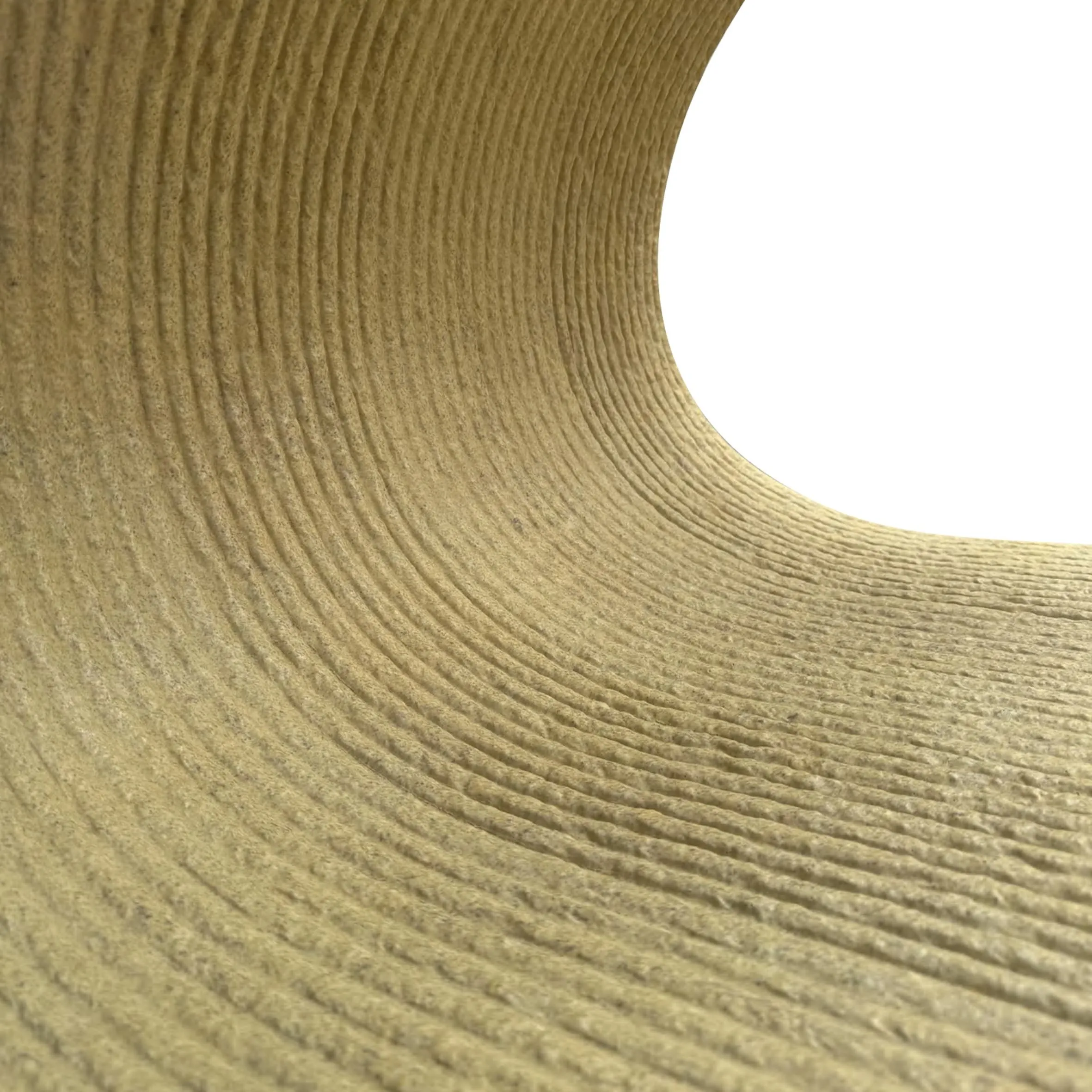
Heritage restoration isn't a short-term project—it's a commitment to the future. A material that looks perfect today but crumbles in a decade is worse than no restoration at all. Gravel Omani Stone, forged by nature over millions of years, is built to endure. Its composition—hardened by heat, pressure, and mineral deposits—makes it resistant to the elements that often plague old buildings: extreme temperatures, heavy rain, and even saltwater corrosion in coastal areas.
Consider the harsh climate of the Middle East, where summer temperatures soar above 40°C (104°F) and sandstorms lash buildings with grit. Many modern materials crack under such stress, but Gravel Omani Stone remains steadfast. Its density prevents moisture absorption, reducing the risk of mold or rot, while its natural resistance to thermal expansion means it won't warp or split in the sun. In coastal regions, where salt air can eat away at metal and concrete, this stone holds its ground, ensuring that restored lighthouses, forts, and fishing villages remain standing for generations.
Low maintenance is another bonus. Unlike materials that require regular painting, sealing, or replacement, Gravel Omani Stone needs little more than an occasional wash to keep it looking its best. Over time, it even develops a richer patina, growing more beautiful as it ages—a quality that aligns perfectly with heritage restoration, where the goal is to preserve, not just repair.
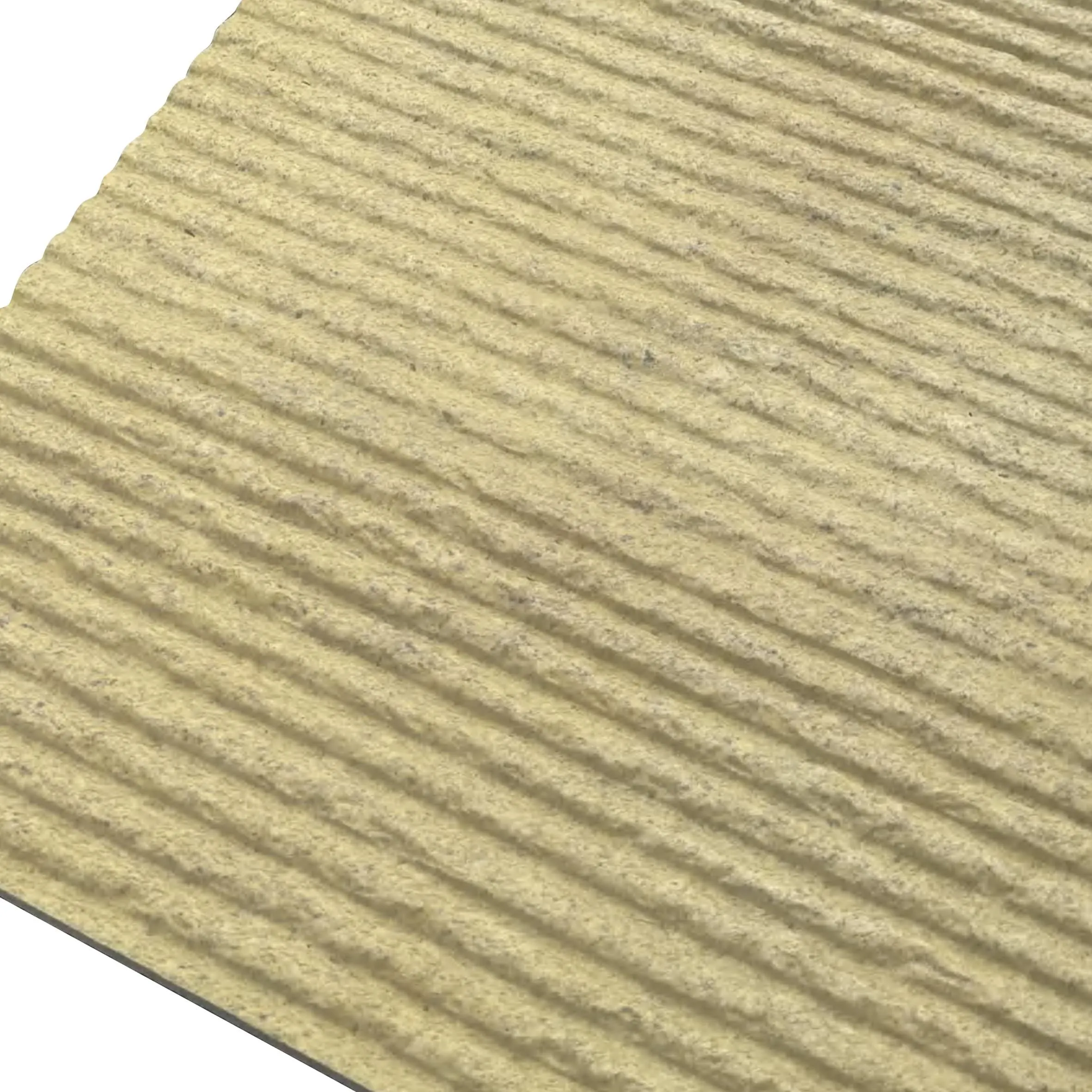
To truly understand why Gravel Omani Stone is ideal, it helps to see how it stacks up against other common restoration materials. Let's compare it to two alternatives: lime stone(beige), a traditional material used in many heritage projects, and fair-faced concrete, a modern option often praised for its affordability.
| Feature | Gravel Omani Stone | Lime Stone(Beige) | Fair-Faced Concrete |
|---|---|---|---|
| Historical Compatibility | Exceptional—mirrors "historical pathfinders stone" in texture and color | Good, but lacks the pebble-dotted texture of heritage structures | Poor—industrial look clashes with old-world charm |
| Durability | High—resistant to heat, salt, and moisture; minimal cracking | Moderate—prone to erosion in heavy rain or sandstorms | Low—cracks easily in extreme temperatures; stains over time |
| Sustainability | Eco-friendly—locally quarried, minimal processing | Moderate—requires firing, which emits CO2 | Poor—high carbon footprint from cement production |
| Aesthetic Versatility | High—adapts to carvings, archways, and decorative details | Moderate—limited texture; best for plain walls | Low—uniform finish; hard to customize for intricate designs |
| Long-Term Cost | Cost-effective—low maintenance; lasts 100+ years | High—needs regular repairs; erodes quickly in harsh climates | High—requires frequent sealing and replacement |
As the table shows, Gravel Omani Stone outperforms both lime stone(beige) and fair-faced concrete in key areas that matter for heritage restoration. Its ability to blend history, durability, and beauty makes it a clear winner for projects that aim to stand the test of time.
In an era where sustainability is more than a buzzword—it's a responsibility—Gravel Omani Stone checks another crucial box: it's kind to the planet. Unlike concrete, which relies on cement production (a major source of global CO2 emissions), or synthetic cladding that ends up in landfills after a few decades, Gravel Omani Stone is a natural, renewable resource.
Most Gravel Omani Stone is quarried locally, reducing the carbon footprint associated with transportation. Its extraction process is also relatively low-impact: instead of heavy machinery stripping entire landscapes, quarries often use traditional methods that preserve the surrounding ecosystem. And because it lasts for centuries, it reduces the need for frequent replacements, cutting down on waste. For heritage projects that aim to be "green," this is a game-changer. Restoring a building shouldn't come at the cost of the environment, and with Gravel Omani Stone, it doesn't have to.
Even the most beautiful, durable material is useless if it's hard to work with. Fortunately, Gravel Omani Stone is surprisingly versatile in application, making it a favorite among contractors and craftsmen. Its natural cleft (the way it splits along geological lines) allows for easy shaping, so it can be cut into custom sizes to fit irregular spaces—perfect for heritage buildings with non-uniform walls or unique architectural features.
It also bonds well with traditional mortars, the same kind used in the original construction. This is critical because modern adhesives can damage old stonework by trapping moisture or expanding/contracting at different rates. By using Gravel Omani Stone with lime mortar (a mixture of lime, sand, and water), restoration teams ensure the new stone works in harmony with the old, reducing the risk of cracks or structural issues down the line.
For example, when restoring a 200-year-old watchtower in Oman with crumbling lower walls, contractors used Gravel Omani Stone cut to match the tower's original block sizes. The stone's natural weight and texture allowed it to integrate with the remaining heritage stone, creating a wall that looked untouched by time—yet was strong enough to withstand future storms.
In 2022, the Al-Mahatta Fort, a 19th-century coastal defense structure in Oman, was on the verge of collapse. Years of neglect, saltwater corrosion, and sandstorms had left its outer walls pockmarked, with large sections missing. The local community, determined to save this piece of their history, launched a restoration campaign—and Gravel Omani Stone was chosen as the primary material.
The project faced two key challenges: first, matching the fort's original stonework, which featured a unique pebble-strewn texture, and second, ensuring the new walls could withstand the harsh coastal climate. Gravel Omani Stone addressed both. Quarried from a site just 50 kilometers from the fort, it shared the same geological origins as the original "historical pathfinders stone" used in the 1800s. Its surface, dotted with tiny pebbles, replicated the fort's weathered look perfectly.
During construction, craftsmen used traditional techniques—hand-chiseling the stone to fit the fort's irregular curves and applying lime mortar mixed to an 18th-century recipe. The result? A fort that looks as if it has stood guard over the coast for centuries, not just a few years. Today, Al-Mahatta Fort is a community hub, hosting cultural events and heritage tours. Locals often remark that walking through its gates feels like stepping back in time—a testament to Gravel Omani Stone's ability to preserve not just structures, but stories.
Heritage restoration is an act of love—a promise to future generations that the past will not be forgotten. To keep that promise, we need materials that honor history, endure time, and respect the environment. Gravel Omani Stone does all three. It connects us to the "historical pathfinders stone" of old, adapts to the unique aesthetics of heritage buildings, stands strong against the elements, and treads lightly on the planet.
Whether restoring a centuries-old mosque, a colonial mansion, or a humble village home, Gravel Omani Stone isn't just a building material—it's a partner in preservation. It doesn't just repair walls; it revives stories, rekindles community pride, and ensures that the legacy of those who came before us continues to inspire. In a world that often prioritizes speed and convenience over substance, choosing Gravel Omani Stone is a choice to slow down, to honor the past, and to build a future where heritage isn't just remembered—it's lived.
Recommend Products












