
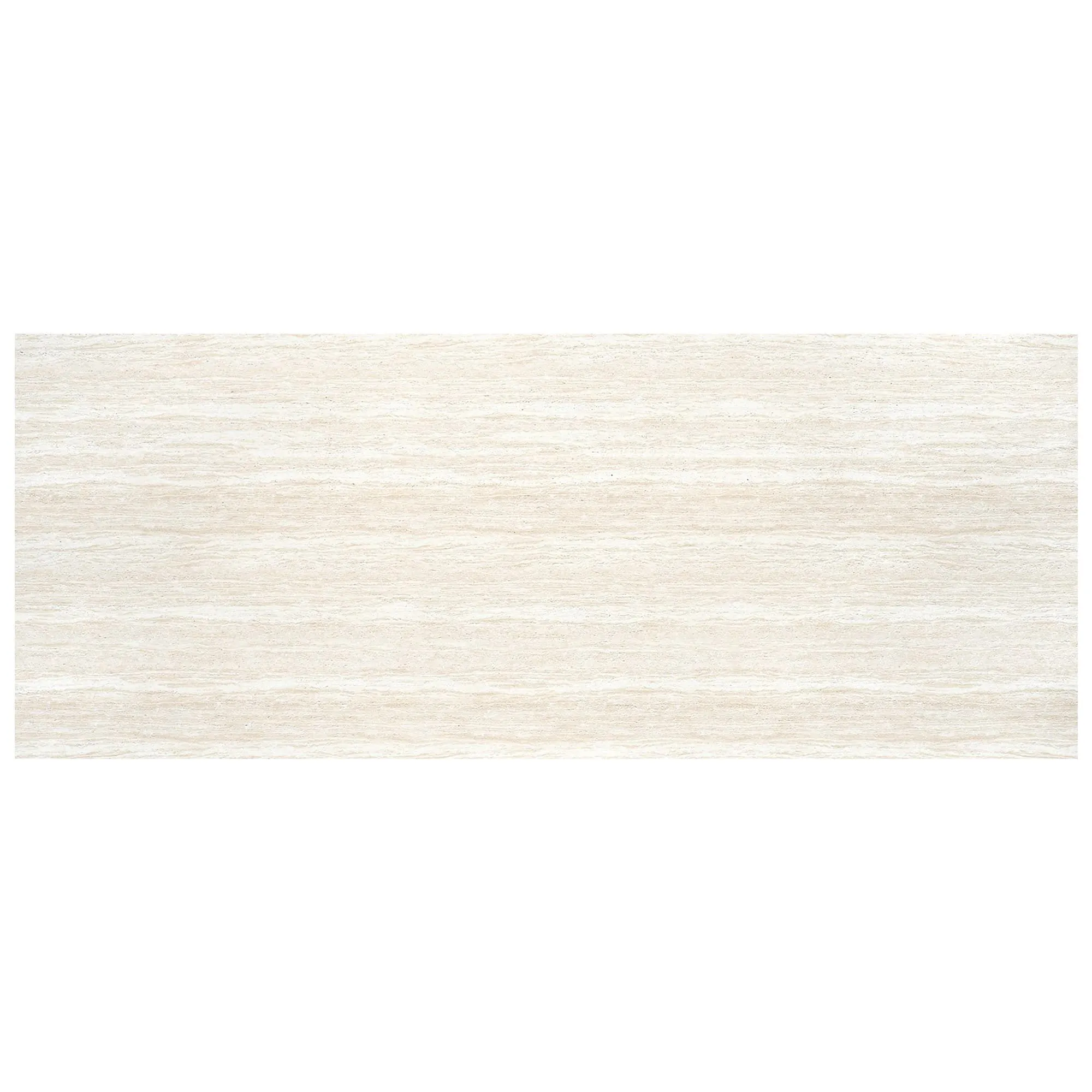
Saudi Arabia's hospitality sector is in the midst of a transformative boom. From the futuristic skyscrapers of Riyadh to the coastal resorts of the Red Sea and the cultural hubs of Al Ula, the kingdom is redefining luxury travel. Behind every grand hotel, boutique resort, and upscale restaurant lies a critical decision: what materials will bring these spaces to life ? Architects and developers aren't just choosing surfaces—they're crafting experiences that blend tradition, modernity, and resilience in a climate as demanding as it is beautiful. Enter MCM Wood Line, a material that's quickly becoming the secret weapon for designers aiming to strike that perfect balance.
Saudi Arabia's environment is not for the faint of heart. Summer temperatures soar past 50°C (122°F), sandstorms scour surfaces, and coastal areas like Jeddah grapple with humidity that can warp even the sturdiest materials. Add to that the cultural expectation for opulence—hospitality spaces here demand textures that feel both luxurious and rooted in heritage—and the list of "must-haves" for building materials grows long: durability, heat resistance, low maintenance, and timeless beauty .
Traditional options often fall short. Solid wood, while warm and inviting, fades under UV rays, warps in humidity, and requires constant sealing. Natural stone like marble or granite is heavy, expensive to install, and prone to staining in high-traffic areas. Even concrete, a staple of modern design, can crack in extreme temperature swings. For developers racing to meet deadlines on mega-projects like NEOM or the Red Sea Project, these compromises are simply not an option.
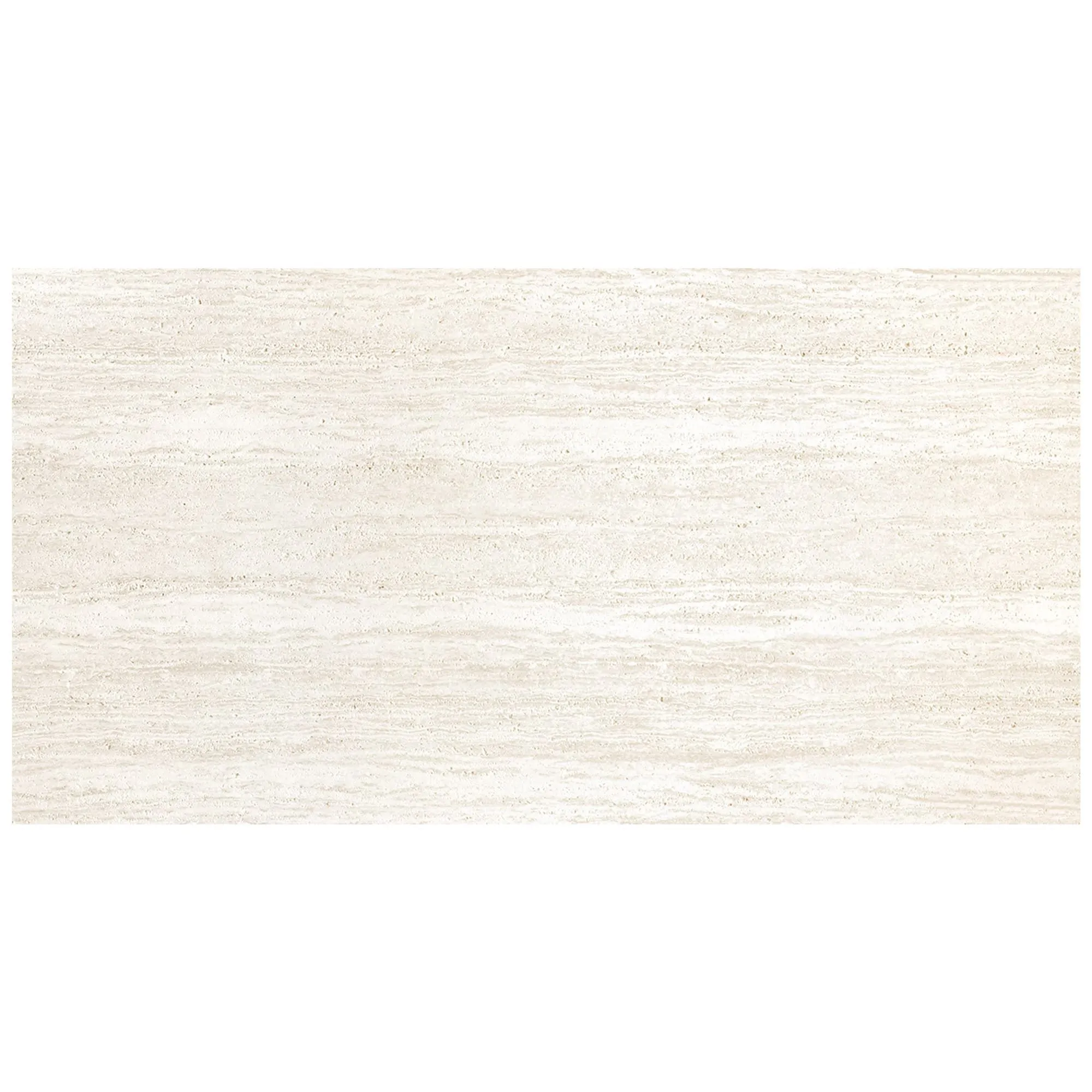
MCM Wood Line isn't just another synthetic material mimicking wood—it's a
Think of it as wood grain board reimagined for the 21st century. Unlike cheap laminates that peel or fade, MCM Wood Line's finish is baked into the panel, creating a bond that resists scratches, stains, and the sun's harsh rays. And because it's flexible, it can wrap around curves, climb accent walls, or even form custom furniture pieces—something solid wood struggles with without extensive (and expensive) craftsmanship.
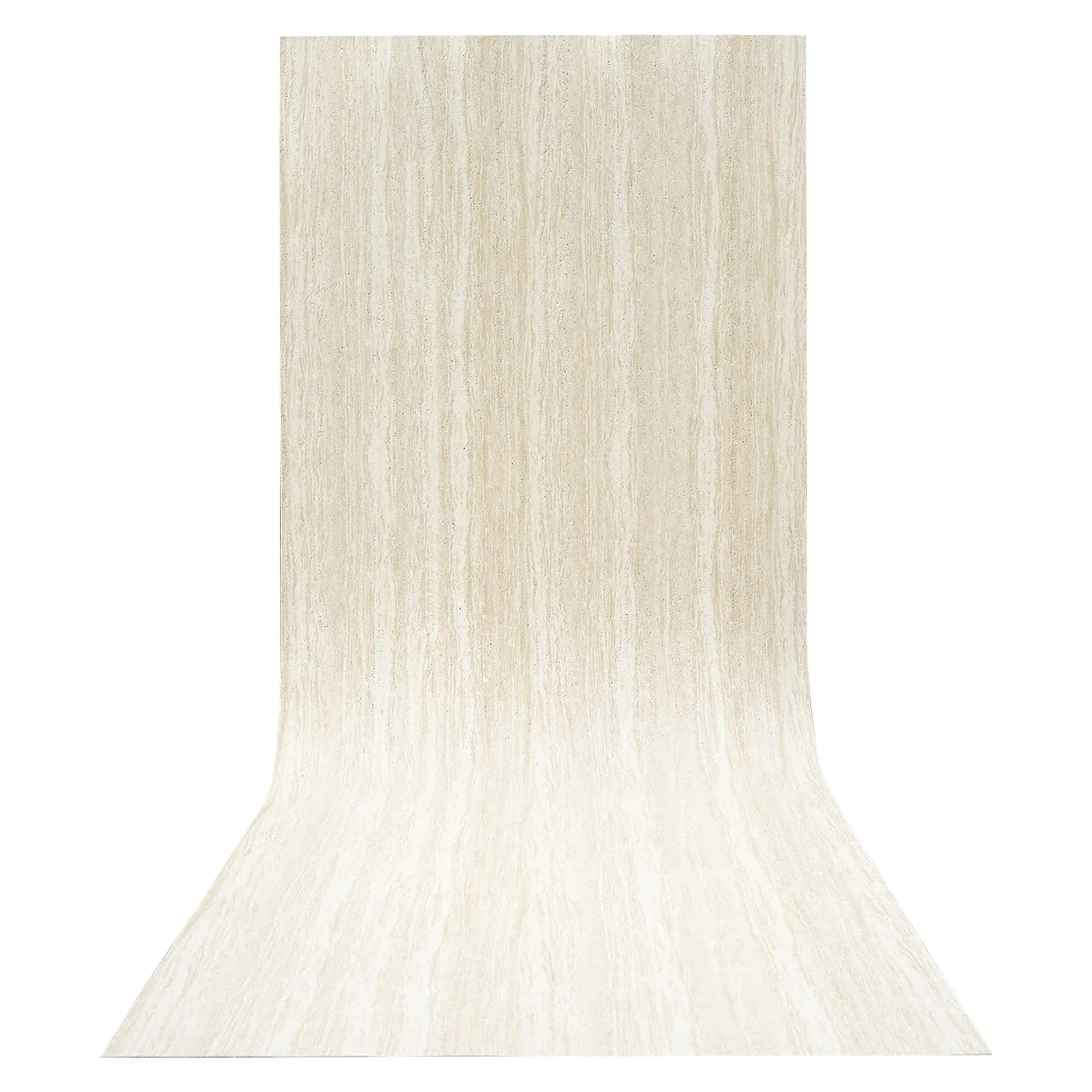
In Saudi Arabia, "good enough" doesn't cut it. A hotel lobby wall that looks stunning on opening day but fades by next summer is a failure. MCM Wood Line is built to last, thanks to a few key features:
To put it in perspective: a hotel using MCM Wood Line for its exterior cladding or interior accent walls won't need repainting or refinishing for decades —a claim few traditional materials can make in Saudi Arabia's conditions.
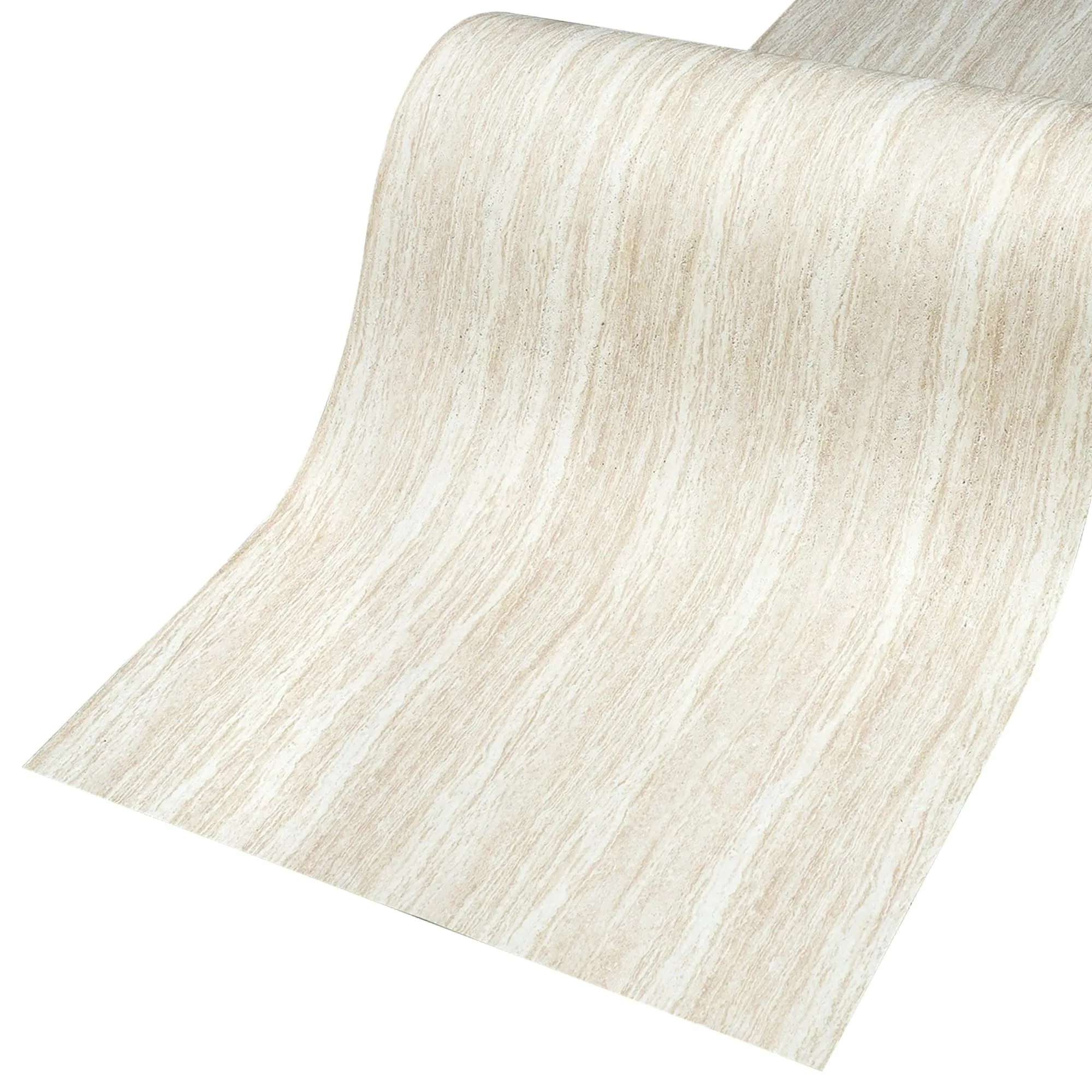
Saudi hospitality design is a dance between honoring tradition and embracing the future. Guests expect spaces that feel authentically Saudi —echoes of mud-brick Najdi architecture, the warmth of palm wood, or the earthy tones of desert stone—paired with the sleekness of international luxury. MCM Wood Line excels here, offering a palette of finishes that bridge these worlds.
Imagine a boutique hotel in Al Ula, where the lobby walls feature MCM Wood Line in a rich, dark grain that mirrors the aged date palm wood used in traditional Bedouin tents. Nearby, a restaurant might pair it with
The versatility doesn't stop at color. MCM Wood Line can be cut into custom shapes, laser-etched with geometric patterns inspired by Islamic art, or even combined with other MCM series like
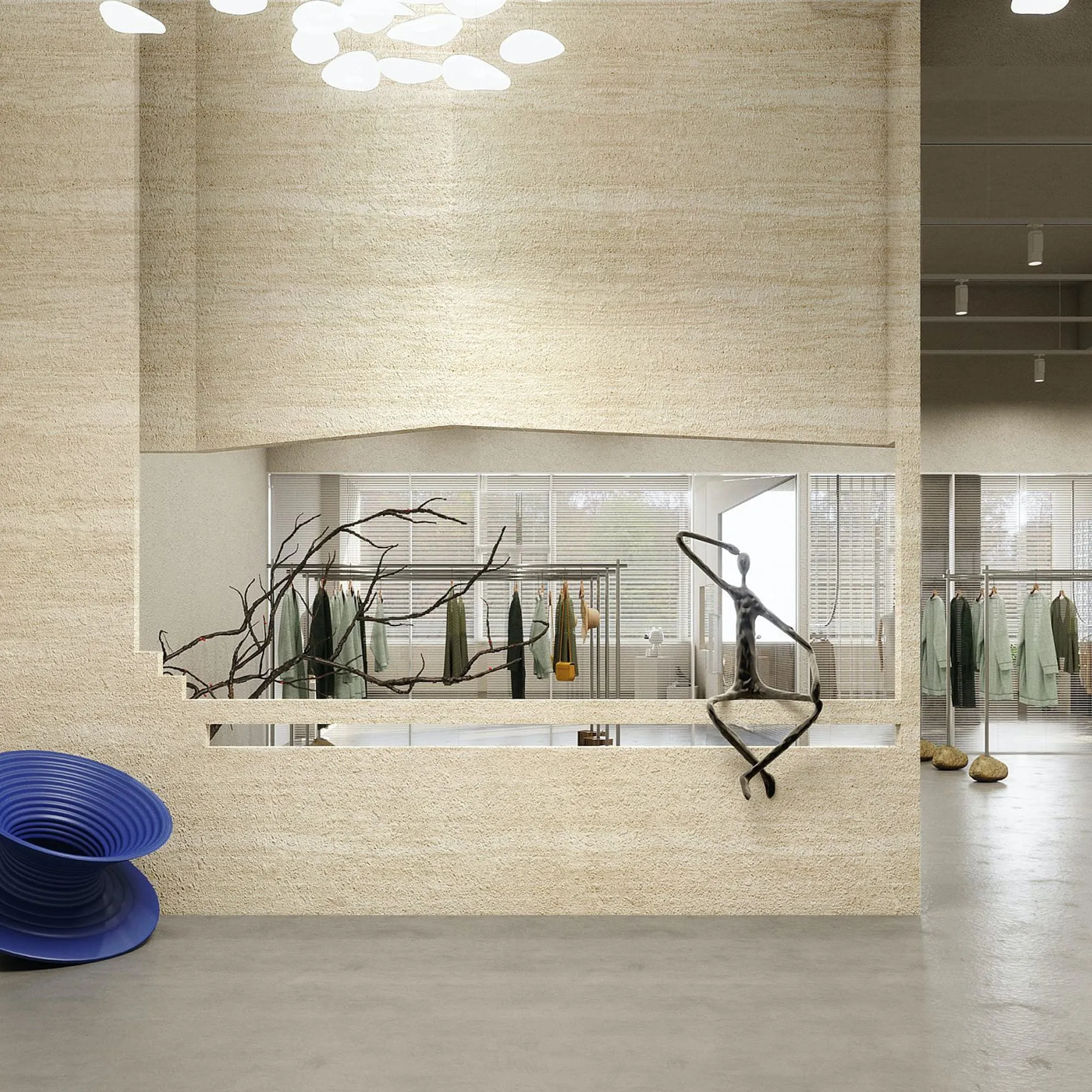
Saudi Arabia's Vision 2030 isn't just about economic growth—it's about building a greener future. Hospitality projects are under increasing pressure to meet sustainability goals, from reducing carbon footprints to minimizing waste. MCM Wood Line checks these boxes with ease.
Unlike solid wood, which often requires logging old-growth forests, MCM Wood Line uses recycled aluminum and mineral composites, reducing reliance on natural resources. Its lightweight design also cuts down on transportation emissions—one truck can carry 10 times more MCM panels than solid wood planks, lowering fuel consumption. And because it lasts decades without replacement, it reduces the waste that comes with frequent renovations. For developers chasing LEED certification or aiming to align with the Red Sea Project's net-zero goals, MCM Wood Line isn't just a choice—it's a statement.
For all its beauty and durability, MCM Wood Line's most surprising advantage might be how easy it is to work with. In a country where construction timelines are tight and labor costs are high, these practical benefits matter:
| Feature | MCM Wood Line | Solid Wood | Natural Stone | Standard Laminate |
|---|---|---|---|---|
| UV Resistance | Excellent (no fading for 15+ years) | Poor (fades in 2-3 years) | Good (varies by stone; marble fades) | Poor (peels/bleaches in 1-2 years) |
| Heat Stability | High (resists warping up to 80°C) | Poor (warps in humidity/heat) | Good (but heavy; prone to cracking) | Poor (melts/softens in extreme heat) |
| Installation Time | Fast (lightweight, easy to cut) | Slow (requires skilled carpenters) | Very slow (heavy, needs structural support) | Fast (but adhesive fails in heat) |
| Maintenance Cost | Low (occasional cleaning) | High (sealing, sanding, refinishing) | Medium (sealing, polishing) | High (replacement every 2-3 years) |
| Sustainability | High (recycled materials, low waste) | Low (requires logging, high transport emissions) | Medium (quarrying impacts, heavy transport) | Low (non-recyclable, short lifespan) |
Let's paint a picture: A luxury resort along the Red Sea, where guests wake up to ocean views and desert sunsets. The lobby features a sweeping accent wall clad in MCM Wood Line, its warm
Or consider a boutique hotel in Riyadh's Diplomatic Quarter, where designers wanted to blend modern minimalism with Najdi heritage. MCM Wood Line wraps around curved walls in a deep walnut finish, echoing the traditional mud-brick arches of old Riyadh, while
Saudi Arabia's hospitality projects demand materials that do more than look good—they need to perform , tell a story, and align with a vision of progress. MCM Wood Line delivers on all fronts: durability that laughs at the desert heat, aesthetics that honor tradition while embracing modernity, and sustainability that fits seamlessly with Vision 2030. It's not just a material—it's a partner in building the next chapter of Saudi luxury.
So the next time you step into a stunning hotel or resort in the kingdom, take a closer look at those warm, inviting wood textures. Chances are, you're not just touching a surface—you're touching the future of Saudi hospitality.
Recommend Products












