
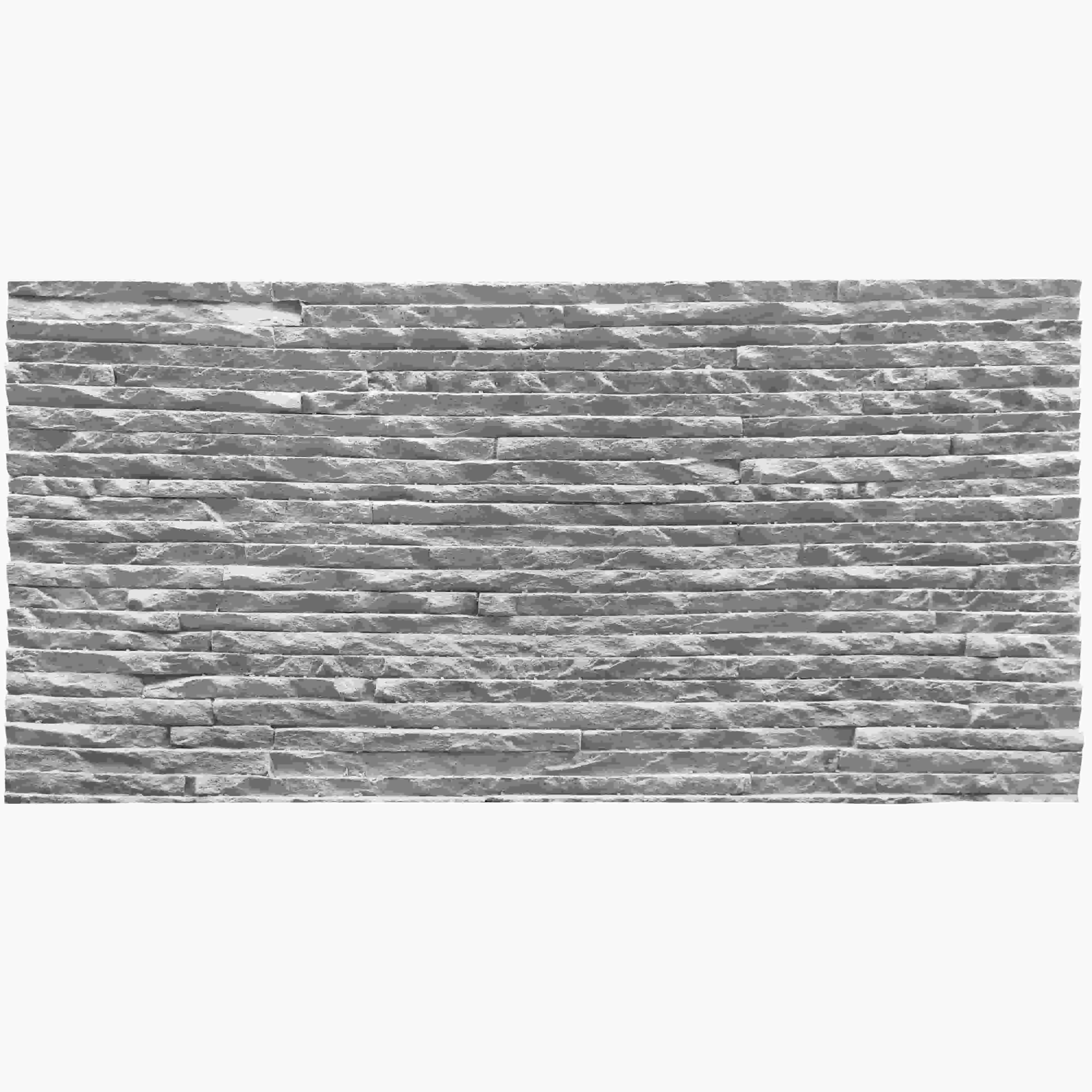
Crafting calm, intentional spaces with a material that speaks the language of "less is more"
Walk into a truly minimalist home or office, and you'll notice something immediately: it doesn't feel cold or stark. Instead, it feels intentional. Every surface, every color, every texture has a purpose. That's the magic of minimalism—it's not about stripping away beauty, but about amplifying it by removing the unnecessary. And when it comes to materials that embody this philosophy, few do it as effortlessly as Muretto Stone (light grey) .
You've probably heard the phrase "less is more" thrown around in design circles, but what does it really mean for architecture? It means choosing materials that don't scream for attention but quietly elevate the space around them. It means colors that adapt to light and mood, textures that invite touch without overwhelming the eye, and versatility that works as well in a cozy bedroom as it does in a sleek office lobby. Muretto Stone (light grey) checks all these boxes—and then some.
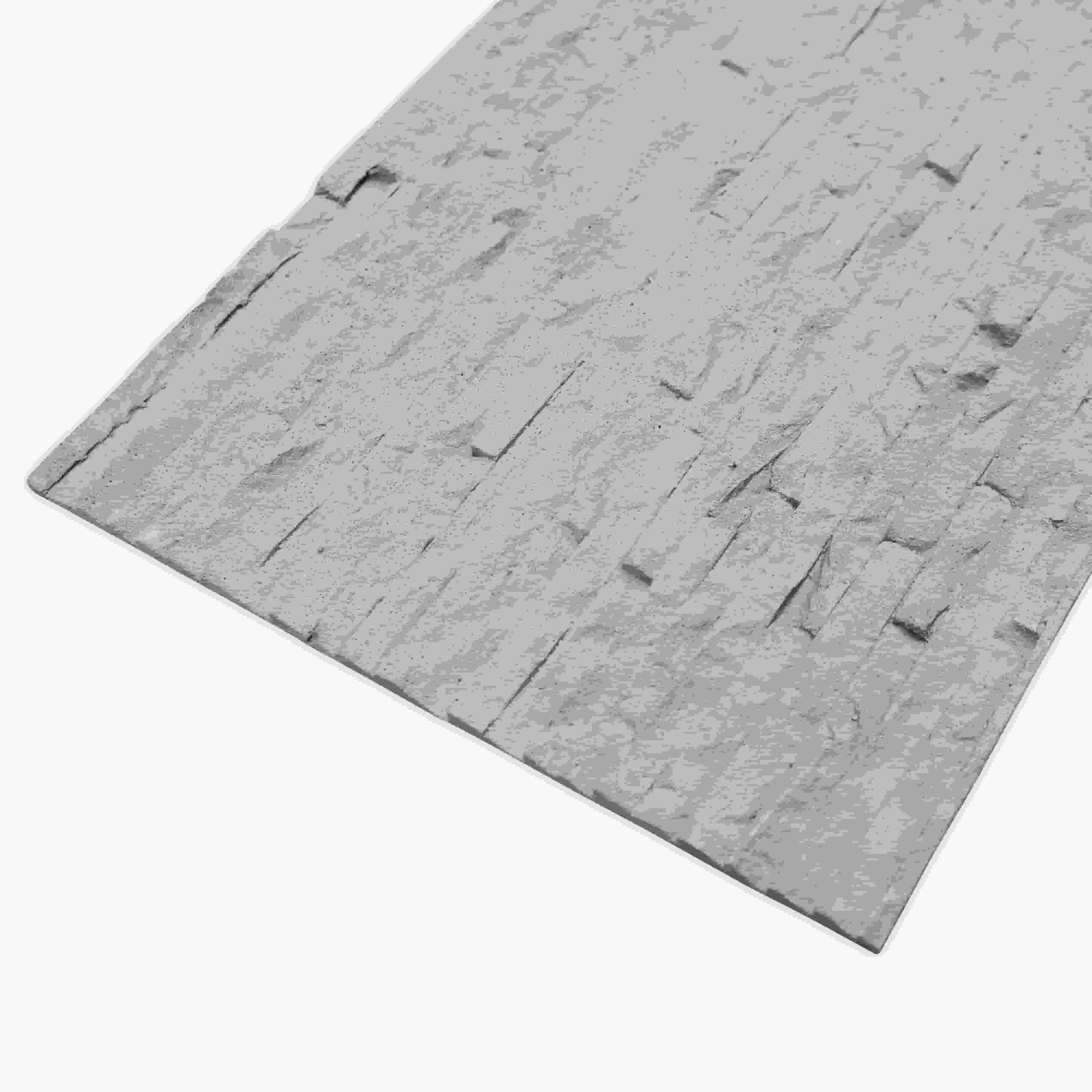
Before we dive into why the light grey variant is a minimalist's dream, let's get to know Muretto Stone a little better. Part of the broader family of Modified Composite Materials (MCM), Muretto Stone is designed to blend the best of natural stone's beauty with modern engineering's practicality. Think: lightweight flexibility (hello, easy installation), durability that stands up to daily life, and a range of finishes that mimic the subtleties of quarried stone without the environmental footprint.
While Muretto Stone comes in several shades—including dark grey and beige —it's the light grey variant that's quietly stealing the spotlight in minimalist design. Why? Let's break it down.
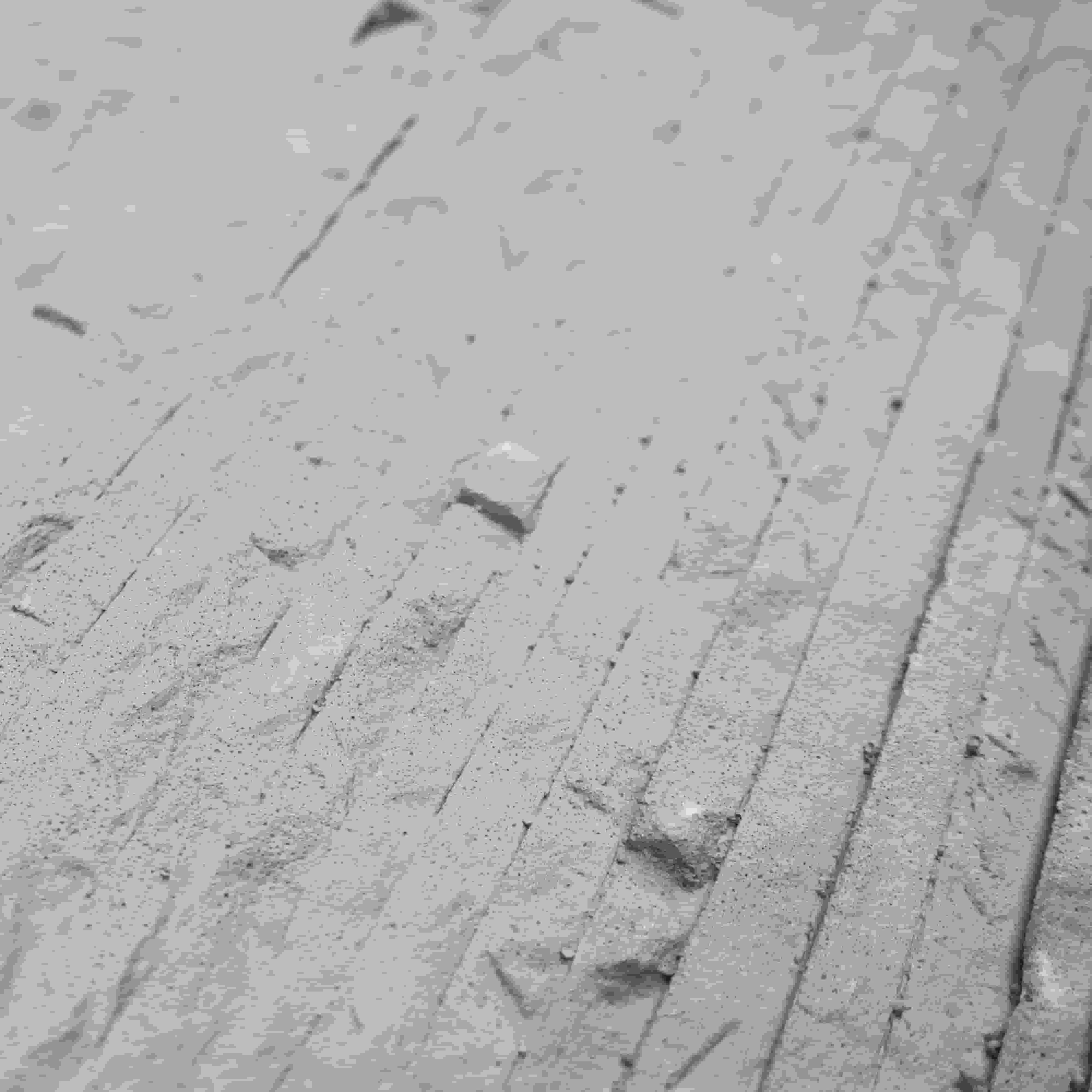
Minimalism often leans on neutral colors, but there's a big difference between "neutral" and "lifeless." stark white can feel clinical, like a hospital waiting room. Bold neutrals (think: charcoal or deep taupe) can weigh down a space, making it feel smaller than it is. Light grey? It's the sweet spot.
Light grey in Muretto Stone isn't the flat, industrial grey of a concrete bunker. It's warm, with subtle undertones that shift with the light. In the morning, it might take on a soft, almost silvery hue as sunlight streams in. In the evening, under warm overhead lights, it deepens slightly, feeling cozy and grounded. This chameleon-like quality makes it perfect for minimalist spaces, where the goal is to create a backdrop that lets other elements—art, furniture, people—shine.
And let's talk about pairing. Minimalism isn't about monochrome; it's about thoughtful contrast. Light grey Muretto Stone plays well with just about everything. Hang a wooden shelf on a light grey wall, and suddenly the wood's grain pops. Lay down a jute rug on light grey flooring, and the texture of the rug feels richer. Even bold accents—a mustard throw pillow, a terracotta vase—stand out without clashing, because the light grey behind them is calm enough to let them breathe.
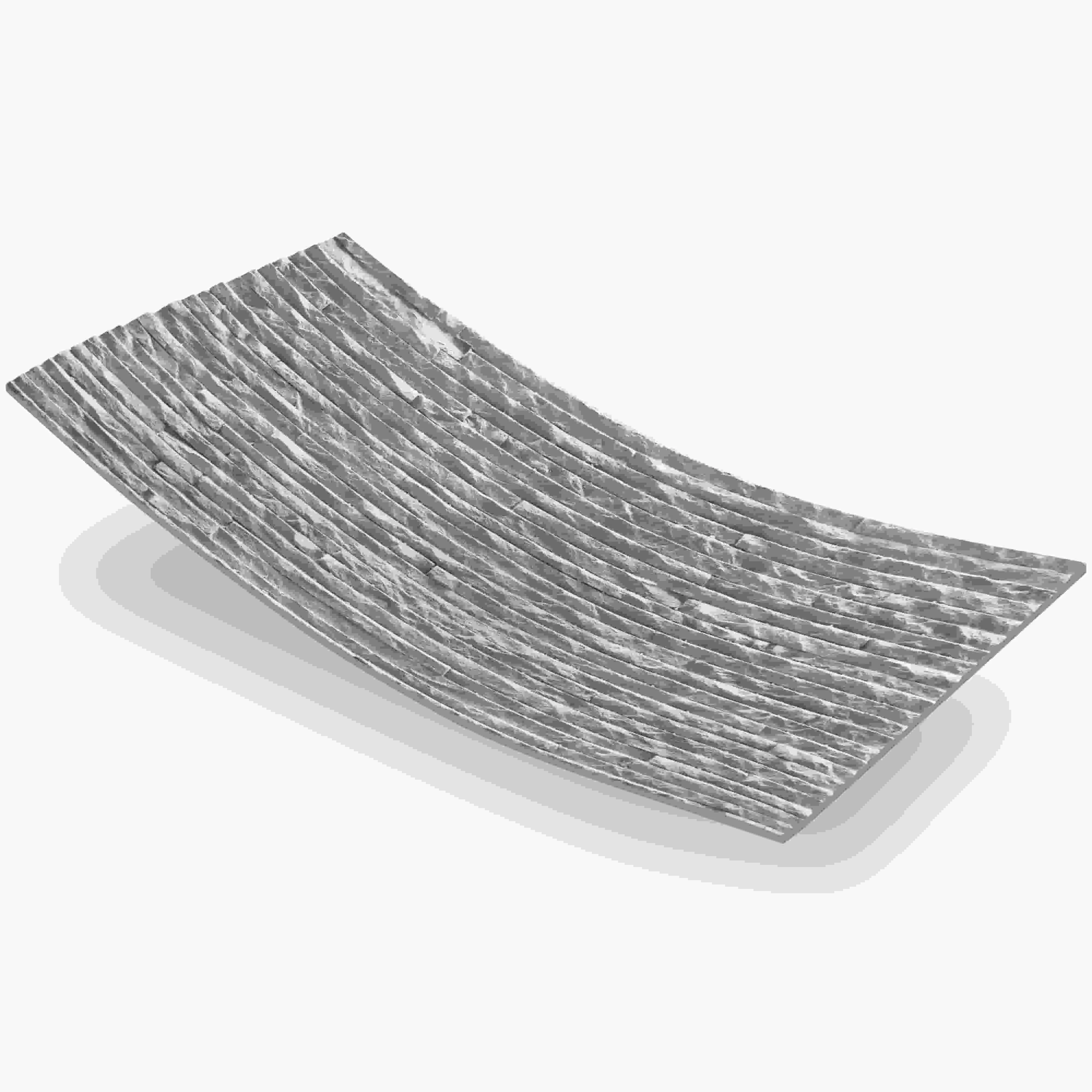
Minimalism gets a bad rap for being "boring," but that's only when designers skip the texture. A space with all smooth, flat surfaces can feel sterile—like a blank canvas that forgot to add brushstrokes. Muretto Stone (light grey) avoids this trap with a texture that's subtle but intentional.
Run your hand over it, and you'll notice it's not perfectly smooth. There's a gentle, matte finish with tiny, irregularities—like the surface of a stone that's been worn smooth by wind and rain, not a machine. It's enough to catch the light and cast soft shadows throughout the day, adding depth without clutter. In a minimalist kitchen, this texture turns a plain backsplash into something you want to reach out and touch. In a bathroom, it adds warmth to an otherwise utilitarian space. Even on a large wall, that subtle texture breaks up the monotony, making the room feel alive without overwhelming it.
Compare this to something like polished marble, which can feel too shiny and formal for minimalism, or rough-hewn stone, which can add too much visual noise. Muretto Stone (light grey) hits that Goldilocks zone: just enough texture to matter, not enough to distract.
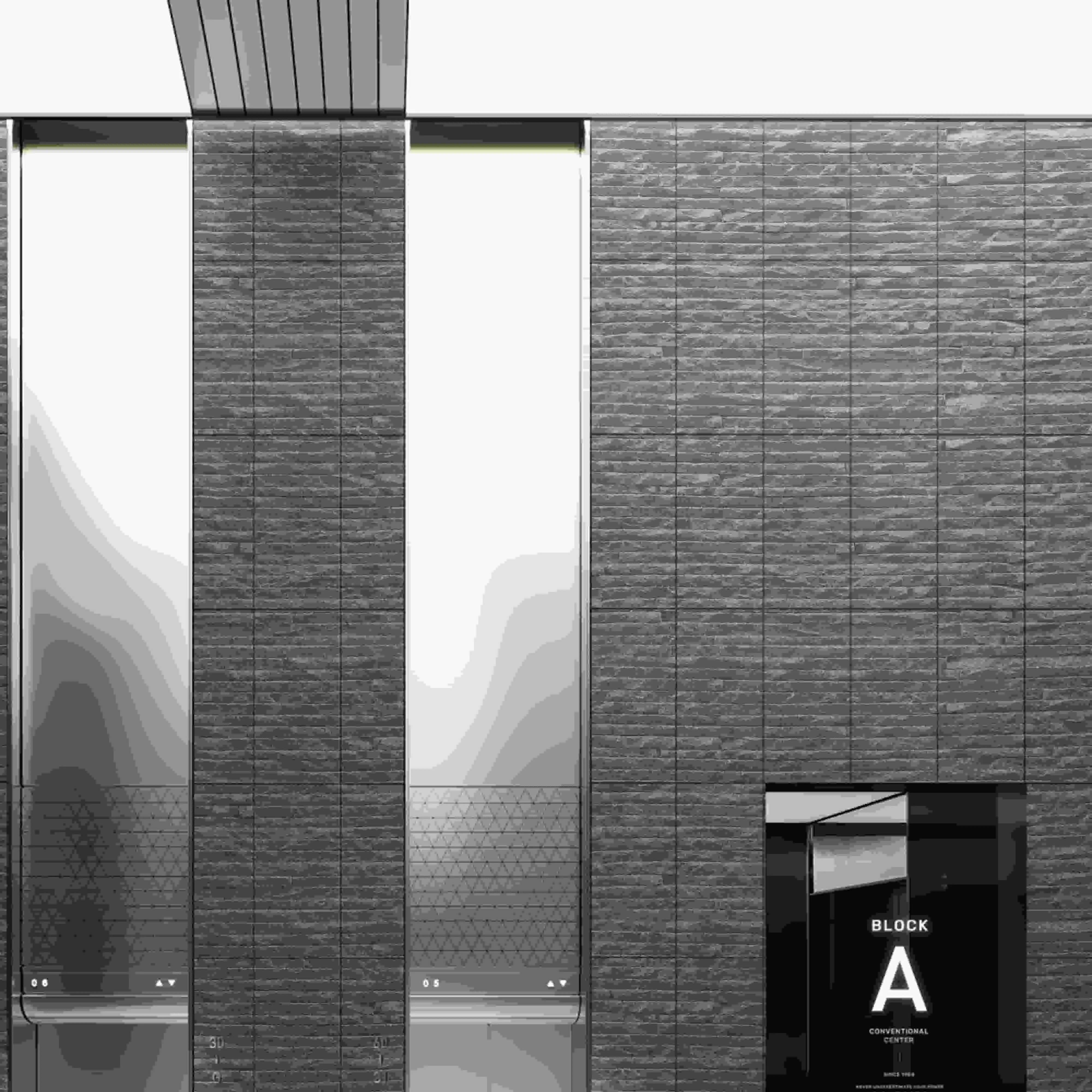
One of the biggest challenges in minimalist design is finding materials that work everywhere. You don't want a home where the kitchen walls feel like they belong in a different house than the bathroom floors. Muretto Stone (light grey) solves this with its incredible versatility.
Let's start inside. Imagine a open-concept living area where the same light grey Muretto Stone wraps from the fireplace wall into the kitchen backsplash. Suddenly, the space feels cohesive, like it was designed as a single, intentional whole. Or a bedroom where the walls are clad in light grey Muretto, paired with wood grain board flooring—the contrast of soft stone and warm wood creates a space that's both modern and inviting, perfect for unwinding after a long day.
Move outside, and it's just as impressive. Exterior walls clad in light grey Muretto Stone weather beautifully, resisting fading and wear while maintaining that soft, earthy look. Pair it with fair-faced concrete accents on the patio, and you've got a home exterior that feels modern but rooted in nature—no "tacky new build" vibes here.
Even commercial spaces are catching on. Think about a minimalist café where the countertop and accent walls are Muretto light grey. It's easy to clean (a must for food service), durable enough to handle daily spills and scuffs, and creates a calm atmosphere that makes customers want to linger. No loud patterns, no harsh colors—just a space that feels like a breath of fresh air.
Muretto Stone isn't a one-trick pony. The dark grey and beige variants have their own strengths, but for minimalism, light grey often comes out on top. Let's break down the differences:
| Muretto Stone Variant | Color Tone | Best For... | Mood It Creates |
|---|---|---|---|
| Light Grey | Soft, warm grey with subtle silver undertones | Open spaces, small rooms, areas with lots of natural light | Calm, airy, expansive—feels like a quiet morning |
| Dark Grey | Deep, moody grey with charcoal hints | Accent walls, large rooms, spaces with bold art | Dramatic, sophisticated—feels like a cozy evening |
| Beige | Warm, sandy beige with earthy undertones | Traditional or bohemian minimalism, spaces with wood accents | Nostalgic, grounded—feels like a sunlit desert |
Notice the pattern? Dark grey is great for making a statement, but it can overpower a minimalist space if overused. Beige leans warm and earthy, which works for some minimalist sub-styles (like "warm minimalism") but can feel less versatile with bold accents. Light grey? It's the ultimate team player. It doesn't compete; it complements.
Modern minimalism isn't just about aesthetics—it's about mindfulness, and that includes how our choices impact the planet. Muretto Stone (light grey) shines here, too. As part of the MCM family, it's designed to be eco-friendly from the start. Unlike natural stone, which requires heavy quarrying and transportation (hello, carbon footprint), Muretto Stone is lightweight, reducing fuel use during shipping. It's also often made with recycled materials, and its durability means less frequent replacement—so you're not contributing to landfill waste down the line.
Practicality matters, too. Let's be real: minimalist spaces still need to be livable. Muretto Stone (light grey) is scratch-resistant, water-resistant, and doesn't require fancy sealants or cleaning products. A quick wipe with a damp cloth is usually all it takes to keep it looking fresh. For busy families or high-traffic commercial spaces, that's a game-changer. You get the beauty of natural stone without the high maintenance.
And let's not forget installation. Traditional stone can be heavy and tricky to install, requiring specialized labor and structural support. Muretto Stone's flexibility and light weight mean it can be applied to almost any surface—walls, ceilings, even curved areas—without the need for expensive reinforcements. This not only saves time and money but also opens up design possibilities that would be impossible with rigid materials.
Enough theory—let's talk real life. Take the case of a small urban apartment in Tokyo, where space is at a premium and natural light is limited. The architect, tasked with making the 500-square-foot unit feel open and calm, turned to Muretto Stone (light grey) for the main living wall. By extending the stone from floor to ceiling, they created a seamless backdrop that reflects what little light there is, making the room feel larger. Paired with wood grain board flooring and white linen curtains, the space now feels airy and uncluttered—proof that even tiny spaces can feel luxurious with the right materials.
Or consider a boutique office in Copenhagen, where the design brief was "calm, creative, and collaborative." The team opted for Muretto light grey on the accent walls of meeting rooms, paired with fair-faced concrete desks and soft, neutral furniture. Employees report feeling less stressed in these spaces, noting that the light grey walls don't compete with screens or whiteboards, making it easier to focus. Clients, too, comment on how "approachable" the space feels—no stiff, corporate vibes here.
Even in exteriors, Muretto light grey is making waves. A beach house in Portugal, prone to salty air and harsh sun, used the stone for its exterior cladding. Five years later, it still looks as fresh as the day it was installed—no peeling, no fading, just that same soft grey that blends beautifully with the ocean views. The homeowners love that it doesn't require annual painting or sealing, freeing up time to actually enjoy the beach.
Fair question. Concrete (especially fair -faced concrete) is a minimalist staple, and marble has timeless appeal. But Muretto Stone (light grey) offers something neither can match: warmth. Polished concrete can feel cold and industrial, like a factory floor. Marble, while stunning, often has bold veining that can add visual clutter—great for maximalism, not so much for minimalism.
Muretto light grey, on the other hand, has the softness of natural stone without the drama. Its texture is more organic than concrete, its color more uniform than marble. It's like if concrete and marble had a baby that grew up to be a minimalist—calm, grounded, and effortlessly stylish.
Another contender? Travertine. While travertine has a lovely, porous texture, many variants (like the starry or vintage lines) have busy patterns that can overwhelm a minimalist space. Muretto light grey keeps it simple, letting the texture do the talking without adding visual noise.
At the end of the day, minimalist architecture is about intention. It's about choosing materials that serve a purpose beyond just looking good—materials that make spaces feel good to live in, work in, and be in. Muretto Stone (light grey) does exactly that.
It's the color that adapts to your mood, the texture that adds depth without distraction, the versatility that works everywhere from kitchens to exteriors, and the sustainability that lets you feel good about your design choices. It doesn't shout; it whispers. And in a world that's always loud, that whisper is exactly what we need.
So the next time you're dreaming up a minimalist space—whether it's a tiny apartment, a bustling café, or a serene home office—remember: the right material can make all the difference. And Muretto Stone (light grey)? It's not just a material. It's a design philosophy in disguise.
Recommend Products












