
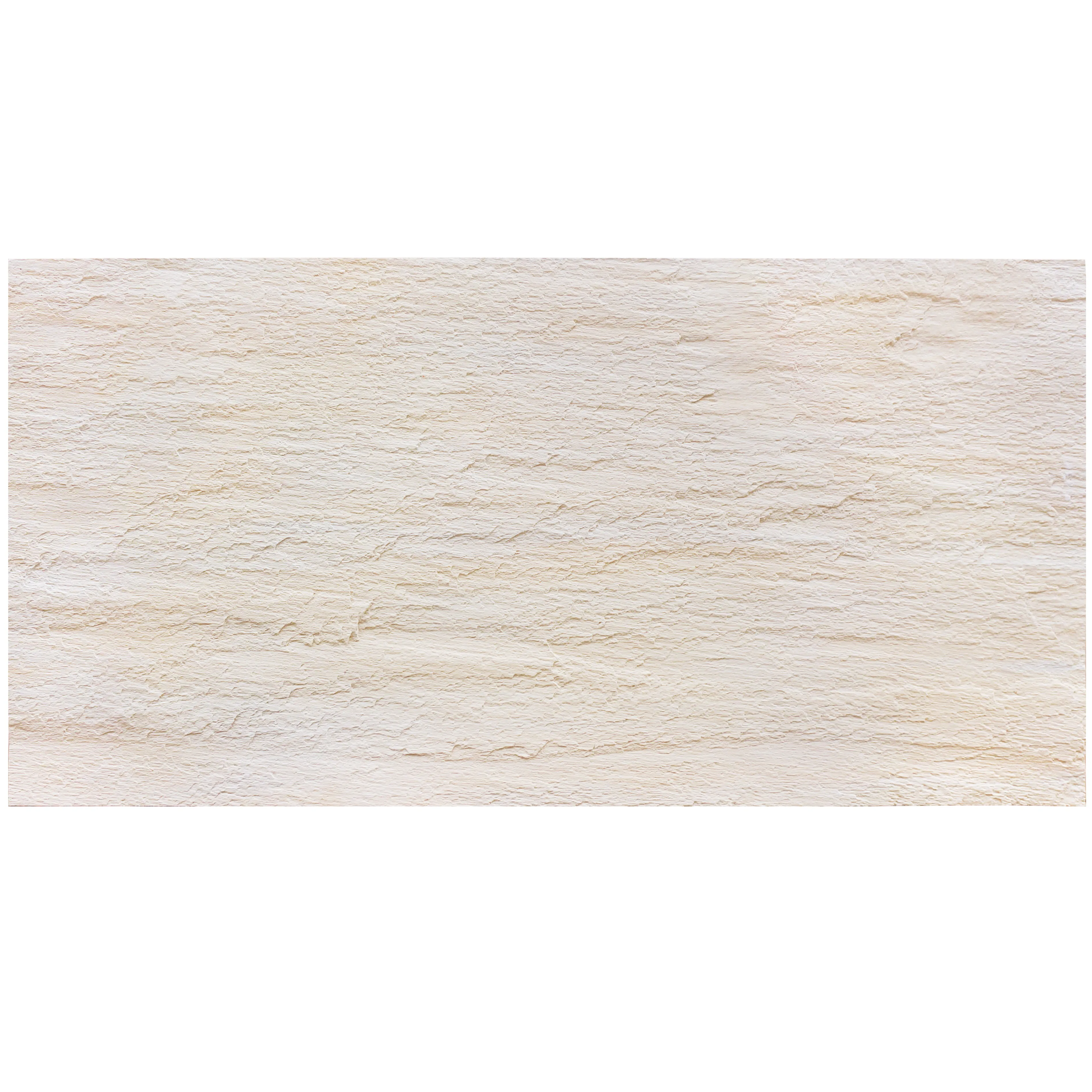
Walk down any street, and you'll notice something: buildings don't just stand—they speak . Their exteriors tell stories of eras, cultures, and the people who designed them. A sleek glass facade might whisper of modern ambition, while a weathered stone wall could shout tales of history. But here's the thing: the materials that clothe our buildings aren't just about looks. They're about resilience, practicality, and increasingly, responsibility to the planet. And in this evolving narrative, one material is stepping into the spotlight as a game-changer: Oasis Stone Foge.
Let's face it—traditional exterior cladding has always come with trade-offs. Heavy natural stones like marble or granite look stunning but weigh down structures, driving up construction costs and limiting design flexibility. Concrete, while durable, can feel cold and monolithic. Metal panels fade or rust over time, demanding constant upkeep. And in a world where sustainability isn't just a buzzword but a necessity, many old-school materials leave much to be desired. So, what if there was a material that checked all the boxes: beauty, strength, flexibility, and a light environmental footprint? Enter Oasis Stone Foge.
Cladding has come a long way from its humble beginnings. Early civilizations used mud bricks and thatch to shield interiors from the elements—function over form. As architecture evolved, so did materials: the Romans championed marble for grandeur, the Victorians favored brick for warmth, and the 20th century brought steel and glass for industrial sleekness. Each era's choice reflected its priorities: status, durability, or innovation. But today, we're asking for more. We want cladding that doesn't just protect a building but enhances it—adaptable to bold designs, gentle on the planet, and tough enough to stand up to decades of sun, rain, and wind.
Traditional materials are struggling to keep up. Take natural stone, for example. Quarrying it disrupts ecosystems, and transporting heavy slabs increases carbon emissions. Once installed, it's prone to cracking under seismic activity or shifting foundations. Then there's fair-faced concrete—a favorite for its raw, industrial vibe. While it's strong, it's also heavy, making it tricky to use on high-rises or retrofits. And let's not forget maintenance: pressure washing, sealing, repainting—these add up in time and money, turning a "low-maintenance" choice into a headache.
Here's where the MCM (Modified Composite Material) revolution comes in. Materials like MCM flexible stone have already started to redefine what's possible, offering the look of natural stone with the flexibility of a thin sheet. But Oasis Stone Foge takes this innovation a step further, blending cutting-edge technology with a deep understanding of what architects, builders, and homeowners truly need. It's not just a material—it's a solution to the cladding conundrum.
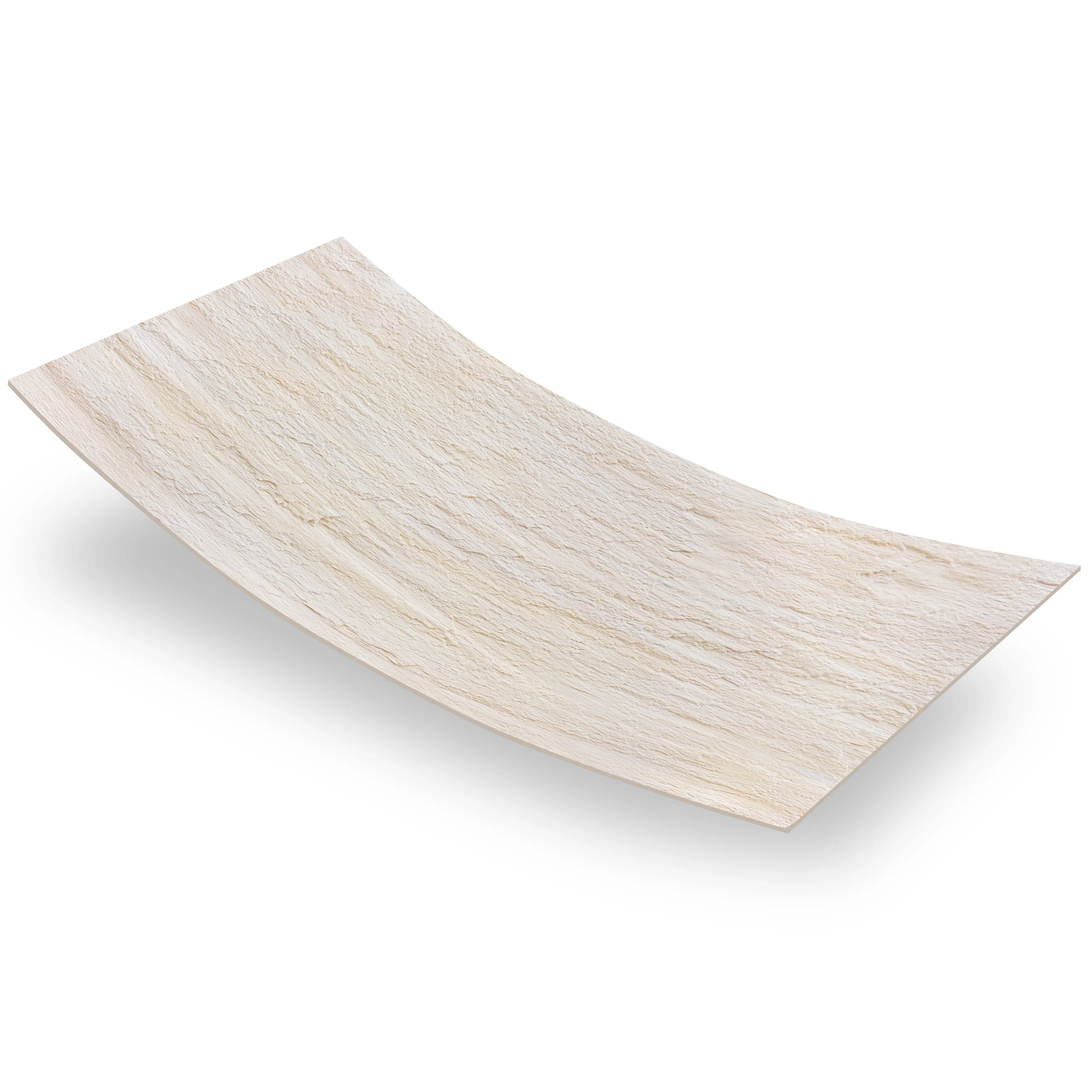
Let's start with the basics: Oasis Stone Foge is a next-generation cladding material born from the MCM family, but with a twist. Think of it as natural stone's smarter, more adaptable cousin. It's crafted by combining high-grade minerals (like dolomite and quartz) with a polymer composite binder, creating a thin, lightweight panel that mimics the texture and depth of natural stone—without the bulk. The result? A material that's as tough as it is beautiful, and as flexible as it is reliable.
But what really sets Oasis Stone Foge apart is its manufacturing process. Unlike traditional stone, which is hacked from quarries, or even some MCM products that rely on harsh chemicals, Oasis Stone Foge is produced using a low-temperature curing method that reduces energy consumption. It's also designed to be 100% recyclable at the end of its lifecycle, making it a standout in the sustainability department. And because it's engineered, not mined, each panel is consistent in color and texture—no more worrying about "surprise" veins or flaws that derail a design vision.
Visually, Oasis Stone Foge is a chameleon. It can replicate the earthy warmth of travertine (starry green), the sleekness of lunar peak silvery, or the rugged charm of gobi panel—all while maintaining its own unique character. Whether you're aiming for a desert-inspired aesthetic with warm, sandy tones or a modern minimalist look with cool grays, there's an Oasis Stone Foge finish to match. And because it's available in large slabs (up to 1200x600mm), it minimizes visible seams, giving exteriors a seamless, polished look that's hard to achieve with smaller tiles or panels.
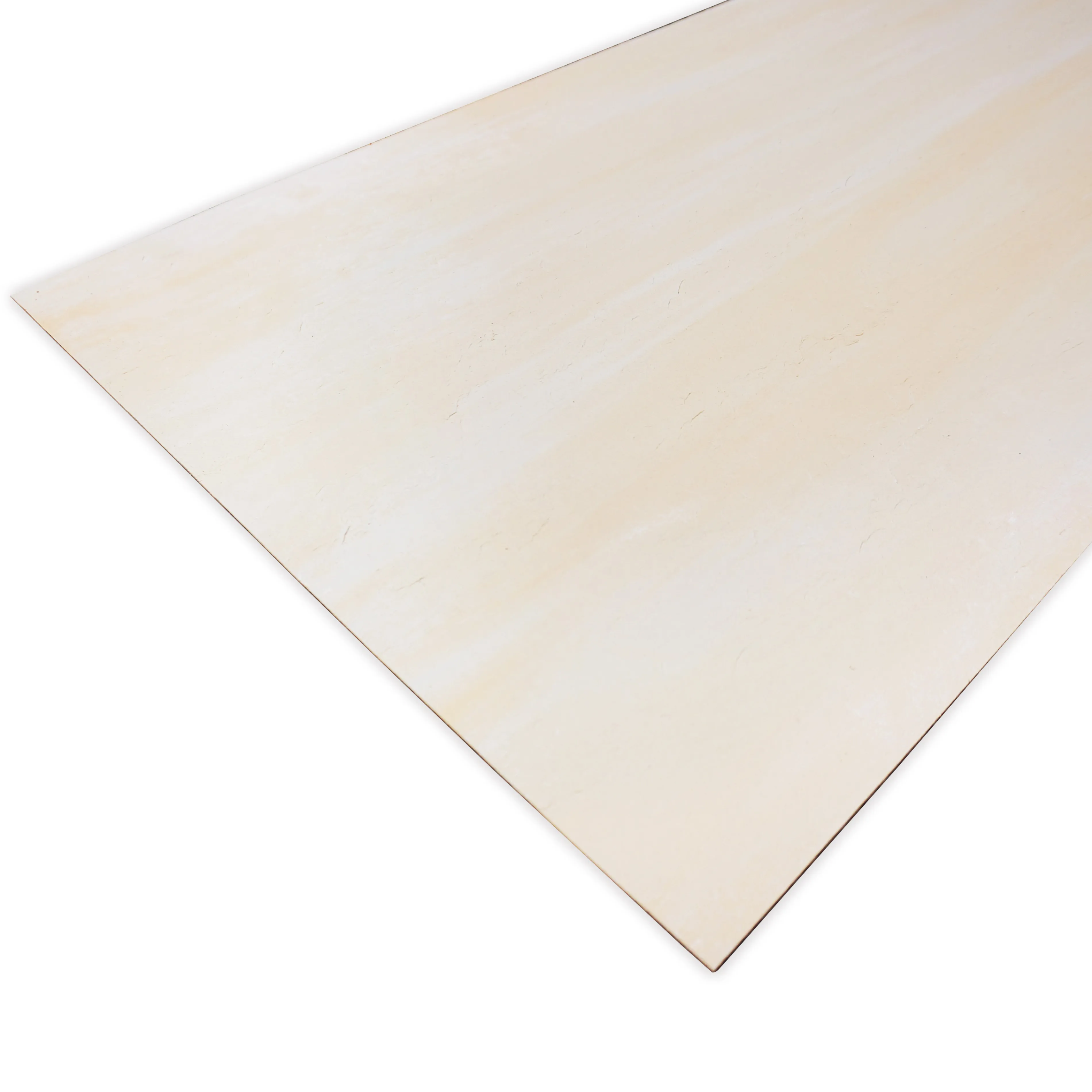
Here's a stat that'll make builders smile: Oasis Stone Foge weighs in at just 6-8 kg per square meter. Compare that to natural stone, which can hit 25-30 kg/m², or even fair-faced concrete at 20 kg/m². That lightness isn't just about easier installation (though we'll get to that)—it's about structural safety. Heavier cladding requires reinforced foundations and support systems, adding significant cost to a project. Oasis Stone Foge? It can be installed on wood, steel, or even existing walls without extra bracing, making it ideal for retrofits or buildings with weight restrictions.
But don't let the lightness fool you—this stuff is tough. It's resistant to UV rays (no fading in the sun), moisture (no mold or mildew), and impact (say goodbye to chips from hailstorms or wayward basketballs). In lab tests, it's withstood temperatures from -40°C to 80°C, making it suitable for everything from arctic winters to desert summers. And unlike metal panels that dent or rust, or wood that warps, Oasis Stone Foge holds its shape and color for decades. It's the kind of durability that lets you set it and forget it.
Ever tried to wrap natural stone around a curved wall? Spoiler: it's not easy. Traditional rigid materials limit creativity, forcing architects to stick to flat surfaces or simple angles. Oasis Stone Foge, thanks to its MCM flexible stone heritage, bends and conforms to curves, arches, and even custom 3D shapes. Imagine a building with a sweeping, organic facade that looks like it's carved from a single piece of stone—that's the magic of flexibility.
This flexibility also makes installation a breeze. Unlike heavy stone slabs that require cranes and teams of workers, Oasis Stone Foge panels can be cut on-site with standard tools (think circular saws or tile cutters) and installed with a simple adhesive. No heavy machinery, no specialized labor—just a streamlined process that cuts down on installation time by up to 50%. For contractors, that means finishing projects faster and staying on budget. For homeowners, it means less disruption during construction. Win-win.
Let's talk looks—because at the end of the day, a building's exterior is its first impression. Oasis Stone Foge doesn't just offer one "look"—it offers a universe of possibilities. Want the weathered charm of historical pathfinders stone for a heritage project? Done. Craving the sleek, metallic sheen of foamed aluminium alloy board (vintage gold) for a luxury hotel? Consider it handled. Or maybe you're drawn to the earthy texture of bamboo mat board for a eco-friendly home—Oasis Stone Foge can mimic that too.
What's impressive is how it captures the essence of these materials, not just their appearance. The "starry" series, for example, replicates the twinkle of mineral deposits in travertine (starry blue or starry red) with uncanny accuracy. The linear travertine (claybank) finish mimics the natural veining of stone, adding depth without looking artificial. And for those who love the raw, industrial vibe, there's even a finish that channels the ruggedness of boulder slab (vintage black)—but without the weight or cost of real boulders.
Sustainability isn't an afterthought for Oasis Stone Foge—it's baked into its DNA. Let's break it down: first, the manufacturing process uses 70% recycled minerals, reducing the need for quarrying. Second, its lightweight nature cuts down on transportation emissions (fewer trucks, less fuel). Third, it's 100% recyclable at the end of its 50+ year lifespan, so it won't end up in a landfill. Compare that to traditional concrete, which is responsible for 8% of global CO2 emissions, or natural stone, which leaves behind scarred landscapes—Oasis Stone Foge is a clear winner for the eco-conscious.
But sustainability isn't just about the planet—it's about people too. Oasis Stone Foge is free from harmful VOCs (volatile organic compounds), so it doesn't off-gas toxic fumes into the air. That means healthier indoor air quality for those inside the building, and a safer environment for installers. In a world where "green building" certifications like LEED or BREEAM are becoming the norm, Oasis Stone Foge is a ticket to earning those points without sacrificing style.
Let's address the elephant in the room: cost. At first glance, Oasis Stone Foge might seem pricier than basic concrete or vinyl siding. But here's the thing: cladding is a long-term investment, and you get what you pay for. Let's break down the numbers: natural stone costs $50-$100 per square foot, plus installation and maintenance. Fair-faced concrete is cheaper upfront ($20-$40/sq ft) but requires sealing every 2-3 years, adding up over time. Oasis Stone Foge, on the other hand, costs around $30-$50/sq ft installed, with zero maintenance for decades. No sealing, no repainting, no replacing cracked panels. Over 20 years, that adds up to significant savings.
And let's not forget the indirect costs. Because it's lightweight, you save on structural reinforcements, crane rentals, and labor. Because it's durable, you avoid costly repairs after storms or wear and tear. For commercial buildings, a striking exterior can even boost property value and attract tenants—turning your cladding choice into a revenue driver. When you factor in all these, Oasis Stone Foge isn't just affordable—it's a smart financial decision.
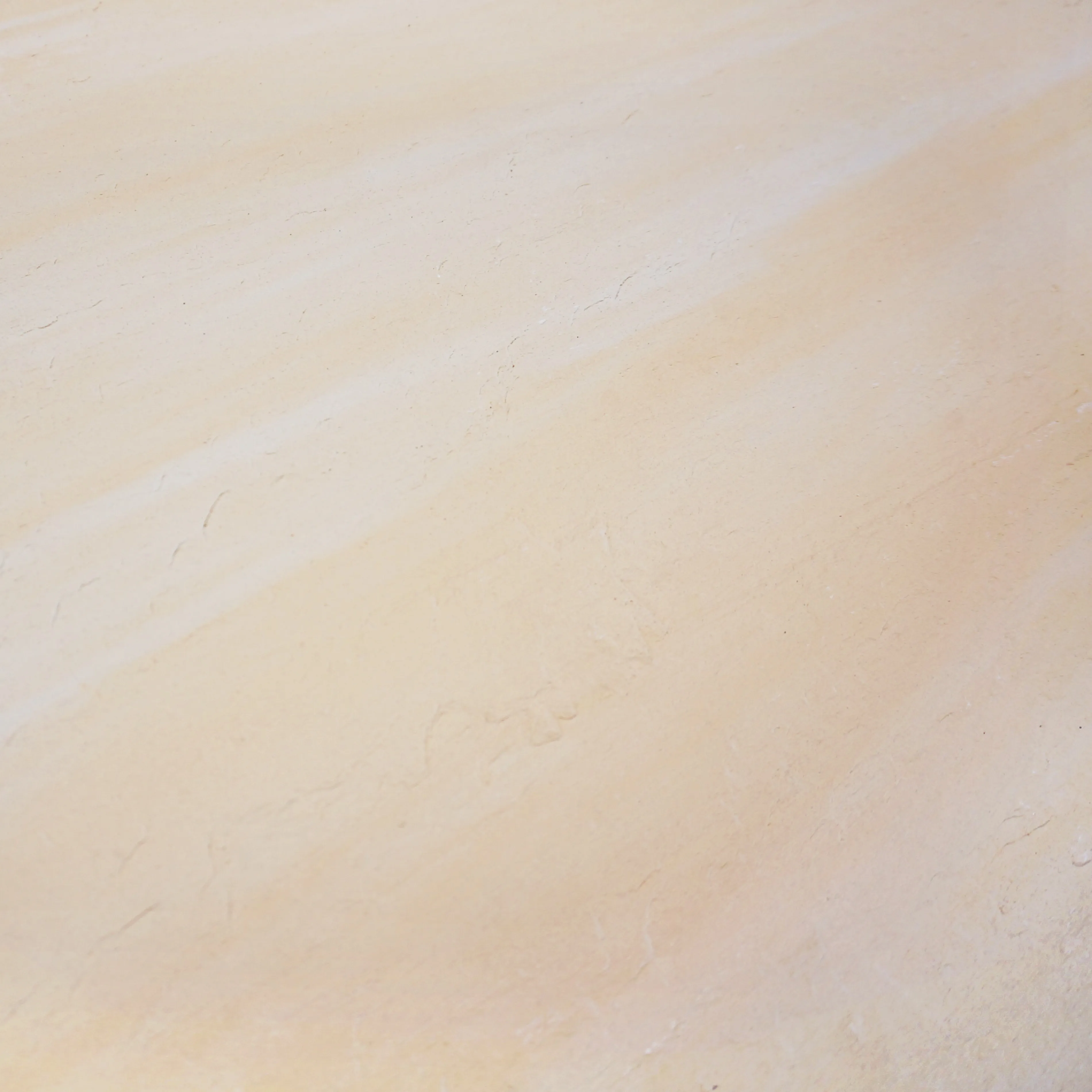
Still on the fence? Let's put Oasis Stone Foge side by side with some popular cladding materials to see how it stacks up. The table below compares key factors like weight, durability, sustainability, and cost—so you can decide for yourself.
| Factor | Oasis Stone Foge | Natural Stone (Marble/Granite) | Fair-Faced Concrete | Foamed Aluminium Alloy Board (Vintage Gold) |
|---|---|---|---|---|
| Weight (kg/m²) | 6-8 | 25-30 | 20-25 | 8-10 |
| Durability | 50+ years (UV, moisture, impact resistant) | 30-40 years (prone to cracking, staining) | 40-50 years (susceptible to spalling in freeze-thaw) | 20-30 years (fades, dents, rusts) |
| Sustainability | Recyclable, low CO2 manufacturing, 70% recycled materials | High quarrying impact, non-recyclable | High CO2 emissions, non-recyclable | Energy-intensive production, limited recyclability |
| Installation Time | Fast (adhesive-based, no heavy machinery) | Slow (requires cranes, specialized labor) | Moderate (formwork needed, curing time) | Moderate (needs framing, cutting) |
| Maintenance | None (no sealing, painting, or cleaning required) | High (sealing every 1-2 years, professional cleaning) | Moderate (sealing every 3-5 years, pressure washing) | High (polishing, repainting to prevent rust) |
| Cost (Installed, $/sq ft) | $30-$50 | $50-$100 | $20-$40 (plus long-term maintenance) | $40-$60 |
As you can see, Oasis Stone Foge outperforms traditional materials in nearly every category. It's lighter than natural stone and concrete, more durable than metal panels, more sustainable than almost anything else on the market, and cost-effective over time. It's not just a competitor—it's a disruptor.
Enough theory—let's talk real life. Where is Oasis Stone Foge already making waves? The answer: everywhere. From bustling city centers to quiet suburban neighborhoods, this material is proving its versatility across project types.
Commercial architects love Oasis Stone Foge for its ability to turn a brand's identity into a visual experience. Take the new headquarters of a tech startup in San Francisco, for example. The design team wanted a facade that felt innovative yet grounded—something that said "forward-thinking" without looking cold. They chose Oasis Stone Foge in a custom linear travertine (claybank) finish, paired with large windows for natural light. The result? A building that looks like it's emerging from the earth, warm and inviting, but with a sleekness that signals modernity. And because the panels are lightweight, the building's foundation didn't need expensive reinforcements—saving the client over $200,000 in construction costs.
Retail spaces are another sweet spot. Imagine a boutique clothing store that wants to evoke the vibe of a Moroccan souk—rich textures, warm tones, a sense of history. Oasis Stone Foge in the muretto stone (beige) finish, with its rough, hand-hewn look, creates that atmosphere without the cost or weight of importing actual Moroccan stone. Plus, it's easy to clean (a must for high-traffic areas), so even with daily foot traffic, the facade stays looking fresh.
Homeowners are catching on too, and it's not hard to see why. For a beach house in Bali, the owner wanted a facade that blended with the island's natural beauty—think the texture of bali stone, the warmth of wood line, but with the durability to withstand saltwater and humidity. Oasis Stone Foge in the travertine (starry blue) finish checked all the boxes: it looks like weathered stone kissed by the sea, but it won't fade or erode in the salt air. And because it's lightweight, it was installed in just three days, letting the family move in ahead of schedule.
Even urban townhouses are getting in on the action. In Brooklyn, a developer used Oasis Stone Foge in the lunar peak black finish for a row of modern townhomes. The panels mimic the look of dark, polished stone, giving the buildings a sophisticated, urban edge—without the price tag of real black granite. Plus, the material's insulating properties help keep energy bills low, a selling point for eco-conscious buyers.
One of the most inspiring uses of Oasis Stone Foge is in heritage restoration. Take a 19th-century schoolhouse in Boston, for example, which was in desperate need of exterior repairs. The original stone facade was crumbling, but replacing it with real stone would have been cost-prohibitive and damaging to the building's structure. Instead, the restoration team used Oasis Stone Foge in the historical pathfinders stone finish, which perfectly replicates the weathered texture of the original stone. The result? A building that looks like it's been standing for 150 years, but with a modern, durable core that will protect it for another 150. It's a beautiful blend of preservation and innovation.
So, what does the future hold for exterior cladding? If trends are any indication, it's all about sustainability, design freedom, and technology. And Oasis Stone Foge is positioned right at the intersection of all three.
Sustainability will only grow more important as governments crack down on carbon emissions and consumers demand eco-friendly options. Oasis Stone Foge's low-carbon manufacturing, recyclability, and use of recycled materials make it a future-proof choice. As building codes evolve to prioritize green materials, this could become a non-negotiable for developers.
Design-wise, the demand for customization is skyrocketing. Architects don't want "one-size-fits-all" cladding—they want to create unique, memorable buildings. Oasis Stone Foge's flexibility and wide range of finishes (from the otherworldly starmoon stone to the classic marble veil white) mean the only limit is imagination. We're already seeing designers experiment with 3D-printed accents (hello, MCM 3D printing series!) paired with Oasis Stone Foge panels, creating facades that are part art, part architecture.
And let's not forget technology. Smart buildings are the future, and cladding could soon play a role beyond aesthetics. Imagine Oasis Stone Foge panels integrated with solar cells or sensors that monitor temperature, humidity, or structural health—all while still looking like natural stone. It's not science fiction; it's the next frontier, and Oasis Stone Foge's composite structure makes it easier to incorporate these technologies than rigid materials like concrete or metal.
At the end of the day, cladding is more than just a "skin" for buildings. It's the part of a structure that interacts with the world—the rain that washes its surface, the sun that warms it, the people who pass by and pause to look. It's the first chapter of a building's story, and we deserve materials that can write a good one: durable, beautiful, responsible, and full of possibility.
Oasis Stone Foge isn't just a new material—it's a new way of thinking about how we build. It's about letting go of the trade-offs that have held us back and embracing a future where our buildings can be both stunning and sustainable, bold and practical, timeless and innovative. Whether you're an architect dreaming up the next iconic skyline, a builder looking to streamline projects, or a homeowner wanting a house that feels like "you," this material invites you to imagine more.
So, the next time you walk down that street, take a closer look at the buildings around you. Which ones are telling stories worth remembering? And which ones could use a new chapter—written in Oasis Stone Foge?
Recommend Products












