
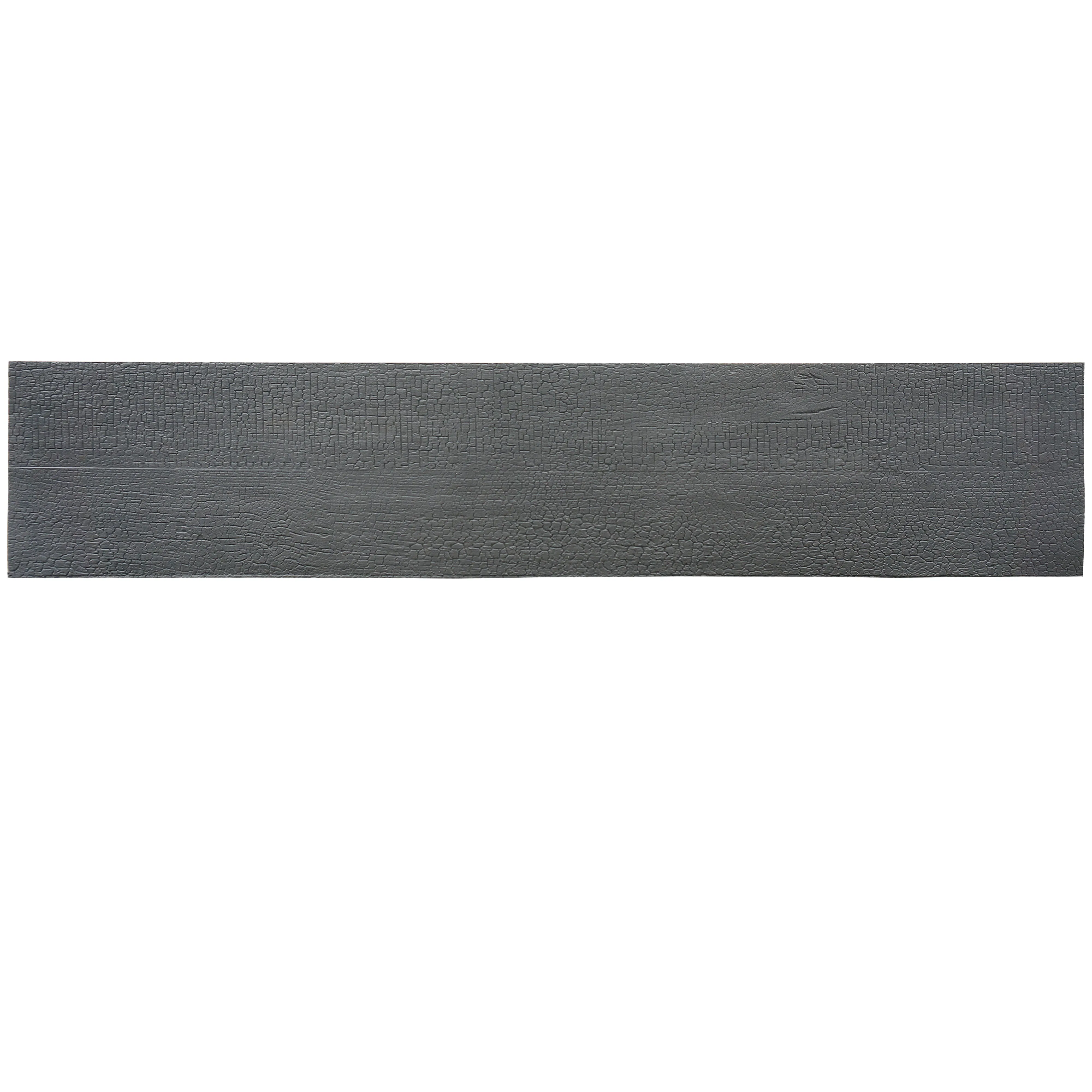
Walk into any modern architectural showcase these days, and you're likely to spot it: that striking, almost otherworldly texture of charcoal burnt wood board. With its deep, smoky hues and tactile, weathered surface, it's no wonder designers and builders have fallen for this material. It's not just about looks, though—charcoal burnt wood boards bring a sense of warmth and history to spaces, whether they're cladding a boutique café or defining the facade of a sleek office building. But here's the thing no one talks about enough: the pH of the environment these boards live in can make or break their lifespan and, more importantly, their safety. Let's dive into why pH matters, how it affects your charcoal burnt wood boards, and what you can do to keep them standing strong for years to come.
pH is a measure of how acidic or alkaline a substance is, ranging from 0 (super acidic, like battery acid) to 14 (highly alkaline, like drain cleaner). Neutral is 7, right in the middle—think pure water. For building materials like charcoal burnt wood boards, pH isn't just a chemistry class term; it's a silent player in how well they hold up over time. Every environment—whether it's a coastal town with salt-laden air, a desert with dry, alkaline soil, or a city with acid rain—has its own pH fingerprint. And that fingerprint leaves a mark on your wood.
Charcoal burnt wood boards are created through a process that involves torching the wood surface to create a protective char layer (you might know it as shou sugi ban, the traditional Japanese technique). This char layer is what gives the wood its resistance to pests, fire, and moisture—at least, when conditions are right. But when pH swings too far one way or the other, that protective layer can start to break down, and the wood beneath becomes vulnerable. Let's break down how that happens.
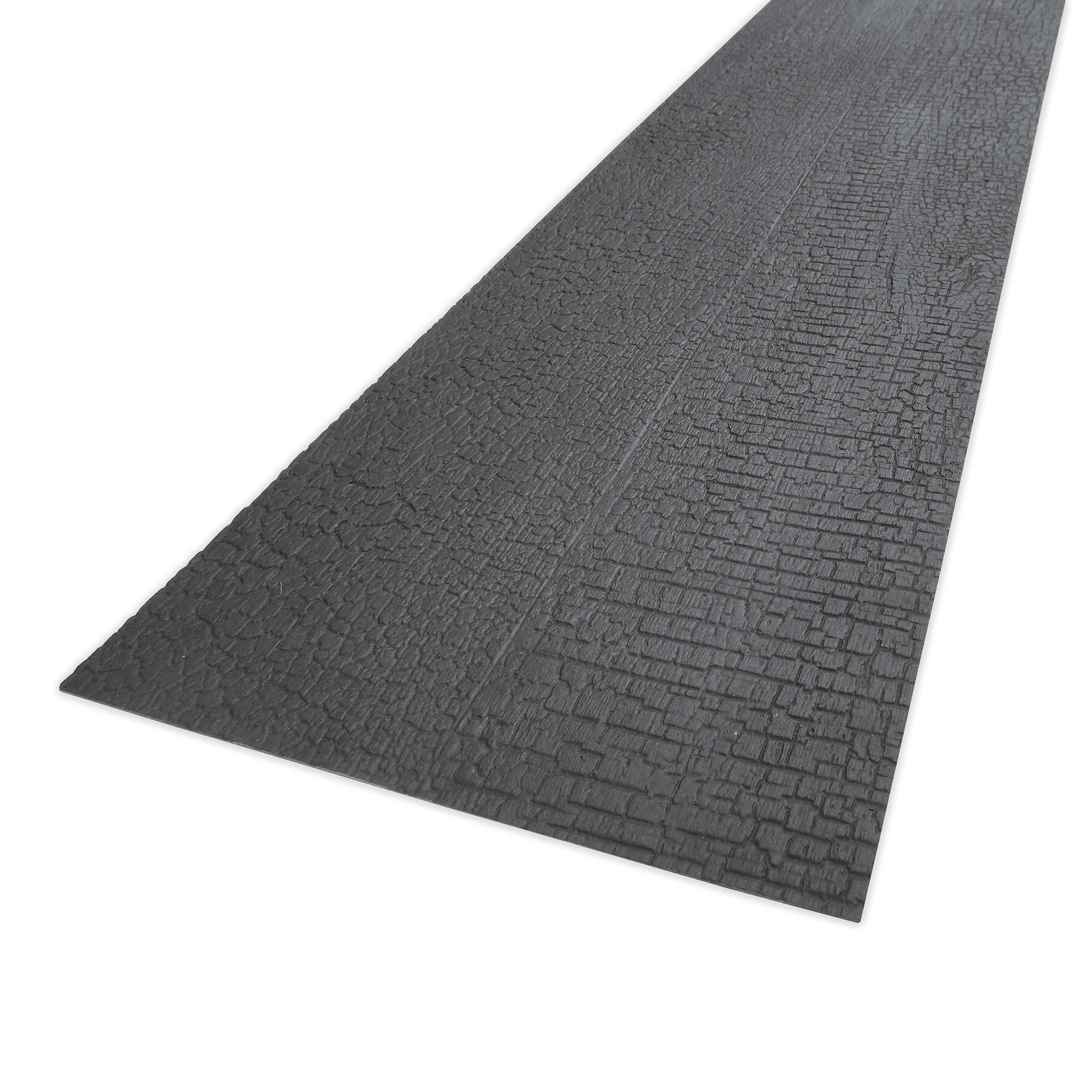
The char layer on a charcoal burnt wood board is a bit like a suit of armor. It's porous but tough, designed to shield the underlying wood from the elements. But here's the catch: char is primarily carbon, and carbon doesn't play nice with extreme pH levels. Let's start with acidity. In environments with low pH—think areas with frequent acid rain (pH 4-5), coastal regions where salt spray (which is slightly acidic) coats surfaces, or even indoor spaces with high humidity and poor ventilation (where mold can release organic acids)—the char layer starts to erode.
Acidic substances react with the carbon in the char, breaking down its structure. Over time, you might notice the surface of the wood becoming flaky, or the color fading from deep black to a dull gray. Worse, once the char layer thins, the wood underneath is exposed to moisture. And moisture, combined with acidity, is a one-two punch for wood fibers. Acidic water seeps into the wood, breaking down the lignin that holds fibers together, leading to warping, cracking, or even rot. It's like leaving a wooden spoon in a vat of vinegar—eventually, it starts to soften and fall apart.
On the flip side, high pH (alkaline) environments can be just as problematic. Alkaline conditions are common in areas with limestone-rich soil (pH 8-9), or when charcoal burnt wood boards are paired with materials like fair-faced concrete. Fair-faced concrete, with its smooth, uncoated finish, is a popular choice for modern buildings, but it's naturally alkaline due to the lime in its mix. Over time, rainwater can leach that lime out of the concrete, creating a run-off that's high in pH. When that alkaline water drips onto your charcoal burnt wood boards, it does something insidious: it dissolves the char layer from the inside out.
Alkaline solutions react with the minerals in the char, turning them into soluble compounds that wash away. The result? A char layer that feels soft or "mushy" to the touch, and wood that's suddenly prone to splintering. In severe cases, the wood might even start to discolor, taking on a chalky, white film where the alkaline water has reacted with the char. Not exactly the aesthetic you signed up for when you chose those sleek boards.
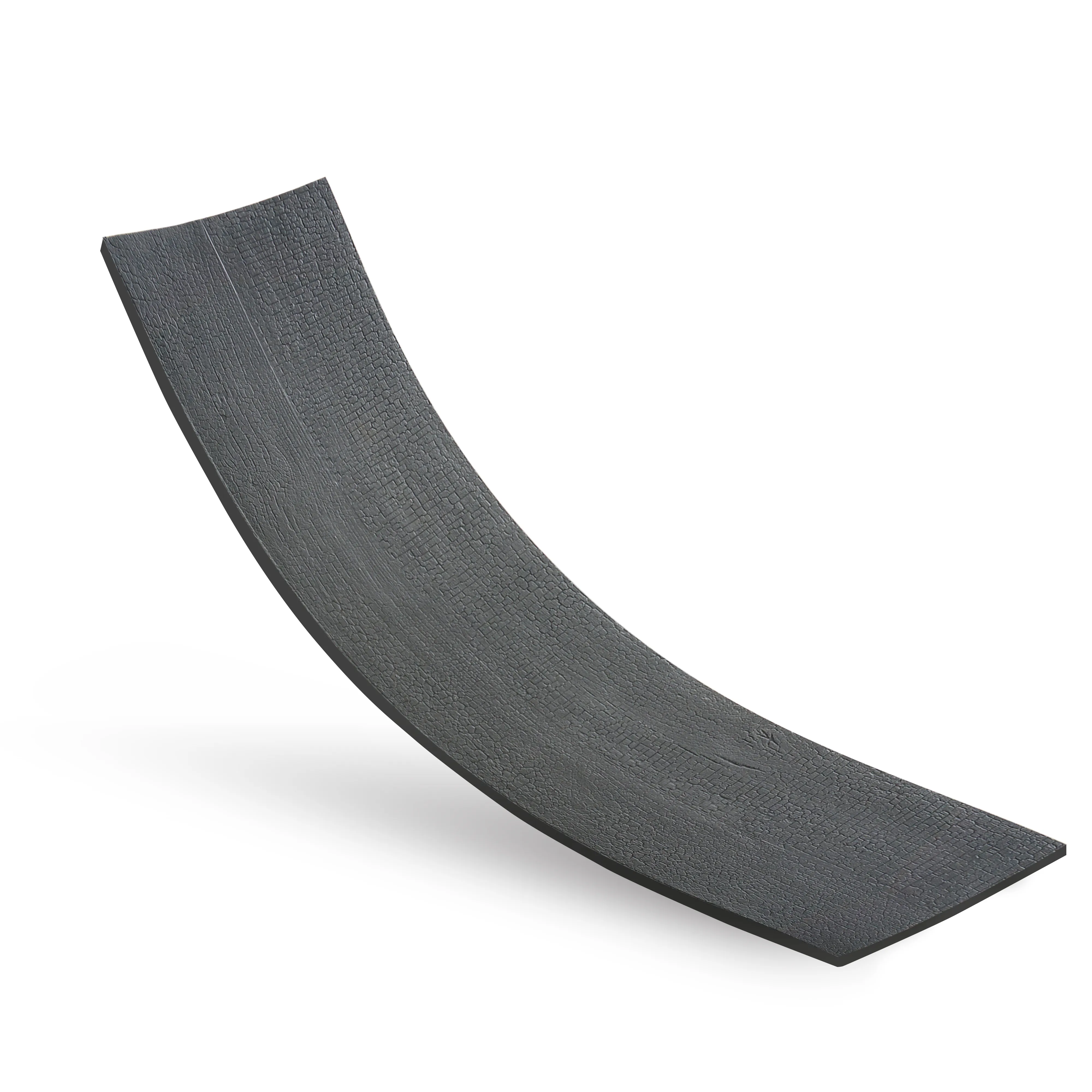
Charcoal burnt wood boards rarely exist in isolation. They're part of a larger ecosystem of building materials—think fair-faced concrete walls, rammed earth board accents, or even metal fixtures. Each of these materials brings its own pH influence to the table, and that cross-talk can amplify the effects of pH on your wood. Let's take a common scenario: a commercial building using architectural big slab solutions, where charcoal burnt wood boards are used to clad the exterior, paired with fair-faced concrete columns.
Fair-faced concrete, as we mentioned, is alkaline. When it rains, water runs down the concrete and onto the wood boards below. Over months and years, that constant drip of alkaline water can create a microenvironment around the wood that's far from neutral. Meanwhile, if the building is in an urban area, acid rain might counteract that alkalinity, creating a fluctuating pH cycle—acidic one day, alkaline the next. That back-and-forth is even harder on the char layer than a steady pH extreme. It's like repeatedly stretching a rubber band: eventually, it loses its elasticity.
Then there's rammed earth board, another popular material in sustainable building. Rammed earth is made from compacted soil, sand, and clay, and its pH can vary depending on the soil source. In some regions, rammed earth is naturally alkaline (if the soil has a lot of limestone), while in others, it might be slightly acidic (if there's more organic matter). When installed next to charcoal burnt wood boards, any moisture that transfers between the two materials can carry that pH with it. For example, if the rammed earth is alkaline and absorbs rainwater, that water can wick into the wood, bringing alkalinity along for the ride and accelerating char breakdown.
Even something as simple as wood grain board trim can play a role. Wood grain boards, which mimic the look of natural wood, might be treated with chemicals to enhance durability. If those treatments are acidic (like some preservatives), they could leach into the charcoal burnt wood boards over time, creating localized pH hotspots. It's a reminder that in building, everything is connected—and pH is the invisible thread tying it all together.
So far, we've talked about durability—how pH affects how long your charcoal burnt wood boards last. But safety is another critical angle. When pH throws off the integrity of these boards, it's not just about aesthetics; it can create real hazards. Let's start with mold. Mold loves moisture, but it also has pH preferences. Most molds thrive in slightly acidic to neutral environments (pH 5-7). When the char layer breaks down due to acidic conditions, moisture seeps into the wood, creating the perfect breeding ground for mold. And mold isn't just unsightly—it can release spores that trigger allergies or asthma, making indoor spaces unhealthy for occupants.
On the alkaline side, structural weakness is the big concern. As the char layer dissolves, the wood beneath loses its protection. In exterior applications, this can lead to the boards becoming brittle. Imagine a high wind storm hitting a facade with weakened charcoal burnt wood boards—pieces could break off, posing a risk to people below. Indoors, if the boards are used as wall paneling or shelving, a compromised structure could lead to collapse, especially if they're holding weight.
Then there's off-gassing. When wood breaks down under extreme pH conditions, it can release volatile organic compounds (VOCs) or other chemicals. In acidic environments, for example, the breakdown of lignin in the wood can release acetic acid (the same stuff in vinegar), which has a strong, unpleasant smell and can irritate the eyes and throat. In alkaline conditions, the reaction between the char and lime might release ammonia-like compounds, which are equally problematic for indoor air quality. Safety isn't just about the wood staying intact—it's about the air we breathe and the spaces we occupy feeling secure.
To make this more concrete (pun intended), let's look at how different pH levels affect charcoal burnt wood boards in real-world scenarios. The table below breaks down common pH ranges, their typical environments, and the specific impacts on durability and safety:
| pH Range | Common Environments | Effect on Durability | Effect on Safety |
|---|---|---|---|
| <5 (Strongly Acidic) | Coastal areas (salt spray), industrial zones (acid rain), indoor pools (chlorine fumes) | char layer erodes quickly; wood fibers weaken, leading to warping and cracking. | Mold growth is likely; wood may release acidic VOCs; structural instability increases over time. |
| 5-7 (Slightly Acidic to Neutral) | Temperate forests, well-ventilated indoor spaces, areas with minimal pollution | char layer remains stable; wood fibers retain strength; minimal signs of degradation over decades. | Low mold risk; no significant off-gassing; structural integrity remains high. |
| 7-9 (Slightly Alkaline to Neutral) | Desert regions (alkaline soil), areas with limestone bedrock, buildings with fair-faced concrete | char layer softens gradually; minor discoloration may occur; wood remains mostly intact. | Low mold risk; potential for chalky residue but minimal off-gassing; structural risk low if maintained. |
| >9 (Strongly Alkaline) | Areas with heavy lime mortar use, volcanic regions (alkaline ash), industrial areas with ammonia exposure | char layer dissolves rapidly; wood becomes brittle and prone to splintering; deep cracks may form. | Structural failure risk high (especially in load-bearing applications); alkaline residues may irritate skin/eyes. |
As you can see, neutral to slightly acidic/alkaline environments are where charcoal burnt wood boards thrive. But step outside that range, and problems start to pile up. The good news? With a little knowledge and proactive care, you can manage pH levels and keep your boards in the safe zone.
So, how do you ensure your charcoal burnt wood boards aren't falling victim to pH extremes? It starts with testing. Before installing the boards, test the pH of the environment they'll be in. For exterior applications, test the soil (using a simple pH test kit from a garden store) and collect rainwater to measure its acidity. For indoor spaces, check the pH of any adjacent materials—like the mortar in fair-faced concrete or the finish on wood grain board trim. This gives you a baseline to work from.
If you're dealing with an acidic environment (like a coastal home), consider sealing the boards with a pH-neutral sealant. Look for products specifically designed for charred wood—they'll create a barrier that prevents acidic water from reaching the char layer. For alkaline environments, opt for a sealant that's slightly acidic to counteract the alkalinity (but be careful not to overdo it; you don't want to swing the pH too far the other way). Reapply the sealant every 2-3 years, or more often if you notice signs of wear, like water soaking into the wood instead of beading up.
Maintenance also means keeping an eye on adjacent materials. If you're using fair-faced concrete, make sure it's properly cured and sealed to reduce lime leaching. For rammed earth boards, consider adding a moisture barrier between them and the charcoal burnt wood to prevent pH transfer. And don't forget about drainage—water pooling around the base of the boards can concentrate pH extremes, so ensure gutters, downspouts, and grading direct water away from the wood.
Indoors, ventilation is key. Bathrooms, kitchens, or basements with charcoal burnt wood accents can trap moisture, leading to mold-friendly pH levels. Install exhaust fans, open windows regularly, and use dehumidifiers if needed to keep humidity below 60%—that's the sweet spot for preventing mold and keeping pH stable.
At the end of the day, charcoal burnt wood boards are an investment—in beauty, in sustainability, and in the stories our buildings tell. But like any investment, they need protection. pH might seem like a small detail, but it's the kind of detail that turns a 10-year lifespan into a 50-year one, or a safe, healthy space into a maintenance nightmare.
Think about it: when you choose charcoal burnt wood for a project, you're not just picking a material—you're curating an experience. You want that coffee shop wall to feel warm and inviting for years, not start flaking after the first rainy season. You want that office facade to make a statement, not become a liability. By understanding how pH affects these boards, you're not just being a smarter builder or designer—you're being a better steward of the spaces you create.
Charcoal burnt wood boards aren't going anywhere. Their versatility, sustainability, and timeless appeal make them a staple in modern architecture. But as we've explored, their success depends on more than just good design—it depends on respecting the science of pH. From the char layer's vulnerability to acidic rain to the slow erosion caused by alkaline concrete, pH is the silent force shaping how these boards age.
So, the next time you're planning a project with charcoal burnt wood boards, take a moment to think about pH. Test the environment, choose compatible materials (like neutral wood grain board or properly sealed fair-faced concrete), and invest in regular maintenance. Your boards will thank you, and so will the people who get to enjoy the spaces you've built—for years to come.
After all, great architecture isn't just about how things look. It's about how they last. And when it comes to charcoal burnt wood boards, pH is the key to making that longevity a reality.
Recommend Products












