
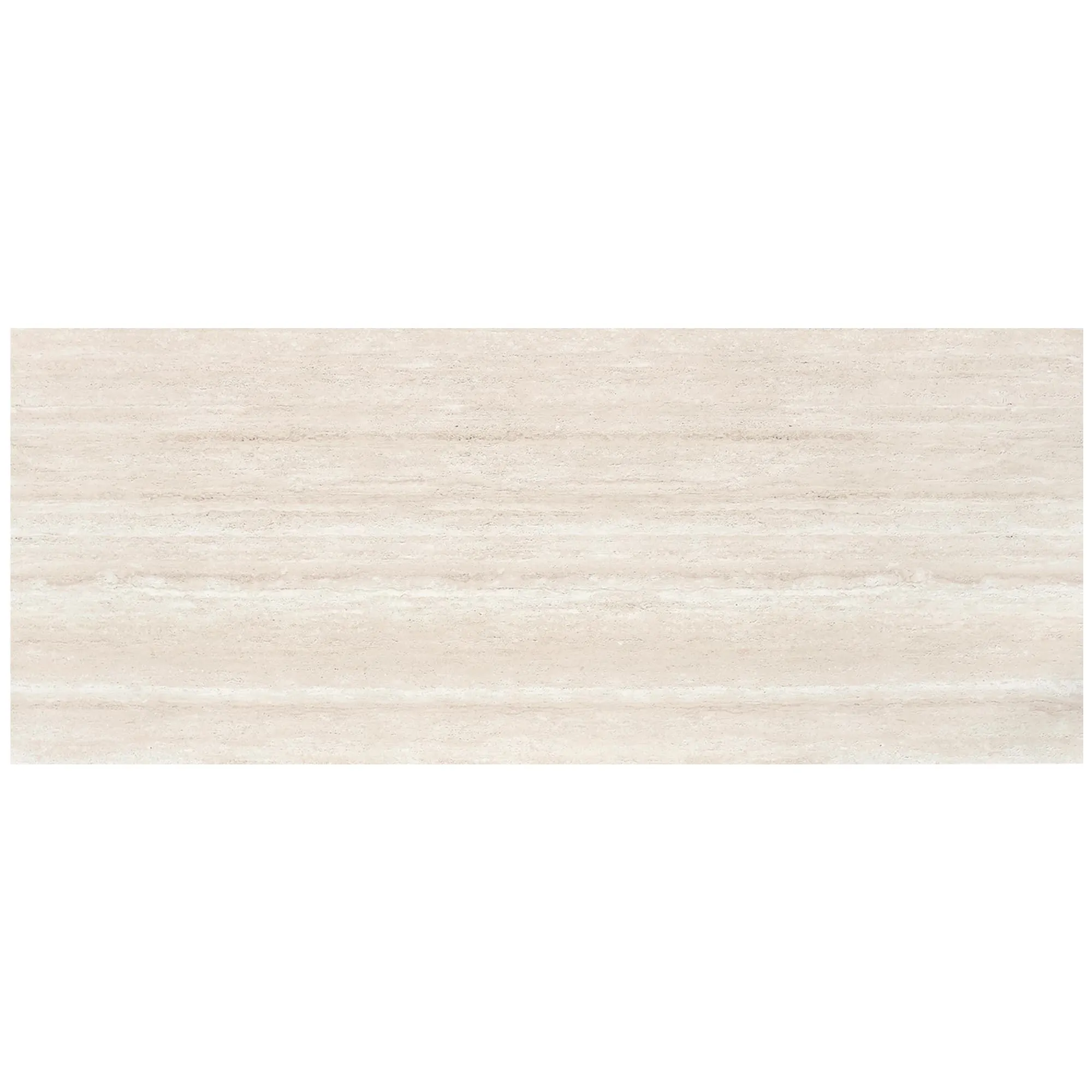
In the sun-drenched landscapes of Saudi Arabia, where tradition and modernity dance in architectural harmony, the exterior of a villa is far more than just a protective shell. It's a statement—a reflection of heritage, a nod to status, and a canvas that weaves together the stories of families and communities. Walk through the upscale neighborhoods of Riyadh, Jeddah, or Dammam, and you'll notice a striking trend: homeowners are no longer settling for generic, one-size-fits-all cladding. They crave materials that stand up to the kingdom's harsh climate, elevate curb appeal, and whisper tales of both the past and the future. Enter Rona Yellow MCM—a material that's quickly becoming the gold standard for those who refuse to compromise on beauty, durability, or meaning.
But why does the choice of exterior cladding matter so much here? Let's start with the elements. Saudi Arabia's climate is a force to be reckoned with: scorching summer days where temperatures soar past 45°C (113°F), relentless UV radiation that fades even the boldest hues, sandstorms that pelt surfaces with abrasive grit, and occasional humidity spikes in coastal areas. A subpar material doesn't just look worn—it fails. Cracks form, colors bleed, and maintenance becomes a never-ending battle. Add to that the cultural value placed on hospitality and pride in one's home, and it's clear: the exterior isn't just about looks. It's about resilience, longevity, and making a lasting impression.
For decades, homeowners turned to traditional options like natural travertine or fair-faced concrete. Travertine, with its timeless veining, evoked a sense of luxury, but its porous nature made it prone to staining and weathering. Fair-faced concrete, while durable, often felt cold and industrial, lacking the warmth that makes a villa feel like a home. Then there were materials like historical pathfinders stone, which nodded to Saudi Arabia's rich archaeological past but came with the heft and cost of natural stone. Homeowners were stuck in a loop: choose beauty or practicality, tradition or innovation. That is, until Rona Yellow MCM arrived on the scene.
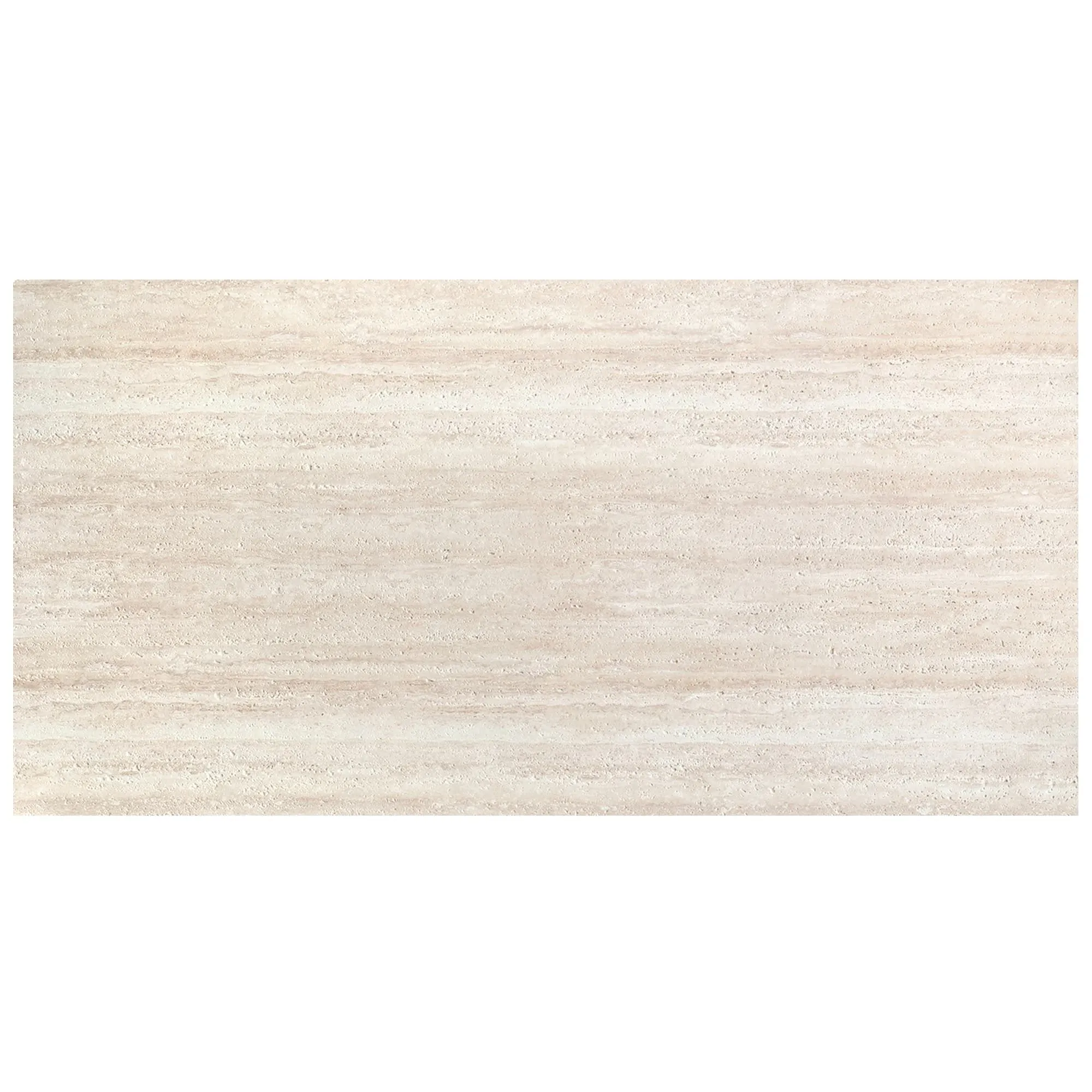
Let's cut through the jargon: MCM stands for Modified Composite Material, a cutting-edge cladding solution that marries the best of natural minerals with the strength of advanced polymers. Think of it as nature's beauty, reimagined with 21st-century science. Rona Yellow is a standout variant in this family—a material that captures the warm, golden glow of Saudi Arabia's desert sunsets, with subtle, earthy veining that mimics the organic patterns found in ancient sandstone formations.
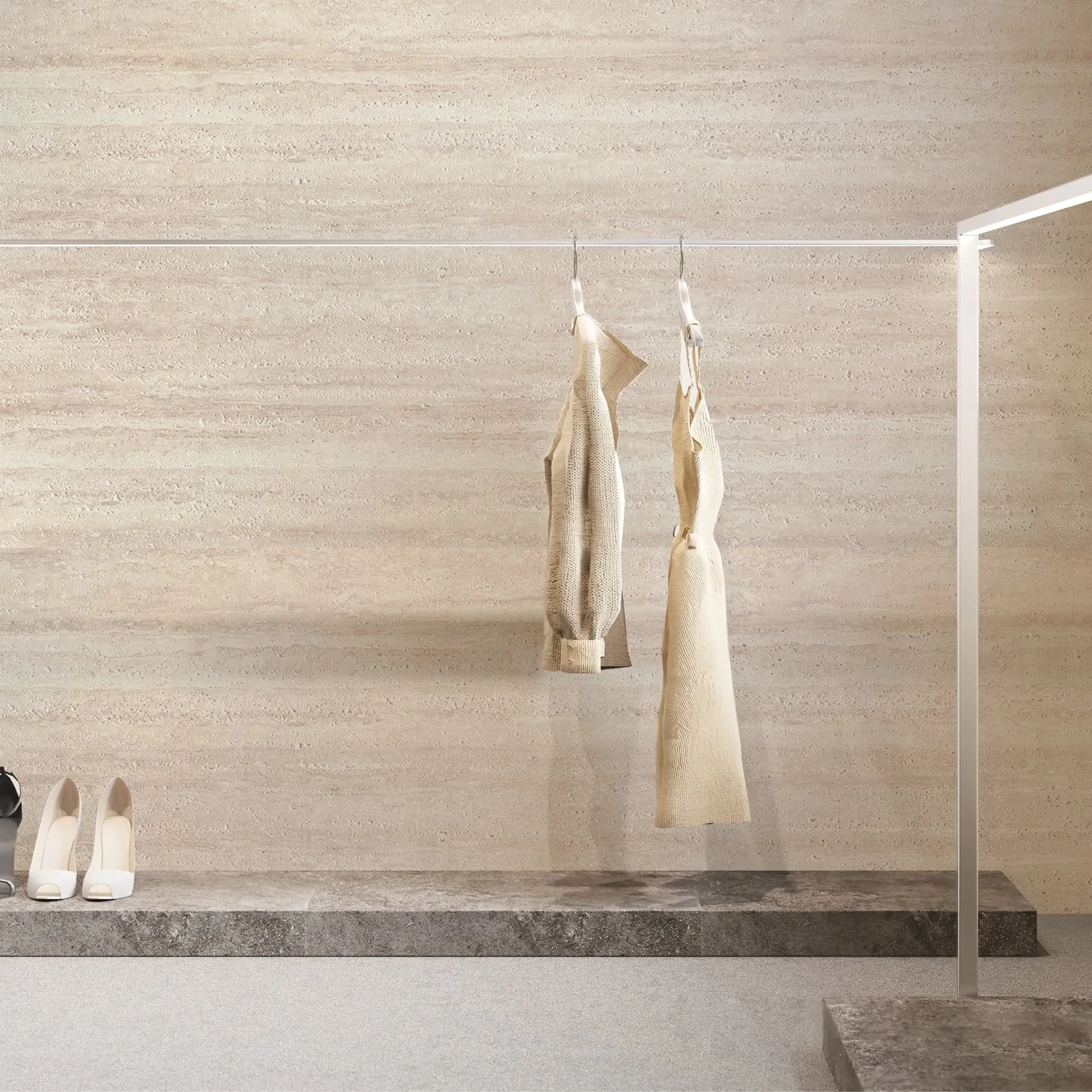
At first glance, you might mistake Rona Yellow MCM for high-quality natural stone. Its surface has a tactile, slightly textured finish that invites the hand to touch, with depth that shifts as sunlight moves across it—warm amber tones at midday, soft honey hues at dusk. But look closer, and you'll realize it's something entirely new. Unlike natural stone, which is hewn from quarries and prone to inconsistencies, Rona Yellow MCM is engineered for precision. Each panel is crafted in controlled environments, ensuring uniform color, thickness, and strength. It's a material that respects the beauty of nature while fixing its flaws.
The secret to its success lies in its composition. Rona Yellow MCM starts with a base of natural mineral aggregates—crushed stone, quartz, and clay—sourced for their durability and color stability. These are then blended with a high-performance polymer resin that acts as a binder, creating a material that's both rigid and flexible. The result? A cladding panel that's lightweight (up to 80% lighter than natural stone), resistant to impact, and impervious to the elements. It's MCM flexible stone at its finest—strong enough to stand up to sandstorms, yet malleable enough to be shaped into custom designs, from curved walls to intricate geometric patterns that pay homage to traditional Saudi artistry.
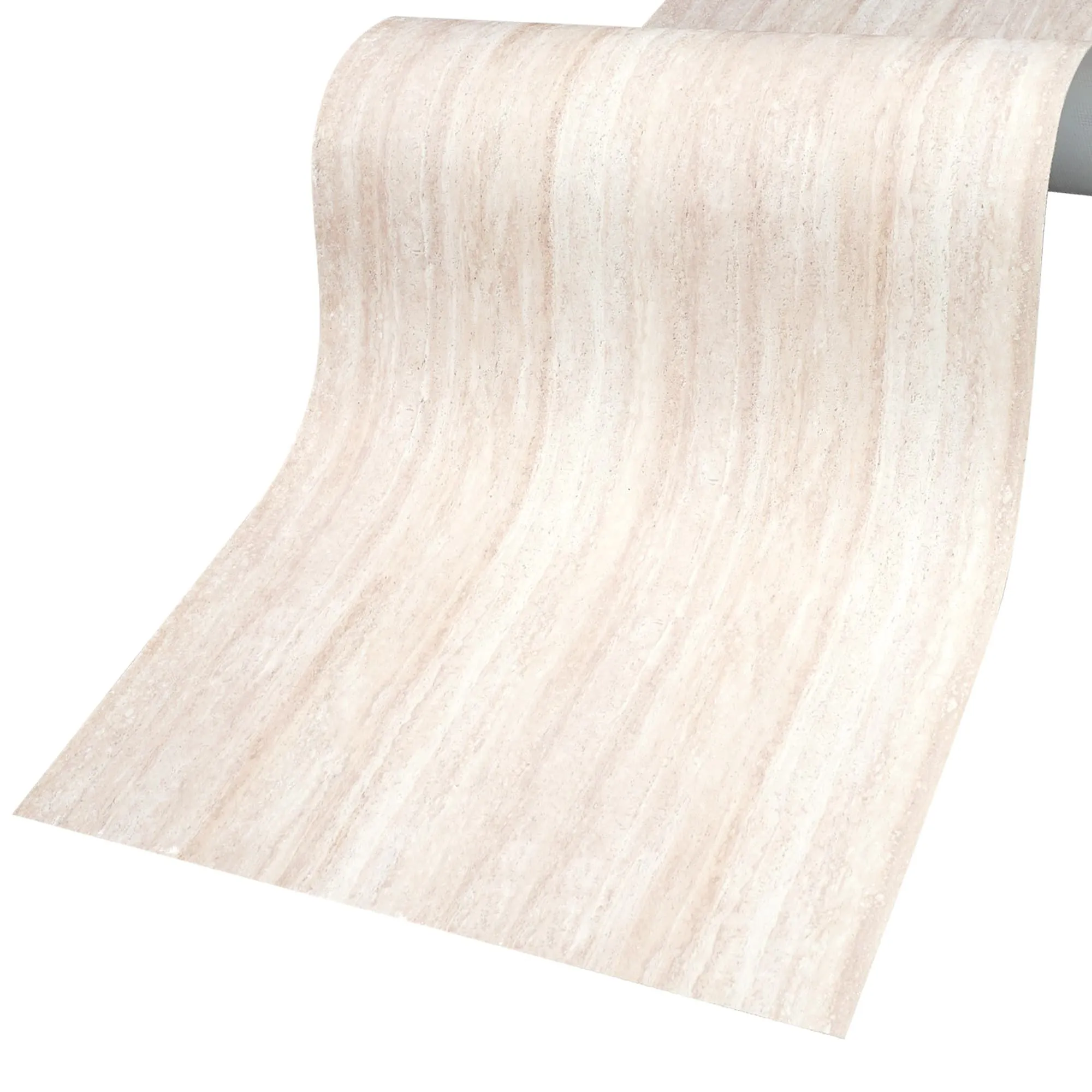
To truly understand why Rona Yellow MCM is becoming the top choice for Saudi villa exteriors, let's dive into the benefits that set it apart. It's not just one feature—it's a combination of resilience, beauty, and practicality that addresses every pain point homeowners and architects face in this region.
In a country where the sun is both a blessing and a challenge, UV resistance is non-negotiable. Rona Yellow MCM is formulated with UV-stabilizing additives that lock in its golden hue, ensuring it won't fade to a dull beige after a few summers. Unlike natural travertine, which can develop unsightly dark spots from moisture absorption, Rona Yellow's non-porous surface repels water, preventing mold, mildew, and staining. Even during sandstorms—those sudden, fierce gusts that hurl fine particles at high speeds—this material holds its ground. The polymer binder creates a smooth, hard surface that resists scratching, so your villa's exterior stays looking fresh year after year.
Thermal stability is another win. Saudi Arabia's temperature swings—scorching days and cool nights—can cause materials to expand and contract, leading to cracks over time. Rona Yellow MCM, however, has a low coefficient of thermal expansion, meaning it stays dimensionally stable even when temperatures fluctuate by 30°C or more. This isn't just about looks; it's about structural integrity. A cladding that doesn't crack means fewer repairs, lower maintenance costs, and a longer lifespan for your villa's exterior.
Saudi villa design is a beautiful balancing act: honoring the geometric patterns, archways, and warm color palettes of traditional Najdi architecture while embracing sleek lines, open spaces, and minimalist elegance in modern builds. Rona Yellow MCM fits seamlessly into both worlds. Its warm, golden-yellow tone is a nod to the desert landscape—the same hue that has inspired Saudi artisans for centuries, from the intricate tile work of old palaces to the woven fabrics of traditional thobes.
Architects love it for its flexibility in design. Want to create a facade that blends Rona Yellow with wood grain board for a rustic-modern look? Or pair it with bamboo mat board to evoke the tranquility of a desert oasis? The material's neutral undertones make it a chameleon, complementing other textures and colors without overpowering them. For those who prefer a more contemporary aesthetic, Rona Yellow can be installed in large, seamless panels for a bold, monolithic look, or cut into smaller tiles for a rhythmic, patterned facade. It even works beautifully with metallic accents—imagine Rona Yellow panels alongside foamed aluminium alloy board (vintage gold) for a touch of luxury that shines without clashing.
What truly sets Rona Yellow apart, though, is its ability to tell a story. Unlike generic gray concrete or plain stone, this material has character. Its veining—subtle, earthy, and unique to each panel—evokes the layers of history in Saudi Arabia's landscape, from the ancient paths traveled by historical pathfinders stone to the shifting dunes of the Rub' al Khali. It's a material that doesn't just cover a wall; it adds depth and meaning to a home's exterior.
Anyone who's worked with natural stone knows the headaches: heavy slabs that require cranes to lift, uneven thicknesses that make installation a nightmare, and high labor costs due to the time and precision involved. Rona Yellow MCM flips the script. Weighing in at just 4-6 kg per square meter (compared to 25-30 kg for natural travertine), it's lightweight enough to be handled by a small team, eliminating the need for expensive machinery. This not only speeds up installation but also reduces the structural load on the building—a crucial factor for villas with modern, lightweight framing or rooftop extensions.
Installation is a breeze, too. Rona Yellow MCM panels come with interlocking edges or tongue-and-groove systems that allow for quick, precise alignment. Unlike fair-faced concrete, which requires on-site pouring and curing (with all the mess and delays that entails), MCM panels are prefabricated in factories, ensuring consistent quality and reducing on-site waste. A typical villa facade can be clad in Rona Yellow MCM in half the time it would take to install natural stone, getting homeowners into their dream homes faster and with fewer disruptions.
And let's not forget about repairs. If a panel gets damaged—say, by a stray golf ball or a wayward sandstorm—you don't have to replace the entire wall. Individual panels can be removed and swapped out in hours, saving both time and money. It's a practicality that matters in a country where every day of construction delay can add up.
Saudi homeowners are busy people. The last thing they want is to spend weekends scrubbing, sealing, or repairing their villa exteriors. Rona Yellow MCM was designed with this in mind. Its non-porous surface means dirt, dust, and sand simply rinse off with a hose—no harsh chemicals or pressure washers needed. Unlike natural travertine, which requires annual sealing to prevent staining, Rona Yellow is maintenance-free. Even oil spills or bird droppings wipe away easily, leaving no trace.
Fading is another non-issue. Thanks to its UV-stabilized formula, Rona Yellow retains its warm golden color for decades, even under the relentless Saudi sun. Compare that to epoch stone or century stone, which can start to look dull or discolored after just a few years. And because the color runs through the entire panel (not just a surface coating), minor scratches or chips are barely noticeable—no need to repaint or refinish.
For coastal areas like Jeddah or Yanbu, where salt air can corrode metal and degrade stone, Rona Yellow's resistance to corrosion is a game-changer. It doesn't rust, pit, or deteriorate, making it ideal for villas near the Red Sea. It's a material that lets homeowners enjoy their exteriors without worrying about upkeep—more time for family gatherings, less time for home repairs.
In an era where environmental consciousness is growing, Rona Yellow MCM checks the sustainability box, too. Unlike natural stone quarrying, which can disrupt ecosystems and generate massive waste, MCM production is resource-efficient. The mineral aggregates used are often byproducts of other industries, reducing the need for new mining. The manufacturing process itself is low-energy, with minimal water usage and emissions. And because Rona Yellow MCM is lightweight, transporting it requires less fuel than hauling heavy stone slabs, lowering its carbon footprint.
Durability also plays a role in sustainability. A material that lasts 50 years instead of 15 means fewer replacements, less waste, and lower overall environmental impact. Rona Yellow MCM is also recyclable at the end of its life, with panels ground down and reused as aggregates in new construction materials. For Saudi homeowners who want to build responsibly—without sacrificing style—this is a huge selling point.
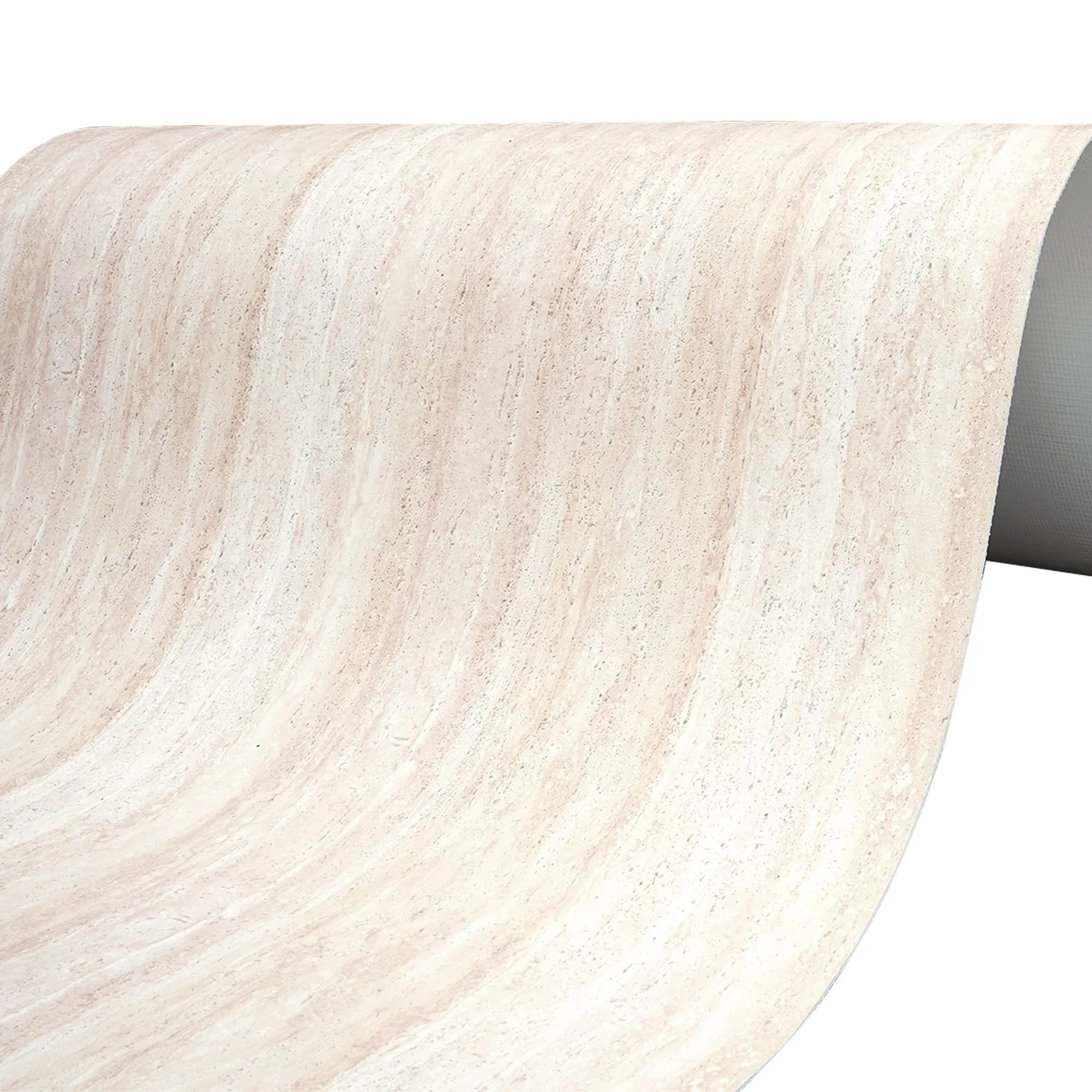
To put Rona Yellow MCM's advantages into perspective, let's compare it to three other common exterior cladding options in Saudi Arabia: natural travertine, fair-faced concrete, and historical pathfinders stone. The table below breaks down key factors like durability, aesthetics, cost, and maintenance—so you can see why Rona Yellow is rising to the top.
| Material | Durability (1-10) | Weight (kg/m²) | Installation Time | Maintenance Cost | Aesthetic Appeal |
|---|---|---|---|---|---|
| Rona Yellow MCM | 9 – Resists UV, sand, and moisture; minimal fading | 4-6 – Lightweight, reduces structural load | Fast (1-2 weeks for avg. villa) | Low – Rinse with water; no sealing needed | High – Warm golden tones, natural veining, versatile design |
| Natural Travertine | 6 – Porous; prone to staining and fading | 25-30 – Heavy; requires strong structural support | Slow (3-4 weeks for avg. villa) | High – Annual sealing; frequent cleaning | High – Classic beauty but limited color options |
| Fair-Faced Concrete | 8 – Durable but prone to cracking in temperature swings | 20-25 – Moderate weight | Slow (4-5 weeks for avg. villa; curing time) | Medium – Stains difficult to remove; may require patching | Medium – Industrial look; lacks warmth |
| Historical Pathfinders Stone | 7 – Authentic but brittle; susceptible to chipping | 28-35 – Very heavy; limited design flexibility | Very Slow (5+ weeks for avg. villa; custom cutting) | High – Requires specialized cleaning; fragile | High – Rich historical texture but limited color range |
The table tells a clear story: Rona Yellow MCM outperforms traditional materials in nearly every category. It's more durable than travertine, lighter than concrete, faster to install than historical pathfinders stone, and easier to maintain than all three. And when it comes to aesthetics, it offers the best of both worlds—natural beauty with modern reliability.
Numbers and tables are one thing, but hearing from homeowners and architects who've used Rona Yellow MCM brings its benefits to life. Take the Al-Mansoori family in Riyadh, who built their dream villa in the Al-Rawdah neighborhood in 2023. "We wanted something that felt connected to our heritage but could handle the Riyadh heat," says Mrs. Al-Mansoori. "Our architect suggested Rona Yellow MCM, and from the first sample, we fell in love. The color reminds us of my grandmother's village in the Najd—warm and welcoming. Two years later, it still looks brand new, even after that terrible sandstorm last spring. We hose it down once a month, and it shines like the day it was installed."
Architect Omar Khalid, who specializes in luxury villa design in Jeddah, has specified Rona Yellow MCM in over a dozen projects. "Clients come to me wanting the look of natural stone without the hassle," he explains. "Rona Yellow delivers that and more. On a recent project in King Abdullah Economic City, we paired it with foamed aluminium alloy board (vintage gold) for the entryway, and the result is stunning—modern yet rooted in Saudi culture. The lightweight panels also made it possible to add a rooftop terrace without reinforcing the structure, which saved the client tens of thousands of riyals."
Even in coastal areas, Rona Yellow MCM is making waves. The Al-Zahrani family in Jeddah, whose villa overlooks the Red Sea, chose it for its resistance to salt air. "We'd had travertine on our previous home, and within five years, it was stained and discolored from the humidity," says Mr. Al-Zahrani. "Rona Yellow has been up for three years now, and there's not a single spot or fade. It's the best decision we made for our home."
As Saudi Arabia continues to grow and evolve, so too does its architecture. The kingdom's Vision 2030 emphasizes innovation, sustainability, and cultural preservation—values that align perfectly with Rona Yellow MCM. This material isn't just a trend; it's a glimpse into the future of building design: one where beauty and function coexist, where tradition and technology collaborate, and where homes are built to last for generations.
For homeowners, Rona Yellow MCM offers peace of mind. It's a material that lets them express their personal style without worrying about performance. For architects, it's a tool to push creative boundaries, blending Rona Yellow with materials like wood grain board, bamboo mat board, or even 3D-printed elements from the MCM 3D printing series to create one-of-a-kind facades. And for the planet, it's a step toward more sustainable construction practices, reducing waste and energy use without compromising on quality.
In a country where the exterior of a villa is more than just a wall—it's a legacy—Rona Yellow MCM stands out as a material that honors the past while building the future. It's warm, durable, versatile, and deeply rooted in the beauty of Saudi Arabia's landscape. So the next time you drive through a Saudi neighborhood and spot a villa with a golden, sunlit exterior that seems to glow from within, chances are, you're looking at Rona Yellow MCM. And once you see it, you'll understand why it's quickly becoming the top choice for those who refuse to settle for anything less than extraordinary.
Recommend Products












