
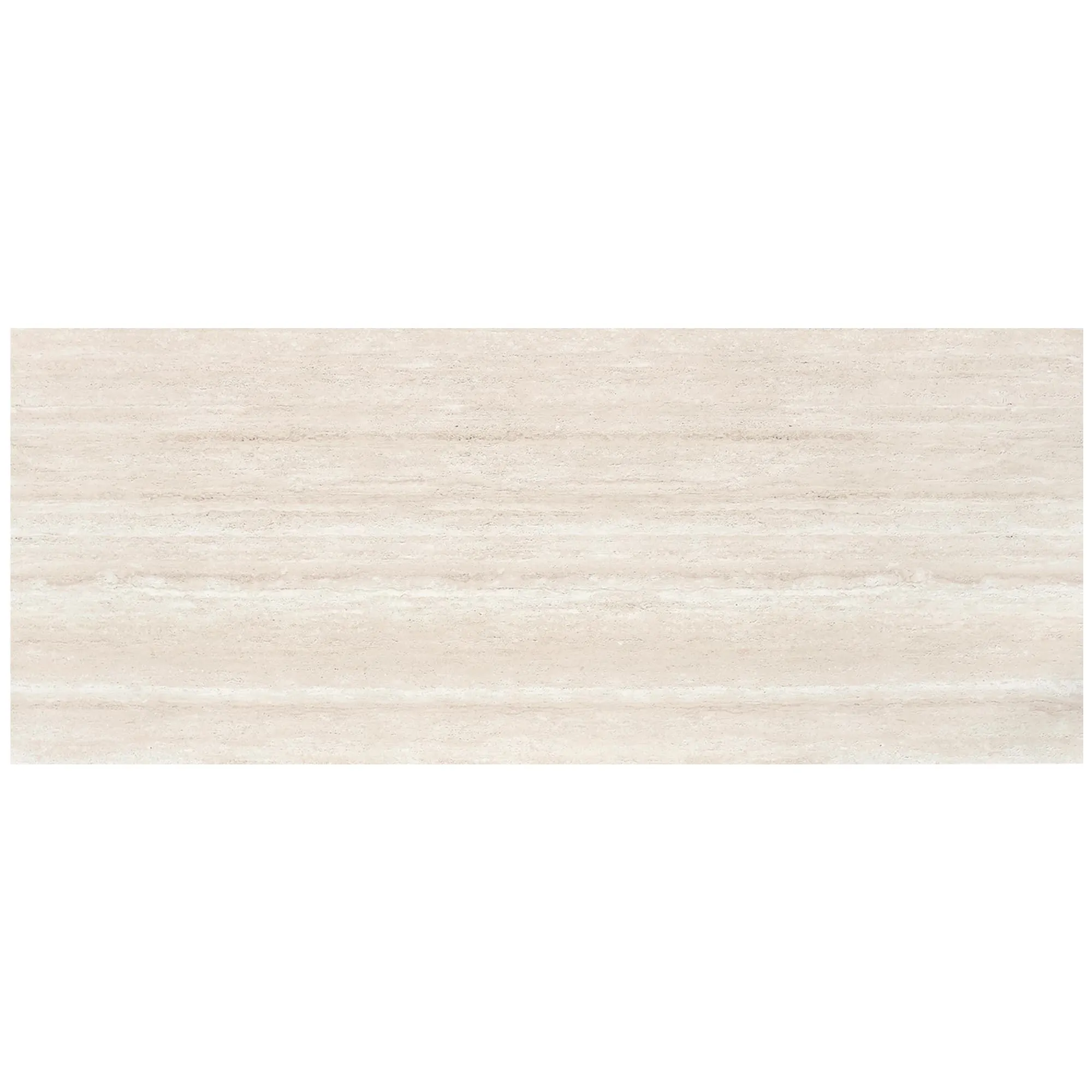
Blending durability, beauty, and coastal resilience in every stone
Coastal architecture has always held a special place in the hearts of designers and homeowners alike. There's an undeniable romance in creating spaces that hug the shoreline—where the boundary between indoors and outdoors blurs, and every window frames a postcard-perfect view of the sea. But anyone who's built near the coast knows the harsh truth: the ocean, for all its beauty, is a relentless adversary. Salt spray eats away at surfaces, humidity warps wood, and strong winds test the limits of even the sturdiest materials. Architects often find themselves torn between two masters: the desire to craft something visually stunning, and the need to ensure it stands firm against nature's fury.
For years, the go-to solutions have been practical but often plain. Fair-faced concrete offers durability but lacks warmth; lime stone(beige) brings a soft, earthy tone but struggles with salt corrosion over time. Even travertine (starry green) , with its striking veining, can lose its luster after years of exposure to coastal elements. The question lingered: Was there a material that could marry the best of both worlds—enduring strength and soul-stirring beauty?
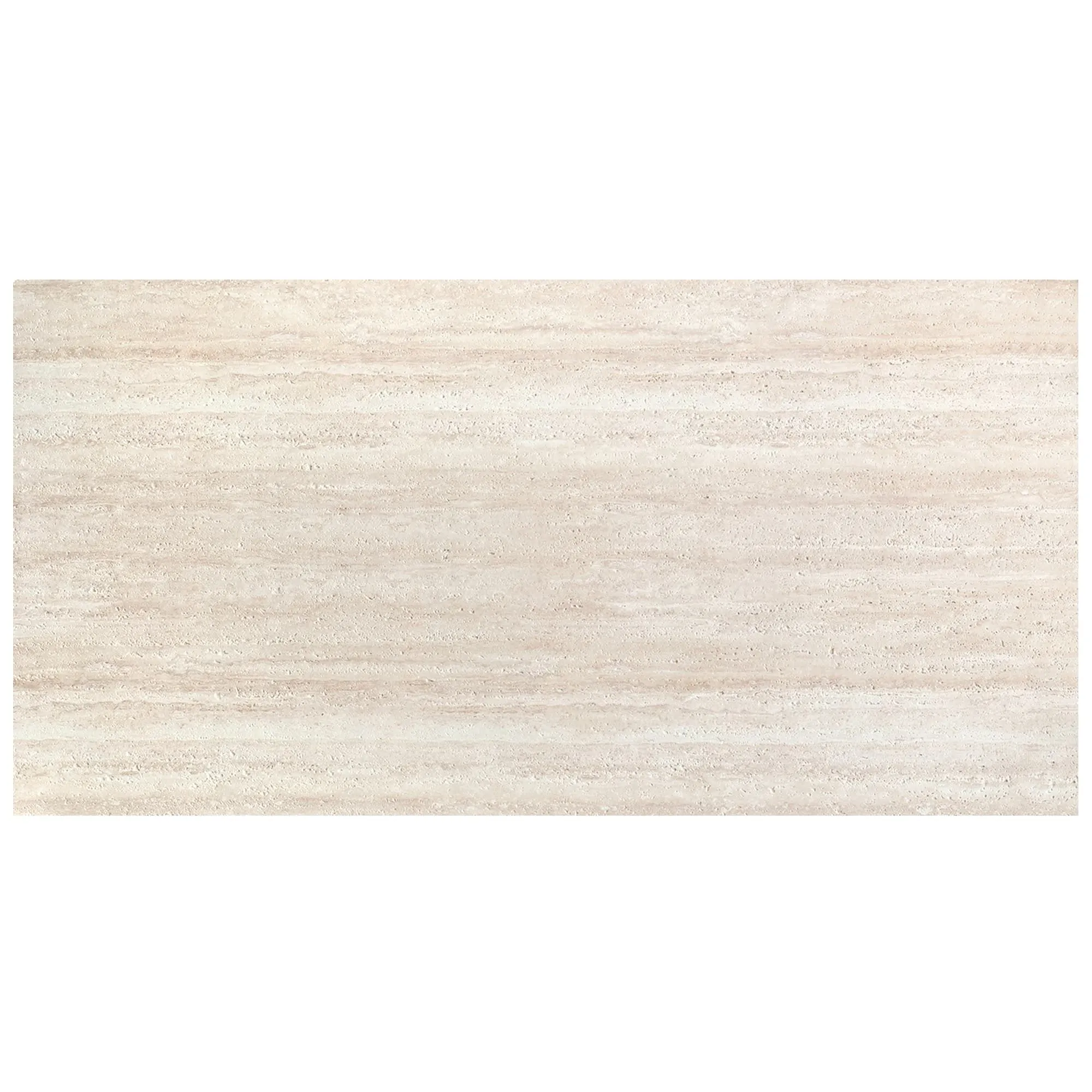
Enter Rona Yellow —a standout in the MCM flexible stone series that's quietly revolutionizing coastal construction. At first glance, it's easy to be drawn to its aesthetic: a warm, sun-kissed hue that evokes golden sand at dawn, with subtle variations in texture that mimic the organic patterns of weathered stone. But Rona Yellow is more than just a pretty face. Born from advanced MCM (Modified Composite Material) technology, it's engineered to thrive where other materials falter—making it the ideal choice for projects that demand both resilience and visual poetry.
Unlike traditional stone slabs, Rona Yellow is part of the MCM flexible stone family, which combines natural minerals with high-performance polymers. This hybrid composition gives it the best of both worlds: the authentic look and feel of natural stone, paired with the flexibility and durability of modern composites. It's lightweight, easy to install, and—most importantly—built to withstand the unique challenges of coastal environments.
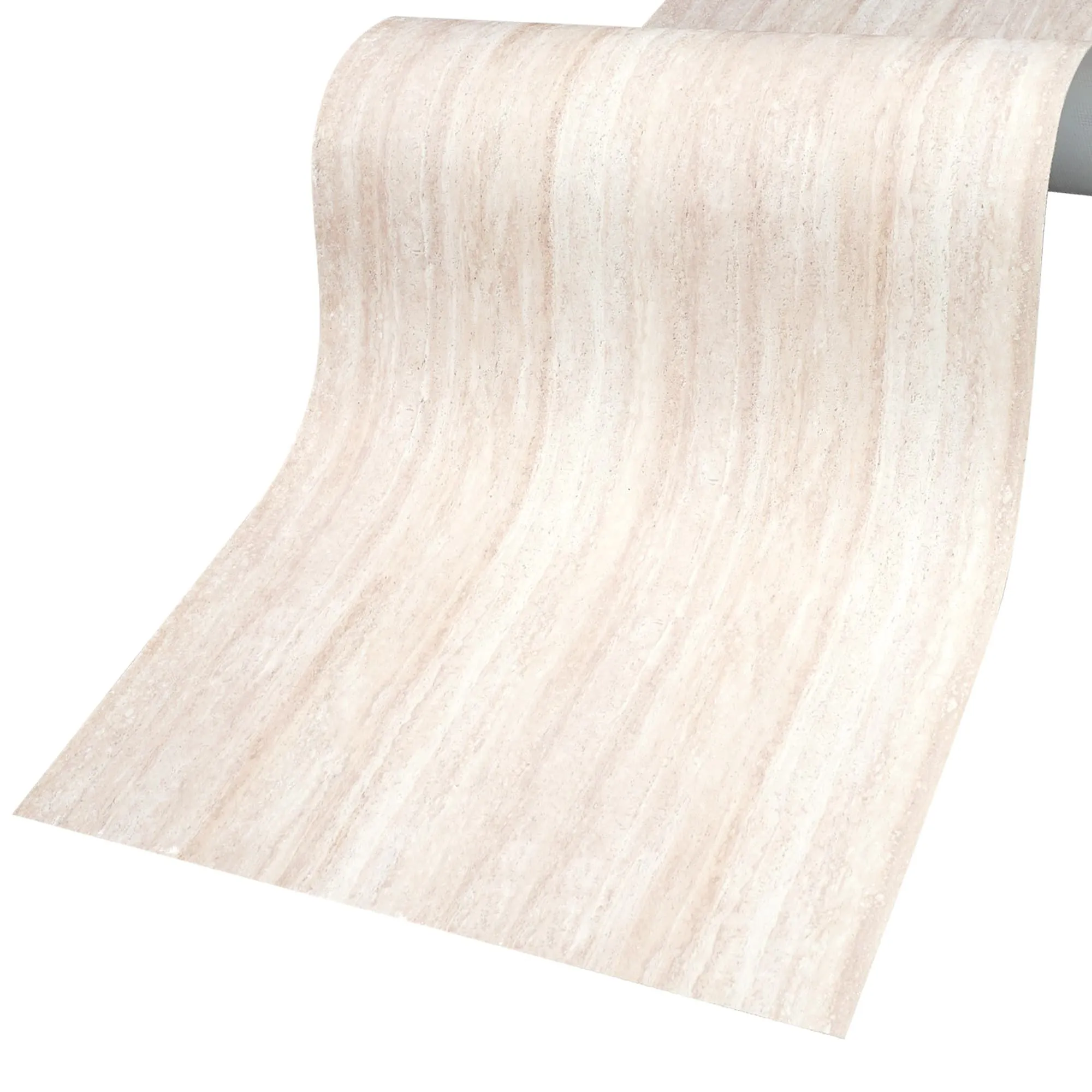
What makes Rona Yellow so well-suited for life by the sea? Let's break it down:
The coast's biggest threats—salt, moisture, and UV radiation—are no match for Rona Yellow. Its non-porous surface resists salt penetration, preventing the unsightly pitting and discoloration that plague materials like travertine (starry green) or limestone. Even after years of exposure to relentless humidity, it won't warp, crack, or grow mold. And unlike painted surfaces, its color runs through the material, so fading from harsh sunlight is minimal. One coastal hotel in Cape Cod, which installed Rona Yellow cladding five years ago, reports that the panels still look as vibrant as the day they were installed—despite facing nor'easters and summer heatwaves.
Coastal buildings often face structural movement—whether from shifting sand, foundation settling, or the lateral force of strong winds. Rigid materials like solid stone or concrete can crack under this stress, but Rona Yellow's flexibility is a game-changer. As part of the MCM flexible stone series, it can bend slightly without breaking, accommodating minor shifts and reducing the risk of damage. This adaptability is why architects in hurricane-prone areas are increasingly specifying it for both exterior cladding and interior accent walls.
Coastal design is all about balance—creating spaces that complement, not compete with, the natural beauty of the ocean and shore. Rona Yellow's warm, golden tone is a perfect counterpoint to the cool blues and greens of the sea. Its texture, which ranges from subtly smooth to gently rough, adds depth without overwhelming the eye. Imagine a beachfront home with Rona Yellow walls: at sunrise, the stone glows like the horizon; at sunset, it absorbs the warm hues of the sky, creating a seamless transition between the building and its surroundings. It's not just a material—it's a bridge between architecture and nature.
Coastal homeowners and property managers have enough to worry about without adding constant material upkeep to the list. Rona Yellow's low-maintenance nature is a huge relief. Unlike wood, it doesn't need sealing or staining. Unlike natural stone, it doesn't require regular cleaning with harsh chemicals to remove salt deposits. A simple rinse with fresh water is usually enough to keep it looking its best. This ease of care makes it ideal for busy coastal hotels, rental properties, or second homes where time is precious.
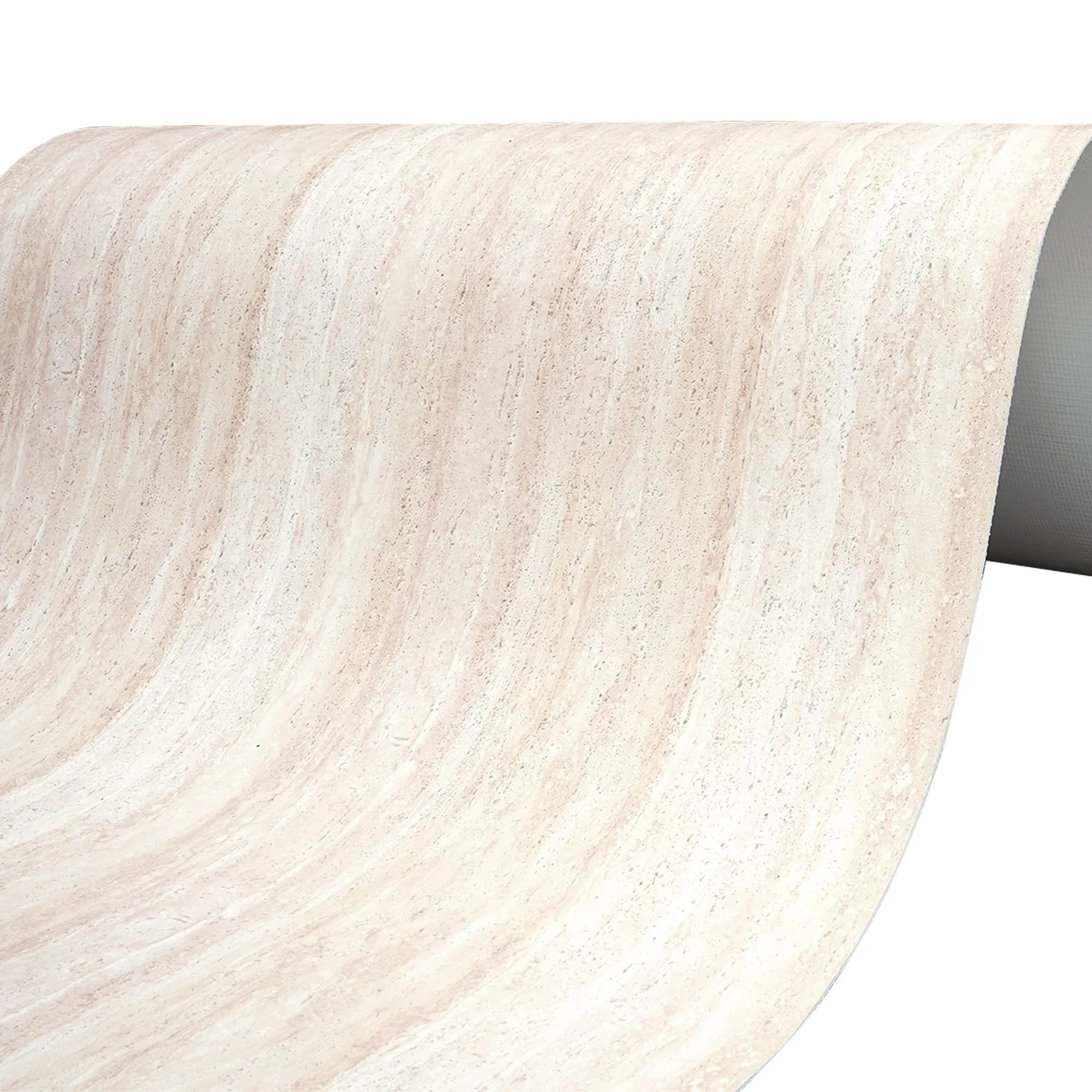
To truly understand Rona Yellow's, let's compare it to three common coastal building materials:
| Material | Salt & Moisture Resistance | Aesthetic Versatility | Maintenance Needs | Coastal Suitability |
|---|---|---|---|---|
| Rona Yellow (MCM flexible stone) | Excellent – Non-porous surface resists salt penetration | High – Warm golden tone, varied textures complement coastal landscapes | Low – Rinse with water; no sealing required | Best Choice |
| Lime stone(beige) | Poor – Porous; prone to salt damage and discoloration | Medium – Soft, neutral tone but limited texture options | High – Requires regular sealing and cleaning | Not Ideal |
| Fair-faced concrete | Good – Resists moisture but can stain from salt | Low – Monochromatic; lacks warmth and natural texture | Medium – May require patching for cracks; prone to algae growth | Functional but Uninspired |
| Travertine (starry green) | Fair – Semi-porous; needs frequent sealing to resist salt | High – Striking veining but cool tone may clash with coastal warmth | High – Regular sealing and specialized cleaning | Beautiful but High-Maintenance |
The table tells a clear story: while other materials may excel in one area, Rona Yellow delivers across the board—making it the most balanced choice for coastal projects.
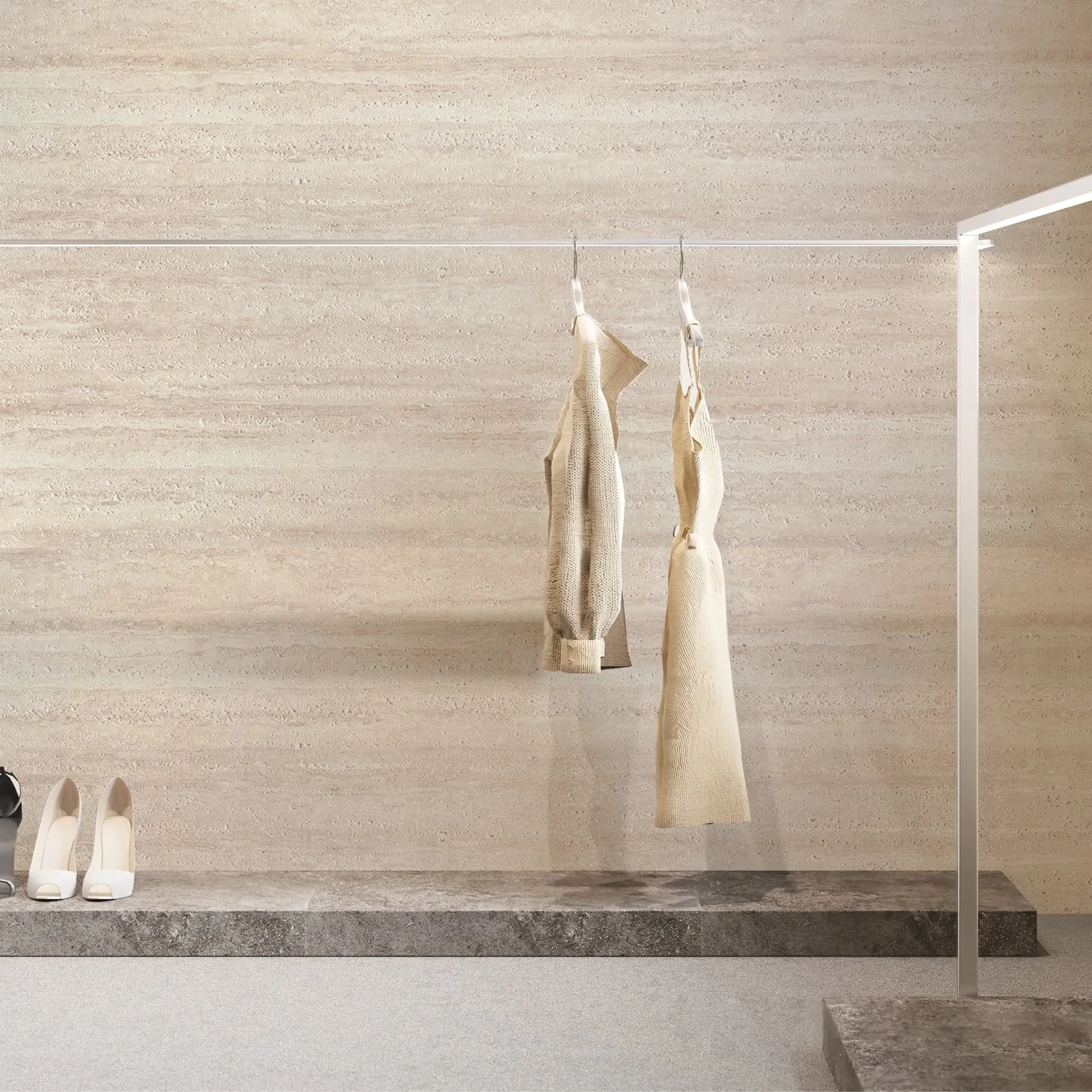
From boutique hotels to private villas, Rona Yellow is already making waves in coastal architecture. Take the Seaside Haven Resort in Barbados, for example. The resort's exterior cladding was previously a mix of fair-faced concrete and lime stone(beige) , but after years of salt damage, the owners decided to renovate with Rona Yellow. The result? A warmer, more inviting facade that has withstood two hurricane seasons without a scratch. "Guests now comment on how the building 'glows' at sunset," says resort manager Maria Gonzalez. "And maintenance costs have dropped by nearly 40%—we're no longer spending weekends sealing stone or power-washing concrete."
Closer to home, a family in Maine used Rona Yellow for their beach house extension. "We wanted something that felt like it belonged here, not just a generic modern box," says homeowner James Peterson. "The golden color matches the sand dunes, and the texture looks like it's been here for decades—even though it's brand new. Last winter, we had a nor'easter with 70 mph winds, and the walls didn't budge. It's like having a piece of art that's also a fortress."
In today's world, coastal building isn't just about durability and beauty—it's about responsibility. The ocean is fragile, and the materials we use should reflect a commitment to protecting it. Rona Yellow shines here, too. As part of the MCM flexible stone series, it's manufactured using a low-waste process that incorporates recycled minerals and reduces carbon emissions compared to traditional stone quarrying. Its lightweight nature also cuts down on transportation costs and fuel use during installation.
Additionally, Rona Yellow's longevity means less frequent replacement—a key factor in reducing construction waste. Unlike wood or concrete, which may need to be replaced every 10–15 years in harsh coastal climates, Rona Yellow can last for decades, minimizing its environmental footprint over time. For eco-conscious developers and homeowners, this makes it a choice that aligns with both their aesthetic goals and their values.
Building by the coast is a labor of love—a chance to create spaces that celebrate the ocean's beauty while respecting its power. For too long, architects and homeowners had to choose between durability and design, practicality and poetry. Rona Yellow changes that. As part of the MCM flexible stone series, it offers the best of both worlds: a material that can withstand salt, wind, and humidity, while bringing warmth, texture, and harmony to coastal landscapes.
Whether you're designing a luxury resort, a family beach house, or a public boardwalk, Rona Yellow isn't just a building material—it's an investment in beauty that lasts. It's a reminder that coastal architecture doesn't have to be a compromise. With Rona Yellow, you can have it all: a structure that stands strong against the elements, and a space that feels like it was always meant to be there—part of the sea, sand, and sky.
So, the next time you dream of building by the coast, ask yourself: Why settle for anything less than a material that loves the ocean as much as you do? Rona Yellow is more than stone—it's the foundation of coastal spaces that inspire, endure, and enchant for generations.
Recommend Products












