
Saudi Arabia's architectural landscape is in the midst of a remarkable transformation. From the bustling streets of Riyadh to the coastal elegance of Jeddah, modern buildings are rising with a blend of cultural heritage and cutting-edge design. Yet, among the sleek glass facades and futuristic structures, there's a quiet nod to the past—specifically, the timeless allure of Roman travertine. Architects here aren't just borrowing aesthetics; they're reimagining them through innovative materials like MCM's flexible stone and 3D printing series. Let's dive into why Roman-inspired MCM products have become the go-to choice for shaping Saudi Arabia's built environment.
Walk through the ancient ruins of Rome, and you'll feel it—the weight of history in every travertine block. This porous, earthy stone, quarried from Tivoli for millennia, has clad iconic structures like the Colosseum and the Pantheon, standing firm against time, weather, and the chaos of centuries. For Saudi architects, this isn't just about beauty; it's about resilience and legacy. In a region where buildings must withstand scorching sun, sandstorms, and the test of time, Roman travertine's durability is a benchmark.
But Saudi design isn't stuck in the past. It's a dialogue between tradition and progress. Architects here seek materials that honor the warmth of natural stone while meeting the demands of modern construction—lightweight, easy to install, and sustainable. That's where MCM steps in, taking the essence of Roman travertine and reengineering it for the 21st century.
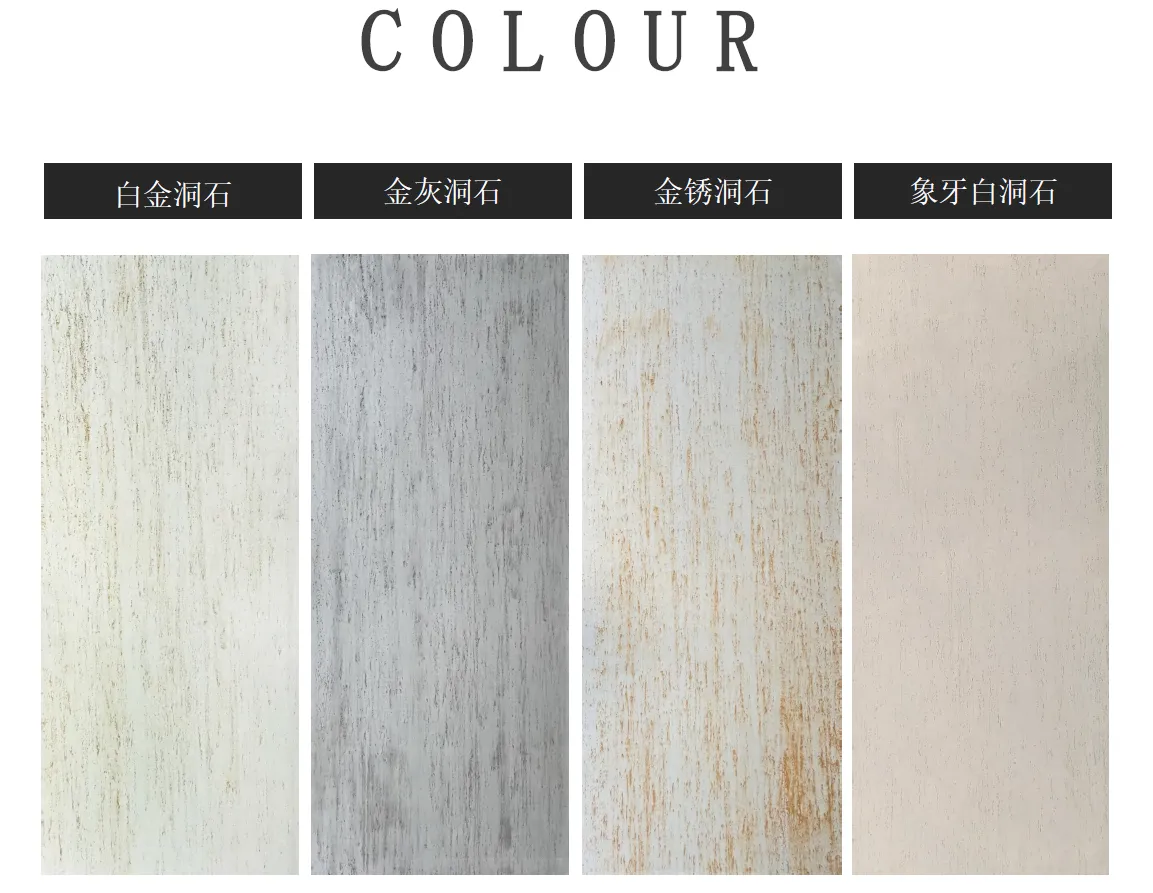
MCM (Modified Composite Material) isn't just a product line—it's a philosophy. By combining advanced technology with nature's inspiration, MCM has created a range of materials that capture the texture, color, and character of Roman travertine without the limitations of traditional stone. Take, for example, the MCM flexible stone series. Unlike heavy, brittle natural travertine, these panels are thin, bendable, and lightweight, making them ideal for curved facades or intricate designs that would be impossible with raw stone.
Then there's the MCM big slab board series , which mimics the grandeur of "huge travertine" slabs—those massive, monolithic pieces that define Roman architecture. Imagine a commercial tower in Riyadh where the lobby walls are clad in travertine (starry green) , its surface dotted with mineral deposits that catch the light like distant constellations. Or a cultural center in Dammam featuring lunar peak golden panels, their iridescent finish evoking the warm glow of desert sunsets. These aren't just materials; they're storytellers.
Even MCM's 3D printing series adds a layer of creativity. Architects can now custom-design textures that replicate the rough-hewn charm of ancient Roman quarries or the smooth, polished surfaces of imperial forums—all with precision that traditional stone-cutting can't match.
Saudi architects don't choose MCM just for aesthetics—they choose it for practicality. Let's break down how it compares to traditional stone and other building materials:
| Feature | Traditional Natural Stone | MCM Flexible Stone/Big Slab |
|---|---|---|
| Weight | Heavy (20-30kg/m²), requiring reinforced structures | Lightweight (4-6kg/m²), reducing structural load |
| Durability | Prone to cracking in seismic zones; porous, requiring frequent sealing | Weather-resistant,-fade, and low-maintenance (no sealing needed) |
| Installation | Time-consuming (requires skilled labor and heavy machinery) | Quick and easy (can be cut on-site, installed with simple tools) |
| Sustainability | High carbon footprint (quarrying, transportation, waste) | Eco-friendly (recyclable materials, low energy production, minimal waste) |
For projects like the NEOM megacity or the Riyadh Metro stations, where speed and sustainability are priorities, MCM's lightweight panels cut construction time by up to 40%. And in a country where green building practices are gaining momentum, MCM's foamed aluminium alloy board (vintage silver) and fair-faced concrete options align with Saudi Arabia's Vision 2030 goals for eco-friendly development.
It's one thing to talk about benefits; it's another to see them in action. Here are a few examples of how MCM is transforming Saudi architecture:
Nestled along the Red Sea, this center celebrates Saudi Arabia's maritime history. Its exterior features lunar peak silvery and lunar peak black panels, their matte finish mimicking the moonlit desert landscape. The lightweight MCM slabs allowed architects to design overhanging eaves that provide shade without compromising structural integrity—perfect for Jeddah's hot climate.
A startup campus in Riyadh's tech district blends innovation with nature. The main building's facade uses travertine (starry blue) panels, their deep blue hue echoing the night sky, while accents of foamed aluminium alloy board (vintage gold) add a touch of modern luxury. The material's flexibility made it possible to curve the facade around a central courtyard, creating a sense of flow and community.
Located near the ancient Nabatean ruins of Al-Ula, this hotel needed to complement its archaeological surroundings. MCM's historical pathfinders stone panels replicate the weathered, earthy texture of local sandstone, blending seamlessly with the desert landscape. Unlike real sandstone, though, these panels resist erosion from sandstorms, ensuring the hotel remains beautiful for decades.
Saudi Arabia's focus on sustainability isn't just a trend—it's a necessity. MCM aligns with this vision by prioritizing eco-friendly materials and production. Many MCM products, like the foamed aluminium alloy boards and fair-faced concrete , use recycled materials and require less energy to manufacture than traditional stone. Even the bamboo mat board and wood grain board series offer a sustainable alternative to hardwood, reducing deforestation.
Architects also appreciate MCM's low maintenance. In a country where water is precious, materials that don't require regular sealing or cleaning (like rust board granite or polish concrete ) save resources and cut long-term costs. It's a win-win: beautiful buildings that are kind to the planet and easy to care for.
Roman travertine has stood the test of time, but Saudi architects are proving that great design isn't about copying the past—it's about reimagining it. MCM's flexible stone, big slab boards, and 3D printing series capture the soul of Roman architecture while addressing the unique needs of modern Saudi construction: lightweight durability, sustainability, and creative freedom.
As the kingdom continues to build for the future, MCM isn't just a material choice—it's a statement. It says that Saudi architecture can honor history while leading the way in innovation, creating spaces that are as resilient as they are beautiful. For architects here, that's more than enough reason to choose MCM.
Recommend Products












