
A deep dive into the material shaping the future of Saudi Arabia's architectural landscape
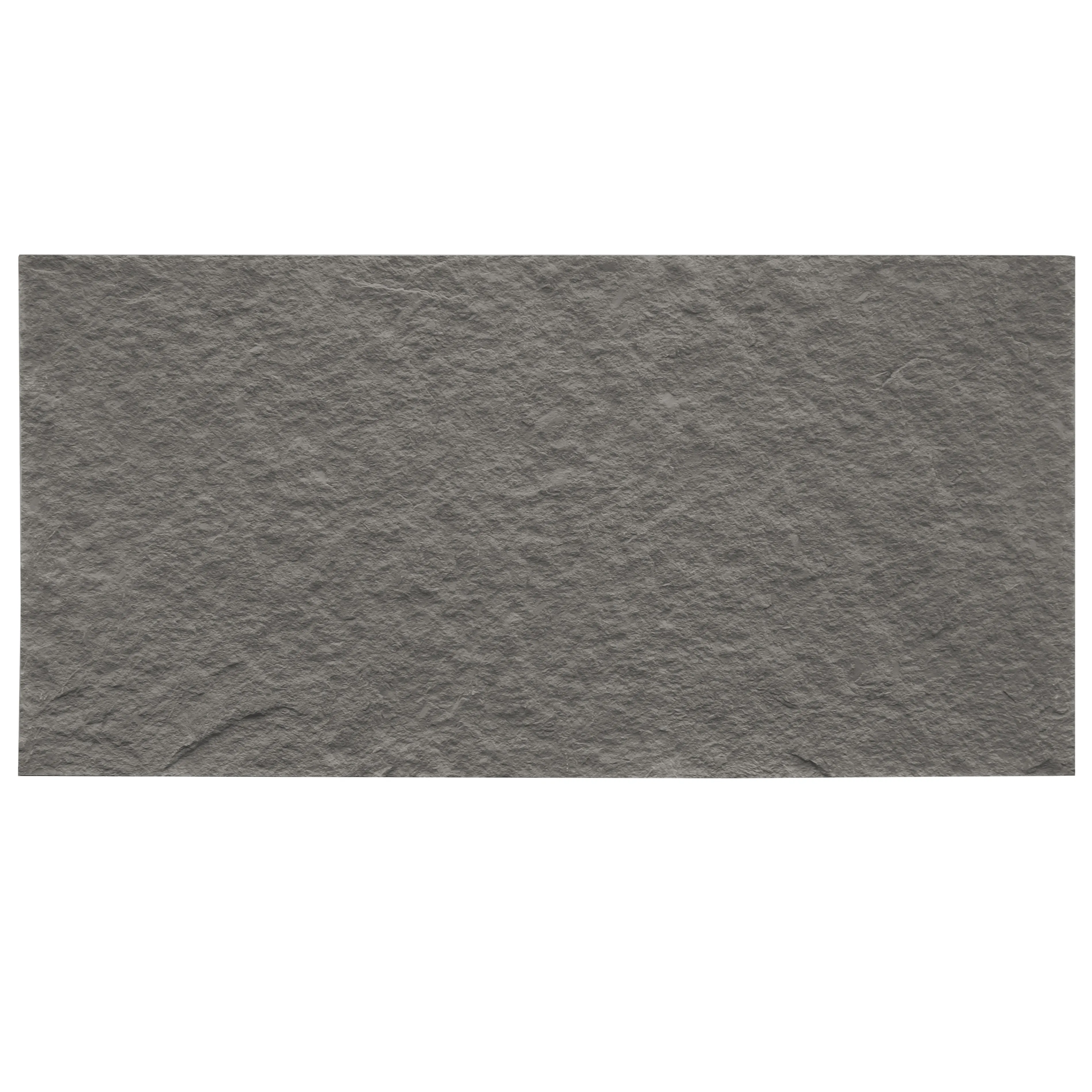
It's a sweltering afternoon in Jeddah, and architect Lina Al-Harbi stands in the lobby of the newly opened Azur Tower, her hand grazing the wall beside her. The surface isn't smooth or polished—it's rough, granular, with grooves that catch the golden light streaming through the floor-to-ceiling windows. "This isn't just stone," she says, smiling. "It's a conversation. When clients walk in, they don't just see the lobby—they feel it." The wall she's touching is clad in rough granite stone (medium grey), a material that's fast becoming the cornerstone of luxury development in Saudi Arabia. But why? What makes this unassuming grey stone the top choice for developers crafting the next generation of hotels, residences, and cultural centers?
In a region where architectural ambition knows no bounds—think the soaring spires of Riyadh's King Abdullah Financial District or the futuristic curves of NEOM—developers are on a quest for materials that balance bold innovation with timeless warmth. Enter rough granite stone (medium grey). Unlike the sleek, almost clinical finish of marble series or the uniform smoothness of fair-faced concrete, rough granite carries an organic, lived-in quality. Its medium grey hue acts as a neutral canvas, complementing everything from the vibrant blues of travertine (starry blue) accent walls to the warm golds of brass fixtures, making it a chameleon in high-end design.
"We used rough granite (medium grey) for the exterior of the Al-Saud Residences because we wanted the building to feel rooted, not just plopped down," explains developer Omar Khalid. "Marble is beautiful, but it can feel cold. Granite? It's like bringing a piece of the desert indoors—rough, honest, and full of character." This connection to nature is intentional. In a country where the desert's rugged beauty is a source of national pride, rough granite's texture echoes the wind-carved stone of the Hijaz Mountains, turning modern buildings into homages to the land itself.
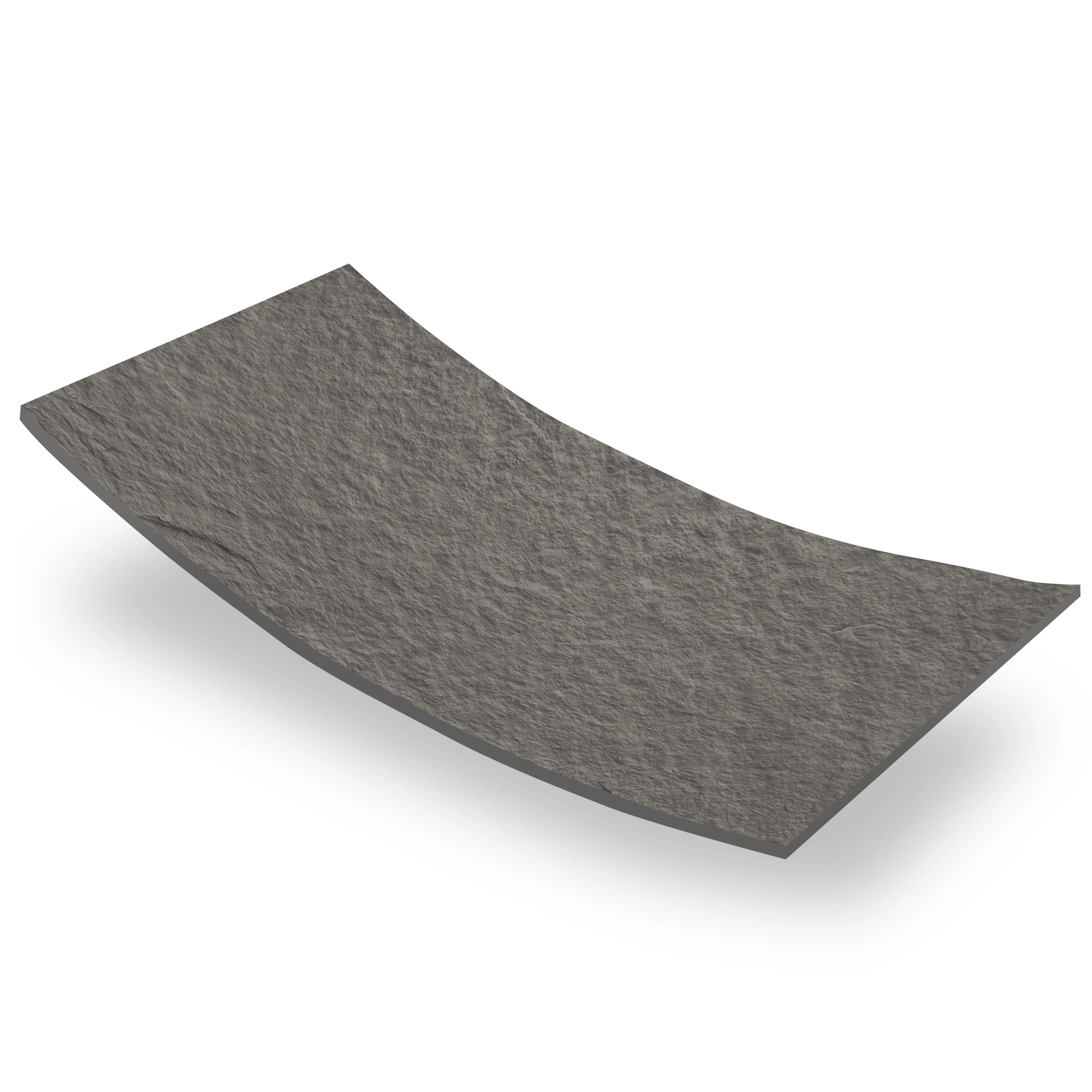
Saudi Arabia's climate is unforgiving: temperatures spike to 50°C in summer, sandstorms rage for days, and humidity clings to coastal cities like Jeddah. For developers, choosing a material that can stand up to these extremes isn't just a preference—it's a necessity. "We once used fair-faced concrete for a villa project in Dammam," recalls project manager Fatima Al-Zahrani. "Within two years, the walls were cracked from the heat, and the finish looked dull. With rough granite (medium grey), we've had buildings in Riyadh that still look brand-new after a decade—no fading, no chipping, just that same rich texture."
| Material | Climate Resistance | Longevity |
|---|---|---|
| Rough Granite Stone (Medium Grey) | Withstands extreme heat, sand, and humidity | 20+ years with minimal maintenance |
| Fair-Faced Concrete | Prone to cracking in temperature swings | 10-15 years before visible wear |
| Marble Series | Easily etched by sand and acidic rain | 8-12 years with regular polishing |
The secret lies in granite's composition: a dense, igneous rock formed from cooled magma, it's naturally resistant to scratches, stains, and erosion. For developers, this translates to lower long-term costs—no need for frequent repairs or replacements. "In luxury real estate, clients don't just pay for square footage; they pay for peace of mind," says Khalid. "When we tell them the exterior will look as good in 20 years as it does today, that's a selling point."
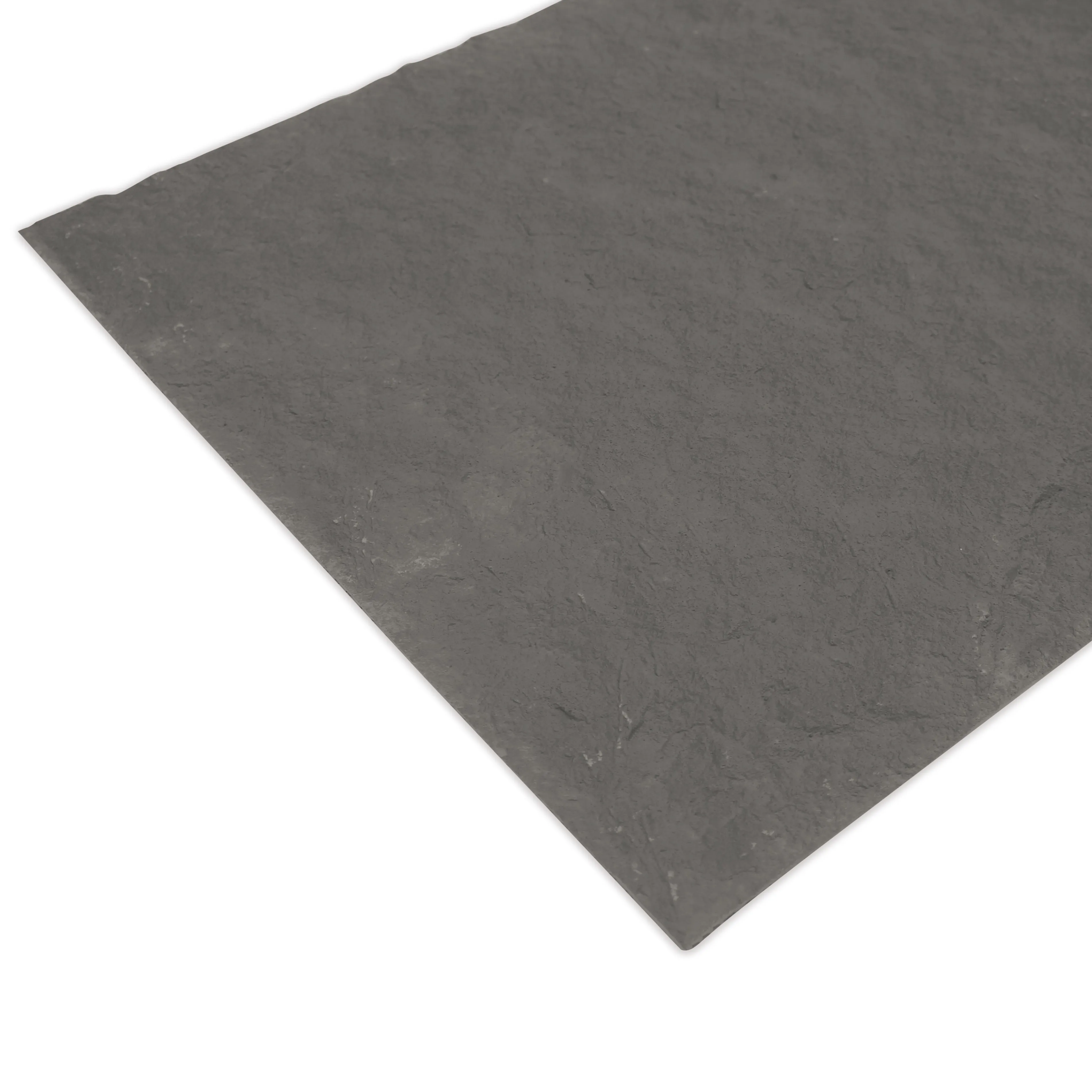
Walk through the ancient streets of Diriyah, and you'll see it: stone walls, weathered by centuries, that tell the story of Saudi Arabia's past. For modern developers, there's a quiet pressure to honor that legacy while pushing forward. Rough granite stone (medium grey) bridges that gap. Its rough-hewn texture evokes the hand-chiseled stones of mud-brick forts and desert palaces, creating a subtle dialogue between old and new.
"When we designed the Al-Madinah Cultural Center, we wanted visitors to feel connected to the city's history the moment they arrived," says architect Al-Harbi. "We paired rough granite (medium grey) with travertine (starry blue) accents—the granite as the foundation, the travertine as the sky—and suddenly, the space felt like a modern take on the ancient markets of Al-Madinah. It's not about copying the past; it's about respecting it."
This cultural resonance isn't lost on clients. A recent survey of luxury homebuyers in Riyadh found that 78% prioritized "materials with cultural meaning" when choosing a property. "My grandfather was a stonemason in Najran," says homeowner Amina Al-Faisal, gesturing to the rough granite fireplace in her living room. "When I see this stone, I think of him. It's not just a wall—it's a link to where I come from."
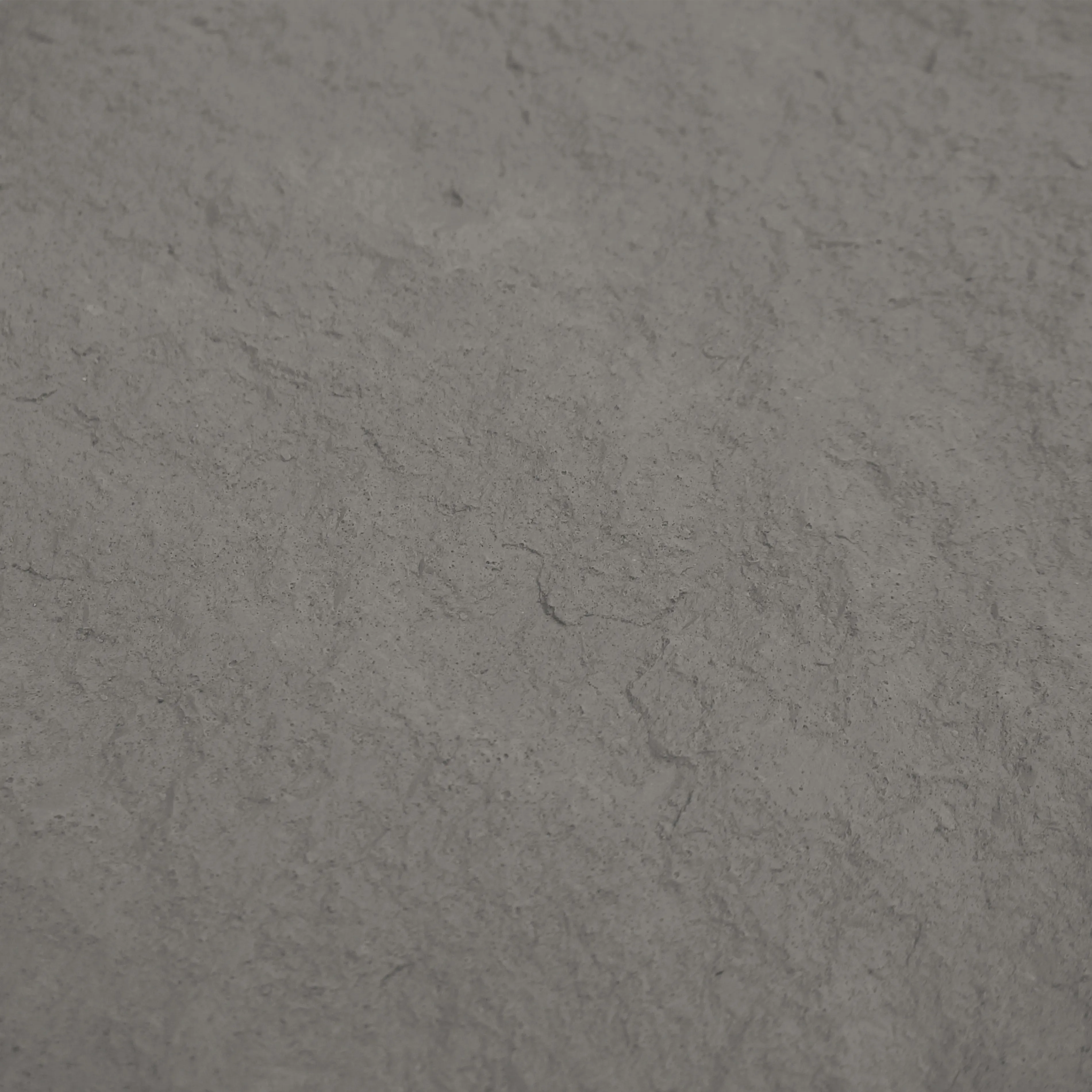
In an era where "green building" is more than a buzzword, rough granite stone (medium grey) checks another crucial box: sustainability. Unlike synthetic materials that require energy-intensive manufacturing, granite is a natural resource—quarried, cut, and finished with minimal processing. And because it lasts decades, it reduces the need for frequent replacements, cutting down on waste.
"We're seeing more developers ask for LEED or Estidama certifications," notes sustainability consultant Karim Abbas. "Rough granite (medium grey) helps them meet those goals. It's locally sourced from quarries in Asir, so transportation emissions are low, and its thermal mass helps regulate building temperatures, reducing reliance on AC. Compare that to fair-faced concrete, which often contains high-carbon cement—granite is a no-brainer for eco-conscious projects."
For the team behind Riyadh's Green Horizon Tower, this was a deciding factor. "We wanted the building to be a beacon of sustainability," says project lead Nada Al-Mansoori. "Using rough granite (medium grey) on the exterior wasn't just about looks—it was about proving that luxury and eco-friendliness can go hand in hand. Today, the tower uses 30% less energy than similar buildings, and the granite walls are a big reason why."
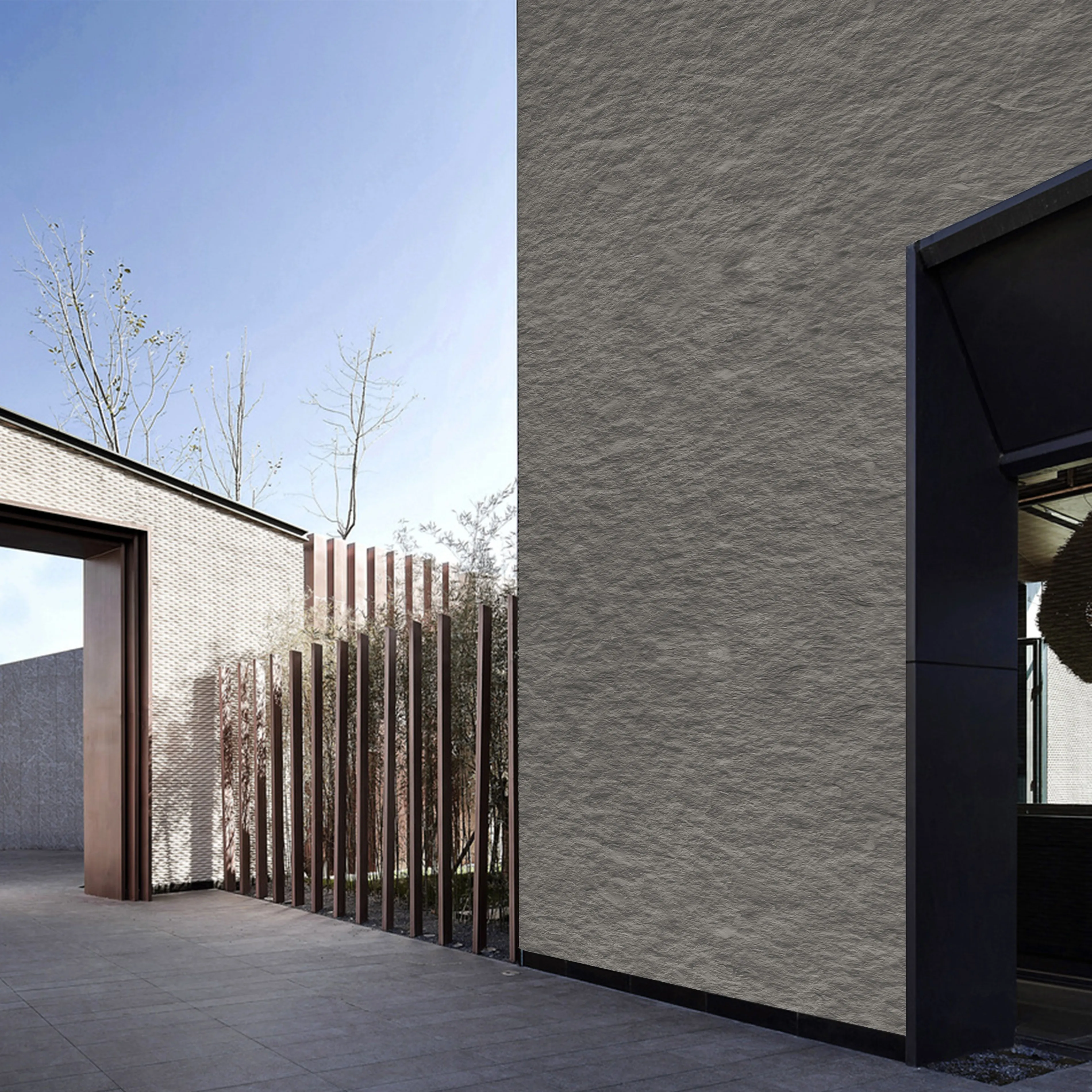
Back in Jeddah's Azur Tower, Lina Al-Harbi runs her hand over the rough granite wall once more. "At the end of the day, developers don't just build buildings—they build experiences," she says. "Rough granite stone (medium grey) isn't just durable or beautiful. It's a storyteller. It tells the story of Saudi Arabia's land, its people, and its future."
In a market flooded with flashy trends and fleeting fads, rough granite (medium grey) stands out as a choice rooted in sense—and soul. It's a material that doesn't just fit luxury projects; it elevates them, turning spaces into something more than the sum of their parts. For Saudi developers, that's the real luxury: creating buildings that feel both grand and grounded, modern and timeless, bold and deeply, unapologetically human.
Recommend Products












