
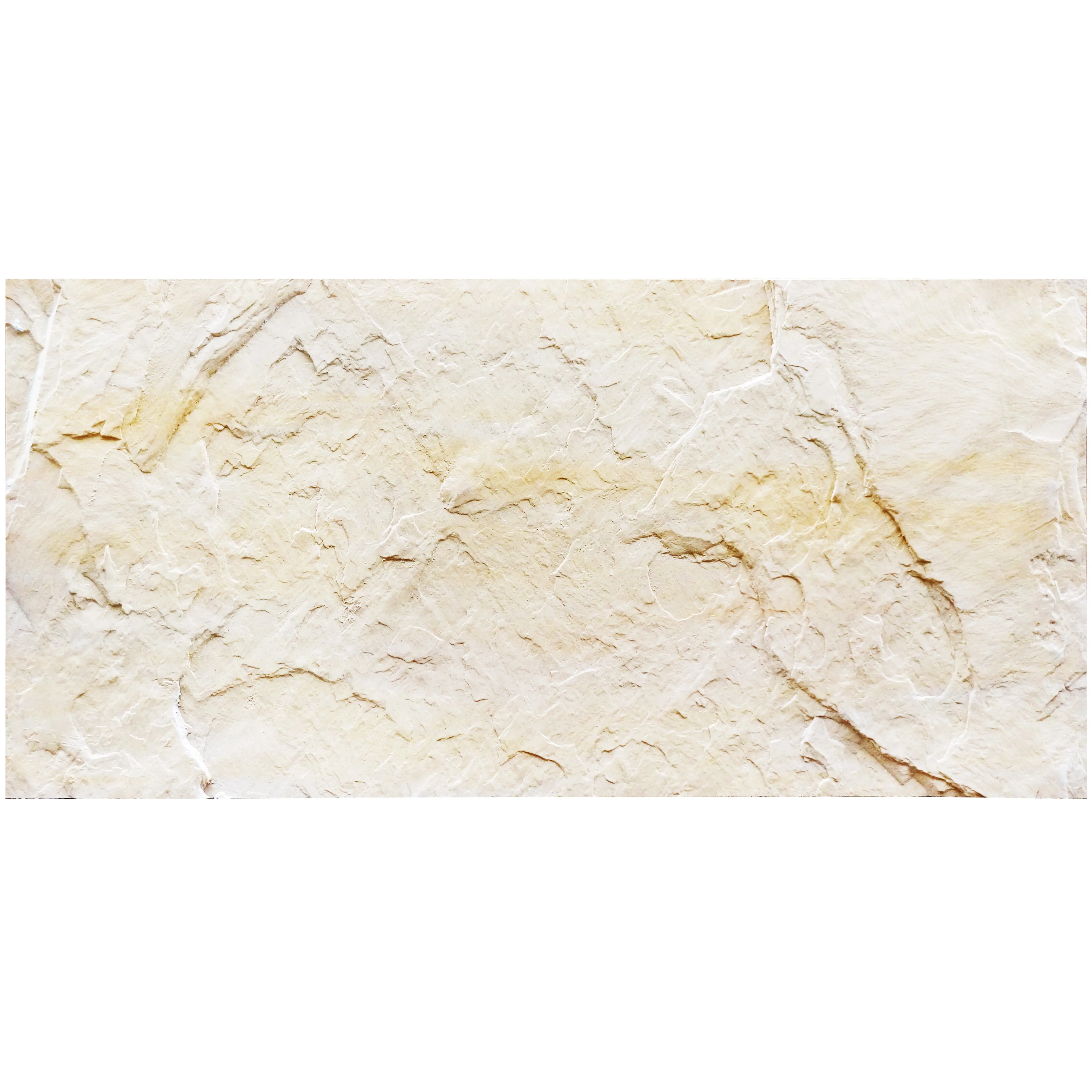
In a market flooded with options, one material rises above the rest for its durability, beauty, and practicality
Walk through the streets of Riyadh, Jeddah, or Dammam these days, and you'll notice something exciting: cranes dotting the skyline, construction sites humming with activity, and new buildings—from sleek commercial towers to sprawling residential complexes—popping up faster than ever. Saudi Arabia's construction boom is real, driven by ambitious visions like NEOM, giga-projects, and a growing demand for world-class infrastructure. But here's the thing: with great growth comes great pressure—especially for contractors. They're not just building structures; they're building legacies. And to do that, they need materials that can keep up with Saudi Arabia's unique challenges: scorching temperatures, relentless sandstorms, and a cultural love for designs that blend tradition with modernity.
Enter Slate Sunnye. If you've been in the Saudi construction scene lately, you've probably heard the buzz. Contractors are swapping out their usual go-to materials and reaching for this MCM (Modified Composite Material) gem. But why? What makes Slate Sunnye stand out in a crowd of options like Lunar Peak Silvery, Foamed Aluminium Alloy Board, or even traditional natural stone? Let's break it down—not with dry specs, but with the real-world reasons contractors are choosing it, project after project.
Any contractor who's worked in Saudi Arabia will tell you: the weather doesn't play nice. Summer temperatures soar above 50°C (122°F), UV rays beat down mercilessly, and sandstorms can turn a clear day into a gritty nightmare. Materials that work in milder climates? They fail here. Natural stone, for example, might look stunning at first, but over time, the heat causes it to expand and contract, leading to cracks. The salt in the air near coastal cities like Jeddah can eat away at metal fixtures. Even some composite materials fade or warp after a few seasons of Saudi sun.
Contractors need materials that laugh in the face of these conditions. And that's where Slate Sunnye starts to shine. Unlike, say, Foamed Aluminium Alloy Board (Vintage Gold)—which, don't get me wrong, has its merits—Slate Sunnye is engineered specifically to handle extreme heat. Its core is made of a blend of mineral composites and fiberglass, which means it doesn't expand or contract as drastically as natural stone or even some metals. I spoke to a contractor in Riyadh last year who used Slate Sunnye on a hotel exterior. "We installed it three summers ago," he told me. "You'd never know it. No fading, no cracks, not even a scratch from the sandstorms. The client was blown away—he thought we'd repainted it!"
Here's another truth about construction in Saudi Arabia: labor costs are high, and project timelines are tight. The last thing a contractor needs is a material that's heavy, fragile, or takes forever to install. Traditional big slab boards, like some in the MCM Big Slab Board Series, can be bulky and require specialized equipment to transport and lift. Natural stone slabs? Even heavier. Every extra kilogram adds to fuel costs, crane time, and the risk of on-site accidents.
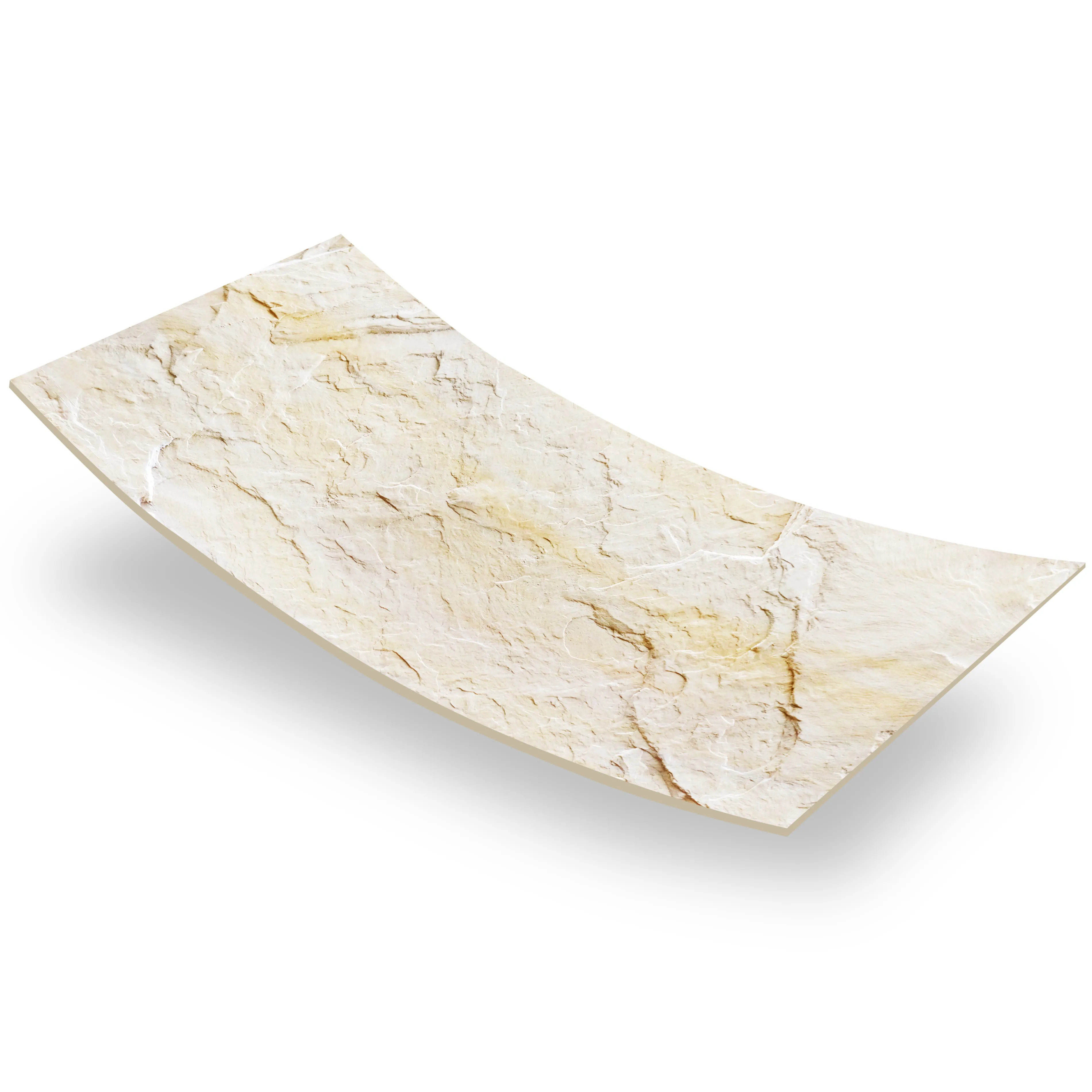
Slate Sunnye, though? It's part of the MCM Flexible Stone family, which means it's lightweight—we're talking around 8-10 kg per square meter, compared to natural slate's 25-30 kg. That might not sound like a lot, but multiply that by a 10,000 sqm project, and suddenly you're saving thousands in transport and labor. "We used to need a team of 6 guys to install a single slab of natural stone," a foreman in Dammam explained. "With Slate Sunnye, it's 2 guys, and they're done in half the time. We finished the mall's facade two weeks ahead of schedule—that's a huge win for the client, and for our bottom line."
Flexibility is another plus. Unlike rigid materials that crack if the building shifts slightly (a common issue in Saudi's sandy soil), Slate Sunnye bends just enough to absorb minor movements. It's also easier to cut and shape on-site, which means contractors can adapt to last-minute design changes without ordering new materials. Ever tried cutting a Lunar Peak Black slab on-site? It's doable, but it's messy and time-consuming. Slate Sunnye? A standard circular saw with a diamond blade handles it like butter.
Let's be honest: durability and ease of installation are crucial, but if the material looks cheap? Clients won't touch it. Saudi Arabia's design scene is evolving—think luxury resorts in the Red Sea, modernist mosques, and high-end retail spaces that rival anything in Dubai or Paris. Contractors need materials that can match these lofty aesthetic expectations, whether the project calls for a traditional earthy vibe or a sleek, contemporary look.
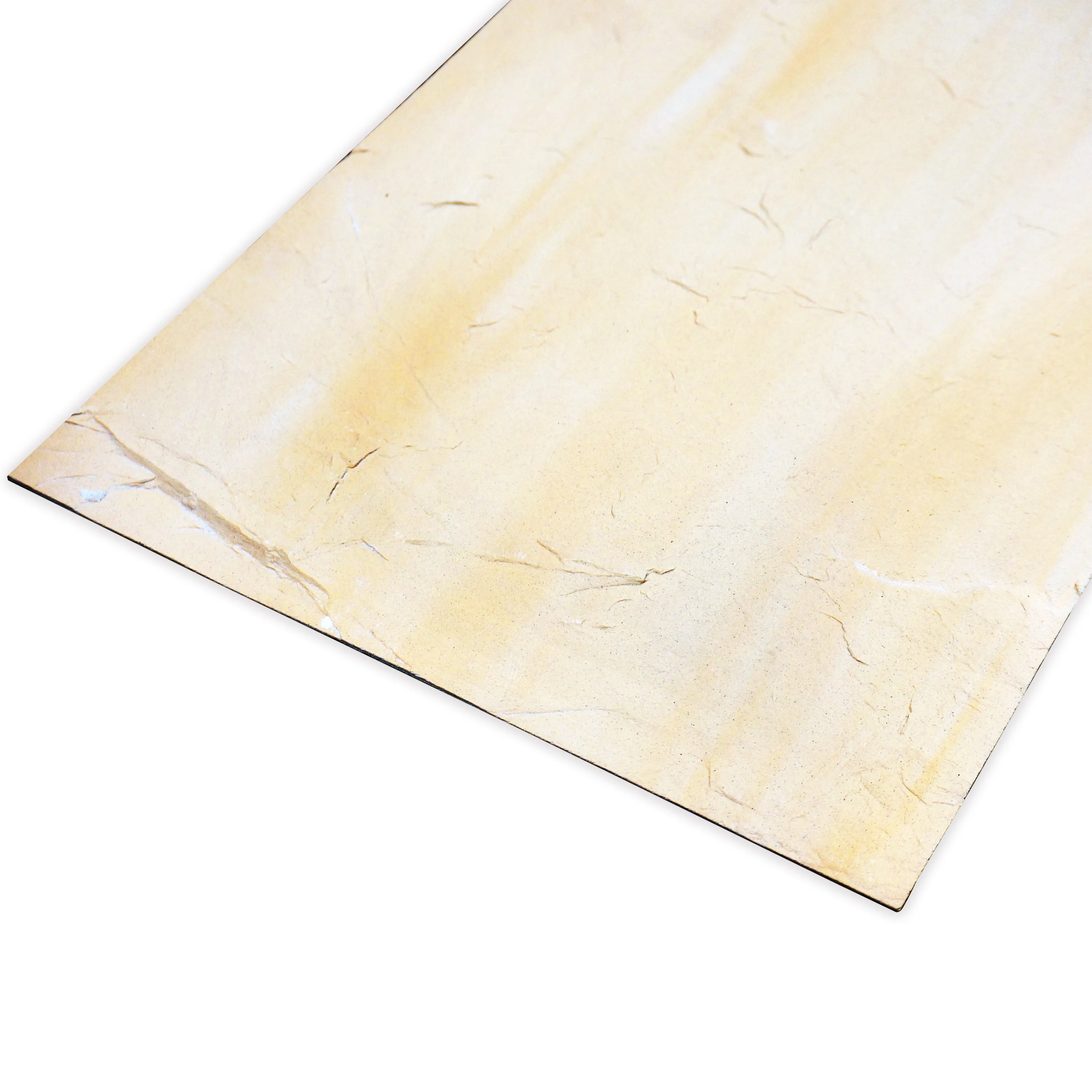
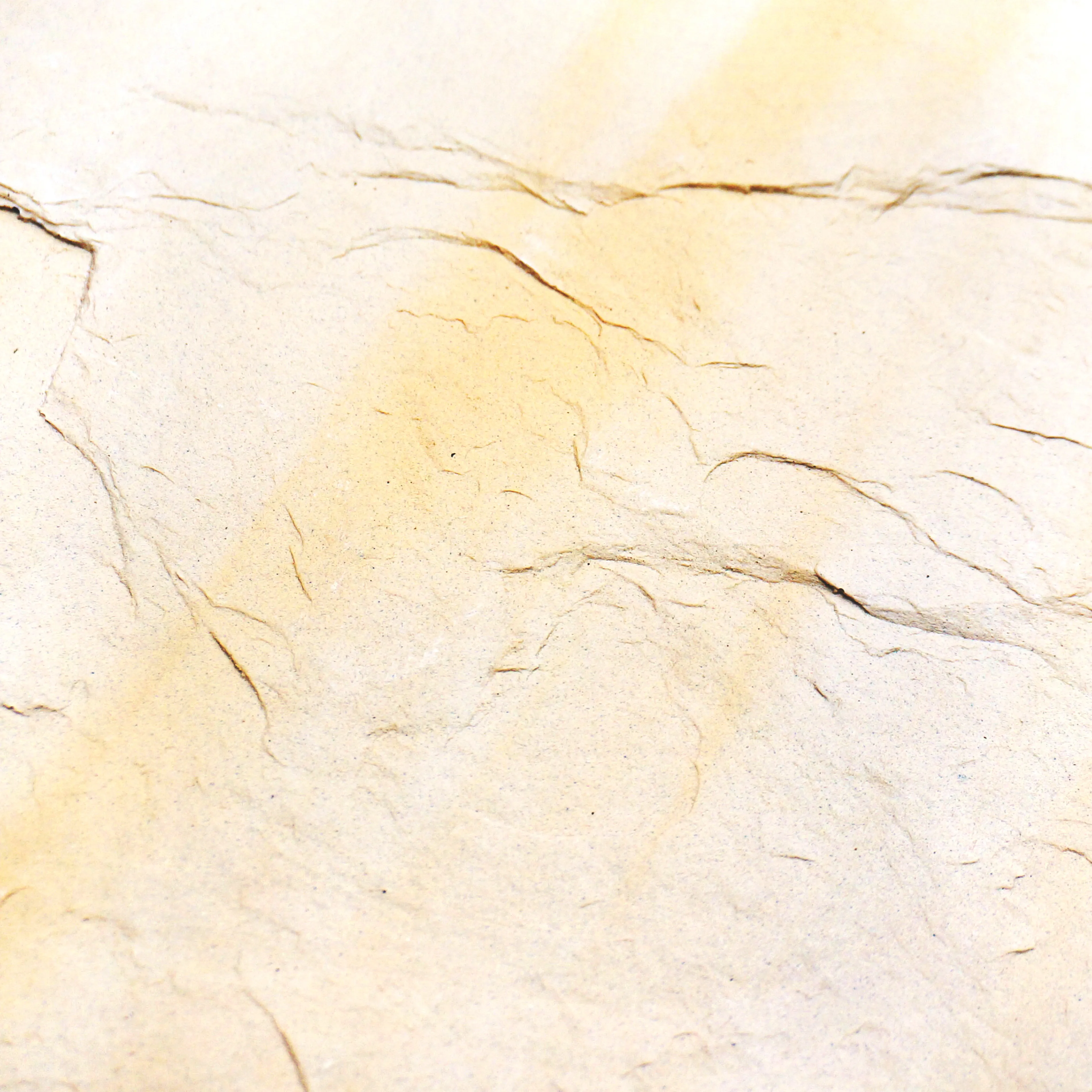
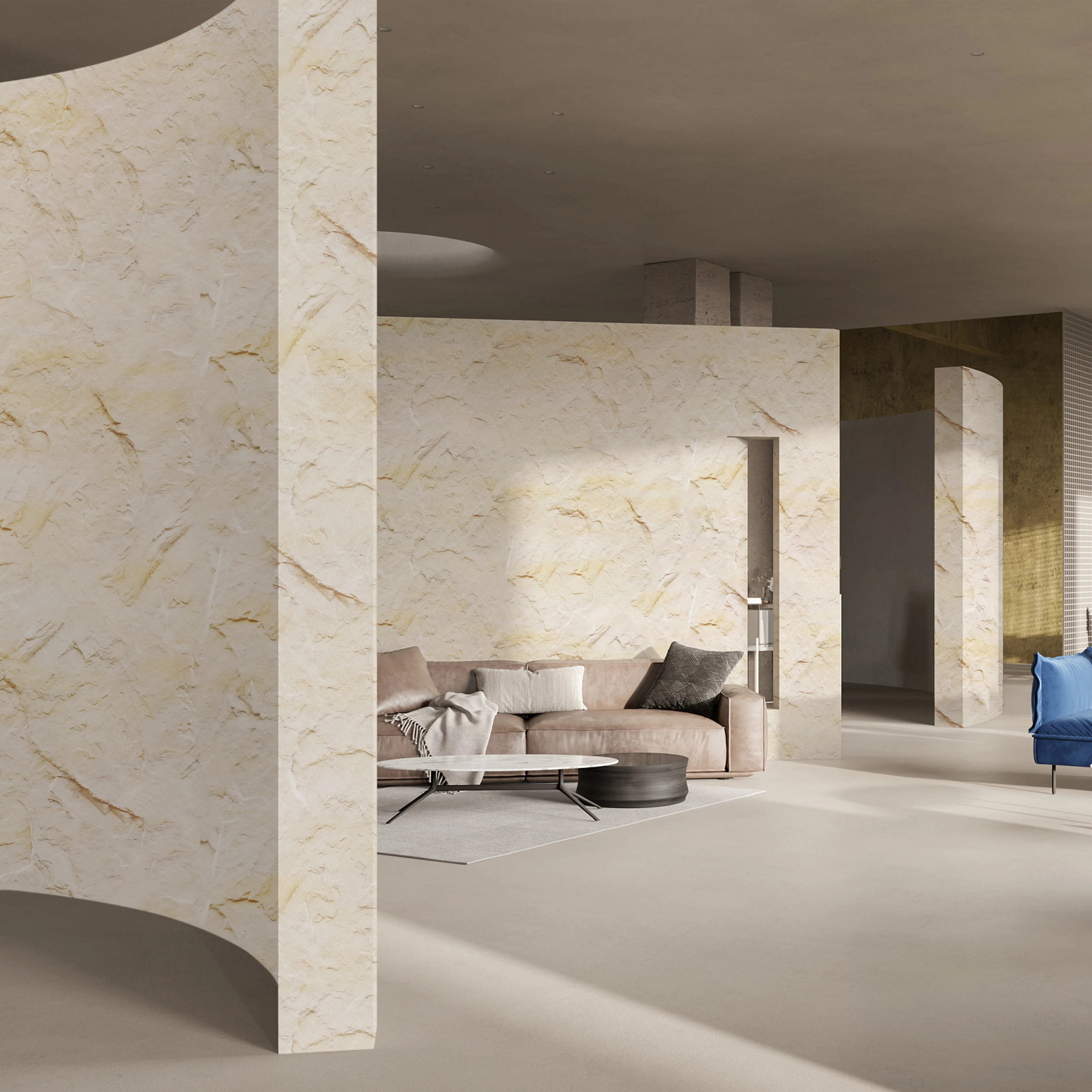
Slate Sunnye hits that sweet spot. Its surface mimics the warm, organic texture of natural slate, with subtle variations in tone that give it depth. It comes in a range of shades—from soft terracottas to rich grays—that complement Saudi Arabia's desert landscape. But unlike some materials, like the more metallic Foamed Aluminium Alloy Board (Vintage Silver), it doesn't look "cold" or industrial. It feels inviting, which is why it's popping up in everything from boutique hotels to family homes.
Take, for example, a recent project in Al Ula—a cultural heritage site where developers wanted to blend modern amenities with the area's ancient rock formations. The contractor chose Slate Sunnye for the exterior of the visitor center. "We needed something that looked like it belonged there, like it had been carved from the same stone as the nearby cliffs," the architect told me. "Slate Sunnye did that. It's not a perfect, uniform slab—it has character. And the client loved that it didn't look 'fake' like some composites do."
And here's a pro tip: Slate Sunnye plays well with others. Contractors often pair it with materials like Lunar Peak Silvery for accent walls or Wood Grain Board for interior spaces, creating layered, textured designs that feel intentional and luxurious. It's versatile enough to stand alone as a statement piece or blend into a larger palette—something that's hard to say for more niche materials like, say, Ripple Board (Grey) or Thread, which can be limiting in scope.
Don't just take my word for it. Let's put Slate Sunnye head-to-head with two other materials contractors often consider: Lunar Peak Silvery (a sleek, metallic MCM) and Foamed Aluminium Alloy Board (Vintage Gold, known for its modern sheen). We'll focus on the factors that matter most to contractors: durability, installation ease, aesthetics, and long-term value.
| Factor | Slate Sunnye | Lunar Peak Silvery | Foamed Aluminium Alloy Board (Vintage Gold) |
|---|---|---|---|
| Heat Resistance | Excellent (no warping/fading up to 80°C) | Good (may fade slightly after 3+ years in direct sun) | Fair (metallic finish can oxidize in salt air) |
| Installation Time | Fast (2-3 sqm per worker per hour) | Moderate (1-2 sqm per worker per hour) | Slow (requires specialized tools for cutting) |
| Aesthetic Versatility | High (blends traditional/modern; pairs with most materials) | Moderate (best for modern/industrial designs) | Low (metallic look limits design flexibility) |
| Long-Term Maintenance | Low (no sealing; wipe clean with water) | Moderate (may need repainting every 5-7 years) | High (prone to scratches; requires polishing) |
See the pattern? Slate Sunnye isn't just better in one area—it's consistently strong across the board. For contractors, that means fewer headaches, happier clients, and projects that stay on time and on budget.
These days, clients aren't just asking for durable, beautiful buildings—they want green ones, too. Saudi Arabia's Vision 2030 emphasizes sustainability, and projects are increasingly required to meet LEED or Estidama certifications. That means contractors need materials that are eco-friendly, energy-efficient, and low in volatile organic compounds (VOCs).
Slate Sunnye checks all these boxes. Unlike some composites that rely on toxic resins, its manufacturing process uses low-VOC adhesives and recycled mineral content. It's also 100% recyclable at the end of its life, which is more than can be said for many traditional building materials. And because it's lightweight, transporting it reduces carbon emissions compared to heavier alternatives. "We had a client in Riyadh who was dead set on a LEED Gold certification," a sustainability consultant told me. "Slate Sunnye helped us hit our material credits—plus, its thermal resistance meant the building's AC usage dropped by 15%. The client was thrilled."
Compare that to, say, Polished Concrete, which requires a lot of water and energy to produce, or even some types of Wood Concrete Board, which may contain formaldehyde-based binders. Slate Sunnye isn't just a smart choice for the planet—it's a smart choice for contractors who want to stay ahead of the sustainability curve.
At the end of the day, contractors don't just choose materials—they choose partners they can trust. They need to know that the product they're installing will last, that the supplier will stand behind it, and that it will make their job easier, not harder. Slate Sunnye has built that trust in Saudi Arabia by consistently delivering on its promises: durability in brutal heat, ease of installation, timeless beauty, and sustainability.
So, if you're a contractor in Saudi Arabia, weighing your options for your next project, ask yourself: What matters most? Saving time? Cutting costs? Impressing your client with a material that looks great and lasts? If the answer is "all of the above," then it's time to give Slate Sunnye a closer look. It's not just another MCM product—it's a solution that's been tested, proven, and embraced by contractors who know the Saudi market better than anyone.
After all, in a country where every building is a statement, why settle for anything less than a material that helps you build something extraordinary?
Recommend Products












