
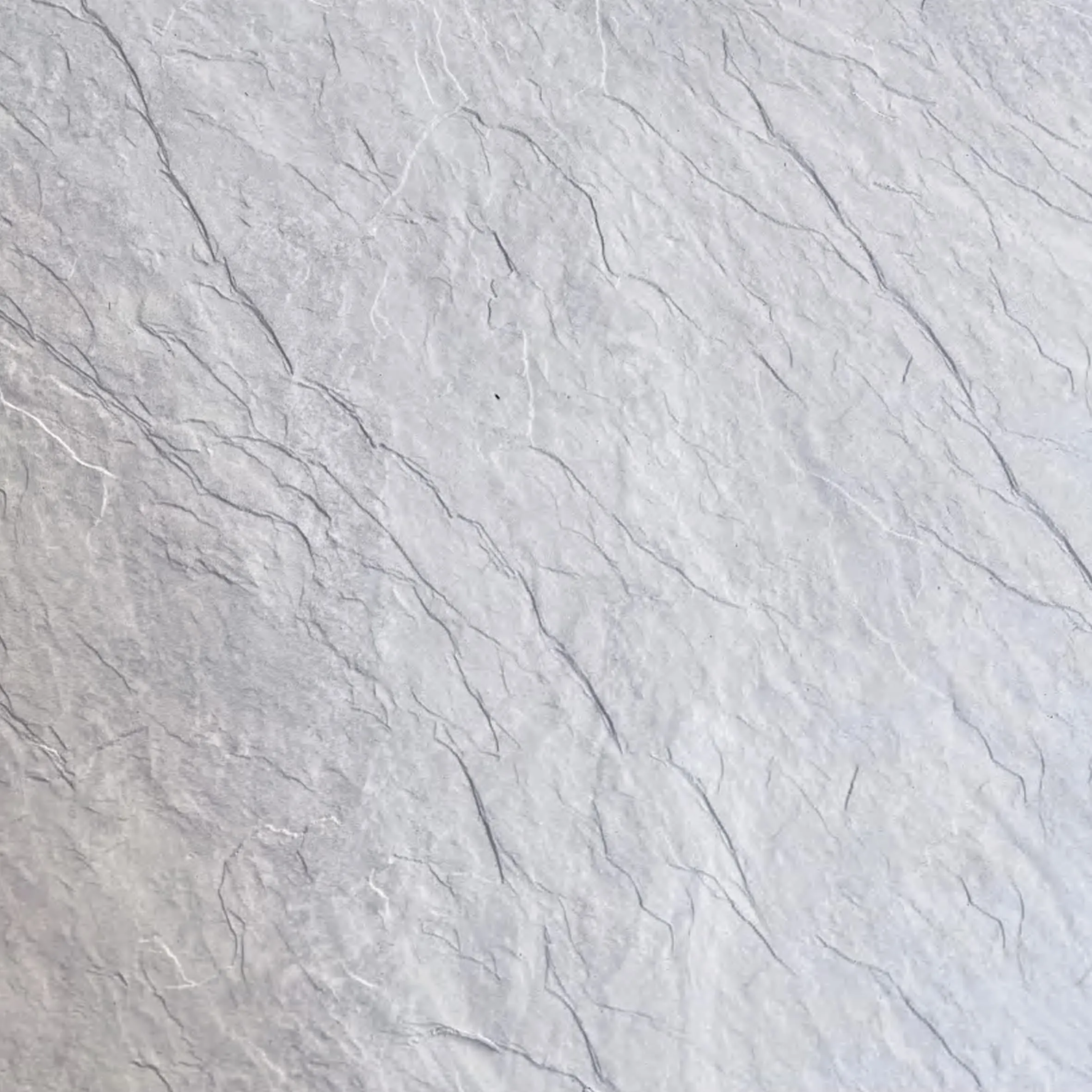
Walk into any modern construction site in 2025, and you'll sense a quiet revolution underway. Architects and builders aren't just putting up structures—they're crafting experiences. The materials they choose tell stories: of durability that outlasts trends, of aesthetics that warm a room, of flexibility that turns bold designs into reality. In this era of innovation, one material has risen above the rest to become the darling of global construction firms: Slate Veil White MCM . It's not just a surface; it's a solution that bridges the gap between tradition and technology, practicality and beauty. Let's dive into why this material is redefining what's possible in construction today.
Ask any architect about their biggest headache, and they'll likely sigh and talk about materials. For years, the industry has been stuck in a loop: pick something strong but heavy, or lightweight but flimsy; opt for classic beauty but high maintenance, or durable but dull. Take fair-faced concrete , for example—it's praised for its raw, industrial charm, but it's cold to the touch and cracks easily in extreme weather. Then there's lime stone (beige) , a timeless choice with soft, earthy tones, but it's porous, staining if not sealed constantly. Even historical pathfinders stone , which evokes a sense of heritage, comes with the burden of weight—installing it requires reinforced structures, driving up costs and limiting design flexibility.
Worst of all? These materials often force compromises. A hotel designer dreaming of a sweeping, curved facade might have to scale back because the stone they love is too heavy to bend. A homeowner wanting a seamless indoor-outdoor flow might settle for mismatched tiles because their favorite limestone doesn't come in large enough slabs. These aren't just logistical problems—they're creative roadblocks. And in 2025, when clients demand spaces that are both Instagram-worthy and built to last, compromises just won't cut it.
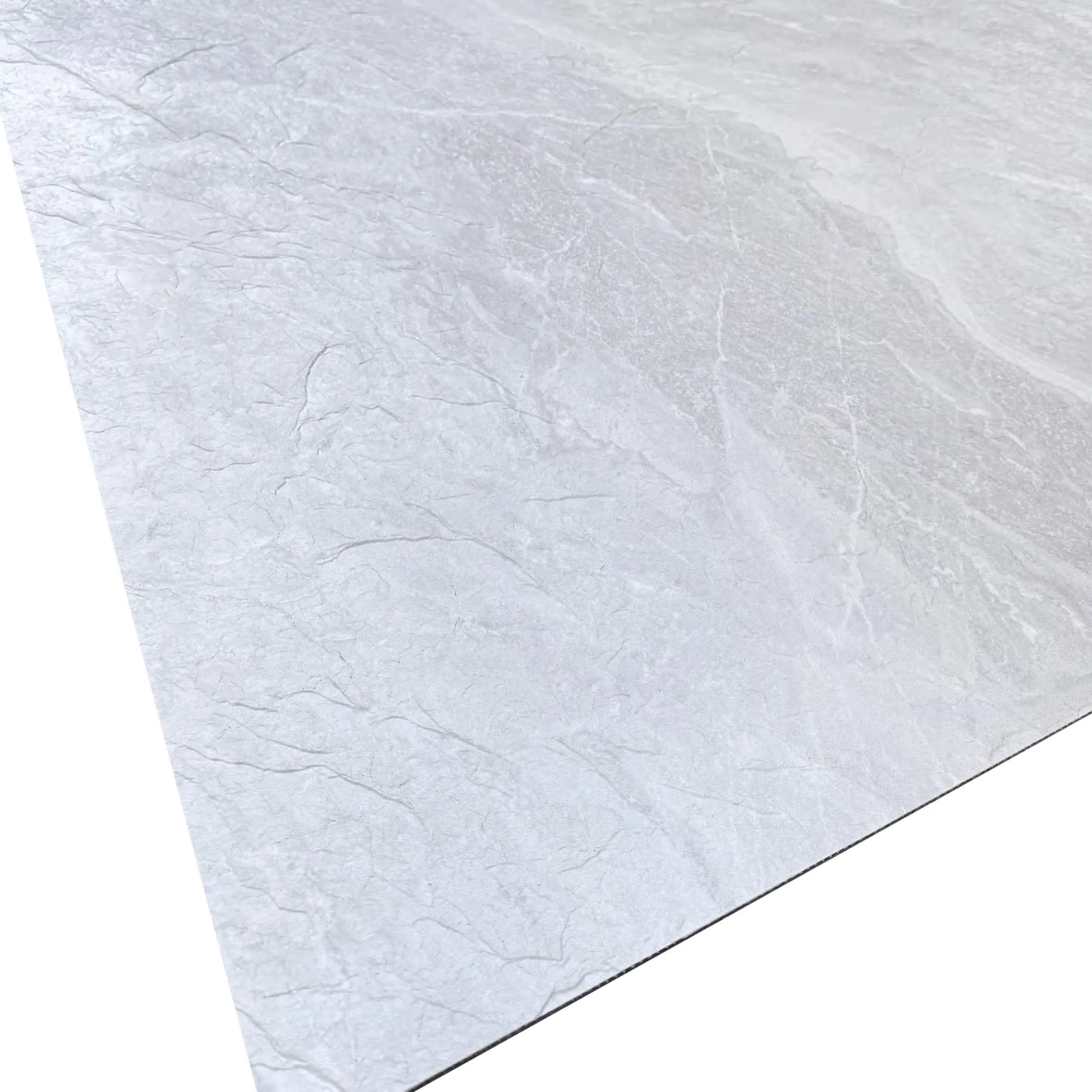
If traditional materials are the old guard, MCM (Modified Composite Material) is the disruptor. Short for Modified Composite Material, MCM is a hybrid innovation: a thin layer of natural stone or mineral aggregate bonded to a lightweight, flexible backing. Think of it as nature's beauty meets engineering smarts. And Slate Veil White is the crown jewel of this technology. But what makes it stand out even among other MCM products?
First, there's the MCM flexible stone advantage. Unlike rigid natural stone, Slate Veil White bends—*actually bends*—without breaking. This means it can wrap around columns, curve over archways, or follow the organic lines of a custom-designed wall. Imagine a retail store with a facade that flows like a wave instead of sitting flat—that's the flexibility MCM brings. And because it's part of the MCM big slab board series , it comes in massive, seamless panels (up to 1200x2400mm), eliminating the need for unsightly grout lines. Suddenly, that hotel designer's curved facade isn't a pipe dream anymore.
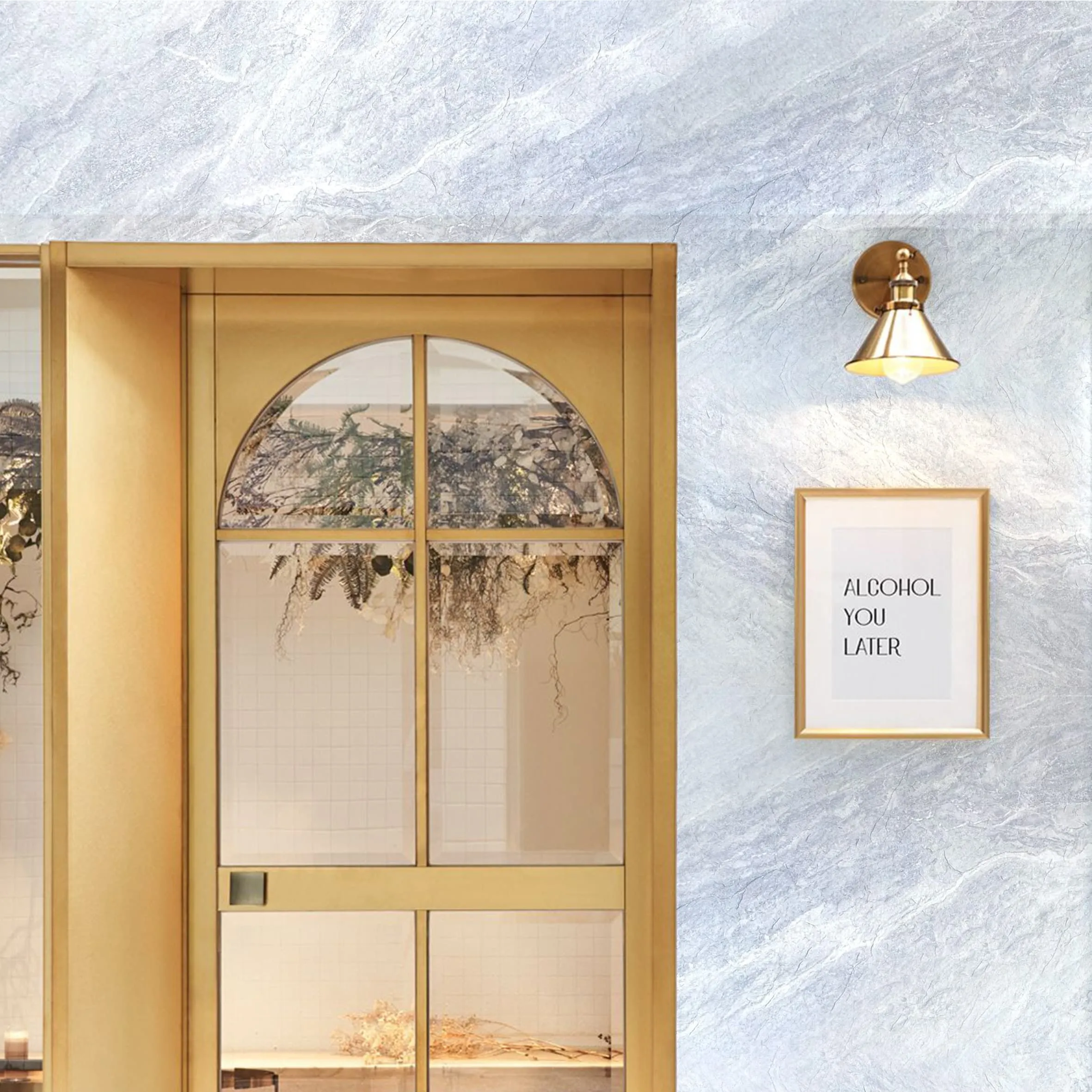
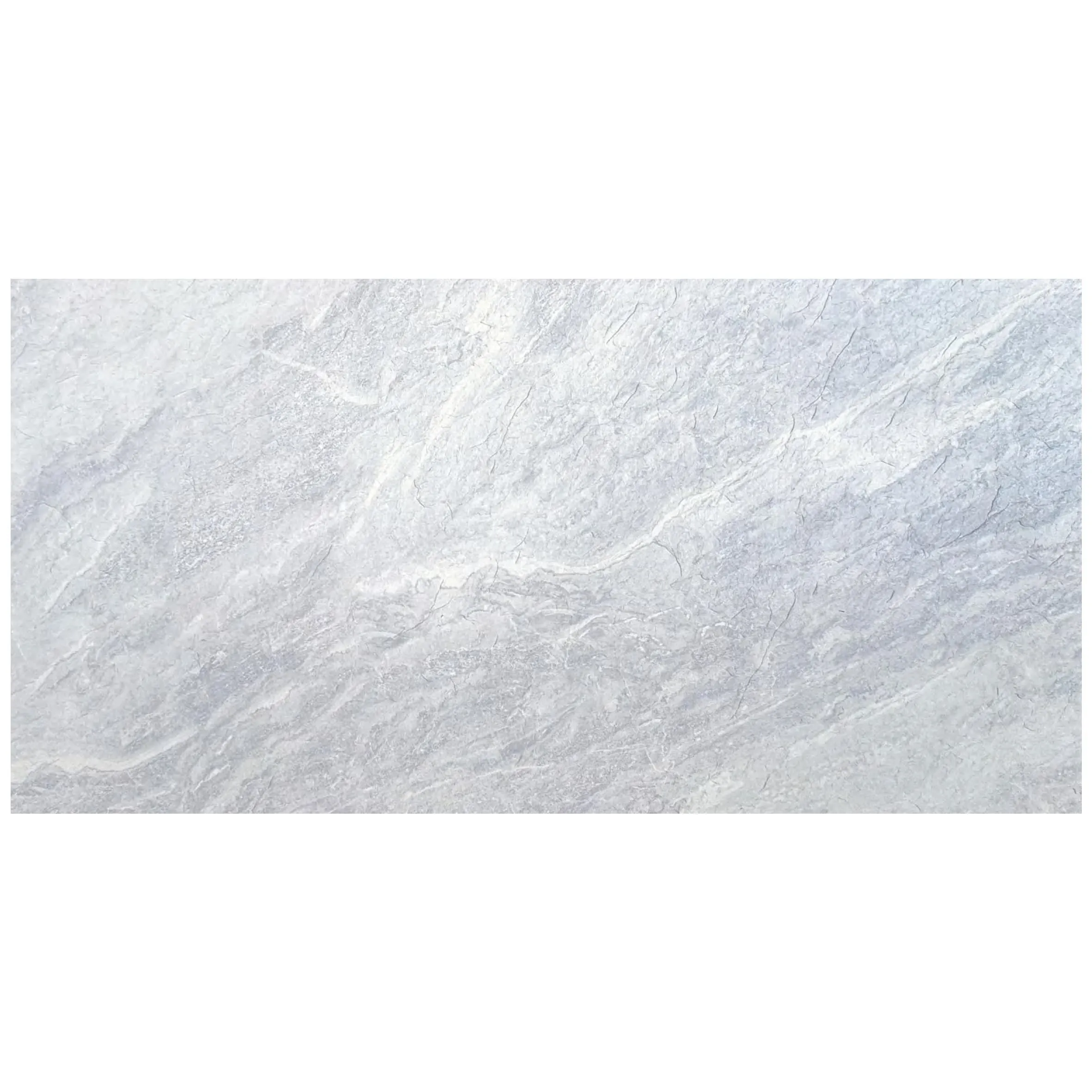
Let's get specific: what makes Slate Veil White so special? Start with its appearance. True to its name, it mimics the look of natural slate, with delicate, veined patterns that dance across its surface—soft whites blending into light grays, like a snowfall dusted with ash. But unlike real slate, which can be uneven and brittle, Slate Veil White has a consistent, smooth finish that's easy to clean and resistant to fading. It's versatile, too: pair it with warm woods for a cozy home interior, or with sleek metals for a futuristic office lobby. It adapts to *your* vision, not the other way around.
Then there's performance. Weighing in at just 4-6 kg per square meter, it's up to 70% lighter than natural stone. That might not sound like a big deal until you consider installation: fewer workers, no need for heavy machinery, and reduced structural support costs. A construction firm in Dubai recently reported cutting their installation time by 40% when switching to Slate Veil White for a high-rise facade—time is money, after all. And despite its lightness, it's tough: scratch-resistant, fire-retardant, and impervious to water and mold. In Miami, where humidity and saltwater are constant threats, a beachfront restaurant used Slate Veil White for its outdoor bar; three years later, it still looks brand-new, with no signs of warping or discoloration.
Sustainability is another box it ticks. In an industry under pressure to go green, Slate Veil White delivers. Its manufacturing process uses 30% less energy than traditional stone cutting, and its lightweight nature reduces carbon emissions during transportation. Plus, it's recyclable at the end of its life—a far cry from materials that end up in landfills. "Clients aren't just asking for 'green' anymore," says Maria Gonzalez, a sustainability consultant for construction firms. "They want proof. Slate Veil White gives us that proof, with certifications and a clear environmental footprint. It's a selling point we can't ignore."
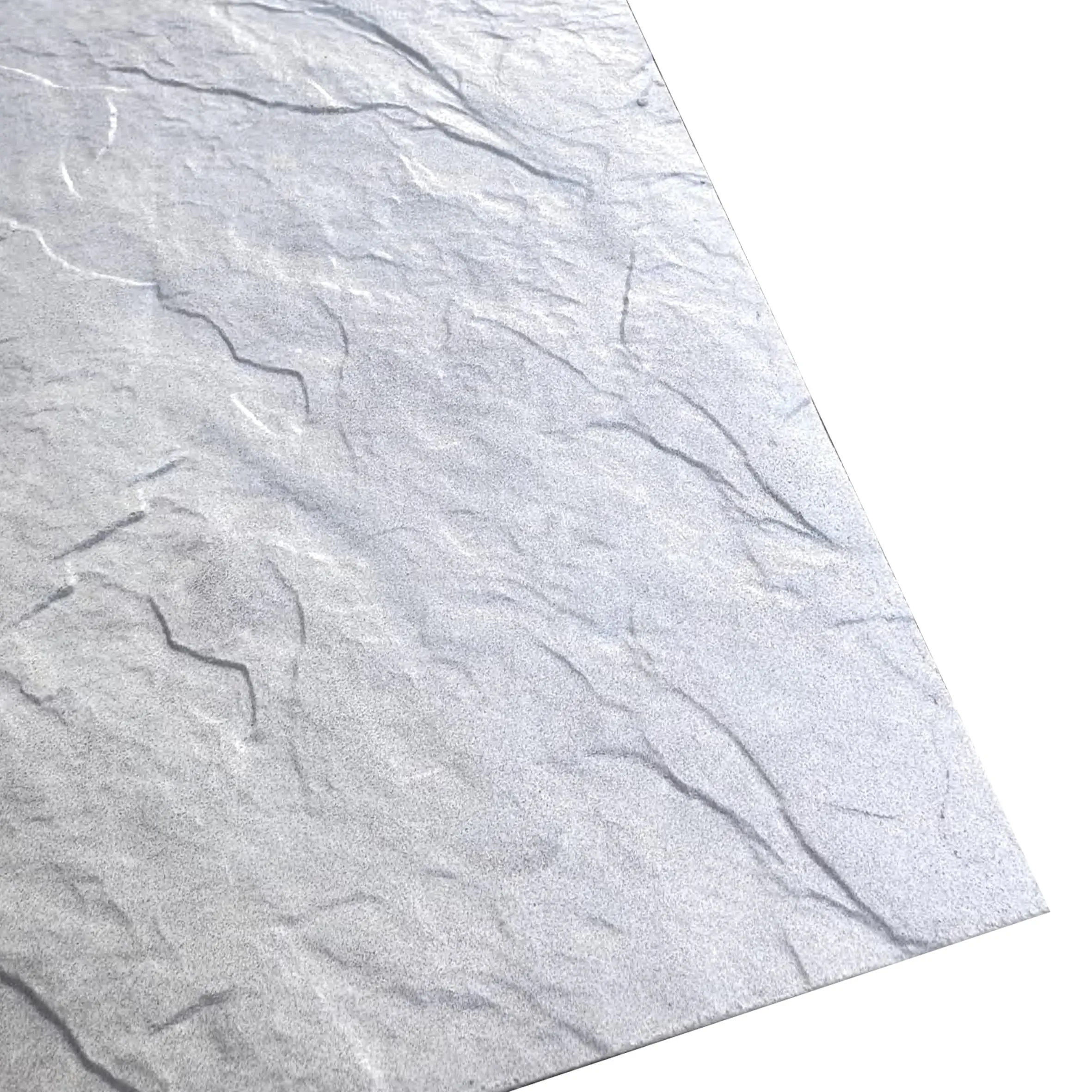
Don't just take our word for it—let's see how Slate Veil White compares to other popular materials. The table below breaks down key factors that matter most to construction firms:
| Material | Weight (kg/m²) | Durability (Weather/Scratches) | Aesthetic Versatility | Sustainability |
|---|---|---|---|---|
| Slate Veil White MCM | 4-6 | Excellent (resists scratches, water, fire) | High (works indoors/outdoors, curves, large slabs) | High (low energy production, recyclable) |
| Fair-faced Concrete | 22-24 | Poor (cracks in cold, stains easily) | Low (limited colors, industrial look only) | Medium (high carbon footprint, non-recyclable) |
| Lime Stone (Beige) | 18-20 | Low (porous, needs sealing) | Medium (warm tones, but limited patterns) | Medium (quarrying impacts ecosystems) |
| Historical Pathfinders Stone | 25-30 | Good (hard, but heavy) | Medium (heritage look only) | Low (high transportation emissions, heavy) |
The numbers speak for themselves. Slate Veil White outperforms traditional materials in almost every category, making it the clear choice for firms that refuse to compromise.
It's one thing to talk about specs; it's another to see Slate Veil White in action. Take the GreenPlex Community Center in Portland, Oregon. The architects wanted a building that felt open and airy, with walls that blurred the line between indoors and outdoors. They initially considered lunar peak silvery MCM for its metallic sheen but worried it might feel too cold. Then they discovered Slate Veil White. "It was like a lightbulb moment," says lead architect James Chen. "We used it for the entire south-facing wall, which curves gently to follow the shape of the park outside. The natural light filters through the windows and reflects off the Slate Veil White, making the space feel warm and alive. Kids love running their hands along the walls—something we never would have risked with rough stone."
Across the globe, in Tokyo, the Harmony Hotel used Slate Veil White for its lobby and guest room walls. "In Japan, we value 'wabi-sabi'—the beauty of imperfection," explains designer Yuki Tanaka. "Slate Veil White has that subtle, organic texture, but with the precision we need for a luxury hotel. Guests often comment on how calm the rooms feel, like being in a mountain lodge but with all the modern amenities. And maintenance? We haven't had to do a thing in two years. It's been a game-changer for our budget."
So why is Slate Veil White blowing up in 2025? For starters, the pandemic changed how we think about spaces. People want buildings that feel safe, healthy, and uplifting—and materials play a huge role in that. Slate Veil White's non-porous surface resists bacteria growth, making it a hygienic choice for hospitals and schools. Its light, bright appearance also boosts mood, a small but meaningful detail in a world where mental health matters more than ever.
Then there's the rise of "flexible architecture." As cities grow denser, and clients demand buildings that can adapt over time (think offices that turn into apartments, or retail spaces that expand), materials need to keep up. Slate Veil White's flexibility and ease of installation make it perfect for renovation projects, where time and minimal disruption are key. A construction firm in Berlin recently converted an old factory into co-living spaces using Slate Veil White for the interior walls—they finished the project in half the time originally planned, and the residents rave about the "new but not sterile" vibe.
At the end of the day, construction is about more than bricks and mortar. It's about creating spaces that people love—spaces that tell stories, foster connections, and stand the test of time. Slate Veil White MCM gets this. It's not just a material; it's a partner in bringing those stories to life. Lightweight but strong, beautiful but practical, sustainable but stylish—it checks every box, and then some.
So if you're a construction firm looking to stay ahead in 2025, the choice is clear. Slate Veil White isn't just popular—it's *smart*. It's the material that lets you stop compromising and start creating. After all, why build something good when you can build something extraordinary?
The next time you walk past a stunning new building, take a closer look. Chances are, you're looking at Slate Veil White. And once you see it, you'll understand why the world's top construction firms can't get enough.
Recommend Products












