
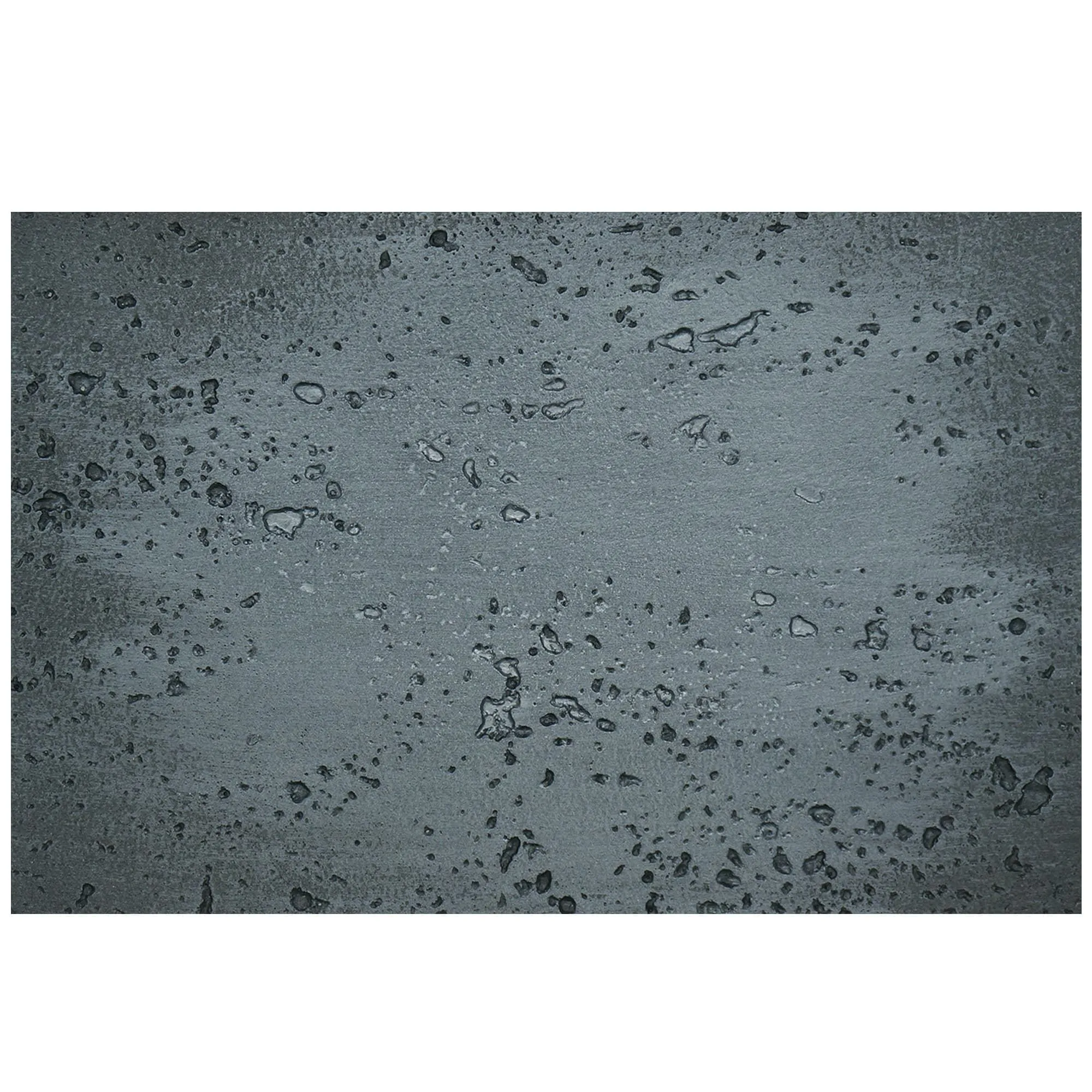
Walk into any award-winning building today, and you'll notice a quiet revolution unfolding in the walls, floors, and facades around you. Architects and designers are no longer just building structures—they're crafting experiences, and the secret ingredient often lies in the materials they choose. Among the stars of this material renaissance is a stone that feels both like a nod to ancient craftsmanship and a leap into the future: Travertine (Vintage Silver) . But what is it about this particular variant that's making it the talk of construction sites from Paris to Tokyo? Let's pull back the curtain on the material redefining modern architecture's aesthetic and functional boundaries.
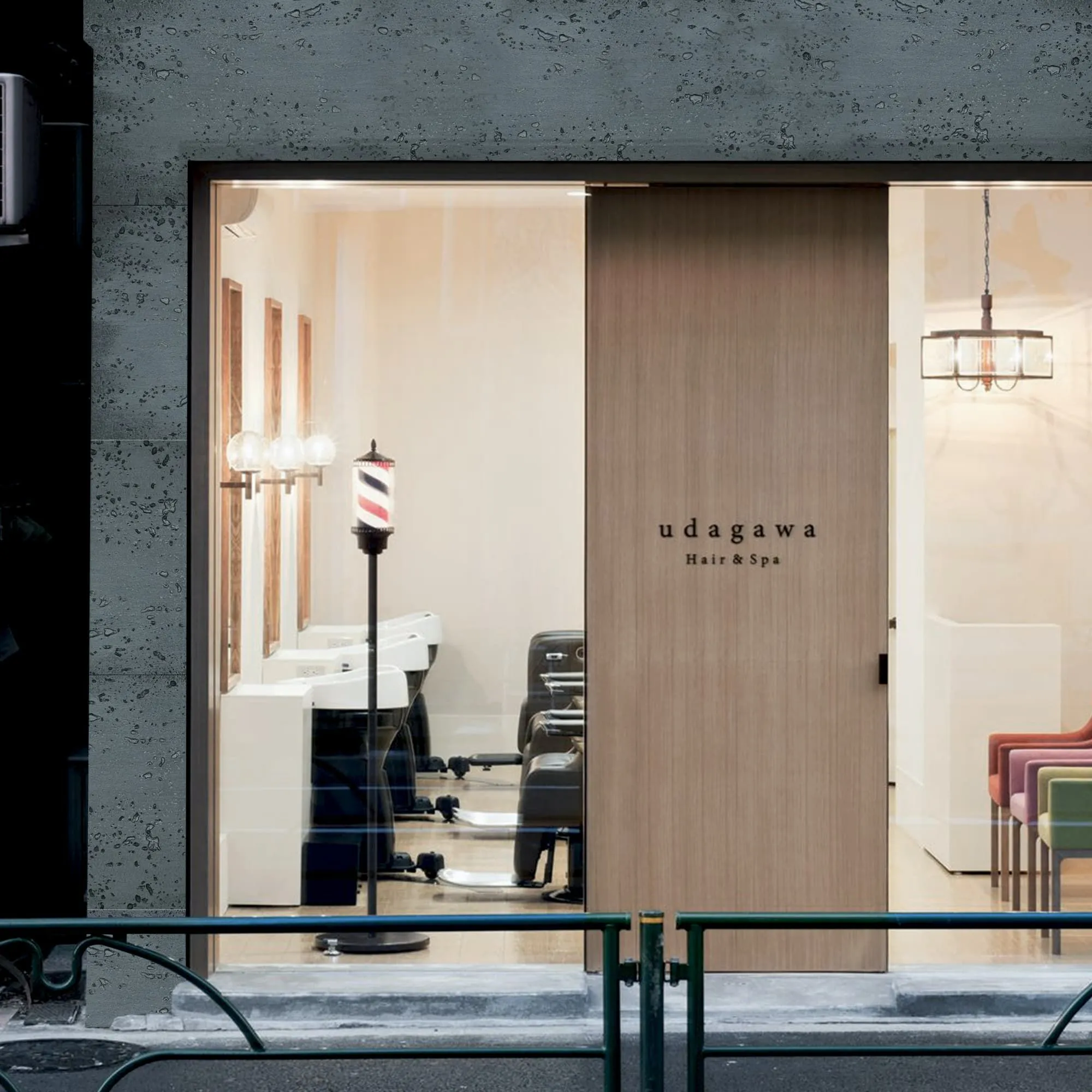
At first glance, you might mistake Travertine (Vintage Silver) for another neutral stone—but spend a moment with it, and its magic unfolds. Unlike the starkness of polished steel or the brashness of chrome, this travertine carries a warmth that only natural stone can offer. Its silver hue isn't a flat, artificial shade; it's a living, breathing blend of soft grays, muted whites, and earthy undertones that shift with the light. Imagine morning sunlight filtering through a glass facade, casting gentle patterns on a wall of Vintage Silver travertine—the stone doesn't just reflect light; it softens it, turning harsh rays into a warm glow that makes even the most modern spaces feel inviting.
The texture plays a starring role, too. Run a hand over its surface, and you'll feel the subtle ridges and valleys left by centuries of mineral deposits—traces of the stone's origins in mineral springs and hot springs. It's not perfectly smooth, nor is it rough; it's tactile in a way that invites touch, turning walls and floors into sensory experiences. "Clients often tell me the stone feels 'grounded,'" says Elena Rossi, an interior designer based in Milan who specializes in luxury hospitality projects. "In a world of sleek, cold surfaces, that human connection matters. Vintage Silver travertine doesn't just look good—it makes people feel at home."
Compare it to its siblings, Travertine (Vintage Gold) and Travertine (Vintage Black) , and you'll see why the silver variant stands out. Gold leans into opulence, black into drama, but silver? It's the chameleon. It pairs with bold colors without competing, complements neutrals without fading, and adds depth to minimalist designs without overwhelming them. It's the quiet confidence of a well-tailored suit—effortlessly sophisticated, no matter the occasion.
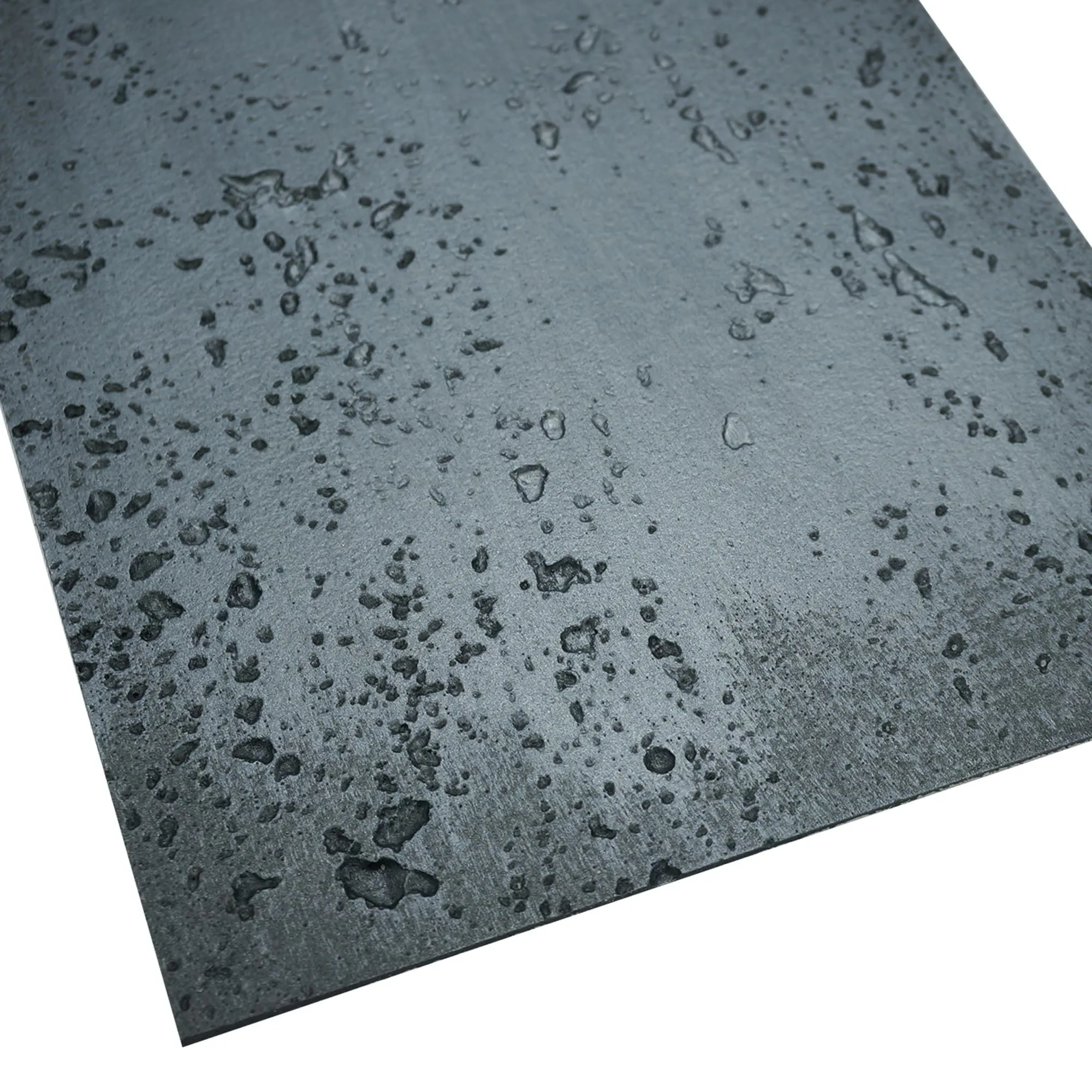
Architects don't fall for materials based on looks alone—and neither do developers. Travertine (Vintage Silver) earns its spot in global projects because it's as tough as it is beautiful. Let's start with durability: this stone is formed from layers of calcium carbonate, compressed over millennia, making it resistant to scratches, stains, and even heavy foot traffic. In Dubai's Mall of the Emirates, a section of the luxury wing was renovated with Vintage Silver travertine floors three years ago. "We expected to see wear by now, especially with thousands of visitors daily," says project manager Khalid Al-Mansoori. "But the floors still look new. Spills? Wiped right off. Scuffs? Barely noticeable. It's been a game-changer for maintenance costs."
Then there's versatility. Unlike some stones that are limited to indoor use, Vintage Silver travertine thrives outdoors, too. Its porous surface (sealed properly, of course) handles rain, snow, and UV rays without fading or cracking. In Oslo, a public park recently installed Vintage Silver travertine benches and walkways. "We needed something that could withstand our harsh winters and still look beautiful in summer," explains landscape architect Lars Hansen. "The stone doesn't freeze and crack like concrete, and it doesn't get slippery when wet. Plus, it ages gracefully—those subtle weathering marks only add character."
And let's talk about size. As part of architectural big slab solutions , Vintage Silver travertine is available in large-format slabs (up to 3 meters in length), making it perfect for creating seamless walls and floors with minimal grout lines. This not only enhances the visual flow of a space but also reduces installation time—a win for busy construction schedules. "In a recent high-rise lobby project, we used 2.5-meter slabs of Vintage Silver travertine," says structural engineer Maria Gomez. "The result? A wall that feels like a single, piece of art, not a patchwork of small tiles. Clients notice that level of craftsmanship."
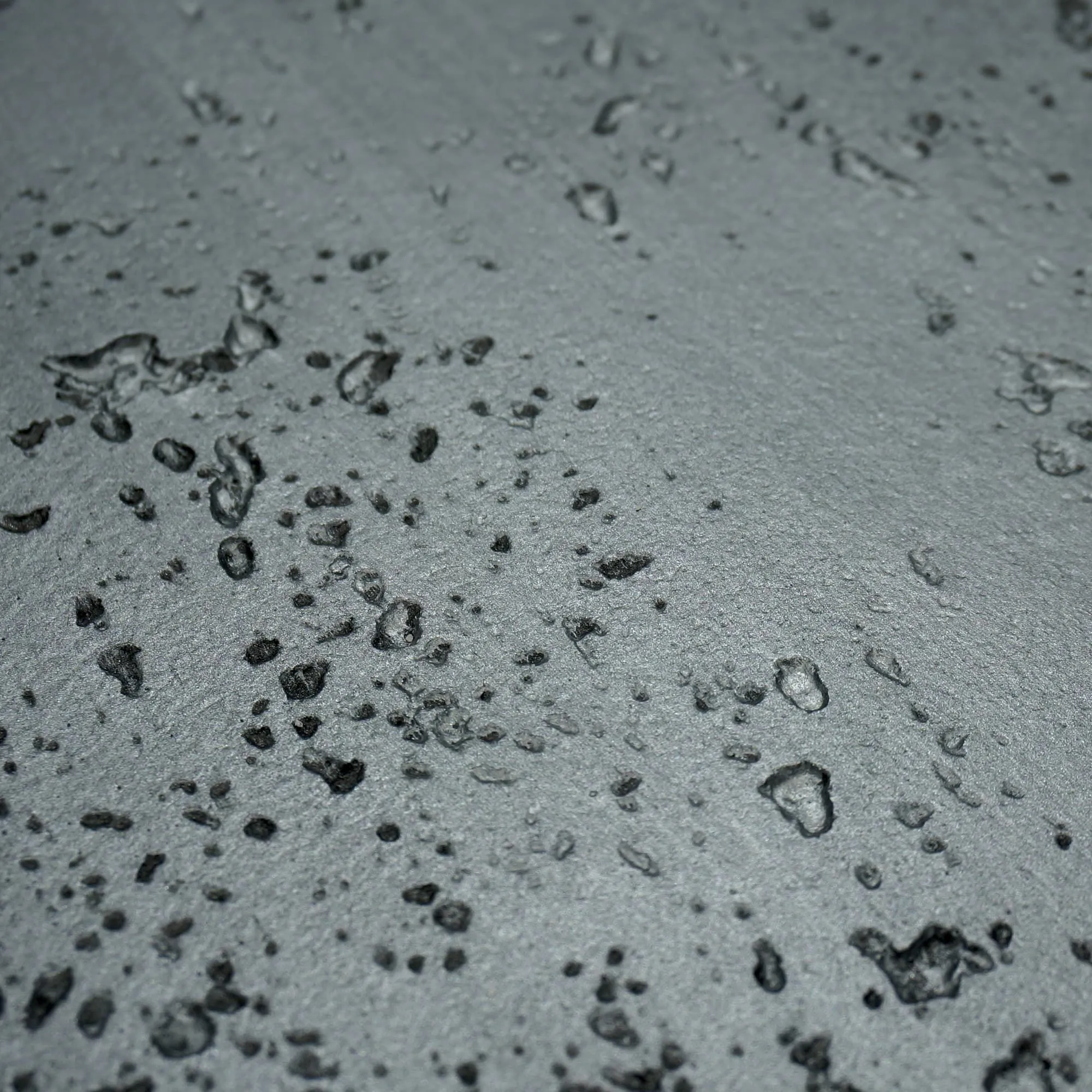
In an era where "green building" is no longer a trend but a requirement, Travertine (Vintage Silver) checks all the boxes. First, it's a natural material—no harsh chemicals or synthetic additives go into its creation. Quarried from sustainable sites in Italy, Turkey, and Iran (regions with strict environmental regulations), it has a lower carbon footprint than man-made alternatives like vinyl or engineered stone, which rely on fossil fuels for production.
Durability also plays into sustainability. A floor or wall clad in Vintage Silver travertine can last 50 years or more with proper care—no need for frequent replacements that generate waste. "We calculate the lifecycle cost of materials for every project," says James Chen, a sustainability consultant for commercial developers in Singapore. "Vintage Silver travertine often comes out on top because it avoids the 'replace every 10 years' cycle of cheaper materials. Less waste, less energy, less cost in the long run—it's a triple win."
Even its aesthetic aligns with sustainable design principles. Biophilic design, which connects people to nature, relies on natural materials to reduce stress and boost well-being. "We used Vintage Silver travertine in a tech company's headquarters last year," recalls Elena Rossi. "Employees reported feeling more 'calm' and 'focused' in spaces with the stone. When materials make people happier, they're more likely to care for the space—and that extends the building's life, too."
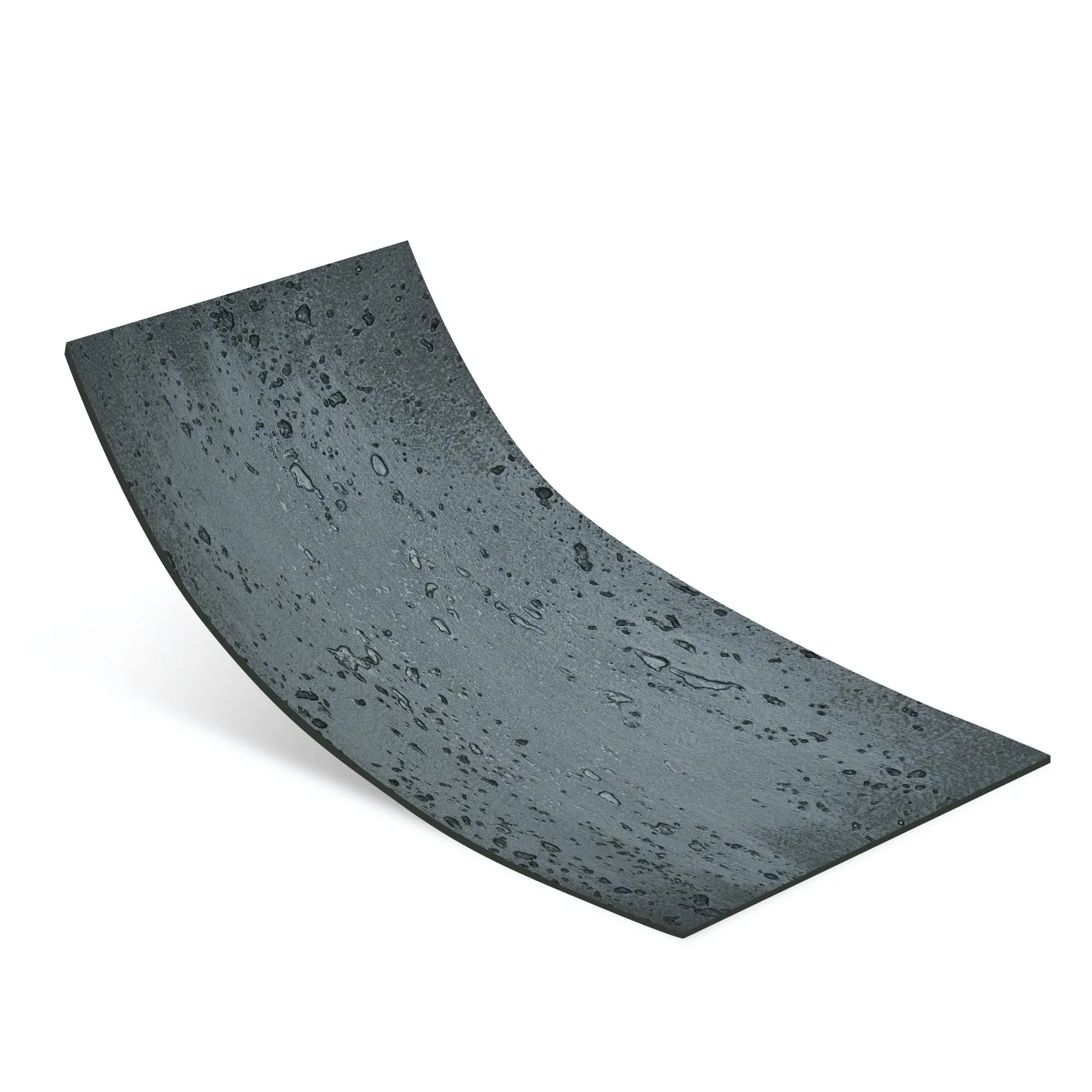
Great materials don't work in isolation—and Vintage Silver travertine is a team player. It pairs effortlessly with other trending materials, turning good designs into unforgettable ones. Take fair-faced concrete , for example. The raw, industrial vibe of concrete balances the organic warmth of the travertine, creating a look that's both edgy and grounded. A restaurant in Berlin recently combined the two: Vintage Silver travertine walls with fair-faced concrete ceilings and tables. "The contrast is striking," says the restaurant's owner, Anna Schmidt. "Guests say it feels like dining in a modern art gallery, but with the coziness of a countryside villa."
Then there's mcm flexible stone , a category of lightweight, durable cladding that includes materials like foamed aluminium alloy boards and woven panels. Vintage Silver travertine adds a touch of luxury to these flexible systems, which are popular for their ease of installation. "We used mcm flexible stone panels with embedded Vintage Silver travertine accents on a retail storefront in Tokyo," explains architect Hiroshi Tanaka. "The stone gave the facade depth, while the flexible panels kept the project on budget and on time. It's innovation meeting tradition."
Wood is another perfect partner. The grain of oak or teak complements the travertine's texture, creating spaces that feel both rustic and refined. A boutique hotel in Bali used Vintage Silver travertine floors with reclaimed wood beams and furniture. "The stone anchors the space, while the wood adds warmth," says the hotel's designer. "Guests from all over the world comment on how 'balanced' the rooms feel—like a hug from nature."
| Travertine Variant | Color Profile | Best For | Design Style Compatibility |
|---|---|---|---|
| Travertine (Vintage Silver) | Soft grays, muted whites, earthy undertones; shifts with light | Walls, floors, countertops (indoor/outdoor); large-format slabs for seamless designs | Minimalist, industrial, Scandinavian, mid-century modern |
| Travertine (Vintage Gold) | Warm golds, amber accents, creamy bases; rich and opulent | Statement walls, luxury interiors, hospitality lobbies | Art Deco, classic, bohemian, Mediterranean |
| Travertine (Vintage Black) | Deep blacks, charcoal veins, subtle silver highlights; dramatic and bold | Accent walls, high-end retail, modern exteriors | Contemporary, Gothic, urban, monochromatic |
Travertine (Vintage Silver) isn't just a niche material for boutique projects—it's scaling globally, leaving its mark on some of the world's most talked-about buildings. In Europe, it's a favorite for heritage renovations. A 19th-century bank in London was recently converted into a luxury hotel, and the designers chose Vintage Silver travertine to replace damaged marble floors. "We needed something that respected the building's history but felt modern," says the project's lead architect. "The stone's aged look—those subtle patinas—made it feel like it had always been there, while its clean lines brought it into the 21st century."
In the Middle East, where grand architecture reigns, Vintage Silver travertine is making waves in commercial towers and cultural centers. The new National Museum in Riyadh features a facade clad in large-format Vintage Silver slabs, paired with glass and steel. "The stone reflects the desert light beautifully," says the museum's designer. "It's a modern take on the region's natural landscapes—timeless, yet forward-thinking."
Asia, too, is embracing the trend. In Seoul, a tech campus recently used Vintage Silver travertine in its communal spaces, from auditoriums to breakout areas. "Our employees spend long hours here, so we wanted materials that felt 'human,'" says the campus director. "The travertine walls in the lobby have become a meeting spot—people lean against them, chat, even work on laptops. It's turned a sterile space into a community hub."
Even in North America, where modern minimalism dominates, Vintage Silver travertine is finding its place. A residential tower in Toronto uses the stone for its lobby floors and elevator interiors. "Buyers are willing to pay a premium for materials that feel 'authentic,'" says the developer. "Vintage Silver travertine checks that box. It's not just a building material—it's a status symbol for those who value quality over flash."
So, why is Travertine (Vintage Silver) more than a passing fad? Because it taps into three timeless desires in architecture: authenticity, versatility, and sustainability. In a world flooded with mass-produced, cookie-cutter materials, people crave the uniqueness of natural stone—each slab of Vintage Silver travertine is one of a kind, with its own patterns and imperfections that tell a story. "Clients don't just want 'nice' spaces anymore," says Elena Rossi. "They want spaces with soul. Vintage Silver travertine has soul in spades."
Its versatility means it will adapt to changing design trends, too. Today's minimalist movement loves its neutrality; tomorrow's bold, colorful designs will use it as a grounding base. Its compatibility with new technologies—like 3D scanning for custom cuts or digital printing for enhanced patterns—ensures it will stay relevant as construction methods evolve.
And as sustainability becomes non-negotiable, natural, durable materials like Vintage Silver travertine will only grow in demand. "We're seeing more regulations around building materials' environmental impact," notes James Chen. "Stones like this, which are natural, long-lasting, and low-waste, will be the foundation of future construction. The trend isn't just about looking good—it's about building better."
Travertine (Vintage Silver) isn't just trending—it's transforming how we build and experience spaces. It's a material that understands both the architect's need for functionality and the human need for beauty and connection. Whether it's cladding a skyscraper in Dubai, warming a home in Toronto, or grounding a museum in Riyadh, it brings a quiet elegance that resonates across cultures and design styles.
As we look to the future of architecture, one thing is clear: materials that blend authenticity, durability, and sustainability will lead the way. And in that future, Travertine (Vintage Silver) will be front and center—not just as a trend, but as a timeless classic.
Recommend Products












