
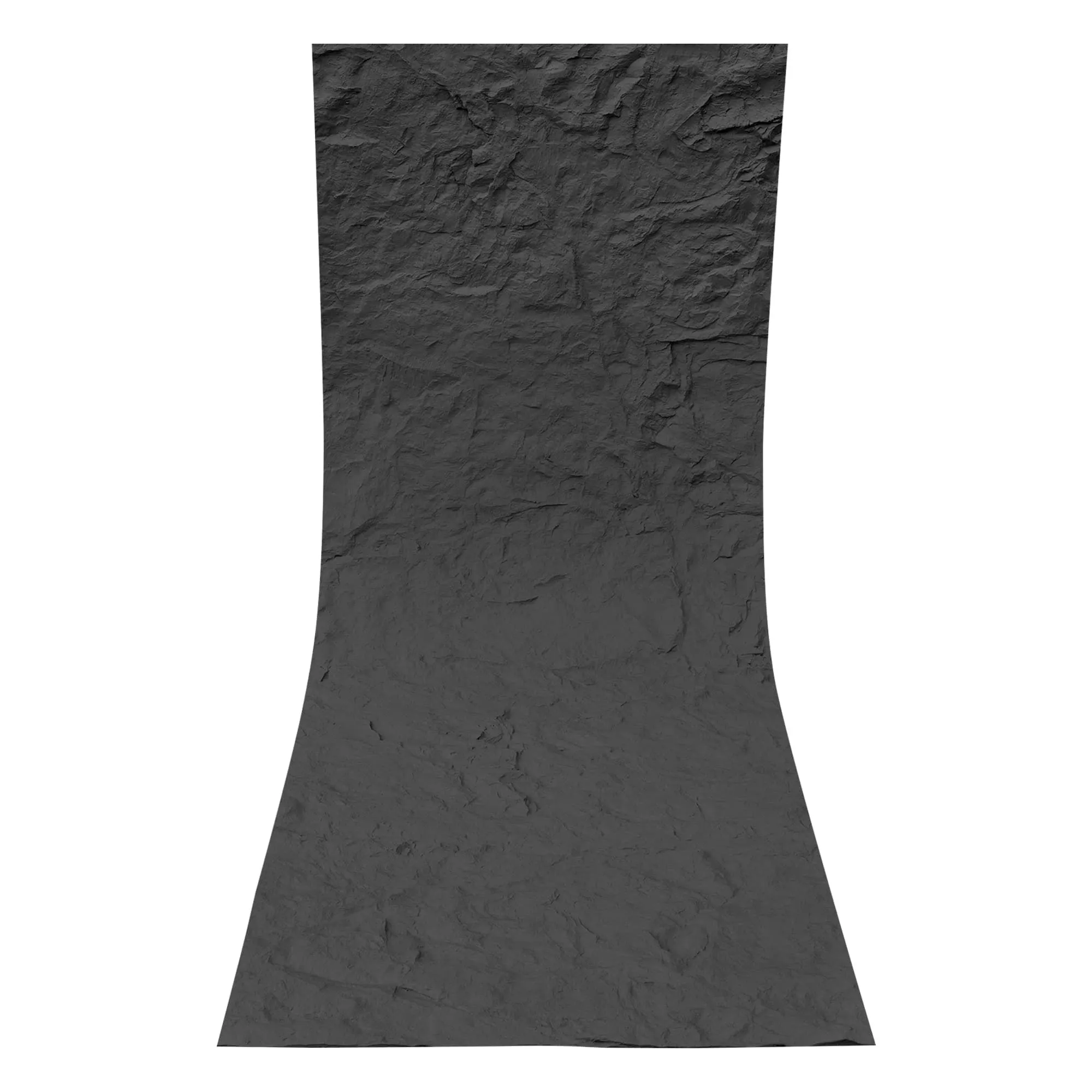
Saudi Arabia's skyline is changing—fast. From the gleaming towers of Riyadh to the cultural hubs of Jeddah, architects and developers are no longer just building structures; they're crafting experiences. And at the heart of this transformation? A quiet revolution in building materials. For decades, natural stone reigned supreme, admired for its timeless beauty but burdened by its practical flaws. Today, a new contender has emerged: Vintage Black Boulder Slab, part of MCM's innovative Boulder Slab series. It's not just a material—it's a solution that marries the rugged elegance of natural stone with the demands of modern Saudi architecture. Let's dive into why this dark, dramatic slab is quickly becoming the go-to choice for projects across the kingdom.
Walk through any historic district in Riyadh or Madinah, and you'll see natural stone's legacy etched into walls and facades. Marble, granite, travertine—these materials have long been symbols of luxury and permanence. But in a country where temperatures soar above 50°C in summer, where construction timelines are tight, and where sustainability is no longer optional, natural stone is showing its age.
Take weight, for starters. A single square meter of natural granite can weigh upwards of 25kg, requiring reinforced structures and heavy machinery to install. In a high-rise project, that adds up—both in construction costs and logistical headaches. Then there's maintenance: natural stone is porous, meaning it soaks up moisture, dust, and pollutants. In Saudi's arid, sandy climate, that translates to frequent cleaning, sealing, and repairs. "We had a client who spent over SAR 200,000 annually just maintaining the natural limestone facade of their commercial building," recalls Lina Hassan, a project manager at Riyadh-based firm Al-Mansoori Architects. "The stone would fade, crack, and stain—especially with the city's dust storms. It was beautiful, but it wasn't practical."
Sourcing is another hurdle. High-quality natural stone often comes from overseas—Italy, Turkey, India—leading to long lead times and fluctuating costs. And with global supply chains still recovering from recent disruptions, developers are increasingly wary of relying on materials that might not arrive on schedule. "We once had a project delayed by three months because a shipment of travertine was held up at the port," Hassan adds. "That delay cost the client over a million riyals in lost revenue. After that, we started asking: is there a better way?"
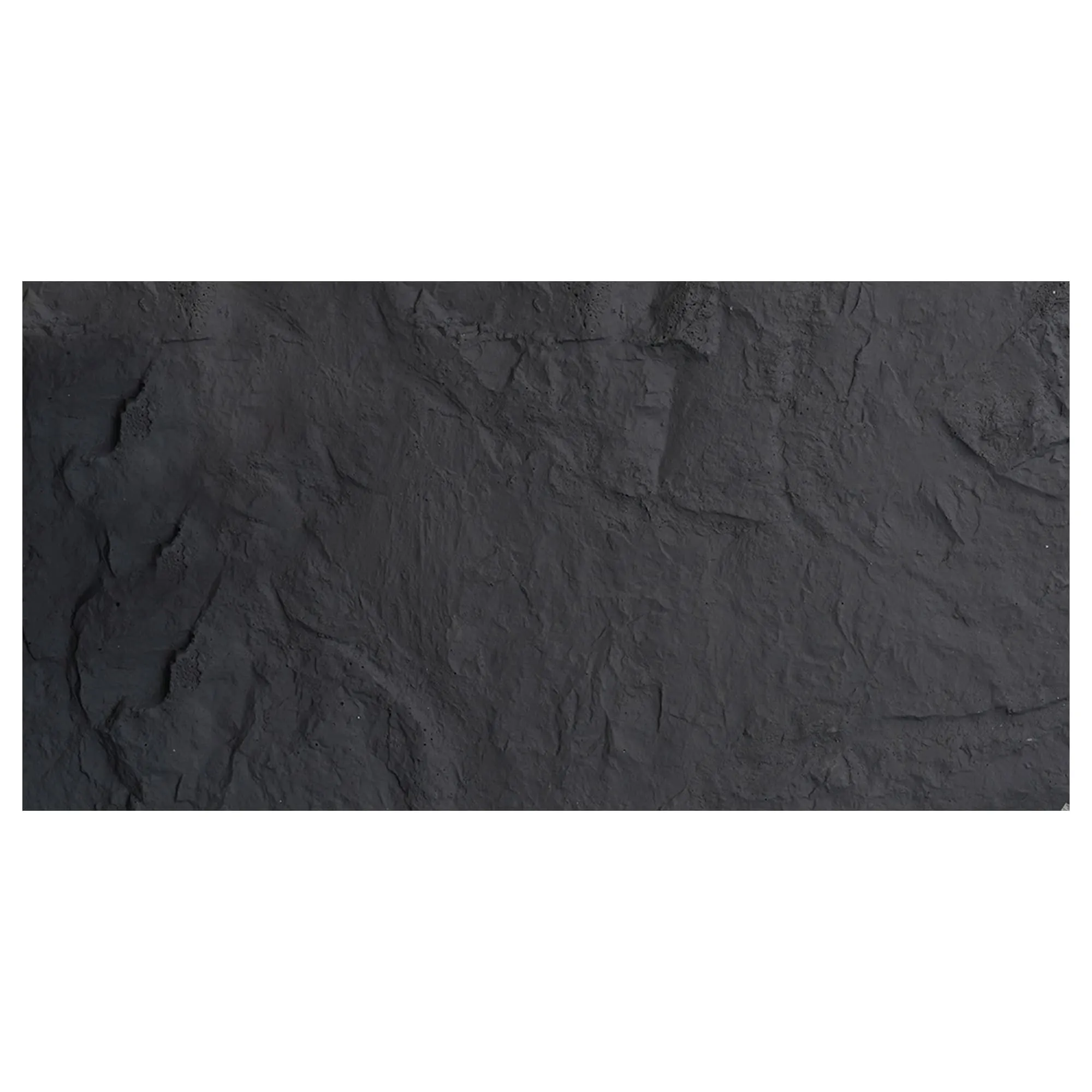
Enter MCM's Vintage Black Boulder Slab. Part of the broader Boulder Slab series (which includes vintage silver and gold variants), this material was designed with exactly these challenges in mind. At first glance, it's easy to mistake it for natural stone—its deep, moody black finish, with subtle veining and a weathered "vintage" texture, evokes the same earthy grandeur as basalt or dark granite. But look closer, and the differences become clear.
Vintage Black Boulder Slab is a modified composite material (MCM), crafted by bonding natural stone particles with a lightweight, durable polymer backing. The result? A slab that weighs just 7-9kg per square meter—less than a third of natural stone. "That weight reduction is a game-changer," says Khalid Al-Farsi, an architect at Jeddah's DesignHub. "We recently used it on a 20-story residential tower in King Abdullah Economic City. Because the slabs are so light, we didn't need to reinforce the facade structure. That cut our construction time by six weeks and saved the client over SAR 500,000 in structural costs alone."
But it's not just about weight. The polymer backing makes Vintage Black Boulder Slab flexible, too—unlike brittle natural stone, it can bend slightly without cracking, making it ideal for curved facades or unconventional designs. "We used it on a cultural center in Dammam with a wave-like exterior," Al-Farsi explains. "Natural stone would have required custom cutting for every curve, which is expensive and time-consuming. With the Boulder Slab, we could bend the panels on-site. The result? A seamless, flowing facade that looks like it was carved from a single piece of stone—at a fraction of the cost."
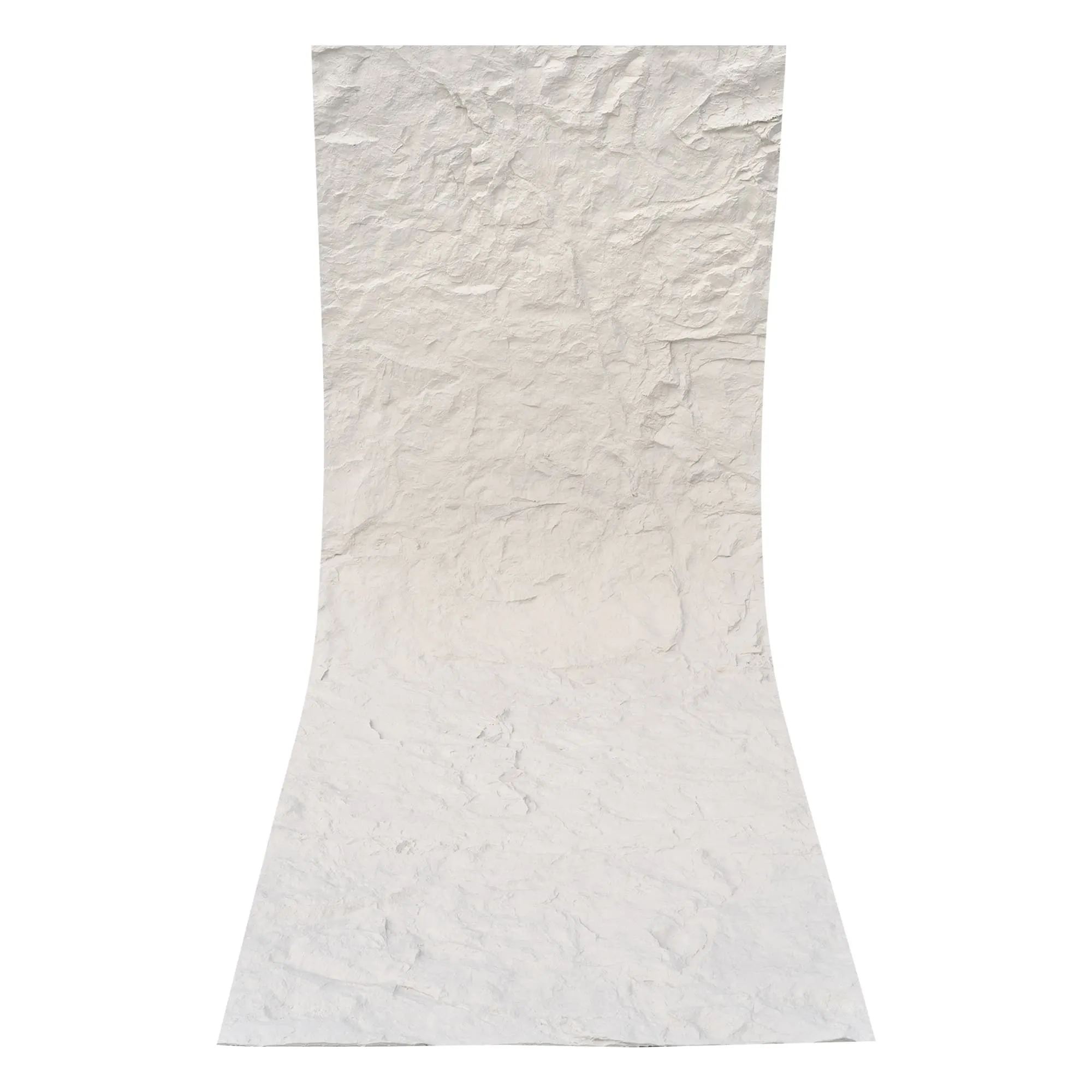
To truly understand Vintage Black Boulder Slab's appeal, let's put it head-to-head with two common alternatives: traditional natural stone and even another innovative material, Foamed Aluminium Alloy Board (Vintage Silver).
| Feature | Natural Stone (Granite) | Foamed Aluminium Alloy (Vintage Silver) | Vintage Black Boulder Slab |
|---|---|---|---|
| Weight (per sq.m) | 20-25kg | 5-6kg | 7-9kg |
| Installation Time | 3-4 days per 100 sq.m | 1-2 days per 100 sq.m | 1-2 days per 100 sq.m |
| Heat Resistance | Good, but absorbs heat (causes facade overheating) | Excellent (reflects heat) | Excellent (low thermal conductivity) |
| Maintenance Cost (annual, per 100 sq.m) | SAR 5,000-8,000 | SAR 1,000-2,000 | SAR 800-1,500 |
| Aesthetic Versatility | Limited (fixed natural patterns) | High (metallic finishes, customizable) | Very High (vintage texture, color consistency) |
The table tells a clear story: Vintage Black Boulder Slab bridges the gap between natural stone's beauty and modern materials' practicality. It's lighter than stone, faster to install than aluminium, and cheaper to maintain than both. And unlike foamed aluminium, which has a sleek, metallic look, the Boulder Slab retains that organic, stone-like texture that Saudi clients often crave.
"Clients still want that 'earthy' feel," says Al-Farsi. "They don't want their buildings to look like spaceships—they want them to feel rooted in the region's landscape. Vintage Black Boulder Slab gives them that. It's dark, bold, and has that weathered look, like it's been part of the desert for centuries. But it behaves like a 21st-century material."
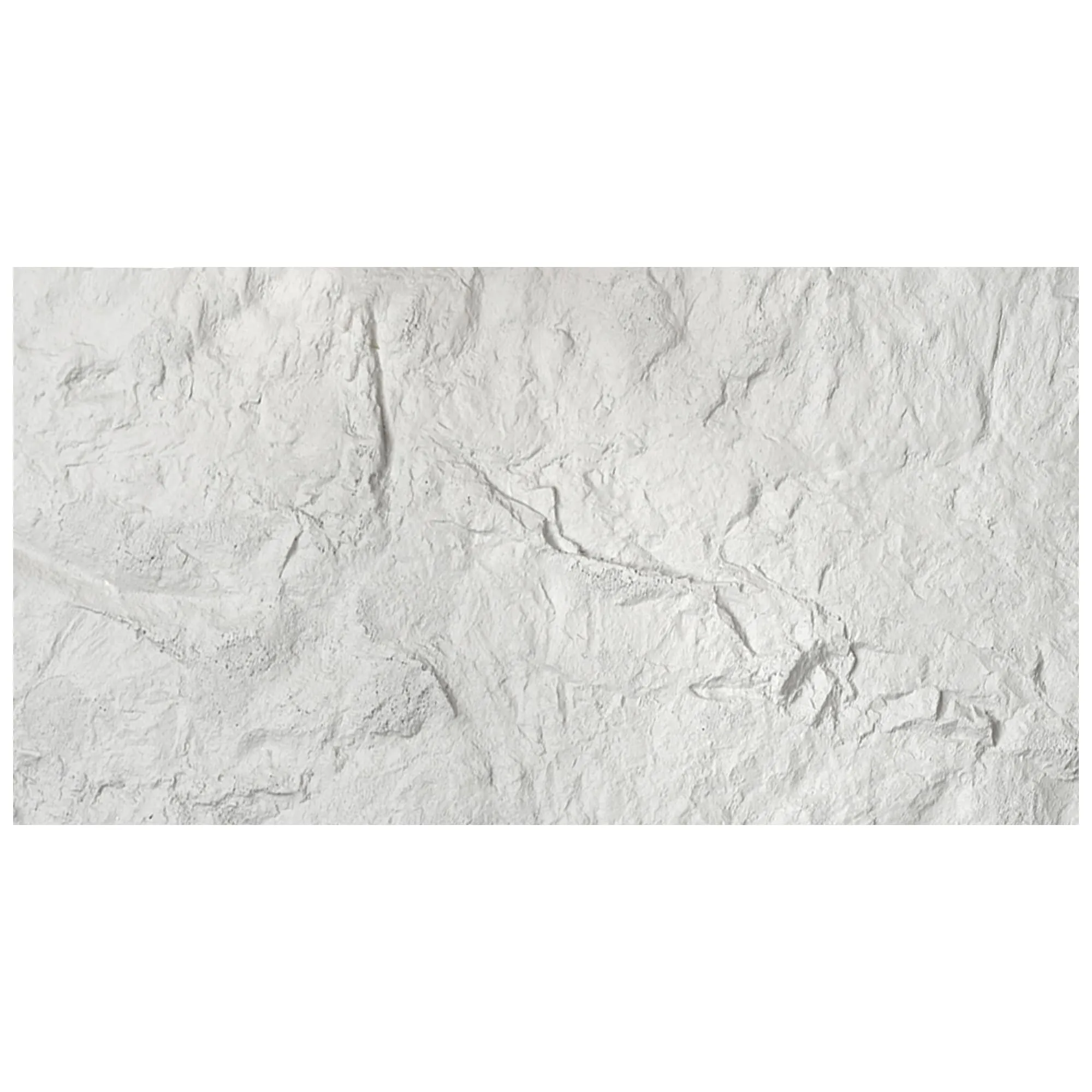
It's one thing to talk about specs; it's another to see the material in action. Take the Al-Saad Commercial Plaza in Riyadh, a 12-story mixed-use building completed in 2024. The developer, Al-Saad Group, initially planned to use natural black granite for the facade. But after crunching the numbers—weight, cost, maintenance—they switched to Vintage Black Boulder Slab.
"The difference was night and day," says Mohammad Al-Saad, the group's project director. "We saved over SAR 1.2 million on construction costs alone—no need for extra steel supports, no expensive cranes for heavy slabs. And the installers finished the facade in 10 days instead of the projected 30. Now, six months later, the slabs still look brand-new. No fading, no cracks, even after the summer heat. Our tenants love it—they say the dark facade makes the building stand out, but it doesn't get as hot inside as neighboring granite-clad towers."
Another example: the Najran Cultural Center, a low-rise complex celebrating Saudi heritage. The architects wanted a material that would complement the center's traditional mud-brick-inspired design but wouldn't require the same upkeep. They chose Vintage Black Boulder Slab for the entrance pavilion, pairing it with MCM's Historical Pathfinders Stone (a lighter, sandstone-like material) for contrast. "The black slab adds drama to the entrance, while the Historical Pathfinders Stone ties into the region's history," explains architect Fatima Al-Zahrani. "And because both are MCM materials, we could install them in a week. The center opened on time, and maintenance has been minimal—just a quick hose-down every few months to keep the dust off."
Even residential projects are getting on board. The Azure Residences in Jeddah, a luxury apartment complex, used Vintage Black Boulder Slab for its lobby walls and outdoor terraces. "Our buyers expect luxury, but they also want durability," says sales manager Ahmed Khalid. "The black slabs give the lobby a high-end, hotel-like feel, but we don't have to worry about guests scuffing or staining them. Plus, the lightweight slabs made it easy to install on the terraces—no need to reinforce the floor structures. It's a win-win."
Saudi Arabia's Vision 2030 isn't just about economic diversification—it's about building a more sustainable future. And Vintage Black Boulder Slab aligns with that vision in ways natural stone can't. For starters, MCM materials like Boulder Slab use up to 70% recycled stone particles, reducing the need for quarrying. "Natural stone mining is resource-intensive," notes Dr. Amal Al-Mansoori, an environmental engineer at King Saud University. "It disrupts ecosystems, consumes large amounts of water, and generates waste. MCM materials, by contrast, repurpose stone dust and offcuts from quarries, turning waste into value."
Then there's energy efficiency. Because Vintage Black Boulder Slab is lightweight and has low thermal conductivity, it helps buildings stay cooler in summer, reducing reliance on air conditioning. "We did a study comparing two identical office spaces—one with a natural stone facade, one with Vintage Black Boulder Slab," Dr. Al-Mansoori adds. "The MCM-clad space used 15% less energy for cooling over three months. In Saudi's climate, that's a huge saving—for both the environment and the building's operating costs."
And let's not forget transportation. Lighter materials mean fewer trucks on the road, lower fuel consumption, and reduced carbon emissions. "Shipping natural stone from Italy to Saudi Arabia leaves a massive carbon footprint," Dr. Al-Mansoori says. "MCM materials, which can be produced locally or regionally, cut that footprint significantly. It's a small change, but multiplied across hundreds of projects, it adds up."
Vintage Black Boulder Slab isn't just a one-hit wonder—it's part of a broader shift toward MCM materials in Saudi Arabia. MCM's Flexible Stone series, with its thin, bendable sheets, is revolutionizing interior design, while the 3D Printing Series allows for custom, complex shapes that were once impossible with traditional stone. "We're seeing architects push boundaries now," says Hassan. "They're using MCM Flexible Stone to create curved feature walls, or 3D-printed MCM panels for sculptural facades. And Vintage Black Boulder Slab is the backbone of this movement—it's the material that proves you don't have to sacrifice beauty for practicality."
Looking ahead, as Saudi Arabia continues to invest in mega-projects like NEOM, Qiddiya, and the Red Sea Project, the demand for innovative, sustainable materials will only grow. And Vintage Black Boulder Slab is poised to be at the forefront. "It's not just replacing natural stone—it's redefining what's possible," Al-Farsi says. "In five years, I think we'll look back and wonder how we ever built with heavy, high-maintenance stone. This is the future of Saudi architecture."
Saudi Arabia's architectural revolution isn't about abandoning the past—it's about honoring it while embracing the future. Natural stone will always have a place in historic preservation and niche projects, but for the forward-thinking developers, architects, and clients shaping the kingdom's new skyline, Vintage Black Boulder Slab is the clear choice. It's dark, dramatic, and full of character—yet lightweight, durable, and kind to both budgets and the planet.
So the next time you walk past a striking black-clad building in Riyadh or Jeddah, take a closer look. Chances are, it's not natural stone. It's Vintage Black Boulder Slab—proof that in Saudi architecture, the best materials aren't just built to last. They're built to evolve.
Recommend Products












