
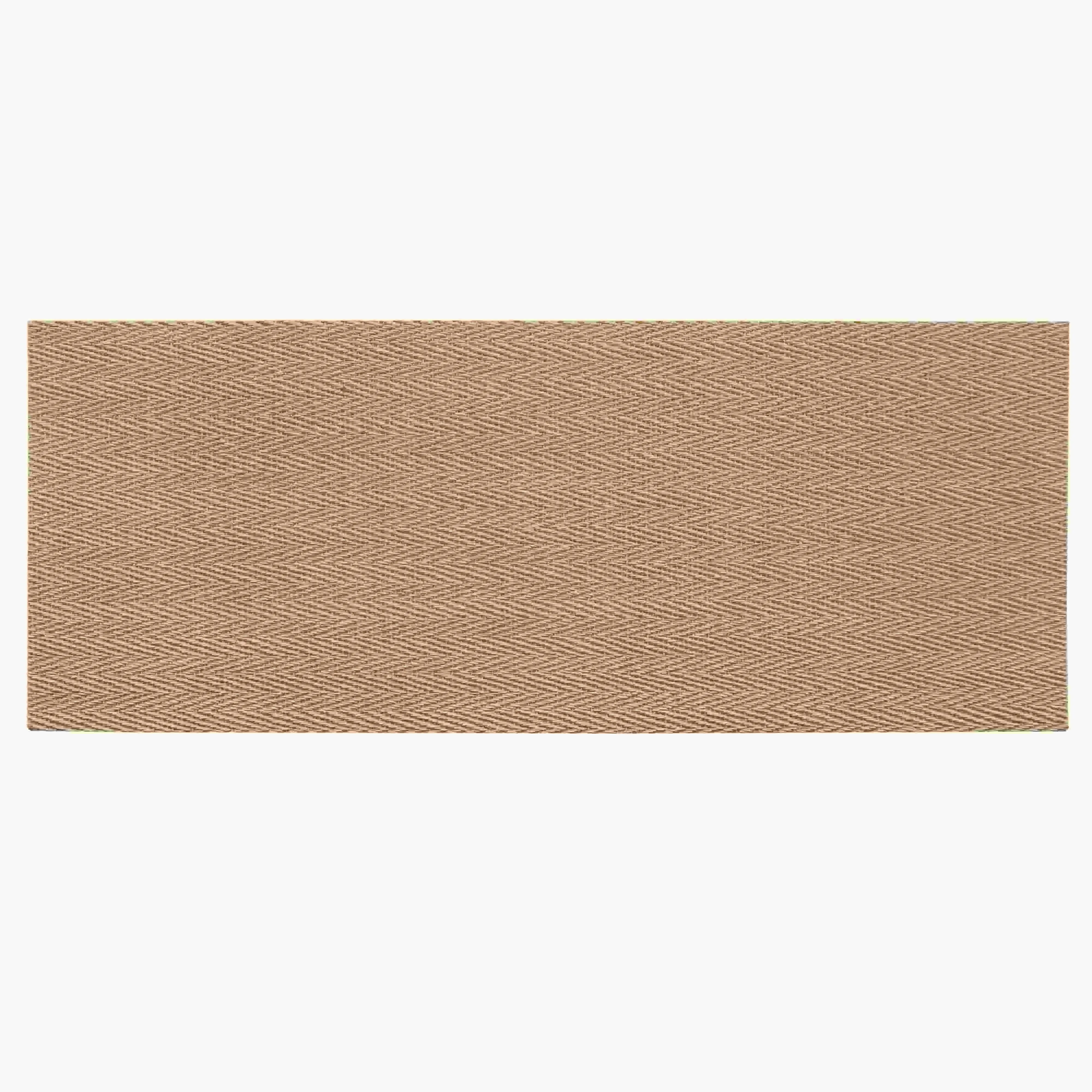
In the heart of Saudi Arabia's rapidly evolving skyline—where ancient desert traditions meet cutting-edge modernity—one material has quietly become a cornerstone of commercial architecture: Weaving (Khaki) MCM. Walk through Riyadh's bustling business districts, Jeddah's luxury hotels, or Dammam's retail hubs, and you'll spot it: warm, textured panels that evoke the rhythm of handwoven fabrics, yet stand tough against the kingdom's unforgiving climate. But what makes this specific MCM variant more than just a trend? Why has it earned a permanent spot in the toolkits of architects and developers across the country? Let's dive into the story of Weaving (Khaki) MCM—and why it's not just a material, but a design language for Saudi commerce.
Saudi commercial spaces aren't just buildings—they're statements. From the sleek minimalism of Riyadh's financial towers to the culturally rooted designs of Jeddah's waterfront developments, architecture here balances two worlds: the timeless allure of the Arabian Peninsula and the bold innovation of global urbanization. Weaving (Khaki) MCM fits this balance like a well-tailored thobe.
First, there's the color: khaki, a hue that mirrors the desert's shifting sands at dawn—earthy, warm, and infinitely versatile. Unlike stark whites or harsh grays, which can feel alien in Saudi's sun-drenched landscape, khaki harmonizes with the environment. It softens the glare of midday sun, making exteriors feel inviting rather than imposing, and indoors, it creates a cozy, neutral backdrop that lets brands—whether a high-end boutique or a family-friendly café—shine without clashing.
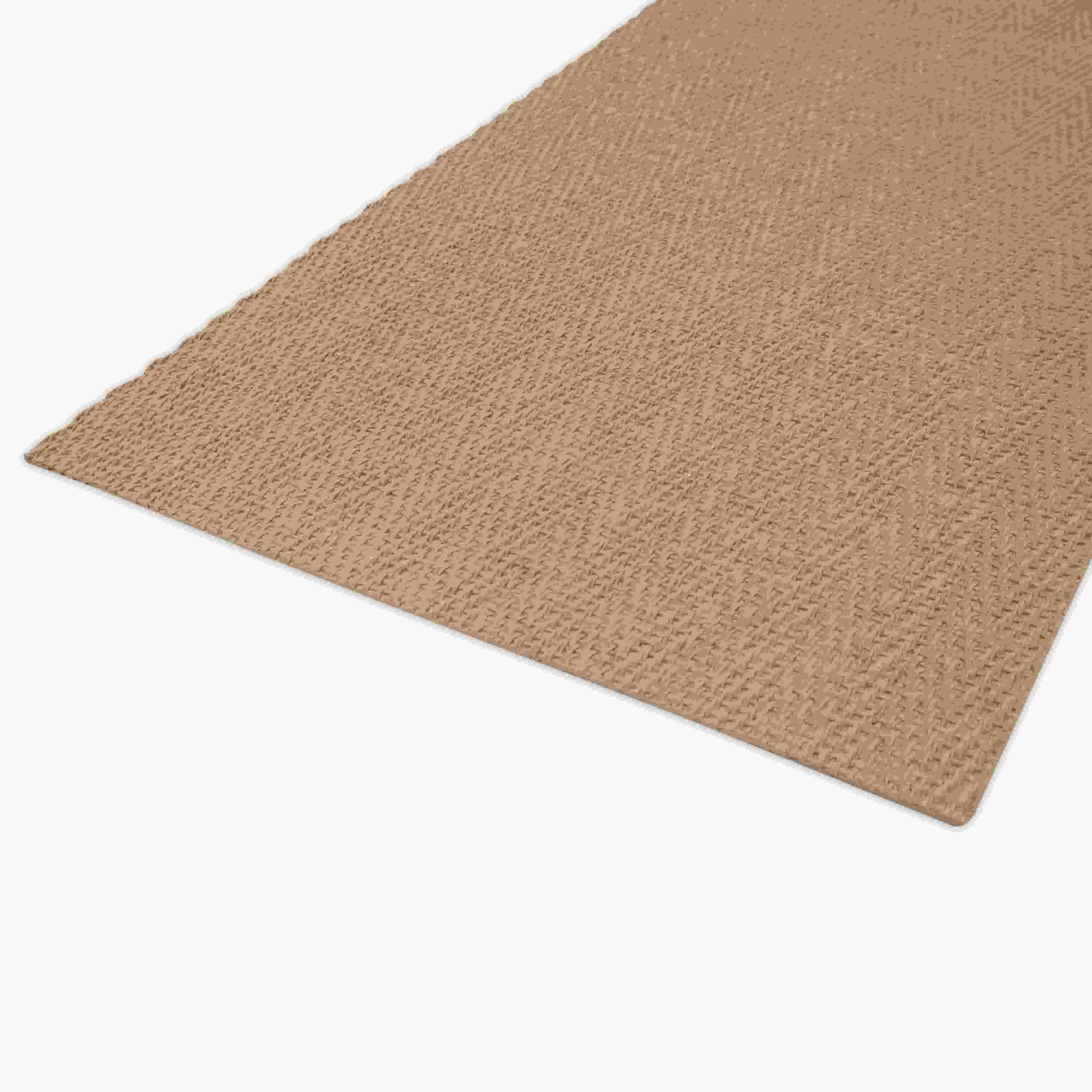
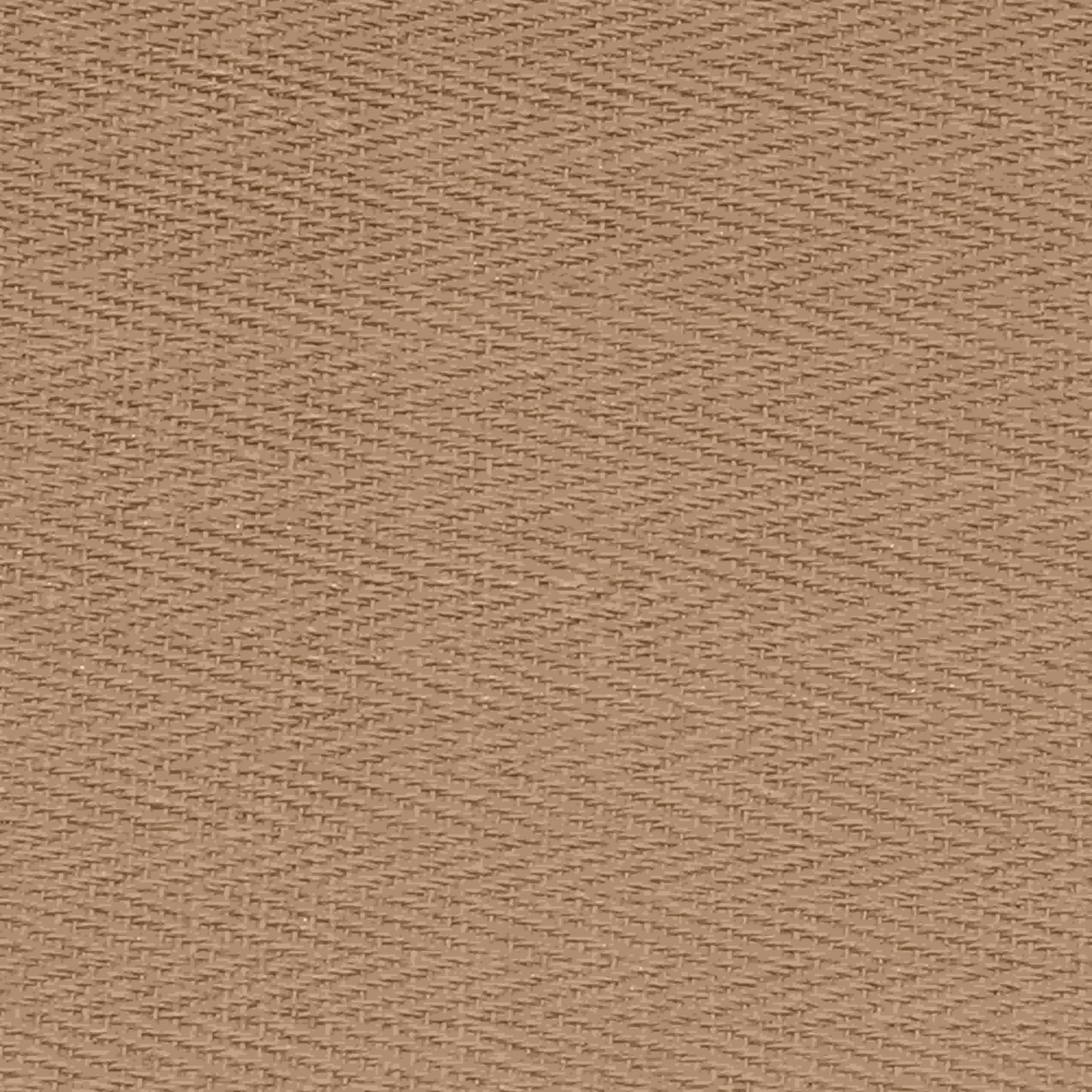
Then there's the texture: the "weaving" in Weaving (Khaki) MCM isn't just a name. The panels are embossed with a subtle, interlaced pattern that mimics the look of handwoven textiles—think the intricate detailing of a traditional Saudi rug or the woven palm fronds of a Bedouin tent. This texture adds depth without overwhelming; it catches light in ways that flat surfaces can't, creating shadows and highlights that change with the sun's position. In a country where light is both a resource and a challenge, this dynamic quality turns buildings into living, breathing entities. Imagine a hotel facade at sunrise: the weaving pattern glows golden, then softens to a warm beige by midday, and deepens to a rich taupe as the sun sets—all without losing its core identity. It's a material that tells a story, and in Saudi Arabia, where heritage matters, that story resonates.
Compare this to, say, fair-faced concrete—a material often lauded for its industrial chic. While concrete has its place, its cold, monolithic look can feel sterile in commercial settings aiming to welcome customers. Weaving (Khaki) MCM, by contrast, feels human. It's tactile; you want to reach out and run your hand over its surface. In a retail context, that matters: customers remember how a space feels , and warmth translates to longer stays and repeat visits.
Saudi Arabia's climate is not for the faint of heart. Summer temperatures soar above 50°C (122°F); sandstorms blast grit at high speeds; coastal areas like Jeddah grapple with humidity and salt air. Any building material here needs to be a warrior—and Weaving (Khaki) MCM is drafted from the toughest ranks of MCM flexible stone.
MCM, or Modified Composite Material, is a game-changer in construction. Unlike natural stone (which is heavy, porous, and prone to cracking) or traditional cladding (which can delaminate in heat), MCM flexible stone is engineered to be lightweight yet incredibly strong. It's made by bonding natural mineral aggregates with a polymer resin, creating a panel that's 70% lighter than granite but just as durable. For high-rise commercial buildings, that lightness reduces structural load, cutting costs on foundations and steel supports—a win for developers watching their budgets.
But it's the specifics of Weaving (Khaki) MCM that make it Saudi-ready. Let's break down the resilience:
Maintenance? Minimal. A quick hose-down with water (no harsh chemicals needed) removes dust and sand buildup, and the color doesn't fade under UV rays—so that khaki hue stays true for decades. In a country where labor and upkeep costs are high, that's not just a convenience; it's a financial lifesaver for commercial owners.
Commercial construction in Saudi Arabia isn't one-size-fits-all. A shopping mall in Riyadh has different needs than a boutique hotel in Al Ula or a corporate office in Khobar. Weaving (Khaki) MCM's superpower? It adapts.
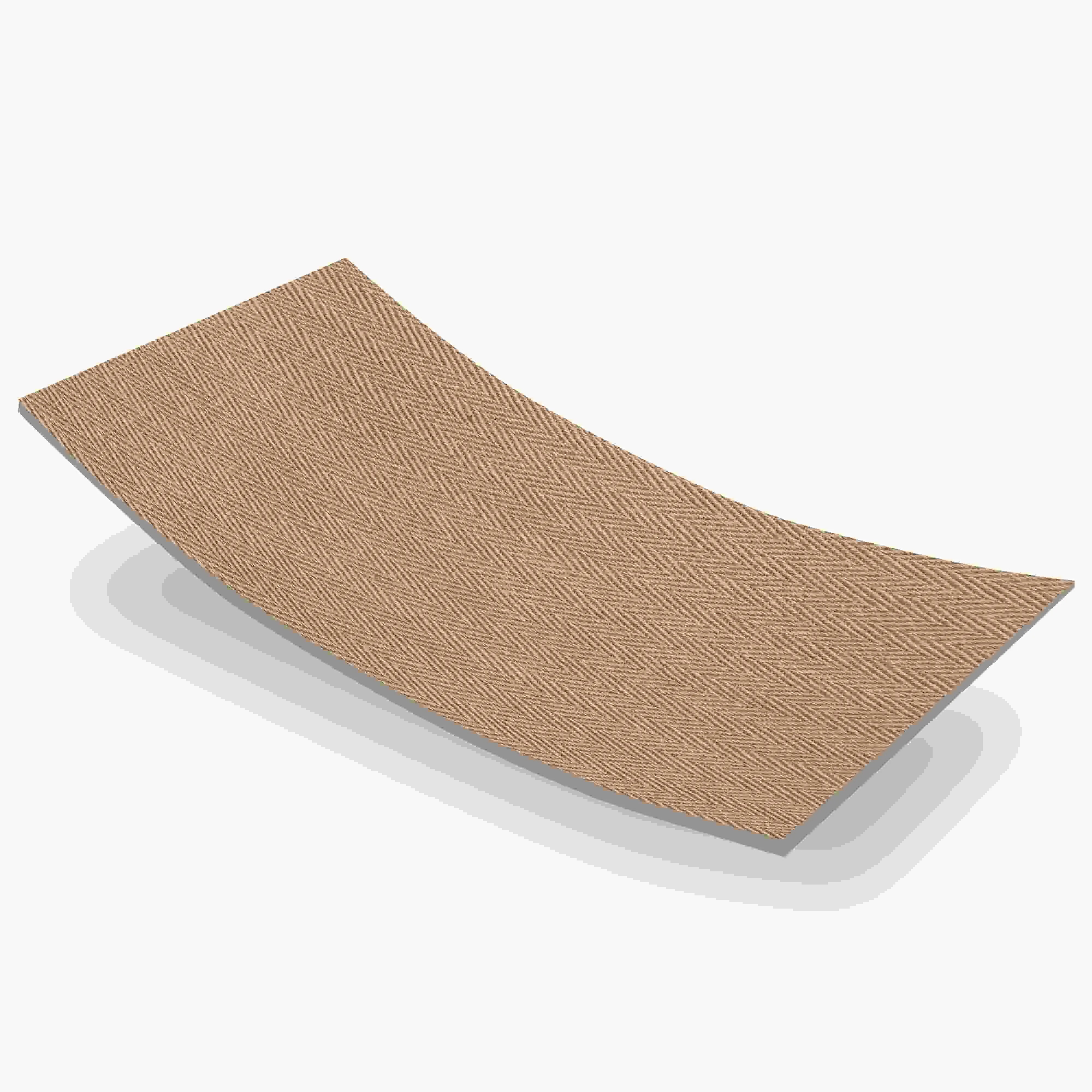
Let's start with exteriors. The lightweight nature of MCM flexible stone means it can be installed on virtually any building type—from low-rise strip malls to skyscrapers. Its flexibility (yes, "flexible" is in the name) allows it to curve around corners or follow unique architectural shapes, unlike rigid materials like travertine or granite. Imagine a futuristic tech campus with a curved facade: Weaving (Khaki) MCM can wrap around that curve seamlessly, creating a cohesive look that rigid stone would struggle to match.
Interiors, too, benefit from its adaptability. In retail, it's used for feature walls behind checkout counters, adding texture without overwhelming product displays. In restaurants, it lines ceilings or partitions, absorbing sound to keep dining areas from feeling too noisy. Even in offices, it's finding a place: as accent walls in lobbies, where it adds warmth to otherwise sterile corporate spaces. One Riyadh-based architect I spoke with recently put it this way: "Weaving (Khaki) MCM is like a Swiss Army knife. It works everywhere—from luxury to casual, from traditional to ultra-modern. You don't have to compromise on design to get durability."
To illustrate just how versatile it is, let's look at some real-world applications (names changed for privacy, but projects are based on actual Saudi developments):
And because MCM panels are prefabricated, installation is fast—a critical factor in Saudi Arabia, where construction timelines are often tight. Unlike natural stone, which requires on-site cutting and fitting (and often results in waste), Weaving (Khaki) MCM panels arrive ready to install, slashing project timelines by weeks. For developers racing to open a new mall before Ramadan or a hotel ahead of peak tourist season, that speed is invaluable.
Saudi Arabia's Vision 2030 isn't just about economics—it's about building a sustainable future. Green construction is no longer a trend here; it's a mandate. Developers are prioritizing materials that reduce carbon footprints, lower energy use, and minimize waste. Weaving (Khaki) MCM checks all these boxes, making it a favorite among eco-conscious projects.
First, its lightweight design reduces transportation emissions. Heavier materials like natural travertine require more fuel to transport from quarries to job sites; MCM panels, being lighter, cut those emissions significantly. Plus, MCM is often made with recycled mineral aggregates, diverting waste from landfills. Compare that to fair-faced concrete, which has a high carbon footprint due to cement production—Weaving (Khaki) MCM is a greener choice from the start.
Then there's energy efficiency. The weaving texture and khaki color work together to reflect sunlight, reducing heat absorption. In a country where air conditioning accounts for up to 70% of a building's energy use, this "cool roof/wall" effect can lower cooling costs by 20-30%. For commercial buildings with large footprints—like malls or hypermarkets—that translates to massive savings on utility bills. One study by a Riyadh-based engineering firm found that switching to MCM cladding (including Weaving (Khaki)) reduced a mall's annual cooling costs by over SAR 100,000.
Finally, MCM is long-lasting. Unlike vinyl cladding or painted surfaces, which need replacement every 10-15 years, Weaving (Khaki) MCM panels have a lifespan of 50+ years. That longevity means less waste over time—no need to tear down and replace cladding every decade. In a world grappling with climate change, "buy once, buy well" isn't just a slogan; it's a responsibility. Weaving (Khaki) MCM helps developers meet that responsibility without sacrificing design.
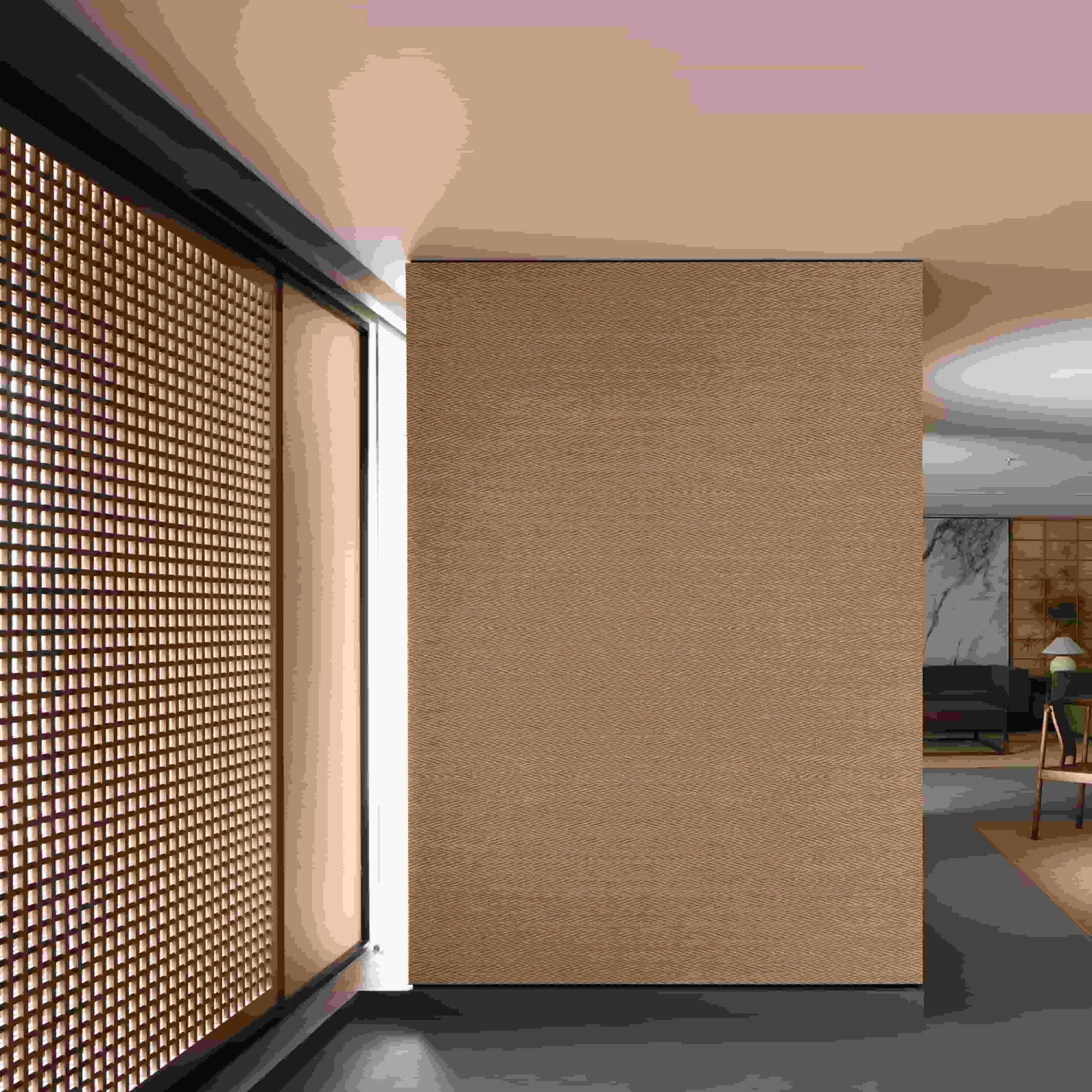
To truly understand why Weaving (Khaki) MCM is a staple, let's compare it to other popular materials in Saudi commercial construction. Below is a breakdown of how it measures up against fair-faced concrete, travertine, and marble series stone in key categories:
| Category | Weaving (Khaki) MCM | Fair-Faced Concrete | Natural Travertine | Marble Series Stone |
|---|---|---|---|---|
| Aesthetic Appeal | Warm, textured, versatile; complements desert landscapes | Industrial, stark; can feel cold in commercial settings | Elegant, porous; prone to staining in humid/sandy areas | Luxurious, but high maintenance; color fades in UV light |
| Durability | Withstands heat, sand, salt, and humidity; 50+ year lifespan | Strong, but prone to cracking in temperature fluctuations | Soft; scratches easily; requires regular sealing | Brittle; chips easily; sensitive to acidic cleaners |
| Installation Speed | Prefabricated; fast installation (weeks) | On-site pouring/curing; slow (months) | On-site cutting/fitting; slow (weeks to months) | On-site cutting/fitting; slow (weeks to months) |
| Maintenance Cost | Low; occasional hose-down | High; requires sealing, repairs for cracks | High; regular sealing, polishing, stain removal | Very high; regular polishing, sealing, chip repairs |
| Sustainability | Lightweight (low transport emissions); recycled content; long lifespan | High carbon footprint (cement production); heavy (high transport emissions) | Mined from quarries (environmental impact); heavy (high transport emissions) | Mined from quarries (environmental impact); heavy (high transport emissions) |
The data speaks for itself: Weaving (Khaki) MCM outperforms alternatives in nearly every category that matters to Saudi commercial developers. It's not just better—it's smarter.
Weaving (Khaki) MCM isn't just another cladding option in Saudi commercial construction. It's a material that understands the country's needs: the desire for beauty that honors heritage, the demand for durability in harsh conditions, the urgency of sustainability, and the pressure to build quickly and cost-effectively. It's a material that works as hard as the people who build with it—quietly, reliably, and with style.
As Saudi Arabia continues to grow—new cities rising from the desert, old ones reinventing themselves—Weaving (Khaki) MCM will be there, shaping skylines and welcoming visitors. It's a staple not by accident, but by design: a material that doesn't just build buildings, but builds experiences. And in a country where commerce is about connection—between brands and customers, between past and future—that's the greatest legacy of all.
So the next time you walk past a commercial building in Saudi Arabia and pause to admire its warm, textured facade, take a closer look. Chances are, you're looking at Weaving (Khaki) MCM—and you're seeing the future of Saudi construction, one panel at a time.
Recommend Products












