
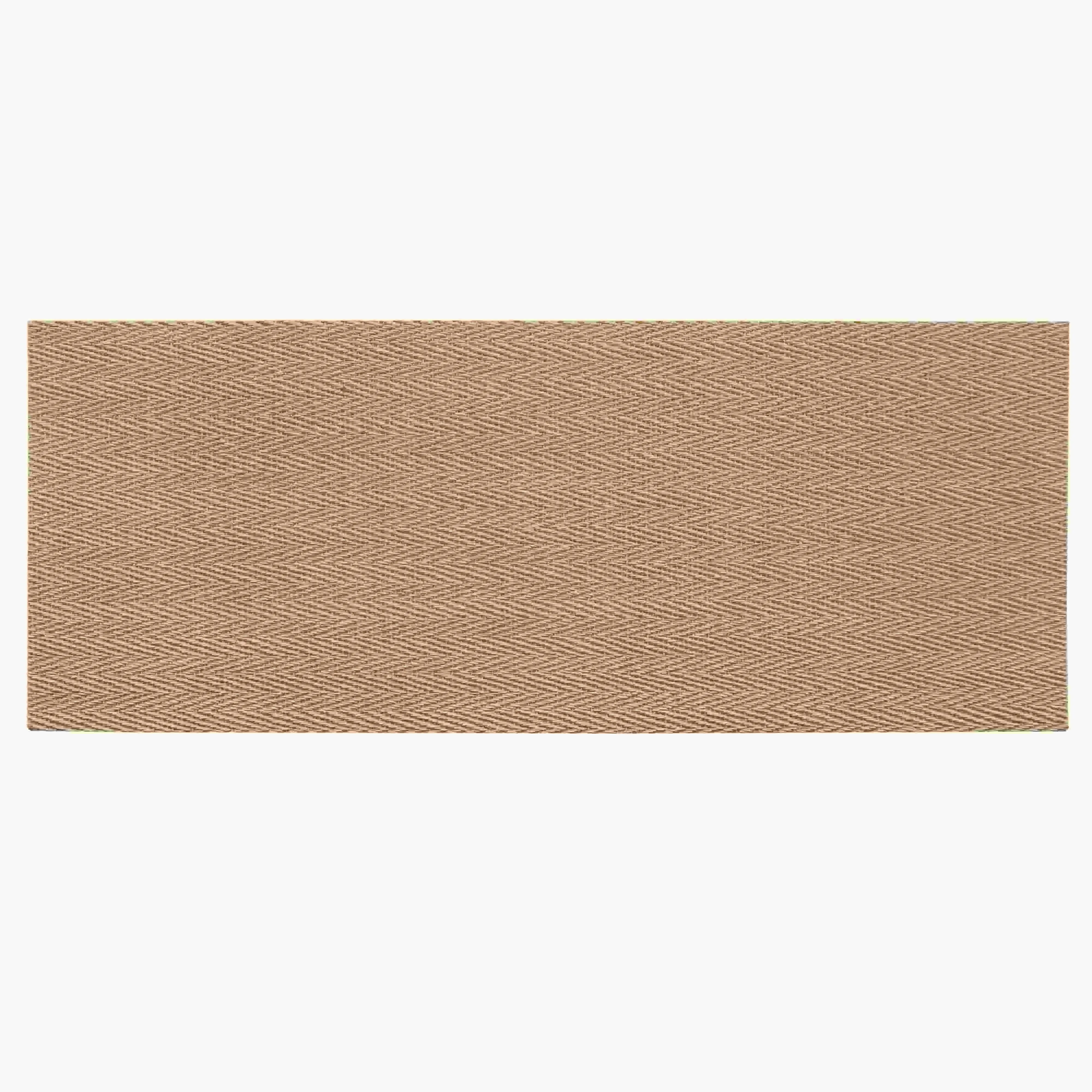
In the sun-drenched cities of the Middle East, where ancient minarets pierce the sky and modern skyscrapers glint like glass and steel giants, there's a quiet revolution happening in architectural materials. Designers and developers are no longer choosing between tradition and innovation—they're weaving them together. Enter Weaving (Khaki) MCM, a material that's quickly becoming the talk of the region's construction and design circles. But what exactly is it about this textured, earthy cladding that's capturing the hearts of architects, developers, and homeowners alike? Let's unravel the story.
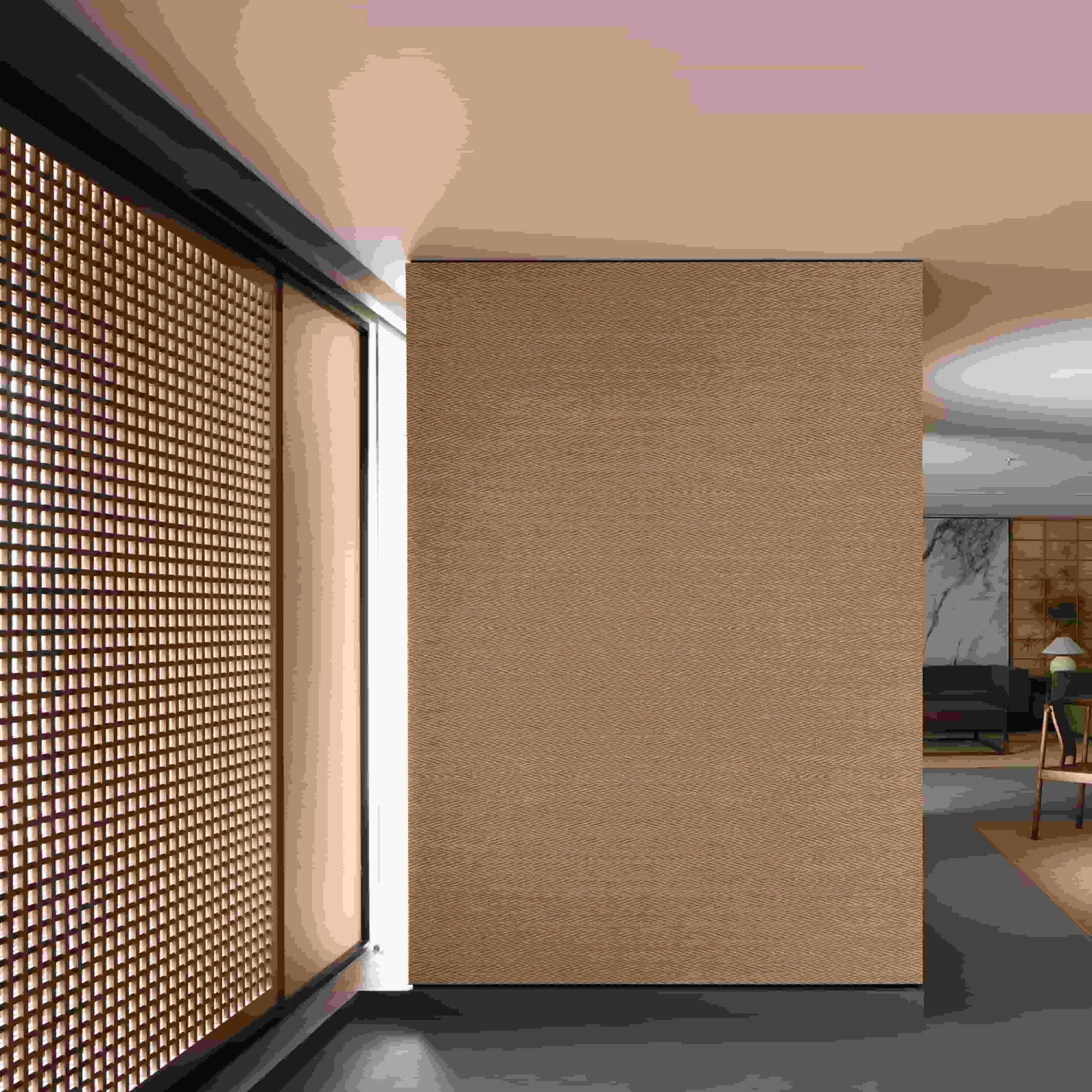
First, let's talk about that name—"Weaving (Khaki)." It's not just a label; it's a promise of character. Run your hand over a panel, and you'll feel it: a subtle, interlaced pattern that mimics the warp and weft of a handwoven textile. It's soft yet structured, organic yet intentional—qualities that resonate deeply in Middle Eastern design, where textiles like kilims, suzanis, and mashrabiya screens have been integral to cultural expression for centuries. In a region where every pattern tells a story, Weaving (Khaki) MCM doesn't just cover walls; it whispers tales of heritage.
But it's the color that truly anchors its appeal. Khaki—warm, earthy, and versatile—fits seamlessly into the Middle Eastern palette. Think of the golden sands of the Arabian Desert at dawn, the weathered stone of Petra's cliffs, or the muted tones of traditional adobe villages in Oman. Weaving (Khaki) doesn't shout; it harmonizes. It complements the region's love for bold accents, like the rich golds of lunar peak golden cladding or the sleek silvers of foamed aluminium alloy board (vintage silver), making it a chameleon in design schemes—equally at home on a minimalist villa facade or a grand hotel lobby.
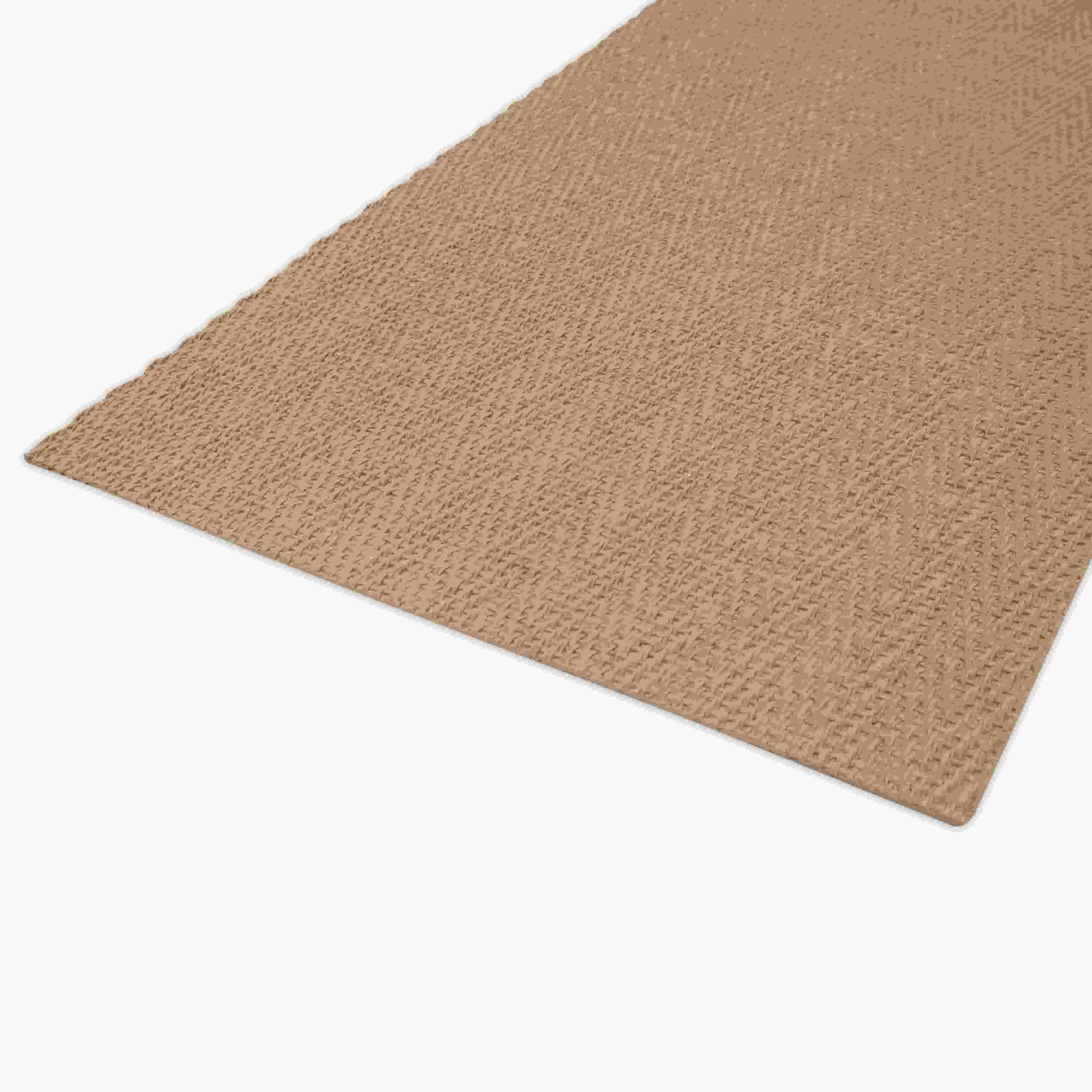
Middle Eastern markets are notoriously demanding, and for good reason. The region's climate—scorching summers, occasional sandstorms, and intense UV radiation—tests even the sturdiest materials. Natural stone, while beautiful, often cracks under thermal expansion, or fades under the relentless sun. Traditional concrete can feel cold and sterile, lacking the warmth that defines Middle Eastern spaces. Weaving (Khaki) MCM, however, is engineered to thrive here.
Made from modified composite materials (MCM), it's lightweight yet incredibly strong—resistant to warping, fading, and impact. Unlike natural travertine, which absorbs moisture and can harbor mold in humid coastal areas like Dubai or Doha, Weaving (Khaki) MCM is non-porous, making it ideal for both desert and seaside projects. Its low thermal conductivity also helps regulate building temperatures, reducing reliance on air conditioning—a critical factor in a region where energy efficiency is becoming a top priority.
Culturally, Middle Eastern design is all about balance: honoring the past while embracing progress. Weaving (Khaki) MCM nails this balance. Its texture nods to the region's textile heritage, while its manufacturing process—often incorporating 3D printing or precision molding—speaks to cutting-edge innovation. This duality is a hit with developers who want projects that feel rooted in local identity but don't look stuck in time. Compare that to fair-faced concrete, which, while modern, can feel too industrial for projects aiming for a softer, more inviting aesthetic. Weaving (Khaki) adds that human touch without sacrificing contemporary appeal.
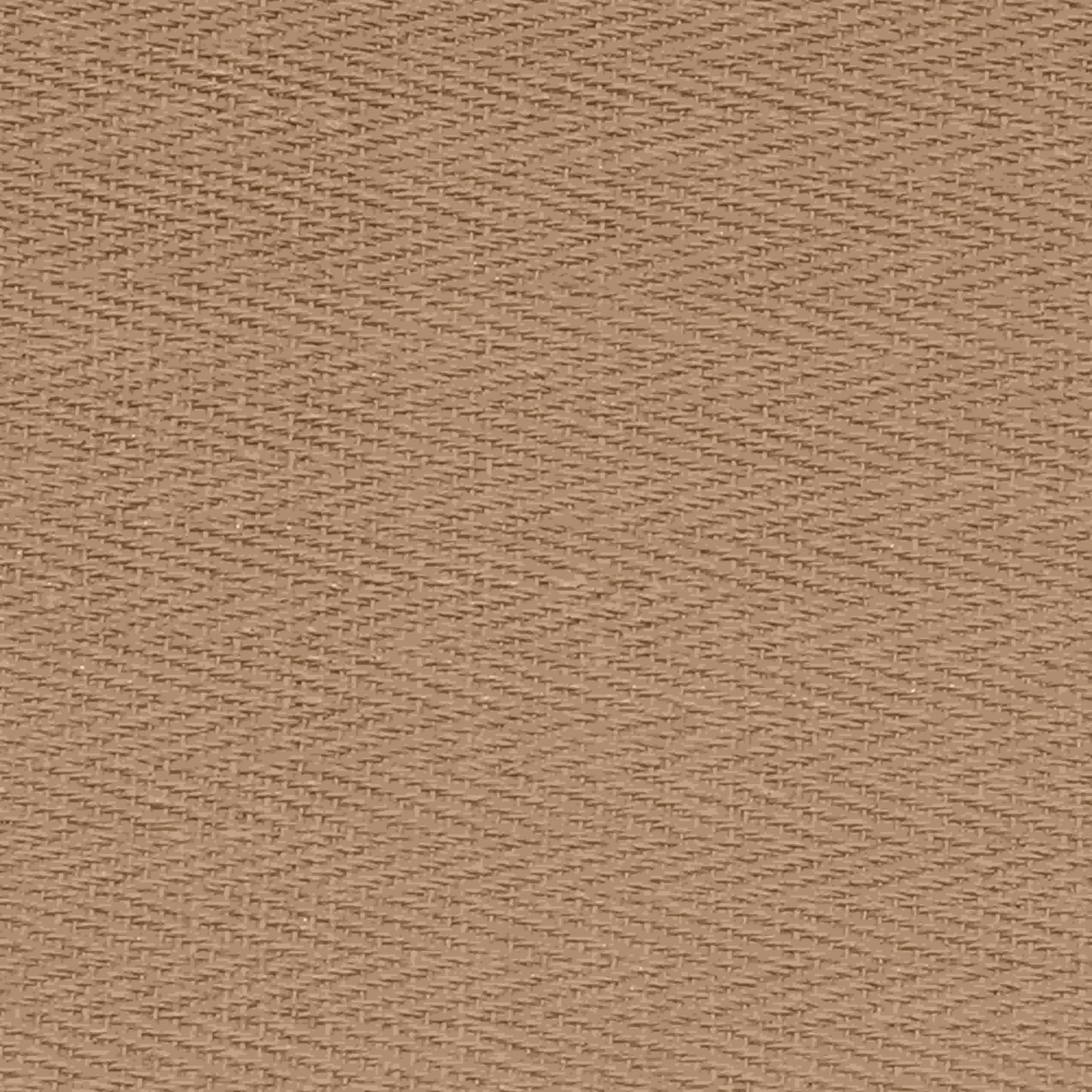
Behind the scenes, Weaving (Khaki) MCM is a testament to MCM's commitment to craftsmanship and innovation. Unlike mass-produced cladding panels that feel generic, each Weaving (Khaki) sheet is designed to replicate the irregularities of handwoven fabric—no two panels are exactly alike, yet they align perfectly for a cohesive look. This attention to detail is a far cry from the uniformity of foamed aluminium alloy boards, which, while durable, lack the organic charm that Middle Eastern designers crave.
MCM's use of flexible stone technology is another game-changer. Weaving (Khaki) isn't just a thin veneer; it's a composite that combines natural minerals with high-performance polymers, resulting in a material that's flexible enough to curve around architectural features (think rounded arches, a staple in Middle Eastern architecture) yet rigid enough to stand up to the elements. This flexibility opens up design possibilities that natural stone or even rigid concrete boards can't match. Imagine a mosque's dome clad in Weaving (Khaki) panels, the texture catching the light as the sun sets—creating a dynamic, ever-changing facade that feels alive.
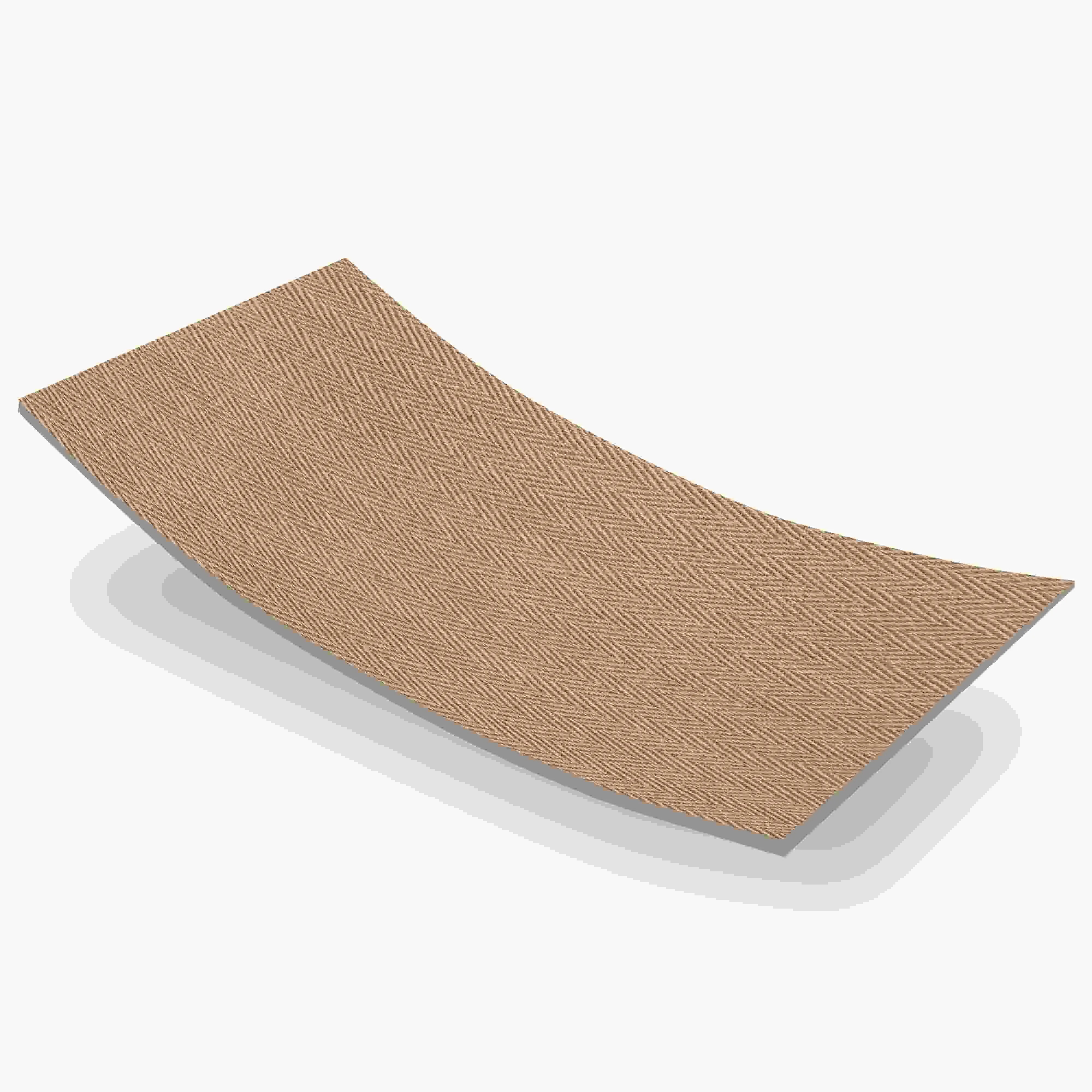
Let's get practical: in the fast-paced world of Middle Eastern construction, time and cost matter. Weaving (Khaki) MCM delivers on both fronts. Its lightweight nature means easier transportation and installation—no need for heavy machinery or reinforced structures, which cuts down on labor costs and project timelines. For large-scale projects, like a mixed-use development in Riyadh or a resort in Bahrain, this efficiency is a huge selling point.
Maintenance is another win. Unlike natural marble or limestone, which require regular sealing and polishing, Weaving (Khaki) MCM is low-maintenance. A quick rinse with water is usually enough to remove dust or sand, and it resists stains from oil or graffiti—common concerns in busy urban areas. For property managers, this translates to long-term savings, making it a smart investment over the building's lifecycle.
And let's not forget sustainability. As the Middle East shifts toward greener building practices (the UAE's net-zero goals by 2050, for example), Weaving (Khaki) MCM checks the box. MCM's manufacturing process reduces waste compared to quarrying natural stone, and the material itself is recyclable at the end of its life. It also contributes to LEED credits, a certification that's becoming increasingly important for developers looking to attract eco-conscious tenants and buyers.
To truly understand Weaving (Khaki)'s rise, it helps to see how it stacks up against other go-to materials in the Middle East. Below is a comparison of key attributes:
| Material | Durability (Climate Resistance) | Aesthetic Versatility | Installation & Maintenance | Sustainability |
|---|---|---|---|---|
| Weaving (Khaki) MCM | Excellent (UV, heat, sandstorm resistant) | High (blends with traditional & modern designs) | Easy installation, low maintenance | Recyclable, low waste manufacturing |
| Natural Travertine | Good, but porous (prone to staining, fading) | High (timeless, but limited texture options) | Heavy, requires sealing, high maintenance | Quarrying has high environmental impact |
| Foamed Aluminium Alloy Board (Vintage Silver) | Excellent (rust-resistant, lightweight) | Moderate (sleek, modern; less warmth) | Easy installation, low maintenance | Recyclable, but less cultural resonance |
| Fair-Faced Concrete | Good, but prone to cracking in heat | Moderate (industrial, minimalist) | Heavy, requires skilled labor for finish | High carbon footprint in production |
As the table shows, Weaving (Khaki) MCM isn't just another option—it's a superior choice for projects that demand durability, beauty, and practicality. Its ability to bridge the gap between tradition and modernity, while outperforming other materials in key areas, is why it's becoming the material of choice for forward-thinking architects.
To bring this to life, let's look at a few real-world examples of Weaving (Khaki) MCM in the Middle East. In Dubai's Design District, a boutique hotel recently clad its exterior in Weaving (Khaki) panels, pairing them with lunar peak golden accents for a luxurious yet grounded look. Guests often comment on how the texture makes the building feel "welcoming," like a modern take on a traditional desert retreat. Inside, the lobby features Weaving (Khaki) on accent walls, complemented by woven rugs and wooden furniture—creating a seamless flow between indoors and out.
In Riyadh, a residential complex aimed at young families chose Weaving (Khaki) for its courtyard facades. The material's earthy tone blends with the surrounding landscape, while its durability ensures it can withstand the city's hot, dry summers. Parents love that the walls don't get too hot to the touch, making the courtyard a safe play area for kids. For the developers, the quick installation time meant the project was delivered ahead of schedule—a rare feat in Saudi Arabia's competitive construction market.
Even in more traditional settings, Weaving (Khaki) shines. A restoration project in Bahrain's historic Manama Souq used the material to repair damaged stone walls, matching the original texture so closely that visitors can't tell the difference between old and new. This ability to honor heritage while ensuring structural integrity is why preservationists are also taking notice.
At the end of the day, Weaving (Khaki) MCM's popularity in the Middle East isn't just about its technical specs or practical benefits. It's about storytelling. In a region where architecture is a language—one that speaks to identity, tradition, and progress—Weaving (Khaki) is a powerful dialect. It says, "We respect our past, but we're not afraid to innovate." It says, "Beauty should be durable, and durability should be beautiful."
As Middle Eastern cities continue to grow and evolve, materials like Weaving (Khaki) MCM will play a crucial role in shaping their skylines. They'll clad the next generation of hotels, homes, and public spaces—spaces that feel both familiar and new, rooted in heritage yet ready for the future. And for MCM, it's a testament to their ability to listen to the market, understand its needs, and deliver materials that don't just build structures, but build connections.
So the next time you walk through a Middle Eastern city and spot a building with a warm, textured facade that seems to glow in the sun, take a closer look. Chances are, it's Weaving (Khaki) MCM—quietly weaving together the threads of tradition, innovation, and the timeless spirit of the region.
Recommend Products












