
Picture this: You're standing at the entrance of a luxury hotel, the kind that makes you pause and take a breath before even stepping inside. The exterior isn't just a wall—it's a statement. It whispers stories of craftsmanship, hints at the experience waiting inside, and blends seamlessly with its surroundings, whether that's a bustling city skyline or a serene beachfront. In the world of luxury hospitality, first impressions aren't just important; they're everything. And these days, more and more high-end hotels are turning to a surprising yet brilliant solution to craft those unforgettable first impressions: weaving real photos in MCM. But what exactly is this technique, and why has it become the go-to choice for designers and hoteliers alike? Let's dive in.
Luxury hotels are in the business of creating dreams. From the moment a guest spots the property—whether from a taxi, a yacht, or a city street—the exterior sets the tone for their entire stay. It's not just about looking "nice"; it's about evoking emotion. A well-designed exterior can make a guest feel transported, whether that's to a sun-drenched villa in Tuscany, a sleek urban oasis, or a timeless palace steeped in history. It's the first chapter of the hotel's story, and in an era where social media shares and influencer posts drive so much travel decisions, that story needs to be visually compelling, authentic, and instantly shareable.
Traditionally, luxury hotels leaned on "tried and true" materials: marble, granite, natural stone, or polished wood. These materials have their merits—they exude opulence, after all—but they come with trade-offs. Marble, for example, is stunning but prone to staining and weathering. Wood ages quickly in harsh climates, requiring constant maintenance. And while these materials can be beautiful, they often lack the flexibility to tell a unique, custom story. In a world where luxury is increasingly defined by individuality, not just exclusivity, hoteliers are craving something more.
Enter MCM, or Modified Composite Material—a game-changer in the world of architectural design. MCM isn't just one material; it's a family of innovative, engineered solutions designed to combine the best of natural aesthetics with modern performance. Think of it as nature's beauty, reimagined through science. MCM products, like MCM flexible stone , are lightweight, durable, and incredibly versatile, making them ideal for everything from high-rise exteriors to boutique hotel facades. But what truly sets MCM apart is its ability to mimic the look and feel of natural materials—stone, wood, even metal—without the heavy weight, high cost, or maintenance headaches.
MCM's rise in popularity isn't accidental. As designers and builders seek more sustainable, cost-effective, and customizable options, MCM checks all the boxes. It's made with eco-friendly processes, reduces construction time (thanks to its lightweight nature), and can be tailored to fit any design vision. But within the MCM family, one innovation has emerged as a particular favorite among luxury hoteliers: weaving real photos in MCM.
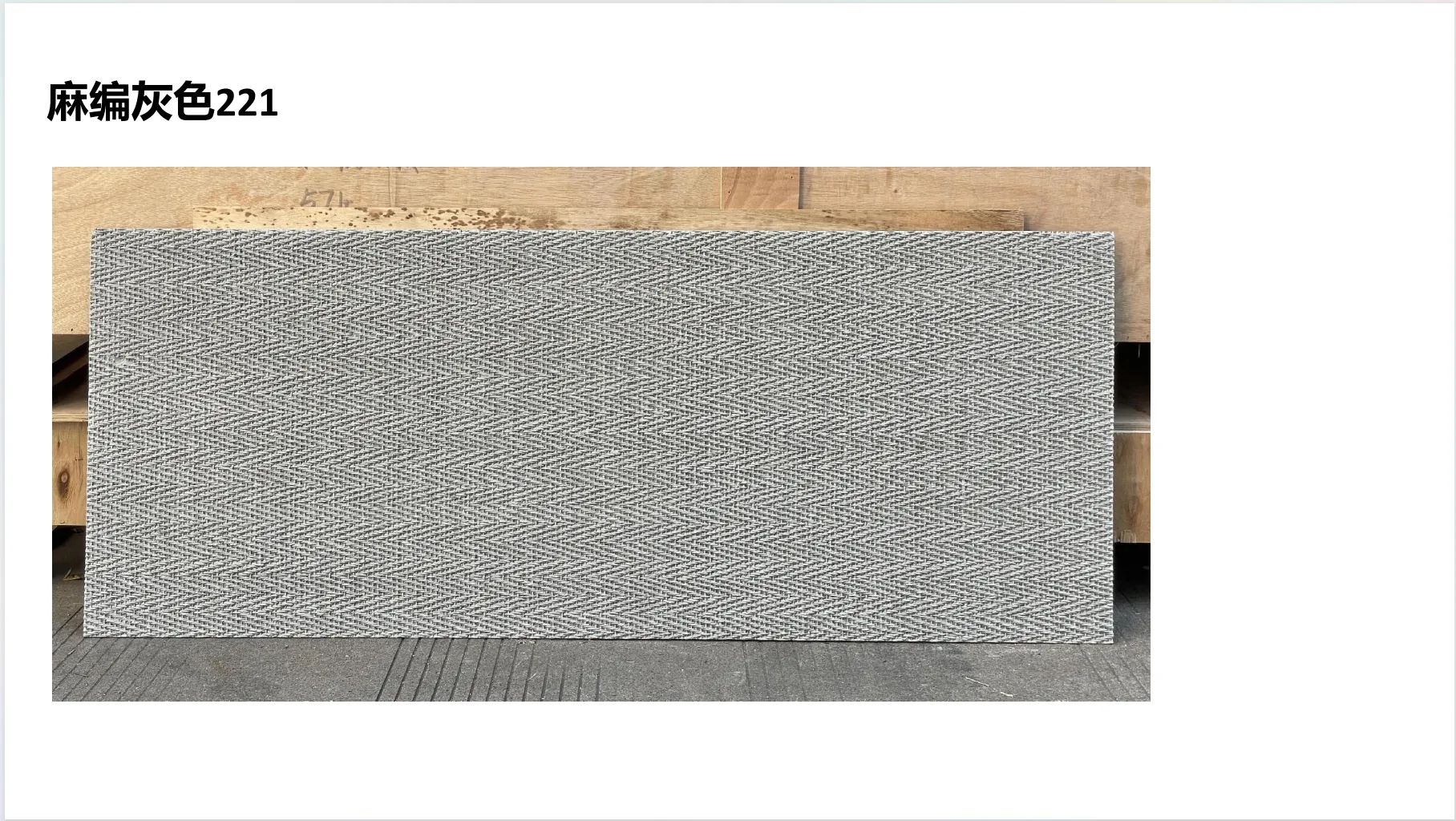
Weaving real photos in MCM is exactly what it sounds like—taking high-resolution, authentic photographs of natural textures, patterns, or scenes (think: the grain of aged wood, the ripples of a mountain stream, the weave of a traditional textile) and integrating them into MCM panels through advanced printing and weaving techniques. The result? A material that looks and feels almost indistinguishable from the real thing, but with the added benefits of MCM's durability and flexibility.
Imagine a hotel exterior that features the warm, earthy tones of weaving (khaki) , inspired by the handwoven textiles of a local artisan community. Or one that uses weaving (grey) to mimic the weathered threads of a historic tapestry, adding depth and storytelling to the facade. These aren't just printed images slapped onto a surface—they're woven into the very fabric of the MCM panel, creating a tactile, three-dimensional effect that draws the eye and invites touch. It's art meets architecture, and the result is nothing short of mesmerizing.
Luxury today is about authenticity. Guests don't just want to stay in a "nice" hotel—they want to connect with something real, something with meaning. Weaving real photos in MCM delivers that authenticity in spades. By using actual photographs of natural materials or cultural motifs, hoteliers can infuse their exteriors with genuine stories. For example, a hotel in a coastal region might use photos of local driftwood or seashells woven into MCM panels, creating a facade that feels rooted in its environment. A city hotel could draw on urban textures—weathered brick, graffiti, or even the thread of historic cobblestones—to tell a story of the neighborhood's past and present.
This authenticity resonates with guests on a deeper level. When they see a facade that looks like it was crafted from centuries-old stone or handwoven textiles, they feel a sense of connection—not just to the hotel, but to the place itself. In a world where so much feels mass-produced, weaving real photos in MCM offers a rare touch of the genuine.
In the age of Instagram, a hotel's exterior is often its most powerful marketing tool. Weaving real photos in MCM turns that exterior into a visual masterpiece—one that guests can't help but photograph and share. Unlike plain concrete or generic stone, these panels have a "wow" factor. They catch the light differently, reveal new details up close, and create a sense of intrigue from afar. A hotel using travertine (starry blue) woven into MCM, for example, might evoke the night sky over a mountain range, turning its facade into a conversation piece. Another using wood grain board photos could blend the warmth of nature with modern architecture, creating a balance that feels both timeless and contemporary.
This visual storytelling isn't just about aesthetics—it's about branding. A luxury hotel that uses weaving real photos in MCM isn't just building a facade; it's creating a signature look that sets it apart from competitors. It's a way to say, "We care about the details. We care about telling a story." And in a crowded market, that story is what makes guests choose your hotel over the one next door.
Luxury hotels can't afford to cut corners on durability. Exteriors face harsh elements—rain, wind, UV rays, even saltwater in coastal areas—and need to maintain their beauty for years, if not decades. Weaving real photos in MCM excels here. Unlike natural wood, which warps and fades, or traditional stone, which can crack or erode, MCM panels are engineered to withstand the elements. The woven photos are protected by a tough, weather-resistant coating that prevents fading, scratching, or peeling. Even in extreme climates, the facade stays vibrant and intact, ensuring the hotel's exterior looks as stunning on day 1,000 as it did on day one.
This durability also translates to lower maintenance costs. No need for frequent repainting, sealing, or replacement—just occasional cleaning to keep the panels looking fresh. For luxury hotels, which often operate on tight budgets for upkeep, this is a huge advantage. It means more money can be invested in guest experiences, not in fixing a worn-out facade.
Luxury hotels come in all styles—from minimalist modern to opulent traditional, from tropical beachfront to urban chic. Weaving real photos in MCM is versatile enough to adapt to any of these visions. Whether the design calls for the sleek, metallic sheen of foamed aluminium alloy board (vintage gold) or the rustic charm of rammed earth board (matcha green) , MCM can deliver. The technology allows for endless customization: colors, patterns, textures, even scale. Want a facade that looks like a giant tapestry? Or one that mimics the look of ancient stone blocks? Weaving real photos in MCM can do both—and everything in between.
This versatility also extends to installation. MCM panels are lightweight and easy to install, making them suitable for both new construction and renovation projects. A historic hotel looking to update its exterior without losing its character can use MCM panels woven with photos of its original stonework, blending the old with the new seamlessly. A boutique hotel with a bold, artistic vision can create a one-of-a-kind facade that becomes a landmark in its own right.
Today's luxury travelers are more eco-conscious than ever. They want to stay in hotels that align with their values—hotels that prioritize sustainability without sacrificing style. Weaving real photos in MCM fits the bill perfectly. MCM is inherently sustainable: it's made with recycled materials, requires less energy to produce than natural stone or wood, and its lightweight nature reduces transportation and installation emissions. By using photos of natural materials instead of harvesting the real thing, hotels also reduce their environmental footprint. No more mining marble or cutting down ancient trees—just high-quality images woven into a durable, long-lasting material.
Sustainability isn't just a buzzword for these hotels; it's a selling point. Guests are proud to share stays at eco-friendly properties, and a facade made with sustainable MCM panels becomes part of that story. It's a way for hotels to demonstrate their commitment to the planet while still delivering the luxury experience their guests expect.
| Material | Aesthetic Appeal | Durability | Customization | Sustainability | Maintenance |
|---|---|---|---|---|---|
| Natural Marble | Timeless, high-end look but limited color/pattern options | Prone to staining, etching, and weathering | Minimal; depends on available stone quarries | High environmental impact (mining, transportation) | Requires regular sealing and polishing |
| Wood Panels | Warm, organic feel but fades/ages unevenly | Susceptible to rot, pests, and moisture damage | Limited by wood species and grain patterns | Depends on sourcing; can contribute to deforestation | Frequent staining, painting, and replacement |
| Fair-Faced Concrete | Industrial, modern look but lacks texture variation | Durable but prone to cracking and discoloration | Limited color options; hard to customize patterns | High carbon footprint in production | Requires sealing; cracks are difficult to repair |
| MCM Weaving Real Photos | Authentic, high-resolution textures; endless patterns/colors (e.g., weaving (khaki), weaving (grey)) | Weather-resistant, fade-proof, and impact-resistant | Unlimited; custom photos and designs possible | Recycled materials, low energy production, reduces need for natural resource extraction | Low maintenance; occasional cleaning only |
The Azure Sands Hotel, a boutique luxury property on the coast of Bali, faced a dilemma: its original exterior, clad in traditional stone, was beautiful but heavy, expensive to maintain, and didn't reflect the hotel's commitment to sustainability. The design team wanted something that would honor Bali's rich textile heritage while withstanding the harsh coastal climate.
Their solution? Weaving real photos in MCM. The team worked with local artisans to photograph traditional Balinese weaving (khaki) patterns, then integrated these images into lightweight MCM panels. The result was a facade that looked like it was wrapped in handwoven textiles, blending seamlessly with the island's natural beauty. Guests raved about the "authentic Balinese feel," and the hotel saw a 20% increase in social media mentions thanks to the photogenic exterior. Best of all, the MCM panels have withstood two monsoon seasons with zero fading or damage—proving that beauty and durability can indeed go hand in hand.
Weaving real photos in MCM isn't just a trend—it's the future of luxury hotel exterior design. It combines the best of natural aesthetics with modern innovation, offering hoteliers a way to tell authentic stories, create unforgettable visual experiences, and build facades that stand the test of time. In a world where guests crave connection, sustainability, and uniqueness, MCM weaving real photos delivers on all fronts.
So the next time you find yourself marveling at a luxury hotel's stunning exterior, take a closer look. Chances are, you're not just admiring stone or wood—you're admiring art, engineering, and a story woven into every panel. And that, in the end, is what luxury is all about: making the ordinary feel extraordinary.
Recommend Products












