
The exterior of a home is more than just a shell—it's the first chapter of the story it tells. It's the first thing that greets you after a long day, the backdrop to your morning coffee on the porch, and the silent witness to your family's laughter and quiet moments. In a world where so much of life feels hurried and impersonal, modern residential exterior design has a new mission: to create spaces that don't just look good, but feel alive. And at the heart of this mission lies a surprisingly timeless element: weaving. Not the kind of weaving you'd find in a textile factory, but the artful integration of woven textures, patterns, and materials that turn a house into a home. Today, we're diving into why "weaving real photos"—capturing and translating the authentic, tactile beauty of woven materials into exterior design—has become non-negotiable for designers and homeowners alike.
Walk down any street in a modern neighborhood, and you'll notice a trend: too many homes feel like they're wearing the same uniform. Sleek, smooth surfaces. Monochromatic palettes. Clean lines that prioritize "minimalism" but often end up feeling… empty. It's not that minimalism is bad—far from it. But minimalism without warmth is just austerity. Homeowners are starting to crave more. They want exteriors that have "grip"—textures that catch the light at different times of day, that invite you to reach out and touch them, that tell a story of craftsmanship and care. This is where weaving comes in.
Weaving, in its essence, is about connection. It's threads (or fibers, or strips of material) coming together—over, under, over, under—to create something stronger, more interesting, than any single strand could be. That metaphor alone makes it powerful for exterior design: a home that "weaves" different materials feels like a place where people, memories, and nature are all part of the same tapestry. But to truly capture that magic, designers can't rely on generic, computer-generated patterns. They need real photos of woven textures—close-ups of bamboo mats drying in the sun, of handwoven khaki textiles with slight imperfections, of wood grain that mimics the natural weave of a forest floor. These photos aren't just references; they're blueprints for emotion.
Imagine (oops—scratch that) Think about the difference between a stock image of a "woven pattern" and a real photo of your grandmother's old bamboo mat. The stock image is crisp, uniform, and… forgettable. The real photo? It has creases where it was folded too many times. There are tiny splits in the bamboo from years of sun and rain. The color isn't a perfect "bamboo green"—it's faded in spots, richer in others, like a memory itself. That's the power of "weaving real photos." They capture the imperfections that make something feel human. When designers use these photos to inform exterior materials—whether it's a wood grain board that mirrors the organic weave of that bamboo mat, or a "weaving (khaki)" panel thats the soft, muted tones of a well-loved textile—they're not just adding texture. They're adding soul .
Take, for example, the "bamboo mat board." It's not just a flat piece of material; it's a celebration of how bamboo strips are woven together, each one slightly different in thickness, each knot a quiet nod to the hands that made it. A real photo of a bamboo mat (wrinkled, sun-bleached, full of character) ensures that the board's texture isn't just a "design element"—it's a piece of nature's own weaving. When this board clads a home's exterior, it doesn't just reflect light; it reflects life. It feels like a hug from the outdoors, a reminder that even in our busy lives, we're part of something bigger.
Weaving real photos aren't just about aesthetics—they're a bridge between inspiration and execution. Let's explore some of the materials that bring this vision to life, each one a love letter to the art of weaving:
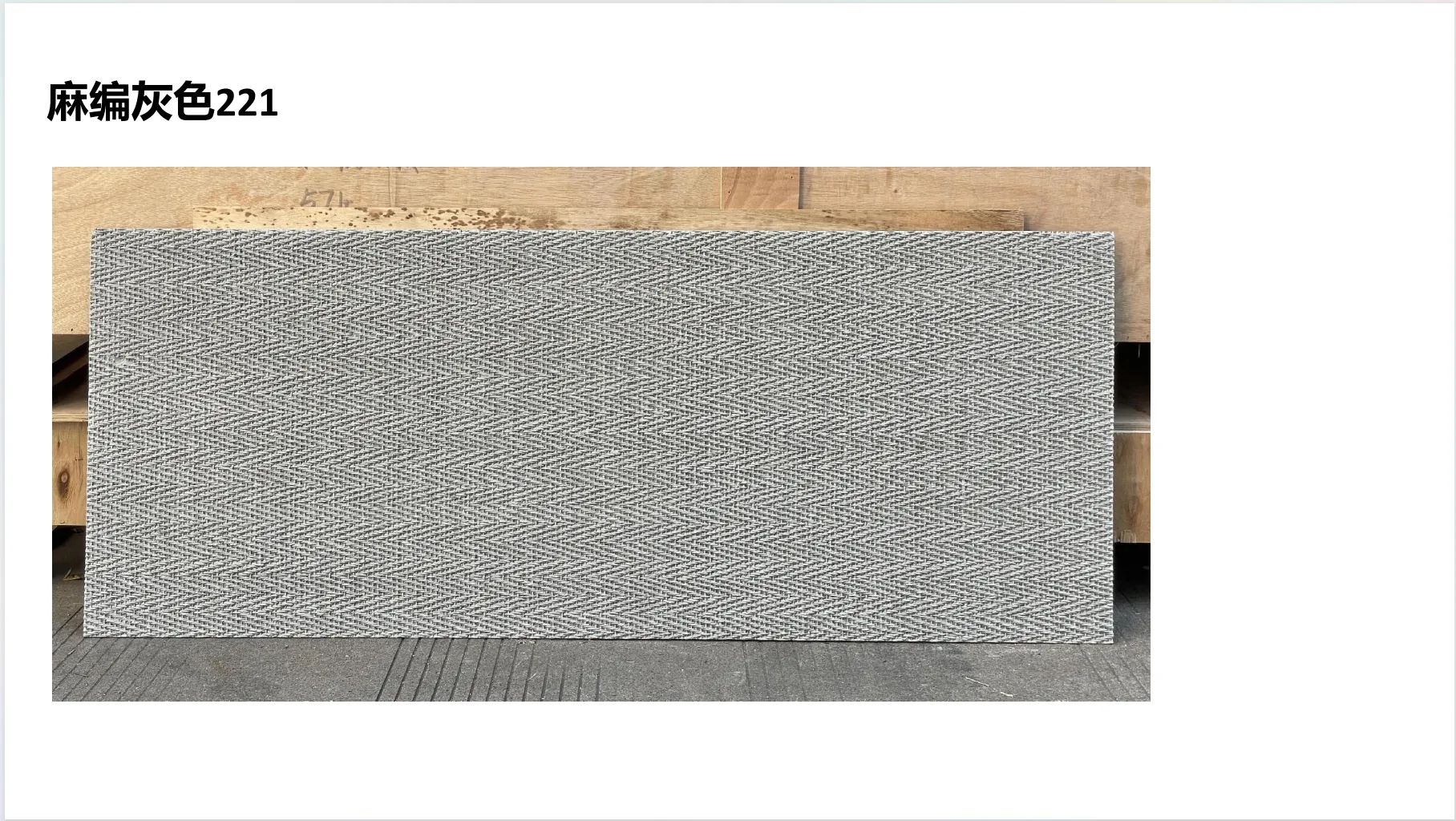
"Weaving (khaki)" and "weaving (beige)" aren't just color swatches—they're emotions in material form. Khaki, with its earthy, military-inspired roots, feels grounded and reliable, like a favorite jacket you've had for years. Beige, soft and warm, is the color of sunlight through linen curtains. When these woven textures are translated into exterior panels, they don't shout—they whisper . A home clad in "weaving (beige)" feels like it's been there forever, like it grew out of the soil rather than being built on it. It's the kind of exterior that makes neighbors stop and say, "That house just looks… friendly."
Wood has been weaving stories for centuries. The way its grain twists and turns, the knots and whorls that make each plank unique—it's nature's version of a woven tapestry. "Wood grain board" takes this a step further by amplifying that natural weave. A real photo of a tree's cross-section (with its rings like concentric threads) or a piece of hand-sawn lumber (with rough edges that mimic the irregularity of woven fibers) ensures the board's texture is authentic. Imagine a home with wood grain board siding: in the morning, the sun catches the "weave" of the grain, casting dappled shadows that dance like sunlight through leaves. In the evening, the warm tones glow, making the house feel like a lantern in the dark. It's not just wood—it's a conversation with the forest.
Bamboo is a wonder material—strong, sustainable, and inherently woven. Bamboo mat board takes the classic bamboo weaving pattern (think of the mats used in Asian homes for centuries) and translates it into a durable exterior cladding. But what makes it special isn't just the pattern; it's the memory of the mat itself. A real photo of a bamboo mat—worn thin in the center from years of feet, edges frayed, color deepened by rain and sun—ensures the board's texture isn't perfect. It has "character lines," just like a well-loved face. When used on a home's exterior, bamboo mat board feels like a nod to tradition, a way of saying, "We honor the past while building the future."
"Thread" might seem too delicate for exterior design, but in the context of weaving real photos, it's a reminder that even the smallest elements matter. Think of it as the "detail work" of the exterior—subtle grooves or indentations in panels that mimic the look of thread stitching materials together. A real photo of thread (spun unevenly, dyed with slight variations, frayed at the ends) inspires these details. They're not obvious at first glance, but when you step closer, you notice them: tiny "stitches" that hold the design together, like the way a quilt is stitched with love. These threads of texture turn a plain wall into a story—one about care, attention, and the beauty of the little things.
So, why does weaving real photos matter so much for modern residential exteriors? Let's break it down into three powerful reasons:
Walk up to a home clad in smooth, shiny concrete. It might look "modern," but does it make you want to stay? Now walk up to a home with wood grain board siding, accented with weaving (khaki) panels. The textures catch your eye, invite you to slow down, to notice. It feels like the home is "breathing," like it has a pulse. That's warmth—and warmth is what turns a house into a place you want to come home to.
Modern design often struggles to balance "progress" with "connection to nature." Weaving real photos solves this. Materials like bamboo mat board and wood grain board are sustainable, yes—but more than that, they bring the rhythm of nature into modern spaces. The woven patterns mimic the way leaves grow on a branch, the way water flows in a stream, the way grass sways in the wind. They remind us that even in a world of steel and glass, we're part of the natural world. It's modern design with a heartbeat.
In a sea of cookie-cutter houses, woven textures make a home stand out—not by being flashy, but by being authentic . A neighbor might not remember the exact color of your siding, but they'll remember how your home "felt"—warm, inviting, like it had a story. And isn't that what we want? For our homes to be more than addresses, but landmarks in the lives of the people who love them?
To help you visualize how these materials can transform a home's exterior, here's a closer look at some of our favorite weaving-inspired options, informed by the beauty of real photos:
| Material Name | Texture Characteristic | Best For… | Emotional Vibe |
|---|---|---|---|
| Weaving (khaki) | Soft, muted threads with slight color variations; mimics well-loved textiles. | Modern minimalism with a warm twist. | Earthy calm—like coming home to a favorite sweater. |
| Wood Grain Board | Organic, swirling patterns that mirror the natural weave of tree rings. | Rustic-modern or nature-inspired homes. | Nostalgic warmth—like a walk in the woods. |
| Bamboo Mat Board | Grid-like weave with irregular bamboo strip thickness; subtle "wear" details. | Tropical-inspired or eco-conscious homes. | Serene simplicity—like a quiet morning in a bamboo grove. |
| Thread (detail work) | Tiny, stitched-like grooves or indentations in panels. | Adding subtle depth to any exterior style. | Quiet care—like the little touches that make a house feel loved. |
| Weaving (beige) | Light, warm threads with a "sun-bleached" quality; soft to the eye. | Coastal or Scandinavian-inspired homes. | Airy warmth—like sunlight through linen curtains. |
At the end of the day, modern residential exterior design isn't about trends. It's about creating spaces that make us feel connected—to our homes, to each other, and to the world around us. Weaving real photos isn't just a design technique; it's a promise. A promise that our homes will never be just "buildings." They'll be living, breathing stories—woven from the threads of nature, tradition, and human care. So the next time you look at a home's exterior, take a closer look. Is it just a wall… or is it a tapestry? With weaving real photos, the answer will always be the latter. And that's the kind of home we all deserve to come back to.
Recommend Products












