
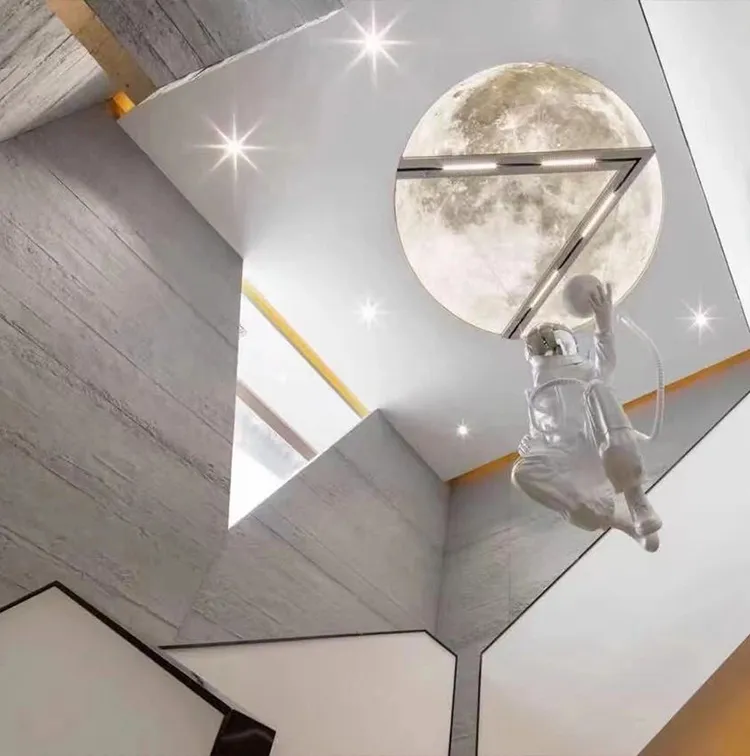
It's a crisp October morning, and I'm standing in front of the Riverton Community Center, a low-slung building with a facade that's always caught my eye. Ten years ago, when it first opened, the warm, wood-like panels cladding its exterior felt fresh and inviting—a stark contrast to the cold concrete and metal so common in public buildings. Today, I'm here for a reason: to check in on those panels. They're wood concrete boards, and after a decade of braving snow, rain, scorching sun, and the occasional hailstorm, I want to see if they've held up. Spoiler: I wasn't disappointed.
Let's be honest: When we pick materials for our homes or community spaces, we're not just buying something to look good today. We're investing in the future. Exterior cladding isn't like a throw pillow you can swap out next season. Replacing it means scaffolding, disruption, and a price tag that can run into the tens of thousands—even for a small building. So when a product claims to "last," we need proof. Not lab tests in controlled environments, but real-world, boots-on-the-ground evidence. That's why this 10-year check of the Riverton Community Center's wood concrete boards feels like such a big deal. It's not just about a building material; it's about trust.
Back in 2015, when the Riverton Community Center was being built, the architects wanted a facade that was both sustainable and visually striking. They settled on wood concrete boards—specifically the light grey and dark grey variants—for most of the exterior. But they didn't stop there. To create a comparison, they added sections of other popular cladding materials nearby: fair-faced concrete along the west wing, foamed aluminium alloy board (vintage silver) above the main entrance, and rough granite stone (medium grey) around the ground-floor windows. It was like a real-world durability lab, and the location couldn't have been more challenging.
Riverton, where the center stands, isn't kind to building materials. Winters here drop to -15°C with weeks of snow, followed by spring thaws that soak everything. Summers spike to 38°C, baking the facade in UV rays for 14 hours a day. And let's not forget the annual "June gales"—strong winds that hurl debris and driving rain. If a material is going to fail, Riverton will find a way to make it happen. Perfect, in other words, for a 10-year stress test.
I started at the north wall, where the light grey wood concrete boards wrap around the children's play area. Ten years ago, they were a soft, warm grey with subtle wood grain patterns that mimicked oak. Today? They've faded, but not in a patchy, "this part got more sun" way. It's a gentle, uniform softening—like a favorite sweater that's worn in but still looks good. Run your hand over them, and the texture is still there: slightly rough, like sanded wood, with no splinters or peeling edges. I pressed my palm against the surface; even on this cool morning, it didn't feel damp, a good sign for moisture resistance.
Moving to the south wall, where the dark grey wood concrete boards face the full brunt of the summer sun. If any part of the facade was going to show damage, it should be here. But again, no cracks, no warping, no blisters. The darker color has held up better than the light grey, retaining more of its original depth, but both look intentional—like the building has aged gracefully, not fallen apart. Maria, the center's facilities manager, walked over as I inspected. "We had a hailstorm three years ago that dented the metal gutters," she said, pointing. "Looked like someone took a hammer to them. But these boards? Not a mark. I was sure we'd need to replace sections, but nope."
One of the biggest surprises was how the wood concrete boards had developed character. The wood grain patterns, which I worried might fade into obscurity, are still visible—softer, but there. In some spots, tiny mineral deposits from rainwater have settled into the texture, creating a subtle, earthy sparkle, like morning dew on bark. It's not a flaw; it's a story. "Parents still comment on how 'homey' the building feels," Maria told me. "Kids draw pictures of it with the 'wood walls.' If we'd used something cold like concrete, I don't think it would feel the same."
Compare that to the fair-faced concrete on the west wing. It's chipped in a few places, and there are white, powdery streaks (efflorescence) where water has seeped through tiny cracks and evaporated, leaving mineral deposits. The surface feels rough in spots, almost sandy, like the top layer is eroding. It still looks industrial, but not in a chic way—more like it's tired.
Durability isn't just about looks, though. I grabbed a ladder to check the joints where the wood concrete boards meet. Ten years of temperature swings—freezing, thawing, expanding, contracting—can play havoc with building materials, causing them to pull away from fasteners or crack at the seams. But the boards were tight against the wall, with no gaps. The screws, which I'd expected to be rusted or loose, looked as solid as the day they were installed. "We had a roofer up here last year fixing a leak," Maria said. "He told me these boards are still as solid as when they went up. Said he'd seen newer buildings with more damage."
The foamed aluminium alloy board (vintage silver) above the entrance told a different story. It's lightweight and sleek, but there were small dents—probably from flying debris during those June gales—and a few spots where the vintage silver finish had worn thin, revealing a duller metal underneath. "We had to repaint that section two years ago," Maria admitted. "It started looking patchy, and the maintenance crew said the metal was pitting in places. Not a huge cost, but still—more work than we expected."
Mold and mildew are the silent enemies of exterior cladding, especially in shaded, damp areas. I checked the north-east corner, where the building meets a tall fence, creating a perpetually shaded spot. If moisture was going to collect, it would be here. The rough granite stone (medium grey) around the windows had a few dark spots—mold, Maria confirmed. "We pressure wash it twice a year, but it comes back," she sighed. "The stone is porous, so water gets trapped." But the adjacent wood concrete boards? Bone dry, no mold, no discoloration. Their density, I later learned, makes them resistant to water absorption, even in shaded areas.
Durability doesn't matter if the material costs a fortune to install or maintain. So I asked Maria for the numbers. "The wood concrete boards were pricier upfront than the fair-faced concrete—about 15% more," she said. "But concrete needed sealing every two years, and we had to repair those cracks last year. That added up. The aluminium? Repainting, plus replacing a few dented panels. The granite was the most expensive to install—heavy, needed extra structural support—but it's held up. Still, over 10 years, the wood concrete boards? We've spent maybe $500 total on maintenance: just annual soap-and-water washes. No repainting, no repairs, no sealing. They've paid for themselves."
| Material | Color Retention | Structural Issues | 10-Year Maintenance Cost |
|---|---|---|---|
| Wood Concrete Board (Light Grey) | Mild, uniform fading | None | ~$200 (soap/water washes) |
| Wood Concrete Board (Dark Grey) | Minimal fading, rich color retained | None | ~$200 (soap/water washes) |
| Fair-Faced Concrete | Staining, efflorescence (white streaks) | Hairline cracks, surface erosion | ~$3,500 (sealing, crack repairs) |
| Foamed Aluminium Alloy (Vintage Silver) | Patchy fading, pitting | Dents from debris | ~$2,800 (repainting, panel replacement) |
| Rough Granite Stone (Medium Grey) | No fading | Mold growth in shaded areas | ~$1,200 (pressure washing, mold treatment) |
If you're building a home, a business, or even a shed, the Riverton test tells you something simple: wood concrete boards aren't just a pretty face. They're a workhorse. They handle weather, save you money long-term, and keep looking good—no stress, no surprises. Maria put it best: "I don't think about the facade anymore. It's just… there. Doing its job. That's the best kind of material, right? The one that lets you focus on what matters—the kids playing, the community events—instead of worrying about repairs."
For architects, there's another bonus: versatility. The wood concrete boards at Riverton were cut into custom shapes around windows and doors, something that's harder (and pricier) to do with heavy materials like granite. They're lightweight, too—about a third the weight of stone—so you don't need beefed-up structural support, which cuts down on construction time and costs.
As I walked back to my car, I turned to look at the Riverton Community Center again. The wood concrete boards, light and dark grey, blended with the autumn trees, warm and inviting. Ten years in, they've become part of the landscape—not a brand-new product, but a trusted part of the community. That's the mark of a durable material: it doesn't just last; it becomes a story.
So the next time you're choosing exterior cladding, ask yourself: Will this look good in 10 years? Will it save me money? Will it feel like it belongs, not just today, but a decade from now? At Riverton, the answer for wood concrete boards is a resounding yes. And in a world where so much is built to be replaced, that's a rare and valuable thing.
Recommend Products












